
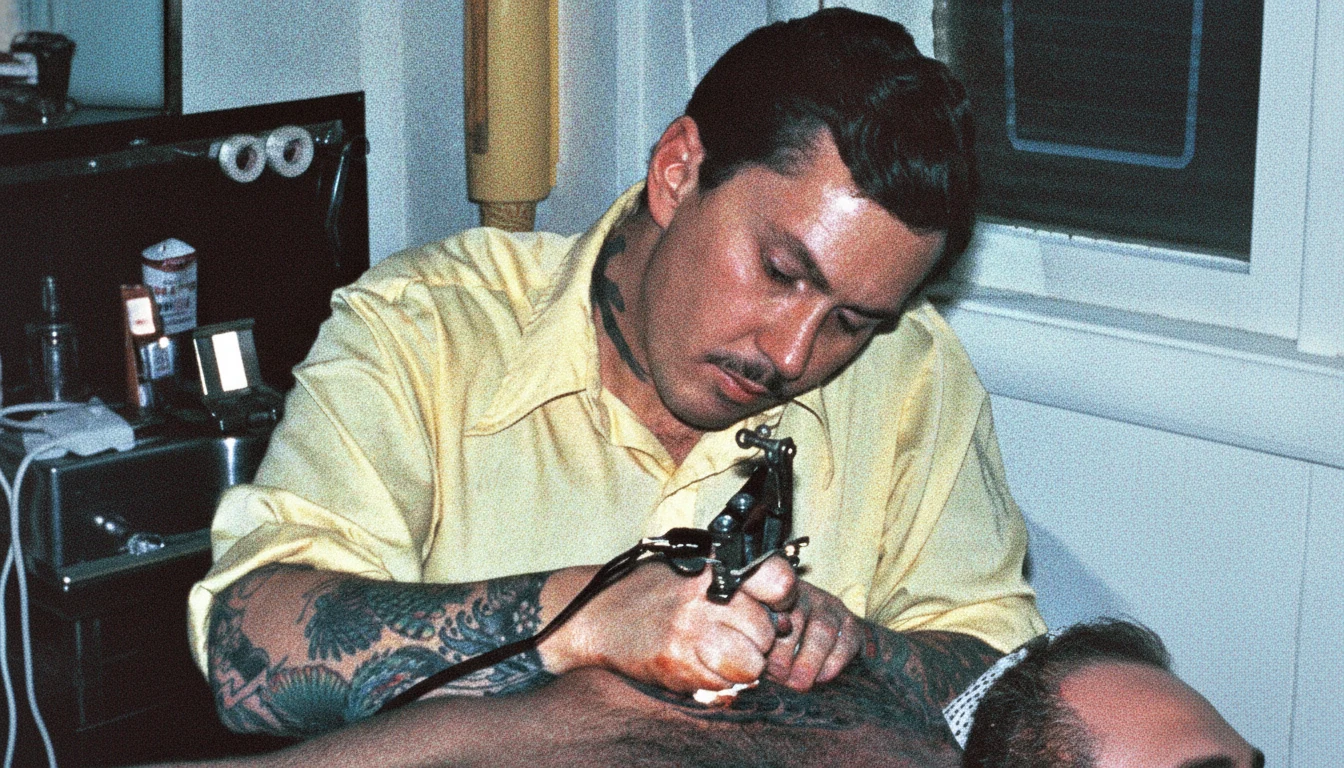
Don Ed Hardy: The Godfather of American Tattoo
Explore how Don Ed Hardy, the godfather of American tattoo, transformed the industry from simple flash designs into a respected form of fine art and culture.
Jason Howie 11 min
From ancient origins to modern culture — explore the rich history of tattooing across civilizations, traditions, and artistic movements.
Explore how Don Ed Hardy, the godfather of American tattoo, transformed the industry from simple flash designs into a respected form of fine art and culture.
Discover the best traditional tattoo artists and masters of old school ink who use bold lines and classic imagery to create timeless, high-quality body art.
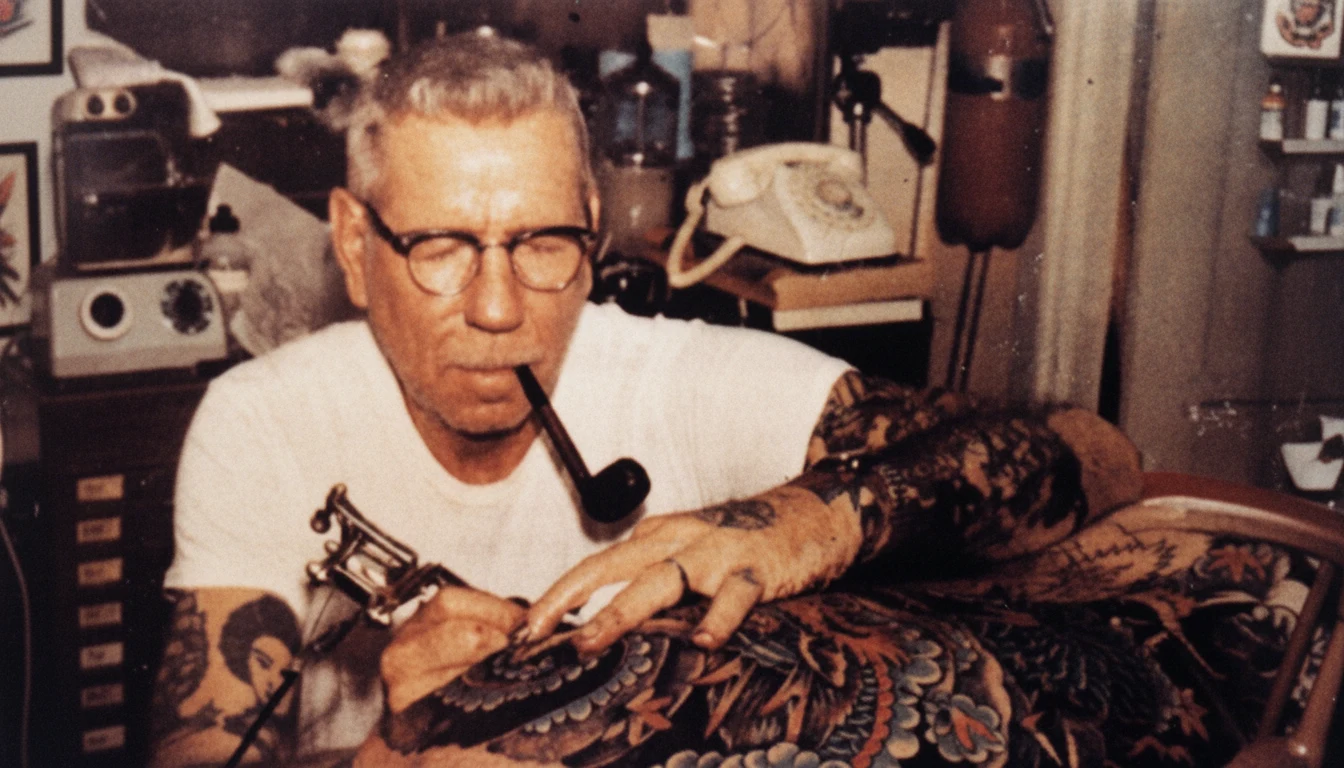
Discover how Norman Collins revolutionized ink as Sailor Jerry, the man who defined American traditional tattooing through bold innovation and vivid artistry.
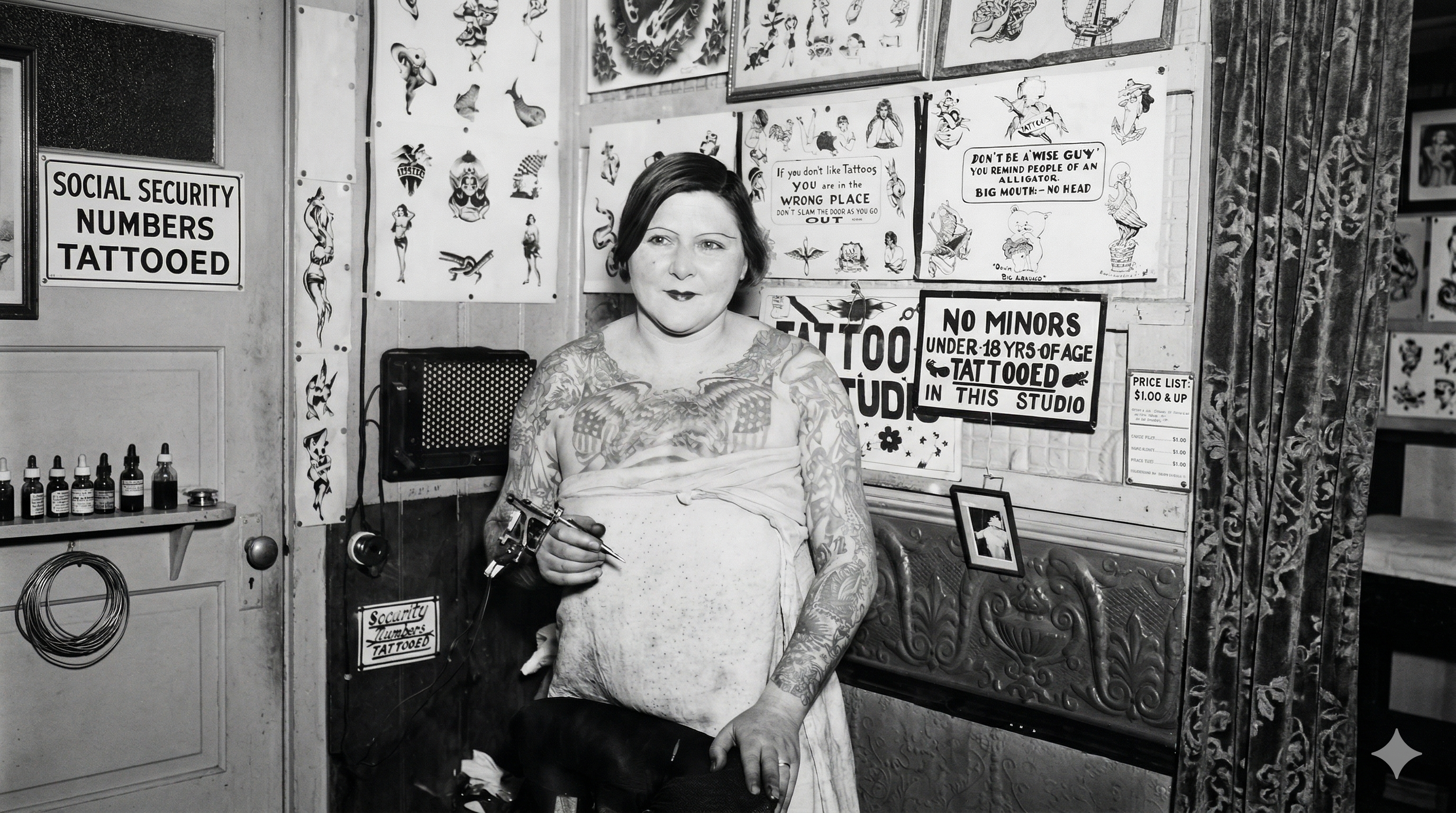
Mildred Hull ran her own shop on the Bowery in an era when nearly every tattooer was a man. Here's what we actually know about the Queen of the Bowery.
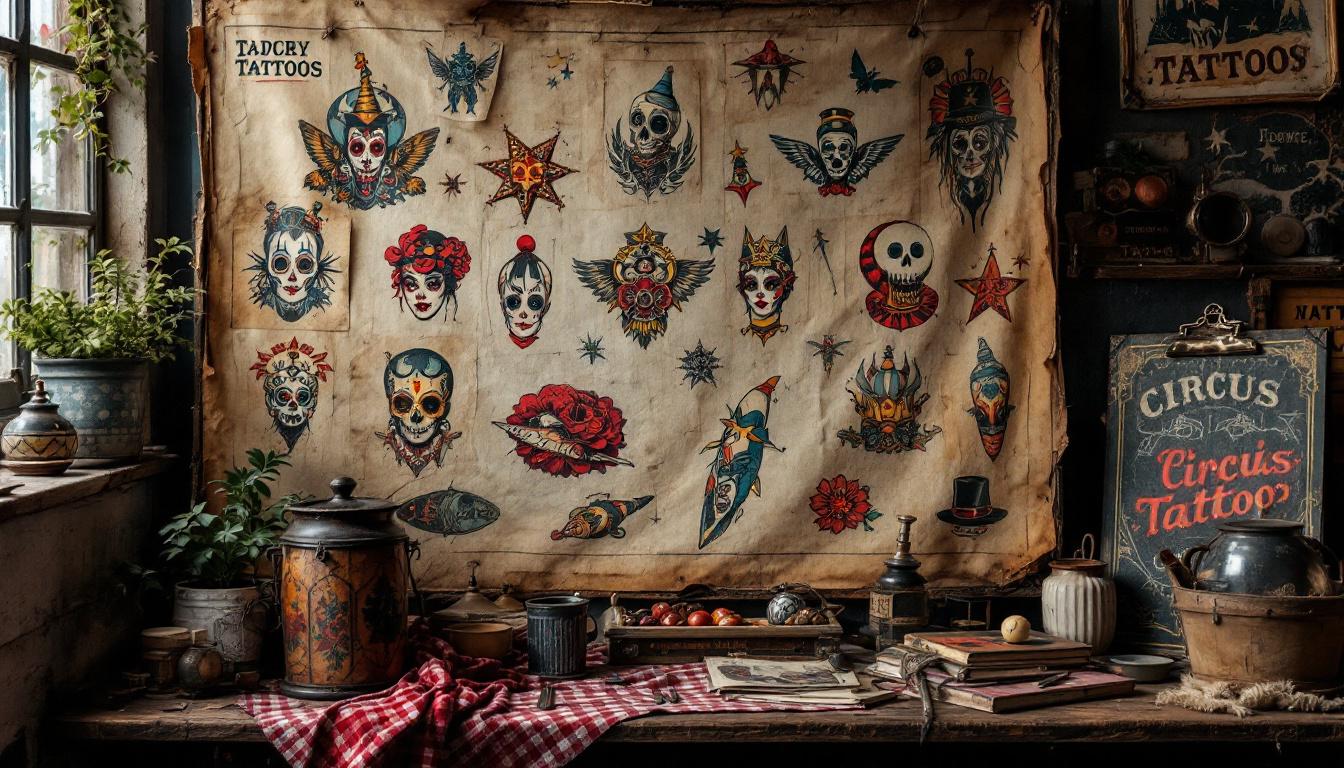
How tattooed circus performers and one 1891 patent dragged ink out of the shadows and onto the main stage of American entertainment.
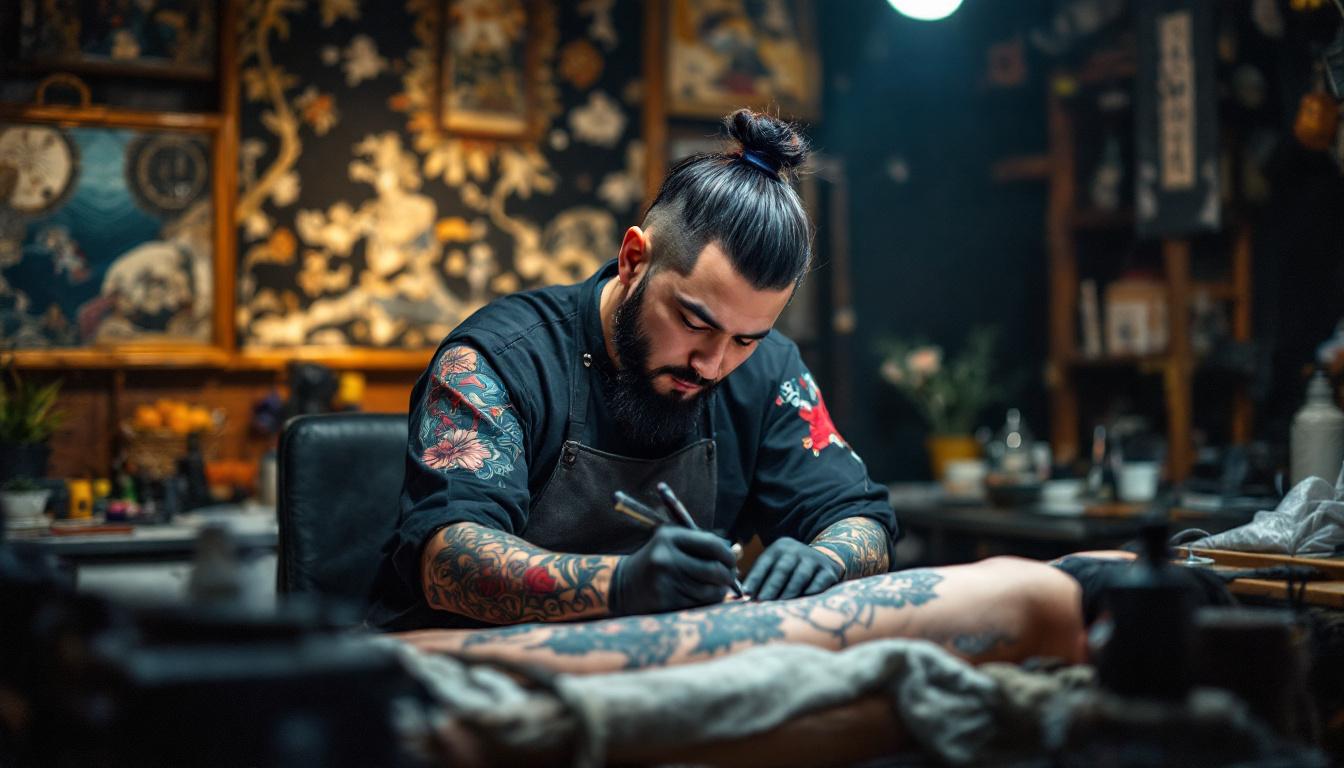
For decades Korean law treated tattooing as a medical act, and ink read as a gang marker. In 2025 that changed. Here's how the stigma built and broke.
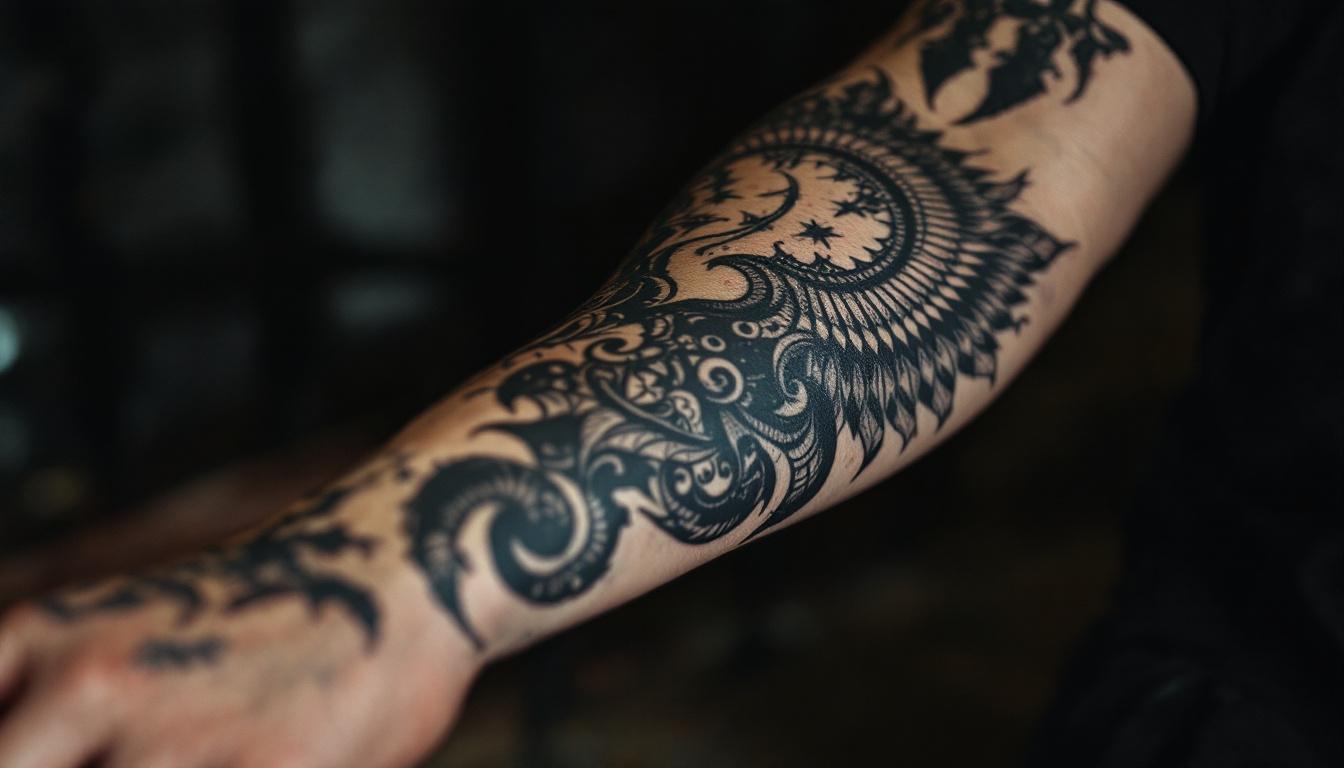
Inside prison walls, a tattoo isn't decoration. It's a coded record of who someone is, who they answer to, and what they've survived. Here's how that language works and what it costs.
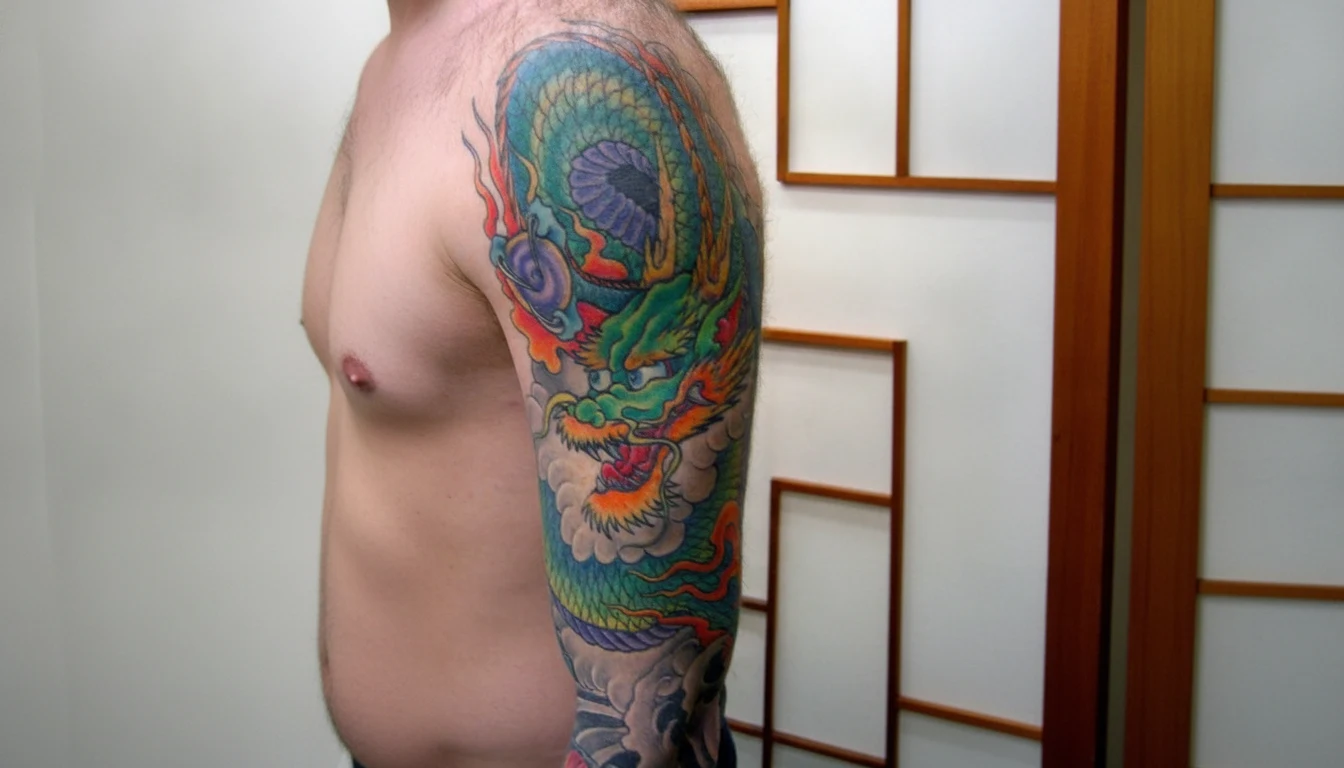
Horiyoshi II carried hand-poked Japanese irezumi forward when the craft was fading, and his lineage still shapes how artists think about bodysuits today.
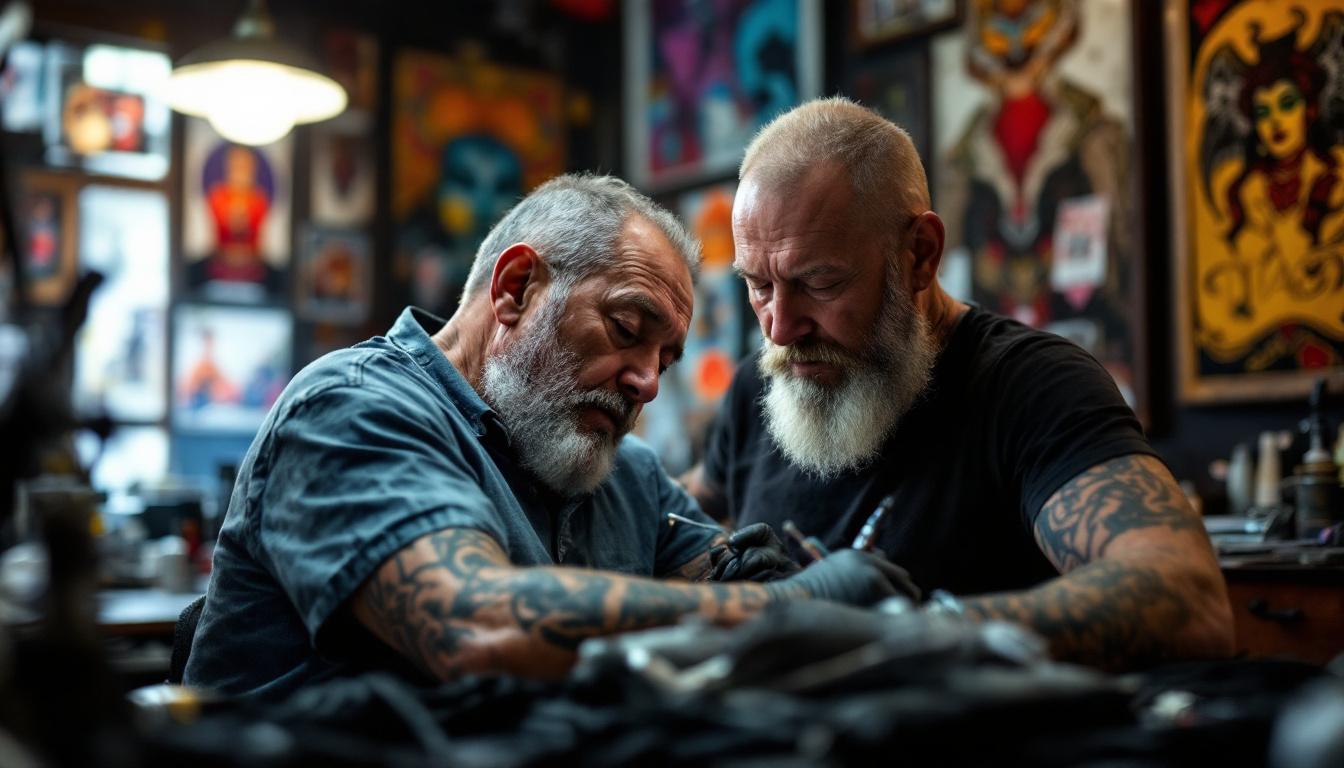
Les Skuse founded the Bristol Tattoo Club in 1953 and ran one of the first tattoo conventions. Here's how a Bristol pub became a turning point for British tattooing.
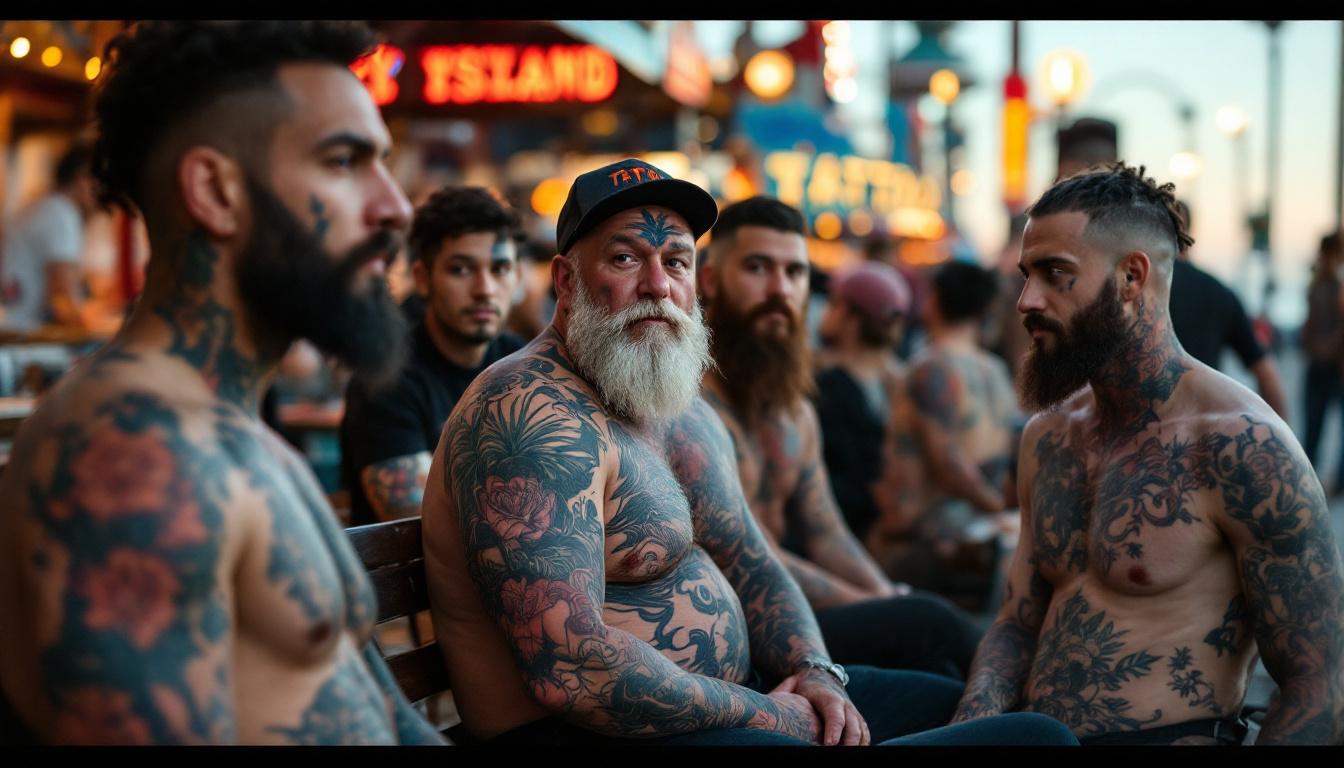
How a Brooklyn boardwalk full of bikers, sideshow acts, and old flash became one of the places American tattooing actually grew up.
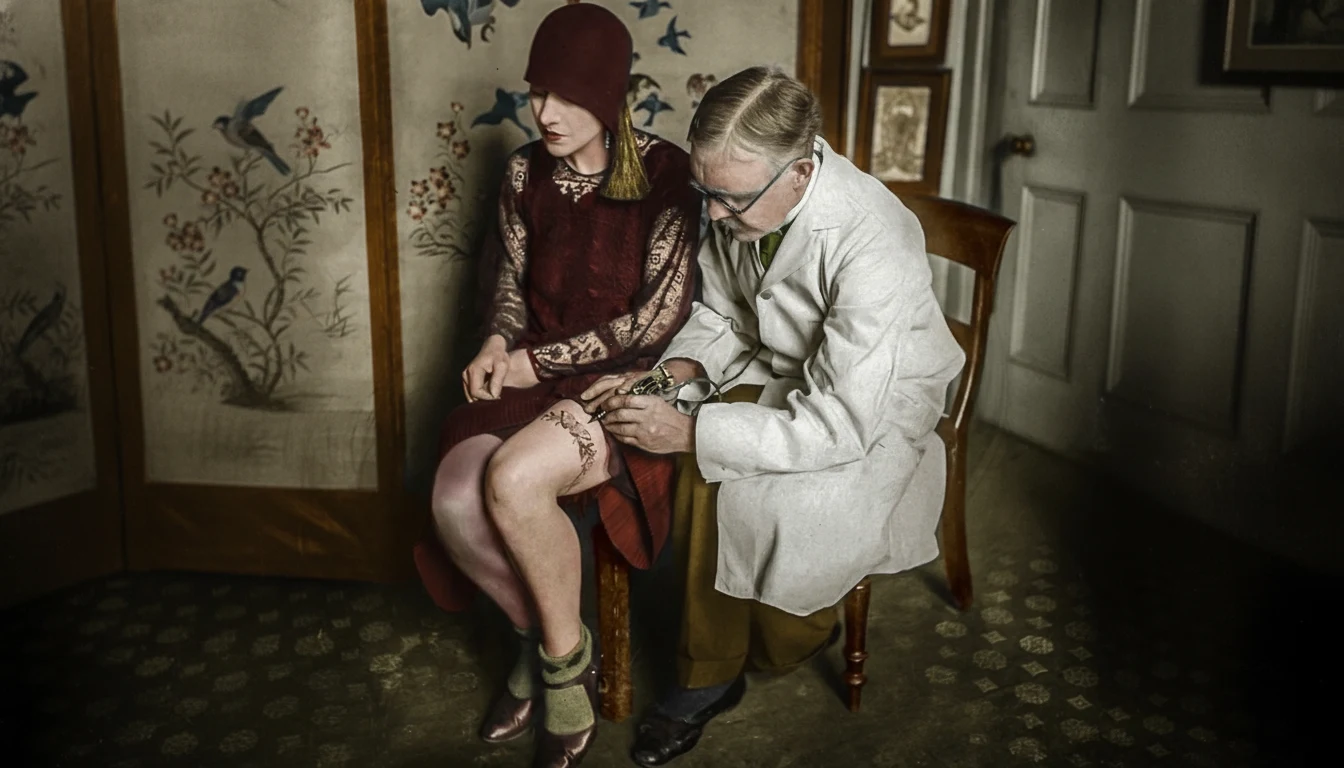
How a Brighton-born tattooist who set up shop near Waterloo Station ended up inking three reigning kings and dragged the craft toward respectability.
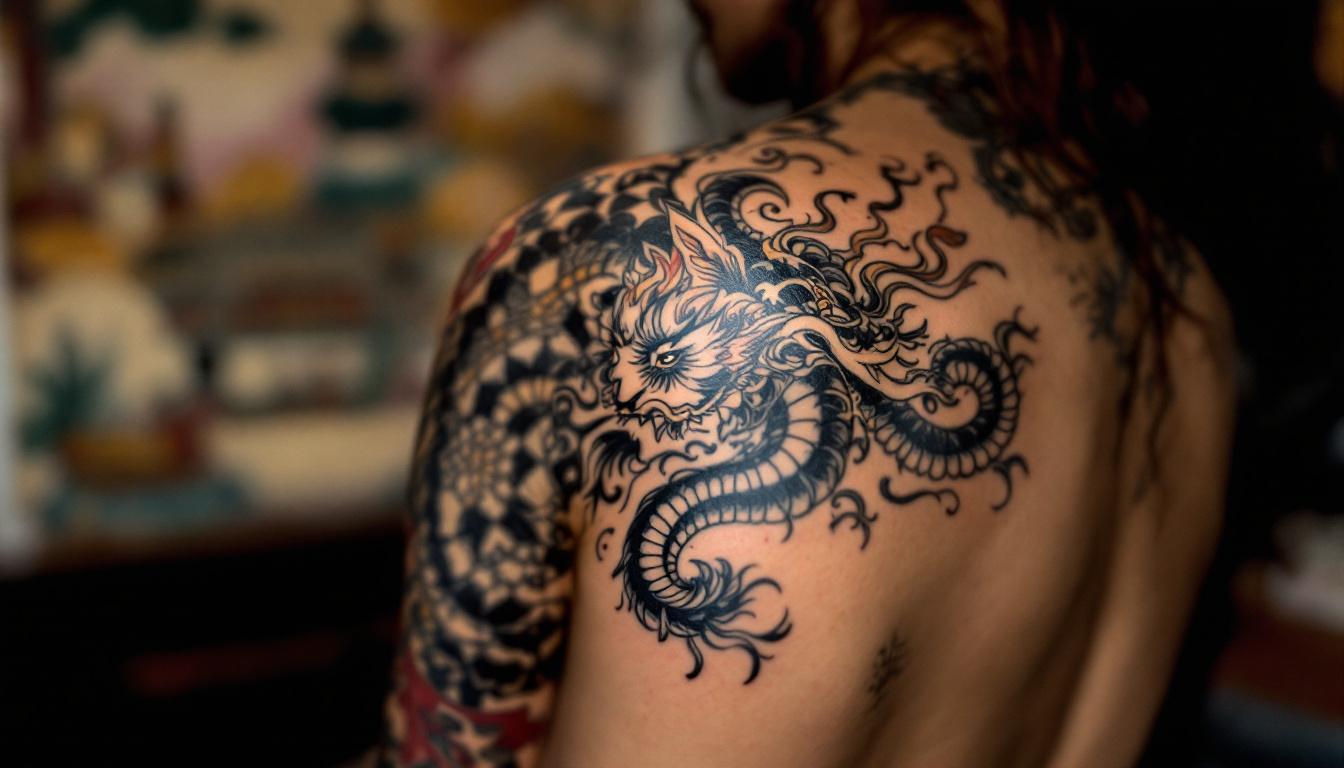
How tattoos in China went from a brand of shame to a Shanghai art scene, and what Confucian belief still pushes against the needle today.
How Copenhagen's parlors in Vesterbro and Nørrebro grew from hidden studios into one of Europe's busiest tattoo scenes, and where the craft stands now.
Tebori is hand-poked Japanese tattooing done with a needle on a wooden handle. Here's where it came from, how the work feels, and why it's growing again.
The Church praised some tattoos and damned others. Here's who wore ink in medieval Europe, what it meant, and how that tension still shows up in shops.
Princess Eugenie behind the ear. A royal security guard with the cypher inked on. Here's what tattoos in European royal circles actually look like, and the history behind them.
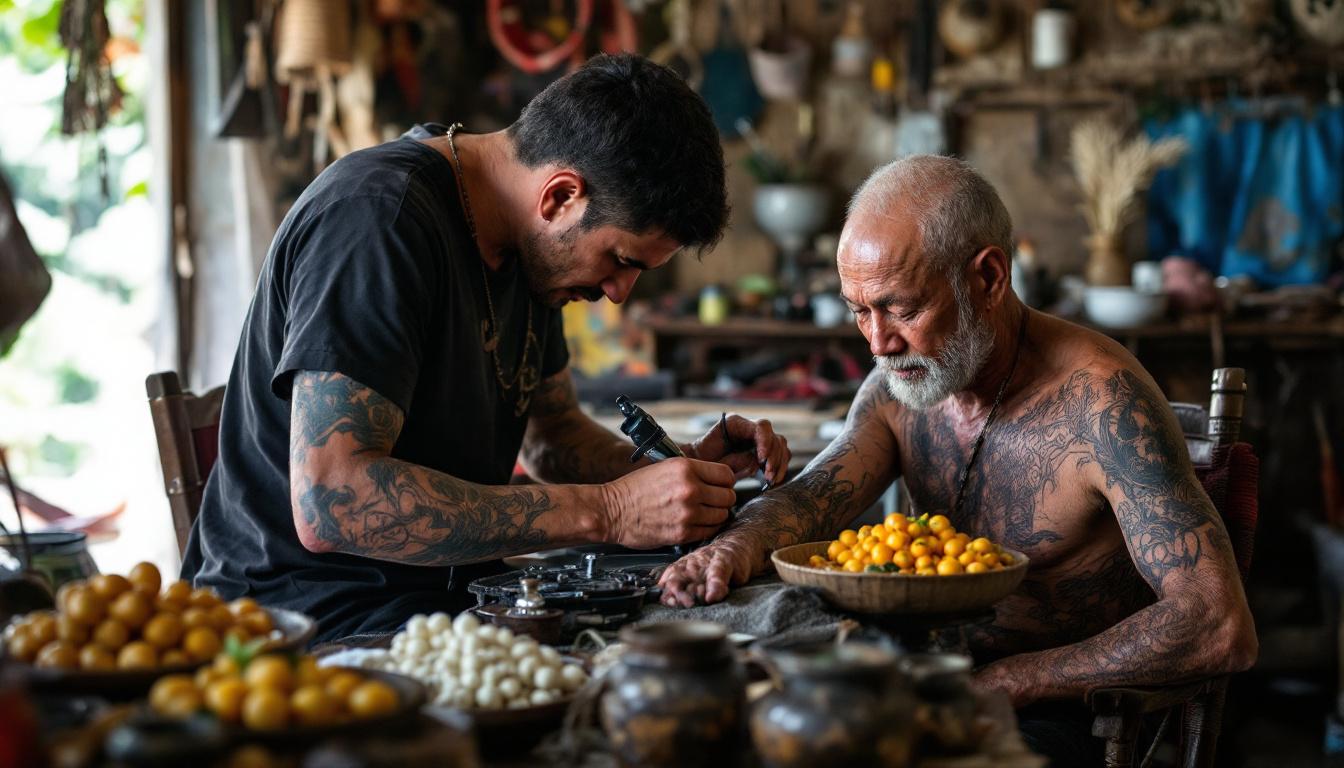
What Dayak hand-tapped tattoos record, why each motif is earned, and how Borneo artists are bringing the bamboo technique back.
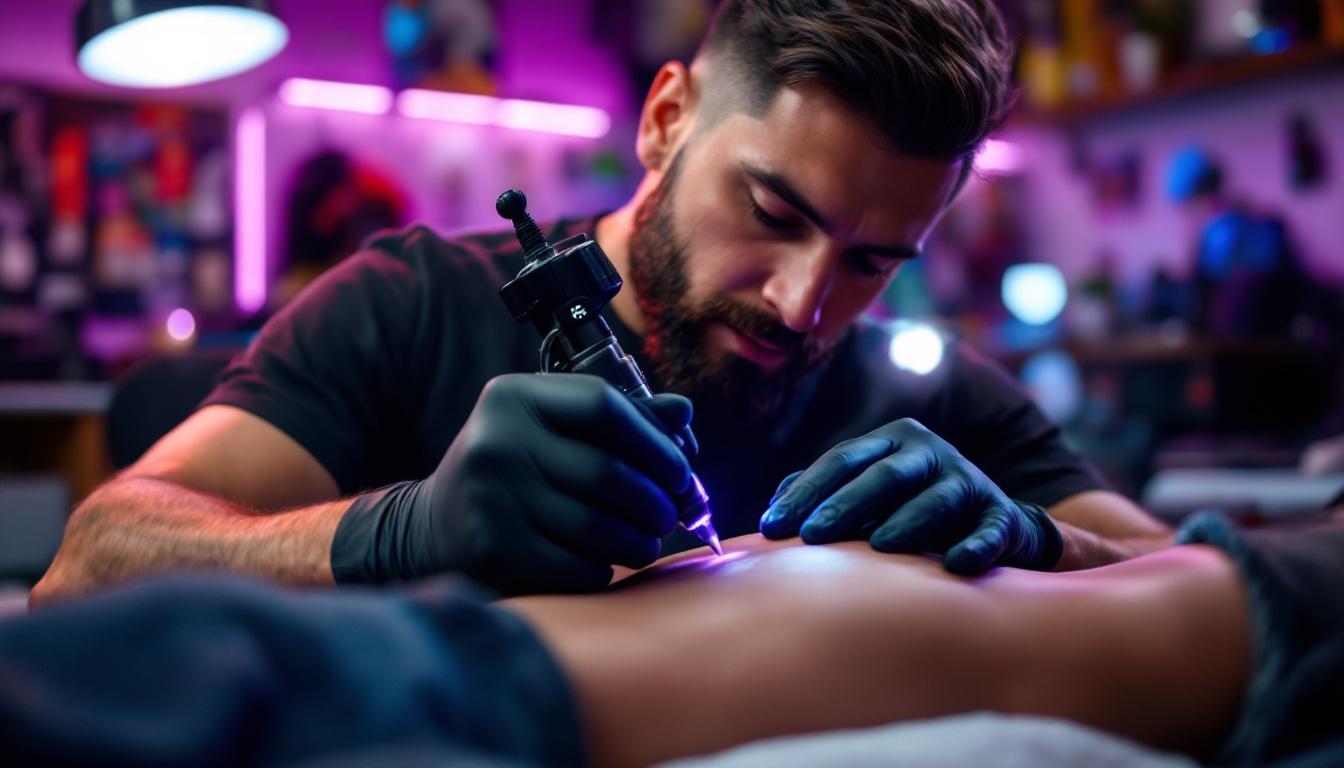
Samuel O'Reilly's electric machine cut tattoo time and pain in the 1890s. Here's how that one tool reshaped what artists could put on skin.
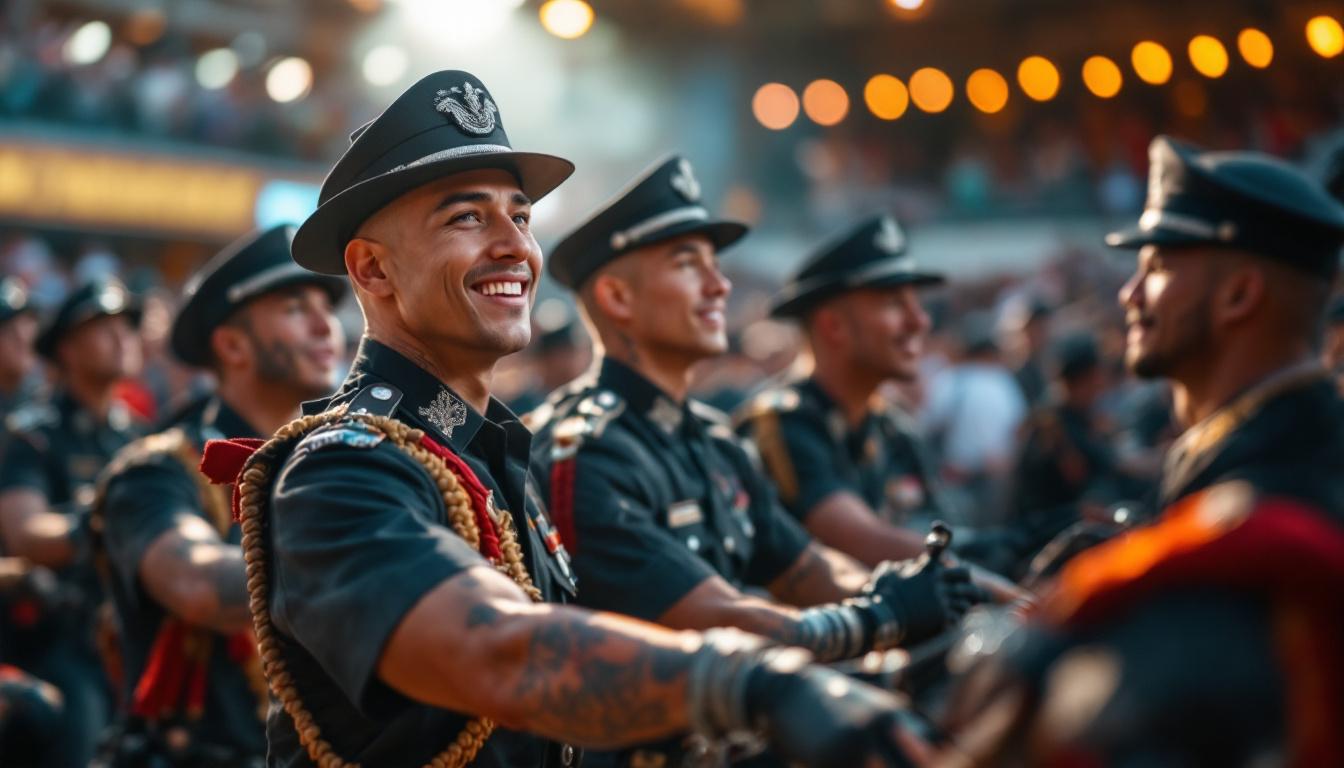
Why service members get inked before deployment, what memorial tattoos mean to the people who wear them, and how studios are showing up on base.
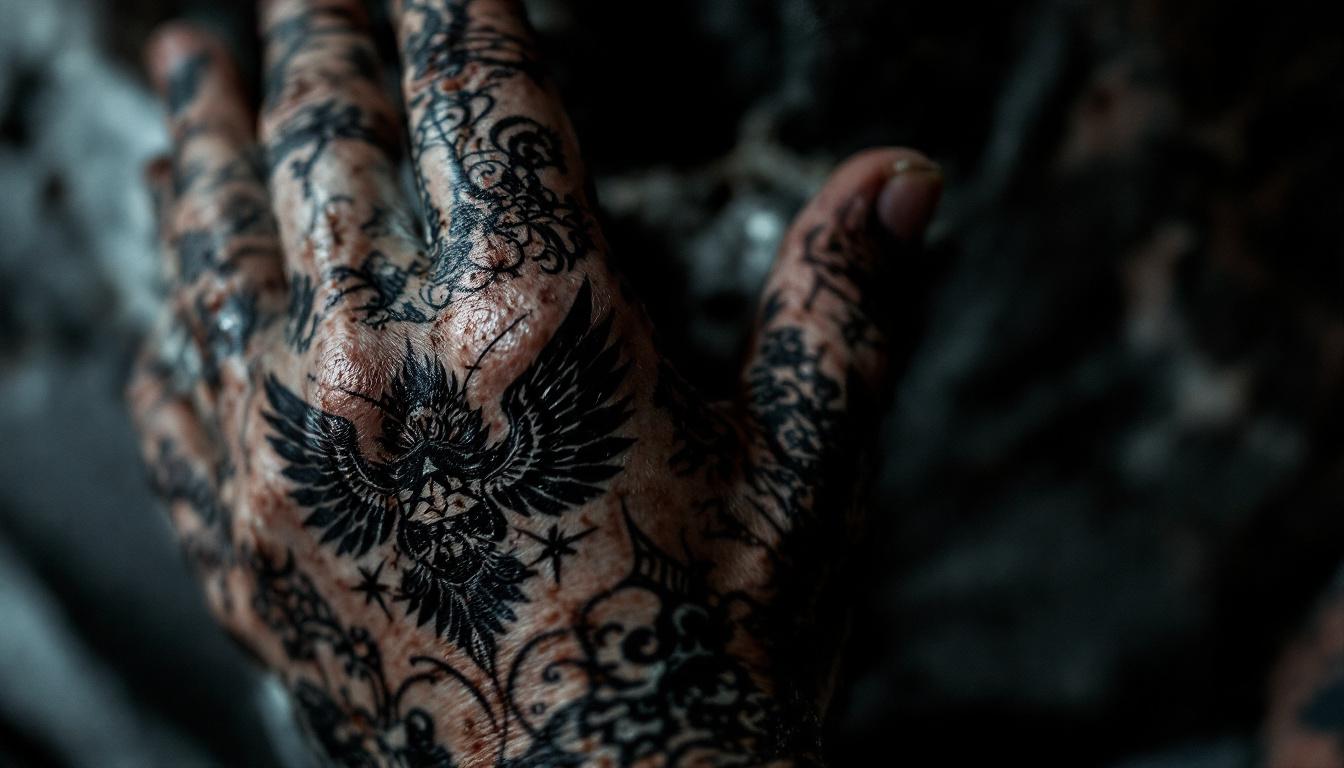
A coded language inked under threat of death, where a single star, skull, or set of bars told other inmates exactly who you were.
By the end of the 1800s, half the convicts in Britain's habitual criminal register had tattoos. The story behind that ink is stranger than the stereotype.
How Samoan tatau and other Polynesian traditions traveled into American shops, why the motifs carry meaning, and what artists owe the cultures they borrow from.
Hand-tapping isn't slow because the tools are primitive. It's slow because every mark carries meaning the wearer has to earn.
The Samoan tatau gave English the word tattoo. Here's what the marks meant, how the practice survived, and why ownership of it is still argued today.
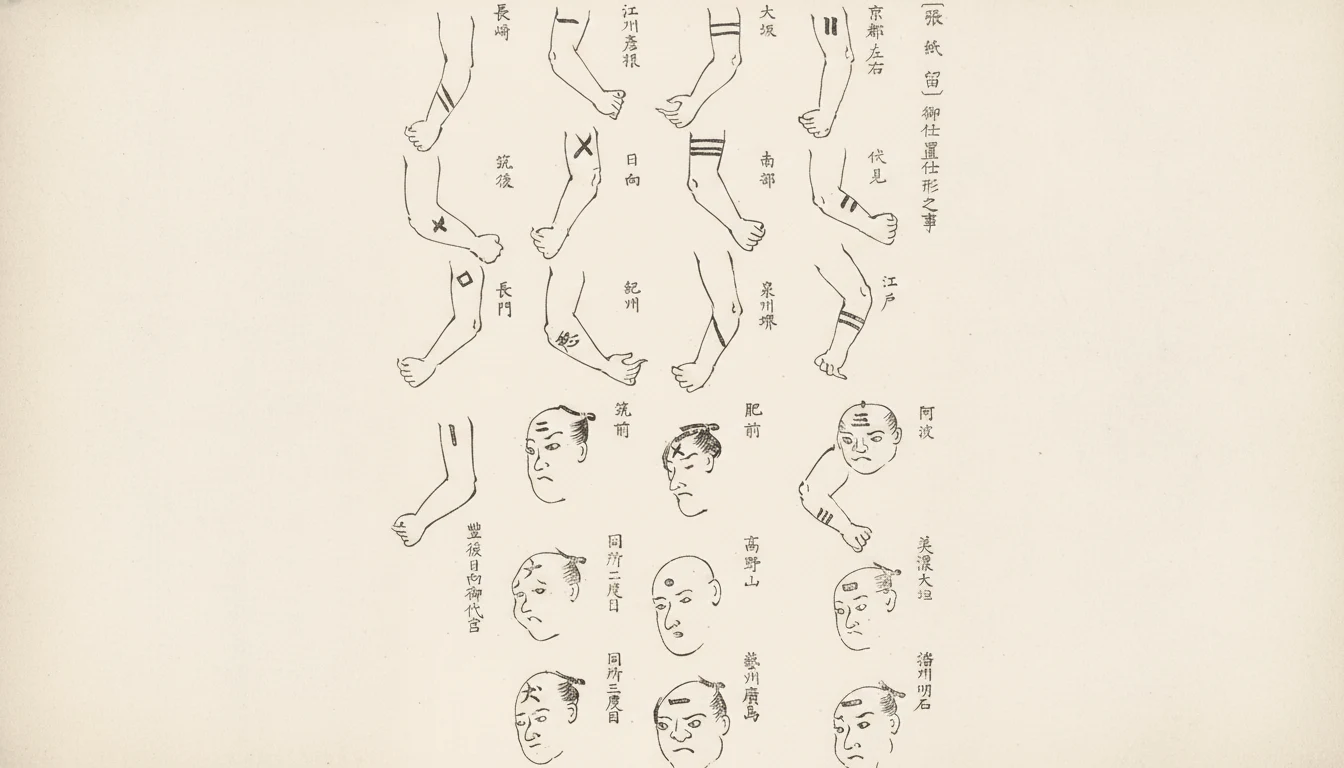
Horiyoshi III spends up to five years on a single full-body suit. Here's why that pace, and the tradition behind it, still shapes how artists think about Japanese work.
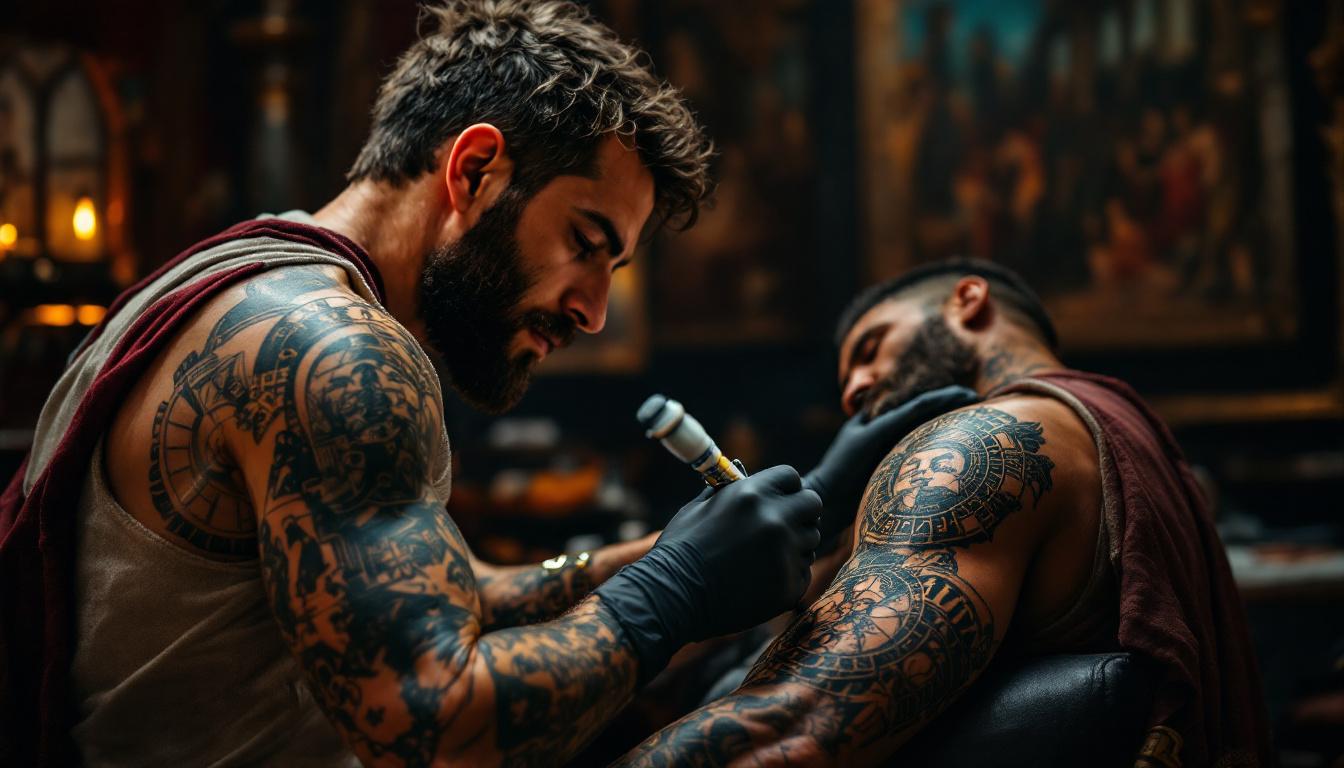
In Rome a tattoo wasn't art. It told you a stranger was a slave, a criminal, or a deserter before they said a word.
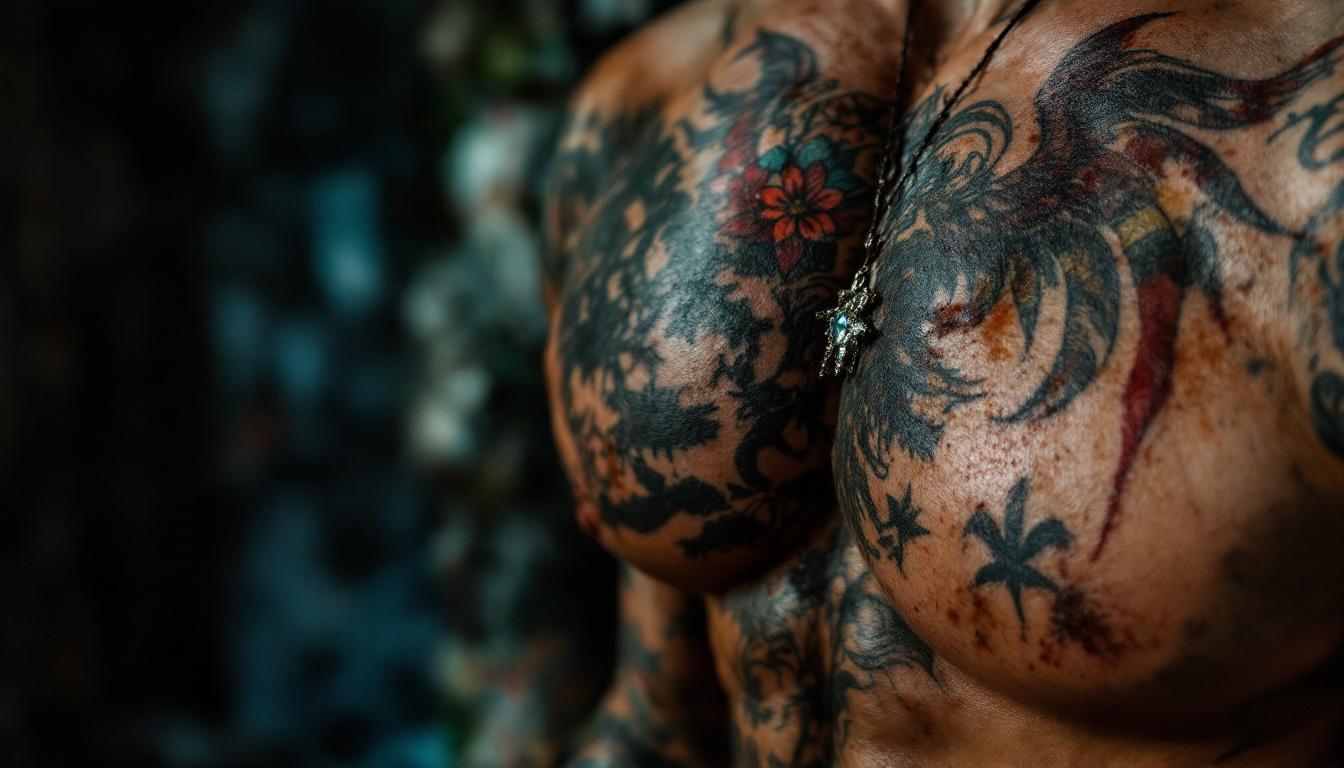
Discover the evolution and significance of Mexican cartel tattoos, uncover their historical roots, cultural meanings, and impact—gain insights today!.
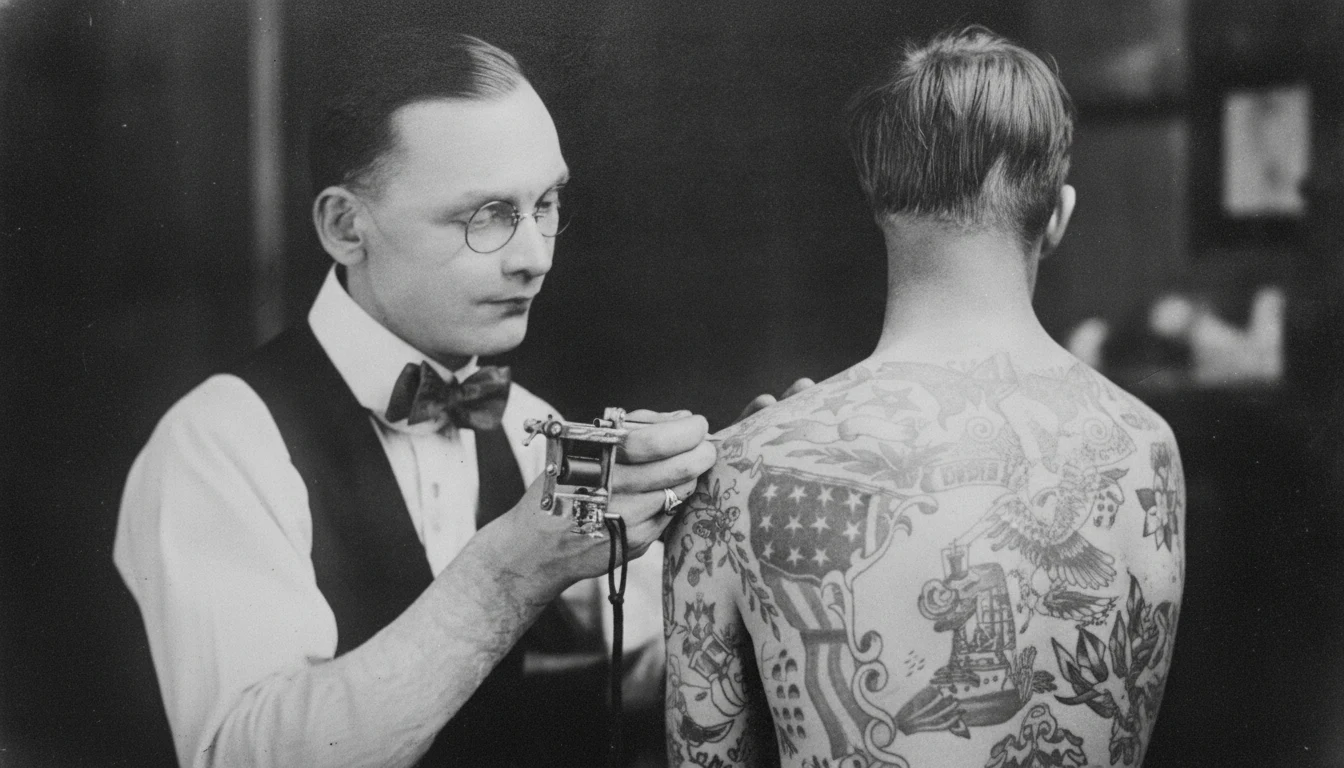
Amund Dietzel tattooed Milwaukee for half a century and shaped the bold-line traditional style still copied today. Here's the artist behind the flash.
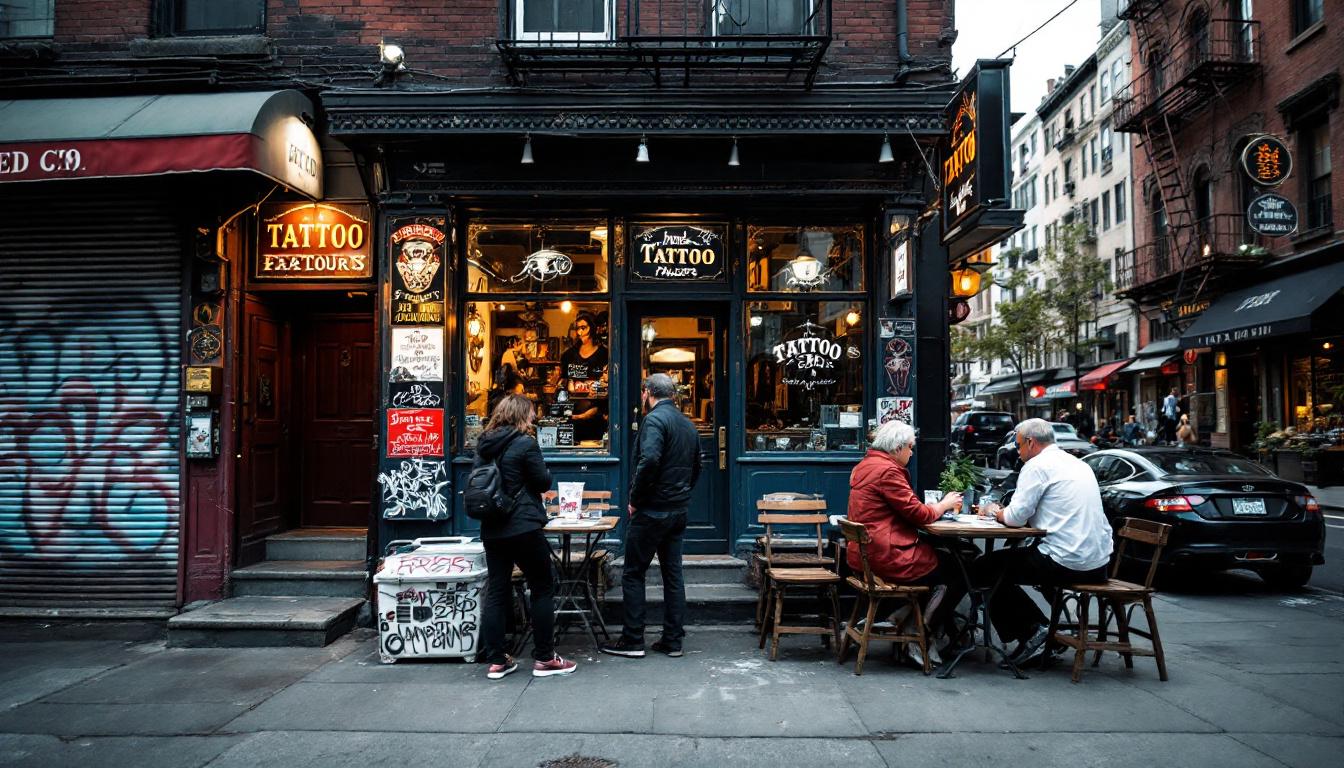
How a single Manhattan street went from O'Reilly's 1891 electric machine through a 36-year tattoo ban to today's micro-realism studios.
A 2,000-year-old tattoo tool from Utah, and what Native American ink actually meant: protection, rank, and belonging carved into skin.
A walk down Old St. Martin's Lane, where London's tattoo studios kept their edge through saturation, price wars, and a decade of breakneck growth.
Convict tattoos in Britain and Australia recorded names, losses, and loyalties, not just gang ties. Here's what the historical records actually show.
Why Nordic artists keep reaching back to runes and Norse myth, how they rework those symbols, and what the region's new ink rules mean at the front desk.
A 2,000-year-old cactus-spine needle, sailors' arms, and the long road tattooing took from ritual mark to storefront craft in America.
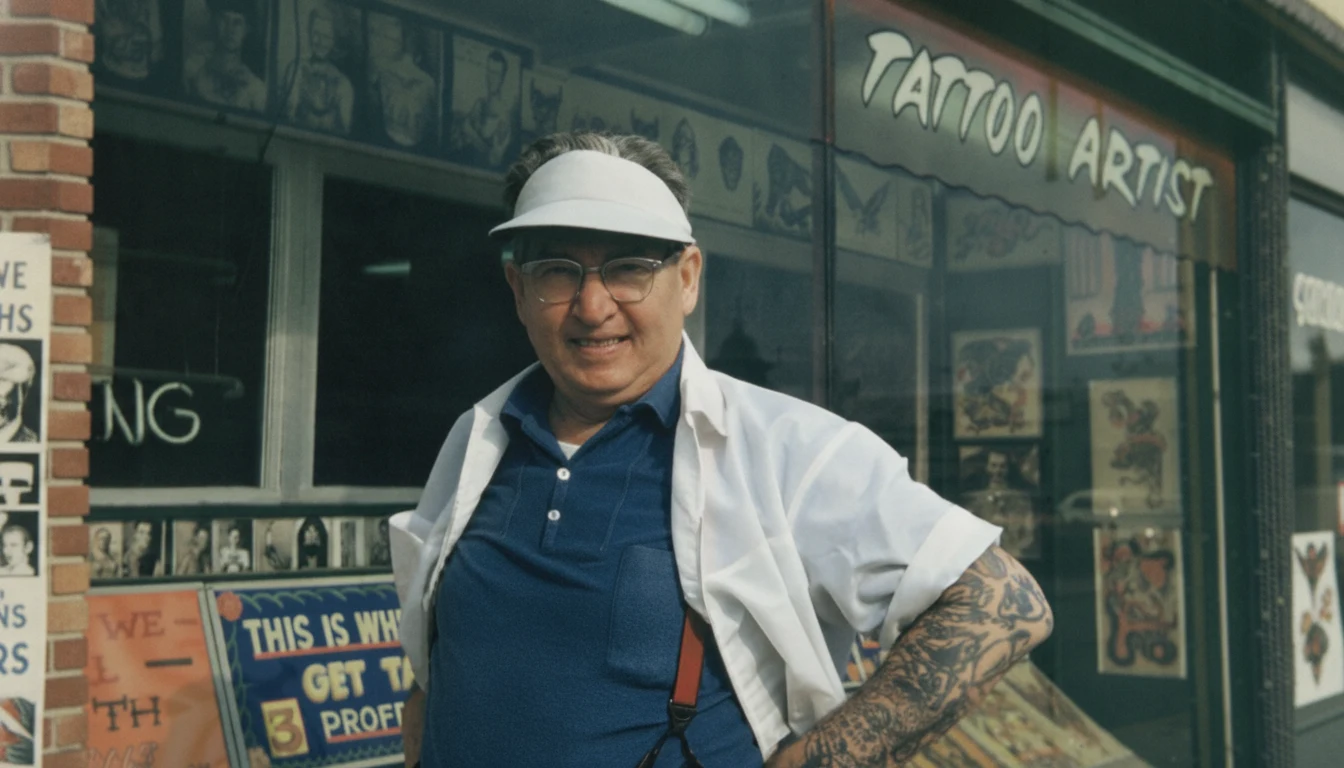
He worked sixty years of full days in the chair and ran the country's oldest tattoo shop. The bold-outline style most American traditional work uses today runs straight through Bert Grimm.
How irezumi went from a brand for criminals to a respected art form, and what the koi, the phoenix, and the full-body suit actually mean.
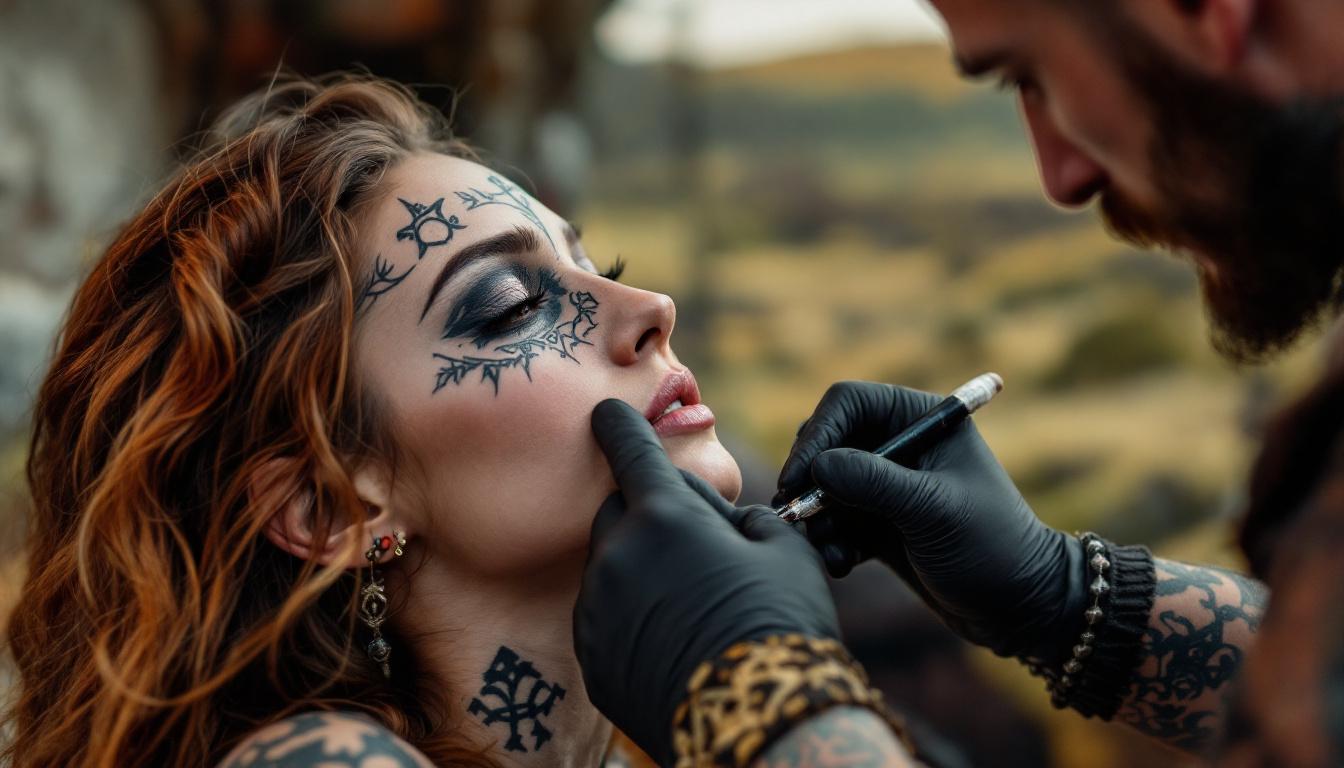
What the Picts and other ancient peoples actually marked into their skin, what those marks meant, and how modern tools are finally letting us read them.
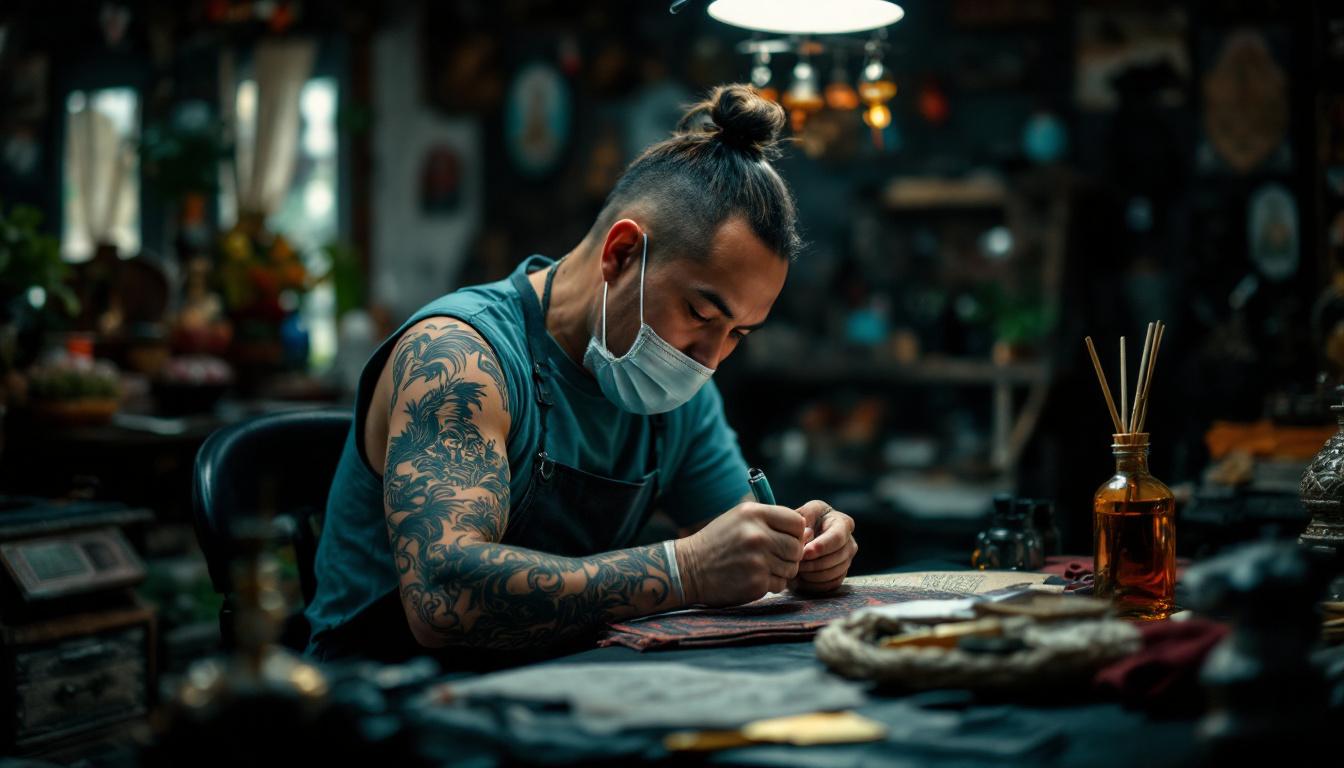
Sak Yant is a sacred tattoo tradition from Thailand and Cambodia, where the master's mantra matters as much as the line work. Here's where it comes from and why.
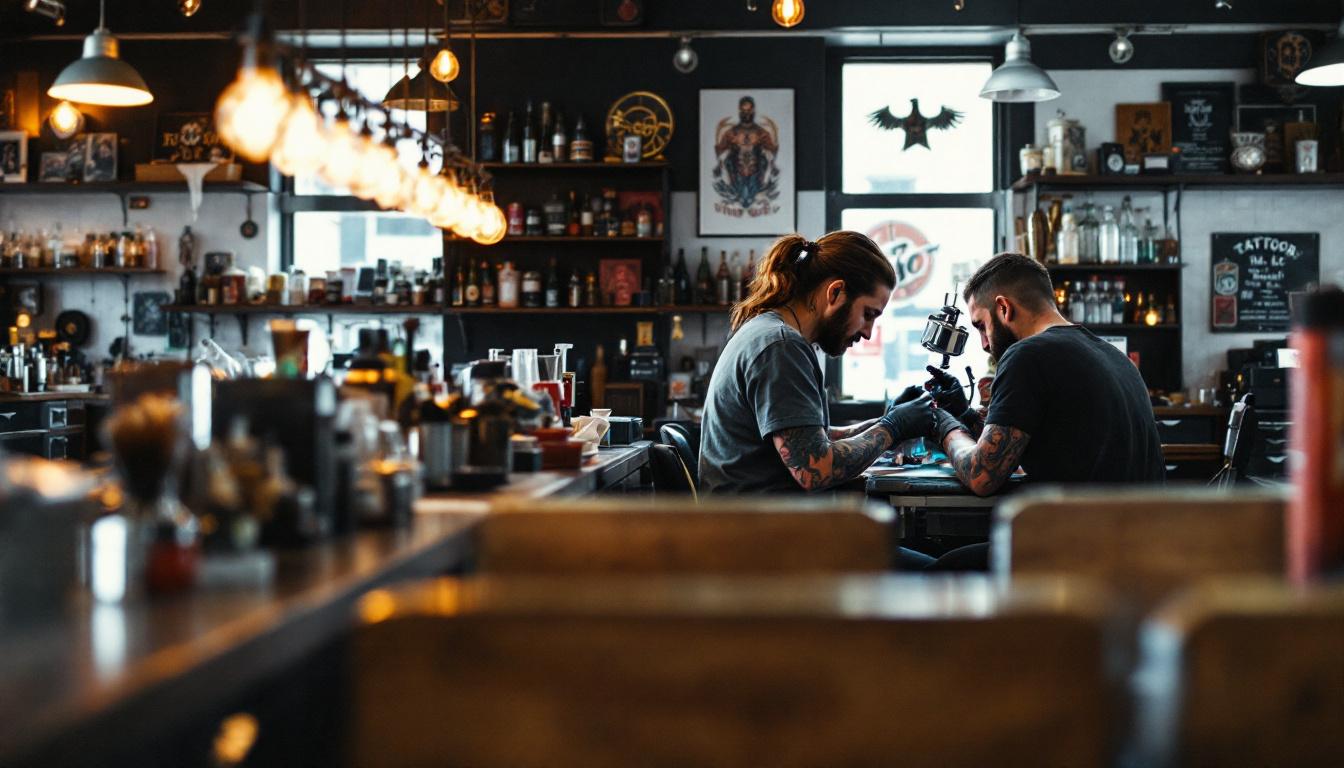
Founded in 1884 in Nyhavn, Tattoo Ole is the world's oldest working tattoo shop. Here's how it survived a lease fight, an EU ink ban, and 140 years.
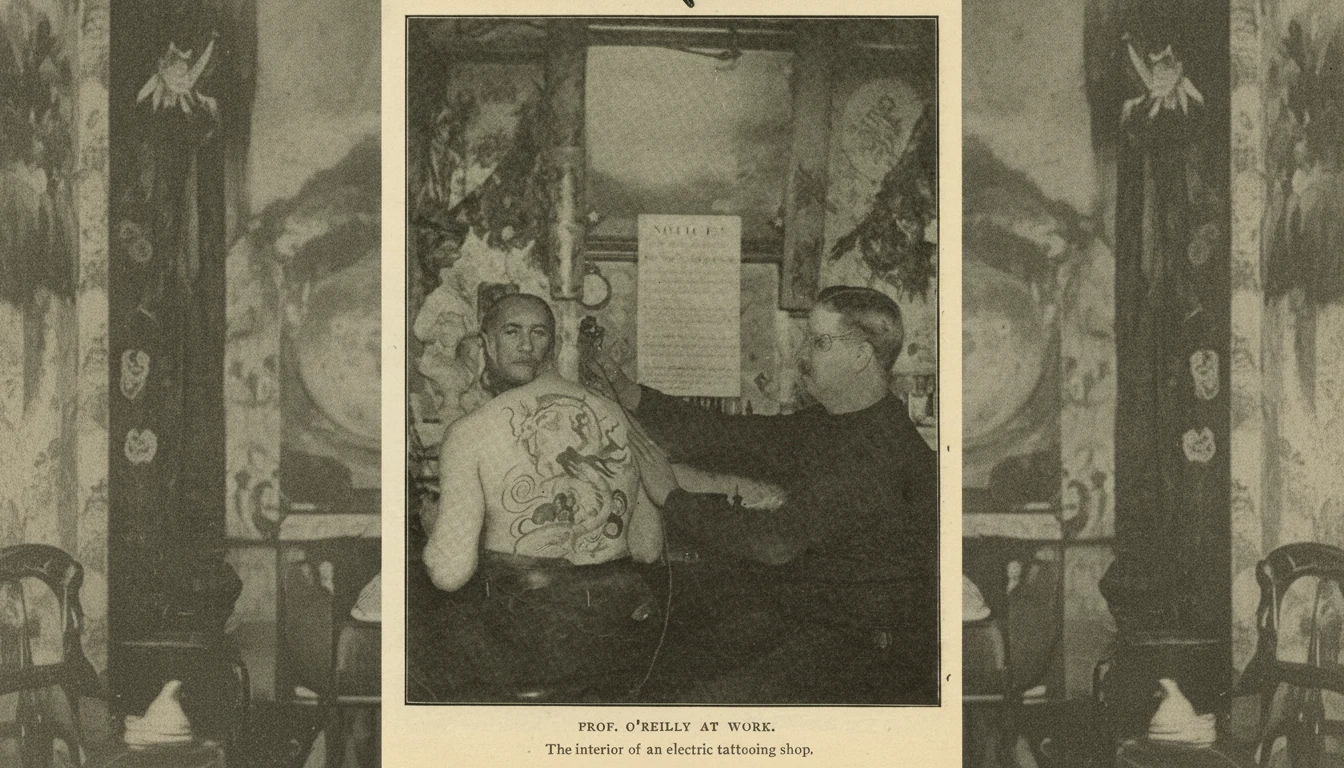
Discover how Samuel O'Reilly revolutionized tattooing with the invention of the electric tattoo machine.
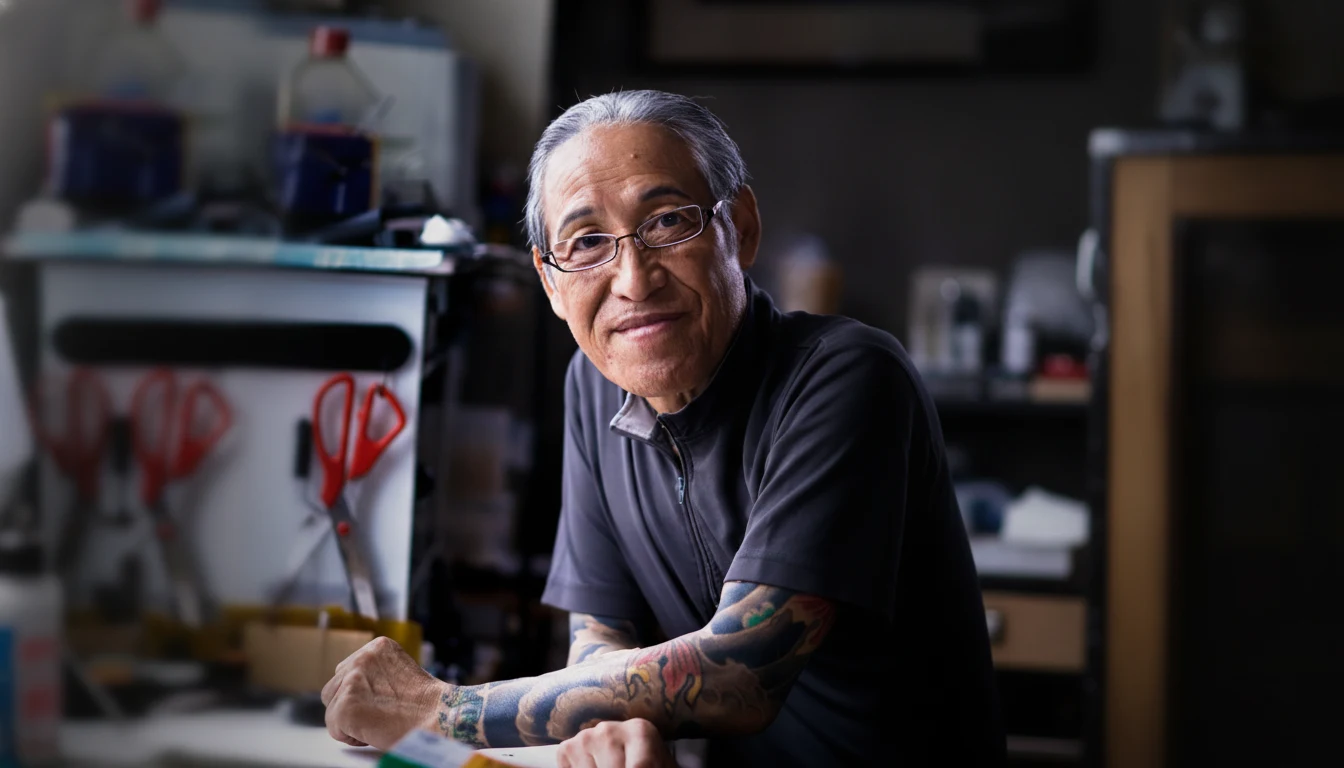
Horiyoshi III spent four decades on irezumi, opened a museum in Yokohama, and handed the craft to his son. Here's why working artists still study him.
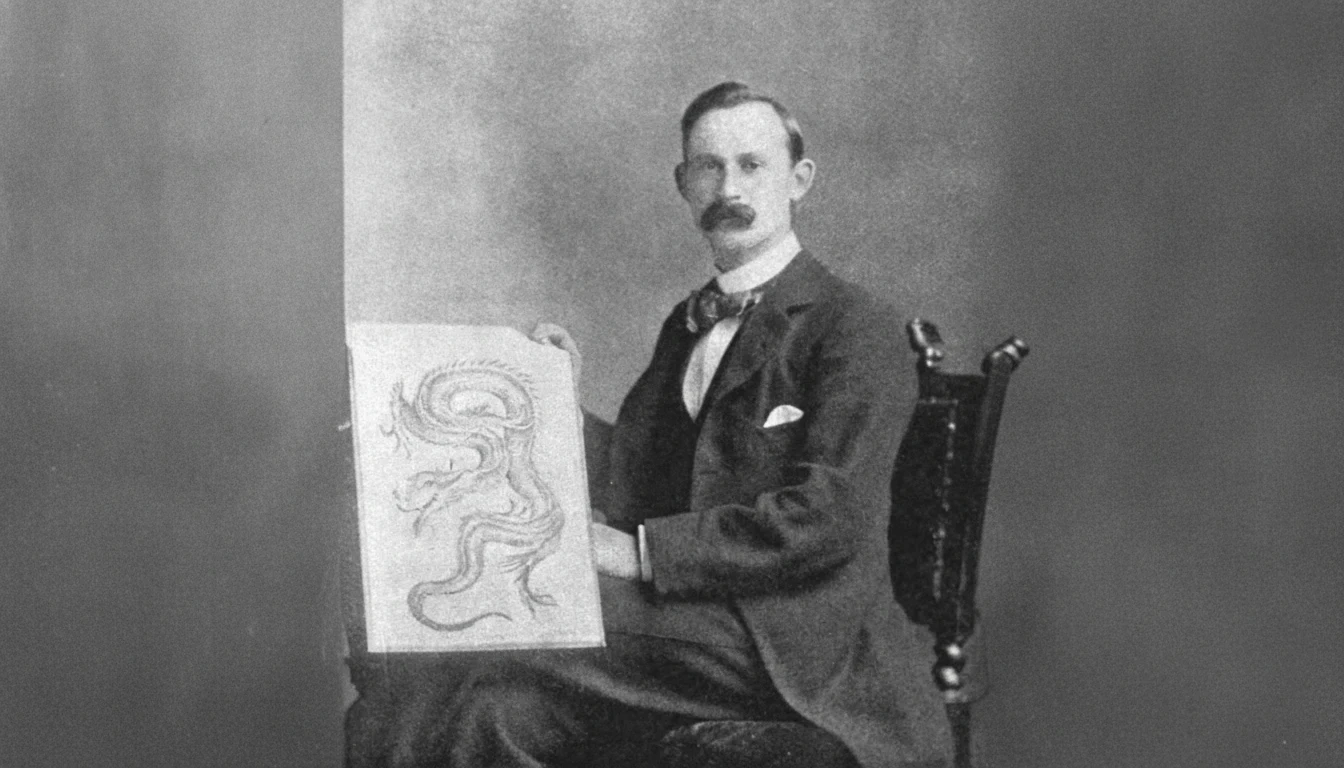
How a tattooist on London's Jermyn Street turned a sailor's mark into a craft that crowned heads climbed a narrow staircase to get.