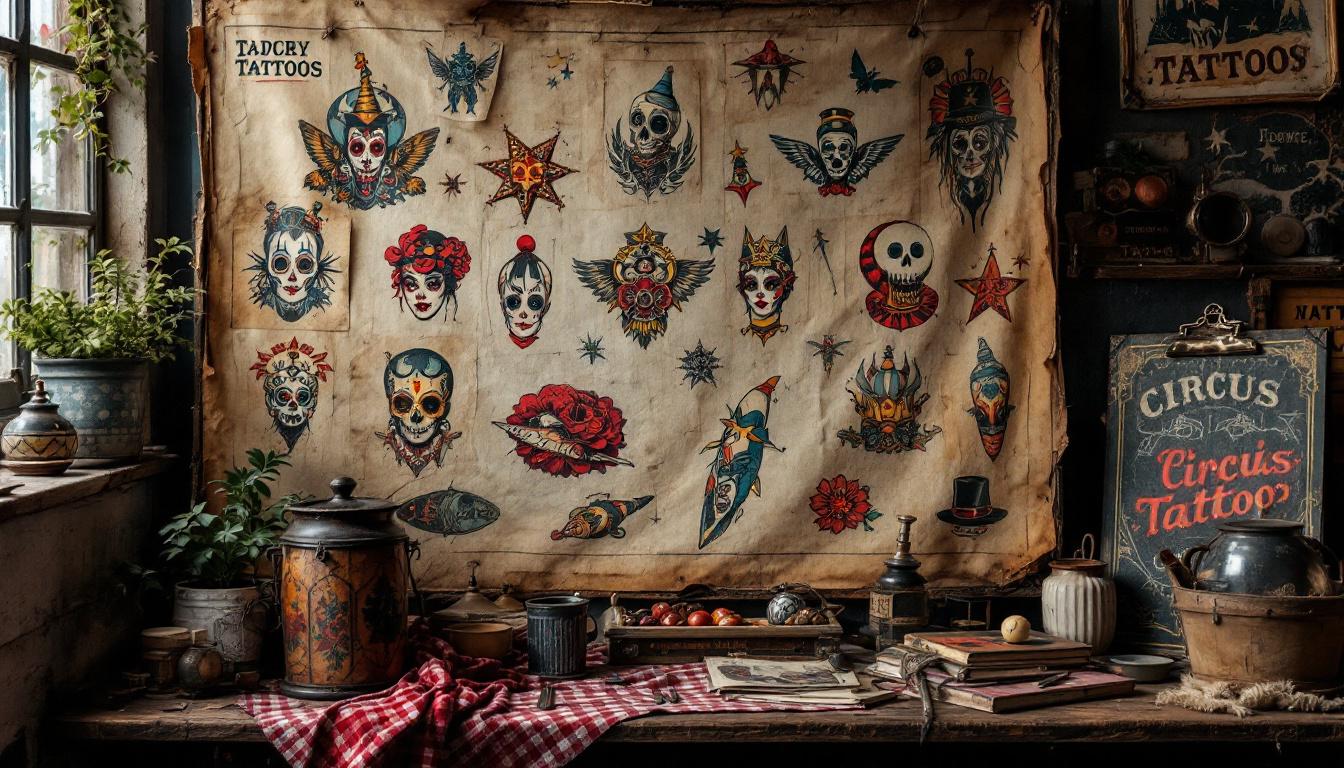
The Fascinating History of Circus Sideshow Tattoos
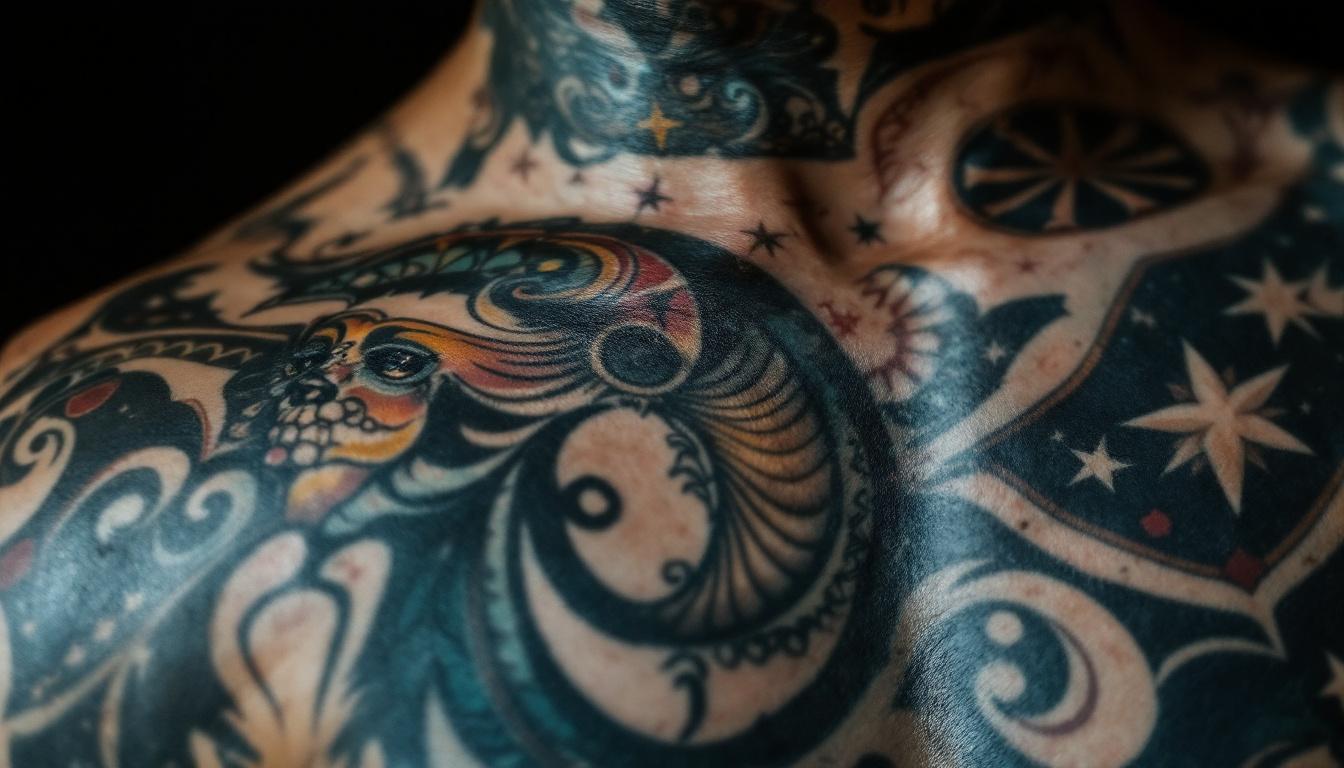
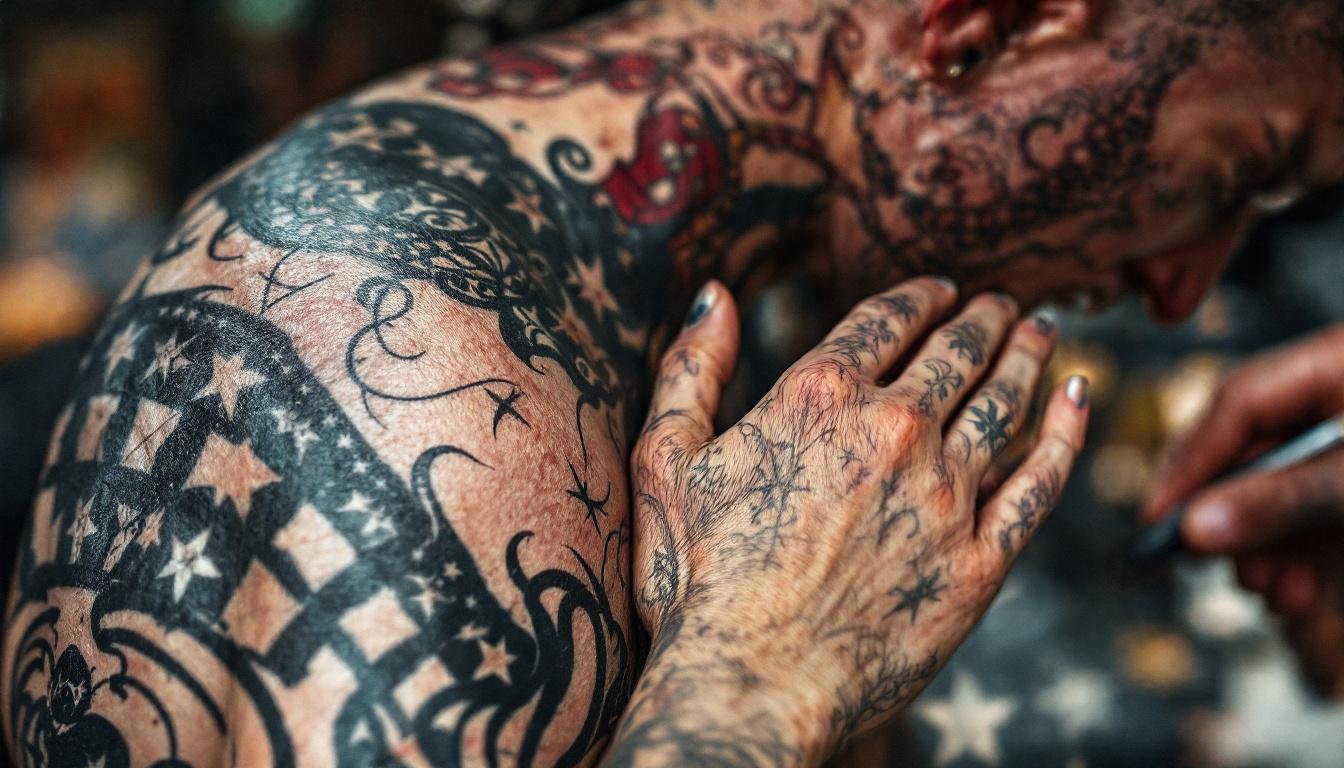
A bustling scene under the big top, where daring performers and their wild, inked bodies stole the limelight, set the stage for one of the most intriguing intersections of entertainment and art. The story of circus sideshow tattoos isn’t just about body art; it’s a journey that winds its way through innovation, myth-making, and the raw appetite for the extraordinary. Details from the late 19th century to modern pop culture reveal a vibrant narrative of transformation and rebellion.
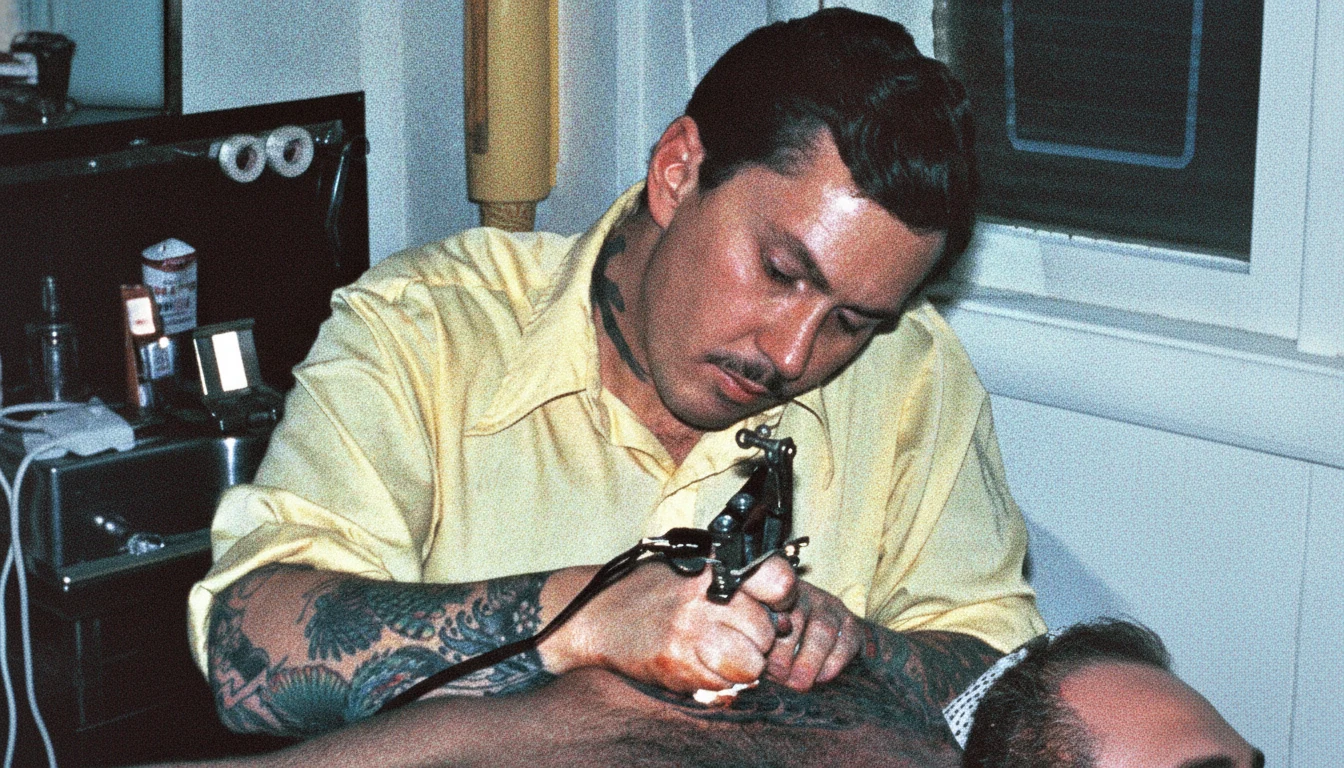
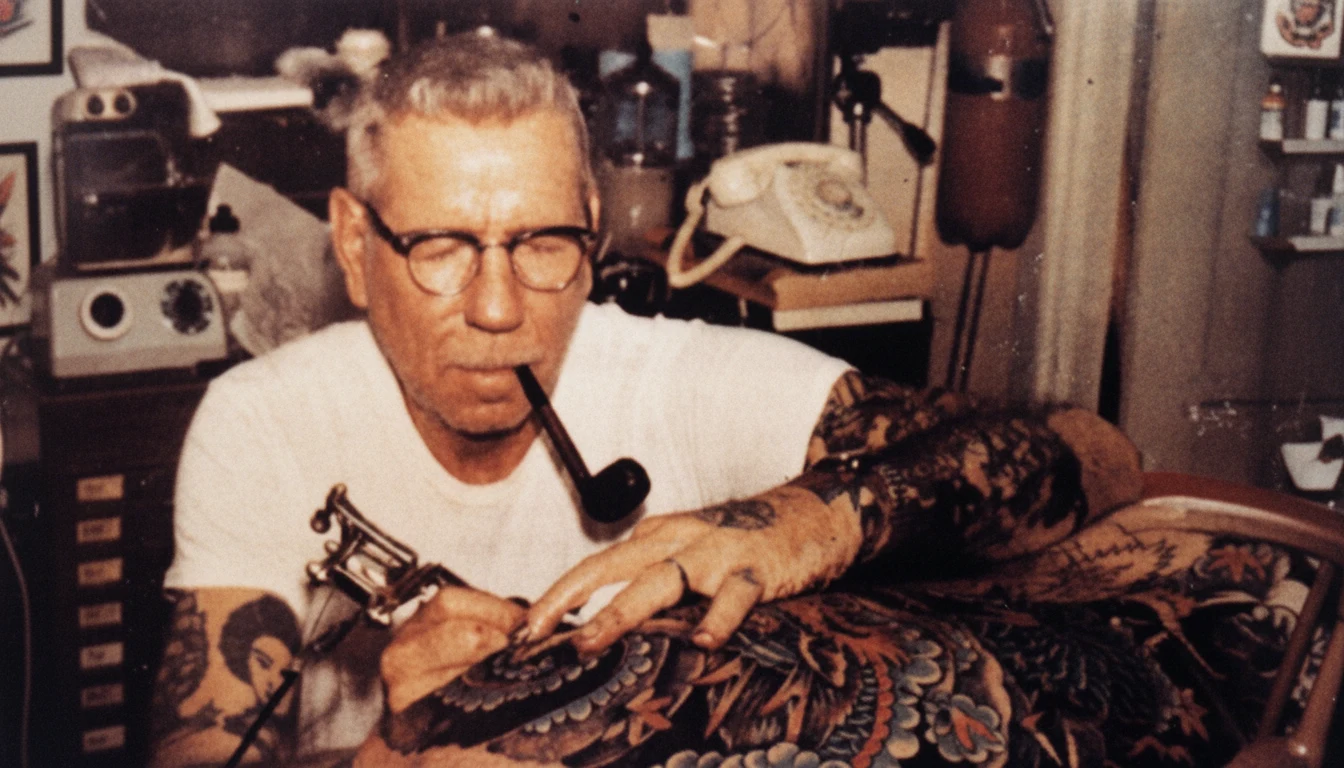
Take a look at how the tattoo world shifted in 1891 with Samuel O'Reilly's patent of the first electric tattoo machine. This innovation wasn’t just a minor tweak in technology-it sparkled a revolution that made tattooing faster, less painful, and eventually more accessible. Read more about this groundbreaking invention in History Collection's deep dive into the history of tattoos.
The Birth of an Ink Revolution
The late 1800s was a turning point for tattooing. With the bite-sized gamble of experimenting on hidden canvases, tattooists discovered that faster and less painful methods meant more people were lining up for ink under the skin. Samuel O'Reilly’s electric machine broke the mold and became a catalyst for a burgeoning industry that would soon find its way under the circus tent.
The electric tattoo machine not only sped up the tattooing process but also made it less of an ordeal. This meant that ink could travel faster and spread beyond the taboo corners of society, reaching the gritty spotlight of the circus. Tattoo enthusiasts and performers found a new symbol of identity that went far beyond simple decoration. This innovative leap in technology has been celebrated in numerous historical accounts, and it reshaped the way art was perceived on the human canvas.
Tattooed Performers: Legends Under the Big Top
Nothing quite matched the awe and mystery of a tattooed performer on the circus stage. These individuals often doubled as both living canvases and sensational storytellers. They captivated audiences with elaborate narratives that blurred the lines between fact and fiction. Often, circus sideshows featured performers who claimed to have been forcibly tattooed by so-called "savages" -a tale spun to evoke shock and stimulate audience curiosity. Such fabrications, while morally questionable, served their purpose in luring spectators into the spectacle.
Horace Ridler, famously known as "The Great Omi", is a prime example. With a body transformed by extensive tattoos, he became one of the most popular and highest-paid figures in the circus world. His story also reflects the dual life of these performers-half myth, half reality. The bold narratives spun by these figures not only enhanced their mystique but also highlighted the role of tattooing in crafting a unique personal identity. More fascinating insights about the identity and history of these performers can be found in a detailed study on tattoo design and identity.
A Changing Landscape: From Sideshow to Mainstream
As the decades rolled on, the gritty, carnival feel of the circus sideshow began to fade with the decline of traditional circuses in the 1960s. Tattoos that once signified rebellion and daredevilism started to adopt a new persona, merging with daytime culture and popular fashion. Even though the spotlight shifted, the legacy of those spectacular inked performers is still very much alive in modern tattooing culture.
During the heyday of the circus, tattooed performers were not merely outcasts; they were central to the acts of major circuses. They dazzled audiences with daring feats-from juggling and sword swallowing to performing feats that bordered on the supernatural. It is a testament to their endurance that, even in modern entertainment, elements of that sideshow artistry continue to influence how tattoos are perceived and integrated into various subcultures.
The Role of Innovation in Tattoo History
Innovation in tattooing isn’t just about machine mechanics or pigments on skin. It’s about altering cultural conversations. The introduction of the electric tattoo machine was a strategic breakthrough that simultaneously improved safety and efficiency. Tattooing became more appealing to a broader audience, both within and outside the circus community. This shift is well documented, with studies noting how technological advancements directly impacted the popularity of tattooing as an art form, as documented in a University of Delaware study on tattoo popularity and technology.
With faster tattooing techniques and instruments that allowed for greater detail, artists were free to experiment with new designs and styles. What was once a mysterious craft gleamed with possibilities. Tattoo studios started cropping up in unexpected places, and the once-underground industry began to trickle into the mainstream.
Each stitch and line was now a combination of art and advanced technology. This rich interplay between creative expression and mechanical innovation positioned tattooing as a bridge between the rebellion of past traditions and the acceptance of modern artistic trends.
The Cultural Impact of Circus Tattoos
Tattooed performers who strutted under the circus tent were as much a part of the cultural dialogue as the spectacles they presented. Their bodies, marked in ink, told stories that often went beyond the circus ring. They symbolized defiance, endurance, and the complex dance between truth and myth that defined early performance art.
These performers didn't just wear tattoos; they embodied history, myth, and the raw energy of an unregulated cult of personality. Their tattooed skin became a billboard of personal histories, legends, and deeply entrenched cultural narratives. The environments they thrived in-where every mark and line had a story-helped kickstart the cultural dialogue surrounding body art, forcing society to reconcile with what was once considered taboo.
The impact of these displays is still felt today as tattoo culture continues to push boundaries and offer narratives that challenge conventional aesthetics. Extensive documentation on the evolution of tattoo history in circuses shows how these incredible images helped shape public perceptions of what it meant to be different, as documented at the Vanishing Tattoo museum's circus tattoo collection.
The Downfall of the Traditional Sideshow
By the 1960s, the circus sideshow began to dim in popularity. Changing tastes, shifting cultural values, and the rise of new forms of entertainment pushed the traditional carnival acts out of the limelight. The decline of these sideshows also meant that the dedicated tattooed performers, who once drew crowds with daring feats and sensational backstories, started disappearing from mainstream entertainment.
Yet even as their physical presence on the circus floor diminished, the myth and legacy of these tattooed entertainers continued to lacerate pop culture. They left behind an indelible mark that reshaped public taste and spurred the evolution of tattoo art into a widely respected form of self-expression. The force of their influence can still be seen in modern tattoo parlors that celebrate the archaic aesthetics and the audacity of those early days at the circus.
It’s interesting to note that while overall exposure in mainstream entertainment waned, the artistry and courage of these performers paved the way for a renaissance in tattoo culture. Their legacy is a reminder of how art evolves and adapts-sometimes surviving well beyond its original stage. For more on the journey of these circuses and their iconic tattooed stars, check the engaging retrospectives discussed on art and performance sites like Newcity Art's feature on Chicago and the art of the circus sideshow.
Modern Resonance: From Circus Sideshow to Contemporary Culture
Today, the spirit of the circus persists in countless forms-be it on stages, in movies, or through the relentless trend of tattoo art that adorns many bodies. The heritage of sideshow tattoos flows freely into contemporary artistic expressions. What was once a niche practice now serves as a powerful statement of individuality and defiance.
Contemporary tattooists often draw inspiration from the mythical aesthetics of the circus. These influences manifest not just as design trends but as deeper cultural symbols of resilience and transformation. The narrative of overcoming barriers and reinventing self-image resonates strongly with the modern audience, much like it did when tattooed performers first strutted their stuff beneath the circus marquee.
The legacy of the circus tattoo world is a testament to how art can evolve. While many of the historic characters have faded into legend, the bold designs, the provocative personas, and the masterful storytelling continue to influence modern tattoo practices. Their enduring impact illustrates the power of art to challenge societal norms and to reshape identities across generations.
Cultural Myths and Personal Identity
A closer look at circus sideshow tattoos uncovers a web of myths and personal identities that were deliberately crafted to both entertain and mystify. Stories of forced tattooing by “savages” were often fabricated to ignite the imaginations of audiences who came for a glimpse of something surreal. This melding of performance art with myth helped in fostering an environment where the lines between fact and fiction blurred into a compelling narrative tapestry.
These legends served as psychological power plays in a world that was looking for a touch of the extraordinary. They allowed audiences to escape from the routine of everyday life into a realm where ink told stories of not only pain and transformation but also survival and reinvention. Such narratives were particularly striking in an era when personal stories were frequently exaggerated to maximize audience engagement, as detailed in several social studies on tattoo identity.
The archetype of the tattooed performer became synonymous with a lifestyle that shunned conformity and celebrated the unconventional. These stories, woven with both truth and fiction, continue to influence how tattoos are viewed today-imbuing a sense of history and rebellion into each carefully inked design.
Legacy and the Evolution of Tattoo Culture
The legacy of circus sideshow tattoos is more than a passing fad; it is an ongoing influence that has seeped into multiple layers of art, performance, and personal expression. The dramatic transformation initiated by innovations like the electric tattoo machine set the stage for tattooing to be seen as a legitimate art form rather than a mark of deviance.
As tattooing became more accessible and eventually embraced by a wider audience, it also began to reflect the diverse narratives of the individuals who wore these designs. From the raw and gritty details of a circus performer’s body to the polished, elaborate tattoos of modern enthusiasts, the journey of ink on skin symbolizes a continuous evolution. For example, research on circus tattoos highlights how these images were interwoven with the performers' identities, creating an unforgettable impression on their audiences, as showcased in the Vanishing Tattoo museum's circus exhibit.
Today, tattoo culture is a multi-billion-dollar industry that draws from this storied past. It’s not hard to see reflections of circus aesthetics in contemporary tattoo trends-from intricate designs to bold, thematic patterns. Each tattoo tells a story, and many of these stories trace their lineage back to the days when tattoos were a key element of circus lore.
The Enduring Allure of the Inked Canvas
The inked skin of circus performers still holds an aesthetic appeal that resonates with both nostalgia and innovation. The mix between dramatic visual storytelling and personal narrative is something few other art forms can match. While the circus tent may now be a relic of a bygone era, the spirit of its tattooed entertainers is immortalized in modern tattoo parlors and cultural hallmarks.

It’s a strange kind of alchemy: merging the raw, visceral experience of a tattoo with the outgoing bravado of circus performance. This combination has given rise to a new generation of art lovers and bodies that proudly wear their own histories in ink. Tattoo art, in its many forms, continues to evolve, embodying both the rebellion of the past and the promise of self-expression for the future.
The evolution of these silhouettes etched on skin is a reminder of a time when every tattoo told a tale of survival, artistry, and a touch of madness. They create a bridge from a rough-and-tumble past to a modern, sophisticated art scene that values both creativity and the personal journey behind each mark.
From Sideshow to Street Art: A Continuous Journey
As the circus sideshow faded from the spotlight, the art of tattooing enjoyed a rebirth on the streets, in parlors, and even on the canvases of celebrated artists. The transition wasn’t instantaneous, but the scars and stories of those early performers laid the groundwork for a cultural movement that continues to thrive.
The bold patterns, fierce lines, and evocative imagery of sideshow tattoos provide inspiration for modern street art, graphic design, and even fashion. The cultural significance of these tattoos persists, not only as a reminder of a wild past but also as a blueprint for creative self-expression today. They are a tangible relic that reminds society of the relentless human desire to leave a mark, often literally and figuratively.
Long after the traditional circus tent has vanished from our urban skyline, the allure of a well-crafted tattoo continues to serve as a symbol of resistance, creativity, and the ability to craft a unique identity. For modern enthusiasts and critics alike, the legacy of circus tattoos remains a gritty, vibrant chapter in the modern history of art and personal expression.
Echoes of the Past in Modern Tattoos
Today’s tattoo culture speaks volumes of its storied past. While technology and ideas have leaped forward, the echoes of circus sideshow tattoos can still be observed in the daring designs of contemporary ink art. These influences not only serve as a nod to history but also inspire current trends by reintroducing elements of boldness and theatrical charm.
Lines that once symbolized rebellion now shine in modern tattoo parlors as an emblem of personal transformation. The dramatic flair of circus performers has encouraged today’s artists to venture beyond traditional boundaries in creating intricate designs that capture the essence of individuality and persistence. Their work, much like the performers of old, is celebrated for turning the human body into a living canvas.
This enduring narrative reminds everyone that a tattoo is more than ink beneath the skin; it’s a badge of honor, a story waiting to be told, and a legacy of defiance. The transformation from sideshow sensation to a mainstream art form continues to evolve, preserving a heritage that speaks to the human longing for self-expression and identity.
Revisiting the Carnival Spirit
The carnival spirit of those bygone days still pulses through the veins of modern tattoo culture. Every time a tattoo needle hums to life, it pays homage to the fearless spirit of circus performers who transformed themselves into living legends. Their resilience and creativity continue to inspire artists-rendering each tattoo a tribute to a daring past and a beacon for future innovations.
There's something irresistibly magnetic about a design that carries a story of rebellion, survival, and unapologetic self-expression. The circus was never just about the spectacle; it was a microcosm showcasing dreams, revolutions, and the sheer power of transformation. This legacy is interwoven in every modern tattoo session, where the focus remains on storytelling, identity, and defying the ordinary.
It’s difficult to imagine the tattoo machine’s hum as anything other than a direct descendant of the roaring excitement of those early circuses. Just as the electric machine revolutionized art in the 1890s, today's innovations in tattoo methodologies continue that tradition of constant evolution. The carnival of ink, in all its raw and vibrant forms, is a tribute to a time when the world was as unpredictable as the next turn of the carnival ride.
Legacy Carved in Ink
The fascinating journey of circus sideshow tattoos is one of grit, innovation, and endless reinvention. These tattoos were more than just body art; they were an immersive dialogue between society and its outcasts, a visual testament to the courage required to stand out in a world that often favors conformity.

From the electric tattoo machine that made the process faster-and less painful-to the theatrical stories spun to captivate an audience, every element of this history speaks of transformation. The blend of myth and art cast a long shadow that continues to invite intrigue and admiration. The legacy carved in ink still stirs minds, challenging perceptions and inspiring a new generation of artists who dare to be different.
As the curtain falls on this exploration, it is clear that the legacy of circus sideshow tattoos remains embedded in the wider narrative of modern tattoo culture. Just as those inked performers once charmed a captivated audience with stories of audacity and transformation, the art form lives on in each tattoo that dares to challenge the norm. The historical threads woven into modern practices remind us that every piece of ink carries a history as vivid and daring as the circus itself. Explore more stories of transformation and legacy in History Collection's exploration of tattoo history.
Join the Revolution of Tattoo Artistry with Apprentice
Embrace the spirit of innovation that has defined the world of circus sideshow tattoos by bringing your tattoo studio into the future with Apprentice. Our platform is crafted to enhance the way you manage your artistry, from the first point of contact to the final stroke of ink. With Apprentice, you can honor the legacy of those who dared to be different by adopting tools that streamline your workflow and amplify your creative potential. Start your free trial today and transform your tattoo studio's operations with the same audacity that transformed the circus sideshow.
Jason Howie
Founder & CEO
Jason Howie is the founder of Apprentice, passionate about empowering tattoo artists and shops with better tools to manage their business and serve their clients.