Tattoo History 16 min read

American Prison Tattoos: How Ink Became a Language Behind Bars

Discover the intricate history of American prison tattoos, uncover their meanings, cultural significance, and evolution.

Jason Howie
Jason Howie

Founder & CEO

Exploring the Intricate History of American Prison Tattoos

Exploring the Intricate History of American Prison Tattoos

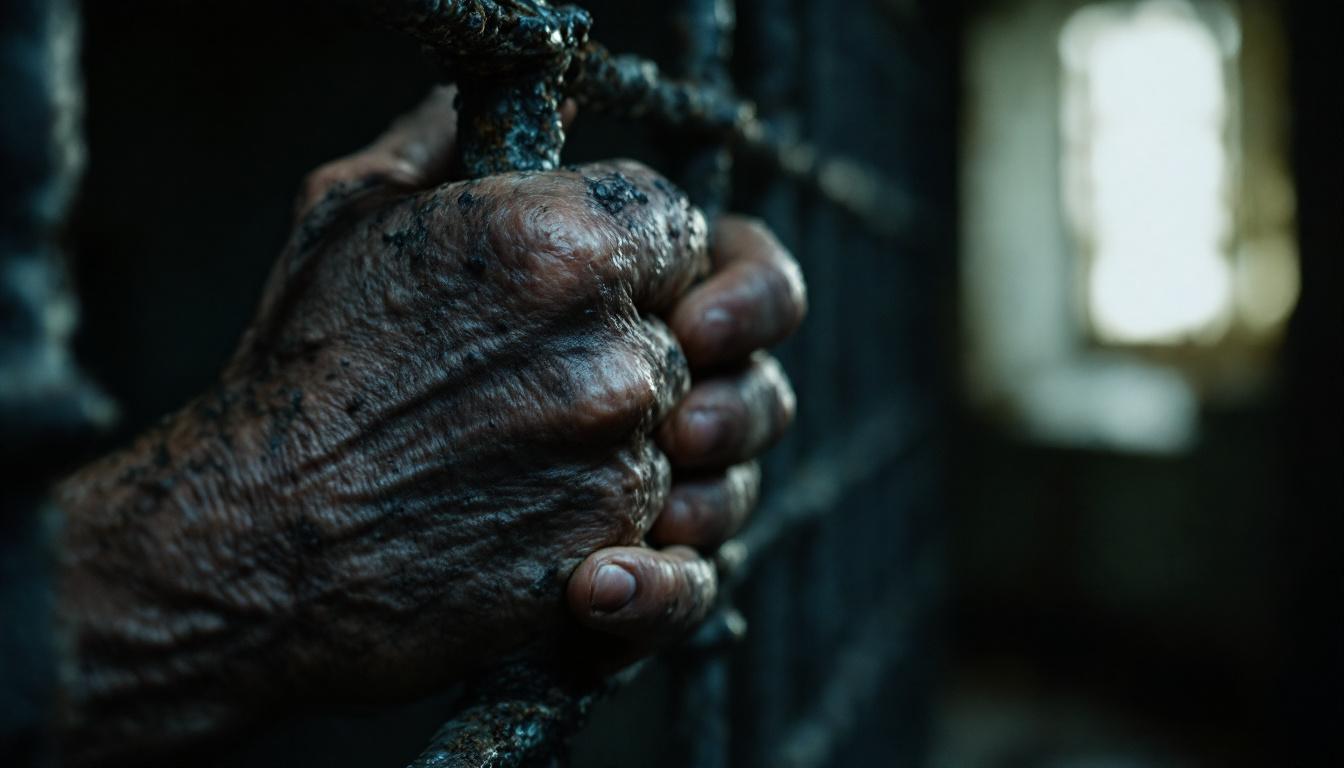
A gritty scene unfolds in the corners of American prisons, where ink tells tales of survival and defiance. The raw, unfiltered narrative imprinted on skin drops you into a world far removed from everyday chatter. This isn’t about trendy body art – it’s about a culture steeped in deep tradition, unchecked risk, and unexpected revelations.

Even outside prison walls, tattoos wield power; around 30% of Americans rock at least one tattoo, highlighting a broad acceptance of inked identity in modern culture ZipDo Education Reports 2025. But prison tattoos straddle a different line: they’re loaded with hidden meanings and controversial connections to criminal justice, public health issues, and a storied past.

The Origins and Evolution of Prison Tattoos

Long before prison walls echoed with the sound of tattoo needles, ink had already etched its mark on history. Archaeological digs have unearthed tattoos dating back to 8000 B.C., and early Christians used specific symbols to mark group identity FROM PUNISHMENT TO EXPRESSION: A HISTORY OF TATTOOS IN CORRECTIONS. These early incarnations of tattoo art weren’t decorative trends-they were bold statements of belonging and defiance.

Moving into the modern era, tattoos in American prisons have morphed into a potent symbol of both resistance and risk. They aren’t just a matter of self-expression; every stroke tells a story of survival, often on inked skin that carries scars both visible and hidden. There’s a palpable aura of memory and identity in every illicit tattoo, a bit like graffiti on crumbling walls that speak of times when words couldn’t cut through the silence.

Ink Under Lock and Key: Life Behind Bars and the Tattoo Connection

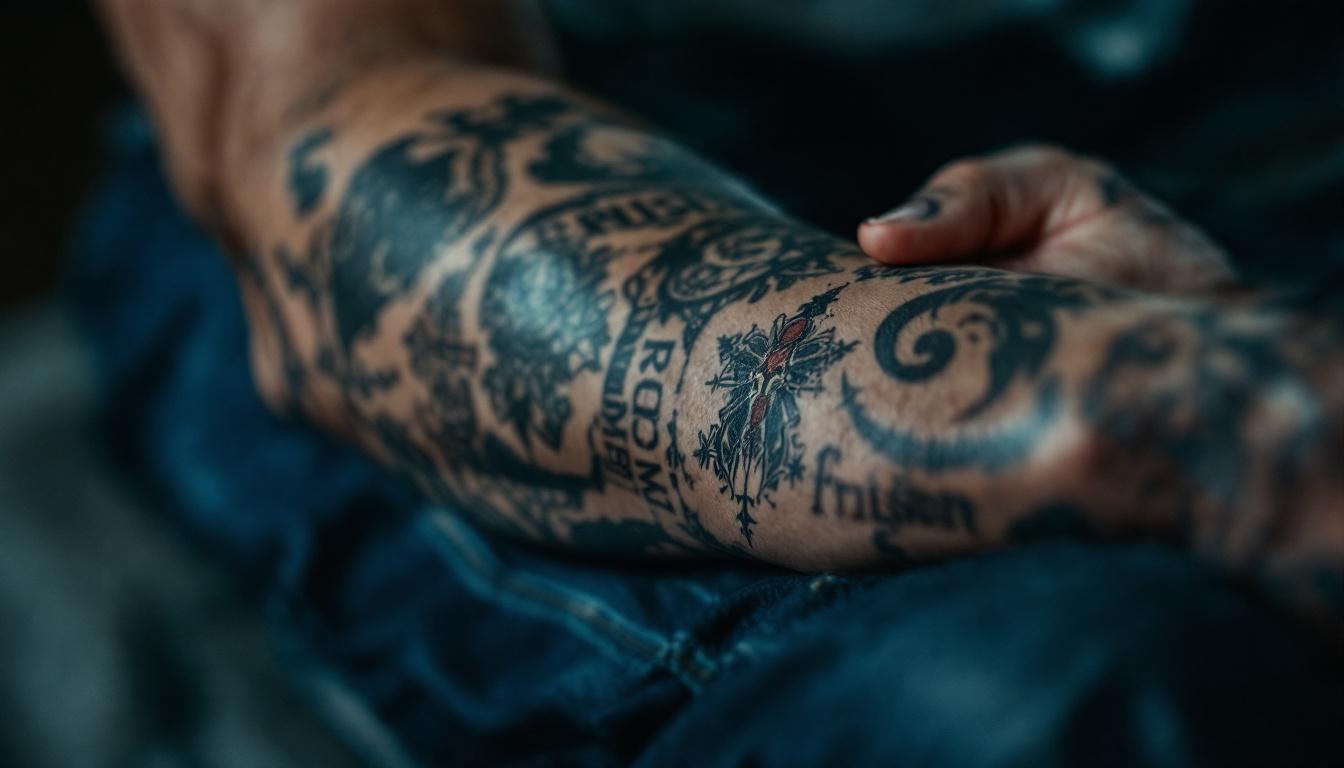
When it comes to prison life, tattoos aren’t just casual doodles-they’re a part of personal lore. Inmates use tattoos as a form of silent communication, sometimes even a coded language for alliances, rivalries, or histories that run deep in the criminal underworld. Impressively, nearly 60% of inmates have gotten at least one tattoo while incarcerated Prevalence of HCV risk behaviors among prison inmates: tattooing and injection drug use.

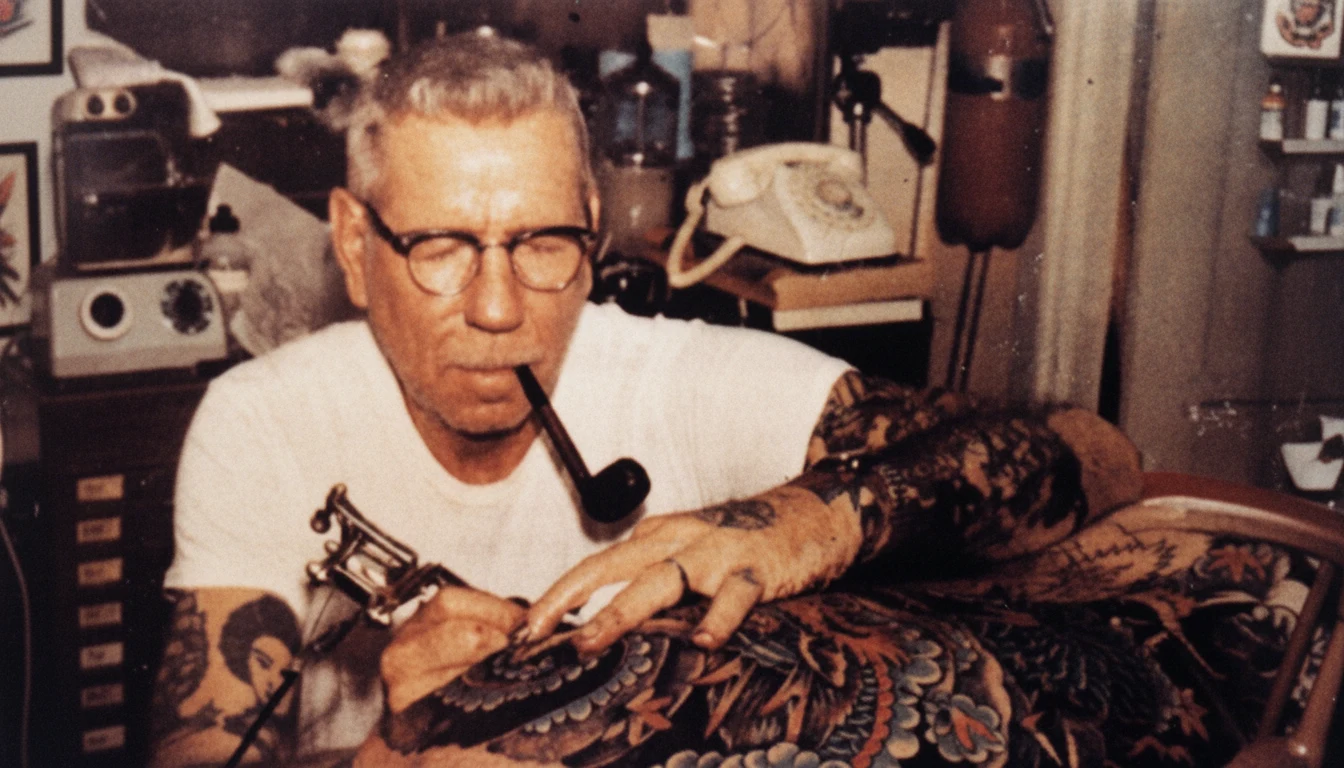
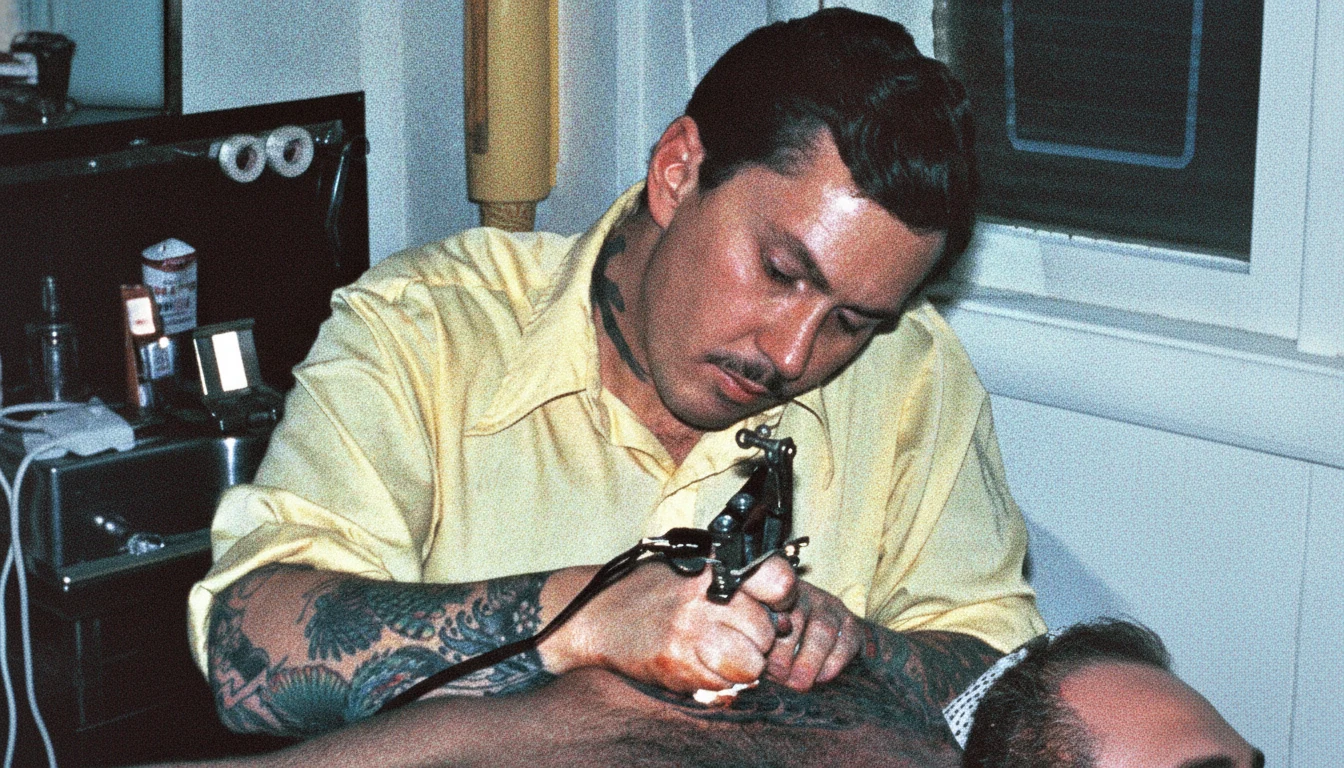
The process, however, isn’t all artistry and pride. Tattooing in these environments is frequently a rough-and-tumble affair. With homemade implements and a total disregard for hygiene, the practice busts a vein of risk for blood-borne virus transmission. It’s a testament to how the need for identity can sometimes override a common sense of self-preservation.

Beyond the health hazards, these tattoos carry an unsettling double-edged sword. Numerous studies have shown a connection between inmates with tattoos-especially those flaunting antisocial or visibly defiant designs-and higher rates of prison infractions and post-release violent behavior Prison Tattoos as a Reflection of the Criminal Lifestyle.

Tattoo Recognition Technology: A Modern Twist in a Storied Tradition

The inked narratives of prisoners have also caught the attention of modern science, and not always in a flattering light. The Electronic Frontier Foundation recently spotlighted a highly controversial development: government scientists at the National Institute of Standards and Technology are hammering away at creating automated Tattoo Recognition Technology using images from imprisoned individuals-often captured without consent EFF warns against using incarcerated people as “endless supply of free data”.

This move has sparked a firestorm of criticism and debate. On one side, there’s an argument that the technology might aid in law enforcement and even public health monitoring. On the flip side, it opens up a Pandora's box of ethical dilemmas. The use of inmate tattoos as data points without clear consent brings up serious questions about privacy, autonomy, and the potential for misuse in a system that is already under intense scrutiny.

The digital age has made it possible to turn a personal mark into a mass-profiling tool, an idea many see as the epitome of modern overreach. The idea that your skin, often decorated with the marks of your personal battles, could later serve as a key in a government database is a prospect that doesn’t sit well with those who have long viewed their tattoos as a badge of survival rather than state control.

Risky Ink: Health Hazards and Social Implications

It’s no secret that prison is a hotbed of health concerns, and tattoos contribute to the mix in a pretty big way. Tattooing in prison is typically performed under unsanitary conditions with makeshift, shared tools, upping the risk of spreading blood-borne viruses. These aren’t controlled, artistic sessions but covert acts that can leave behind not just marks on the skin, but long-lasting health issues Tattooing in prisons--not such a pretty picture.

This practice brings an unexpected mix of culture and danger. In a place already rife with tension and health hazards, every prick of a needle becomes a roll of the dice. Some inmates opt for tattoos as a protective badge or a sign of membership in a particular group, but pay little heed to the biological risks. The dichotomy is stark: the very same ink that symbolizes identity and defiance also acts as a vehicle for potentially life-threatening infections.

Adding to the complexity are findings that link inmates with numerous tattoos to a higher propensity for violent infractions while in prison, as well as violent recidivism after release. Such findings force a hard look at how inked skin might serve as more than just personal expression-it could be a marker of behavioral tendencies, shaped by the combative environment inside prison walls.

The Social Fabric and Psychological Layers Behind the Ink

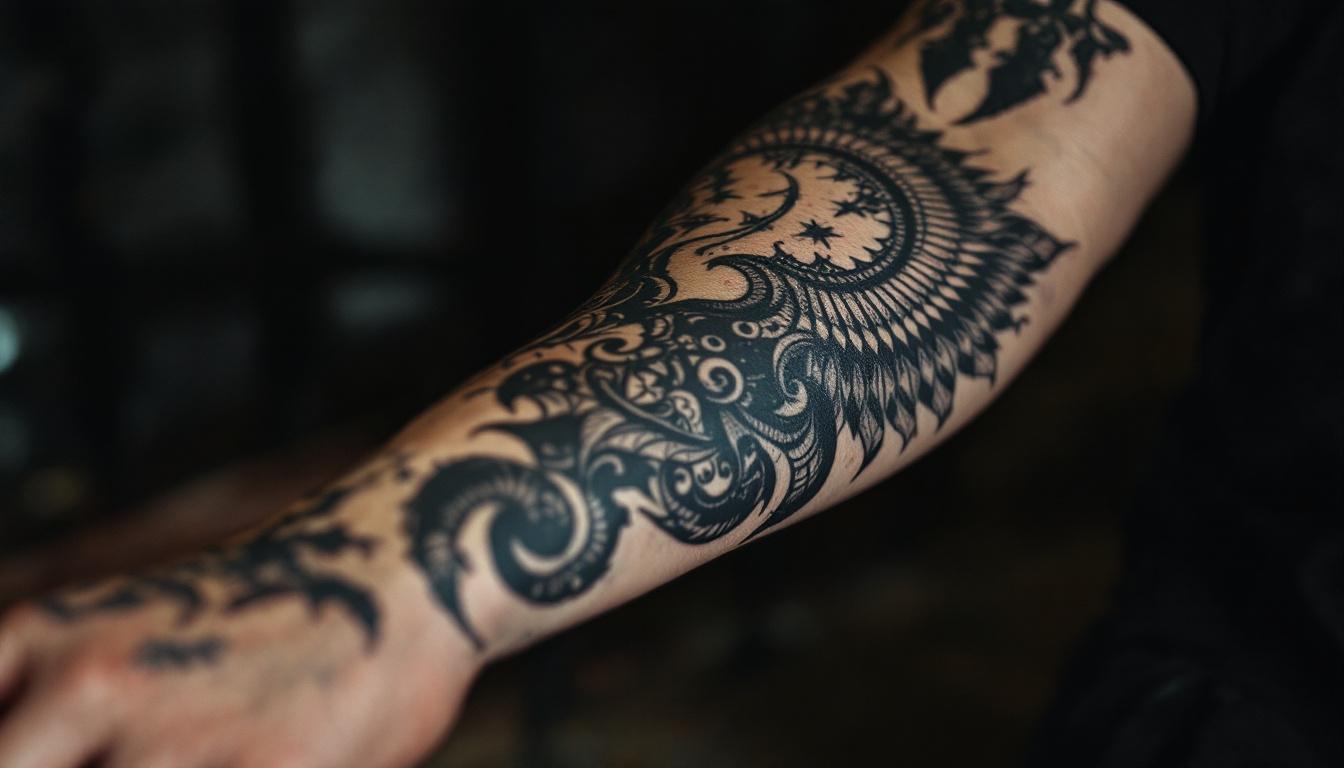
Beyond the immediate risks and regulatory nightmares, prison tattoos carry a deep sociocultural significance. They are a language of pain, resilience, and even rebellion. Tattoos are a silent rebellion against an oppressive system that strips away personal identity. Every tattoo, especially in the constrained confines of a prison, is more than skin deep-it’s a story of the battles fought both outside and within.

Prisoners often choose designs that echo their inner turmoil or past misfortunes. The choice of symbols, the location of the ink, and even the style of the tattoo can indicate a range of messages, from personal loss to a declaration of survival. Visible tattoos, especially those that take on antisocial motifs, often serve as a double-edged signal, marking those who have firmly embedded themselves in the criminal lifestyle and increasing their chances of further conflict both in and out of prison Inmate Tattoos and In-Prison and Post-Prison Violent Behavior.

For many inmates, these tattoos become a kind of emotional armor. They create a buffer from a harsh, judgmental environment. Yet, that same armor can highlight a troubled past and even signal future challenges. It’s a balance between personal expression and a visible reminder of one’s place in a societal hierarchy that often only understands the language of power and defiance.

The Criminal Justice Angle: Tattoos as a Double-Edged Sword

Tattoos in prison never escape the gaze of criminal justice experts. They are not just an aesthetic choice but a window into the inner workings of prison society. As one expert insight puts it, "Tattooing exemplifies several important links between criminal justice systems, public health, custodial management, and the social organization and behavior of prisoners" Legal prison tattooing centers: viable health policy initiative?. This isn’t about looking cool-it’s about survival, corroboration of loyalty, and even a measure of threat assessment.

Behaviorally speaking, tattoos can serve as early warning signs. Inmates with visible tattoos, particularly those that carry antisocial messages, tend to have higher rates of disciplinary infractions and are more likely to spiral into further violent behavior after release. The ink becomes an unspoken record of past behavior, a marker that influences both how fellow inmates interact and how officials decide to manage and monitor these individuals.

The implications are enormous. While tattoos can sometimes be a medium of self-expression, in the prison ecosystem they serve as an indelible record of a life marred by systemic issues and the harsh realities of institutional life. The intersection of art, rebellion, and a touch of fatalism forms a narrative that’s as complex as it is controversial.

Modern Perceptions and the Cultural Divide

The perception of tattoos has shifted wildly over time-a far cry from the days when a single piece of ink marked an individual as a hardened criminal. Today’s society embraces tattoos in a broad and almost celebratory way. But the roots of those designs remain tied to very real, very grim origins. Outside the prison system, tattoos are often seen as fashion statements or personal emblems. Within, however, they still resonate with a darker meaning.

Philly street talk might dub these marks as “badges of honor” or "the scars of the struggle," but the reality is as messy as it is fascinating. Even as public sentiment around tattoos shifts, law enforcement and public health officials keep a wary eye on the practice behind bars. The methods used to ink these designs are outdated and dangerous, a far cry from the sophisticated, sterile environments of modern tattoo parlors.

While many celebrate the artistry and rebellion embodied by tattoos, the underlying risks-from health hazards to behavioral predictions-cannot be ignored. They serve as a potent reminder that behind every stroke of ink lies a backstory filled with hardship, resistance, and sometimes, a hint of chaos.

Looking Ahead: The Future of Ink in Correctional Facilities

With technology creeping into every nook and cranny of modern life, what lies ahead for prison tattoos? The conversation now straddles the line between preservation of a cultural artifact and the practical need for reform and accountability. The development of automated Tattoo Recognition Technology is just one indicator that the inked past is being re-examined through a futuristic lens.

This technology, while promising in its potential to shape prison management strategies, raises more ethical questions than it answers. Using inmate tattoos as data points can inadvertently reinforce stereotypes and preemptively label individuals based on their appearance. It's a high-stakes game of balancing individual rights against institutional needs, a game where the stakes are incredibly high and the players are always in a state of flux.

There’s also the possibility that over time, we might see reforms that address both the health risks and the social consequences of prison tattooing. More education on safe practices, a shift in the enforcement approach, and increased sensitivity toward the personal stories behind the ink could transform how tattoos are perceived and managed. Whether this evolution will come from bottom-up advocacy or top-down policies remains an open question, but it sure is a conversation that’s heating up.

Ink and Identity: A Tapestry Both Beautiful and Blemished

Tattoos in prison capture the fragile interplay between art, identity, and the harsh conditions of incarceration. Every mark is steeped in history, defiance, and a struggle to carve out meaning in an environment where individuality is often suppressed. The rough, unsterile procedures used to create these tattoos only add to the raw, authentic narrative that each piece of ink represents.

In many ways, these tattoos resemble a form of street literature written on skin, with every line and symbol speaking volumes about who a person was, is, and maybe even will be. They’re emblems of a tough past, but also signals of the inner strength and resilience required to survive within the oppressive walls of a prison.

The cultural divide between mainstream tattoo enthusiasm and the gritty reality of prison tattooing is stark. While greater society often sees tattoos as expressions of personal freedom and creativity, in the prison context they operate as marks of survival and even as stigmatizing labels that follow inmates long after they are released.

A Glimpse from the Inside: Understanding the Inmate Perspective

Looking into the heart of prison culture, tattoos become a personal narrative written on skin-a story that only makes sense to those who have lived it. Among inmates, getting tattooed is both a ritualistic act and a desperate bid for individual expression. It’s not simply about showing off artistic flair-it’s about marking territories, memorializing lost ties, and defining one’s place in a hostile environment.

Section Image

For many, these tattoos serve as a diary that records personal losses, affiliations, and the time spent grappling with a system designed to strip away identity. They are etched under conditions that are far from ideal-often using homemade tools and unsanitary practices that leave a dangerous legacy of health risks. With nearly 60% of inmates having acquired tattoos in prison, there’s no ignoring the prevalence and cultural richness behind the ink Prevalence of HCV risk behaviors among prison inmates.

Such evidence drives home the reality that what might seem like simple body art is actually part of a broader story-a story of resilience, survival, and the constant tension between the desire for self-expression and the hazards imposed by a hyper-controlled environment.

Reflections on a Controversial Craft

The discussion of prison tattoos is never black and white. It’s a mix of art and anarchy, a clash between tradition and modern technology, and a tale of inner strength shadowed by undeniable risks. On one hand, these tattoos stand as marks of survival; on the other, they chronicle a lifestyle that can weigh down prospects long after the cell doors close.

Section Image

When seen through the lens of criminal justice, the meanings of these tattoos become layered. They’re not just randomly chosen designs, but a highly nuanced language that speaks to loyalty, defiance, and even unspoken rules among prisoners. Their presence has been associated with higher risks of violent infractions and recidivism, painting a sobering picture of both personal struggle and systemic challenges within correctional facilities Inmate Tattoos and In-Prison and Post-Prison Violent Behavior.

This dual nature of tattooing in prisons forces society to re-examine its assumptions. It’s easy to romanticize the ink and label it as a symbol of resistance or self-expression, but the practical realities-ranging from health risks to behavioral implications-demand a more nuanced conversation.

Final Thoughts: The Ever-Evolving Ink Story

The journey of American prison tattoos is far from over. With each new development-from cutting-edge technologies that monitor and catalog inmate tattoos to evolving attitudes toward personal expression-the narrative continues to evolve. Tattoos hold a mirror up to the stark realities of prison life, reflecting both the defiant human spirit and the systemic issues that bind it.

As the discussion moves into the future, these marks on skin are likely to remain a focal point of cultural, ethical, and legal debates. They remind society of the thin line between art and risk, individuality and conformity, expression and institutional control. The inked stories may be rugged and raw, but they capture the pulse of a community that has learned to survive and even thrive under some of life’s harshest conditions.

In the end, the history of prison tattoos is a testament to how even under the most oppressive circumstances, the human spirit finds a way to etch its mark-one that’s as controversial as it is captivating. Whether viewed as signs of courage, tokens of rebellion, or potential flags for further scrutiny, these tattoos continue to spark conversations that are as vital as they are challenging. Tattoo statistics and evolving practices remind us that behind every line etched on a prisoner's skin lies a lifetime of experiences, choices, and survival.

Looking Forward: A Culture in Transition

The future of prison tattooing is intertwined with both technological innovation and a growing awareness of inmate rights. What’s clear is that the narrative of these tattoos will keep shifting as society grapples with historical prejudices and modern challenges. Adjustments in prison policies and more humane approaches to inmate care might one day change how tattoos are viewed in these environments, turning a current symbol of risk into one of personal recovery and controlled expression.

This conversation isn’t just about ink; it’s about acknowledging a legacy that spans millennia and reflecting on how far society has come-and how much more there is to change. As debates continue over the ethical implications of using technology to monitor tattooed inmates, it becomes obvious that the struggle for identity, safety, and dignity is far from over.

Indeed, every twist and turn in this saga adds another layer to an already intricate tapestry. The ink might be set, but its meaning continues to ripple through the halls of correctional facilities and the broader discourse on human rights and justice, keeping alive discussions that are as controversial as they are necessary EFF and tattoo recognition debates.

Conclusion: More Than Just Ink

Prison tattoos in America are more than just designs on skin-they are indelible marks of a harsh reality, a testament to survival, and a statement wrapped in controversy. They embody a rich history that stretches from ancient civilizations to the modern-day correctional system, carrying stories of pain, resilience, and defiance.

The evolution of prison tattoos, from primitive markings to today's technology-fueled debates, reveals a microcosm of broader societal challenges. With each piece of ink, a narrative unfolds-a raw account that challenges perceptions, questions policies, and forces society to confront the intricate tapestry of identity under fire.

Whether seen as a relic of a rugged past or a sign of ongoing struggles within the criminal justice system, prison tattoos remain a potent symbol. Their story is written not only in the ink itself but in the lives they touch, reflecting both an enduring cultural legacy and a call for thoughtful reflection about the ideals of freedom, dignity, and survival. Historical insights on tattoo evolution serve as a reminder of how deeply intertwined these marks are with the human experience.

Take Your Tattoo Studio to the Next Level with Apprentice

As we reflect on the profound narratives etched by prison tattoos, it's clear that the art of tattooing is a dynamic form of expression that continues to evolve. If you're inspired to enhance your tattoo studio's operations and connect with the modern era of tattooing, Apprentice is your next step. Embrace the future with our platform that simplifies appointment scheduling, fosters artistic collaboration, and improves client relations. Elevate your business and honor the rich history of tattooing with the tools you need to succeed. Start your free trial today and transform the way you manage your studio.

Jason Howie

Jason Howie

Founder & CEO

Jason Howie is the founder of Apprentice, passionate about empowering tattoo artists and shops with better tools to manage their business and serve their clients.

Related Articles