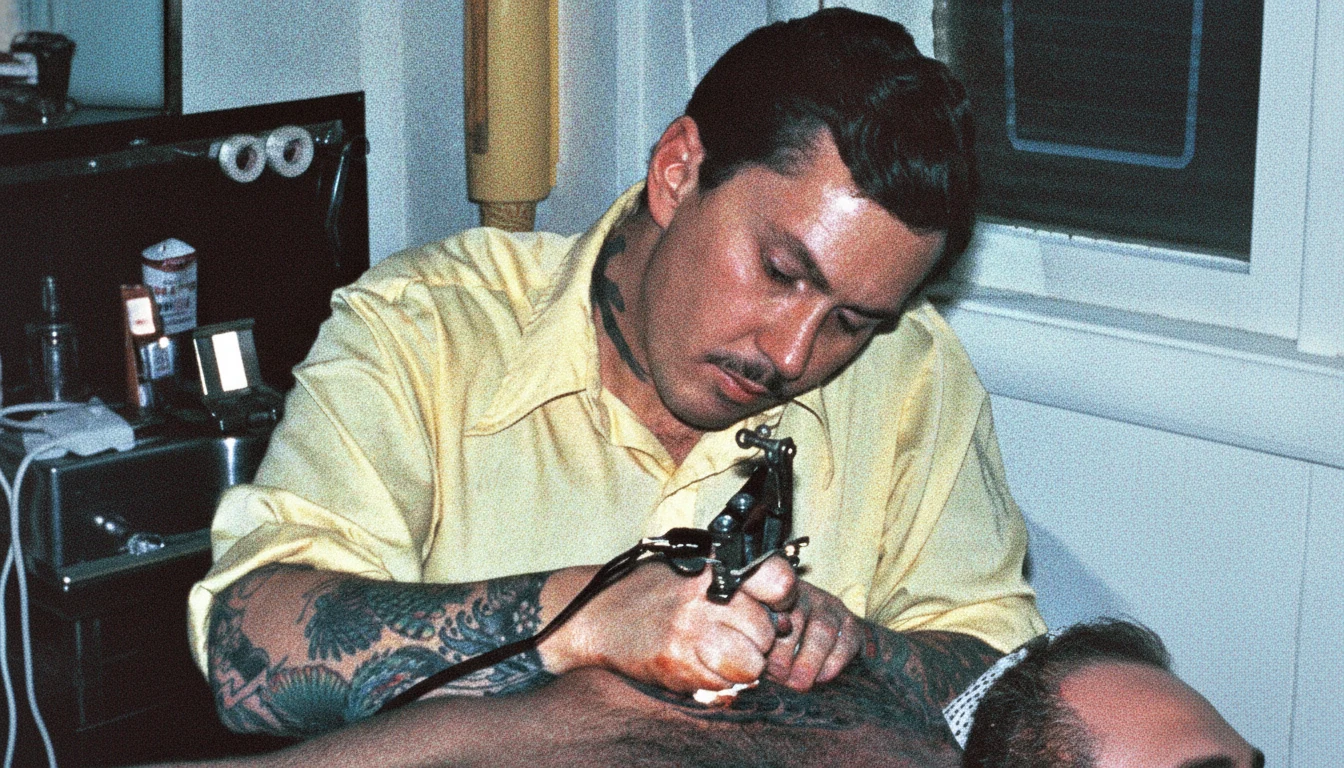
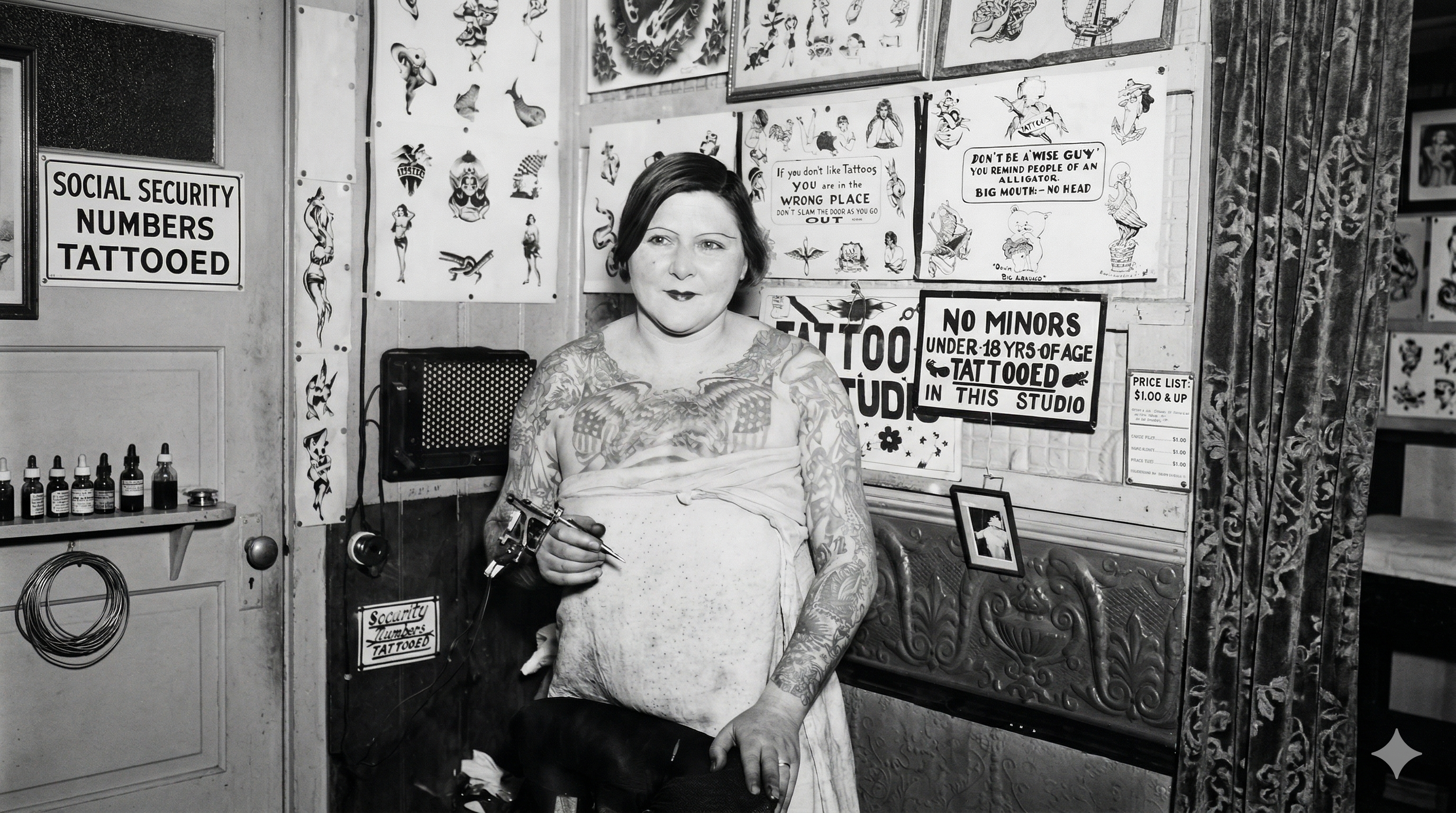
Norman “Sailor Jerry” Collins didn’t just tattoo skin. He shaped an entire art form. Born in 1911, this restless kid from Reno, Nevada, would grow up to become the single most influential figure in American traditional tattooing. His bold lines, vivid colors, and uncompromising standards didn’t just define a style: they built the foundation every shop in the world still stands on. Whether you’re an apprentice pulling your first lines or a veteran with decades of ink under your belt, you owe something to this man. His story is one of obsession, innovation, and a refusal to settle for “good enough.” And if you run a tattoo business today, his approach to the craft holds lessons that go way beyond art. The tattoo industry has grown into a multi-billion dollar market, but the DNA of the work traces straight back to a small shop on Hotel Street in Honolulu.
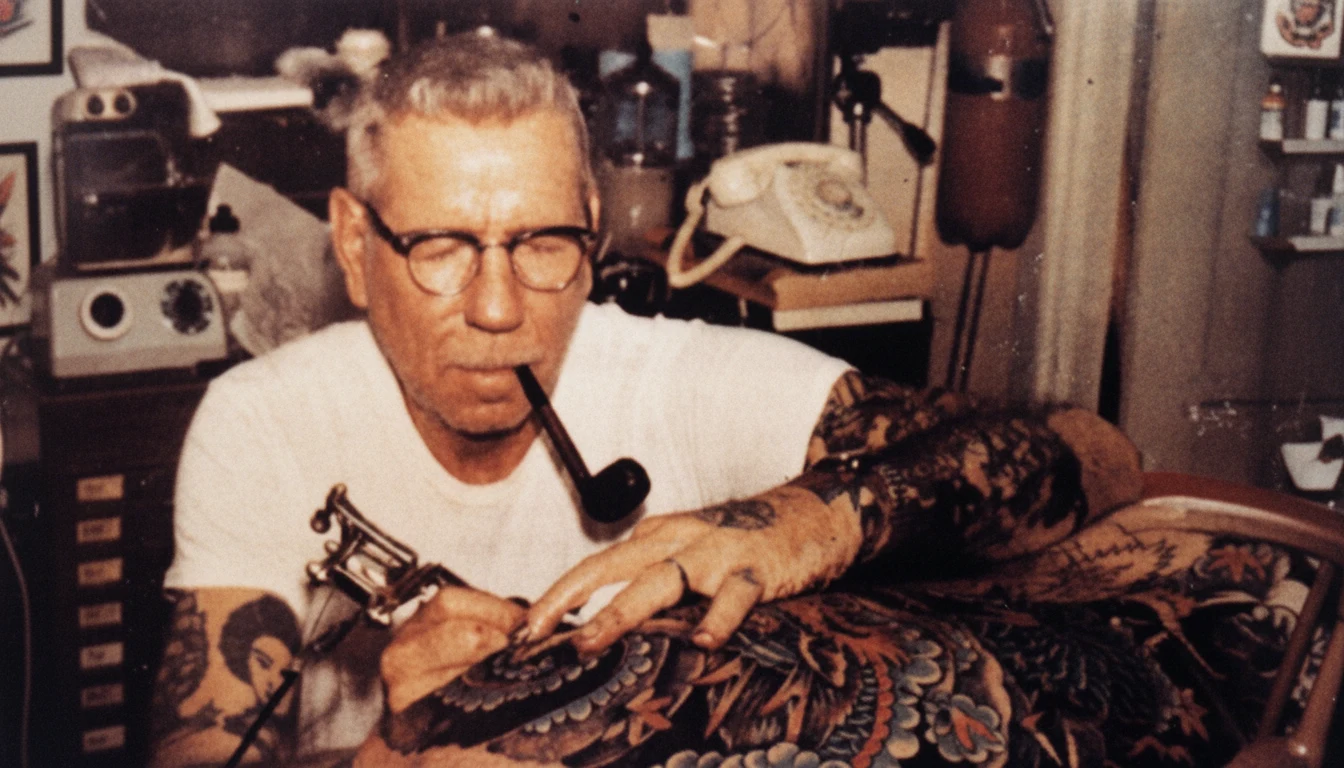
The Legend of Norman ‘Sailor Jerry’ Collins
Collins was born into a world that didn’t have much use for tattooists. The craft was considered low-class, the province of drunken sailors and carnival workers. But Collins saw something more. He saw permanence. He saw meaning. He saw art that lived on the body instead of hanging on a wall.
His early life was defined by movement. He left home young, hopping freight trains across the American West. He learned hand-poke tattooing from a man in Alaska before he was even old enough to enlist. That restlessness eventually led him to the U.S. Navy, where he sailed across the Pacific and encountered the tattoo traditions of Japan and Southeast Asia. Those experiences would change everything about how he approached the craft.
Life on the High Seas and the Honolulu Shop
After his Navy service, Collins settled in Honolulu and opened his shop on Hotel Street. This wasn’t a trendy neighborhood. It was the red-light district, packed with bars, brothels, and thousands of servicemen looking for a good time and a permanent souvenir. Collins gave them exactly that.
His shop became legendary. Sailors on shore leave lined up for his work. He tattooed fast, clean, and with a confidence that set him apart from every other scratcher in the area. But speed didn’t mean sloppiness. Collins was obsessive about quality. He’d refuse clients who wanted bad designs. He’d kick people out of his chair if they couldn’t sit still. His reputation wasn’t built on charm. It was built on standards.
Honolulu was the perfect proving ground. The constant flow of military personnel meant Collins tattooed thousands of people from every background. That volume made him fast. That variety made him versatile. And the tropical climate tested his inks and techniques in ways that colder environments never could.
The Fusion of Eastern and Western Techniques
What made Collins truly special was his willingness to learn from other traditions. Most American tattooists in the mid-20th century were insular. They stuck to what they knew. Collins didn’t.
He began a long correspondence with Japanese tattoo masters, particularly Horihide of Gifu. Through letters, photos, and the exchange of materials, Collins absorbed the Japanese approach to composition, flow, and how a tattoo moves with the body. Japanese tattooing treated the entire body as a canvas. American tattooing treated each piece as a standalone image. Collins figured out how to merge both philosophies.
He took the bold outlines and saturated color of American work and married them with the compositional intelligence of Japanese work. The result was something new. His pieces sat better on the body. They aged better. They told stories in ways that a simple anchor or pin-up girl never could on its own. This fusion is the root of what we now call American traditional tattooing, and Sailor Jerry is the man who defined that movement.
The Pillars of American Traditional Style
American traditional tattooing has rules. Not suggestions, not guidelines: rules. And most of them trace back to Collins and the artists he influenced. These principles aren’t arbitrary. They exist because they produce tattoos that last a lifetime.
Bold Lines and the Limited Color Palette
The signature look of American traditional work starts with thick, black outlines. Collins understood something that many modern artists still struggle with: skin changes over time. Lines spread. Colors fade. A tattoo that looks great on day one needs to look great on year thirty.
Bold lines act as walls. They contain the color and keep the design readable as the skin ages. Collins used a limited palette: black, red, green, yellow, and sometimes blue or brown. That restriction wasn’t a limitation. It was a discipline. Fewer colors meant bolder impact. Every shade had to earn its place in the design.
This approach is why traditional tattoos from the 1950s still look recognizable today. Compare that to some modern styles where fine lines blur into gray smudges within a decade. Collins wasn’t thinking about Instagram likes. He was thinking about permanence.
Iconic Flash Imagery and Symbolic Meanings
Flash sheets were the menu of the tattoo shop. Collins created hundreds of them, and his imagery became the visual language of an entire generation. Eagles, anchors, swallows, daggers, roses, pin-up girls, and the classic “Mom” heart: these weren’t random choices.
Each image carried meaning:
- An anchor meant stability, a safe return home
- A swallow represented 5,000 nautical miles sailed
- A dagger through a rose symbolized the duality of beauty and pain
- A hula girl was a souvenir of the Pacific, a reminder of paradise
Collins designed his flash to be tattooed quickly and consistently. Every line had a purpose. Every color choice was deliberate. This is why his designs are still some of the most requested pieces in shops around the world. They work. They’re proven. And they carry a weight of history that newer designs simply can’t match.
Technical Innovations in the Tattoo Industry
Collins wasn’t just an artist. He was an engineer, a chemist, and a public health advocate before any of those things were cool in the tattoo world. His technical contributions saved lives and changed the industry forever.
Safe Pigments and Sterilization Standards
In the mid-20th century, tattoo inks were genuinely dangerous. Some contained lead, mercury, or other toxic compounds. Infections were common. Hepatitis outbreaks were linked to tattoo shops. The public had good reason to be wary.
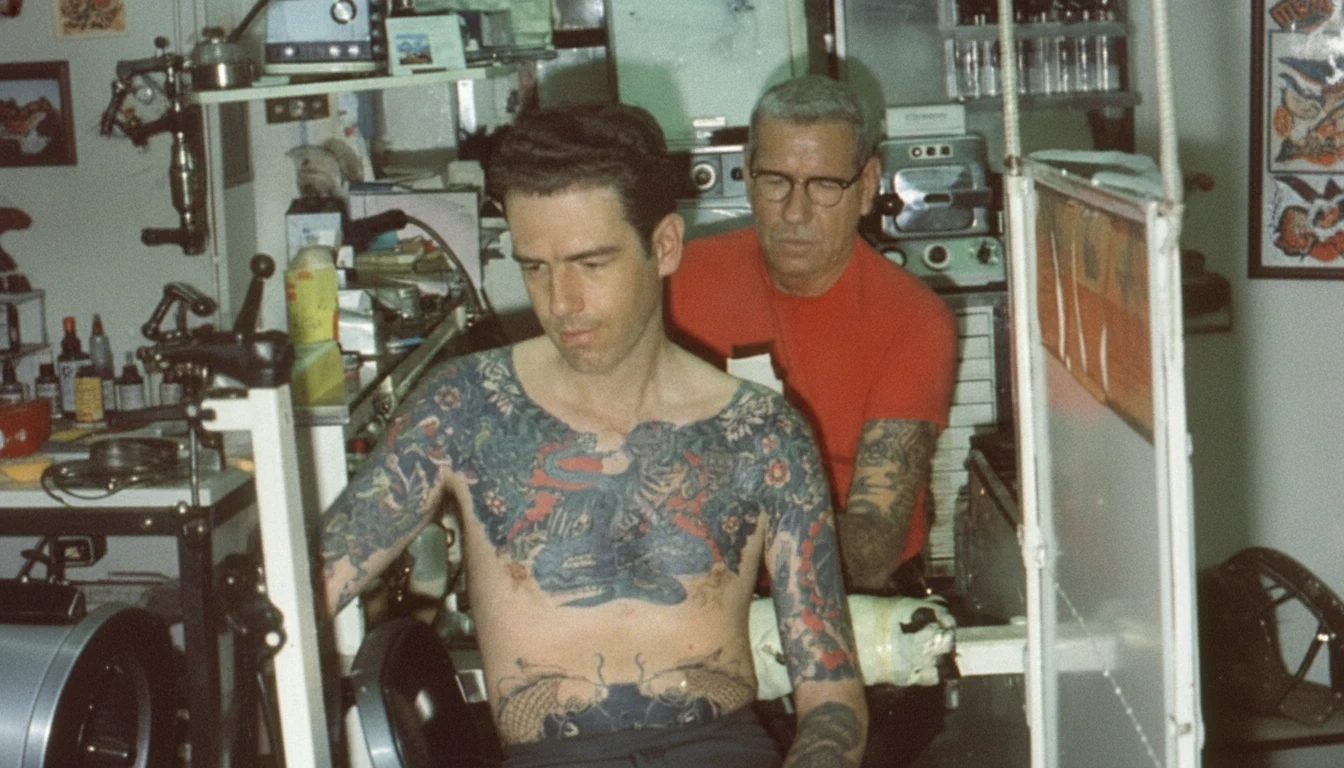
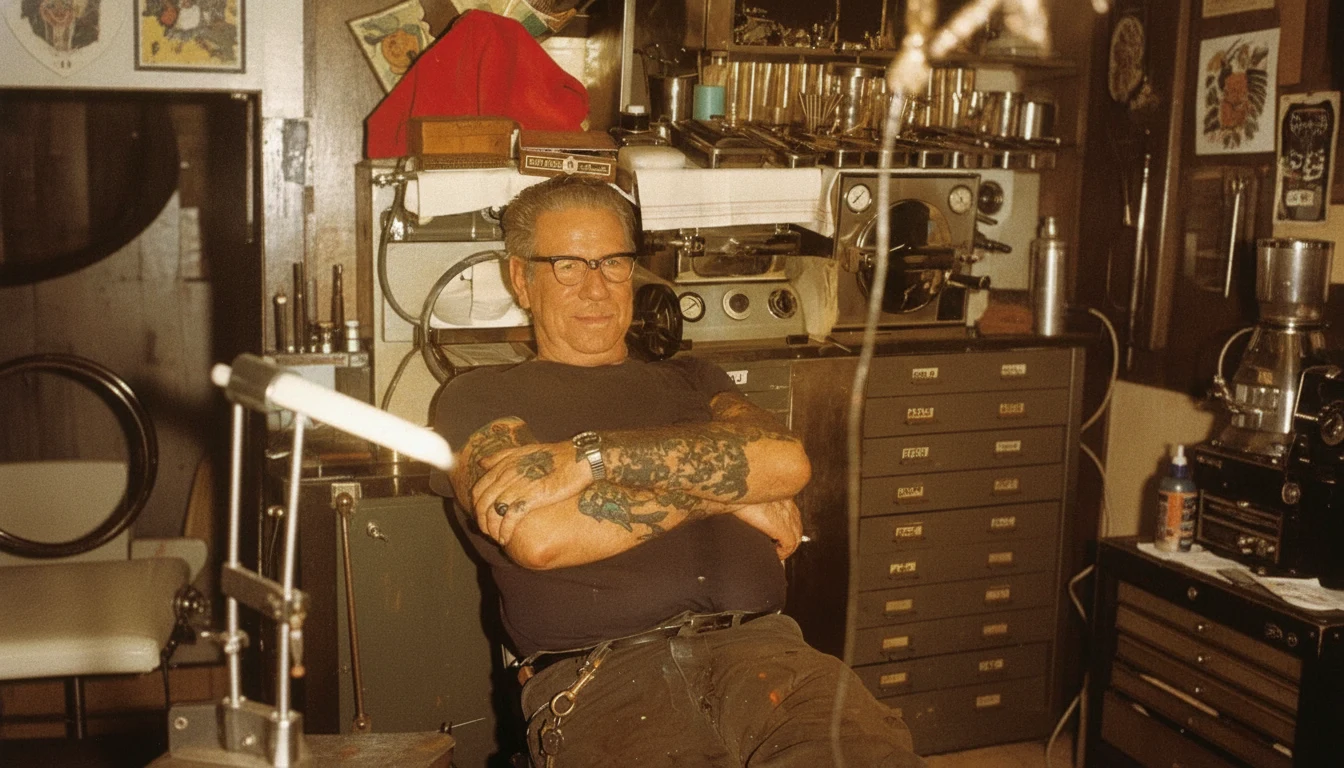
Collins took this seriously. He worked to develop safer pigment formulations and was one of the first tattooists to adopt hospital-grade sterilization practices. He used an autoclave when most shops were still wiping needles with alcohol and calling it clean. His insistence on hygiene wasn’t just ethical: it was good business. Clean shops build trust. Trust builds repeat clients.
Today, health regulations for tattoo shops are standard practice across most states, but someone had to push for those standards first. Collins was one of those people. He understood that tattooing’s reputation as a legitimate art form depended on its safety record.
The Evolution of Modern Tattoo Machines
Collins was a tinkerer. He modified and rebuilt tattoo machines constantly, chasing better performance. He wanted machines that hit harder, ran smoother, and gave the artist more control. His modifications to the standard coil machine influenced generations of machine builders.
He also experimented with needle configurations, finding combinations that packed color more efficiently and created cleaner lines. These weren’t published in academic journals. They were shared through letters, phone calls, and the tight-knit community of serious tattooists who respected Collins enough to listen.
The machines and needles we use in 2026 are descendants of his work. Rotary machines, cartridge systems, and wireless setups have all evolved from the foundation Collins and his peers established. But the core principle remains: the machine is a tool, and the artist’s hand is what matters.
Managing the Flash: From Paper to Digital
Flash management is one of those unsexy operational tasks that can make or break a shop’s efficiency. Collins kept his flash organized on paper sheets pinned to the walls. That worked in 1955. It doesn’t work now.
How Digital Flash Galleries Save Time
Physical flash sheets get damaged. They fade in sunlight. Clients flip through binders for twenty minutes and still can’t decide. It’s a bottleneck that costs you chair time.
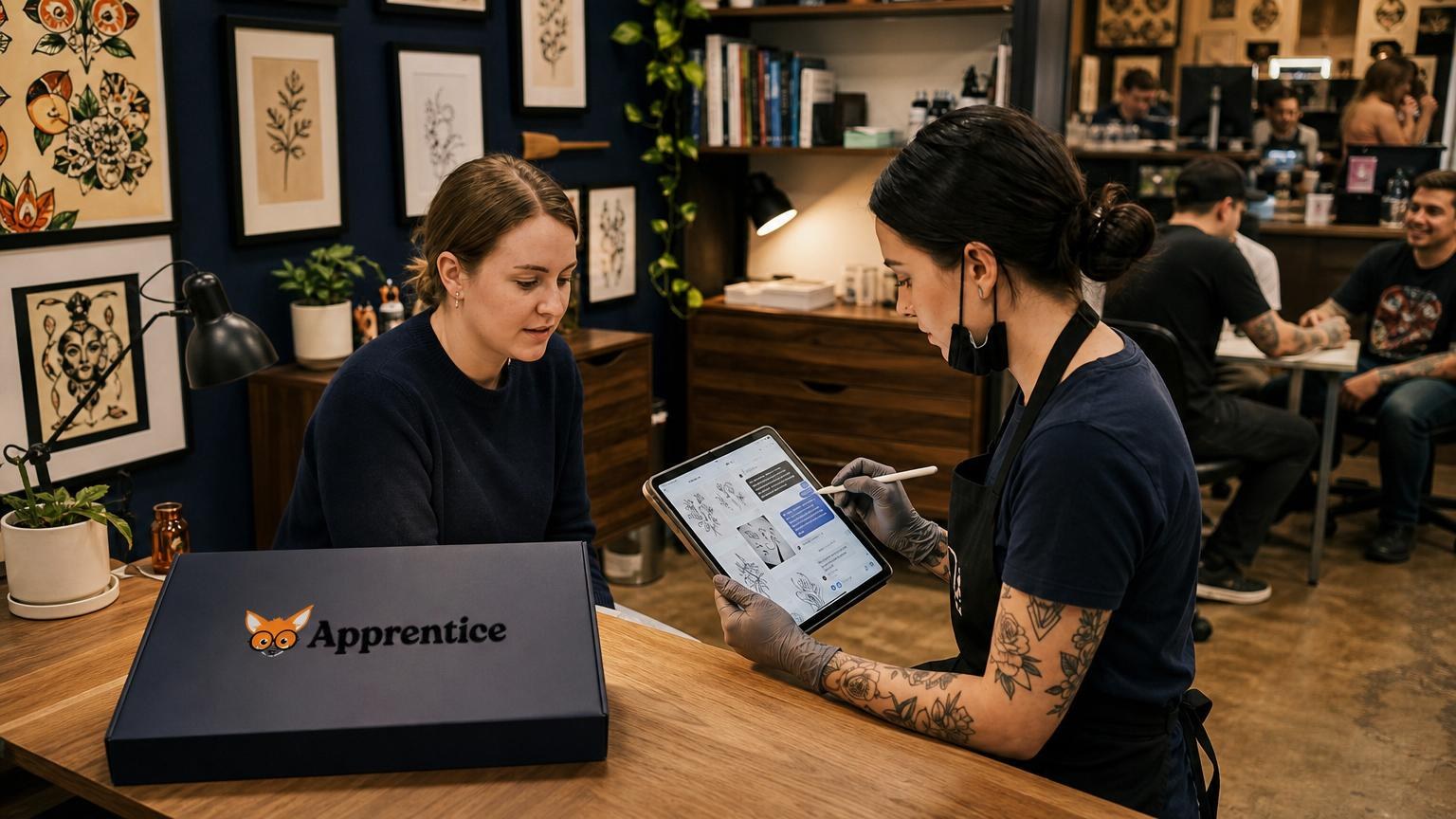
Digital flash galleries solve this problem. Clients can browse your designs online before they ever walk through your door. They show up knowing what they want, which means less consultation time and more tattooing time. Some platforms, like Apprentice, let you organize and publish flash galleries that clients can browse on their phones. Clients can even select a design while sitting on a waitlist, which speeds up the entire booking flow.
This isn’t about replacing the experience of walking into a shop and seeing art on the walls. It’s about giving clients a head start so your time is spent doing what you’re best at: tattooing.
Organizing Classic Designs for Modern Shops
If you carry traditional flash in your shop, and you should, organization matters. Group designs by theme, size, and price point. Tag them digitally so clients can search by keyword. A client searching for “eagle” shouldn’t have to scroll through fifty roses to find it.
Keep your flash updated. Retire designs that aren’t selling. Add new pieces that reflect your style while honoring the traditional roots. And make sure every piece in your gallery has clear pricing. Ambiguity kills conversions. Clients who don’t know what something costs often don’t ask: they just leave.
A good flash management system also tracks which designs are selling best. That data tells you what to draw more of and what to retire. It’s the kind of insight that Collins would have killed for. He had to rely on gut instinct. You don’t.
The Enduring Influence on Modern Artists
Collins died in 1973, but his influence didn’t die with him. His students, particularly Ed Hardy and Mike Malone, carried his techniques and philosophy into the mainstream. Hardy, in particular, became a bridge between traditional tattooing and the fine art world, bringing Collins’s ideas to a much wider audience.
The tattoo industry now employs tens of thousands of artists in the U.S. alone, and a huge percentage of them can trace their artistic lineage back to Collins’s work. His flash designs are still tattooed daily. His color theory is still taught. His insistence on quality over quantity still defines what it means to be a professional tattooist.
The Legacy of the ‘Bold Will Hold’ Philosophy
“Bold will hold” isn’t just a catchy phrase. It’s a technical truth and a business philosophy. Tattoos with strong foundations last longer. Businesses with strong foundations last longer. Collins built both.
This philosophy shows up in how the best shops operate today. They don’t chase trends. They don’t cut corners on materials. They don’t rush through clients to squeeze in one more appointment. They do solid work, charge fair prices, and let the quality speak for itself.
The reality check here is that not everyone follows this path. The industry has its share of scratchers, kitchen magicians, and shops that prioritize volume over craft. That’s always been true. Collins dealt with it in his day, and we deal with it in ours. But the artists who last, the ones who build real careers, tend to follow the “bold will hold” principle whether they know its origin or not.
Using Modern Tools to Honor Traditional Roots
There’s no contradiction between respecting tradition and using modern tools. Collins himself was an innovator. He would have loved the technology available to tattooists in 2026. Better machines, safer inks, digital design tools: these things don’t replace skill. They amplify it.
Platforms like Apprentice help artists handle the business side: booking, deposits, client communication, consent forms: so they can focus on the art. Collins spent his evenings answering letters and managing his schedule by hand. You don’t have to. Automating the administrative grind isn’t selling out. It’s buying yourself more time at the machine.
AI tools can help with design concepts and stencil cleanup without replacing the artist’s eye. Digital client profiles keep track of preferences and history, so returning clients feel remembered. These are the kinds of tools that would have made Collins’s shop run even smoother than it already did.
The point isn’t to replace the old ways. It’s to honor them by doing better work, serving clients well, and keeping the craft alive for the next generation.
The Bottom Line
Sailor Jerry Collins built something that outlasted him by more than fifty years and counting. His bold lines, limited palette, and uncompromising standards created the blueprint for American traditional tattooing. His technical innovations made the industry safer. His philosophy of quality over speed gave tattooists a standard worth aspiring to.
You carry his legacy every time you pull a clean line, pack solid color, or refuse to do work that doesn’t meet your standards. The tools have changed. The principles haven’t. It’s permanent. It’s personal. And people still want it to be perfect.
If you’re ready to spend less time on admin and more time honoring the craft, get started with Apprentice. It’s free for fourteen days, and you can be booking clients within five minutes.

Jason Howie
Founder & CEO
Jason Howie is the founder of Apprentice, passionate about empowering tattoo artists and shops with better tools to manage their business and serve their clients.