Traditional tattoo work isn’t going anywhere. It’s permanent. It’s personal. And people want it done right. The best traditional tattoo artists carry forward a craft that’s over a century old, rooted in bold lines, limited color, and imagery that hits hard at first glance. Whether you’re a client hunting for your next piece or an artist sharpening your own style, understanding who’s doing this work well - and how they run their businesses - matters more than ever. The global tattoo market is projected to grow significantly through 2030, and traditional American tattooing remains one of its strongest pillars. This isn’t a trend. It’s a tradition, and the artists keeping it alive deserve your attention.
Defining the American Traditional Style
American Traditional tattooing has a specific DNA. You can spot it across a room. The style emerged in the early 20th century, shaped by sailors, soldiers, and the shops that served them. It wasn’t about subtlety. It was about durability, readability, and guts.
The rules are strict, and that’s the point. A true traditional piece follows a visual formula that’s been tested by time. It’s built to age well, read clearly from a distance, and hold up under sun, sweat, and decades of living. Artists who work in this style aren’t just drawing pretty pictures. They’re engineering tattoos that last.
The Core Elements of Bold Lines and Limited Palettes
Traditional tattoos live and die by their outlines. Thick, black, consistent lines form the skeleton of every piece. Without a strong outline, the tattoo falls apart over time. Ink migrates. Colors blur. But a solid black border holds everything in place for decades.
The color palette is intentionally limited. You’re looking at red, green, yellow, black, and sometimes blue or brown. That’s about it. These pigments were chosen because they held up under the skin better than others. And the limited palette forces artists to be creative with shading and composition rather than relying on a rainbow of hues.
Shading in traditional work is typically done with solid black or whip shading. There’s no smooth gradient blending like you’d see in realism. Instead, the contrast between saturated color and heavy black creates that punchy, iconic look. Every element serves a purpose: readability, longevity, and visual impact.
Iconic Imagery: From Sailors to Skulls
The subject matter of traditional tattooing is just as codified as the technique. Eagles, anchors, daggers, roses, pin-up girls, skulls, swallows, and panthers dominate flash sheets for a reason. Each image carries meaning, and many trace back to maritime culture.
Swallows meant a sailor had traveled 5,000 nautical miles. An anchor symbolized stability or a safe return home. A dagger through a heart? Betrayal, loss, or the willingness to fight. These weren’t random choices. They were a visual language shared among people who lived hard lives.
That imagery persists because it works. It’s simple, bold, and universally understood. And in 2026, traditional flash continues to influence major tattoo trends worldwide. You’ll see updated takes on classic subjects, but the roots remain the same. A good traditional artist knows the history behind every image they put on skin.
Today’s Masters of Old School Ink
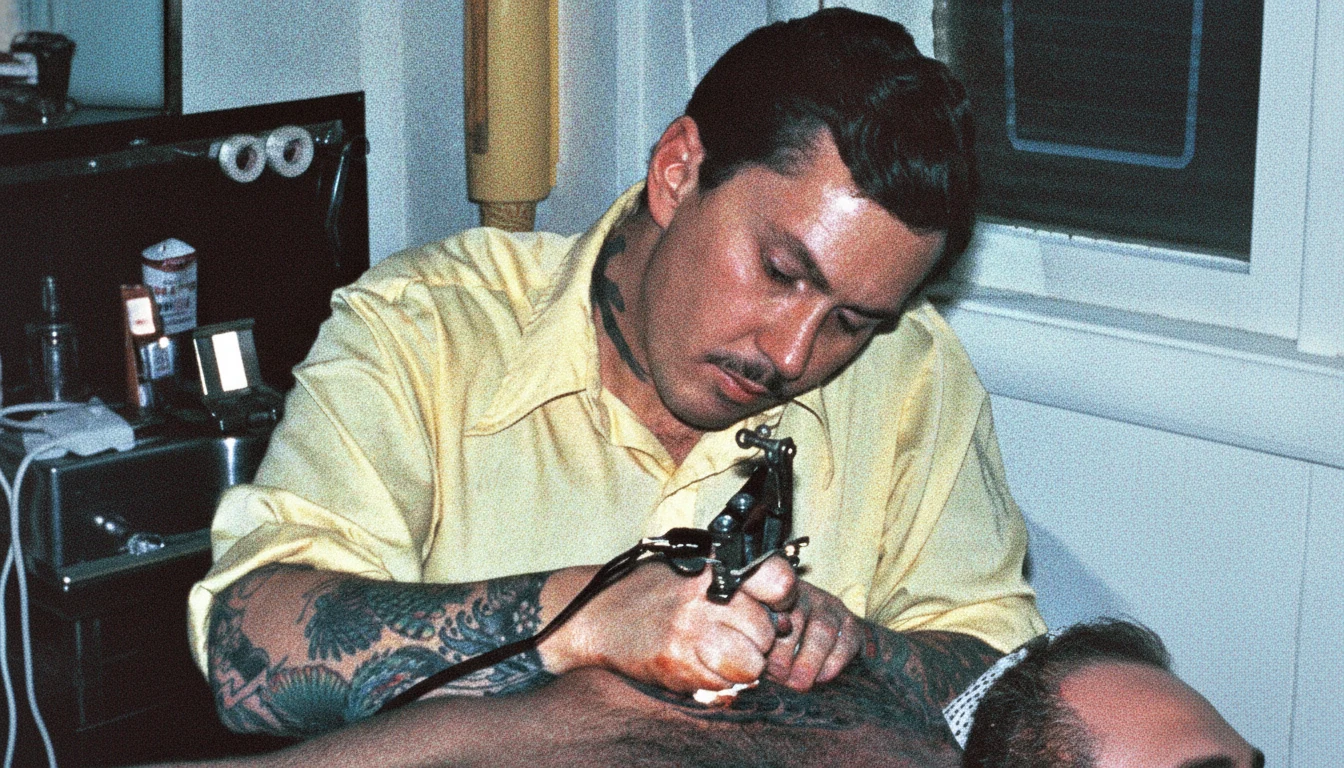
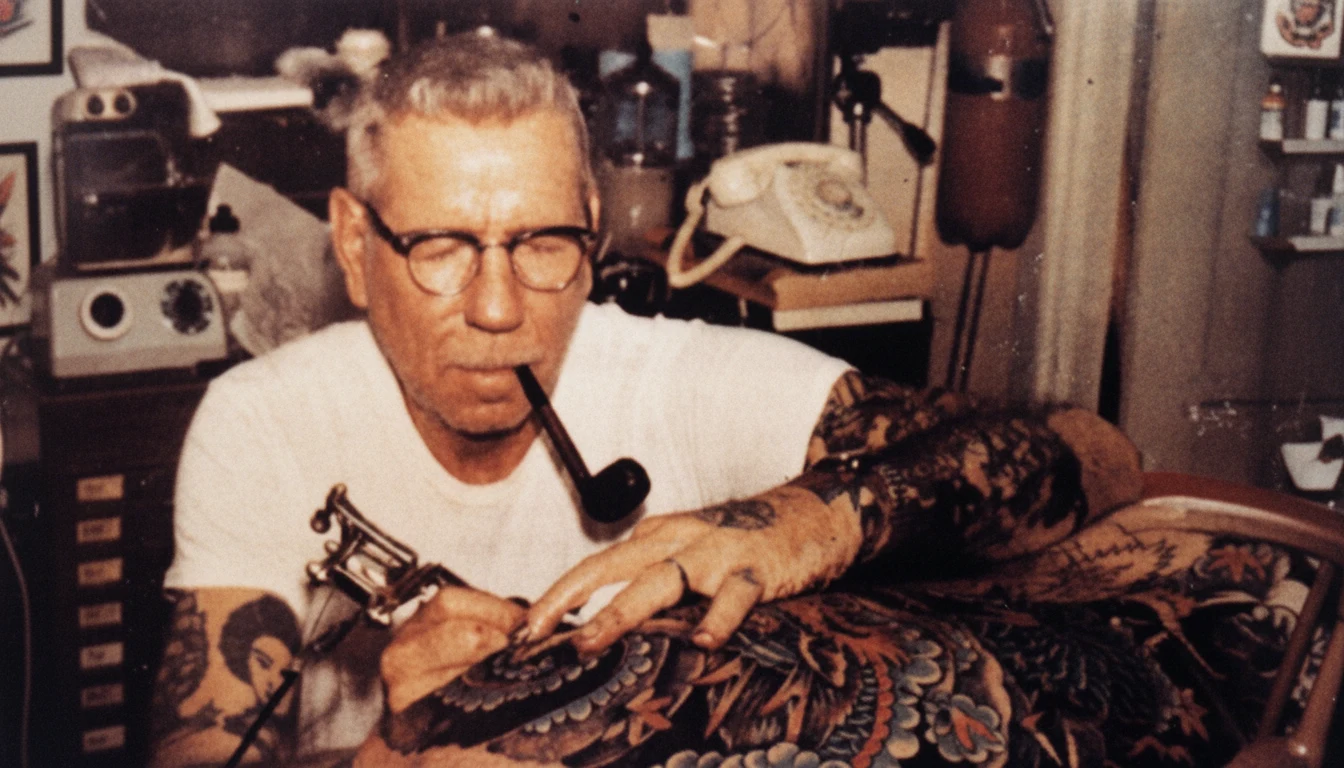
Finding the best traditional tattoo artists isn’t just about Instagram followers. It’s about consistency, respect for the craft, and years of putting solid work into skin. The masters working today carry a lineage that stretches back through Sailor Jerry Collins, Bert Grimm, and Cap Coleman.
Artists Honoring the Sailor Jerry Legacy
Sailor Jerry Collins set the standard. His flash designs are still tattooed daily in shops around the world. But the artists who truly honor his legacy aren’t just copying his sheets. They’re applying his principles: clean execution, strong composition, and no shortcuts.
Names like Eli Quinters, Steve Boltz, and Virginia Elwood have spent years refining their traditional work. They pull machines daily, produce flash, and train apprentices the old way. Their shops are working studios, not social media showrooms. And their waiting lists reflect the demand for quality traditional work.
The 2026 Tattoo Freeze convention recognized several traditional artists in its award categories, reinforcing that the style isn’t fading. It’s thriving. Competitions like these matter because they hold artists accountable to peer review, not just client approval.
But here’s the reality check. Not every artist calling themselves “traditional” has put in the work. Some jump on the style because it’s popular. A real traditional artist has spent years learning line weight, color theory within a limited palette, and the history behind the imagery. Ask about their training. Ask about their influences. The answers tell you everything.
The Rise of Modern Traditional and Neo-Trad Styles
Modern traditional and neo-trad have carved out their own space. These styles borrow the bold outlines and iconic imagery of American Traditional but push the boundaries with expanded color palettes, more detailed shading, and contemporary subject matter.
Neo-trad artists might tattoo a traditional panther head but add ornamental framing, jewel tones, and fine detail work inside the piece. The skeleton is still traditional. The skin is something new. Artists like Kike Castillo and Guen Douglas have built massive followings by walking this line between old and new.
This evolution is healthy for the craft. It keeps traditional tattooing relevant to younger clients while maintaining the structural integrity that makes these tattoos age well. You’ll see neo-traditional work trending heavily in 2026, especially among clients looking for something bold but personalized.
The key distinction? A good neo-trad artist still respects the fundamentals. They can pull a clean traditional piece before they start adding flourishes. The foundation matters.
How Top Artists Manage Their Craft
Talent gets you in the door. But running a sustainable tattoo career takes more than a steady hand. The best artists in 2026 treat their practice like a business, because it is one. That means managing flash, handling client communication, and using the right tools to stay organized.
Organizing Flash Galleries for Easy Browsing
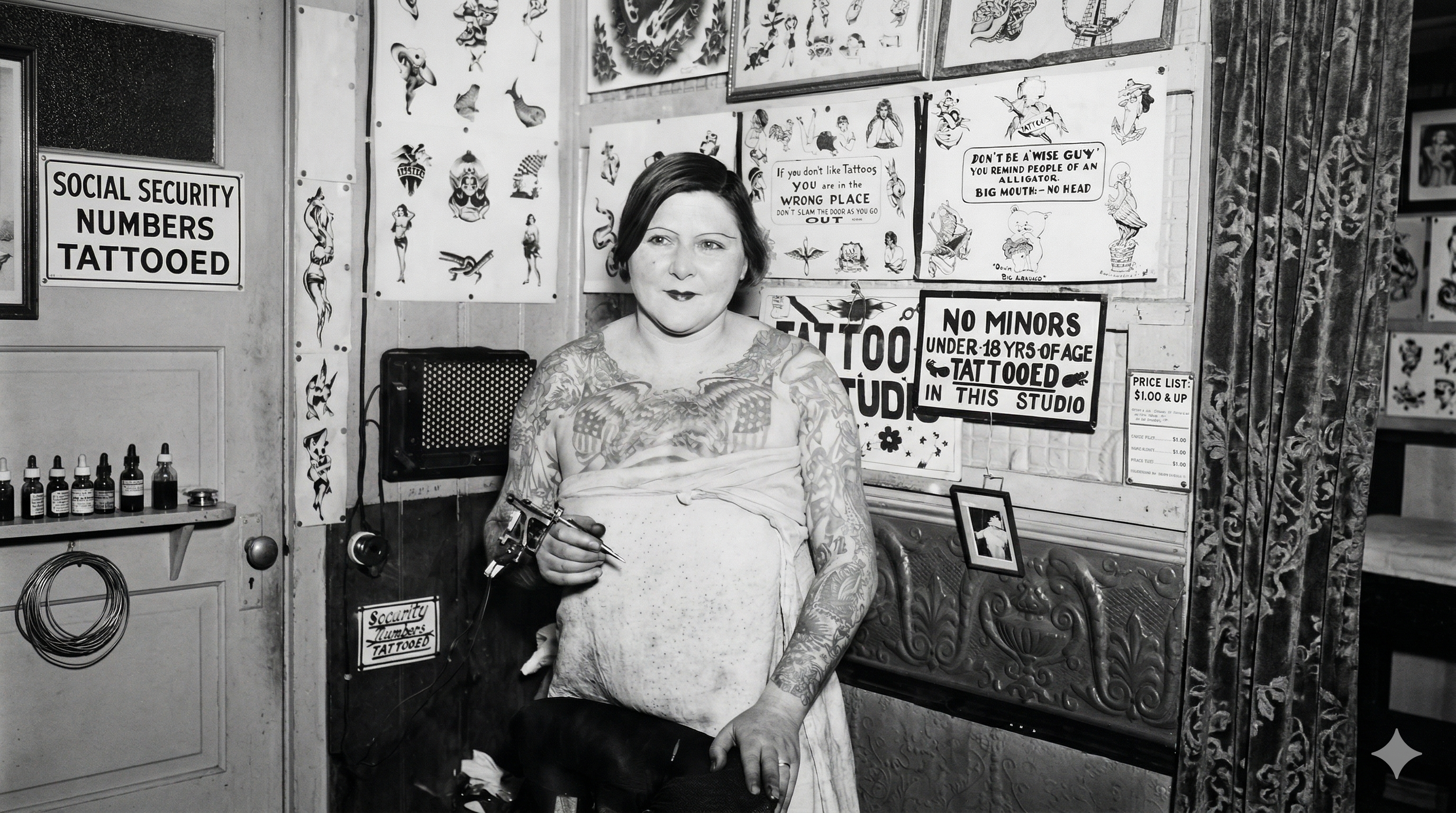
Flash is the backbone of traditional tattooing. Walk into any solid traditional shop, and you’ll see sheets lining the walls. But in 2026, your flash needs to live online too. Clients browse designs on their phones before they ever walk through your door.
Organizing your flash gallery matters more than most artists realize. Group designs by theme, size, or body placement. Make it easy for someone to scroll through your available pieces and pick what speaks to them. A messy, unorganized gallery loses clients before they even reach out.
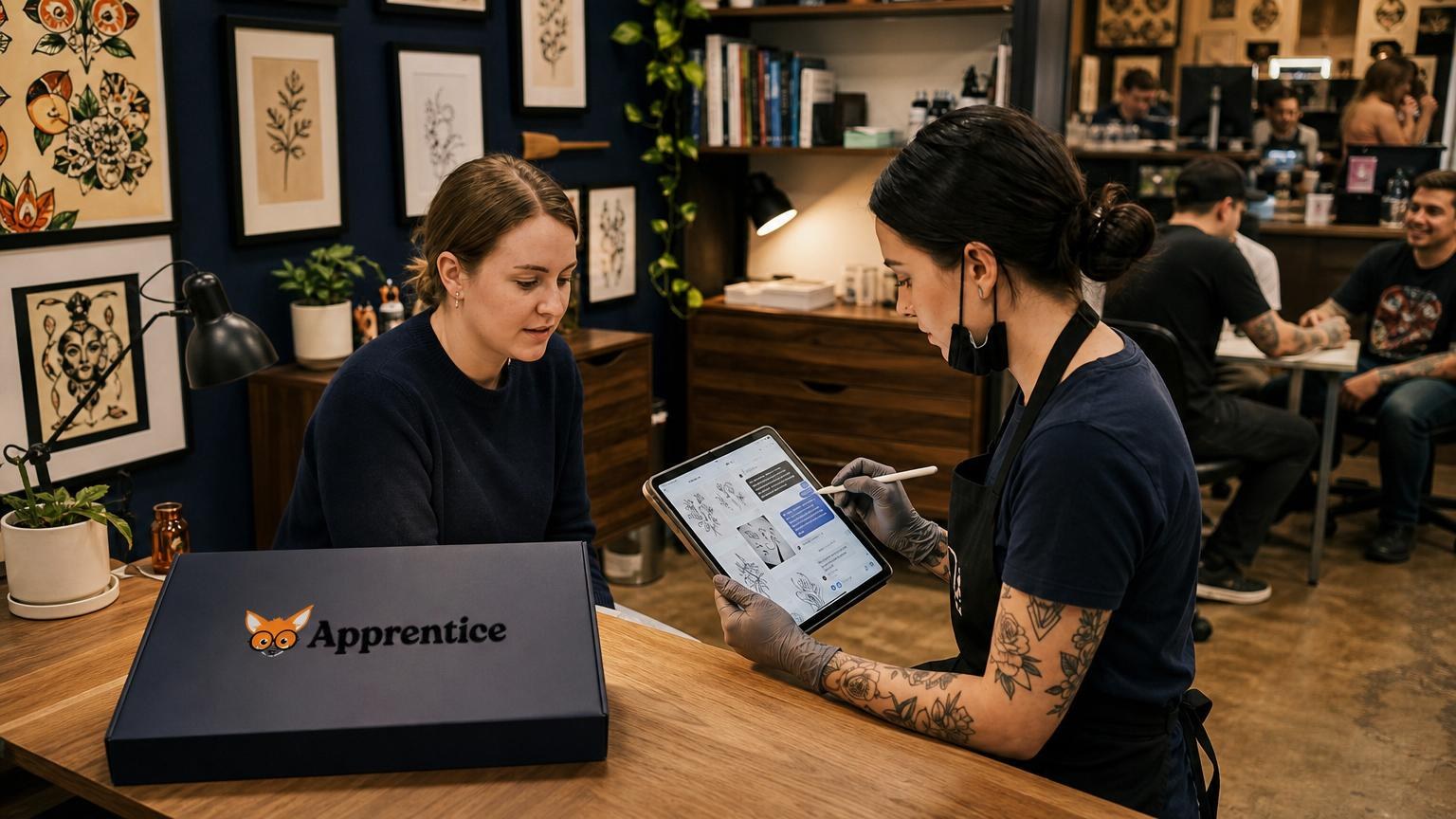
Apprentice offers flash gallery tools that let you publish, organize, and even highlight promotions with sale badges. Clients can browse your available designs, pick a piece, and join your waitlist directly from the gallery. That’s less time answering DMs and more time tattooing. You can separate shop flash from personal flash, giving both the visibility they deserve.
A flash-aware waitlist is a smart move for busy traditional artists. Clients select their design early, which means faster decisions on tattoo day. You’re not spending the first 20 minutes of an appointment flipping through a binder.
Using AI Tools to Refine Classic Designs
AI in tattooing is a hot topic, and opinions run strong. But here’s the practical truth: AI tools aren’t replacing artists. They’re handling the tedious parts so you can focus on the creative work.
Stencil cleanup is a perfect example. You draw a flash piece by hand, scan it, and use AI to clean up the lines before printing a stencil. The design is still yours. The tool just saves you time on the technical prep. Apprentice includes AI tools that help with design concept generation, stencil cleanup, and even client placement previews so people can see how a piece will sit on their body before the needle touches skin.
For traditional artists especially, this matters. Your clients often want a classic design placed in a specific spot. Being able to show them a preview builds confidence and reduces mid-session changes. That’s good for the client and good for your schedule.
But let’s be honest about the ugly side. Some artists feel threatened by AI, and that fear isn’t unfounded. The line between “tool” and “crutch” is real. If you’re using AI to generate designs you couldn’t draw yourself, you’re not a traditional artist. You’re a printer. The craft demands hand skills. AI should support those skills, not replace them.
What to Expect When Booking a Traditional Master
Booking a top traditional artist isn’t like ordering food online. There’s a process, and understanding it saves everyone time and frustration. The best artists have systems in place that protect their time and give clients a better experience.
The Importance of Unified Prep and Consent Forms
Before you sit in the chair, there’s paperwork. Consent forms, health questionnaires, and sometimes deposit agreements. This isn’t bureaucracy for the sake of it. It’s protection for both the artist and the client.
In 2026, regulatory frameworks like FDA MOCRA and EU REACH are tightening compliance requirements for tattoo pigments and studio practices. Consent forms need to reflect these changes. They should cover allergen disclosures, ink ingredient information, and aftercare expectations.
The old way was a clipboard and a pen. The new way is a single digital link that handles consent, deposits, and prep instructions in one flow. Apprentice’s unified prep link does exactly this: clients complete everything on their phone before they arrive. They show up ready, and you don’t waste appointment time on admin.
For traditional artists doing walk-ins and flash days, this is especially valuable. You’re dealing with volume. Every minute spent on paperwork is a minute you’re not tattooing. Mobile-friendly forms let clients fill everything out while they wait, keeping your chair moving.
And the deposit piece isn’t optional. Collecting deposits upfront reduces no-shows dramatically. If someone puts money down, they show up. It’s that simple. Financial security for the artist means better work for the client.
Handling Walk-ins and Digital Waitlists
Traditional tattoo shops have always been walk-in friendly. That’s part of the culture. Someone sees a flash piece on the wall, points at it, and sits down. But managing walk-ins without a system creates chaos on busy days.
A digital waitlist changes everything. Clients check in, pick a design if they want, and get SMS notifications when their turn is coming up. They can grab coffee next door instead of sitting in your lobby for two hours. You keep the walk-in energy without the crowd control headaches.
Apprentice’s real-time waitlist tracks walk-ins digitally and can convert waitlist entries into booked appointments. That means revenue you’d otherwise lose when someone gets tired of waiting and leaves. Auto client alerts mean you’re not yelling names across the shop like a deli counter.
For shop owners, this is the unsexy stuff that makes or breaks your bottom line. You can have the best traditional artists in the country on your roster. But if your walk-in flow is a mess, you’re leaving money on the table. And you’re burning out your front desk person in the process.
Flash selection while waiting is another smart feature. A client joins the waitlist and can browse your digital flash gallery on their phone. By the time they’re in the chair, they’ve already chosen their piece. That speeds up the entire process and improves the client experience.
Preserving Your Piece with Proper Aftercare
You just sat for a killer traditional piece. Bold lines, saturated color, perfect placement. Now the real test begins. Aftercare determines whether that tattoo heals beautifully or turns into a faded mess.
Traditional tattoos need the same care as any other style, but the heavy saturation means proper healing is critical. Keep it clean. Keep it moisturized. Keep it out of the sun. Those three rules haven’t changed in decades, and they still work.
Wash with unscented soap and lukewarm water for the first two weeks. Apply a thin layer of unscented moisturizer or a dedicated tattoo aftercare product. Don’t soak it, don’t scratch it, and don’t expose it to direct sunlight until it’s fully healed. Sun damage is the number one killer of bold traditional color.
Your artist should send you home with clear aftercare instructions. And the best artists follow up. Automated aftercare messages through your booking platform keep clients informed without requiring you to text each person individually. It’s a small touch that makes a big difference in healing outcomes and client satisfaction.
Touch-ups are normal, especially with traditional work. Heavy black and saturated color sometimes need a second pass after healing. A good artist will tell you this upfront. Don’t panic if your yellow looks light after a few weeks. That’s expected. Book your touch-up, and the piece will look exactly how it should.
The traditional tattoo community, from old school masters to modern practitioners, continues to draw massive crowds at conventions and events across the country. The style endures because the work holds up. Good technique plus good aftercare equals a tattoo that looks great for life.
The Bottom Line
Traditional tattooing is built on discipline, history, and respect for the craft. The artists doing it right in 2026 aren’t just talented. They’re organized, informed, and running their practices with intention. Whether you’re a client searching for a master of old school ink or an artist looking to tighten up your own operation, the fundamentals haven’t changed: bold lines, solid color, clean execution.
But the business side has evolved. Managing flash, handling bookings, collecting deposits, and following up with clients doesn’t have to eat your day. If you’re ready to spend more time tattooing and less time on admin, get started with Apprentice. It’s free for 14 days, and you can be booking clients in five minutes. Because the craft deserves your full attention.

Jason Howie
Founder & CEO
Jason Howie is the founder of Apprentice, passionate about empowering tattoo artists and shops with better tools to manage their business and serve their clients.