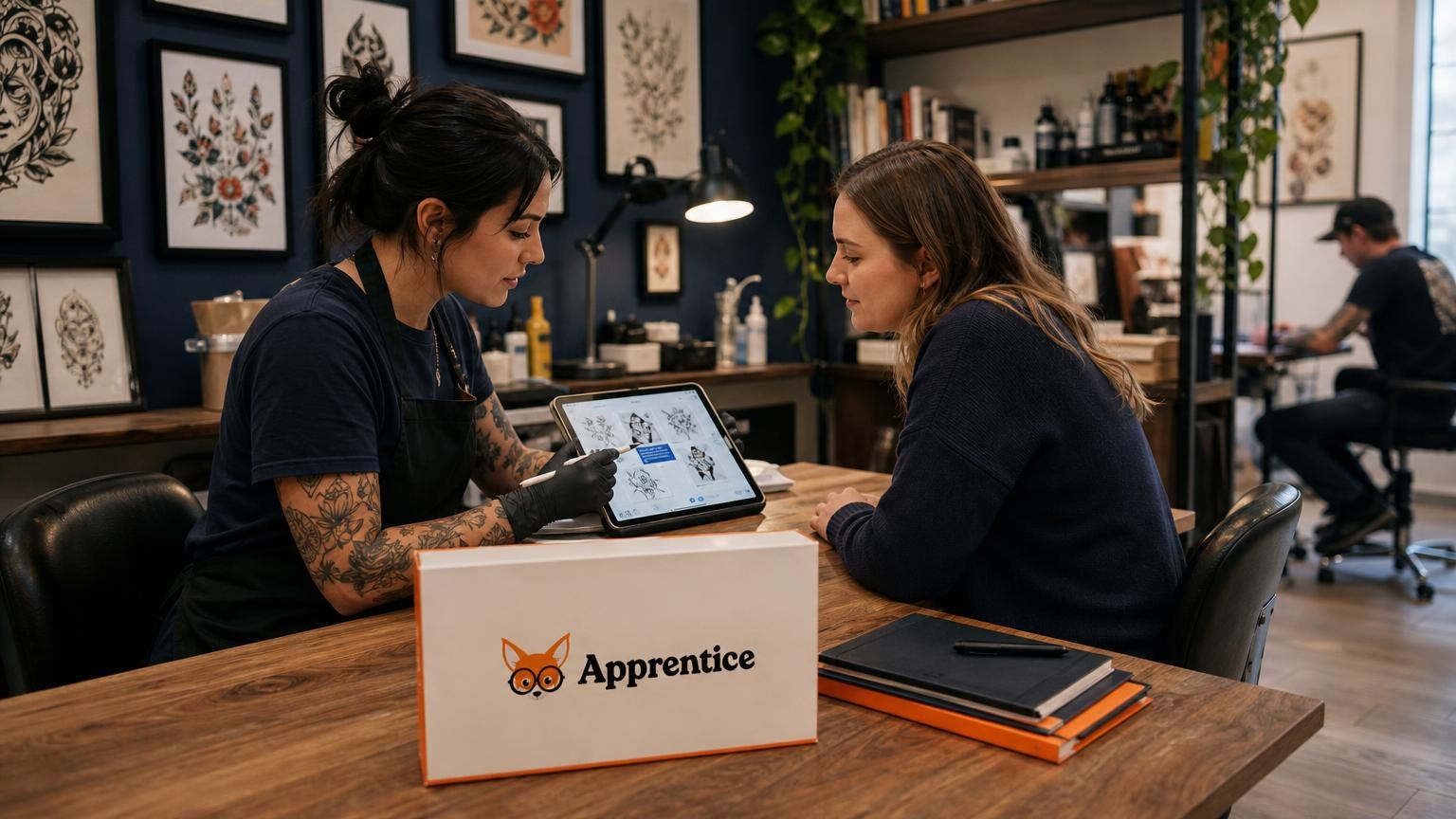
Running a tattoo shop is nothing like running any other business. It's permanent. It's personal. People want it to be perfect. You're not selling a product someone can return. You're creating art that lives on skin forever. That weight shapes everything about how you operate.
The tattoo industry is booming. The global market is projected to reach USD 5.99 billion by 2034, growing at over 10% annually. But here's the ugly truth: client flow has dropped by over 50% across Europe in the last two years. The market is oversaturated. More shops are fighting for fewer clients. Success isn't about being talented anymore. It's about running a tight operation while staying true to the craft.
This complete guide to tattoo shop management covers everything you need to know. We'll talk about the unsexy stuff: licenses, layouts, and legal compliance. We'll dig into operations, artist management, and finances. And we'll cover marketing and client experience. Because the shops that thrive aren't just full of great artists. They're run by people who understand that business skills and artistic integrity can coexist.
Establishing a Professional Studio Environment
Your shop's environment sets the tone for everything. Clients judge you the moment they walk through the door. Artists decide whether to stay based on where they work. And health inspectors? They don't care how good your linework is.
Licensing, Insurance, and Legal Compliance
Every state and municipality has different rules. Some require individual artist licenses. Others mandate shop permits. Many demand both. Start by contacting your local health department. They'll tell you exactly what certifications you need.
You'll need bloodborne pathogen training for everyone who touches clients. Most states require this through OSHA-compliant courses. Keep those certificates current and posted where inspectors can see them.
Insurance isn't optional. General liability protects you if someone trips over a cord. Professional liability covers you if a tattoo goes wrong. Property insurance handles your equipment. Don't cheap out here. One lawsuit can close your doors permanently.
Business licenses, sales tax permits, and employer identification numbers round out your paperwork. It's tedious. It's expensive. But operating without proper documentation puts everything at risk. That paperwork includes client-facing legal forms too, so make sure you know what your consent form must include.
Designing an Efficient Shop Layout
Think about flow. Clients enter, wait, consult, get tattooed, and pay. Your layout should guide them through each stage naturally. Reception near the front. Waiting area with comfortable seating. Private stations where artists can focus.
Workstations need proper lighting. Natural light is ideal, but adjustable LED panels work well. Each station needs easy access to power outlets, sharps containers, and cleaning supplies. Artists shouldn't have to walk across the room for basics.
Consider noise. Some clients want music. Others need quiet to manage pain. Separate stations with partial walls when possible. This also gives clients privacy during intimate placements.
Storage matters more than people realize. You need space for supplies, portfolios, and personal belongings. Cluttered shops feel chaotic. Clean, organized spaces build confidence.
Maintaining Health and Safety Standards
This isn't negotiable. Single-use needles, properly sterilized equipment, and spotless surfaces are the minimum. Your autoclave should be tested regularly with biological indicators. Keep logs of every sterilization cycle.
Cross-contamination is your enemy. Barrier film on everything that gets touched during a tattoo. Fresh gloves between tasks. Proper disposal of biohazardous waste in marked containers.
Train your team until these habits are automatic. New artists especially need supervision. One shortcut can cause an infection that ruins your reputation forever.
Post your health department grades prominently. Clients notice. And the ones who don't notice? They have friends who do.
Optimizing Daily Operations and Workflow
Great art means nothing if your shop runs like chaos. Missed appointments, double-bookings, and supply shortages kill momentum. Knowing how to stop double-booking your artists is the difference between a smooth day and a disaster. Smooth operations let artists focus on what they do best.
Implementing Specialized Booking Software
Forget paper calendars. Modern shops need digital scheduling that handles multiple artists, prevents conflicts, and sends automatic reminders. The right software reduces no-shows dramatically. Automated appointment reminders keep clients accountable without requiring your front desk to make dozens of calls. Smart front desk systems that improve shop flow turn that scramble into a clean handoff, and if you're still choosing a tool, start with the best tattoo shop management software reviewed. For multi-artist studios, see how Apprentice works as tattoo shop management software for the whole team.
Look for systems that let clients book within your rules. Secure booking links that expire prevent surprise appointments from months-old inquiries. Real-time availability updates mean no more phone tag about open slots.
The best platforms tie everything together. Booking, payments, client records, and communication in one place. Unified client profiles eliminate duplicate records and give artists full context before each session.
Managing Deposits and Cancellation Policies
Deposits protect your artists' time. A 20-50% deposit is standard for custom work. Make the policy clear before booking. No exceptions.
Cancellation policies need teeth. Less than 48 hours notice? The deposit is forfeit. No-shows lose everything. Sounds harsh, but artists can't pay rent with empty chairs. Automated deposit reminders nudge clients who haven't paid, improving cash flow without awkward conversations.
Document everything. When clients dispute charges, you need proof they agreed to your terms. Digital consent forms with timestamps and IP addresses provide legal protection.
Be human about emergencies. Death in the family? Reschedule without penalty. But "I forgot" isn't an emergency.
Inventory Tracking for Medical and Art Supplies
Running out of needles mid-session is amateur hour. Track everything: ink, needles, gloves, barrier film, cleaning supplies. Set reorder points for each item.
Medical supplies have expiration dates. Rotate stock properly. First in, first out. Check dates monthly.
Ink inventory gets complicated with dozens of colors. Know what moves fast and what sits. Don't tie up cash in colors you use twice a year.
Build relationships with suppliers. Reliable delivery matters more than saving a few dollars. When your distributor runs out, you need backup options.
Managing Artists and Personnel
Your artists are your product. Their talent brings clients through the door. But talent alone doesn't make a functional team. You need structure, fairness, and culture.
Booth Rental vs. Commission Models
Booth rental means artists pay you a flat fee for their station. They're essentially independent contractors running their own business under your roof. They keep what they earn after rent. Simple, but you have less control over scheduling and standards.
Commission models split each tattoo's revenue between artist and shop. Typical splits range from 40/60 to 60/40, depending on who provides supplies and brings clients. You maintain more control but handle more accounting.
Neither model is universally better. Booth rental attracts established artists who want independence. Commission works well for newer artists building clientele. Many shops use hybrid approaches.
The average tattoo artist earns $37,586 per year in the United States. That's about $18 per hour. Your compensation structure needs to be competitive while keeping the shop profitable.
Fostering a Creative and Collaborative Culture
Tattoo shops can be territorial. Artists protecting their styles, their clients, their space. That energy poisons a team fast.
Build collaboration into your culture. Weekly portfolio reviews where artists share work and get feedback. Guest artist programs that bring fresh perspectives. Apprenticeships that give senior artists teaching experience.
Handle drama quickly. Gossip, client-stealing, and passive-aggressive behavior spread like infection. Address problems directly. Document everything. Remove toxic people even if they're talented. And when it comes to that, do it by the book — here's how to fire a tattoo artist properly.
Celebrate wins together. When someone lands a magazine feature or wins a convention award, the whole shop benefits from that reputation.
Financial Management and Growth Strategies
You're an artist. You probably didn't get into this to stare at spreadsheets. But shops that ignore finances don't survive. Understanding your numbers lets you make smart decisions instead of guessing.
Tracking Revenue Streams and Overhead Costs
Revenue comes from multiple sources. Tattoo sessions are primary, but don't forget deposits, merchandise, and aftercare products. Track each stream separately. Know which artists generate the most revenue and which services have the best margins.
Overhead adds up fast. Rent, utilities, insurance, supplies, software, marketing. Calculate your monthly break-even number. That's how much revenue you need before anyone makes profit.
Revenue dashboards that show payments by artist and client give you financial clarity. You can see exactly what's working and what's draining resources.
The North American tattoo market is expected to grow at 8.8% annually through 2031. Growth creates opportunity, but only for shops with solid financial foundations.
Pricing Services and Artist Rates
Hourly rates vary wildly by market and reputation. Research your local competition. Then decide where you want to position your shop. Cheapest? Premium? Middle of the pack?
Factor in all costs when setting rates. Supplies, overhead allocation, and artist compensation. A $150/hour rate sounds great until you realize you're netting $30 after expenses.
Minimum charges protect against tiny tattoos that take setup time but generate little revenue. Most shops set minimums between $80-150.
Consider flat-rate pricing for common designs. Clients like knowing the total cost upfront. Artists appreciate not having to estimate time for straightforward pieces.
Marketing Your Shop and Building Brand Loyalty
Word of mouth built the tattoo industry. It still matters. But social media changed everything. Your online presence is often a client's first impression. Make it count.
Social Media Portfolio Management
Instagram remains the primary platform for tattoo marketing. Your feed is your portfolio. Quality photos of healed work, not just fresh tattoos. Consistent posting schedule. Engaging captions that show personality.
Each artist should have their own presence, but the shop account ties everything together. Cross-promote. Share each other's work. Build the collective brand.
Flash galleries drive engagement. Organize designs so clients can browse easily. Highlight promotions with sale badges to create urgency. Flash-aware waitlists let interested clients claim designs before their appointment.
Video content is growing. Process videos, artist interviews, and shop tours give potential clients a feel for your vibe. TikTok reaches younger audiences who'll be clients for decades.
Client Retention and Aftercare Follow-ups
New clients cost more to acquire than keeping existing ones. Focus on retention. A client who gets three tattoos over five years is worth far more than three one-time visitors.
Aftercare is your first retention opportunity. Automatic aftercare delivery after each session shows you care about results, not just payment. Standard aftercare templates maintain brand consistency while reducing follow-up work.
Stay in touch without being annoying. Birthday messages, anniversary of their first tattoo, or occasional flash sales. Client appointment portals let people manage their own bookings, reducing friction when they're ready for more work.
Track repeat clients specifically. Engagement insights help you focus energy on your best customers. They're also your most likely referral sources.
Enhancing the Client Experience from Consultation to Completion
The tattoo itself is one part of the experience. Everything surrounding it shapes whether clients return and refer friends. Sweat the details.
Consultations set expectations. Listen more than you talk. Understand what the client wants emotionally, not just visually. Store design references and inspiration in project folders so nothing gets lost between consultation and appointment.
Preparation matters. Unified prep links that combine consent forms and deposit collection in one flow mean clients arrive ready. Mobile-friendly forms respect their time. No one wants to fill out paperwork on a clipboard when their phone works fine.
During the session, communication builds trust. Check in about pain levels. Explain what you're doing. Let clients take breaks without judgment. Some people need to prove they're tough. Others need permission to be vulnerable.
After completion, the experience continues. Clear aftercare instructions. Follow-up messages checking on healing. Making it easy to book their next piece.
The shops that thrive treat every touchpoint as an opportunity. Reception, consultation, session, aftercare, and rebooking. Each one either builds loyalty or erodes it.
The Bottom Line
Managing a tattoo shop well means honoring the craft while running a real business. The artists who dismiss business skills as "selling out" often end up working for someone else. The business people who forget this is an art form create soulless shops that talented artists flee.
You can do both. Structure doesn't kill creativity. It protects it. Good systems free artists to focus on making great tattoos instead of chasing deposits and managing calendars.
The market is competitive. Growth is slowing in some regions while the industry overall expands. Emerging technologies like sensor-integrated tattoos are projected to grow over 12% annually through 2033. The shops that adapt will capture those opportunities.
Start with the fundamentals. Get your legal house in order. Build efficient operations. Treat your artists fairly. Know your numbers. Market authentically. And never forget why you got into this: the love of permanent art on human skin.
If you're ready to run your shop better, get started with a free 14-day trial. You can be booking clients in five minutes.
Related reading

Jason Howie
Founder & CEO
Jason Howie is the founder of Apprentice, passionate about empowering tattoo artists and shops with better tools to manage their business and serve their clients.