You answer the same three questions forty times a week. How much, what dates are open, do you do my idea. They come in through Instagram, a couple through Facebook, one guy texted your personal number at 11pm. Half the time you forget to reply, and that’s a client who booked somewhere else.
That’s the real cost of running a shop out of your DMs. Not that it looks unprofessional. That it leaks money you never see.
Online booking is the fix, and it’s not complicated. A client picks a slot you actually have open, pays a deposit, gets a confirmation, and you find out about all of it without typing a word. The chair fills itself.
DMs lose appointments. A booking page doesn’t.
Here’s what a DM can’t do. It can’t show someone every open slot on your calendar at 2am when they finally decide to commit. It can’t take a deposit. It can’t remind them three days out so they don’t ghost you.
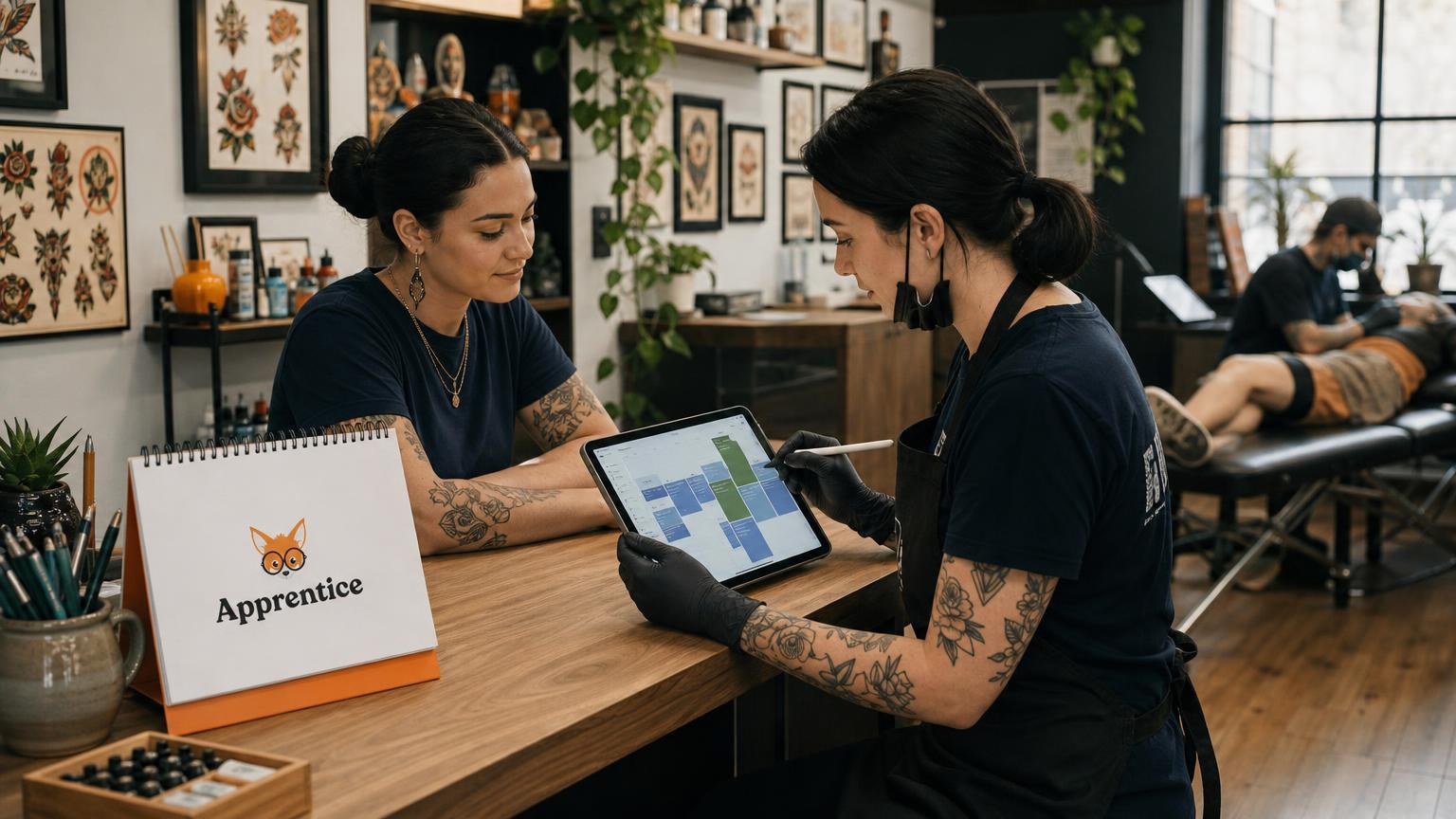
A booking page does all of that while you’re tattooing. The client sees real availability, picks a time, and the deposit clears before they close the tab. You wake up to a booked day instead of forty unread messages.
This isn’t a small effect. Gitnux puts the no-show drop from online booking at around 20%. For a shop running at full capacity, every recovered no-show is a few hundred dollars that didn’t walk out the door.
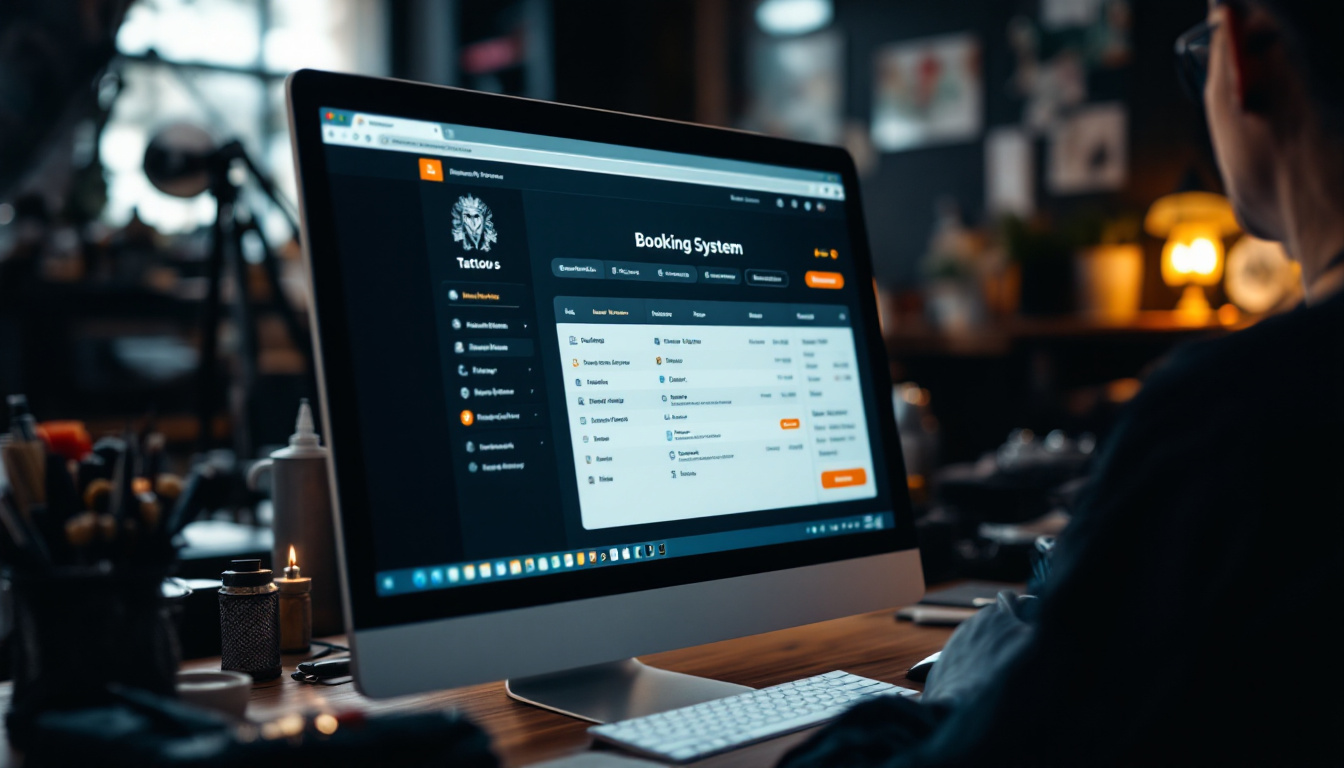
The other thing DMs can’t do is remember anyone. A booking system holds the client’s contact info, what they got last time, and what’s coming up. When somebody wants a touch-up two years later, you’re not scrolling through a year of messages trying to find them.
What the deposit actually protects
The deposit is the part most artists underuse. A client who’s put money down shows up. A client who clicked “book” in a DM and paid nothing has zero skin in the game, and you’ve blocked out four hours for someone who might flake.
Tie the deposit to the booking itself and the problem mostly solves itself. No deposit, no slot. The flaky bookings filter themselves out before they cost you a session.
It also smooths your cash flow. Money comes in at booking instead of all at once on the day, and the no-shows that do happen don’t cost you the full sitting.
Pick a system you’ll actually use
The fanciest software does nothing if it’s a pain to open. When you’re choosing one, the test is simple. Can a client book in under a minute on their phone, and can you change your hours without calling support.
A few things worth checking before you commit:
- Does it show your real availability, or do you have to babysit a separate calendar?
- Does it take deposits, and what does the payment cut look like?
- Can you block out lunch, conventions, and guest spots without a fight?
- Does it hold client history and templates so you’re not rebuilding intake every time?
If the booking flow is clunky, clients bail and go back to DMing you anyway. Then you’ve paid for software and still answer the same forty messages. Clean and fast beats feature-stuffed every time.
Tell people it exists
Here’s the part shops forget. You can have the smoothest booking page on earth and it does nothing if nobody knows the link. Put it in your Instagram bio. Say it in your stories. Print it on a card by the front desk.
When a client slides into your DMs asking about dates, don’t type out your whole schedule. Send the link. Train people, gently, that booking happens on the page. After a few weeks the DM pile shrinks and the calendar fills on its own.
You can sweeten it too. A small discount or a priority slot for booking online nudges the holdouts over. Most just need to learn the page is there.
The market is moving this way regardless
This isn’t a fad you can wait out. US tattoo revenue hit $1.7 billion in 2022, and the software shops use to run themselves is growing alongside it. Verified Market Research pegs the tattoo studio software market at $6.5 billion by 2031, up from $4.2 billion in 2023.
Translation: clients already expect to book online. The shops that make it easy get the booking. The ones still running on DMs lose it to the studio down the street that doesn’t.
Get your booking page running
Apprentice handles all of this in one place. Clients see your real availability, pay a deposit, and get reminded so they show up. You get your calendar, your client history, and your deposits without juggling four apps and your personal phone. Check the pricing and start a free trial to put a booking link in your bio this week.

Jason Howie
Founder & CEO
Jason Howie is the founder of Apprentice, passionate about empowering tattoo artists and shops with better tools to manage their business and serve their clients.