
The first thing a client does in your shop isn’t getting tattooed. It’s filling out a form. That form decides how the rest of the day goes.
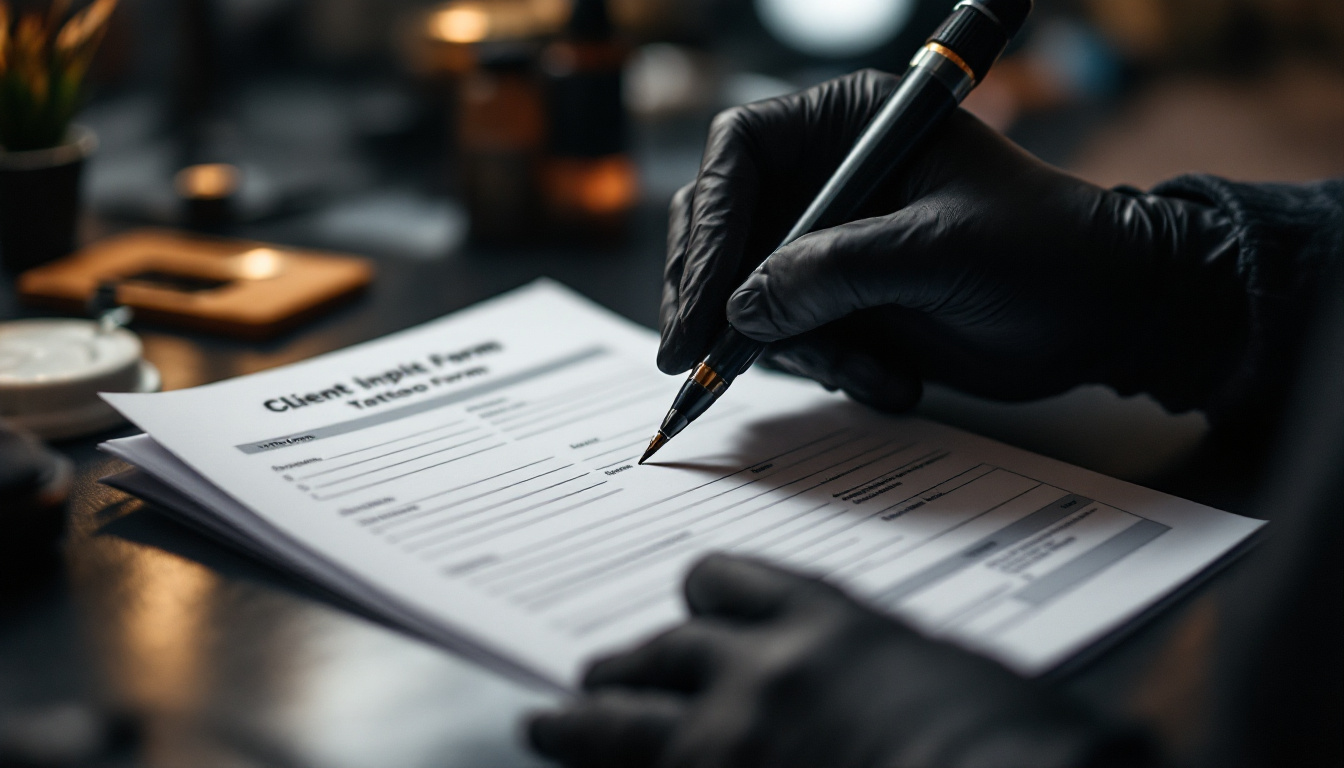
A good intake form does two jobs at once. It tells you who’s sitting in your chair, and it covers you legally before a single line goes down. Skip it or rush it, and you find out the hard way that the client takes blood thinners or has a latex allergy halfway through the session.
What the form is actually for
An intake form collects the basics. Name, contact info, date of birth. Then it goes deeper into the stuff that affects the tattoo itself, medical history, allergies, skin conditions, and what they’re looking to get done.
It’s also your consent record. When a client signs it, they’re agreeing to the procedure and acknowledging the risks. That signature is the document you reach for if anything ever gets questioned. No signed form, no proof the client consented. That’s a bad place to be.
So the form isn’t busywork. It’s the paperwork that protects both of you, gathered in the few minutes before the needle touches skin.
The fields that earn their place
Personal information. Full name, address, phone, email, date of birth. The contact details keep your records straight. The date of birth verifies age, which matters because tattooing a minor is illegal in most places and the rules around parental consent vary by state. Check the box, every time.

Medical history. This is the section that keeps people safe. Ask about allergies, skin conditions, and anything that affects healing or bleeding. A client with sensitive skin needs a gentler approach. A client on certain medications might need to reschedule or talk to a doctor first. You can’t make those calls if you never asked the question.
Tattoo preferences. Let the client describe what they want. Design, size, placement, reference images, the style they’re after. The more they tell you up front, the less back-and-forth you do once they’re in the chair. Asking about past tattoo experiences helps too. It tells you how they handle the pain and what they’re expecting.
Consent and acknowledgment. This is where they sign off. Spell out the risks plainly, allergic reactions, infection, the things that can go wrong. Have them confirm the info they gave is accurate. Keep the language clear. A consent section nobody reads protects nobody.
Why this matters for running the shop
A solid intake form makes the whole booking process smoother. Everything you need shows up before the appointment starts, so you’re not scrambling at the front desk while the client waits. Every artist works from the same information, the same way.
It’s also how you manage risk. Medical history plus signed consent means fewer surprises and less liability. Health and safety rules in this industry are strict for a reason, and your intake form is the first place those rules get met.
Digital beats paper, almost every time
Paper forms get lost, smudged, and filled out in a rush at the counter. Digital forms don’t.
Send the form ahead of time and the client fills it out at home, before they ever show up. Fewer mistakes, no clipboard juggling, and the record lands in your system already organized. Apprentice digital intake and consent prep handles the paperwork ahead of the appointment so the client walks in ready to go.
Review the form every so often, too. Rules and industry standards change, and your form should keep up. And make sure everyone on staff knows how to walk a client through it, answer questions, and get the details right.
Get the intake form right and the rest of the appointment runs easier. That’s the whole point.
Want intake, consent, and booking handled in one place before the client arrives? Start your free trial and set it up for your shop.
Related reading

Jason Howie
Founder & CEO
Jason Howie is the founder of Apprentice, passionate about empowering tattoo artists and shops with better tools to manage their business and serve their clients.