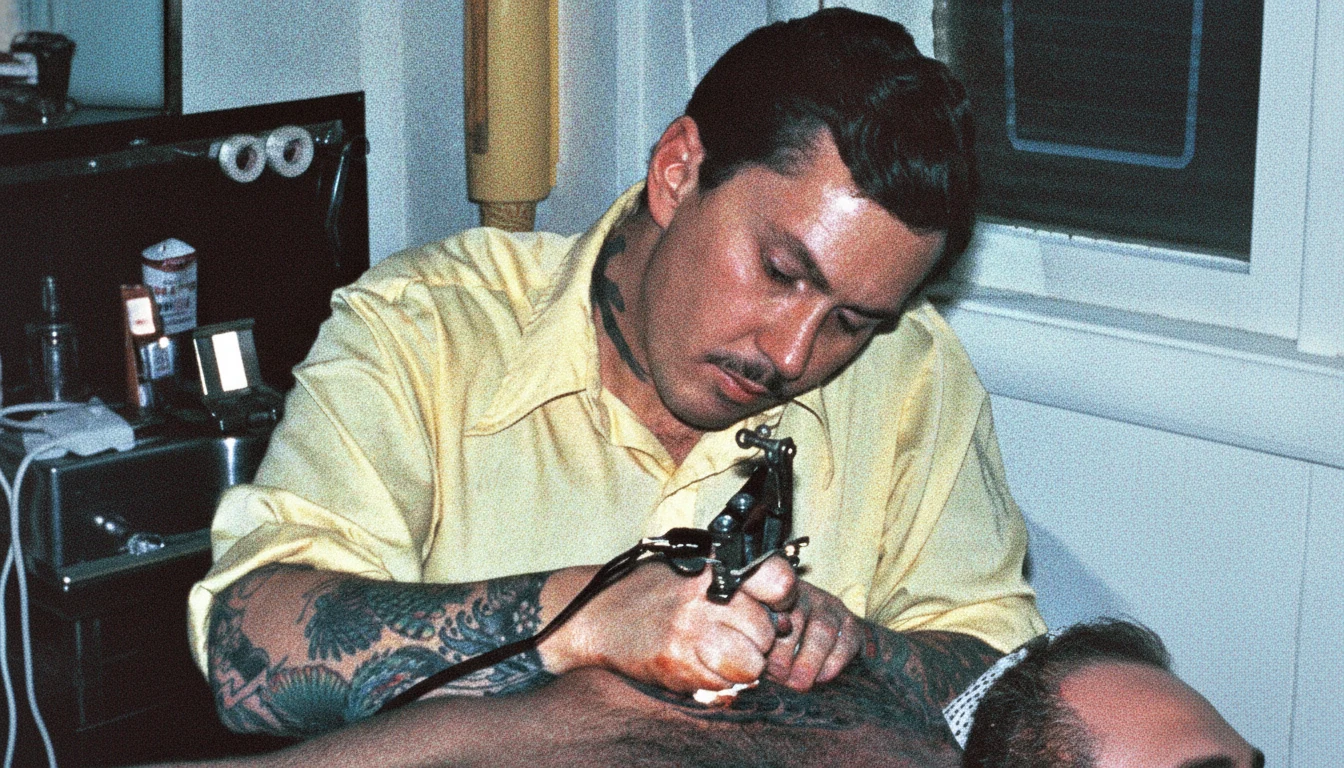
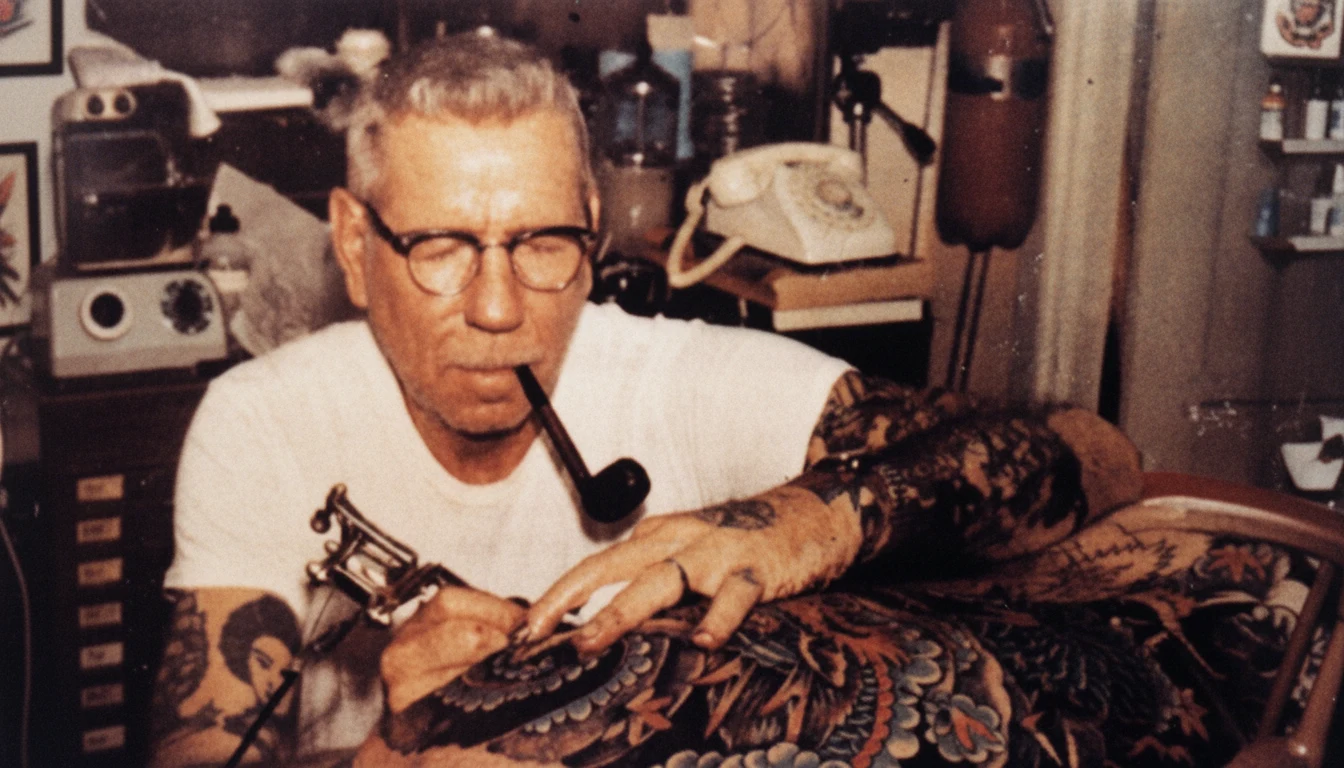
There’s a moment every artist hits when they study a real Japanese bodysuit up close. The outlines aren’t just bold. They’re built to last fifty years, drawn so the whole back reads as one design from across a room. Horiyoshi II spent his life on that problem, and the people who learned from him are still solving it.
Who Horiyoshi II was
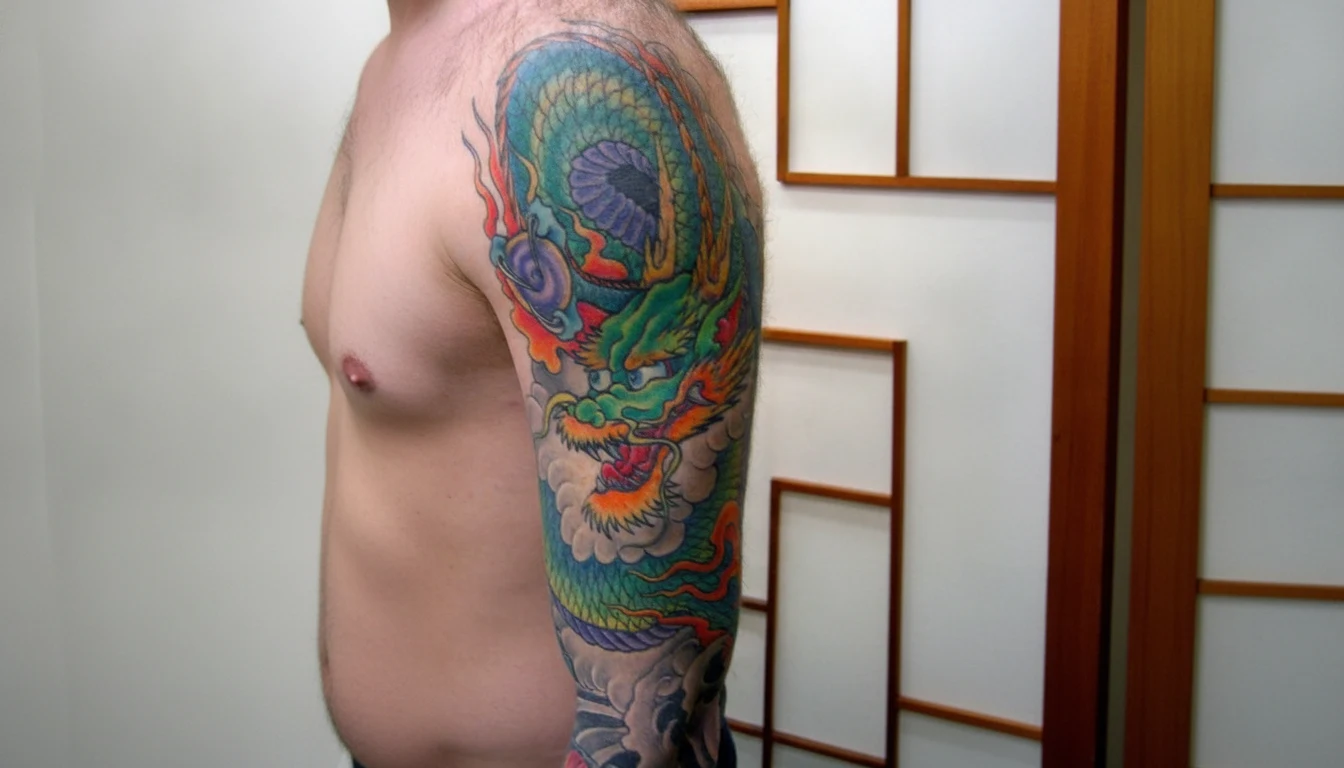
Horiyoshi is a title, not a single person. It passes down a lineage of traditional Japanese tattoo masters, the way a workshop name carries through generations. Horiyoshi II worked in the older style of irezumi, the full-body Japanese tattooing rooted in woodblock prints, folklore, and the warrior imagery of the Edo period.
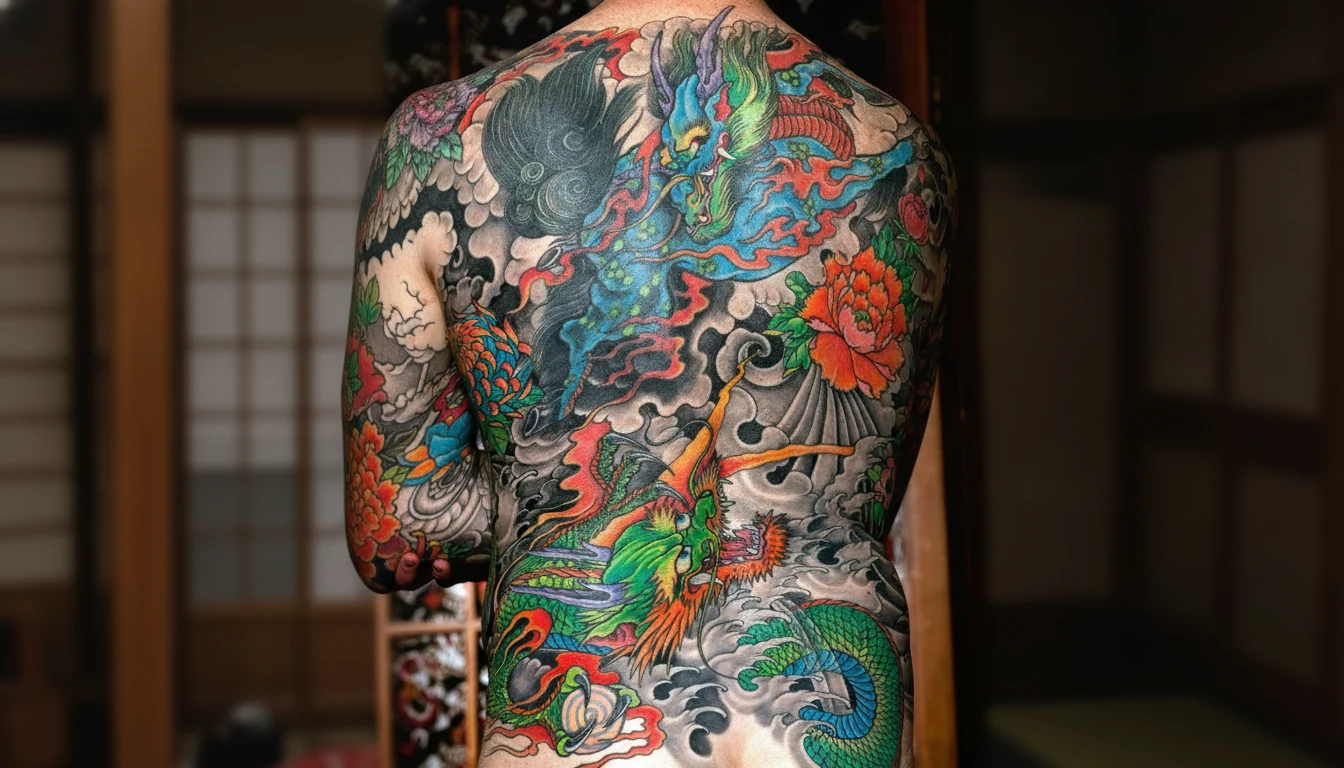
That style isn’t fast. A traditional bodysuit takes years, often hand-poked with a tool called tebori instead of a machine. The artist plans the whole canvas first, back, arms, chest, legs, so the dragon’s body wraps and the water flows in one direction across the skin. You don’t see that planning in a single session. You see it five years later when the piece is finished and every element still belongs to the same story.
Horiyoshi II mattered because he kept this discipline going at a time when it could have slipped away. Tattooing in Japan has carried a heavy stigma for a long time, tied to the yakuza and pushed out of public life. Masters who held the traditional methods were keeping a craft alive against that pressure, teaching it carefully to the few apprentices who earned a place.
The lineage in Yokohama
The clearest way to understand Horiyoshi II is to look at what came after him. His name and his methods carried forward, most famously through Horiyoshi III, who built one of the best-known traditional studios in the world. You can read more about the Horiyoshi family studios in Yokohama and how that lineage took shape.
Horiyoshi III has spoken plainly about what the work is. “Tattooing is an ancient human expression,” he said. “It’s part of our nature.” That’s the thread running through the whole lineage. The tools and the subject matter come from a specific place and time, but the impulse behind them is old and shared.
Why traditional technique still holds up
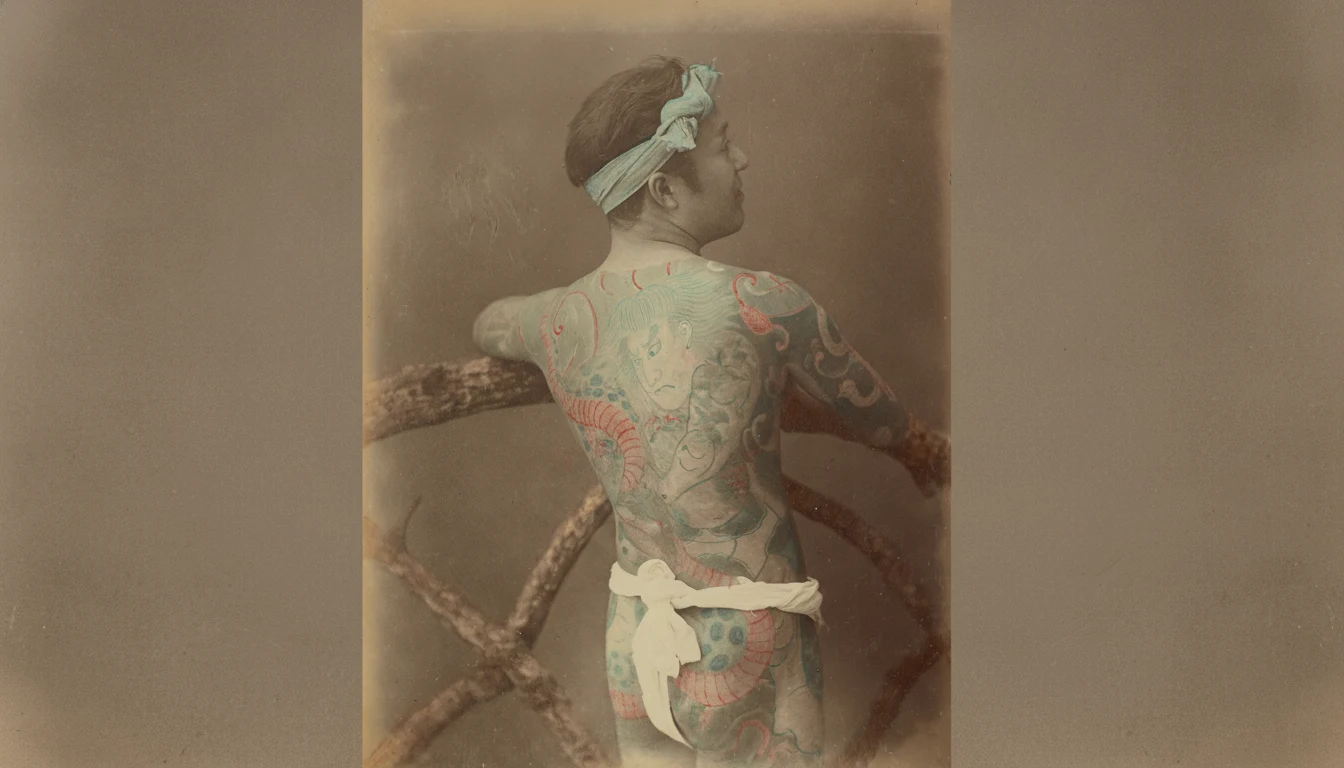
Walk into any shop today and you’ll see Japanese influence everywhere. The bold black outline, the dense background of wind bars and waves, the dragons and koi and tigers. A lot of that vocabulary traces back through masters like Horiyoshi II.
Here’s why those choices have survived. A thick, confident outline reads clearly long after the fine detail inside it has softened. Japanese backgrounds are designed to frame the main subject and tie separate pieces into one composition, which is exactly what makes a full sleeve or back look intentional instead of collected. These aren’t decorative habits. They’re solutions to the real problem of how a tattoo ages on living skin.
That’s the lesson worth taking from this lineage, whether or not you ever tattoo a single Japanese piece. Plan for the whole canvas. Build the outline to last. Make the background serve the subject. Artists were solving for longevity centuries before anyone had a machine.
The honest part about permanence
A tattoo is forever, and the best artists in this tradition never pretend otherwise. Horiyoshi III put it better than most. “A spectacular tattoo on young skin begins to fade the moment it’s done. Like the cherry blossom, its beauty is fleeting. And that’s what makes it so special.”
That’s not a sales pitch. It’s a working artist being straight about the material. Skin moves, sun fades pigment, and a piece you love at thirty will look different at sixty. The Japanese tradition handles that by building for the long arc from the start, choosing bold over fussy because bold is what survives.
There’s a strange footnote here too. A 2025 observation from the Huntsman Cancer Institute noted that people with several tattoos appeared less likely to have melanoma in their data, though the researchers were careful to say it needs much more study before anyone draws a conclusion. Worth knowing. Not worth acting on yet.
What this means for how you run a studio
The traditional masters succeeded because they protected the work itself. Long projects, repeat clients, and a clear sense of what each piece was building toward. That’s still the model for any artist doing serious large-scale work.
The hard part isn’t the drawing. It’s keeping a multi-year project organized: tracking which sessions are done, what’s left on the back, when the client is coming in next, and what they’ve already paid toward a piece that won’t finish for a while. That’s the boring side of carrying on a tradition, and it’s where a lot of good artists lose time. Apprentice handles the scheduling, deposits, and client records for projects like these, so the planning lives somewhere other than your head and a stack of paper. See how booking and appointment management fits a long-form practice.
Horiyoshi II’s real legacy isn’t a particular dragon. It’s a standard for how the work gets done and passed on. Every artist drawing bold lines and planning a full back today is working inside that standard, whether they know the name or not.
Want a calmer way to run long projects and keep clients coming back for the next session? Start your free trial and see how it fits your shop.

Jason Howie
Founder & CEO
Jason Howie is the founder of Apprentice, passionate about empowering tattoo artists and shops with better tools to manage their business and serve their clients.