Most clients who ask you for “Japanese style” want a dragon, a koi, or cherry blossoms. What they usually don’t know is that the same imagery once marked someone as a criminal. Irezumi carries centuries of meaning under every line, and the story of how it got from there to your booking page is worth knowing before you ink it.
If you tattoo, you’ll eventually field this question from a curious client. Here’s the short version, told straight.
It started as punishment
In parts of Japan’s history, tattoos weren’t decoration. They were a sentence. Authorities marked criminals and outcasts with ink so the brand followed them everywhere they went. You couldn’t wash it off and you couldn’t hide it. That was the point.
But people did what people always do with a mark meant to shame them. They turned it into something of their own. Over generations, what began as a tool for separating people from society became a deliberate art form, carried forward by craftsmen who practiced it when the practice itself could get them in serious trouble.
That outlaw thread runs straight into the yakuza full-body suit that later became Japan’s most recognized ink. The association with organized crime is real, and it’s a big reason tattoos stayed taboo in Japan long after they’d gone mainstream in the West.
What the symbols actually mean
Irezumi designs aren’t random. Each motif carries a meaning, and clients who ask for one usually want the meaning as much as the image.
The koi is the obvious example. Most people see a fish. The story behind it goes further. In the old tale, a koi swims upstream against the current, and if it reaches the top of the waterfall it turns into a dragon. So the koi reads as ambition, persistence, transformation. The phoenix means renewal, the thing that rises again after it burns down. Dragons signal strength and wisdom. Cherry blossoms point at how short life is, because they bloom hard and fall fast.
When someone asks you for one of these, it’s worth knowing the story. A client who wanted a koi for “good luck” might actually want it pointing upstream, toward the dragon they’re trying to become. The direction the fish swims changes what the tattoo says.
The craft takes years
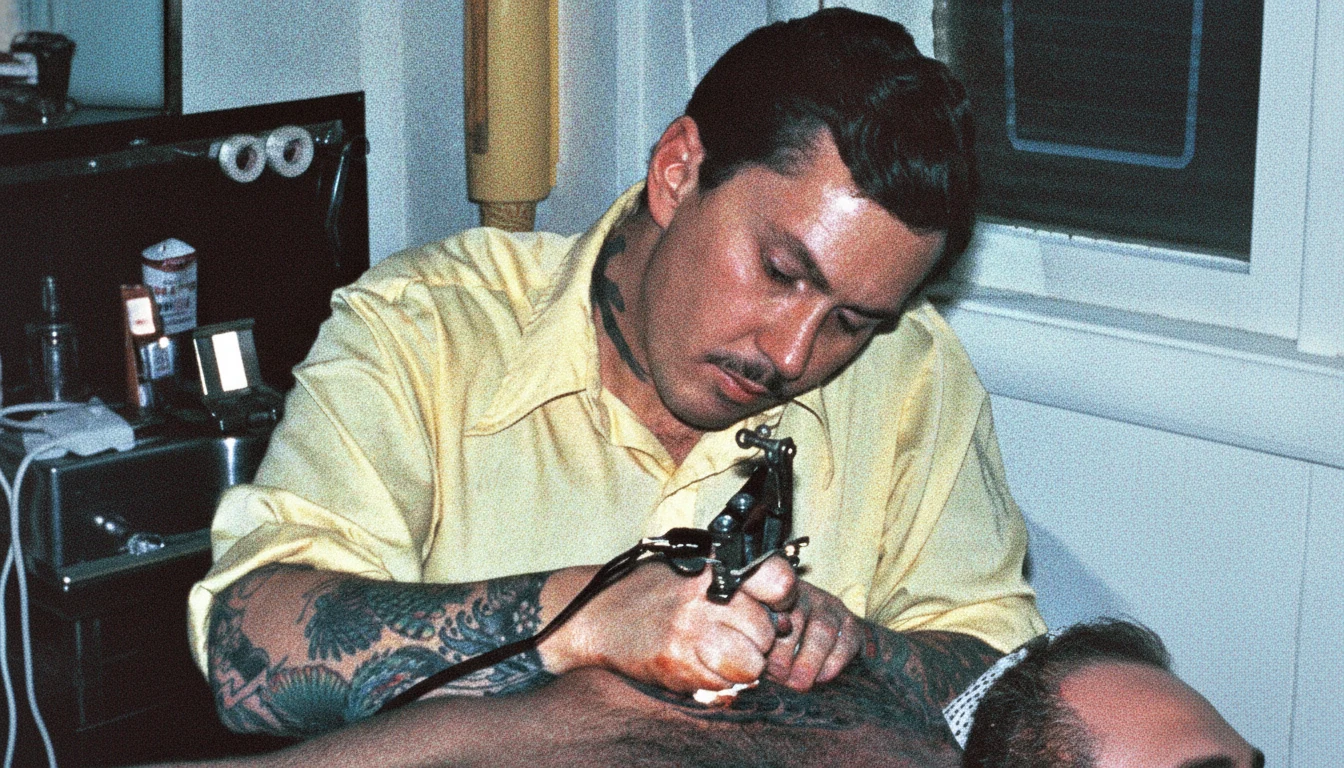
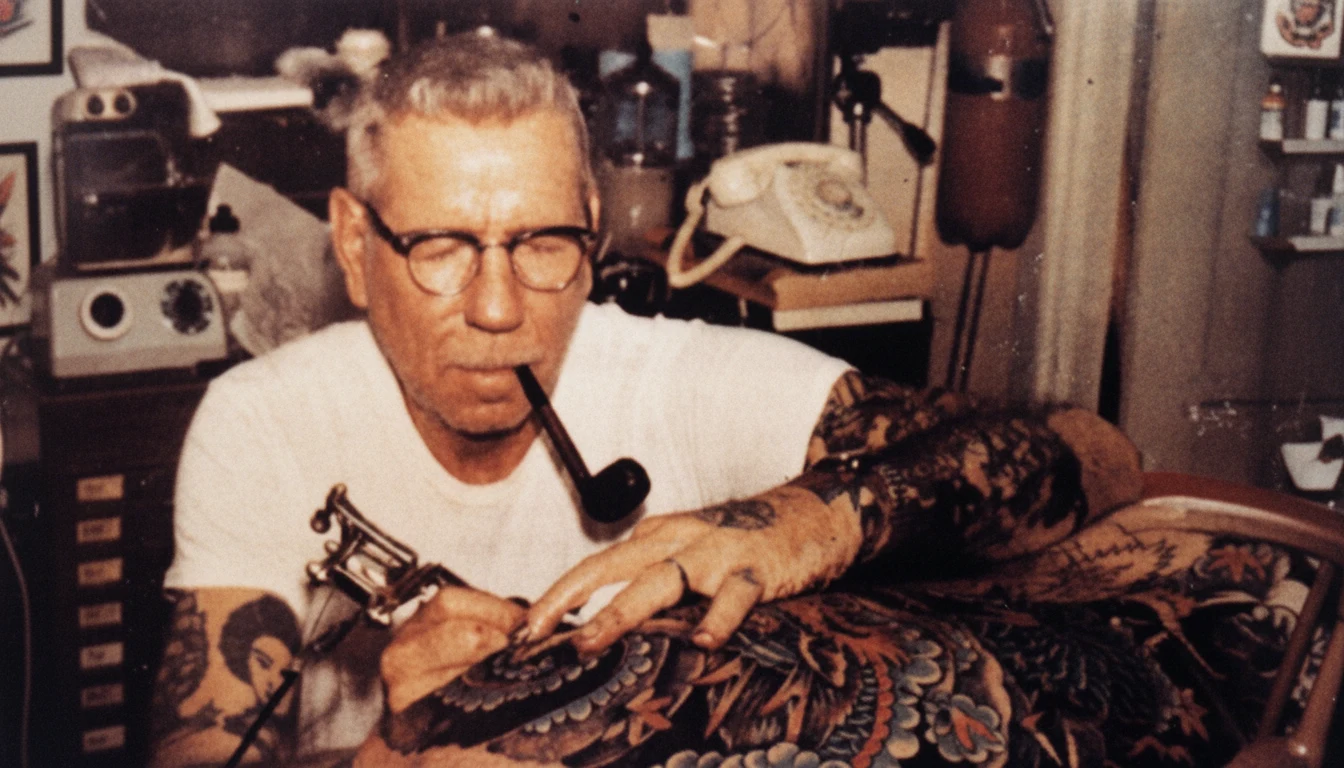
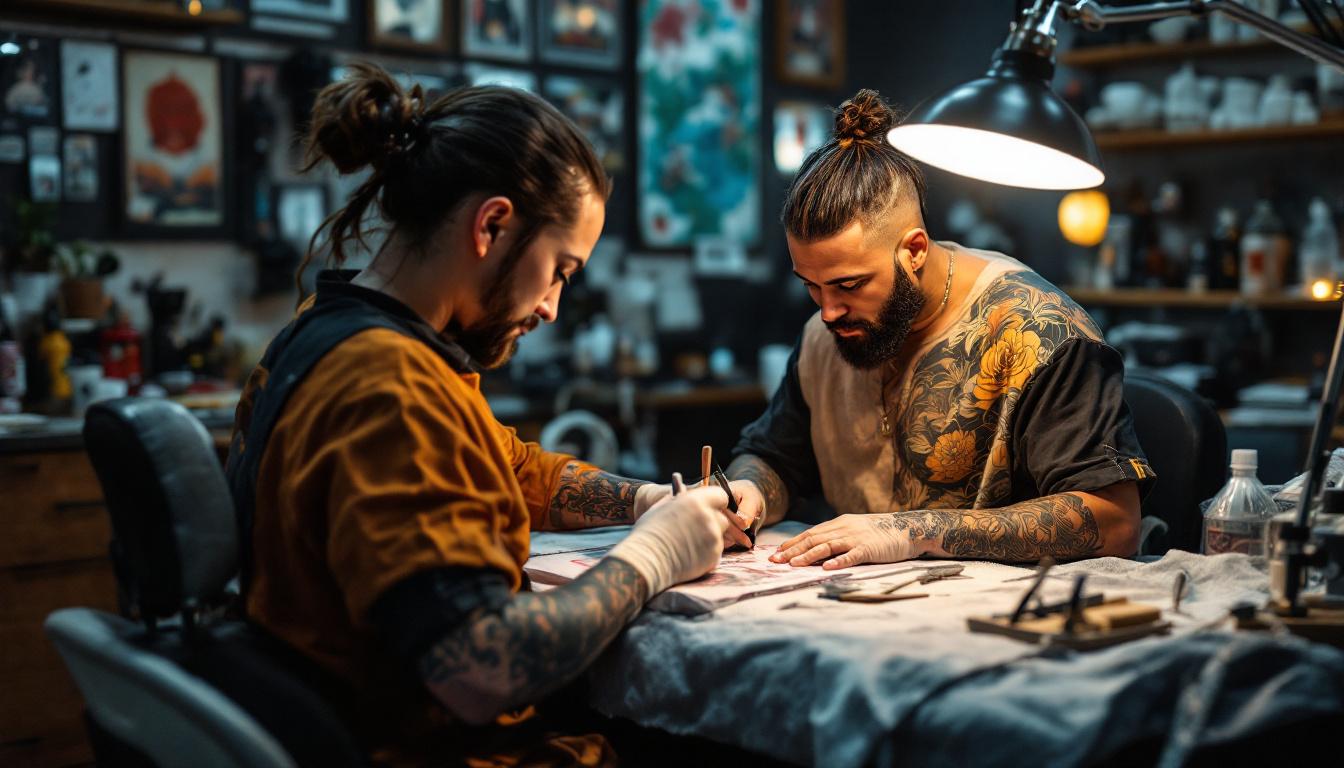
A real irezumi back piece is not a one-session walk-in. The traditional approach, tebori, means the artist drives the ink in by hand with a rod, no machine. Even done with a machine today, a full bodysuit is the work of many sittings spread over months or years.
That’s the part clients tend to underestimate. The reputable artists working in this style spent years learning it, often under one teacher, before they were trusted to do it on their own. As one summary of the tradition put it, irezumi carries “countless layers of folklore, spirituality, and artistic mastery… honoring the masters who kept the tradition alive during more restrictive times” (japanchangemoney.com). If you book this kind of work, set the expectation up front that it’s a commitment of time and money, not a quick add-on.
Japan is still working out how it feels
Here’s a number that surprises people. In a 2014 survey by the Kantō Federation of Bar Associations, out of 1,000 randomly selected Japanese men and women aged 20 to 60, just 16 had tattoos (Nippon.com). That’s roughly 1.6 percent of the sample. In a lot of Western countries the figure runs ten to twenty times higher.
So the home of one of the most famous tattoo styles on earth has one of the lowest tattoo rates among comparable countries. That tension is the whole story. The art is celebrated abroad and still carries a stigma at home, where plenty of gyms, pools, and hot springs continue to turn away anyone with visible ink.
That’s slowly shifting. Younger people in Japan are more relaxed about tattoos than their parents were, and you’ll find festivals and exhibitions that treat irezumi as heritage rather than something to hide. But the change is gradual, and the old rules haven’t disappeared.
Why clients abroad keep asking for it
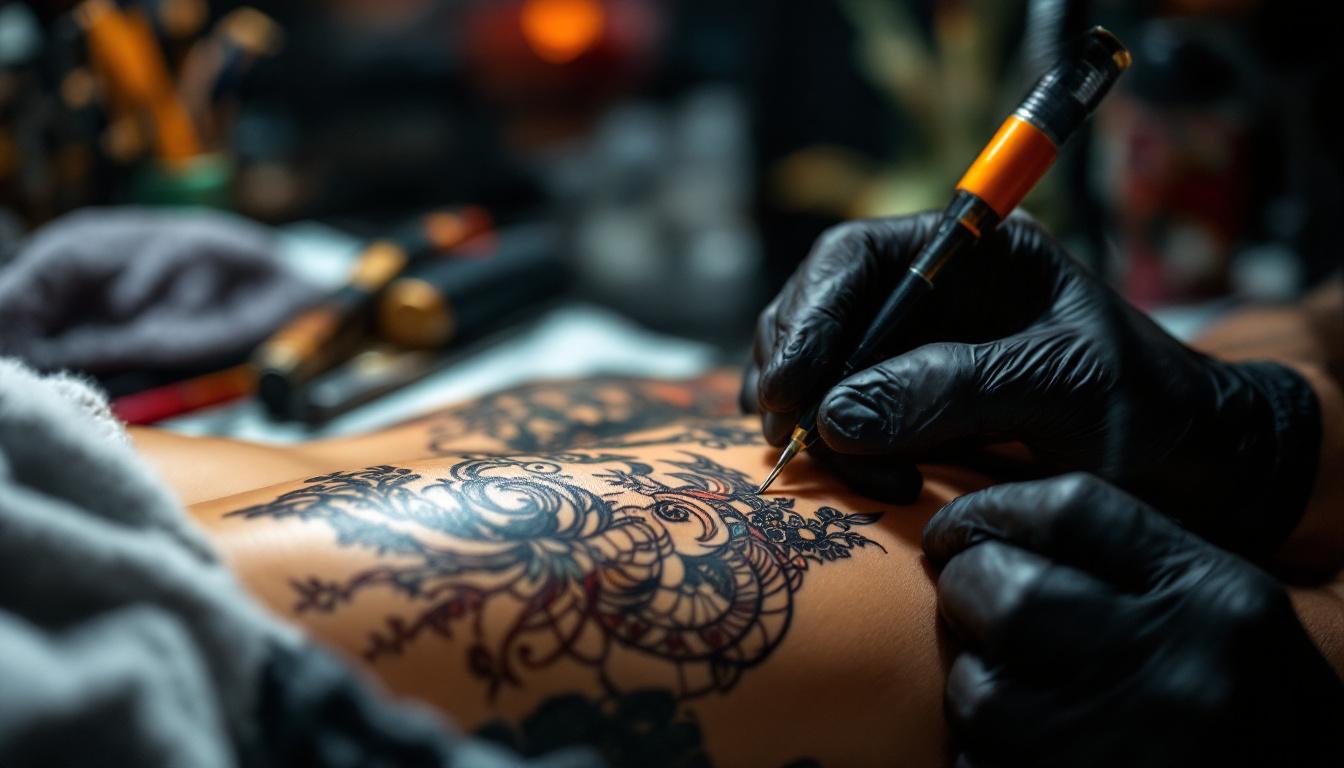
Outside Japan, irezumi has a steady following, and it’s easy to see why. The designs hold up. Bold lines, strong color, and motifs built to fill a large area mean a Japanese-style piece reads well from across the room and ages better than fine, fussy work. There’s a market report tracking demand for the style worldwide if you want the numbers (statsndata.org).
A lot of the appeal is the meaning. People want a tattoo that says something, and a tradition with this much story behind it delivers that. When you take on this work, you’re doing more than copying a look. You’re handing a client a piece of a long history, and most of them feel that weight, which is part of why they choose it.

What this means for your work
If you offer Japanese-style tattoos, the history isn’t trivia. It’s part of the consultation. Knowing where a motif comes from helps you steer a client toward a design that says what they mean, and away from one that reads wrong. As one writer on the tradition put it, irezumi lets a wearer “partake in living history, engraving lasting symbols that link them to Japan’s mythic” past (japanchangemoney.com).
Respect the source, set honest expectations about time and cost, and price the work for what it actually takes. Clients who come to you for this style tend to be serious, and they remember the artist who treated the tradition with care.
Run the booking side without the headache
Big Japanese pieces mean long projects, multiple sittings, deposits, and reference sketches you need to keep straight across months. Apprentice handles that part so you can stay focused on the tattoo. Scheduling, deposits, client notes, and your portfolio live in one place instead of scattered across texts and a notebook. Start a free trial and see how it fits your shop.

Jason Howie
Founder & CEO
Jason Howie is the founder of Apprentice, passionate about empowering tattoo artists and shops with better tools to manage their business and serve their clients.