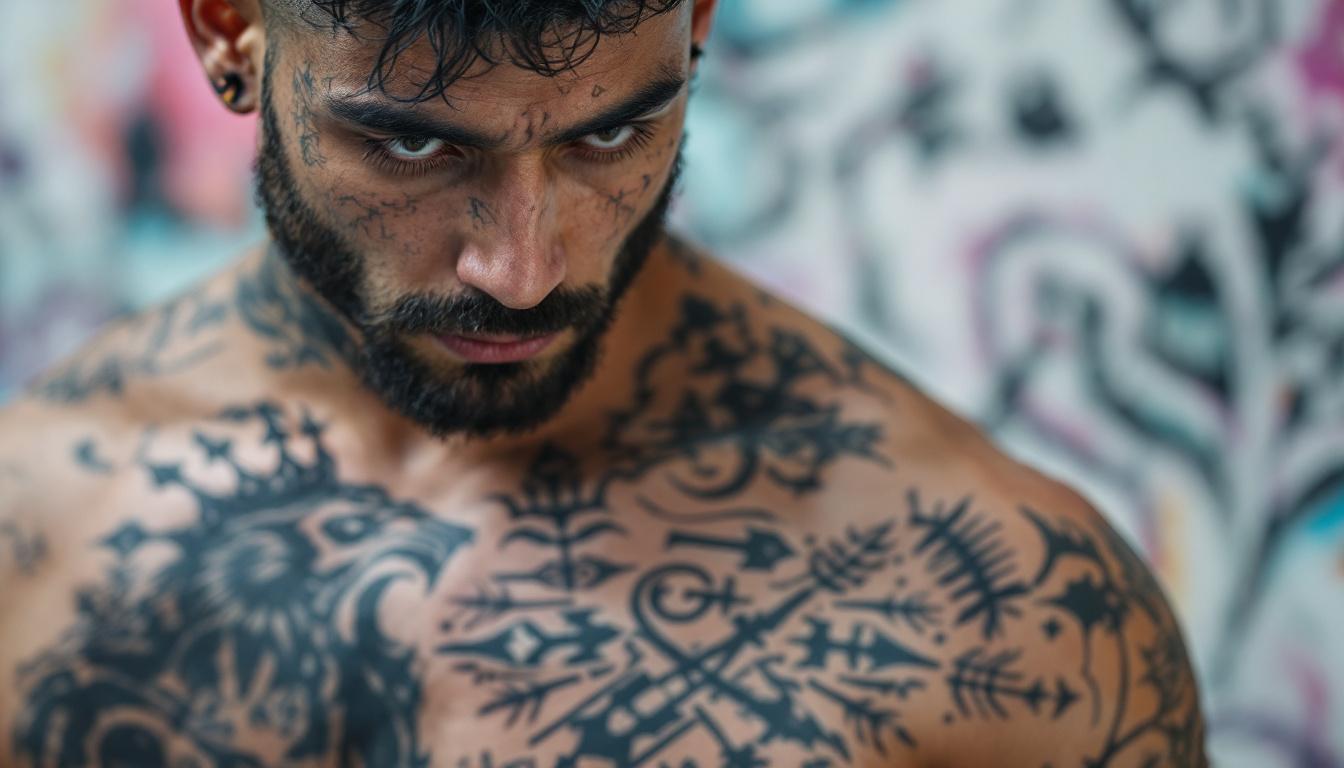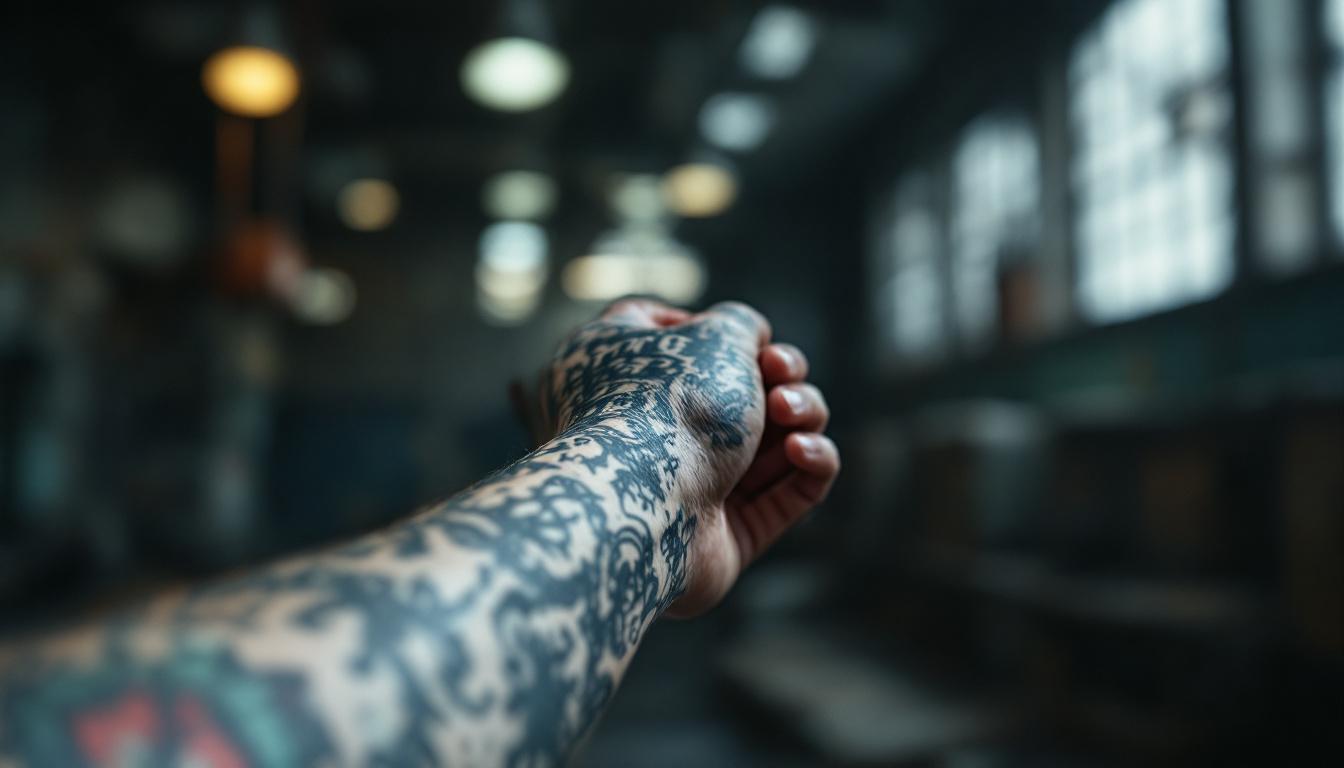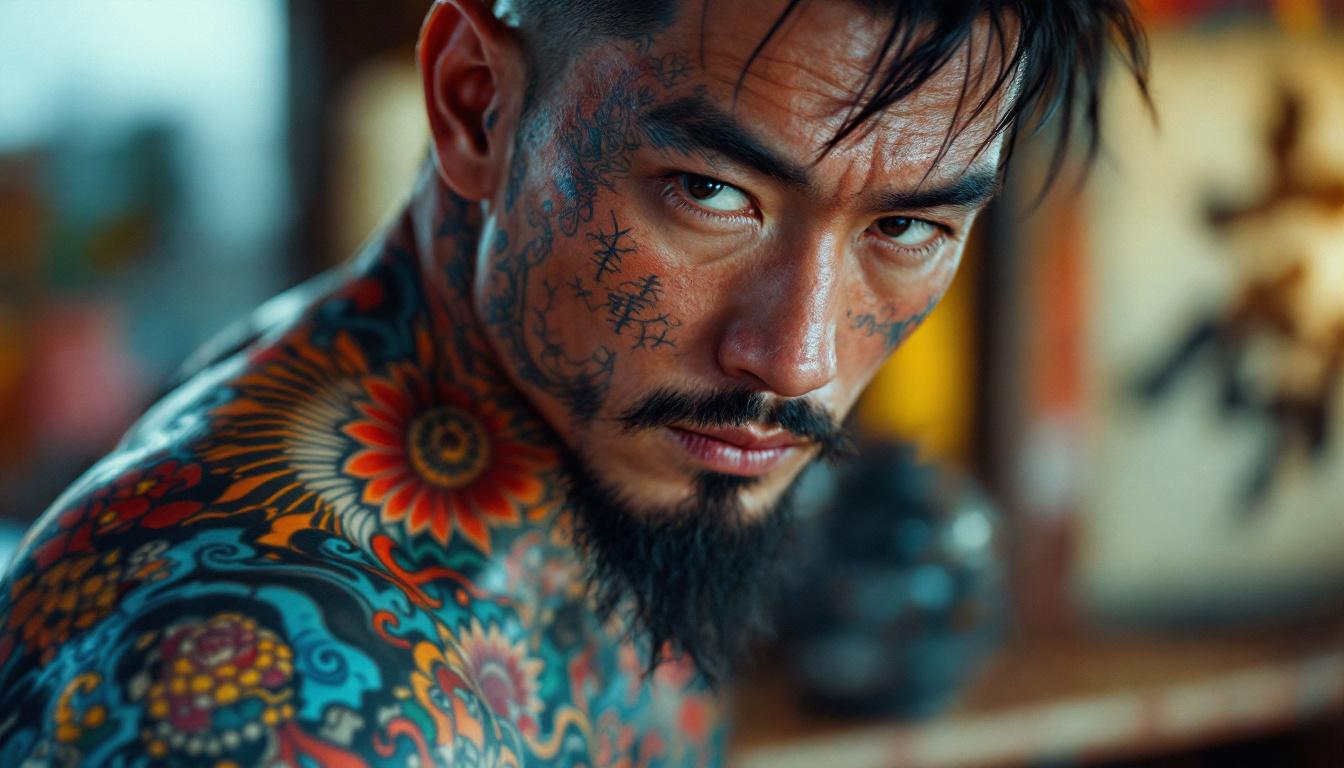
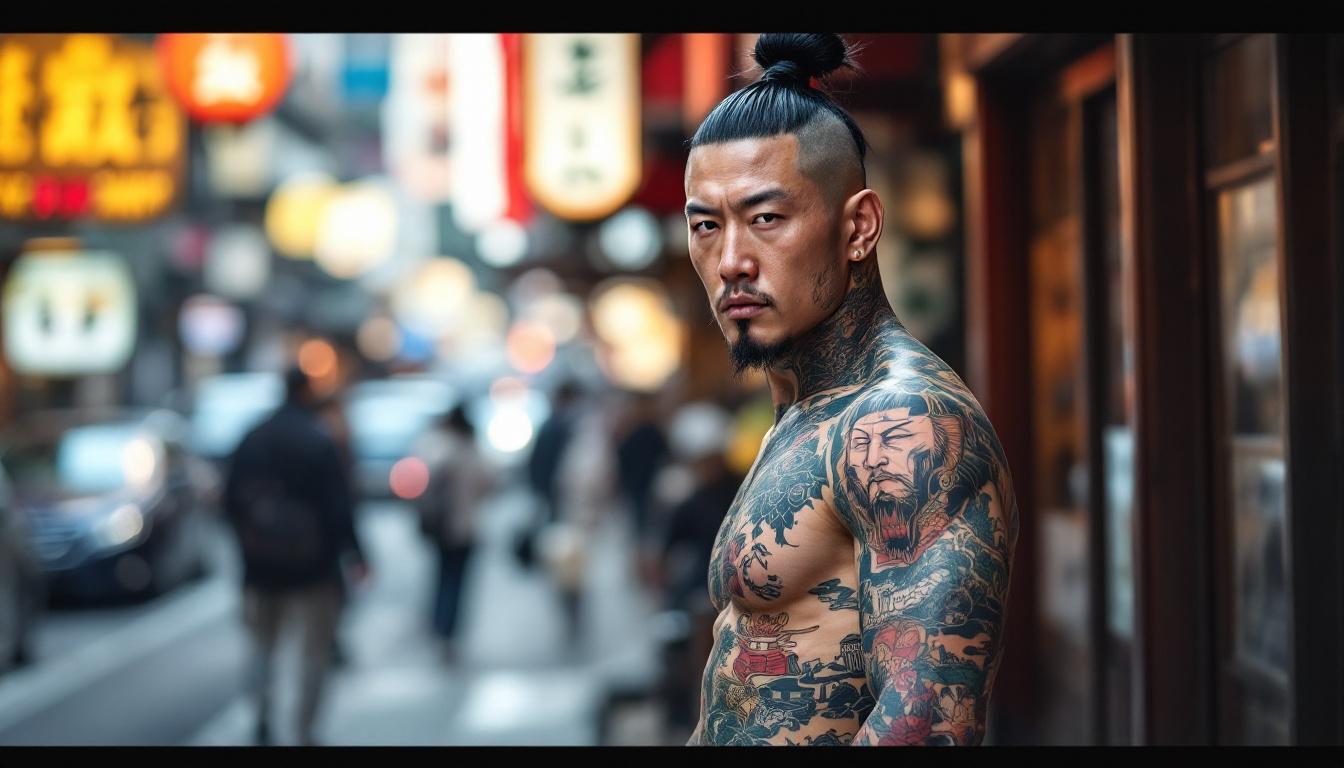
A full-body suit tattoo can tell you a lot before its wearer says a word. Honor, grit, years of pain, and a code most people never see. The yakuza bodysuit grew straight out of the Japanese irezumi tradition, and it carries that history in every line. It’s a declaration of belonging. It says the wearer sat through the needle and didn’t quit.
That world is shrinking, though. Japan’s largest syndicate, the Yamaguchi-gumi, has lost most of its members over the past few decades. Butterfly Tattoo Co. traces that drop alongside the history of tattooing in Japan: the organization changed, but the symbols on the skin held their meaning.
Where the tradition comes from
Tattooing in Japan goes back to the Edo period, and it started ugly. The state used ink to brand criminals and outlaws. A mark of shame, applied without consent.
People on the margins flipped it. If the authorities were going to mark you, you’d mark yourself, bigger and on your own terms. That’s roughly how the punitive brand turned into a form of defiance, and it set the stage for the full suit, a piece that covers most of the body and tells a long story across the skin.
Andreas Johansson, a researcher at Lund University, spent years studying yakuza tattoos and what they mean to the men who wear them. His work is worth a look if you want to understand why these pieces run deeper than decoration. The short version: what once marked disgrace became a badge of refusal, a way to stand against a culture built on blending in.
What the motifs actually mean
A yakuza suit reads like a diary that doesn’t hide its chapters. Every image is doing work.
- Dragons stand for power and a near-mythic tie to nature itself.
- Koi fish stand for grit, the fish that swims upstream against the current.
- Tigers stand for raw courage and the willingness to act when it counts.
Stack those together across a back, both arms, and the chest, and you get something closer to a manifesto than a tattoo. Loyalty and honor, the core of the yakuza code, run underneath all of it. The suit is a record of one person’s journey through pain and commitment, written where everyone can see it.
Tebori, and why the pain is the point
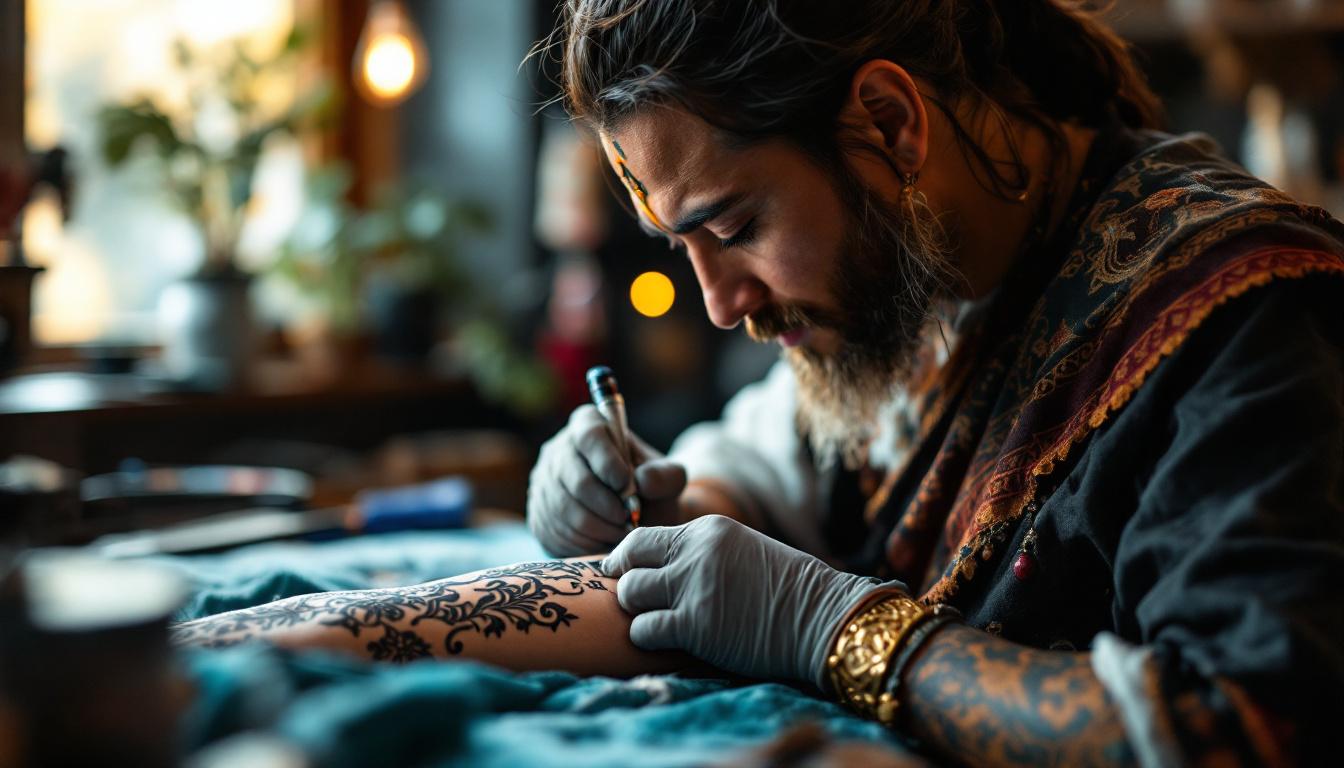
Ever wonder how a piece this big gets onto skin? Traditionally, by hand. Yakuza suits use tebori, the hand-poked technique where the artist drives ink with a rod and needles instead of a machine. It’s slow. It hurts. That’s not a flaw in the method. It’s the method.
Tebori turns endurance into part of the tattoo. Sitting for it is a rite of passage. Choosing it says, plainly, I’ll suffer to earn this. Every session layers ink, skin, and a story that’s as much about what the wearer survived as what the image depicts. A machine can copy the picture. It can’t copy that.
From outlaw badge to art form
Tattoo culture in Japan looks different now. The full suit once marked someone as an outsider, full stop. Today many people with yakuza roots choose quieter designs, pieces that nod to tradition without flagging them as outcasts. The all-covering suit is giving way to work that mixes the old motifs with a lighter touch.
That shift tracks a bigger one. Tattoos in Japan have moved from suspicion toward acceptance, showing up on people who have nothing to do with organized crime. Atchuup’s write-up covers this transition and how the decline of the elaborate suit fits inside Japan’s broader warming to tattoos. The history still hangs on the work. It just doesn’t press as hard as it used to.
Why these tattoos stop a room
There’s a reason an irezumi suit can quiet a crowd. Each design is a record of rite, resistance, and refusal. Jake Adelstein, a journalist who spent years covering Japanese organized crime, calls the full-body tattoo a “badge of honor.” His firsthand account gets at what these pieces signify: emblems earned through traditions that don’t forgive.
Every line marks survival. The pain of a tebori session becomes permanent proof, a reminder that the person carrying it lived by a code that ran against everything around them. The ink is a diary written on flesh, and the people who wear it put loyalty and purpose above comfort.
The numbers are fading, the meaning isn’t
The legends still get told in back rooms, but the membership is thin. The Yamaguchi-gumi peaked around 22,000 members in the 1970s and had dropped to roughly 8,000 by 2021, per Butterfly Tattoo Co.’s history. Fewer members means fewer of the sprawling traditional suits, and it mirrors changing tastes among the people who once wore them proudly.
The look may be receding, but the meaning hasn’t gone anywhere. The full suit is being archived and reinterpreted rather than erased. Outside Japan, the influence is obvious: the detailing, the symbolism, and the authenticity of these pieces have pushed artists worldwide to explore their own versions. Tattoo sleeves and partial body work now carry traces of the traditional Japanese style. Meer’s essay on the yakuza’s cultural legacy makes the case that the impact outlives the organization.
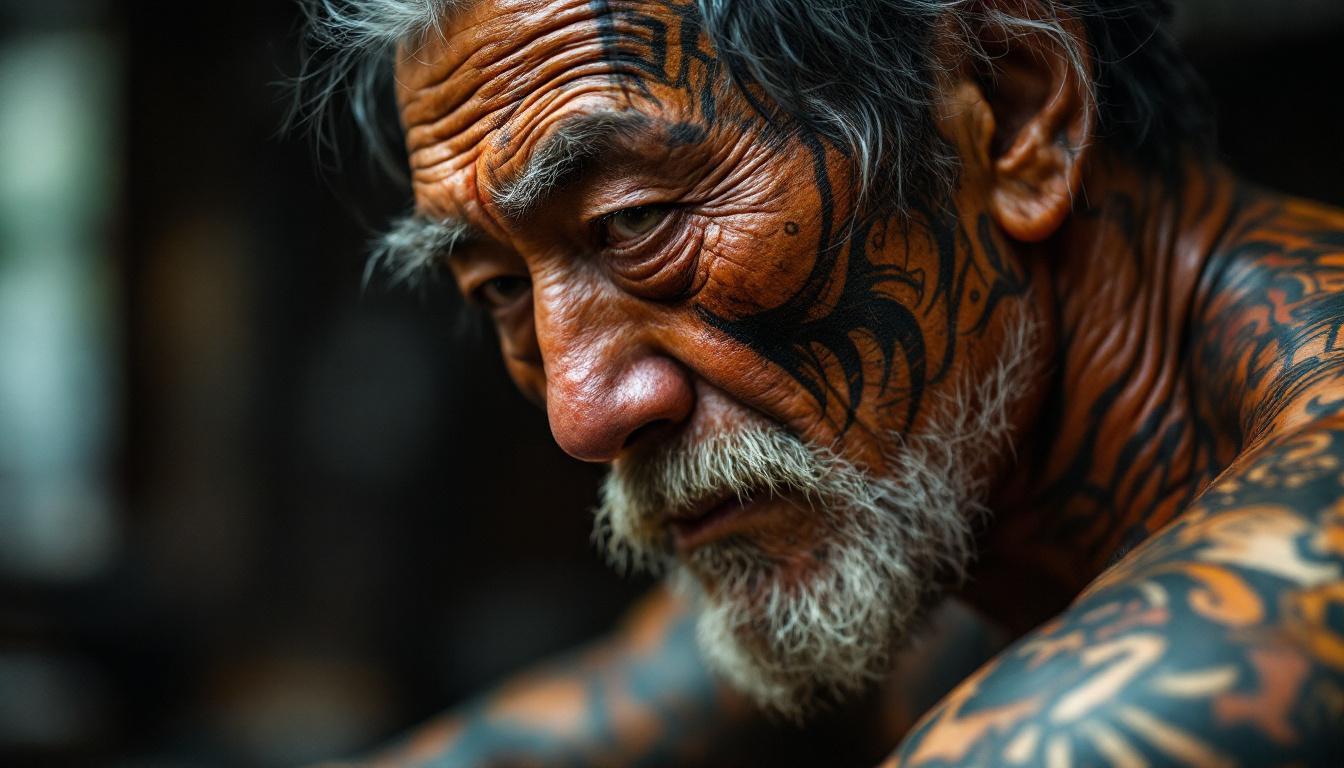
For an artist, that’s the real takeaway. The yakuza suit is a master class in pieces that mean something, where the technique, the symbols, and the time invested all point at the same story. You don’t have to copy the culture to learn from how it built meaning into skin.
Bring that level of care to your own studio
A piece like this only works when the whole experience around it is solid: the consult, the scheduling, the way a client moves from idea to chair. Apprentice handles the booking, deposits, and client records so you can spend your energy on the work itself. Start your free trial and see how much smoother the studio side gets, or look at what’s included on every plan first.

Jason Howie
Founder & CEO
Jason Howie is the founder of Apprentice, passionate about empowering tattoo artists and shops with better tools to manage their business and serve their clients.