Tattoo Meanings 13 min read

Tibetan Tattoos: The Sacred Meaning Behind the Ink

Discover the rich history and spiritual significance of Tibetan spiritual tattoo practices.

Jason Howie
Jason Howie

Founder & CEO

Exploring Tibetan Spiritual Tattoo Practices: A Journey into Sacred Ink

Exploring Tibetan Spiritual Tattoo Practices: A Journey into Sacred Ink

The buzz around Tibetan spiritual tattoos isn’t just hype-it’s a deep-rooted expression of identity and belief. These ink masterpieces aren’t random doodles; they are carefully crafted symbols that tell the story of ancient spiritual practices mixed with modern vibes. The intricate designs, from the endless knot to the dharma wheel, offer a tangible connection to a world where tradition and personal expression meet. For those curious about these sacred markings, understanding them is like uncovering a piece of history with every glance at your skin. It’s a culture that speaks volumes, just like the 10% of American adults who wear tattoos with religious or spiritual significance reveals religious tattoos are more than just art.

The Origin of Tibetan Spiritual Tattoos

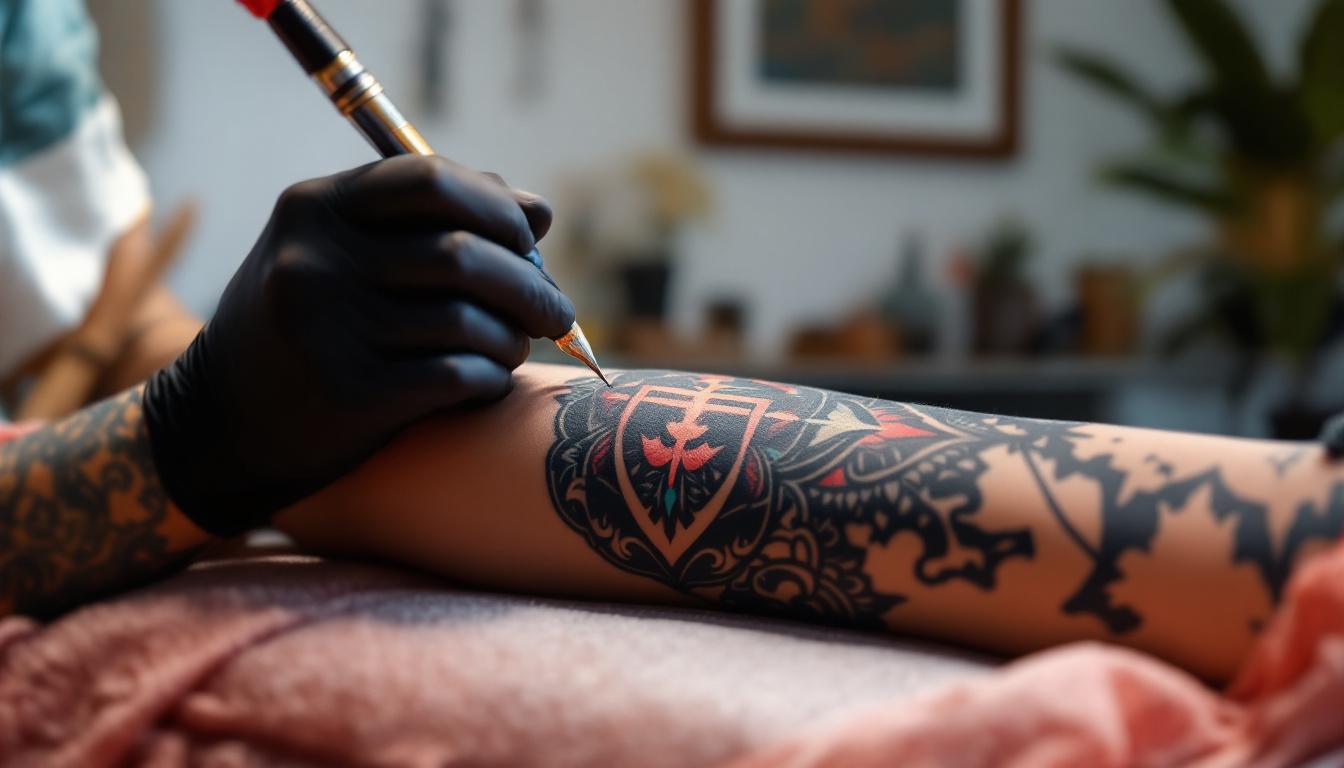
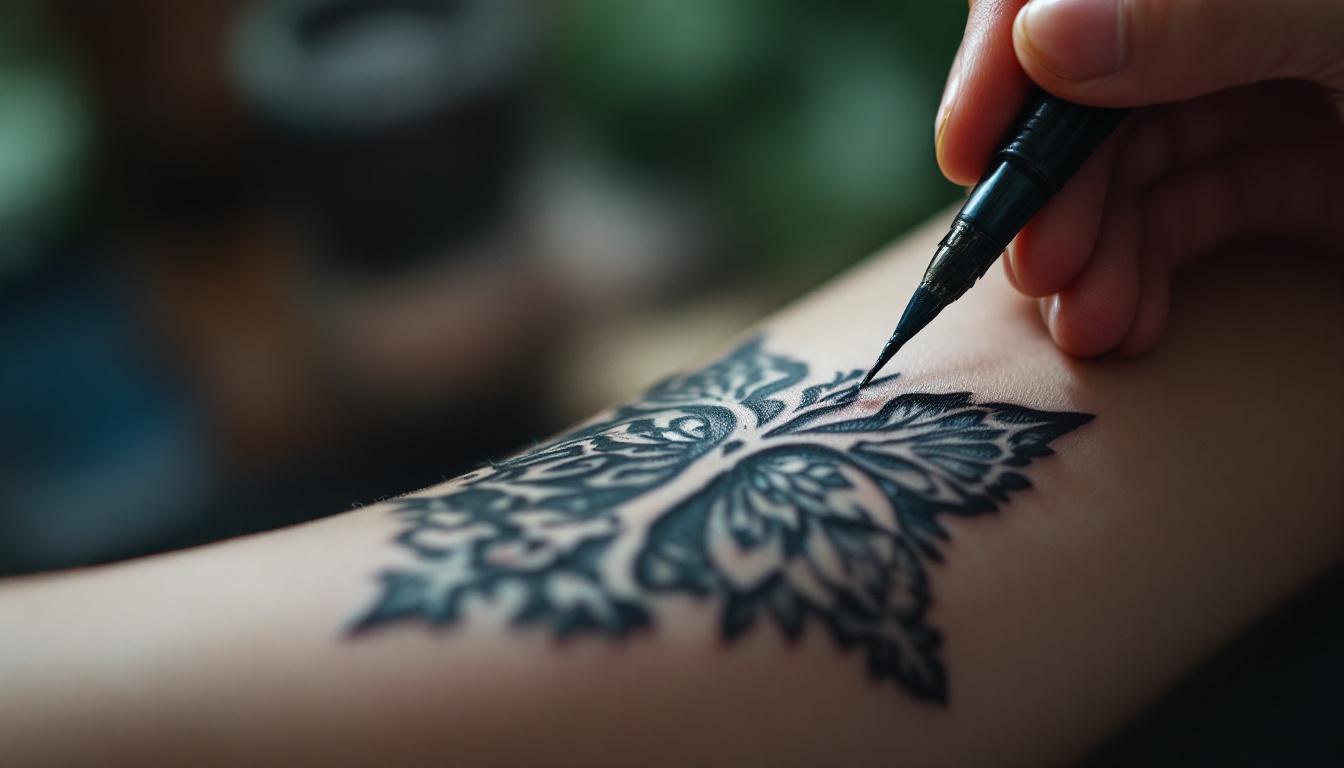
The roots of Tibetan tattoo art stretch far back into a tradition steeped in spiritual symbolism and fierce cultural pride. You don’t have to be a history buff to realize that Tibetan tattoos have evolved from religious rituals to a modern-day personal statement. The motifs, like the endless knot, draw directly from centuries-old thangka art. They’re designed to serve as constant reminders of the wearer’s spiritual journey and quest for enlightenment.

Every line and curve is meant to capture key philosophical ideas. It’s almost as if each tattoo is a window into the wearer's soul, echoing sentiments similar to what Dr. Joseph M. Pierre discussed: “tattoos as windows to the psyche.” This perspective isn’t just a neat catchphrase; it’s a reflection of how deeply these tattoos are intertwined with meaning and memory.

Modern Interpretations and Spiritual Significance

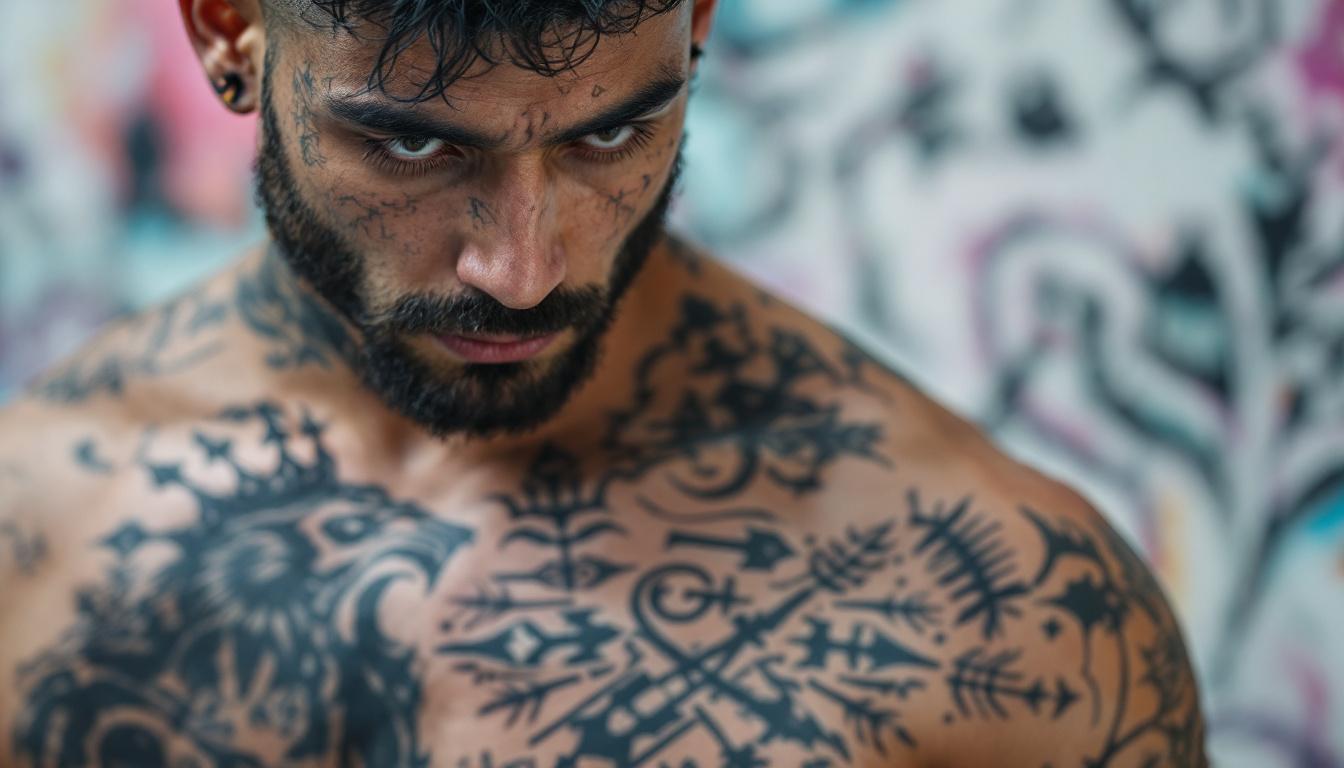
Tibetan tattoos today are more than relics of the past-they’re alive, evolving, and packing some serious symbolism that people feel on a spiritual level. These sacred marks have morphed into a form of self-expression and are often seen as a badge of honor for those holding onto their roots while living in a modern world.

Section Image

There’s an undeniable sense of permanence and connection with Tibetan designs. Dr. Kevin D. Dougherty’s insight that “a religious tattoo doesn’t come off. It travels with you” perfectly encapsulates this idea. The designs, rich with symbolism, act as anchors through life’s ups and downs, carrying the wearer’s spiritual journey as a lifelong companion. Just like modern religious tattoos, many tune into these motifs as a daily reminder of faith, resilience, and the journey towards enlightenment.

The Appeal of Sacred Ink in a Modern Culture

In today’s tattoo scene, brands and practices are constantly being reshaped by cultural shifts and personal narratives. Among these shifts, the spiritual significance of tattoos has found its heartbeat with the rising youth. A recent study in 2025 points out that younger people are turning to religious or spiritual tattoos because they see them as permanent expressions of what they hold dear, mirroring a deep narrative of life and transformation according to a recent study.

The idea is simple: what better way to express who you are than with a piece of art that carries centuries of wisdom, memory, and spiritual insight? This trend isn’t going away. Even in the hustle and bustle of modern life, many find solace and strength in their tattoos, creating a tangible link between their past, present, and future. It’s a testament to the idea that sacred ink is more than skin deep; it’s a lifestyle.

Bridging the Gap Between Tradition and Modernity

When you look at a Tibetan tattoo, you’re not just admiring some cool artwork. You’re delving into a layered dialogue between the ancient and the avant-garde. Traditional symbols like the dharma wheel aren’t just throwaway designs; they’re packed with lessons about life, impermanence, and the endless cycle of existence. In a world that’s constantly looking for quick fixes and fleeting trends, these tattoos offer a contrasting narrative of continuity-a sentiment echoed in many modern religious tattoo practices.

This bridge between times different can be incredibly grounding. It’s no wonder that many wearers describe their tattoos as personal mantras inked in skin. Imagine carrying a lifetime of wisdom on your arm-a symbol that’s as permanent as your beliefs. This permanence provides a unique comfort against the backdrop of a rapidly changing society, much like the timelessness of a flowing river across ancient stone.

The Healing Power of Sacred Ink

Tattoos have long been used as a way to reclaim one’s narrative, especially when it comes to healing emotionally and spiritually. In an era where modern society often challenges traditional norms, tattoos serve as therapeutic tools. A 2025 study pointed out that they offer stress relief, boost self-confidence, and enhance self-image, helping people redefine and reaffirm who they are as highlighted by current research.

When someone opts for a spiritual tattoo, it’s more than a fashion statement. It’s a lifeline-a symbol of renewal that speaks to the personal struggles and triumphs that shape our lives. Whether battling inner demons or celebrating milestones, sacred tattoos can be a reminder of strength and resilience. The process itself, from choosing the design to enduring the sting of the needle, often marks a cathartic rite of passage that leaves a lasting imprint on both body and mind.

This idea of healing through ink isn’t just a Western concept. In Tibetan culture, the symbols serve as constant guides, reminding the wearer of spiritual goals and the inherent beauty of imperfection. This melding of art and therapy creates a holistic experience that resonates with many, proving that turning pain into art can be deeply transformative.

Cultural Impact: The Role of Tattoos in Community and Relationships

Moving beyond personal healing, tattoos can also influence perceptions within communities. In Thailand, for instance, tattooed women are increasingly celebrated for their confidence and resilience. Their ink not only reflects their own strength but also positively impacts how they are viewed in relationships and society at large as seen in research about tattooed women.

This growing trend is a clear signal that tattoos are now recognized as much more than skin art-they’re emblems of a modern, assertive identity that bridges the gap between tradition and contemporary values. In communities where cultural heritage and modern identity are constantly weaving together, these symbols become powerful stickers of personal and communal pride. The intermingling of ancient symbols and new-age expressions redefines what it means to be connected both to one's roots and to one's community.

Relationships can also be impacted by these designs. Couples and families often share the same symbols, integrating them into their collective narrative, which helps solidify powerful bonds that carry forward traditions and personal histories. It creates a multi-dimensional story where each tattoo becomes a chapter in the evolving saga of a family or a community.

The Economic and Artistic Landscape of Tattoos

Tattoos aren’t just cultural artifacts; they’re also a booming industry. Valued at $1.4 billion in 2023 and with a projected growth of 23.2% during that year industry reports indicate, the scope of tattoo artistry is expanding at lightning speed. With more people embracing body art as a medium of self-expression, the market and its methods have seen dramatic evolutions in technique and style.

Modern tattoo culture is not only about flashy designs or celebrity endorsements. It has grounded itself in deeply personal narratives and spiritual practices. Artists are continually pushing the boundaries, merging traditional symbolism with innovative aesthetics to create work that pays homage to both ancient traditions and the contemporary pulse. The blending of age-old motifs with modern design sensibilities is what makes sacred tattoos so mesmerizing. They’re a perfect illustration of the idea that art, tradition, and modernity can coexist on one’s skin.

Ink as a Testament to Personal Faith and Transformation

For many, a tattoo is more than an accessory; it’s a manifesto etched into the body. Tibetan spiritual practices in tattoo form echo this sentiment strongly. For example, those who opt for these designs are often looking for a constant reminder of faith, of a set of principles that light up even the darkest days. They’re choosing an art form that stays with them no matter the trials or tribulations they face, much like enduring beliefs passed down through generations.

The permanence of a tattoo mirrors the permanence of one’s commitment to their spiritual life. The fusion of art and faith gives the wearer a sense of continuity-an unchanging reminder of their dedication to personal values. This very idea is echoed in the way many respect the legacy of these traditional symbols, which have been cherished and repeatedly reimagined over time. It’s that timeless link between who you are, where you come from, and where you’re heading in life that keeps many coming back to sacred ink.

Tattoos and the Psyche: More Than Just Skin Deep

The relationship between tattoos and mental well-being is a topic that’s been getting a lot of attention lately. As Dr. Joseph M. Pierre puts it, tattoos can be “windows to the psyche.” They convey inner emotions and experiences that words can sometimes fail to capture. This isn’t just about aesthetics or defiance of societal norms; it’s about extra layers of meaning that contribute to self-understanding and personal growth.

Section Image

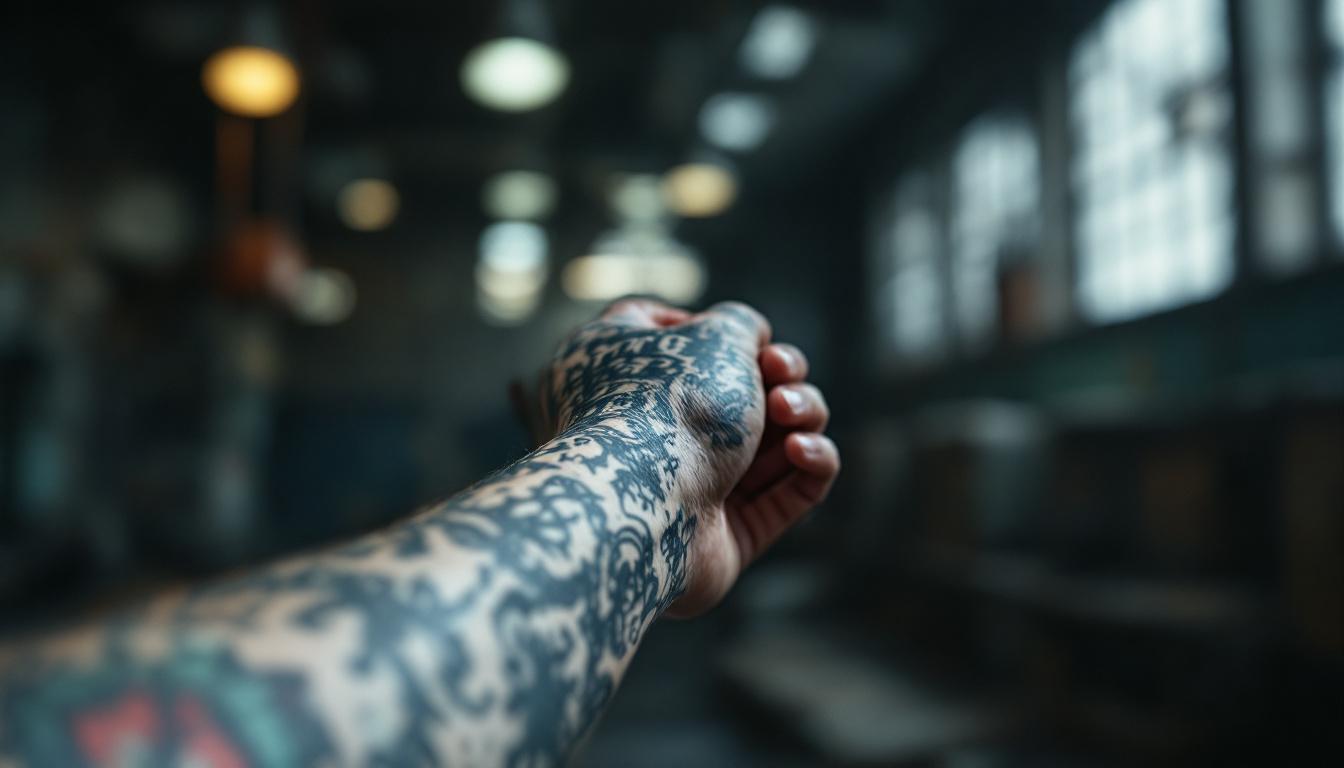
Delving into the psyche, sacred tattoos often serve as daily reminders of inner battles won and values held dear. They are like little snippets of wisdom permanently embedded on the body, pushing the wearer to remain true to themselves no matter what happens. The ink becomes a conversation starter-not just with others, but within oneself, sparking introspection and the kind of self-reflection that drives real change.

This idea of tattoos as a mirror to the soul resonates particularly well with those who seek healing or transformation. When hardships hit, these permanent symbols of faith and strength stand as a defiant reminder of past resilience and future potential. Even as trends come and go, the deep personal connection remains.

Technology, social media, and evolving cultural dynamics continue to shape the tattoo industry. With every new design and innovative technique, the art form is growing even more diverse. Despite these changes, the core essence of sacred tattoos remains unchanged. They are deeply personal, imbued with layers of spiritual and cultural significance that withstand the test of time.

The future appears bright for sacred ink and ancient symbols. As more artists around the world appreciate and incorporate traditional motifs into their work, the dialogue between old and new continues to expand. The demand for tattoos with meaningful narratives is likely to drive further integration of ancient art with modern design principles. This synthesis not only enriches the tattoo culture but also creates a shared space for cross-cultural exchange and understanding.

Finding the Balance: Between Tradition and Self-Expression

The magic and mystery of Tibetan spiritual tattoos lie in their ability to balance tradition and modern self-expression. On one side of the needle, there’s centuries-old symbolism and cultural reverence. On the other, a contemporary touch that speaks to individual experiences in today’s digital, fast-paced era. The result is a stunning fusion that offers both personal preservation and bold self-expression.

For those seeking a tattoo as a reflection of personal growth and resilience, a Tibetan design might be the perfect choice. It’s not just an aesthetic decision but a commitment to carrying forward the legacy of ancient wisdom and modern insight. The ink, in that sense, becomes more than just body art-it evolves into a lifelong companion that’s as deep as it is beautiful.

The Journey of Sacred Ink: A Personal Reflection

While the path of spiritual tattoos has roots in ancient lore, the journey these marks represent is wholly personal. Each tattoo carries a story-of heartbreak, redemption, triumph, and deep, sometimes quiet, resolve. Whether chosen for its aesthetic appeal or its deep cultural significance, every line of ink helps forge a unique narrative that evolves with the wearer over time.

There’s something undeniably powerful about marking life’s milestones in such a tangible way. This practice shows that even in a world rife with impermanence, some symbols remain engraved in our identity, echoing the inner spirit that refuses to fade. And so, while trends may shift, the timeless allure of sacred tattoos stands firm. They are a testament to the enduring nature of faith and the human spirit.

Bringing It All Together

In the mix of age-old traditions, modern cultural influences, and personal revelations, Tibetan spiritual tattoos carve out a unique space in today’s world. They reflect a rich, interwoven tapestry of history, art, and personal faith that is as permanent as the ink itself. These designs embody the spirit of continuity-an homage to ancient wisdom while keeping pace with contemporary expressions of individuality.

As more people look for ways to express who they truly are, these sacred symbols offer a path that’s both deeply personal and historically resonant. Whether in the context of healing, personal empowerment, or cultural belonging, sacred tattoos are here to stay. They serve as a bridge between what was and what is-a conversation etched in ink, reflecting the enduring beauty of life and the soul.

From the ancient corridors of Tibetan history to the buzz of modern tattoo parlors, these sacred marks continue to evolve. Their journey is far from over, and every new design contributes to an ever-growing story of profound meaning and artistic expression. The sacred ink is not just a mark; it’s a movement-one that chronicles personal sagas with every meticulous stroke.

A Final Word on the Journey

A discussion like this wouldn’t be complete without acknowledging the broader revolution within the tattoo industry. The rise of religious and spiritual tattoos is a sign of changing times, where personal stories and deep-seated beliefs take center stage. The fact that around 10% of American adults have spiritual tattoos speaks volumes about their relevance today, underscoring the importance of these expressions.

Throughout this journey, the narrative of Tibetan spiritual tattoos reminds us that while ink may fade under the sun, the stories, memories, and spiritual insights remain. They are as permanent as the personal transformations they signify-a legacy that travels with the wearer through life’s unpredictable path. In a fast-moving world, such enduring symbols are a beacon of stability and continuity.

With the world continually redefining what it means to be spiritually connected, the art of sacred ink stands as a testimony to the power of symbols. They’re a reminder that sometimes, what gets etched on the skin is as meaningful as the lessons learned along the way-a permanent seal of one’s journey through time and faith.

Take Your Tattoo Studio to Spiritual Heights with Apprentice

As you continue to inscribe stories and beliefs onto the canvas of skin, let Apprentice transform your studio's operations into a seamless experience. Embrace the revolution of tattooing with tools that honor the sacred artistry of Tibetan spiritual tattoos. Elevate your practice with our advanced scheduling, AI-powered design collaboration, and efficient client management. Begin your journey with Apprentice and start your free trial today, where spirituality meets innovation.

Jason Howie

Jason Howie

Founder & CEO

Jason Howie is the founder of Apprentice, passionate about empowering tattoo artists and shops with better tools to manage their business and serve their clients.
Related Articles