Tattoo Meanings 16 min read

Latin Kings Tattoos: What the Symbols Mean

Discover the meaning behind Latin Kings tattoos, their symbols, and cultural significance.

Jason Howie
Jason Howie

Founder & CEO

Understanding Latin Kings Tattoos: Symbols and Meanings Explained

Understanding Latin Kings Tattoos: Symbols and Meanings Explained

The streets of Philly have seen their fair share of life stories, and nothing tells a story quite like a tattoo. Dive into the world where ink meets identity and where each symbol on skin carries a heavy dose of street lore. One common emblem, the five-pointed crown, isn’t just for flash-it represents love, honor, obedience, sacrifice, and righteousness, principles that keep its meaning alive for those on the inside. For a deeper look into these ideas, check out this Latin Kings symbolism newsletter which lays out the backstory.

The art of tattooing in urban spaces isn’t glamorous and is sometimes misunderstood. Behind every mark, there’s history, pride, and sometimes a struggle for belonging. In this article, the focus is on Latin Kings tattoos-their origins, the messages they carry, and why they continue to evoke curiosity and even controversy decades on.

The Roots of a Symbol: The Five-Pointed Crown

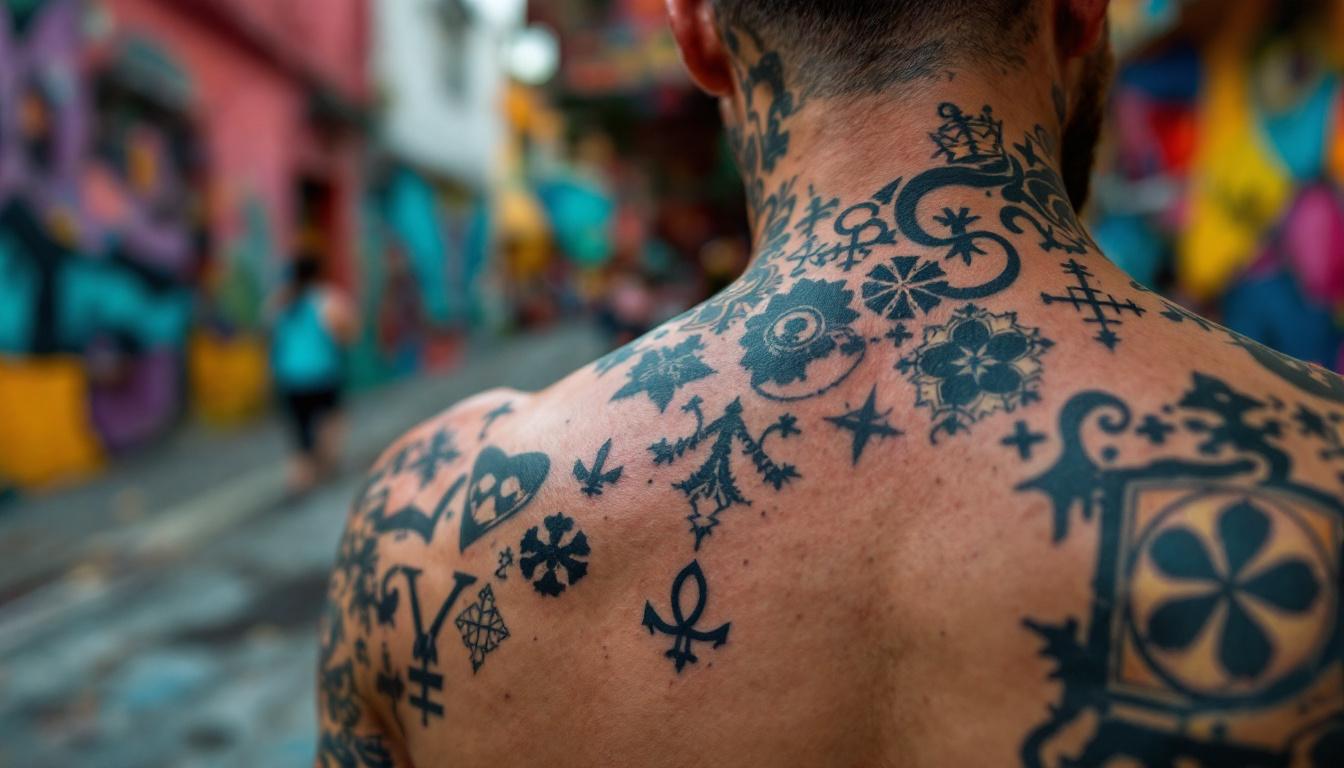
The five-pointed crown tattoo stands out as a defining mark among Latin Kings members. Carved into the skin, this crown underscores crucial values that are expected to be lived by every member-values like loyalty, integrity, sacrifice, and respect. This isn’t just body art; it’s a badge of honor, a constant reminder of the code that guides a man’s life in the urban jungle.

Historically, crowns have symbolized leadership and authority, and for the Latin Kings, the design is a reaffirmation of their commitment to the gang’s rules and traditions. The crown's points can be seen as a symbolic checklist-each one representing a distinct facet of their belief system.

While the crown may seem like just a piece of artwork to outsiders, those in the know see it as a map of the values that govern every decision made on the streets.

Decoding the ALKN Initials

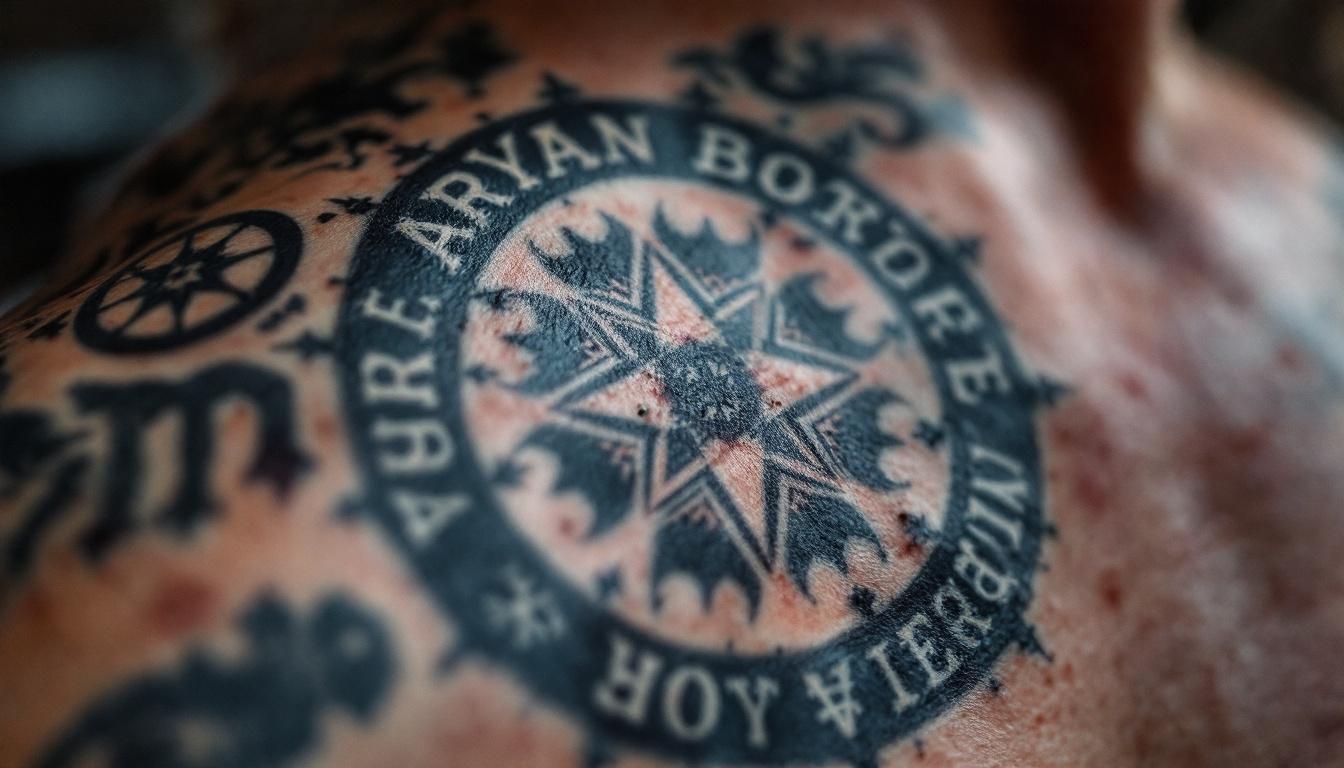
Tattoos go beyond mere visuals, tapping deep into the meaning of words. Many members wear the initials "ALKN" on their bodies, an abbreviation for "Almighty Latin King Nation." This isn’t just a title-it’s a statement of belonging, a sticker of identity that proclaims their ties to a long-standing fraternity of street warriors. Those familiar with prison tattoos can attest to the importance of such initials. Take a look at this detailed prison tattoo meanings blog for further insights into what these letters signify in the broader context.

Having the initials inked on their skin serves not only as a public declaration of loyalty but also as a protective marker. In environments where trust is scarce and survival counts, these symbols are the difference between recognition and being mistaken for an outsider.

For many, the simple act of carving ALKN on one’s body is a lifelong commitment, making it a permanent bond with an organization that demands just as much integrity as it expects from its members.

Symbolism Through the Eyes of a King: Lion Imagery

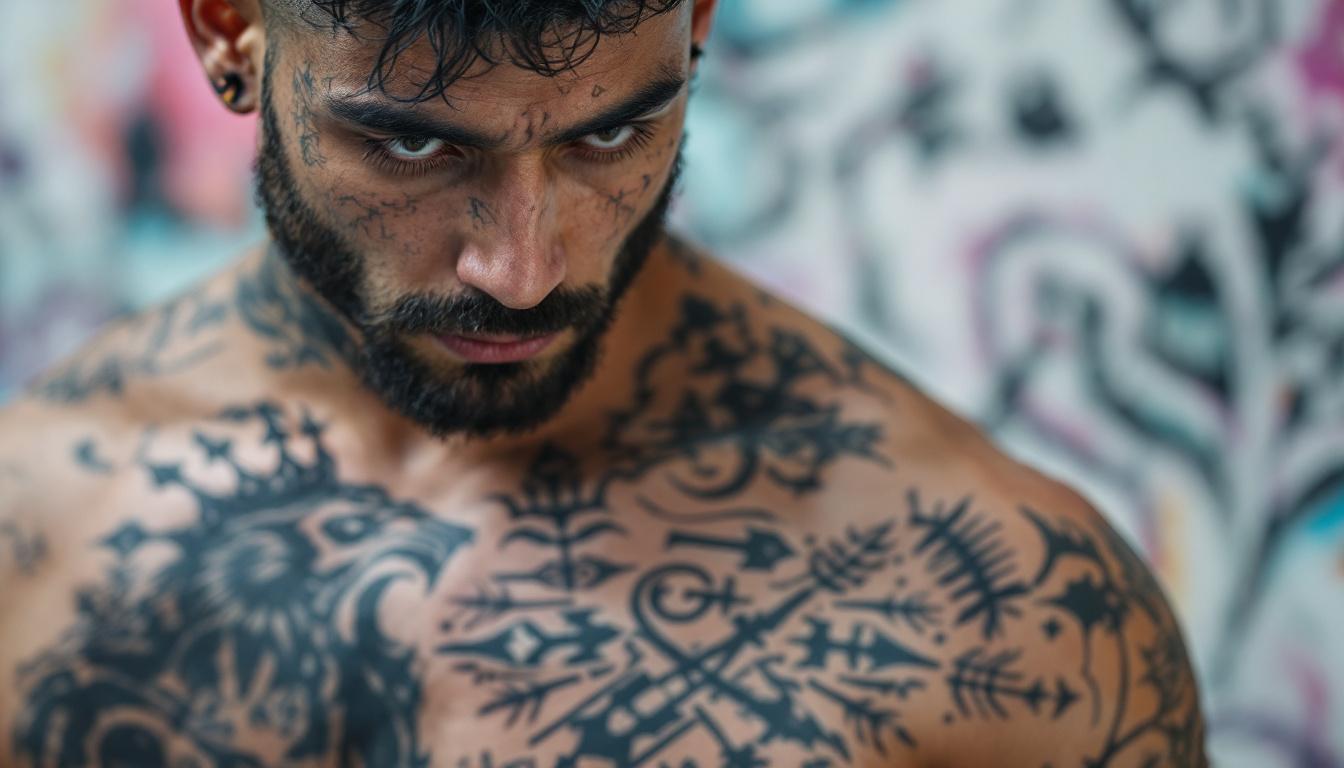
You can’t talk about Latin Kings tattoos without mentioning the lion. The lion imagery, often depicted with a regal crown, isn’t just an animal illustration-it’s a metaphor for strength, dominance, and leadership. This roaring symbol speaks to the inner qualities that a Latin King is expected to embody, combining ferocity with wisdom.

The lion tattoo acts as a visual mantra for members. It is more than just art or a status indicator; it’s a reminder to lead with honor and to exhibit the raw power of a true leader. Each streak of ink carries the weight of the history that adds to the mystique, often drawing parallels with age-old tales of royal garrisons and ancient rule. For an in-depth view into how these images represent more than just an animal, check out this discussion on crown-wearing lion imagery in gang symbolism.

The portrayal of the lion also plays a significant role in distinguishing members. It’s a symbol that transcends the immediate circles of the group, resonating deeply within the community and inspiring those who see it as a living embodiment of the gang’s spirit.

The Color Code: Black and Gold

The choice of colors in Latin Kings tattoos isn’t merely about aesthetics. Black and gold are chosen with precision and cultural intent. The black represents the deep connection to ancestry and the leaders who came before, those whose struggles paved the way for today’s members. Meanwhile, the gold symbolizes the light, hope, and potential that every new day brings, much like the golden rays bathing a crowned head in sunlight.

Artists, when inking these colors, make deliberate choices to ensure that each shade tells its part of the story. The rich contrast of black and gold isn’t accidental-it mirrors a duality that exists in many aspects of life, especially in the harsh realities of urban survival. More details on the meanings behind these color choices can be gleaned from this tattoo color significance guide that delves deeper into what each stroke represents.

This color palette has grown into a cornerstone of Latin Kings identity, acting as a silent language that communicates values and heritage to those in the know.

Gestures of the Trade: Hand Signs and Their Meanings

Tattoos aside, the Latin Kings have perfected the art of silent communication through specific hand signs. The act of maneuvering fingers to symbolically form a crown is a discreet way to signal belonging. It’s a tool used in the dark alleys and busy corners of life, where words might draw unwanted attention.

The gesture is compact yet loaded, understood by those who share the same codes. It's an unspoken language that confidently cuts through the noise of urban chaos, providing a quick nod to fellow members without saying a word. Interested readers can refer to this detailed gang hand signs report for a more comprehensive look at how these signals evolved over time.

Each motion, every subtle wave of the hand, carries its own chapter in a story steeped in street cred and generational honor.

Graffiti, Ink, and the Language of Territory

The art of leaving marks is central to territorial claims, and Latin Kings have long used both tattoos and graffiti as their mediums. Each mark on a wall or etched under someone’s skin acts as a signature, a way to say, “I was here, and this is who I represent.”

Graffiti in urban landscapes and the specific tattoos worn by members serve a dual purpose: they are both messages of identity and warnings to those who dare mess with the balance of power. The careful selection of symbols like the five-pointed crown and the letters "LK" isn’t simply random art-it’s a calculated move to fortify street territory and demarcate boundaries.

Urban scholars and even community leaders keep a keen eye on these pieces of art, recognizing them as indicators of underlying gang hierarchies and shifting allegiances. The language of graffiti speaks louder than words in many instances, with each spray-painted piece narrating tales of conquest, struggle, and unwavering loyalty.

The Hierarchy Behind the Ink

Latin Kings tattoos aren’t merely expressions of creativity; they are heavily intertwined with the gang’s complex social structure. This organization operates with a rigid hierarchy where every member is expected to honor and follow a set code of conduct. The tattoo isn’t just art-it’s a mark of accountability, a oath to live by the rules set forth by those held in higher regard.

At the top of this hierarchy are leaders whose orders are absolute and whose symbols-often the same five-pointed crown-serve to maintain respect and order within the ranks. Every tattoo, every gesture of allegiance, reinforces who holds the power and who has pledged to follow. This structured chain of command is essential for maintaining the unity and enforcing the discipline necessary in environments where trust is hard-earned.

The visible symbols not only mark the members but also instill a sense of reverence and fear, playing a crucial role in retaining the integrity of the gang’s operations on the ground.

Changing Times: Ink Removal and Reintegration

Times change; priorities shift. Many incarcerated Latin Kings members are making conscious decisions to alter their appearance. With employment prospects and a desire to reintegrate into society taking center stage, there’s a noticeable trend towards removing or covering gang tattoos. This is more than just a search for a new look-it is a bid for a fresh start away from the shadows of past affiliations.

Surprisingly, despite the long-held pride associated with these tattoos, the call for change is rooted in the practical needs of modern life. In today’s competitive job market, visible gang symbols can be a major barrier, forcing many to make tough choices. The decision to modify one’s body can be seen as a symbolic clean slate, where old ties are removed to create a space for new opportunities.

This evolution in personal style reflects deeper societal shifts. It’s a subtle reminder that while the past holds significant meaning, the future may demand a transformation. Many social commentators and rehabilitation experts argue that such changes-whether temporary or permanent-play a key role in fostering personal growth and long-term stability.

Ink as a Conversation Starter in Communities

Latin Kings tattoos have also crossed over into broader cultural narratives. In many urban communities, these tattoos have sparked debates about identity, loyalty, and redemption. For some, they serve as trophies of survival, while for others, they’re symbols of a bygone era that needs reevaluation in a modern context.

Section Image

Community workshops, art shows, and even street festivals have taken symbols once laden with controversy and transformed them into parts of a larger dialogue about the human experience. Some art exhibits feature these tattoos as historical artifacts, visually narrating the history of communities where street life and art have long mixed.

This dialogue is essential for broader understanding, as it challenges outsiders to see beyond the surface of ink to the rich layers of history and struggle that each mark carries.

Tattoo Culture and Identity: A Broader Look

The phenomenon of tattoos goes far beyond gang affiliations or territorial claims. In many urban cultures, tattoos are a bold statement of individuality and an outward projection of inner convictions. Among Latin Kings members, the symbolism is so potent that it often forms the foundation of their very identity.

While critics might label these tattoos as mere vandalism, to many, they are personal chronicles etched permanently on skin. The interplay between personal expression and an organized code of conduct creates a narrative that is as intricate as any work of art. For those interested in exploring the layered meanings behind these artistic expressions, cultural studies offer some fascinating insights.

In the melting pot of urban life, symbols like these carry hefty cultural weight. They’re debated, celebrated, and scorned in equal measure. Their presence in everyday life forces a rethinking of what tattoos represent in a society that is both modern and steeped in tradition.

Unraveling the Tradition: A Tapestry of Resilience and Art

The Latin Kings tattoo culture is a tangled tapestry of religion, respect, defiance, and art. Every design, color, and gesture is steeped in meaning. The tattoos not only speak to group loyalty but also to the personal trials and triumphs of each member. In neighborhoods where opportunities are slim and survival is a daily battle, these inked symbols become testaments to endurance and identity.

Behind every curve of a crown or every stroke of a lion’s mane, there lies a personal history-a story of grit, community influence, or the relentless pursuit of dignity in the face of hardship. It’s said that the scars one carries also remind them of battles they have fought and won. This element of personal storytelling through ink makes the entire practice a living, breathing art form that evolves with time.

Each piece of ink is a marker of both collective heritage and individual resilience. Whether it’s the regal crown marking the guiding principles or the fierce lion exuding power, these symbols resonate on a deeper, almost spiritual level within the community.

Modern Perceptions and Ongoing Debates

The discussion surrounding Latin Kings tattoos is never black and white. On one side, there is a celebration of artistic expression and cultural pride; on the other, a cautionary tale of gang involvement and societal marginalization. Urban policy makers, community activists, and cultural historians have long been at odds over the interpretation of these symbols, each adding layers to their complexities.

Section Image

Some see the tattoos as a form of branding that underscores a strict set of values. Others view them as vestiges of an era where survival demanded visible acts of defiance. These debates often spill over into public forums and community events, challenging long-held preconceptions about what tattoos mean in modern society.

Even as inmates and former gang members consider removing or altering their tattoos for a smoother transition back into society-an act laden with both practical and emotional implications-the conversation about these symbols remains as heated as ever. The personal choices tied to this iconic art highlight a tension between preserving one’s roots and embracing the opportunities of a new life.

Looking Forward: The Future of Latin Kings Tattoos

In the shifting sands of urban culture, Latin Kings tattoos are poised for transformation. As societal norms evolve and the pressure for reinvention grows, these tattoos may not vanish, but their meanings might morph. The very symbols that once encapsulated raw street power might soon be seen in a new light-as relics of the past that have lessons for today’s youth.

Reintegration and rehabilitation trends have seen former gang members stepping away from the visible signs of their past. The choices made in prison, where many opt to remove these tattoos to gain better employment prospects, reflect broader changes in societal values and personal aspirations. This transition, often met with mixed feelings, signifies that even the most hardened symbol can eventually soften its edge in the march of time.

Yet, regardless of the transformations, the impact of these tattoos will remain etched in urban culture. They serve as markers of history, resilience, and a unique form of self-expression that continues to inspire both critics and aficionados alike. Their future may be uncertain, but the legacy of their symbolism is secure.

Maintaining the Conversation

The dialogue around Latin Kings tattoos isn’t expected to die down anytime soon. Communities, scholars, and even casual onlookers continue to dissect the meaning behind every crown, lion, or initial. In the gritty world where many of these symbols flourish, every mark becomes a page in a larger narrative of loyalty, defiance, and survival.

What’s clear is that these tattoos are more than just decorative art. They're historical records and personal memoirs, acting as conversation starters that bridge the gap between the past and the present. Debates about tattoo removal, cultural significance, and ongoing identity politics continue to add layers to the perception of these symbols in society.

For enthusiasts and those curious about urban tattoo culture, the journey into understanding Latin Kings symbols offers a window into a world of undying passion-a world where every mark on the skin speaks volumes about resilience and the human spirit.

Reaching Beyond the Ink

Although this deep dive into Latin Kings tattoos might seem like it's solely a window into gang culture, it opens up a broader conversation about art, identity, and social metamorphosis. Just as a city’s skyline tells stories of its growth and evolution, so too do the inked narratives on its streets. These tattoos are interwoven with the socio-cultural fabric of inner-city life, carrying forward lessons about unity, survival, and transformation.

While the symbolism of the five-pointed crown, initials like ALKN, lion images, and the deliberate use of black and gold continue to provoke strong opinions, they also provide a fascinating glimpse into the dual nature of personal expression. They invite observers to reconsider their views on what constitutes art and how societal markers evolve with time.

The discussion remains lively and ongoing, and those engaging with this subject are encouraged to keep digging, learning, and questioning. Each piece of art, regardless of its source, holds a mirror to the world, reflecting both its challenges and triumphs.

Closing Thoughts on Ink and Identity

Latin Kings tattoos transcend the stereotypes often associated with gang culture. They represent a complex intermingling of personal history, cultural expression, and social commentary. The art of tattooing, as practiced by these groups, is not designed for casual admiration but for conveying deep-seated codes and legacies.

These inked symbols-whether they appear as a five-pointed crown, the initials ALKN, a majestic crowned lion, or the potent black and gold palette-embody an entire way of life. They tell stories of power, survival, and the ever-present drive to honor one's roots even while forging a path toward a new future. This transformative nature of tattoos is underscored by the modern trend of removing or modifying them, signaling both regret and hope.

While opinions vary on these bold statements, there is no denying that Latin Kings tattoos continue to spark curiosity and dialogue. They remind observers that every mark on a person’s skin has a story, and every story is one of resilience, honor, and overt defiance against the odds. For those looking to understand more about the nuances of these symbols, the ongoing discussion is as vital as the ink that forms them.

Looking Ahead

As society continues to wrestle with the balance between legacy and progress, the ink on a person's skin remains a powerful testament to human experience. The world of Latin Kings tattoos is as multifaceted as the streets from which they emerged, continuously shaped by the forces of change, memory, and aspiration.

It’s a vivid reminder that art, no matter how controversial, always mirrors the human condition. Whether seen as a relic of a hardened past or a stepping stone toward personal transformation, these symbols carry a message of unwavering identity. They invite everyone-critics and supporters alike-to appreciate the deeper meaning behind each carefully drawn line.

For those keeping track of the evolution of these symbols, the journey is ongoing. Every new chapter adds layers to the narrative of urban life, ensuring that the conversation remains as alive as the ink itself. As discussions unfold both on the streets and in academic circles, the story of Latin Kings tattoos remains an integral part of the rich tapestry of modern identity. Check out further discussions on this subject in various cultural reports available online.

Transform Your Tattoo Studio with Apprentice

As the narrative of Latin Kings tattoos continues to evolve, so does the need for tattoo studios to adapt and thrive in a changing landscape. Apprentice is at the forefront of this transformation, offering cutting-edge tools that empower artists to focus on what they do best—creating meaningful art. Embrace the future of tattooing with our platform, where managing appointments, collaborating on designs, and enhancing client relationships is streamlined and intuitive. Ready to elevate your studio's experience? Start your free trial with Apprentice today and join the new era of tattoo studio management.

Jason Howie

Jason Howie

Founder & CEO

Jason Howie is the founder of Apprentice, passionate about empowering tattoo artists and shops with better tools to manage their business and serve their clients.
Related Articles