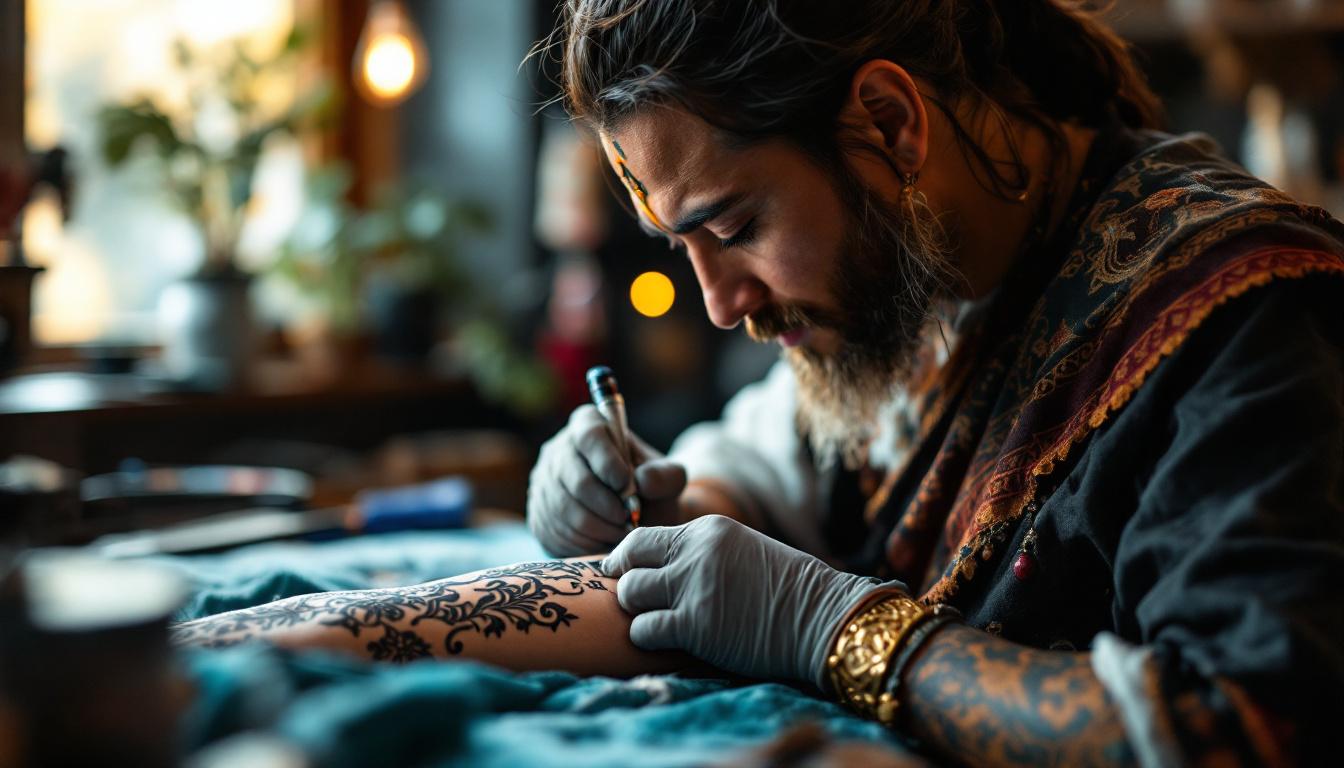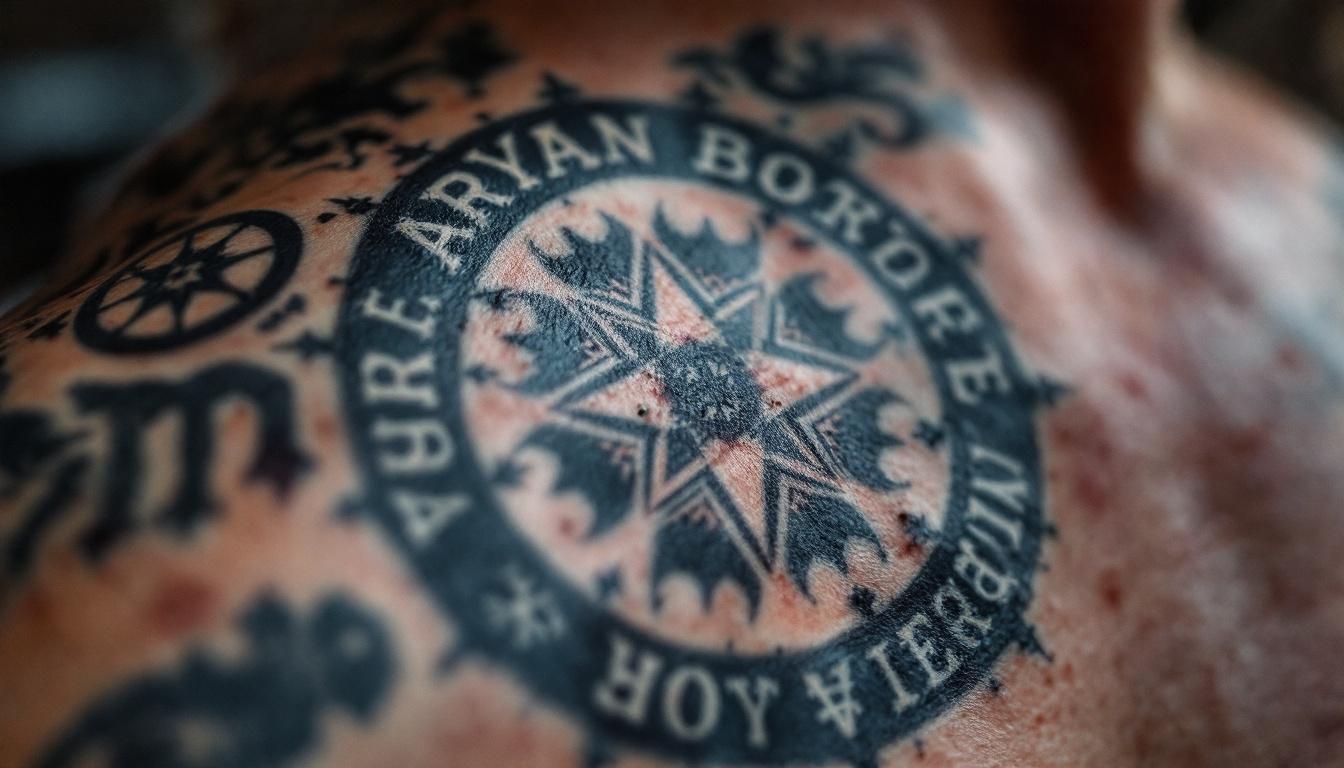
A notorious crew of inmates, a flash of ink in the cell block, and a whole lot of symbolism — the world of prison gang tattoos has more layers than a Philly Philly cheesesteak. When a guy steps into a correctional facility sporting a certain mark on his skin, it might be more than just a fashion statement. It's a signal, a secret handshake without words, and sometimes, the first clue to an inmate's affiliation and rank. Curious readers can even check out findings from the National Gang Crime Research Center to get a handle on how these visual codes serve as a lifeline to a subculture that operates in the margins.
The tattoo codes in U.S. prisons aren't just random doodles. In many instances, they embody years of tradition, coded language, and often, a dash of defiance, building on the intricate history of American prison tattoos. Their meaning spills over into the broader discussions of rehabilitation and reintegration into society. That's why understanding these symbols isn't just for the true crime buffs-it's key to cracking the behavioral psychology inside prisons.
The Art and Symbolism of Gang Tattoos in Prisons
Gang tattoos in the U.S. are a straight-up language of their own-one that's steeped in tradition and shrouded in mystery. Unlike flashy art on billboards, these designs serve both as identifiers and as a code among a tight-knit fraternity of convicts. Certain tattoos can signal rank, loyalty, territorial control, or even a personal story etched in skin.
Take a look at research conducted by the FBI National Gang Report from 2013, which highlights how specific symbols like “AB” for some groups or “13” for others become shorthand for someone's allegiance or standing. This symbolism even extends to numerical tattoos, where numbers like “666” are loaded with implications-representing power, defiance, or even menace within the cramped walls.
When inmates express their life stories through these images, it's rarely done on a whim. Each stroke and shape is carefully chosen to relay a silent message to anyone reading the mark. The language of these tattoos is complex, and while the specifics may only be fully decipherable by those within the circle, a deeper dive can reveal a broader cultural narrative.
Cracking the Code: How Tattoos Signal Gang Affiliation
Understanding prison tattoos requires knowing the context behind the ink. For some gangs, the tattoo is almost a badge of honor; for others, it's a mark that signifies a serious commitment to a lifestyle few can escape. Interestingly, a study revealed that about 61.8% of individuals obtained tattoos for gang affiliation, showing just how integral these markings are to establishing identity on the inside.
Many inmates are quick to pick up these signs without fully grasping their weight. Some assume that the tattoo only indicates membership, while in reality, it might also map out their role in the gang hierarchy. The design details-from fonts and numbers to symbols and images-work together to portray a story of loyalty, power, and sometimes even defiance. In a system where words are rarely enough, tattoos talk a louder language.
In some cases, tattoos also serve a dual purpose. They're meant to indicate to fellow inmates that the wearer is someone to be respected, feared, or even targeted. What might appear as art to an outsider often turns out to be a complex narrative of battles fought, territories defended, and allegiances cemented. This dual function makes the art both a personal memoir and a coded admission into a clandestine world.
The Impact of Tattoo Removal Programs on Reintegration
Removing gang tattoos isn't as simple as visiting a dermatologist. It's a process laden with emotional, cultural, and psychological hurdles. A majority of prison respondents-over two-thirds, according to the National Gang Crime Research Center-believe that a specialized "gang tattoo removal program" could be pivotal in helping inmates reintegrate into society.
The concept behind these programs is that brasher past markers can weigh down a person, even after they've paid their dues. Getting rid of the visual connection to gang life might open up opportunities that a heavily inked legacy would normally block. For many, it's not just about removing ink; it's about shedding an identity that ties them to a culture of violence and unrest.
This kind of program isn't merely cosmetic. It's a step toward offering inmates a clean break from the stigmas associated with their past misdeeds. By addressing the visual identifiers that potentially hinder their social acceptance post-incarceration, society gets a chance to see a changed individual beyond the grime of prison walls. The move is a smart blend of healthcare, rehabilitation, and criminal justice reform all rolled into one.
Technological Advances in Tattoo Identification
Technology has its way of seeping even into the murky intersections of prison life. Recent developments bring a modern twist to the age-old art of decoding tattoos. A groundbreaking study called "TattTRN: Template Reconstruction Network for Tattoo Retrieval" harnessed an unsupervised generative approach to build a database of over 28,000 semi-synthetic tattoo images, hitting as high as 99% accuracy in identifying tattoos.
This isn't just a nerdy tech fancy; it has practical implications for law enforcement, forensic investigations, and even countering gang activities. By analyzing these tattoos through advanced algorithms, agencies can trace back to gang affiliations and sometimes determine if a mark indicates a certain behavioral profile or history. With such high accuracy coming from state-of-the-art research, the future might enable quicker interventions and more tailored rehabilitation programs for gang-affiliated inmates.
The integration of this technology into forensic science continues to break ground and improve our understanding of the narratives that gang tattoos weave. It ultimately serves as a tool for more effective law enforcement, turning what was once only an art form into a piece of a larger puzzle in decoding criminal networks.
The Sociocultural Factors Behind Gang Tattoos
Beyond the technical and operational aspects, the sociocultural underpinnings of gang tattoos are just as compelling. They often stem from the need for identity and belonging in a system designed to strip individuals of personal recognition. Sociologist Roberto Briceño León explains that in some gangs-like the Venezuelan outfit Tren de Aragua-the tattoos are not heavily relied upon for identification. Instead, markers like the area of residence and prominent leadership figures carry more weight, as noted in reports by Yahoo News.
This distinction matters because it illustrates that while tattoos are common, they're not the total picture. In other scenarios, these markings evolve into full-blown identifiers that define an inmate's place within a larger, often very dangerous, cultural framework. The value placed on these tattoos differs across groups-sometimes carving out a narrative of struggle and defiance, and other times reinforcing the oppressive hierarchies of the inmate world.
Understanding the social layers behind these tattoos is crucial when it comes to interventions like tattoo removal programs. It's a symbol of how deep's a man's immersion within a gang can run, and tackling the issue involves tapping into these underlying sociocultural narratives. In many ways, the removal programs can be seen as a journey toward rewriting one's own story, one that encourages a break from a past marked not just on flesh but also in spirit.
The Role of Numerical and Symbolic Tattoos
Not all tattoos paint the same picture. Sometimes, a number or a combination of symbols can hold a universe of meaning. Numerical tattoos like "666" have garnered their own set of interpretations-often associated with evil intent or power dynamics within a prison setting. A 2024 study detailed in the Journal of the American Academy of Psychiatry and the Law highlights this, painting a picture of how certain numbers carry an aura that goes far beyond mere decoration.
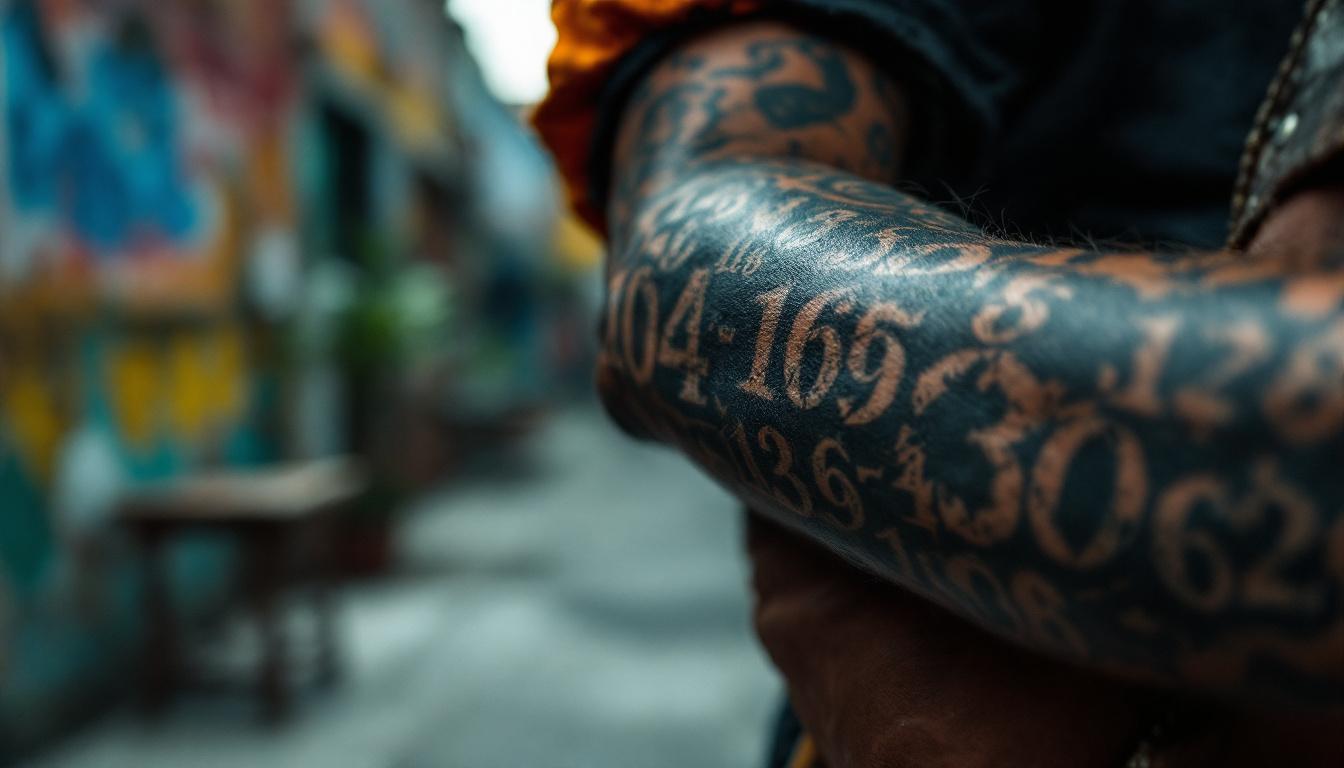
These numerical and symbolic tattoos often function as a shorthand. They compress a maze of social, cultural, and even spiritual meaning into one quick glance. Whether it's a way to claim a spot in the gang, signal readiness for conflict, or even ward off unwanted attention, each design is meticulously planned. The impact of these tattoos is multi-layered-affecting interpersonal interactions on the inside and influencing external perceptions once an inmate steps out of the shadow of incarceration.
This subtle communication is not only about creating borders in personal identity but also about establishing a sort of codified communication system among members. It's like an unspoken agreement that, once ink hits skin, a lifelong pact is sealed-at least until it's removed, if at all. Such tattoos, then, end up bearing the heavy burden of past affiliations and future intentions.
Implications for Law Enforcement and Society
Markings on a body can ignite debates not just in prisons, but in the halls of law enforcement and society at large. With reports indicating a vast network of gang affiliations-like the 33,000 active gangs in the U.S. comprising 1.4 million members-tattoos are not just a personal issue; they represent a public challenge in maintaining safety and order.
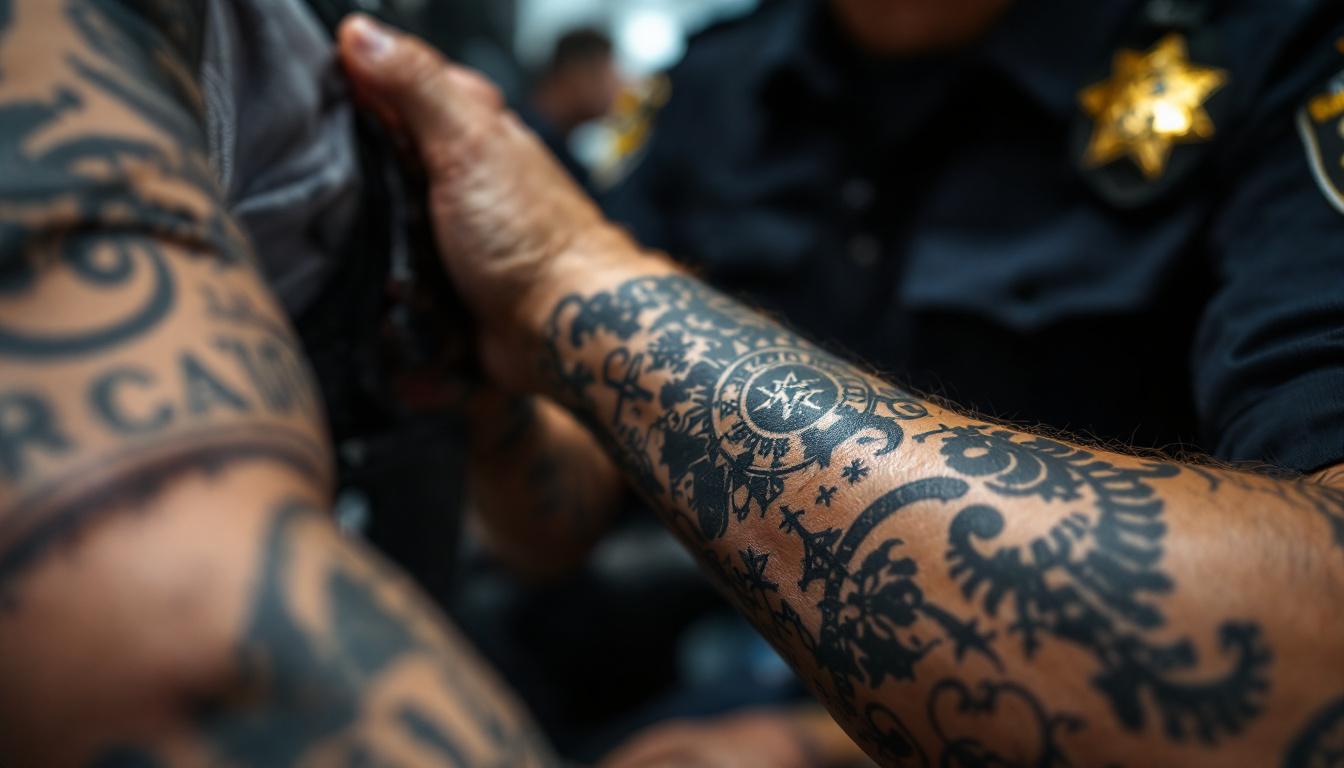
Law enforcement agencies often find themselves in a bind. On one side, there's the necessity of recognizing these tattoos as tools in understanding criminal behavior. On the other, there's the challenge of not alienating individuals who might be ready to break free from a violent past. The approach should be two-pronged-enforcing regulations while simultaneously offering paths toward redemption and change. Finding that balance is key to any successful intervention.
Society at large has a stake in how these issues are managed. When the ink on a convict's body is seen as a barrier to reintegration, it doesn't just affect the individual-it ripples outwards, impacting families, communities, and even the local economies plagued by recidivism. This is why rehabilitation efforts, including those targeting the removal of gang tattoos, are critical. They offer a chance to rewrite a narrative that might otherwise be locked in by visible symbols of past misdeeds.
Toward a Reformed Future: Rehabilitation and Transformation
The conversation about gang tattoos isn't complete without a look at rehabilitation and transformation. Every mark carries a story, and often, that story is written in the ink of hardship, affiliation, and sometimes regret. Correctional programs addressing tattoo removal stem from the belief that a man should be seen for who he is, not just what is inked on his skin.
A significant number of inmates believe that stripping away gang tattoos can be a literal and metaphorical clean break from a life of violence and retribution. Correctional facilities are increasingly considering such programs as part of rehabilitation, aligning with principles that aim to start fresh. It's a brave move-acknowledging that the physical marks of one's past shouldn't be obstacles to a future of promise.
This shift in approach is more than a cosmetic change. It's a cultural reset. It changes public perception and helps inmates see that society can be forgiving. Interventions like these speak to a broader belief in second chances, and they're indicative of a progressive criminal justice system that strives for reform over retribution.
Looking Ahead: The Future of Gang Tattoos in Prisons
There's a sense of inevitability in the evolution of prison gang tattoos. More technology, deeper integration of psychological studies, and a growing emphasis on rehabilitation are reshaping the landscape. With technological breakthroughs like the generative models used in the TattTRN study, our capacity to understand and interpret these displays of affiliation is expanding rapidly.
In the end, whether a tattoo symbolizes defiance, identity, or a relic of a troubled past, it commands respect as part of the broader dialogue within the criminal justice system. The future might hold more precise methods to decode and even neutralize the negative aspects of such identifiers. For society, it's a balancing act between preserving an individual's right to self-expression and mitigating the implications of these markings on public safety.
Moving forward, conversations surrounding gang tattoos are expected to intertwine even more tightly with debates on mental health, rehabilitation, and community reintegration. With continued research and evolving law enforcement strategies, the enigma of prison ink might eventually reveal its best route-a path toward understanding, reform, and ultimately, transformation.
Closing Thoughts: Ink, Identity, and the Road to Redemption
The tale of prison gang tattoos is one of layered meanings, societal implications, and technological breakthroughs. These markings serve as a stark reminder that behind every tattoo is a story-one of survival, affiliation, and in some cases, the hope for redemption. In a system where a fleeting image on skin can define a life, the push for tattoo removal programs highlights an important truth: real transformation starts with shedding symbols that anchor one to a troubled past.
While the ink may run deep, the idea is not to erase history but to allow for a clean slate. A shift toward embracing rehabilitation measures offers inmates a chance to define themselves anew, free from the perpetual labels tattooed upon them. In the gritty reality of prison life, each removed mark is a step toward reclaiming dignity and forging a future built on fresh opportunities.
The journey of understanding gang tattoos is as complex as the individuals who wear them. As the conversation evolves, it's critical to balance the nuanced reality of symbolic expression with the pressing need for societal progress. When ink finally fades away, the hope is that the story penned on a man's heart and mind remains one of resilience and possibility.
Empower Your Tattoo Studio with Apprentice
As we reflect on the profound narratives behind prison gang tattoos, it's clear that every inked story deserves a canvas crafted with care and expertise. Apprentice is here to empower your tattoo studio to create such stories with precision and efficiency. By starting your free trial with Apprentice, you can harness the power of our advanced scheduling, AI-driven design tools, and streamlined client management. Transform the way you operate and become a part of your clients' journey towards self-expression and identity. Start your free trial today and redefine the art of tattooing.

Jason Howie
Founder & CEO
Jason Howie is the founder of Apprentice, passionate about empowering tattoo artists and shops with better tools to manage their business and serve their clients.