Tattoo Meanings 18 min read

Aryan Brotherhood Tattoos: Symbols, Meanings, and What to Know

Discover the meaning behind Aryan Brotherhood tattoos, their symbols, and significance.

Jason Howie
Jason Howie

Founder & CEO

Understanding Aryan Brotherhood Tattoos: Symbols and Meanings

Understanding Aryan Brotherhood Tattoos: Symbols and Meanings

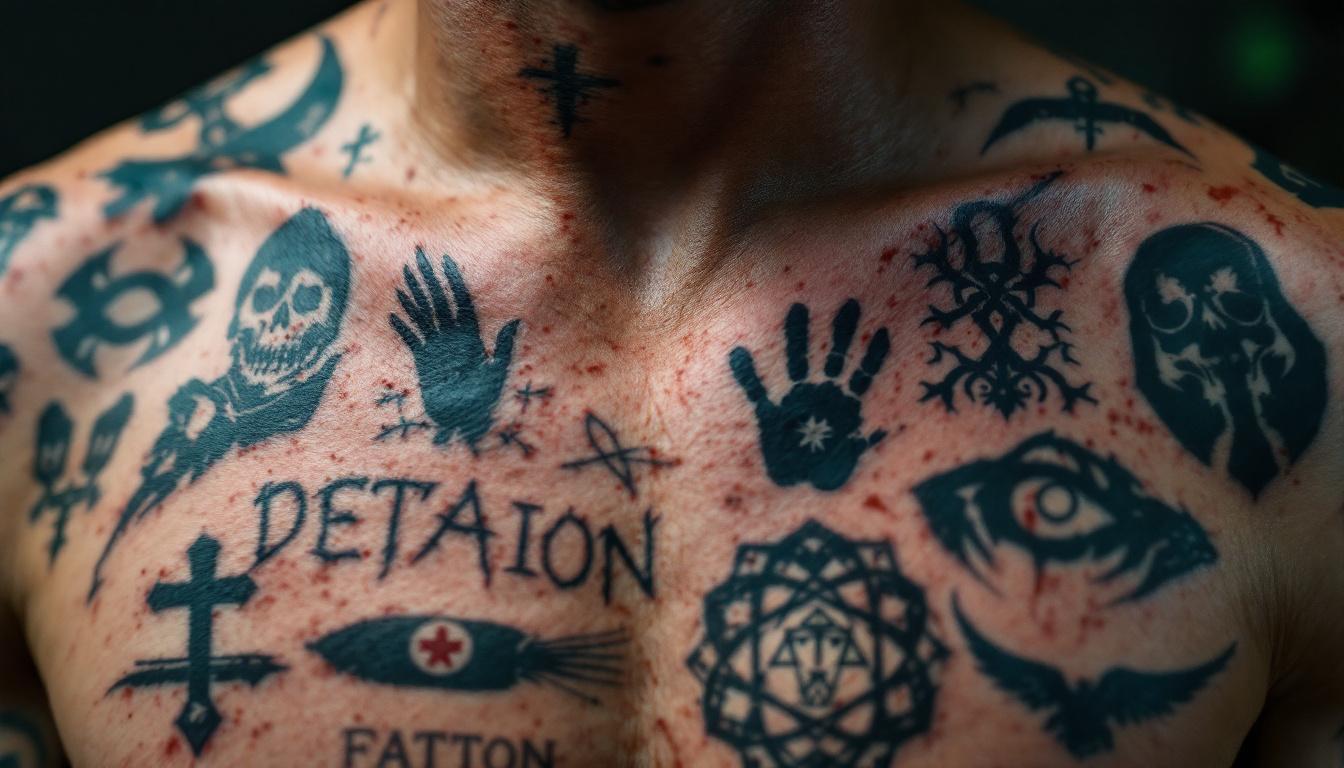
A chill vibe sets in when you start reading about the notorious symbols seen on the arms of inmates behind bars. These tattoos are more than just ink on skin; they tell stories of loyalty, heritage, and grim ideology that can change a life in an instant. Countless eyes have seen these marks, from shamrocks tangled with swastikas to numbers like 666 etched into flesh. Discovering what they mean goes deeper than surface-level observation. In this ride, every mark comes loaded with history and a dark significance that only insiders understand. For instance, a Police Magazine article lays out how the tattoos become identifications within the prison system (Police Magazine).

Breaking down these symbols in a way that’s straightforward is no small feat, especially when things get raw and a bit violent. The Aryan Brotherhood might be only 1% of the U.S. prison population according to police stats, yet these members are behind 18% of all murders in federal prisons (Police Magazine). That stark juxtaposition makes you pause and wonder how much weight is behind each drawn line.

The Dark World of Inmate Symbols

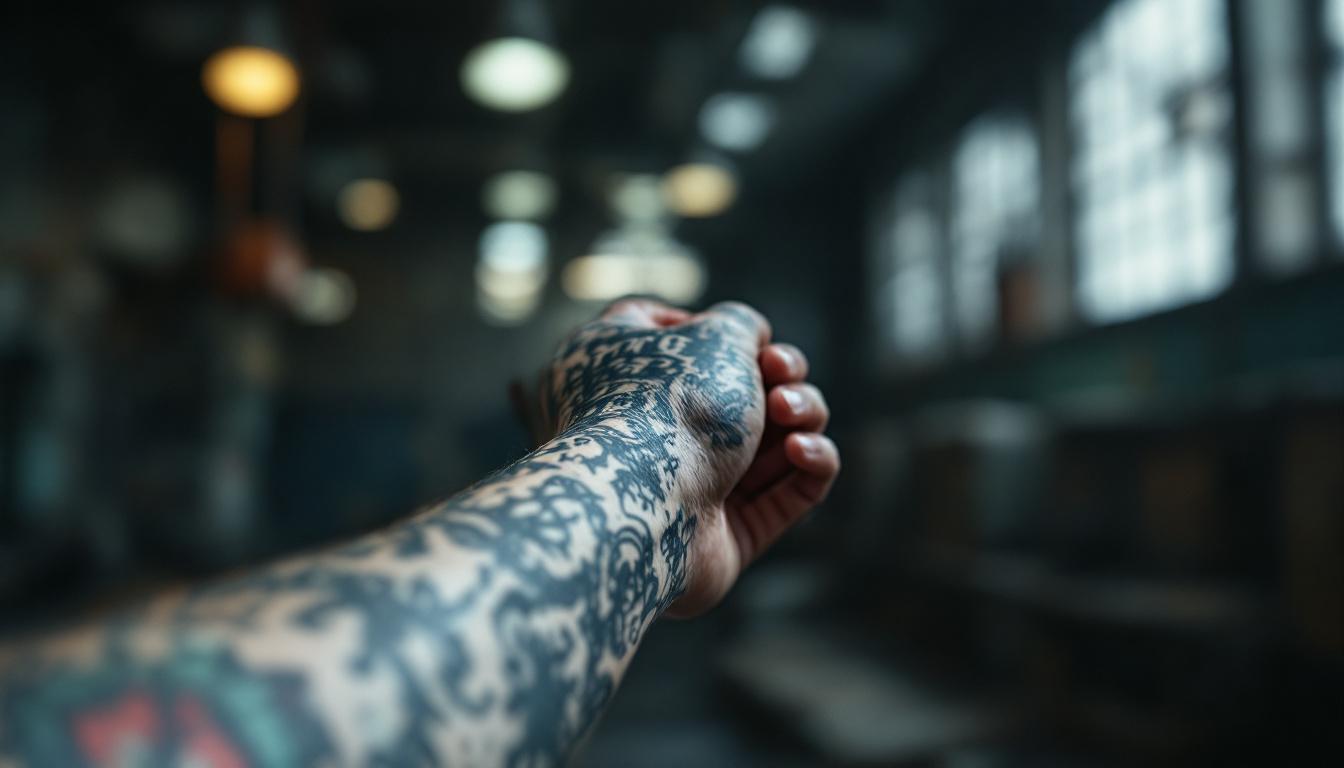
Tattooed symbols in prison tell stories that run deep down the corridors of power and fraught allegiances. These aren’t just rebellious doodles on an arm; they are badges of honor and statements of indelible bond. The ink on skin isn’t temporary – it's forever, much like the words “blood in, blood out” mean to the brotherhood. In essence, joining the Aryan Brotherhood means a lifetime commitment where only death can be an exit strategy (Britannica).

Section Image

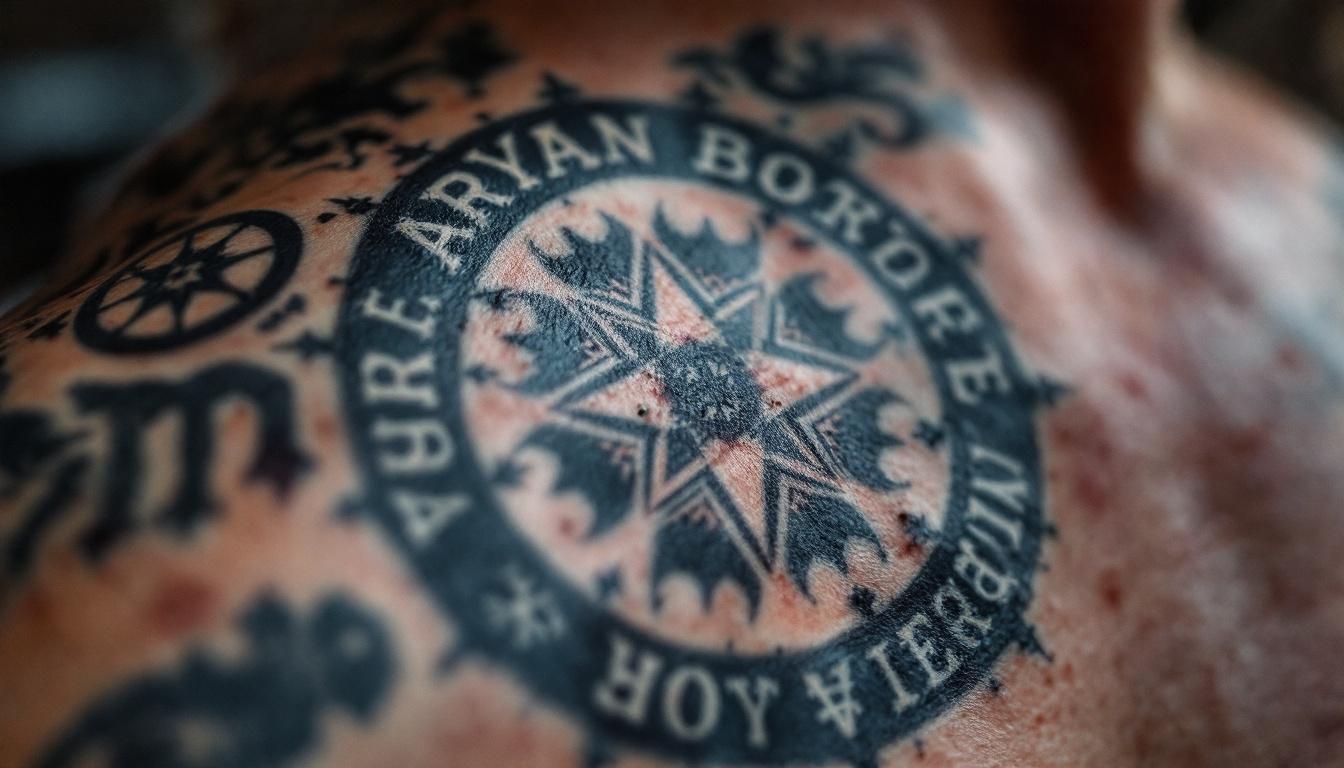
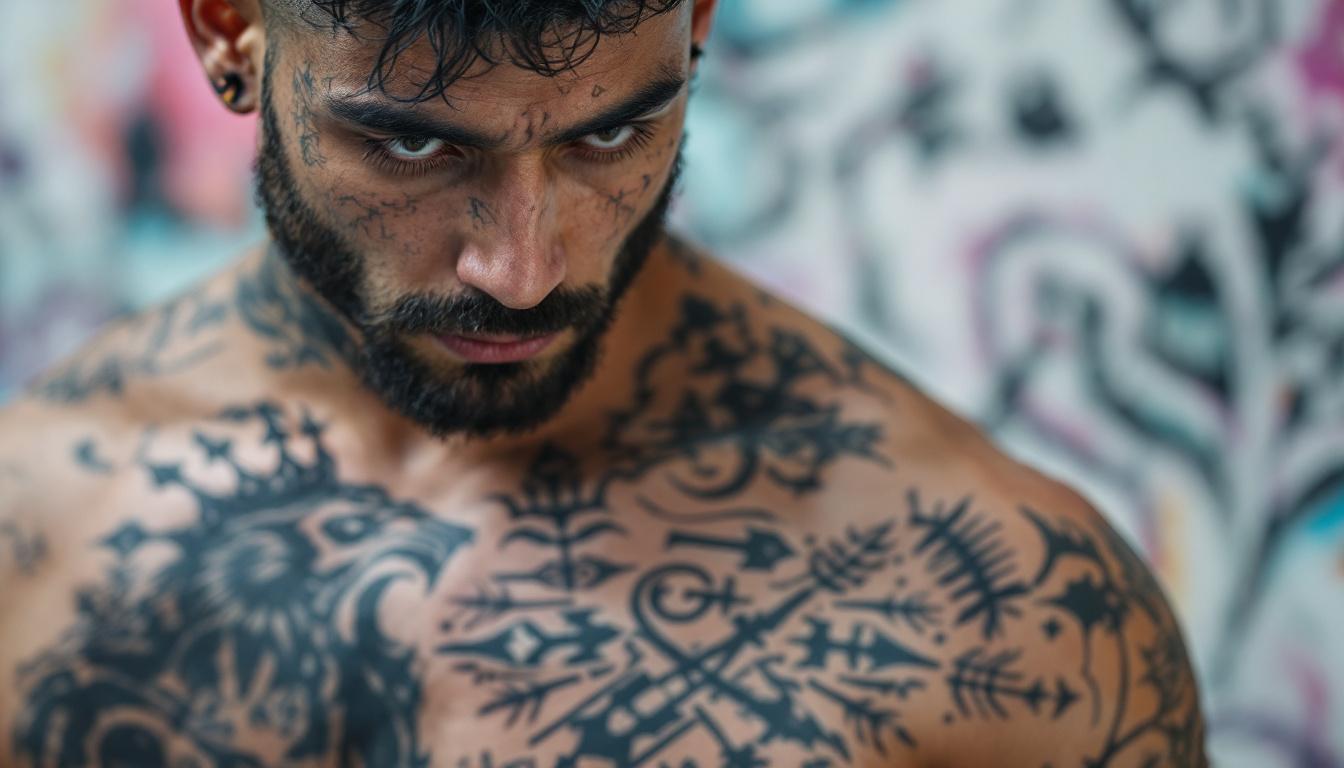
The practice of getting these tattoos spans decades, ingraining themselves in the fabric of the prison’s underground culture. Early adopters of this tradition chose symbols that could speak volumes without uttering a word. With a mix of Irish shamrocks and swastikas, for instance, the tattoos carry a strange balance between heritage and hate. Some say that the Irish shamrock tattoo marks the group's origins and claims their history, while the accompanying swastika roots the symbol in a broader narrative of racial and extremist ideologies.

What Do These Symbols Mean?

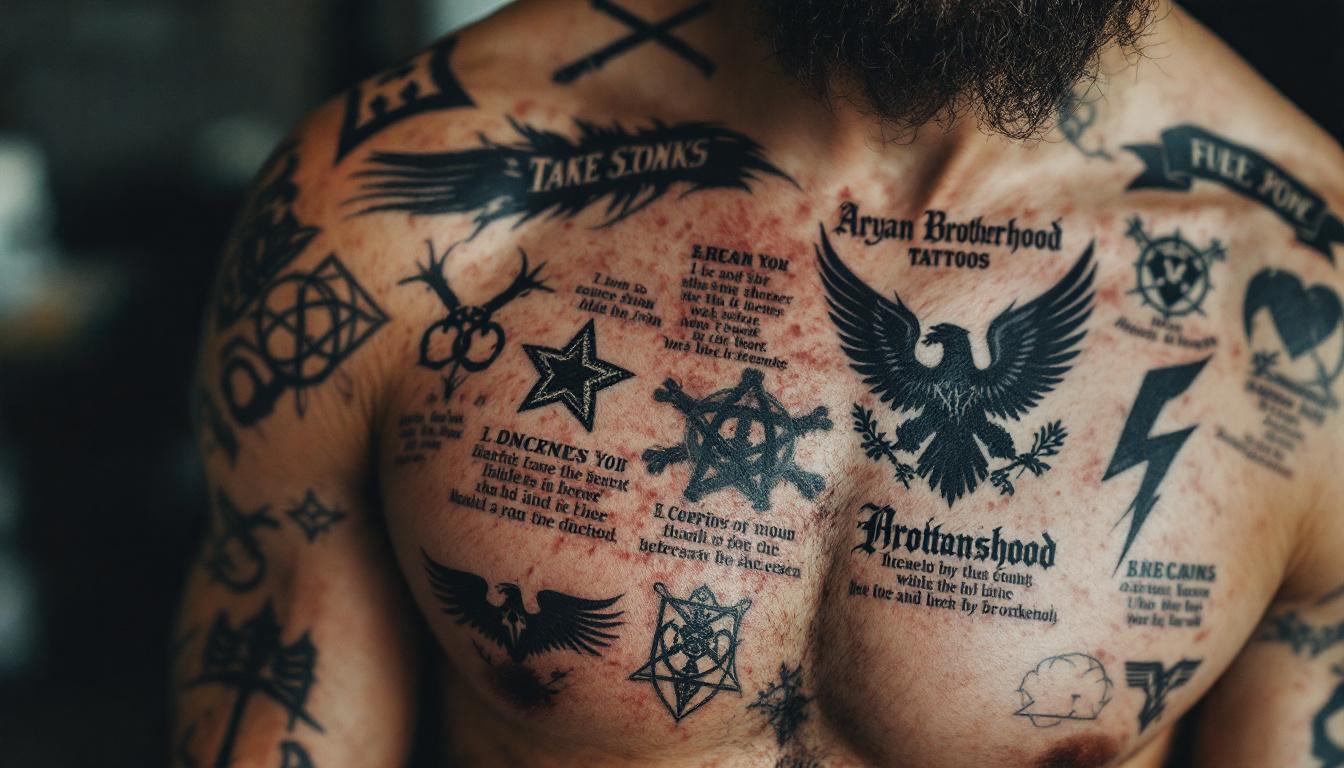
If you break down the components found in the tattoos, you start to see a mosaic of symbols each with its own meaning. Understanding these symbols provides insight into the dynamics of the prison system and the way membership is branded for life. Let's start with the most infamous character: 666. This number is steeped in connotations of the demonic and sinister, often spoken of as “the number of the Beast.” This specific numeric tattoo isn’t casually chosen; rather, it signifies an affirmation of evil intent and a claim to power and authority within a brutal world (Journal of the American Academy of Psychiatry and the Law).
Section Image

Then there’s the undeniably stark imagery of the swastika combined with Celtic details, showcasing not only the group’s racist underpinnings but also an ironic connection to past European histories. This blend is intentional and calculated. The imagery isn’t picked on a whim – as each mark tells a tale of defiant nonconformity and the extremist roots of the organization. Tattoos act as a permanent declaration of allegiance and a physical marker of membership in one of the most notorious racist prison gangs in U.S. history.

Adding to the complexity, some tattoos also feature SS lightning bolts alongside the Celtic imagery. These bolts are visual shorthand for war and violence, further cementing their placement in the violent hierarchy inside prisons. The symbolism of these tattoos is not just symbolic but also strategic, serving as a constant reminder of the unforgiving backup that comes with the Brotherhood's brand.

Blood in, Blood Out: The Lifetime Vow

The motto “blood in, blood out” isn’t just some throwaway phrase; it’s a solemn vow that defines every action, every ritual in the Aryan Brotherhood. Once a person’s inked with the marks of the gang, there's an enduring message on their skin: you’re in for life, and there’s no clean exit. This hardcore commitment seals bonds among members and sets boundaries that are virtually impossible to cross (Britannica).

This idea carries weight in a world where power plays matter and trust is gated by loyalty oaths. The tattoos aren’t just visual; they’re statements of belonging and identifiers within an infamous network. This priority on unwavering allegiance explains why some who wish to leave the gang must face death rather than a reformation of their past. It’s a call to arms, a silent agreement that only eternal enforceability can set one free, thus making it nearly impossible for members to step away from their past deeds.

The symbolism behind this commitment reveals itself every time one of these marks is spotted. It reminds everyone of the severe consequences of deviating from these unbreakable vows. For members, the tattoos are like a constant whisper of the shared commitment-a life sentence written in ink on their skin.

How Tattoos Serve as Identifiers Inside Prisons

Within prison corridors, appearances matter more than ever. Tattoos become an essential part of an inmate’s identity, acting as both badges of trustworthiness (or notoriety) and warning flags to outsiders. They command respect in a place where reputation can be as valuable as currency. Authorities and fellow inmates alike know to steer clear or approach with caution when they see these marks.

In this environment, Aryan Brotherhood tattoos are like business cards that spill the story of where a person stands. Every symbol, whether a shamrock or a swastika, speaks a language that’s understood by almost everyone across the prison bars. This method of non-verbal communication is harsh, direct, and leaves absolutely no room for error. Each design is a chapter in a life story defined by violence and survival.

It isn’t uncommon to see these tattoos used to demarcate territory and enforce internal rules. The very act of tattooing messages like a swastika or the number 666 isn’t just artistic-it’s a bold declaration that warns those who may consider crossing someone’s path. This direct message translates into real power and control, confirming their presence and marking their territory effectively.

The Symbolism Behind the Irish Shamrock

The Irish shamrock might seem out of place paired with hate-symbols and brutal imagery, but it plays a major role in these tattoos. The shamrock signifies origins and ties to the past, hinting at the history some members draw from. Many believe that the use of this symbol is a nod to the group’s Irish roots. This connection to heritage, however, gets twisted over time into something darker and more extreme, aligning with the overall rejection of society’s norms.

The incorporation of a shamrock is more than a random act of appropriation. It is a deliberate merge of cultural symbolism with a broader agenda of hate. In a setting where every detail counts, such details are harnessed to identify who you are and where you come from. The shamrock is a constant reminder of the makeup of the gang, a heritage that is exploited to enforce a particular mindset and at times, even to instill fear.

As much as the symbol might hint at a quieter, more traditional past, its new association has turned what was once a sign of luck and cultural pride into a wrenching emblem of violence and prejudice-a transformation that reflects the drastic pathways these groups can take.

Tattoos and the Culture of Violence Inside the System

The presence of these tattoos is a reflection of the violent environment that prisons have evolved into. Their designs aren’t just aesthetic choices; they’re carefully curated signals intended to inspire fear, unity, and respect among peers. When someone is inked with a symbol like the number 666 or a meticulously drawn swastika, it’s like the system is writing a warning in bold red letters: cross us, and you'll pay the price.

In examining the harsh statistics, one startling figure stands out-although the Aryan Brotherhood makes up less than 1% of the prison population, they are held responsible for about 20% of all murders inside U.S. prisons (Corrections1). In a setting where survival depends on fierce loyalty and the reputation of violence, tattoos play a crucial role in drawing the line between friend and foe.

Every mark serves as both a tool for internal demarcation and as a psychological weapon against potential threats. They provide the wearer with an almost tangible sense of belonging to a formidable network-one that has shown time and again that it operates by its own brutal code of honor. The tattoos are not just emblems; they are bargaining chips in a deadly game where trust is fleeting and betrayal can come in a heartbeat.

Tattoo Culture and the Wider Social Impact

The discussion around these tattoos doesn’t just stay confined to prison walls; it spills over into broader society. The sight of these marks carries connotations of systemic issues, unfettered violence, and long-lasting socio-political conflicts. For some, these tattoos are a grim reminder of the entrenched extremism that plagues certain segments of society. For others, they are potent symbols that reflect how deeply ideology can be etched into one’s identity.

When the Anti-Defamation League designated the Aryan Brotherhood of Texas as a hate group back in 2020 (ADL), it was a confirmation of what many have long suspected-that these symbols don’t exist in a vacuum. They are enmeshed with a history of racism and violence that has socio-political ramifications.

Critics argue that these tattoos symbolize more than personal journeys of betrayal and loyalty. They represent the persistence of extremist views and the struggle between reformation and entrenched criminality. In a way, each design is a reflection of the society that gave birth to such secretive organizations-one where the lines between right and wrong become hazy in the glare of survival and institutional power.

The Role of Tattoos in Shaping Prison Hierarchies

In the rigid power structures of the prison world, tattoos serve as markers of status and allegiance. These aren’t simply random images slapped on with little thought; they are carefully selected signatures that indicate a person’s role, the territories they control, and their lifetime commitment to a dangerous brotherhood. The usage of tattoos here is as much about survival as it is about identity.

Hierarchies inside prisons are unyielding, and the ink etched on skin plays a silent but effective role in maintaining those orders. For instance, knowing that a member bears a tattoo like 666 or a combination of hatred symbols can instantly position them within a specific segment of the group. It’s like a coded language where everyone understands where everyone stands. This dynamic ensures that respect is earned through not only fear but also through an almost ritualistic adherence to tradition and power.

Beyond personal identity, these tattoos also carry implications for the entire gang’s influence. They amplify the aura of invincibility-projecting an image that’s hard to ignore-and empower members to act with an inherent sense of immunity from the rules that bind regular inmates. The visual presence of these symbols in overwhelming numbers sends a clear message to anyone planning to meddle with the established order.

The Evolution of Symbolism in a Modern Age

Times change, but some symbols remain a constant force in the world of organized crime and extremist subcultures. While the basic elements of the Aryan Brotherhood tattoos have retained their caustic meanings over the decades, the style, placement, and even the medium have evolved. New technologies and modern methods of tattooing ensure that these symbols stay as vivid and impactful as ever.

Modern inmates have access to a wide variety of designs that can be layered with meaning. As the narrative around these tattoos grows, so does the debate over their place in a society that is wrestling with its own identity. Social media and digital archives have aided in the widespread dissemination of these images. This evolution isn’t just about aesthetics-it’s about a reaffirmation of old ideologies in a new digital age.

Yet underlying the modern twists is an unchanging core message that binds every design together: an unwavering commitment to a brutal and unforgiving way of life. Whether it’s an ancient shamrock or demonic numerals, the symbols continue to define a renegade existence that refuses to fade quietly into the background. The transformation of these tattoos over time is a direct testament to the enduring nature of the beliefs they represent.

The Impact of Hate Group Designation on Tattoo Culture

The world of hate symbols isn’t static. When authorities label groups like the Aryan Brotherhood as hate groups, it shuffles perceptions and amplifies the narrative surrounding their tattoos. For instance, the Anti-Defamation League’s decision to designate the Aryan Brotherhood of Texas as a hate group has had ripple effects on how these symbols are viewed both inside and outside of prison (ADL). This is more than just a name or a tag-it is a public acknowledgment of the inherent danger and hatred encoded in these symbols.

This official recognition enforces the idea that these tattoos aren’t benign. They act as potent reminders of extremist ideologies that have real-world implications. Being marked with such symbols means more than a personal badge; it becomes a permanent signal not only to other inmates but also to the wider community that the person is linked to a network of violent extremism. Such labels further complicate the possibility of reform and add permanent scars that can impede efforts for rehabilitation.

In many cases, the hate group designation has spurred debates about freedom of expression versus the need for accountability. While some argue that tattoos are merely personal expressions, the collective impact of these symbols, combined with their associated violent histories, makes a strong case for the necessity of oversight and intervention. The repercussions are real, and they shape attitudes not just toward the individuals wearing these marks but toward everything the organization stands for.

What the Future Holds for These Inked Symbols

Looking ahead, there’s a lot to be said about how Aryan Brotherhood tattoos might adapt, evolve, or even lose their hold as institutions and ideals change. The future remains uncertain, but one thing is clear: these tattoos still wield undeniable power in the realms of prison culture and extremist ideology. With shifting laws, digital influence, and emerging rehabilitation practices, the narrative surrounding these symbols may be challenged in unexpected ways.

As authorities, activists, and even former members spotlight these symbols, there’s growing pressure to understand and counter the underlying ideologies they represent. Yet, for many entrenched in the old ways, the tattoos stand as a bridge between a past ruled by violence and a future that clings to that legacy. They are a stark reminder that some marks are far too potent to simply be erased with time. Even as discussions around gang rehabilitation and prison reform grow louder, the historical and cultural significance of these tattoos endures.

The evolving nature of these symbols may well mirror larger societal shifts. As advocacy grows and more voices call for change, there’s potential for a redefinition of what these marks mean. Whether through legal changes, increased public scrutiny, or cultural shifts within prison communities, the ink etched on skin today is likely to spark debates for decades to come.

The Enduring Legacy of a Controversial Marker

Tattoos in the context of the Aryan Brotherhood encapsulate a legacy that is as controversial as it is permanent. They are the silent storytellers of fierce loyalty, extreme ideology, and unyielding commitment, all while under the constant shadow of violence. Each symbol, whether it’s a number, a shamrock, or a swastika, carries within it layers of history and the unequivocal statement of belonging to a radicalized, dangerous subculture.

The stark numbers speak volumes-inmates making up less than 1% of the prison population are tied to nearly 20% of all murders inside these facilities (Corrections1). In this environment, every mark is a whisper of defiance and allegiance to a brutal hierarchy. These tattoos, imprinted forever, serve not only as personal identifiers but also as marks that bind a community with a code of blood and loyalty.

As society grapples with the legacies left by such extremist groups, the conversation around these symbols remains a potent mix of cultural reflection and urgent concern. Their persistent presence forces an acknowledgment of a harsh reality where identity and violence are written in indelible ink. While these marks continue to provoke shock, fear, and debate, they remain a stark marker of a world that refuses to let go of its violent past.

The Broader Picture: Society and the Tattooed Identity

Beyond the grim narratives and the controversy lie questions that challenge the very fabric of society. How do marks of extremism transition from being mere identifiers of criminality to becoming cultural icons or warnings for future generations? The answer might not be clear-cut, but the reality is that these symbols touch on deep societal fears and anxieties concerning identity, loyalty, and hate.

Many reform advocates argue that understanding the complex history of these tattoos can help dismantle the cycles of violence and extremism prevalent within the prison system. While tattoos in themselves do little to change a man’s destiny, the stories behind them certainly influence perceptions within and outside the penitentiary walls. Every image is a narrative-a tale of a man who chose a perilous path, bound by codes and signals that continue to echo in the corridors of confinement.

The continuous display of these markers forces society to confront uncomfortable truths about the relationship between identity and violence, between heritage and hate. Future reforms, community interventions, and even debates about freedom of expression will likely all intersect with the lasting legacy of these tattoos. This saga, complicated by the raw reality of prison life and extremist ideologies, paints a picture that is as informative as it is unsettling.

Wrapping It Up with a Real Talk

In the gritty world where these images speak louder than words, the story behind Aryan Brotherhood tattoos runs deeper than the ink itself. Every bold line and stark numeral is a badge of defiance and a mark of lifelong allegiance. The intricate dance between heritage, ideology, and brutality creates a visual language that demands attention and respect-for all the wrong reasons.

These tattoos, entrenched in history and explosive in meaning, remain a visceral reminder of a group whose numbers might be small, but whose impact is outsized. They are woven into the very fabric of a violent system that thrives on silence, symbolism, and the calculated use of imagery to command power. As long as these markings exist, they will continue to spark debates, fear, and undeniable curiosity about the entwined paths of loyalty and hate.

The conversation isn’t over anytime soon. There’s a raw, unfiltered slice of reality behind every symbol-a reality that continues to inform the present and, undoubtedly, the future. The intensity of these images and their undying legacy is a story that belongs not just to those behind bars, but to everyone forced to reckon with the echoes of a violent past. With every glance, every shiver running down the spine, the tattoos remind the world that some marks are too potent to ever truly fade away (ADL).

Transform Your Tattoo Studio with Apprentice

While the world of tattoos can be complex and filled with hidden meanings, managing your tattoo studio doesn't have to be. With Apprentice, you can simplify your operations and focus on the art that defines you. Our platform is designed to help you navigate the intricacies of appointment scheduling, client management, and design processes with ease. Whether you're looking to leave a lasting impression on your clients or streamline your studio's workflow, Apprentice is your partner in success. Start your free trial today and take the first step towards a more efficient, creative, and profitable tattoo business.

Jason Howie

Jason Howie

Founder & CEO

Jason Howie is the founder of Apprentice, passionate about empowering tattoo artists and shops with better tools to manage their business and serve their clients.
Related Articles