Tattoo History 18 min read

Exploring the Tebori Tradition: The Art and History of Japanese Hand-Poked Tattoos

Discover the rich history and artistry of Tebori tradition—Japanese hand-poked tattoos.

Jason Howie
Jason Howie

Founder & CEO

Exploring the Tebori Tradition: The Art and History of Japanese Hand-Poked Tattoos

Exploring the Tebori Tradition: The Art and History of Japanese Hand-Poked Tattoos

A gritty alleyway in Tokyo might hide a tebori studio where ink meets skin in a slow, soulful dance-a scene that breaks away from the sanitized world of machine tattoos. This isn’t your average flash; it’s an immersive tradition that reverberates with history and artistic authenticity. For many, tebori is the real deal, a secretive craft that has been passed down through generations and is now making waves worldwide. Dive into this world to see how culture, art, and a rich past converge on a canvas of skin. Check out the rising interest in Japanese tattoo culture like the statistic that nearly 1.4 million adults sport tattoos today, according to Japan Times.

Unearthing the Roots of Tebori

The story of tebori is interwoven with Japan’s vibrant history-a tradition where every mark on the skin tells a tale. These hand-poked tattoos, deeply connected with Japan's Edo period, have been a symbol of status, rebellion, and artistic excellence. The manual technique stands in stark contrast to the mechanized tattooing processes most folks are used to these days.

Walking the old streets of Japan, one might still catch whispers of these ancient practices. The art, once hidden away, has been carefully nurtured by masters who believe in maintaining purity in every poke. Historic techniques and meticulous detail define the process, making it more like painting rather than placing an image on skin.

Modern critics and enthusiasts alike appreciate tebori for its slow pace and detailed precision. As tattoo artist Kian "Horisumi" Forreal puts it, tebori remains "a very secretive world," guarded closely by those who practice it with a reverence that few other art forms command. This respect for the old ways only adds to its allure.

The Craftsmanship Behind Every Stroke

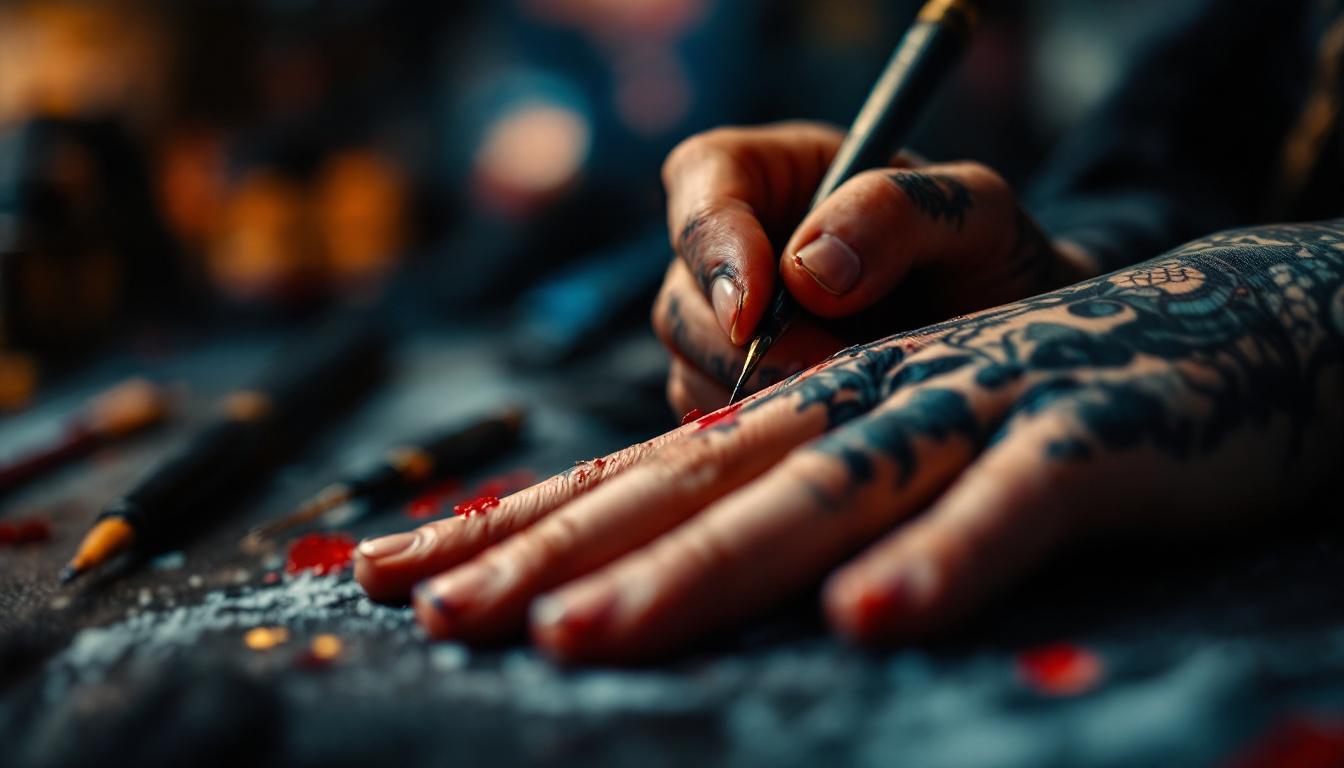
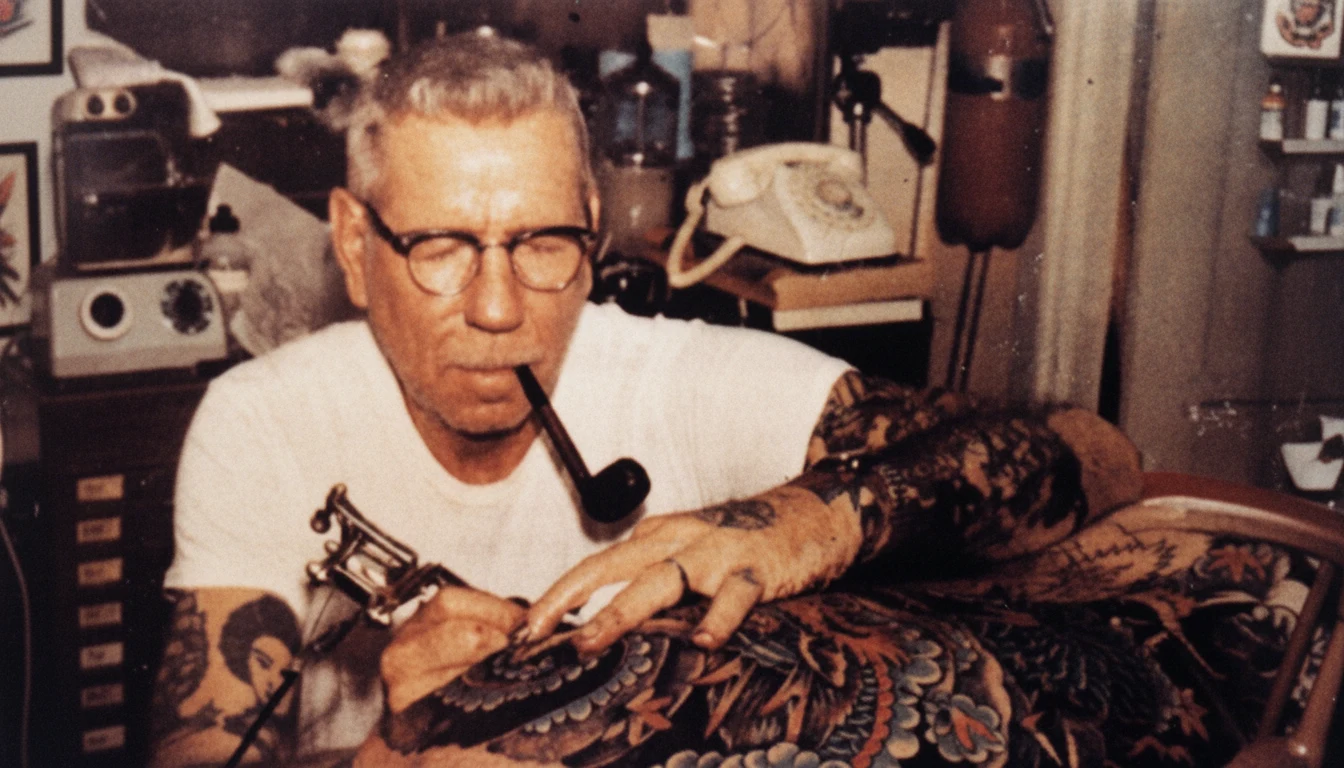
There’s something raw and unfiltered about the way a tebori artist works-the method is as much about the process as it is about the final design. This traditional practice uses needles bound to a wooden tube, allowing the artist a level of control and finesse that machines just can’t match. The human touch in every stroke tells a unique story that no two tattoos can replicate.

Section Image

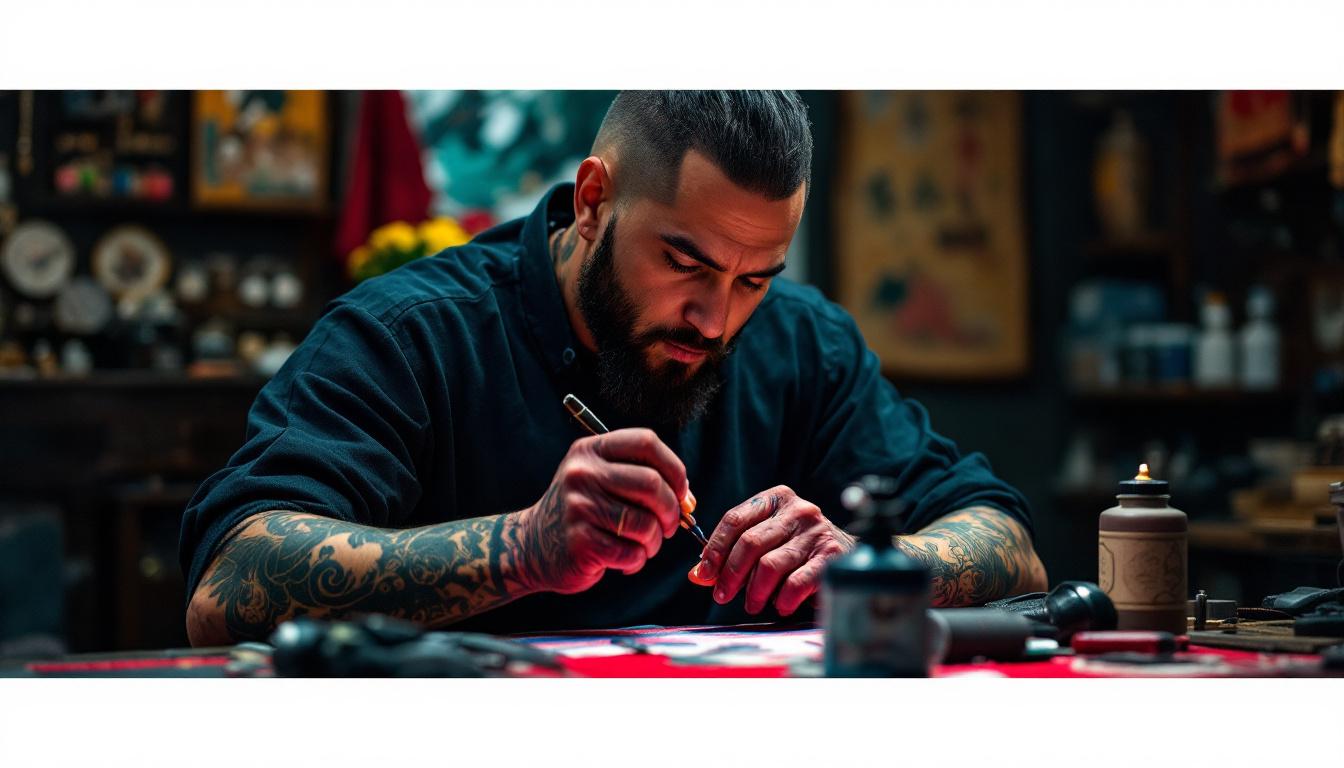
Artists describe the process as almost meditative. Working slowly, deliberately, and with a kind of patient grit, the tebori method requires both physical stamina and creative passion. As tattoo artist Horitaka insightfully remarks, tebori is “a much slower tattooing method, so it takes much more time... it's very subtle, it's very quiet.” This meditative rhythm is what draws many enthusiasts toward the hand-poked method, seeking an experience that feels significant and personalized.

Additionally, using traditional tools, tebori embodies a blend of art and ritual. Each session with a master craftsman can last for hours, reflecting an intimate collaboration between the artist and the client. The slow process is a stark reminder of the "old ways" in an era where everything is fast-paced.

In a society known for its strict social guidelines and deep-rooted traditions, the acceptance of tattoos has historically been a controversial issue. However, recent shifts have seen a softening stance towards these inking practices. In a landmark decision in 2020, Japan’s Supreme Court ruled that tattooing could be performed by individuals other than licensed medical professionals. This ruling marked a seismic shift in legal perspectives on tattooing and opened the door for traditional practices like tebori to gain wider acceptance.

The decision not only transformed how tattooing is regulated but also validated the cultural artistry embedded in tebori. It signified a move away from viewing tattoos merely as rebellious expressions towards understanding them as a part of Japan’s cultural heritage. This legal evolution has empowered both tattoo artists and enthusiasts, allowing more room for experimentation and celebration of traditional art.

This trend is also visible in the growing acceptance among younger generations. Recent insights reported in August 2025 by Japan Times indicate that younger folks are increasingly embracing tattoos, challenging age-old taboos and redefining what it means to wear art on one’s skin. The modern generation is not just inked-they’re statement-makers carrying forward a legacy ingrained in Japan’s history.

The Global Irezumi Market and Its Resurgence

Market trends reveal that the appreciation for traditional tattoos isn’t confined to Japan alone. A detailed 2025 report found significant growth in the global market for Irezumi tattoos, a category that sees a resurgence due to its deep cultural roots and unique artistic expression. This resurgence is driven by a collective yearning for authenticity-a desire that cannot be satisfied by mass-produced imagery.

Industry insiders and market analysts alike have noted a marked appreciation for the individuality and artisanal quality of tebori tattoos. They emphasize that the authenticity rendered by hand-poking techniques provides a distinctive charm that machine tattooing simply cannot offer. This appreciation spans across continents, as cultures around the globe begin to look towards Japan for inspiration and genuine artistry.

With technological advancements merging with traditional practices, the market for Irezumi tattoos has evolved into a dynamic blend of past and present. Studies suggest that the growth in this niche market reflects a broader shift towards valuing handmade authenticity over the fast-paced, digital production of art. Detailed industry analyses, such as those from STATS N DATA, confirm that this global trend is reshaping perceptions and expectations of tattoo art.

Modern Interpretations and Artistic Freedom

The modern tattoo scene in Japan is far from static. The tebori tradition continues to influence contemporary art, with newer generations reinterpreting its core elements while remaining respectful of the heritage. In today’s creative circles, both emerging and established artists incorporate elements of tebori into their designs, retaining the essence of the craft while also pushing its boundaries.

This artistic freedom is partly fueled by the growing body of tattoo enthusiasts who see hand-poked tattoos as a medium for personal storytelling. The art of tebori transcends aesthetics-it becomes a personal manifesto, a narrative etched in skin. Here, tradition is not a chain but rather a foundation upon which entirely new expressions of art can be built.

Communities of tattoo lovers have increasingly embraced these cultural symbols, celebrating the unique character each tebori piece brings. Artists often host exhibitions and live tattooing sessions that serve both as art shows and as cultural events, merging social interaction with ancient rituals.

Deep Dive: The Tebori Process and Its Intricacies

The meticulous application of tebori is an art in itself. It requires an unparalleled level of skill and concentration. Unlike machine tattooing, where speed can sometimes take precedence, tebori demands that every poke is deliberate and measured. The process is much slower, but the outcome is a richly detailed masterpiece that carries with it an unmistakable aura of tradition and craft.

The tools used in tebori are as traditional as the methods. An assortment of hand tools, sharpened needles, and wooden handles come together to form a set of instruments that have been refined over years of practice. Each tool is maintained with care and respect as it is an integral part of the process. The tactile feedback provided by the use of these instruments means the artist can sense every nuance of the design as it comes to life on the client’s skin.

This hands-on approach requires a mutual trust between the artist and the recipient of the art. Each session becomes a shared journey-a testament to patience, dedication, and respect for the living canvas. It’s not uncommon for tebori sessions to build a silent bond between artist and client, a rare connection in today’s fast-paced society.

Breaking the Mold: The Shift in Tattoo Perception Among Millennials

In a world where trends come and go in the blink of an eye, the enduring appeal of tebori is a statement of defiance. Younger generations, particularly millennials, are showing a newfound appreciation for traditional tattoo art. Shifting away from the modern, industrialized aesthetic, many are drawn to the organic, time-honored process that tebori represents.

The surge in tattoo popularity among Japanese adults, nearing 1.4 million individuals as reported by Japan Times, clearly reflects this evolving sentiment. It challenges long-held taboos and redefines personal expression-tattoos are no longer markers of societal rebellion but badges of honour that celebrate cultural identity and personal stories.

This evolution in acceptance is not just about aesthetics; it’s a holistic appreciation of art and history. Millennials and Gen Z alike view these tattoos as a way to connect with a storied past while crafting a forward-thinking identity. By reclaiming the narrative around tattoos, young folks are turning a once-marginalized form of expression into a mainstream celebration of heritage and individuality.

The Intricate Dance Between Tradition and Modernity

Tattooing in Japan has always been a conversation between the past and the present-a dialogue where techniques like tebori serve as the link between centuries-old traditions and modern artistry. This balance between honoring old methods and embracing new technology creates a unique cultural dynamic that few other art forms can boast.

Technological advancements have certainly enhanced how tattoo art is perceived and executed. However, many artists still insist that the hand-poked method holds an intrinsic, organic quality that is often lost with a machine. Instead of replacing tebori, modern tattooists continue to refine and incorporate digital tools into their work, ensuring that the art remains both authentic and innovative. This fusion of ideas allows traditional techniques to maintain their charm while evolving to capture the imagination of a tech-savvy audience.

Art platforms and creative hubs, such as those featured by Innov Art Foundry, have played a crucial role in promoting this cultural dialogue. They serve as spaces where old meets new, enabling a cross-generational dialogue that breathes fresh life into ancient practices.

The Human Element: Stories of Passion and Perseverance

Beyond the technical prowess and historical import, what truly sets tebori apart is the human element present in each tattoo session. Every line, every dot, is a splash of the artist’s soul. The painstaking method invites stories of passion and resilience, reflecting a steadfast dedication to preserving a dying art form in an age obsessed with speed and efficiency.

Section Image

Clients often leave with more than just ink on their skin-they carry away a piece of history, a memory of shared moments and quiet determination. The ripple effect of these experiences is palpable: families, friends, and even entire communities begin to see tattoo art not as a mark of the counterculture, but as a celebration of life's intricate narratives.

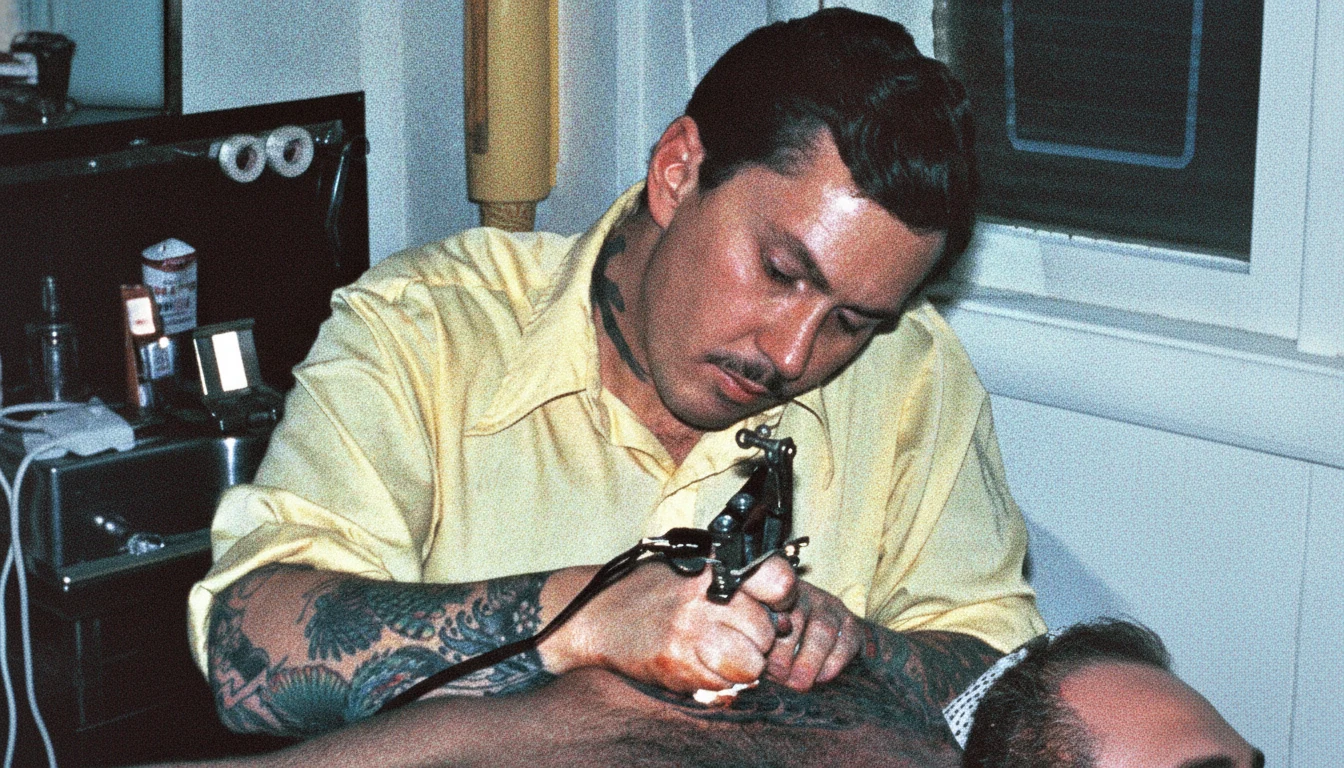
The personal connections that form during a tebori session are profound. Artists work meticulously, often having conversations that meander between art theory, life’s philosophies, and tales of old Japan. This relaxed, unhurried vibe turns the tattooing process into a living story, one where the marks on one’s skin become permanent bookmarks in the ongoing saga of life.

A Global Phenomenon Rooted in Tradition

While tebori maintains its roots in traditional Japanese culture, its impact has reverberated across the globe. International enthusiasts appreciate the craft not just aesthetically, but as an emblem of a bygone era that perfectly marries art with meticulous labor. The global market, as detailed in studies like those by STATS N DATA, sees this form of tattooing as more than just a niche interest-it is a significant cultural export.

Across continents, familiar images of ancient Japanese art merge with modern aesthetics, forming a rich tapestry of global influences. Festivals, exhibitions, and online communities have played a significant role in creating a dialogue around traditional tattooing techniques. These platforms make the secretive world of tebori accessible to those who are curious, allowing artists to share their expertise with a demanding yet appreciative audience.

This cross-pollination of ideas enriches both the artist and the enthusiast, ensuring that tebori not only survives but thrives in new creative spaces. The merging of digital storytelling with age-old practices creates an environment where authenticity and modernity reconcile, offering a unique perspective on body art.

Looking Ahead: The Future of Tebori

The future of tebori is as dynamic as the ink flowing from the tip of a master’s needle. As traditional tattoo methods gain mainstream acceptance and inspire a new wave of artists, the global narrative around tattoo art is shifting. The slow, deliberate techniques of tebori stand as a counterpoint to the rapid pace of modern life, serving as a reminder that art created with passion and precision can never be truly replaced by technology alone.

Even as trends shift and new technologies emerge, the intrinsic value of tebori remains unchallenged. The art form continues to evolve while rooting itself in deep cultural traditions and personal symbolism. The dialogue between old and new is ongoing, with every tattoo representing not just a picture, but a journey-a testament to the resilience of craftsmanship in a world often obsessed with immediacy.

As society grows increasingly aware of its cultural heritage and the stories encapsulated in traditional art forms, tebori is poised for a renaissance. It stands as proof that some traditions never fade-they merely adapt, becoming ever more relevant in the quest for authentic expression. With communities around the globe embracing these hand-poked masterpieces, the legacy of tebori is set to inspire countless generations to come.

The Personal Touch: Reflections on Authenticity and Individuality

Tattoos have long been a medium for individuals to project their inner lives, beliefs, and values into the world. In an era where images are mass-produced, tebori stands head and shoulders above the rest by blending artistry with the personal touch only a human hand can provide. It’s raw, it’s real, and it’s a powerful statement about individuality in a society that often values conformity.

This authenticity is part of why tebori continues to hold a special place in the hearts of tattoo enthusiasts. The deliberate, measured strokes imbue each piece with a personal narrative, making every tattoo a living, breathing work of art. Instead of a quick, mechanized session, a tebori tattoo is an experience-one that mirrors the intricacies of life itself with its ups and downs, twists and contemplative pauses.

The stories carried on skin are far more than decorative motifs; they are declarations of identity that trace back to traditions cherished over centuries. Clients take away more than just visual art-they leave with a part of history on their skin, a tale of persistence, passion, and pride that sets them apart in a world of fleeting digital impressions.

A Living Tradition: Bringing Tebori Into the Modern Era

For a practice so rich in history to remain relevant today, it must evolve without losing its essence. That’s precisely what’s happening with tebori. Tattoo studios around Japan and beyond are blending conventional techniques with a modern understanding of art, resulting in pieces that are as sophisticated as they are culturally resonant. This is more than just a resuscitation of an old method-it’s a conscious choice to value history and craftsmanship in every creation.

Workshops, seminars, and live demonstrations now regularly feature tebori artists, encouraging a new generation to learn and appreciate the art firsthand. These gatherings offer a space where enthusiasts can witness the intricate process and even engage in conversations that span art theory, heritage, and the philosophy behind each design. Such events underscore the importance of preserving these techniques while simultaneously adapting them for a contemporary audience.

Efforts to maintain the legacy of tebori have received attention from art institutions and cultural preservation societies alike. These platforms not only celebrate the aesthetic beauty of the tattoos but also recognize the deep cultural narratives embedded within them. As the art form continues to make its mark on a global stage, every tebori piece stands as proof that traditional craftsmanship can thrive in a rapidly changing world.

Embracing the Slow Art Movement

In a time where speed is king and everything is instant, there has been a quiet yet significant embrace of the slow art movement. Tebori perfectly encapsulates the value of taking time to achieve perfection. In an age where the quick fix and fast results are often celebrated, the deliberate pace of tebori is a refreshing change of pace that speaks to those who value quality over quantity.

There’s something almost poetic about the rhythm of tebori-the careful, unhurried application of ink, the focus on detail, and the palpable connection between artist and canvas. This method invites one to slow down, appreciate the craft, and understand that true art cannot be rushed. Each session of tebori is an ode to patience, a nod to the idea that the best things in life are worth waiting for.

This approach is reminiscent of artisanal movements that emphasize handmade quality and time-honored techniques. In a world ruled by digital immediacy, the tebori tradition stands as a bold reminder of the beauty found in taking one’s time. The result is a tattoo that not only looks stunning but also carries with it the weight of history and the essence of personal dedication.

The Road Forward: A Testament to Artistic Resilience

Looking back at the journey of tebori, it’s clear that this art form is more than just a relic of the past-it is a living, breathing testament to the resilience of traditional craftsmanship. As societal norms shift and younger generations embrace tattoos as cultural symbols rather than mere fashion statements, the tebori tradition continues to stand tall.

Emerging artists are not only reviving old techniques but are also pushing the boundaries of innovation. The careful integration of digital design tools with age-old hand-poking methods has resulted in a unique style that marries the best of both worlds. What emerges is a powerful narrative of heritage that marches in step with the pulse of modern creativity. As a result, tebori is not simply surviving-it’s being celebrated on stages both intimate and grand.

In this era of rapid change, the perseverance of tebori inspires a broader lesson: true art endures, evolving gracefully without losing its soul. It’s about preserving the integrity of tradition, even as new ideas and influences make their way into the mix. This philosophy appeals to those who crave authenticity-a reminder that every piece of art is, above all, a conversation between past and present.

The Final Inking: Celebrating a Tradition with Every Stroke

The tebori tradition is more than an age-old practice-it's a continuous celebration of art, history, and the human connection to both. Each tattoo is a quiet revolution, a testament to the belief that deeper meaning is presented in every slow, thoughtful movement. The personal touch embedded in every tebori piece ensures that no two tattoos tell the exact same story.

Amidst the buzzing energy of machine tattooing, tebori offers a counter-narrative-a soulful, deliberate pause that draws attention to the craft and the story behind it. This isn’t just body art; it’s an intimate expression of identity and a homage to a tradition that has weathered centuries.

As the art form continues to attract enthusiasts from around the world, it’s clear that tebori represents something timeless. From the intimate studios tucked away in the backstreets of Tokyo to the bustling art communities globally, every hand-poked tattoo reflects a blend of ancient wisdom and modern spirit. Even amidst technological revolutions and societal shifts, the human element remains paramount-a fact celebrated by both historic practitioners and new-generation lovers of the craft. Looking ahead, the tebori tradition isn’t just holding its own; it’s paving the way for a renaissance of slow, soulful art that honors history with each and every stroke.

For those looking to dive deeper into this captivating world, art aficionados and cultural historians continue to document and celebrate the evolution of tebori. The delicate balance of old-world charm and modern dynamism offers a rich tapestry of stories just waiting to be etched on skin. As this movement grows, every session becomes another chapter in a story that is both uniquely personal and immensely universal.

This exploration of tebori is a journey into a realm where time is valued, art is revered, and every mark on the skin is a token of resilience and dedication. Modern enthusiasts, legal milestones, and global market trends all intersect to form a vibrant mosaic of cultural pride and artistic expression. The art of tebori remains steadfast, serving as an emblem of a tradition that continues to adapt, inspire, and captivate audiences worldwide. The final word? In a fast-paced, fleeting era, nothing speaks to the soul quite like a hand-poked masterpiece that honors both heritage and individuality.

Elevate Your Tebori Artistry with Apprentice

As you honor the timeless tradition of tebori with every meticulous stroke, let Apprentice transform the way you manage your studio's day-to-day operations. Embrace the synergy of art and efficiency with our suite of tools designed to enhance your appointment scheduling, design collaboration, and client management. Join a community of artists who have found the perfect balance between creativity and business acumen. Start your free trial today and experience the future of tattoo studio management with Apprentice.

Jason Howie

Jason Howie

Founder & CEO

Jason Howie is the founder of Apprentice, passionate about empowering tattoo artists and shops with better tools to manage their business and serve their clients.

Related Articles