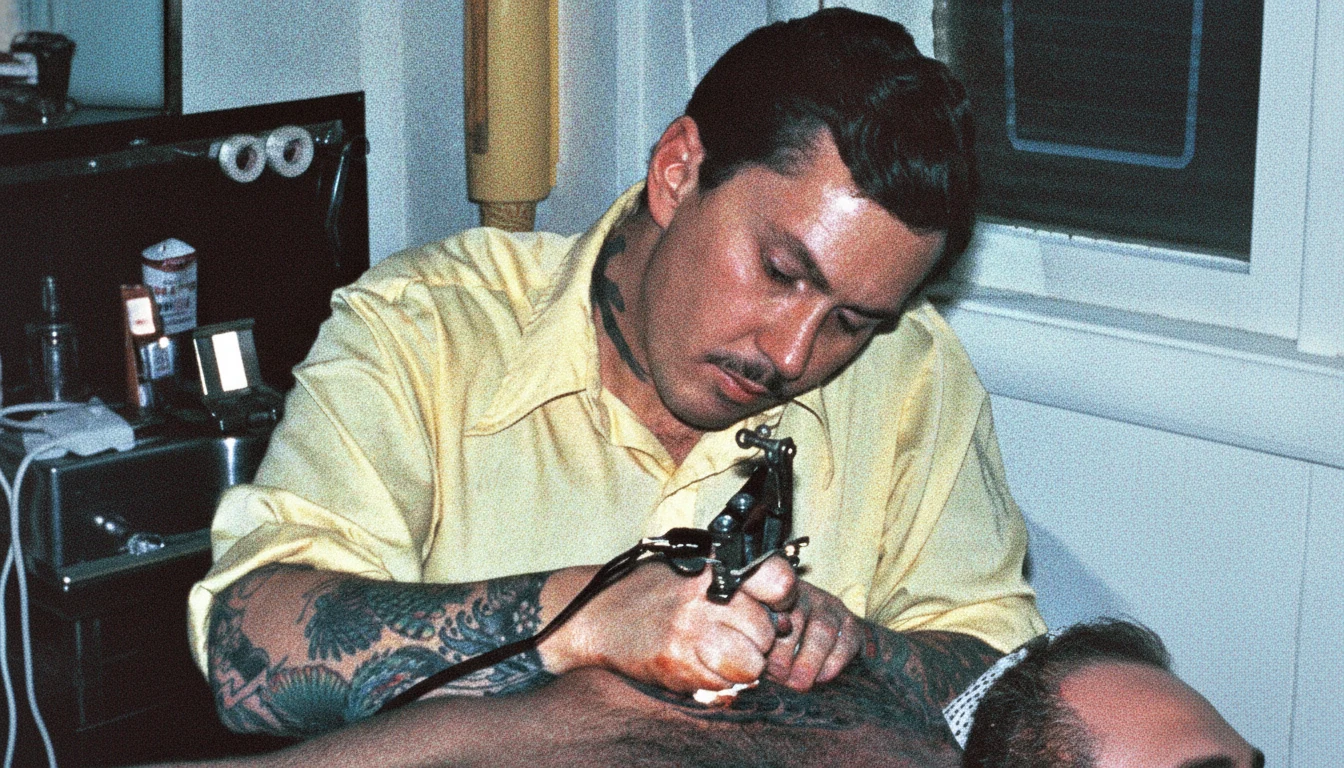
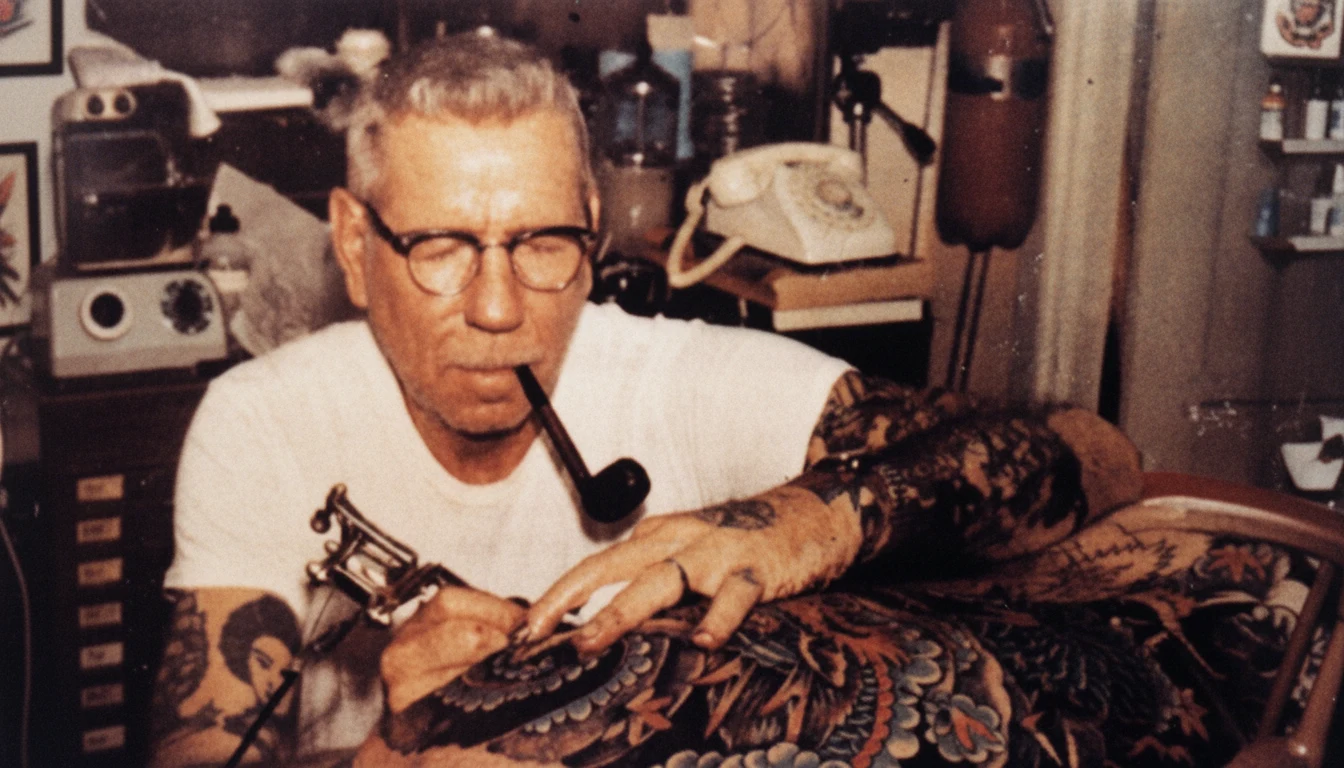
Yokohama is a port city, harbor lights and street food. It’s also home to one of the most respected names in tattooing. Spend any time around traditional Japanese work and you run into the Horiyoshi family fast.
This is a craft handed down inside a single lineage, kept alive by people who refused to let it fade. Horiyoshi III is the reason most outsiders know the name at all. He’s spent decades on irezumi, and his work is still the reference point a lot of artists measure themselves against. You can see more of it on his blog about traditional tattooing.
Who Horiyoshi III is
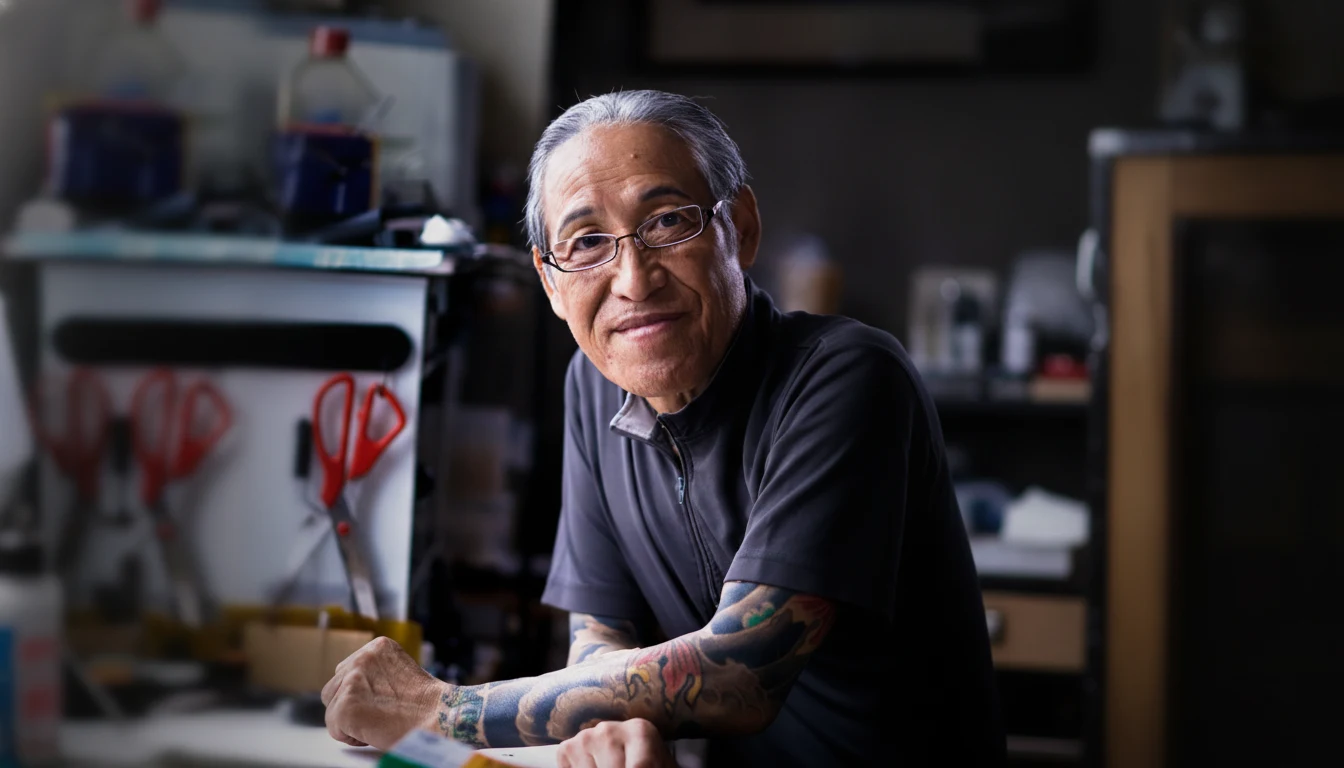
He was born Yoshihito Nakano in 1946. Horiyoshi III is a title passed down through a line of masters, not a birth name. By the count on Tattoo in Japan, he’s roughly forty years deep into traditional irezumi. He built his reputation on staying close to the old ways while the rest of the industry chased flash and trend.
That didn’t mean ignoring new tools. He’s known for pairing hand-poked tebori, where the ink gets pushed into the skin by hand with a rod of needles, with electric machines for parts of the work. Plenty of traditional artists treat that as a betrayal. He treated it as a way to keep the tradition working for clients who’d be sitting for it. His own blog covers more of that history.
A full Japanese bodysuit isn’t one session. It’s months, often years, of repeat appointments, drawn freehand on the body before any needle touches skin. The commitment is the point. That’s what separates this from picking a design off a wall.
The Yokohama Tattoo Museum
Horiyoshi III founded the Yokohama Tattoo Museum in 2000. It’s not a slick gallery. It’s a room dense with tools, prints, photographs, and antiques, much of it his own personal collection.
Walk through it and you get the real history of a stubborn art form, including the parts that were criminalized for decades. You can read more about the museum and his work at Tattoo in Japan.
The museum matters because it makes the tradition visible. For a long time tattooing in Japan lived in the shadows. Putting the tools and the artistry behind glass, in public, is its own kind of statement.
A family craft, not a solo act
What sets the Horiyoshi story apart from most master-artist stories is the lineage. The torch doesn’t get dropped when one person retires. Horiyoshi IV, his son, works alongside him at the family-run museum, so the craft keeps moving instead of freezing into nostalgia.
Horiyoshi III put the philosophy plainly. “The creatures I draw only come alive on somebody’s skin.” The art isn’t finished on paper. It’s finished on a person who’ll carry it for life. You can read more of his reflections at Judit Tokyo’s feature on him.
That bond between artist and client is the whole job. People come in with grief, milestones, and stories, and they leave wearing something permanent. You can’t fake that relationship. You can’t rush it either.
Breaking the stigma
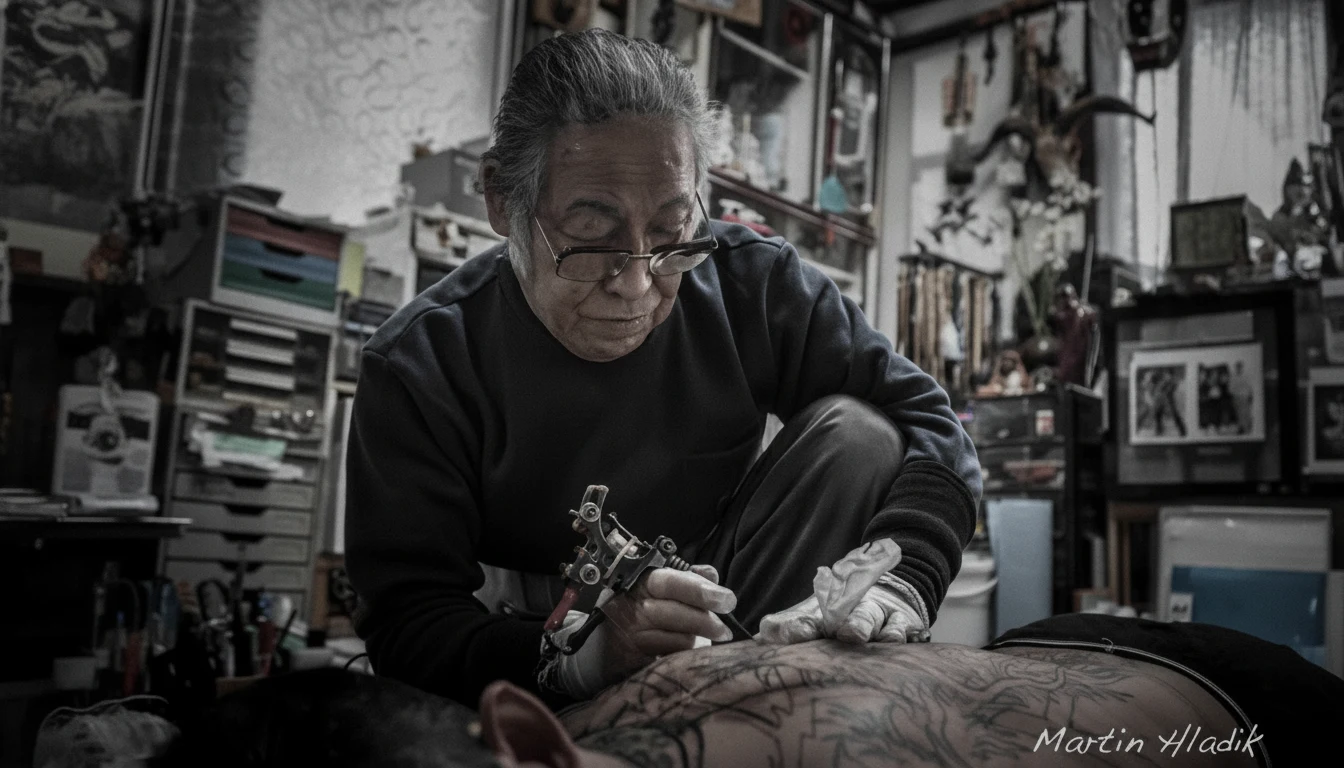
For most of modern Japanese history, tattoos got read one way: criminal underworld. That association ran deep, and it still shapes where tattooed people can and can’t go in Japan.
Artists like Horiyoshi III have spent years pushing against it. By treating irezumi as serious art with centuries behind it, the family helped move the public conversation off the “outlaw” frame. They’re not alone. A wave of Japanese tattoo artists has been working to shed the criminal association, as covered in this piece from DW.
The shift isn’t finished. But the direction is clear, and studios like this one led it.
Reach beyond the needle
The Horiyoshi name travels. There’s a clothing line, Horiyoshi the Third, that carries the same imagery into fashion and turns up in high-end boutiques. Call it an extension of the artwork into something people can wear who’ll never sit for a bodysuit. There’s an old interview that gets into it.
The influence reaches working artists too. Tattooers around the world study Japanese traditional work because of artists like him. A studio that started in Yokohama ended up shaping how the craft gets practiced far past Japan. More on that thread lives in Judit Tokyo’s feature.
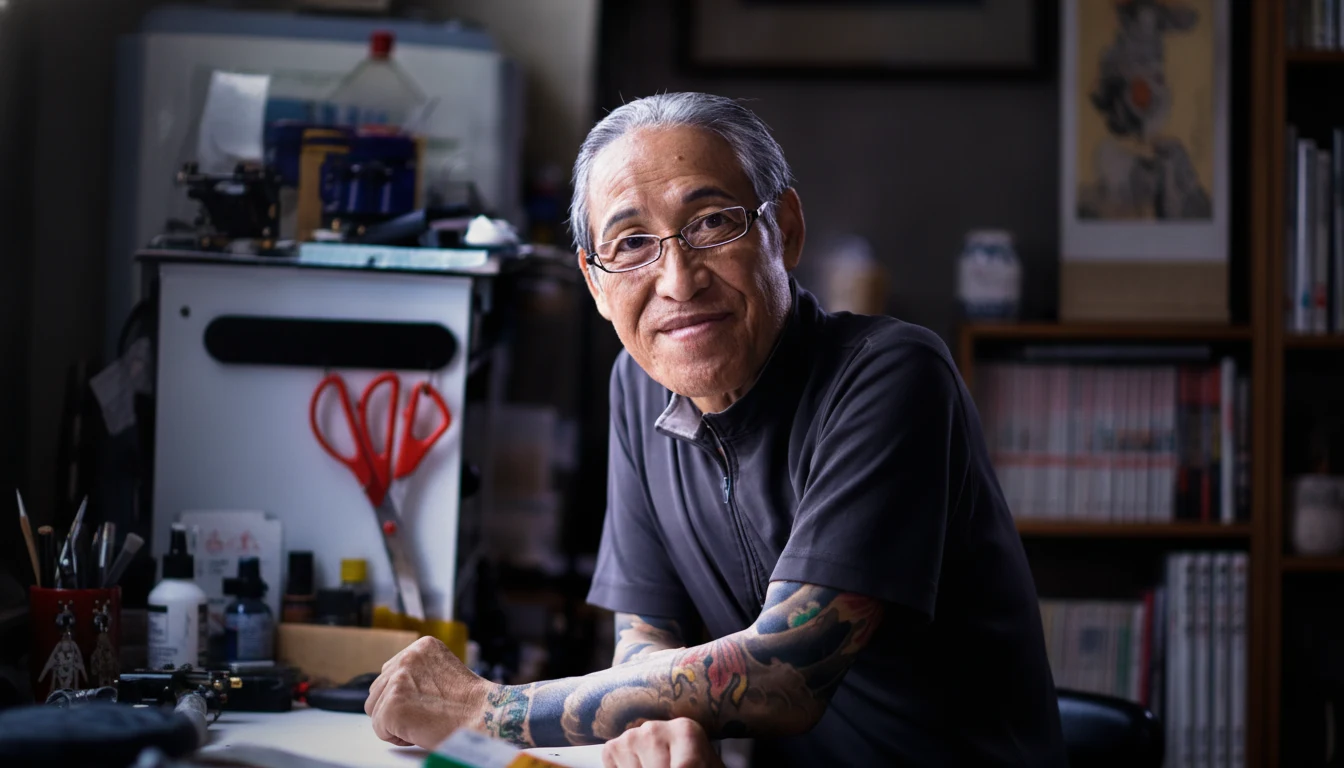
What working artists can take from it
You don’t need to tattoo irezumi to learn from the Horiyoshi approach. The lessons are simple and hard to live up to.
Respect the craft enough to put in the hours. Build real relationships with the people wearing your work. Use new tools when they serve the client, and skip them when they don’t. And keep records, because the history of your shop is worth preserving.
That last part is where running a modern studio gets practical. The Horiyoshi family kept a museum’s worth of work and stories. You can keep your own version: client histories, healed photos, the long arc of a multi-session piece. Apprentice handles booking, deposits, and client records so the relationship stays organized across months of appointments instead of living in scattered texts and a notebook. Want to spend more time on the art and less on logistics? Start a free trial and see how it fits your shop.

Jason Howie
Founder & CEO
Jason Howie is the founder of Apprentice, passionate about empowering tattoo artists and shops with better tools to manage their business and serve their clients.