Exploring European Medieval Tattoo Practices: A Historical Insight
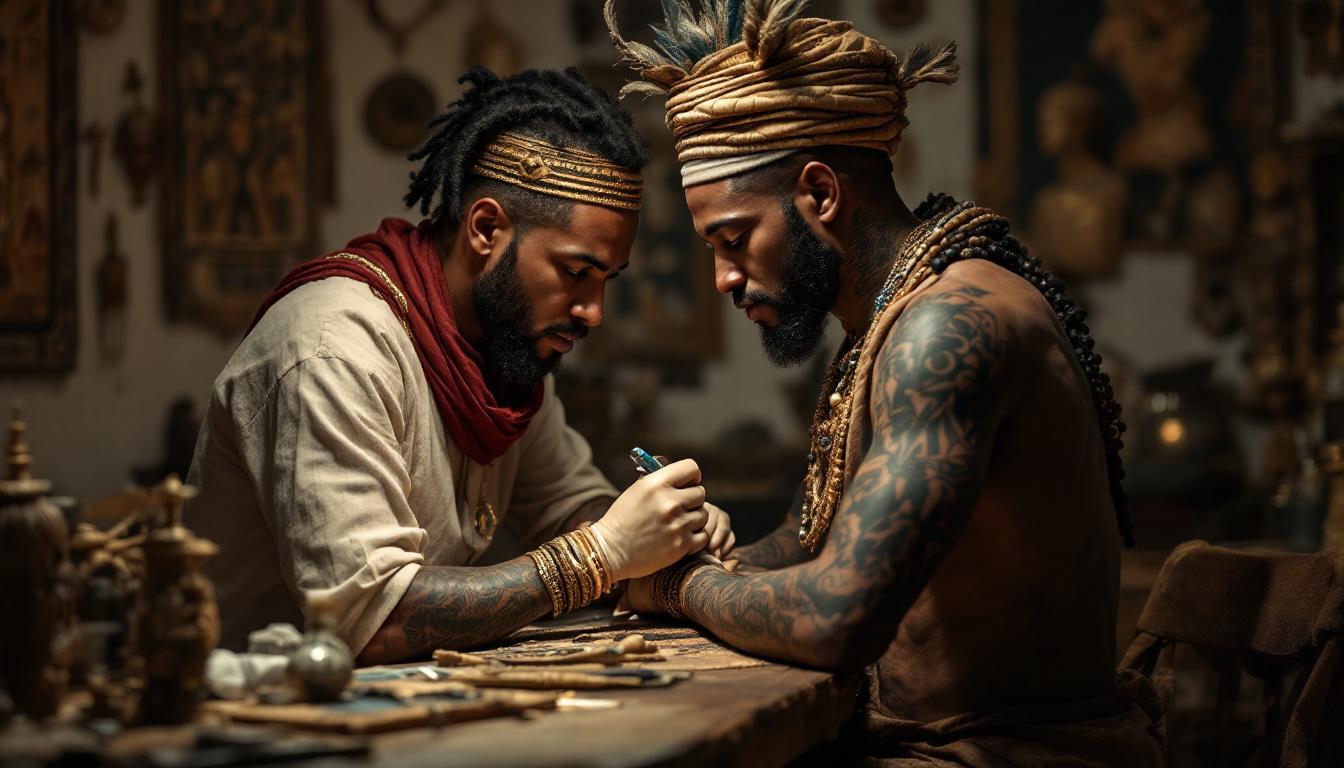
Tattoos aren’t just modern art; they’ve been woven into Europe’s tapestry for millennia. Picture this: a medieval traveler, inked with mysterious symbols and marks, trudging through town under a cloudy sky. That image isn’t far removed from our ancestors’ own inked identities. The story of these skin embellishments is as colorful and unpredictable as a Philly block party.
Early evidence suggests tattooing in Europe goes way back-think Neolithic era vibes, with even Ötzi the Iceman sporting 61 tattoos over 5,300 years ago. It’s wild how a practice that started in ancient times has evolved into something that defines personal expression today.
Ancient Roots and Medieval Ink Traditions
Tattoos in Europe aren’t a new fad. They’ve been around since humans first began marking their bodies as a way to communicate, honor, or even spook off rivals. The idea that ink could serve as a symbol of identity is as old as storytelling over a neighborhood firepit. Even medieval records show that tattoos carried deep meanings, sometimes spiritual, sometimes defiant.
In medieval times, the church had a serious say over who could wear tattoos. Historical records even reveal that back in 786 CE, Papal Legates of Hadrian I took issue with tattooed Christians in Northumbria, almost equating the act with the work of pagan devils. But here’s the kicker: tattoos done “for the sake of God” were seen in a completely different light-good enough to be rewarded by divine favor. Talk about a double standard!
These dual interpretations show that tattooing was never just about aesthetics-it was a way to weave one’s identity with the threads of faith and defiance. This mix of spiritual symbolism and rebellion is something that still resonates with tattoo culture today, making the past feel like it’s breathing right alongside us.
Medieval Nubia and the Hidden Stories of Ink
Some of the most exciting discoveries come from unexpected corners. Recent digs in medieval Nubia have brought forward evidence of tattooed individuals in the Middle Nile Valley. A study published in the Journal of African Archaeology identified a fresh case, marking just the second known tattooed individual from this era in that region. These findings shine a light on how widespread and diverse tattooing practices were across different cultures and geographies.

It’s not just Europe’s traditional narratives that get a spotlight. The evidence coming out of Nubia stresses that tattooing wasn’t an insular, one-culture phenomenon. Across continents, ink served as a bridge connecting different peoples, each with their own style, meaning, and story-a reminder that the human urge to decorate the skin is as timeless as it is boundary-crossing.
Modern Trends Meet Medieval Echoes
Fast forward to today, and tattoos have exploded into mainstream culture, especially among the 18-35 age group. In fact, about 12% of European Union inhabitants had body tattoos in 2020, and you bet the younger crowd rocks these inked designs at twice that rate. This modern trend may even echo medieval practices where tattoos served as marks of identity and status.
Modern society doesn’t just see tattoos as art; they carry weight as cultural identifiers and even lifestyle markers. For instance, a recent study in the European Journal of Public Health found that in Sweden, nearly 29% of the population sported tattoos. The trend skewed even higher among younger folks and those from lower socioeconomic standings. It’s fascinating how the patterns of the past can reflect in today’s statistics.
The modern regulatory environment has also had its say on tattoo culture. In 2022, the European Union clamped down on thousands of harmful chemicals in tattoo inks as part of the REACH regulations. This move was aimed at keeping the ink-and by extension, the art-safe for everyone. It’s a modern echo of how societies have always been concerned with the meaning and impact of tattoos, both aesthetically and health-wise. For a detailed breakdown, check out the European Chemicals Agency report.
The Many Shades of Socioeconomic Impact
When digging into the modern relationship with tattoos, the numbers tell a story that isn’t just about artistic rebellion but also socioeconomic factors. Research from the European Journal of Public Health reveals that individuals with lower educational attainment, higher smoking rates, and reduced disposable income might be more inclined to mark their skin with ink. It’s like a societal fingerprint-a way for folks to signal their experiences and often, their struggle.
In certain communities, tattoos have evolved beyond mere personal expression to symbolize belonging, resistance, and even survival. Their presence as cultural artifacts during the medieval period was not too different from today, where the ink speaks volumes about the wearer’s journey, struggles, and triumphs. This continuity between centuries, even if manifesting differently, highlights how human societies continually use tattoos as a means to define themselves and comment on their financial or social conditions.
The interplay between socioeconomic status and the prevalence of tattoos paints a complex picture. The choice to wear a tattoo can be seen as both a declaration of individuality and a mirror reflecting broader social inequalities. This dialogue between art and identity continues to evolve with each new study and every new design hitting the streets.
Cultural Significance and the Impact on Identity
Beyond the numbers and modern regulations, tattoos have a cultural significance that transcends time. Medieval records show that tattoos could either shame the wearer or, depending on the context, be celebrated as divine marks of favor. Such a dichotomy is still evident today. In the gritty urban landscapes and vibrant art scenes, tattooed skins tell stories of both defiance and devotion.
The personal narratives behind these ink marks are just as varied as the designs themselves. Some see tattoos as a badge of honor-a chronicle of past hardships and hard-won victories. Others use them as a statement of rebellion against societal norms. This duality links the modern body art scene with its medieval roots, where society’s judgment could swing wildly based on the motive behind the ink.
Immersing in these stories reveals that tattoos often serve as a window into the wearer's soul. Whether they’re worn to denote religious beliefs, commemorate life events, or even serve as a social commentary, the ink remains a constant messenger of identity. The transformative power of tattooing is something that has been validated by anthropology for ages, illustrated perfectly by the lingering legacy of historical figures like Ötzi-the iconic Iceman who carries his tattoos as a timeless signature of his identity.
Medieval Practices vs. Modern Realities: A Comparative Look
Tracing tattoo practices from medieval Europe to modern society, the comparison is striking yet layered. Medieval tattooing was often steeped in ritual, religious symbolism, and a stark demarcation between what was acceptable and taboo. Church authorities would label tattoos either as a sin or a sacred sign, depending on the situation-a fascinating duality that reveals more about societal structures than the art itself.
Today, while that dichotomy hasn’t completely vanished, tattoos are mostly embraced as a form of personal expression. The ink now drips with layers of modern narratives-one that speaks to pop culture, personal independence, and, yes, sometimes a hint of rebellion. Even with strict regulations ensuring the safety of tattoo inks, the act of getting tattooed still carries that undercurrent of rebellious artistry that defied medieval dogmas.
The evolution of tattooing is a vivid reminder that while society marches forward in technology and science, there’s a part of us that remains deeply connected to ancient traditions. The practice has expanded far beyond its early days, morphing to suit the individualistic pulse of modern culture while still nodding to its storied past.
Philly Vibes and Modern Ink Culture
Walking the streets of any major city today, and you can’t help but notice how tattoos have carved out an essential spot in urban culture. In vibrant neighborhoods and busy markets alike, the artistry of tattooing is more than just skin deep-it's a living, breathing part of the city's character. The same way Philly’s diverse history is expressed through its architecture, food, and vibe, today’s tattoos tell unique stories of heritage, love, loss, and triumph.
Modern trends often mirror traits of the past. The statistic that about 12% of Europeans sport tattoos, with rates doubling among younger people (European Chemicals Agency), hints at an acceptance and celebration of individuality that might have been considered rebellious in medieval times. Just imagine those medieval chapels and town squares, where ink could either brand you as a sinner or a saint.
The Philly slang vibe permeates the modern tattoo culture-bold, unapologetic, and always rooted in a sense of authenticity. When you chat with someone about their tattoos, it’s a conversation that’s as much about personal history as it is about artistic expression. The diversity of designs reflects a myriad of stories-a contemporary mosaic that blends modern narratives with echoes of medieval traditions.
Deep Dive: Artistic, Spiritual, and Rebellious Expressions
At its core, tattooing remains an art deeply intertwined with personal and communal identity. Even centuries ago, when church decrees and societal norms dictated strict boundaries, tattooed individuals were making a statement. Whether forcing their identity into the public eye or reserving it as a personal emblem, tattoos were-and still are-a form of silent rebellion.

Today’s tattoo scene is a wild mix of artistic innovation and age-old symbolism. The designs might look different-from traditional tribal art to sleek modern minimalism-but the intent remains largely the same: to mark oneself as part of something larger than the everyday. In a way, every tattoo carries a bit of that medieval weight, where ink was used both to beautify and to distinguish. The stories might be wrapped in layers of ink, but at their heart, they’re as authentic as the human experience.
Whether it’s a nod to ancient spiritual practices or a modern act of defiance against societal norms, the essence of tattooing has always been about carving out a space for personal truth. The narrative of a tattoo isn’t confined to the skin-it ripples out, influencing how individuals see themselves and how they are seen by others.
The Ongoing Dialogue Between Past and Present
The fascinating dialogue between medieval tattoo practices and modern tattoo culture is more than just a historical comparison-it’s a conversation that evolves as society does. On one end, you have the sacred and often secretive rituals of the old world, and on the other, you see a booming industry regulated by modern safety standards, keeping the tradition alive in new, vibrant hues.
It’s cool to think that while centuries have passed, the love for self-expression remains constant. Medieval tattoo practices, with their mix of religious fervor and outright defiance, have left an indelible mark on how we view this art form. These practices remind us that, despite dramatic shifts in technology, society, and even regulation, the human desire to tell stories through ink remains unbroken.
Blending ancient symbolism with modern perspectives isn’t just a trend-it’s a living tradition. Whether inked by a medieval artisan or by a contemporary tattooist, each mark is a statement about identity, heritage, and a continuous dialogue bridging past and present. The historical narrative of tattooing, forged in the crucible of cultural and religious controversies, pulses on in each new design.
Modern Regulatory Framework and Cultural Impact
Health regulators in Europe are tightening the reins to ensure that the art of tattooing stays as safe as it is expressive. The 2022 European Union regulations that restricted thousands of harmful chemicals in tattoo inks underline the importance of safety in an industry that continuously grows. By ensuring that modern tattoos are produced through safer methods, the industry pays homage to its storied past while adapting to current standards.
The careful balance between artistic freedom and public health is no small feat. It’s worth noting that these safety measures highlight a broader cultural responsibility-respecting both the art form and the well-being of its consumers. Such regulatory measures assure that personal expression through ink remains a celebration of the self, free from the unintended costs of harmful chemicals.
Legacy That Continues to Evolve
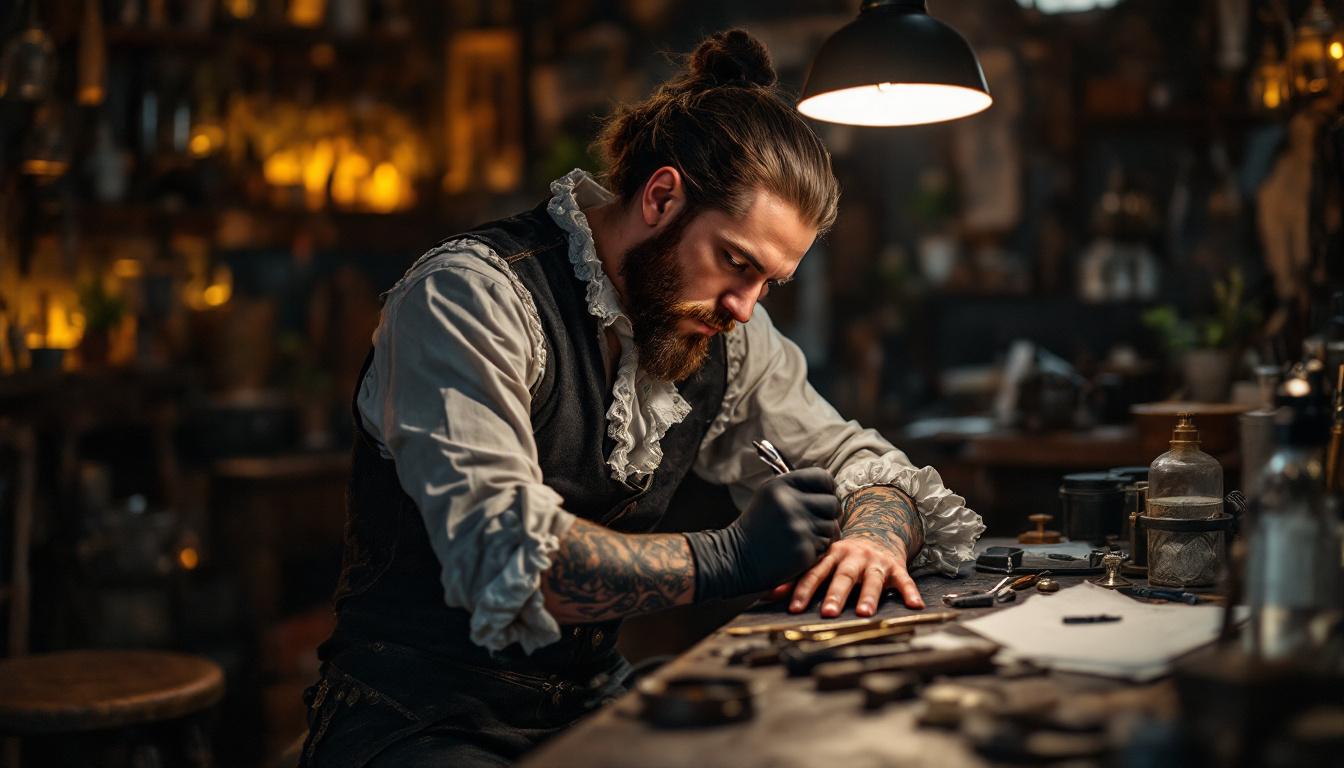
The influence of ancient and medieval tattoo practices is evident not only in the design aesthetics but also in how society perceives body art today. The rich and complex history has given modern tattooing a depth that’s hard to replicate with any other form of self-expression. Every time a needle hits the skin, it’s like tapping into a legacy that’s been unfolding for thousands of years.
The evolution of tattoo culture is as layered as the ink itself. From the ritualistic practices of medieval societies to today’s bustling tattoo parlors, the journey has been marked by intense scrutiny, regulation, and, ultimately, celebration. This continuum reflects a blend of rebellious spirit, artistic innovation, and cultural significance that transcends time.
This legacy is best appreciated by looking at how the narrative has shifted over time. Where once tattooing was a contentious issue-aligned with strict religious dogma and moral standards-it’s now an open celebration of individuality. Yet, the echoes of that past still resonate in every line and shade. And that enduring connection between then and now gives the ink its undeniable power.
Keeping the Flame Alive
Tattooing, both as an art form and a cultural phenomenon, has thrived because it constantly reinvents itself while honoring its roots. The passion for ink has not faded with the passing centuries; instead, it has evolved into an ever-changing, yet deeply anchored tradition. This living tradition is celebrated not just in modern regulations or aesthetic trends but in the untold stories carried by each ink mark.
The discussion around tattooing today remains as dynamic as ever, touching on issues of art, identity, and even public health. With regulations ensuring safety and studies painting a picture of its socioeconomic dimensions, one thing is clear: tattoos continue to be a vibrant symbol of both personal identity and cultural dialogue.
Ink, Identity, and the Road Ahead
The journey of tattooing-from ancient rites to modern self-expression-shows that art is not confined by time. The medieval practices we’ve uncovered offer a window into how deeply intertwined tattoos are with human culture and social structures. This isn’t just about following a trend; it’s about understanding the narratives that shape communities, echo through history, and continue evolving with every new design.
Modern society’s embrace of tattoos, regardless of socioeconomic background or cultural norms, proves that the tradition isn’t going anywhere anytime soon. As communities change and new generations continue to define their identity through ink, the conversation remains open. Whether it’s a nod to ancient ritual or the latest urban style, tattooing stands as a living testament to human creativity and perseverance.
That same passion recorded in medieval scrolls and modern studies reminds everyone that each line is more than just art-it’s a narrative of survival, unity, and expression. With a careful balance between safety regulations and artistic freedom, the road ahead for tattoo culture looks as vibrant and promising as ever.
A Final Word with a Philly Twist
Tattoos will always be more than just ink on skin-they’re like a personal mixtape, blending the beats of history with today’s raw, unfiltered expression. As ancient traditions meet modern realities, the story of tattooing becomes a celebration of identity, a nod to rebellion, and a bold proclamation that every mark on the skin has a tale to tell.
From medieval admonishments to today’s regulatory frameworks, the ink isn’t just surviving-it’s thriving, growing richer with history and personal significance. So next time you catch a glimpse of someone's tattoo, remember, it might just be a chapter in a story that’s been written over thousands of years. That’s something to tip your hat to, Philly style.
And as this conversation zooms into the future, each new tattoo adds another verse in the ongoing ballad of human expression. Whether you’re a tattoo veteran or a curious observer, there’s no denying that ink will keep on telling its powerful, timeless story.
Join the Modern Renaissance of Tattooing with Apprentice
As you marvel at the rich tapestry of European medieval tattoo practices, consider how your studio can be part of the ongoing evolution of this ancient art form. Apprentice is here to help you write the next chapter with state-of-the-art tools that bring the past into the future. Streamline your studio's operations, from appointment scheduling to design collaboration, and create unforgettable experiences for your clients. Embrace the legacy and Start Your Free Trial with Apprentice today, where history meets innovation.
Jason Howie
Founder & CEO
Jason Howie is the founder of Apprentice, passionate about empowering tattoo artists and shops with better tools to manage their business and serve their clients.