Exploring Victorian Tattoo Culture: A Journey Through History
The sound of clinking chains on a foggy Victorian street, the hum of whispered secrets, and a mark etched on skin tells a story. On a chilly night wandering back alleys, you might imagine convict reputations tangled with pride and rebellion, a time when tattoos were more than just skin art-they were badges of identity and expressions of personal style. Dive into the gritty, surprising, and downright cool world of Victorian tattoo culture.
The Unlikely Start of a Fashionable Trend
It’s wild thinking that by the end of the 19th century, about half of all convicts noted in the Register of Habitual Criminals sported tattoos. In a twist that turns expectations on their head, these markings weren’t just symbols of unlawful behavior but carried a whole range of personal messages. University of Liverpool research reveals a subculture where tattoos represented anything from national pride to personal flair, a far cry from just criminal labels.
The story behind each tattoo was like a secret language. In close-knit prison communities, a carefully chosen design could tell others about one's roots, beliefs, or even a hidden act of rebellion. This wasn’t about conforming to a stereotype; it was about defying it in a very public, visible way.
Some of these designs hinted at the wearers' ties to far-off lands, while others might display symbols of religious devotion or personal interests. The styles often mixed raw symbolism with decorative artistry. The idea was simple: a skin canvas could redefine identity far beyond criminal association.
Convicts and Culture: More Than Just Criminal Markers
History isn’t always neatly cut along the lines of good and bad. In Victorian Britain, massage of the soul was scribbled in ink by those society had branded as outlaws. Contrary to popular belief, tattooing among convicts wasn’t solely about rebellion or criminal pride. Research from the University of Liverpool shows that tattoos signaled a broader message-they were expressions of individuality, sometimes even associated with hope and rebuilding personal narratives.
When looking at the vivid array of subject matter that adorned skin, one sees snippets of national identity, religious sentiment, and even popular cultural motifs of that era. They remind us there’s beauty in the unexpected-tattoos weren’t just for marking a life of crime but for marking moments of deep, personal meaning.
This form of body art was almost like a personal diary written in ink. Every mark had its unique tale, likely scribbled in defiance of an otherwise dreary prison life. The attitudes of those wearing such designs offer us a glimpse into a world where art and survival merged seamlessly.
Tattoo Ink Through the Ages: From Victorian Skin to Global Markets
The reputation of tattooing has gone through a transformation that most could not have imagined back in the gritty days of Victorian prisons. From being an audacious marker of identity among convicts, tattoos have risen to become a cornerstone of a multi-billion-dollar industry today. The tattoo ink industry alone is marching towards touching an estimated $1.2 billion mark globally by 2027, as reported by ZipDo Education Reports.
Nowadays, it’s not just about toughness or outlaw bravado. The art has morphed into a personal, almost therapeutic journey. People see their body work as a collection of memories, passions, and dreams-a far cry from the narrative of Victorian convicts, yet somehow carrying the same spirit of individualization and authenticity.
This evolution speaks to the dynamic nature of human expression. In the past, a tattoo on a convict’s skin might have been their silent scream of resilience; in today's climate, it’s a vibrant story of personal evolution. The journey from furtive markings to celebrated art runs deep, echoing centuries of change.
The Tattooed Convict: Shattering Stereotypes
The shift in perception surrounding tattooed individuals is a testament to societal change. It’s interesting to note that in the late 1800s, tattoos among convicts carried multi-dimensional meanings. One study, which combed through 75,448 descriptions of tattoos on British convicts from 1791 to 1925, unveiled that these markings were rich with cultural significance. The work in the Journal of British Studies underscores that beyond criminal portrayal, each tattoo showcased a tale of personal and cultural identity.
Convicts had access to a world of meaning beyond the dull monotony of incarceration. Their tattoos were often chosen with care, reflecting either an allegiance to something greater or a deep-seated rebellion against imposed labels. They didn’t just mark themselves for punishment; they announced something in a language of ink that silence-based systems couldn’t capture.
Today, when people sport tattoos, they’re often talking about life experiences, memories, or simply their affinity for art. When viewing a Victorian convict’s tattoo, one gets a whiff of the same dynamic story. It’s a reminder that identity is always layered; sometimes the most unexpected canvases reveal the richest stories.
Voices From the Past: Insights That Resonate
Dr. Zoe Alker from the University of Liverpool once remarked that tattoos among convicts "expressed a surprisingly wide range of positive and indeed fashionable sentiments." There’s a raw energy in that statement. Amid the oppressive gloom of prison life, a tattoo was a shout of individuality-a spark of beauty in a drab world.
It’s wild to think that behind every inked design was a vortex of human experience-a mix of hope, defiance, and identity that the world could easily dismiss as criminal neglect. Tattoos, in this sense, painted a picture of life beyond the bars, shining as symbols of resilience and personal stories that defied the expectations of Victorian society.
This insight by Alker helps peel back the layers of what many might initially dismiss as a mere act of rebellion. There’s genuine beauty in understanding that tattooing was a tangible thread linking the self to cultural identity, transcending the confines of an unjust system.
The Craftsmanship of Ink: Tools and Techniques in the Victorian Era
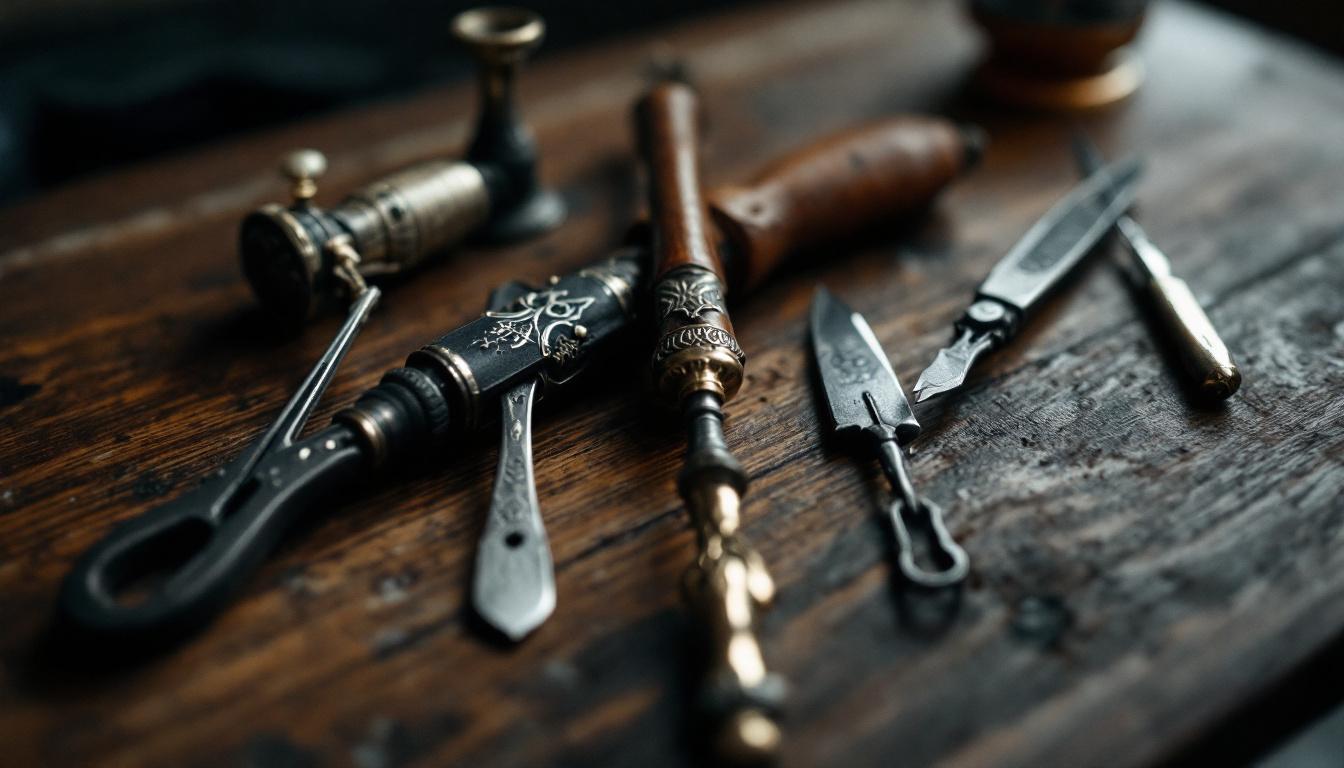
The art and technology behind tattooing have always fascinated both the historian and the art lover. In Victorian times, tattooing wasn’t just about the concept-it was about doing it with the resources available. Tools were rudimentary compared to what modern artists flash off their sophisticated gear today, yet they still managed to produce designs that carried profound meaning.

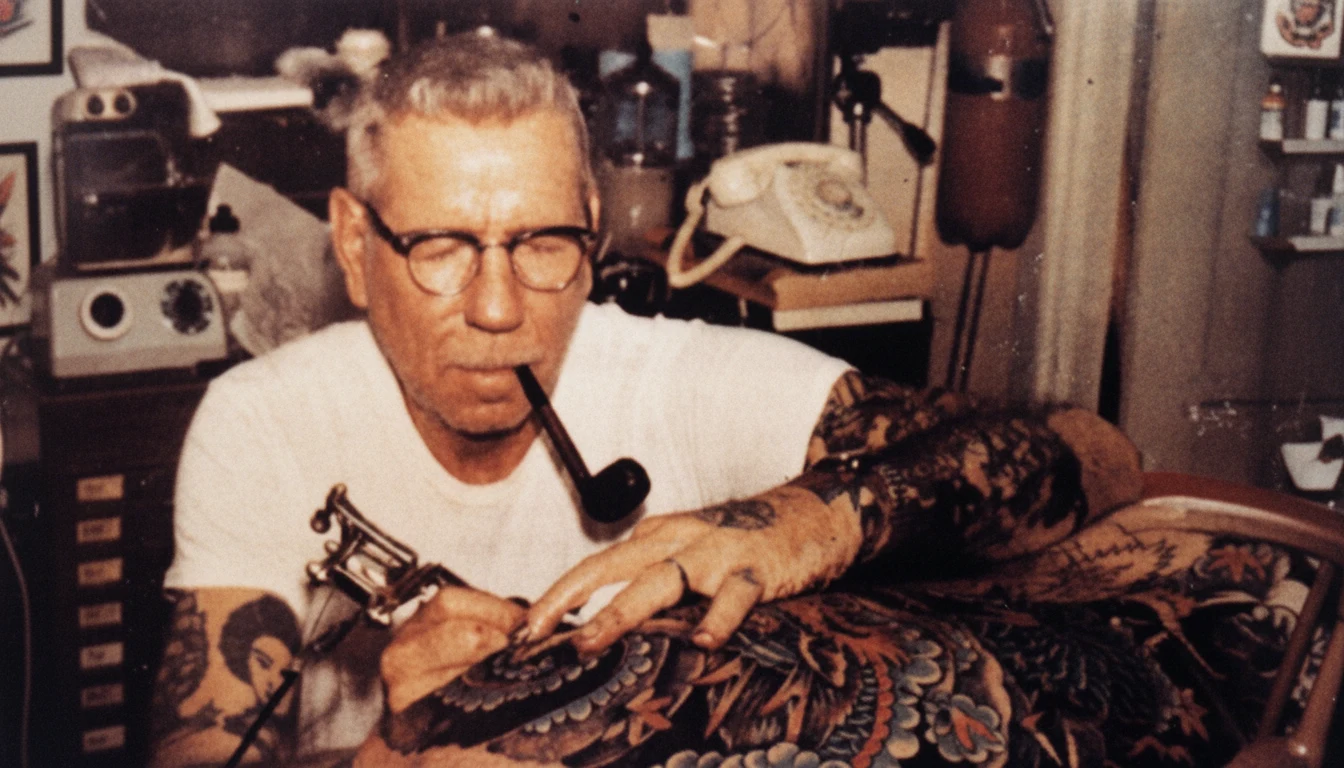
Many of these techniques were passed down through secretive lines, almost like a cherished family recipe, making every tattoo a handcrafted piece of art. The process was messy, painful, and yet utterly transformative-both for the person getting inked and for the artists who dared to commit such permanent art. Each mark was a result of painstaking effort, often done in conditions far from sterile but deeply personal.
The craftsmanship extends beyond the technique to the very ink used. Ancient mixtures were concocted from natural pigments and materials, carefully prepared to last a lifetime. The legacy here is about perseverance-a nod to a time when every mark was a life statement, carved into skin with the same passion as a master craftsman chiseling a statue.
Tattoo Culture: Then and Now
This journey through Victorian tattoo culture isn’t just a historical detour; it’s the mirror reflecting how society’s views evolve. Fast forward to today, and tattoos have swapped their notorious reputation for mainstream glamour. In modern America, for instance, around 30% of young adults aged 18-29 are rocking at least one tattoo, signaling a broad shift in perception. ZipDo Education Reports confirm that these trends have changed dramatically. What once was a symbol of criminal defiance has morphed into a form of expression embraced across the board.
Today’s tattoos are as much about art as they are about personal storytelling. The mainstream acceptance is palpable-tattoos pepper the bodies of creatives, athletes, and even corporate leaders. In a way, the colorful ink we see on modern bodies owes a silent debt to those early days when a tattoo was a whispered secret or a bold statement against injustice.
Yet, the essence remains the same: tattoos are a blend of art, rebellion, and unabashed expression. Whether it's a Victorian convict marking their struggle or a modern artist celebrating life’s journey, the ink flows with the same heartfelt intensity, crossing time and social boundaries.
Tattoo as a Statement: Personal Expression and Societal Reflections
Tattoos have this uncanny ability to carry the weight of personal memories. In Victorian society, they served as visual clues that defied societal labels-each design a testament to inner strength and defiance in a world that often looked the other way. That same raw sentiment resonates with tattoo enthusiasts today.

Take a look at stories emerging from tattoo parlors where skilled inkmasters transform bodies into canvases telling tales of love, loss, and transformation. It’s a vibe that connects the distant past with the present. Whether a design hints at national pride, religious beliefs, or personal milestones, the underlying message is one of individuality, forging a distinct identity in a homogenized world.
This convergence of art and personal significance proves that a tattoo is much more than ink on skin. It is a living narrative that grows with the wearer-a permanent diary that evolves while maintaining the spirit of its origins. The Victorian era set a precedent where ink became a signifier of hidden depths, a practice that still fascinates today's art lovers and cultural historians alike.
Grit and Glamour: The Contrast of Victorian and Modern Tattoo Styles
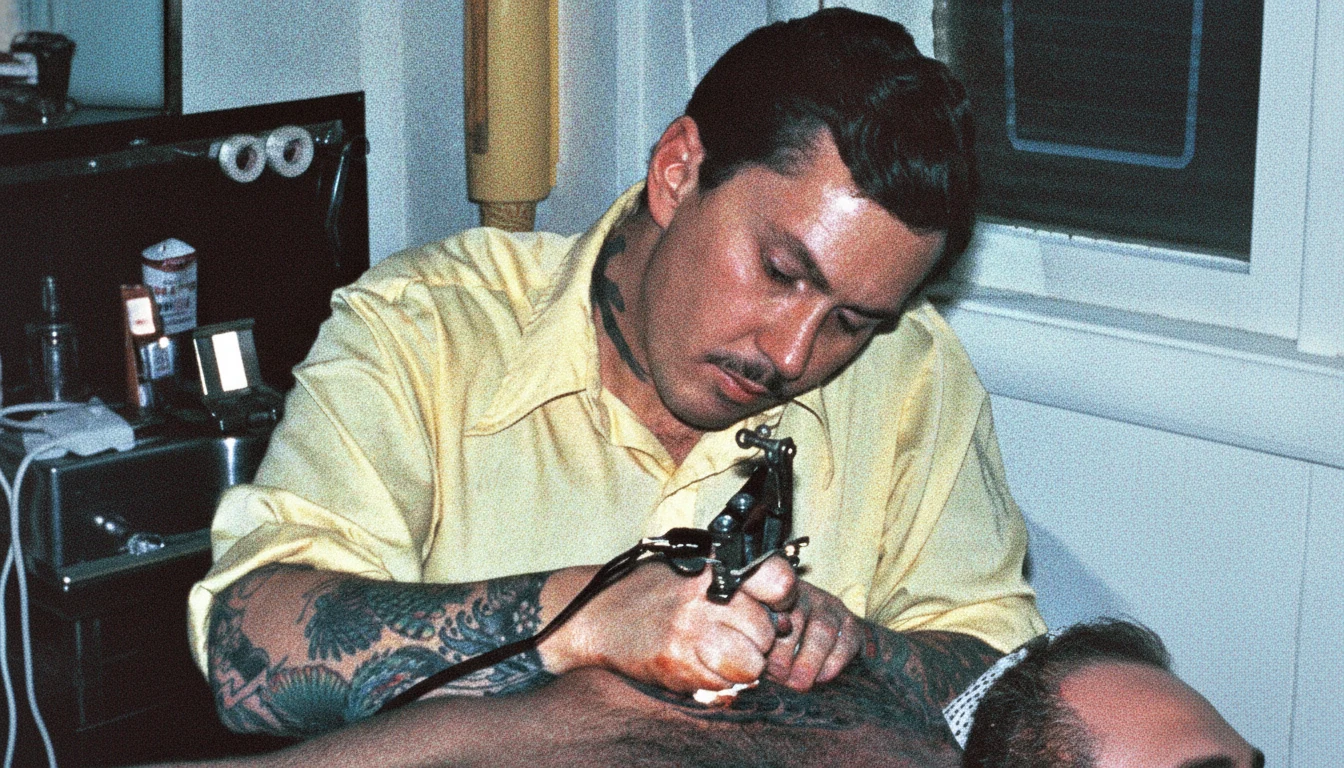
It's a trip comparing the gritty atmosphere of Victorian tattooing with the finesse of today’s studios. In the past, tattoo artists were often seen as rebels working in the shadows, providing a secret service to those who needed a way to mark their identity in society’s margins. Contrast that with the sleek, sanitized environment of contemporary tattoo shops, and you see a narrative of transformation.
Modern tattoo parlors offer a regulated, vibrant space where creativity meets precision. Tattoo artist Woody Wood explained the allure of body art by saying it offers "something personal and fun and exciting in a world that can be drab and grey." His words echo a sentiment as timeless as the art itself-it is about painting one’s journey on flesh.
Both eras share an unyielding connection: the desire to communicate who you are without uttering a single word. While Victorian convicts carved their stories amidst societal suppression, today’s artists create masterpieces that are outward declarations of personality. There's style in every era, fashioned by the limits and liberties of its time.
Rediscovering History: Archaeological Finds and Their Stories
Sometimes the best way to understand history is to literally uncover it. In 2023, a study published in Archaeological and Anthropological Sciences brought to light preserved tattooed skin from a 19th-century French individual. This isn’t just a scientific curiosity-it’s a time capsule revealing the meticulous care that went into tattooing practices centuries ago.
Examinations of these historical artifacts show that techniques and meanings were far more sophisticated than the casual observer might assume. Every line and dot in these ancient tattoos represented skills honed over years of practice, while also carrying layers of cultural symbolism that challenged and enriched our understanding of that bygone era.
This discovery breathes new life into our perceptions of historical tattoo culture. It isn’t just about a rebellious aesthetic; it’s a deep dive into how personal identity was communicated back then, offering a fascinating bridge to modern practices. The skin, in this case, was a remarkable record keeper of the human experience.
The Legacy of Ink: Continuing the Conversation
Stepping back from the dusty archives of Victorian prisons to the buzzing energy of today, the legacy of tattoo culture is undeniable. Art, identity, defiance, and personal storytelling have all converged over time to make tattoos one of the most dynamic art forms ever witnessed. Tattoo artistry has matured from a secretive habit among outcasts to an open celebration of individuality that spans every corner of society.
Modern research, historical records, and archaeological findings keep the conversation going. They remind us that beneath the surface of every tattoo lies a narrative-a narrative that has evolved through struggle, beauty, and persistence. The convict with a hidden message in ink has become the modern individual proud to display life's chapters on their skin.
This dialogue between the past and present is ongoing. Every time a fresh design is inked, it adds to a tapestry that is rich with heritage and colors. People continue to push boundaries, challenge norms, and express themselves in ways that bridge eras, making the world of tattooing as vibrant and diverse as ever.
Conclusion: Inked Expressions and Timeless Stories
The pages of history are filled with unexpected twists-how something born out of marginalization could become a celebrated form of self-expression. Victorian tattoo culture is a perfect example of this phenomenon. From prisons to modern boardrooms, tattoos have transcended their original context to become a tapestry of personal and collective narratives.
Today’s ink aficionados carry a legacy that is both painful and inspiring. The rough, raw history of convict tattooing reminds everyone that even in the harshest times, there’s beauty in defiance. The same artistry that once veiled rebellious hearts now sparkles under soft studio lights, uniting generations under the banner of creativity and authenticity.
Whether a casual observer or an avid tattoo collector, the historical journey of tattoo culture offers a brilliant blend of gritty realism and artistic wonder. Its evolution is a testament to the ever-changing canvas that is human expression-an unending journey marked in ink.
Join the Renaissance of Tattoo Artistry with Apprentice
As you reflect on the rich tapestry of Victorian tattoo culture and its evolution into today's vibrant art form, consider how Apprentice can enhance your studio's narrative. Embrace the spirit of innovation that has always been at the heart of tattooing by integrating our suite of tools into your practice. Start your journey with Apprentice and transform the way you manage your artistry. Begin your Free Trial today and write the next chapter in the storied history of tattoo culture.
Jason Howie
Founder & CEO
Jason Howie is the founder of Apprentice, passionate about empowering tattoo artists and shops with better tools to manage their business and serve their clients.