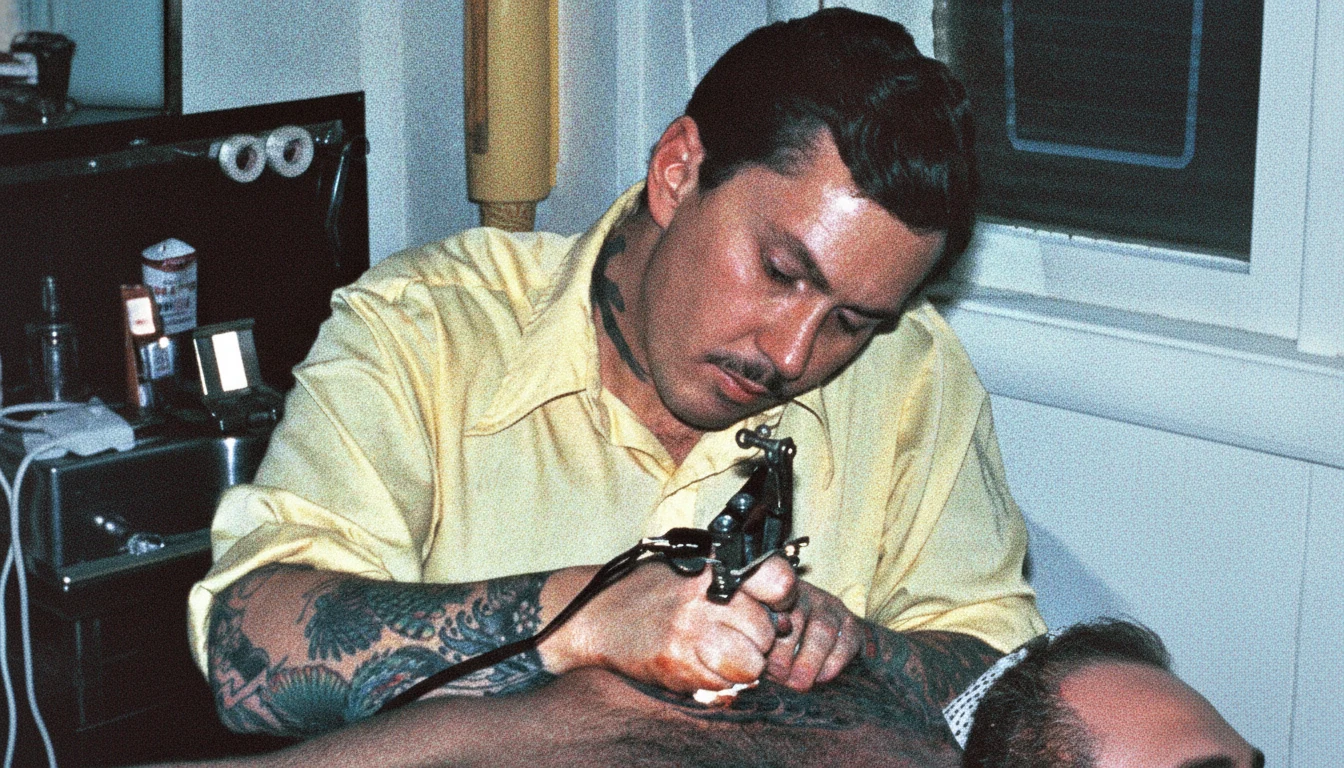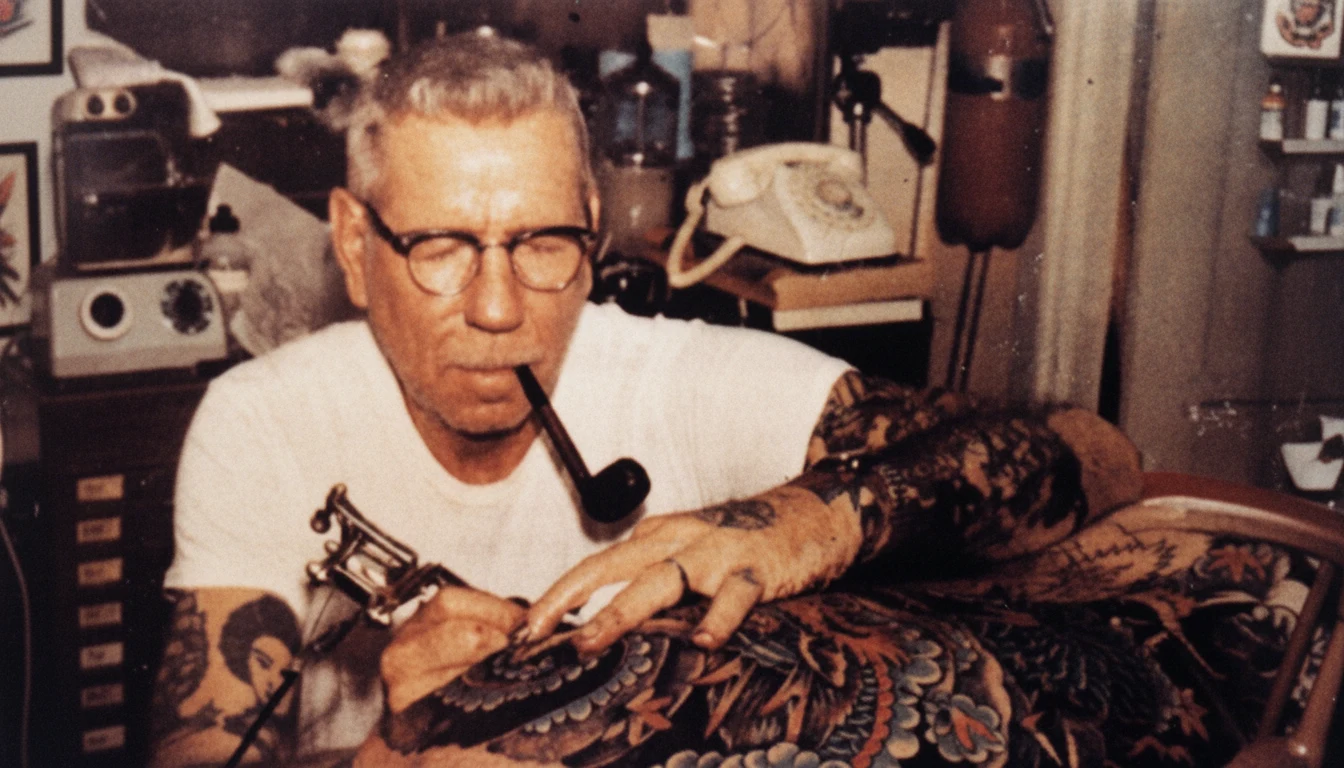
Archaeologists pulled a tattoo tool out of the ground at the Turkey Pen site in Utah. It’s roughly 2,000 years old. That single find, documented by the Crow Canyon Archaeological Center, pushed tattooing in the American Southwest back further than a lot of people assumed it went. People have been putting ink under their skin on this continent for a very long time. The tool proves it.
So let’s talk about what that ink meant, because it was never just decoration. Native tattooing carried weight. Every line, dot, and swirl was doing a job. You can read more about the discovery if you want the archaeology side.
Where it started
The roots run deep. A find like that 2,000-year-old tool tells you tattooing wasn’t a passing fad. It was a practiced craft, a rite of passage, and a way to show who you belonged to. The marks pulled double duty. They made a person look a certain way, and they were believed to protect. Think of them as totems worn on the body, meant to keep harm off.
Anthropologist Lars Krutak put it plainly: “Tattooing, like culture, is constantly changing and has been evolving for millennia” (Smithsonian Institution). That’s the part people miss. These weren’t frozen traditions. They shifted and adapted, generation after generation, the same way every living craft does.
Often the tattoo marked a threshold. You crossed into adulthood, you earned a standing in the group, and the ink said so out loud. A visible badge that you’d passed into a new phase of life. That logic is still alive now, especially as younger people reach back for customs their families set down.
The old methods are coming back
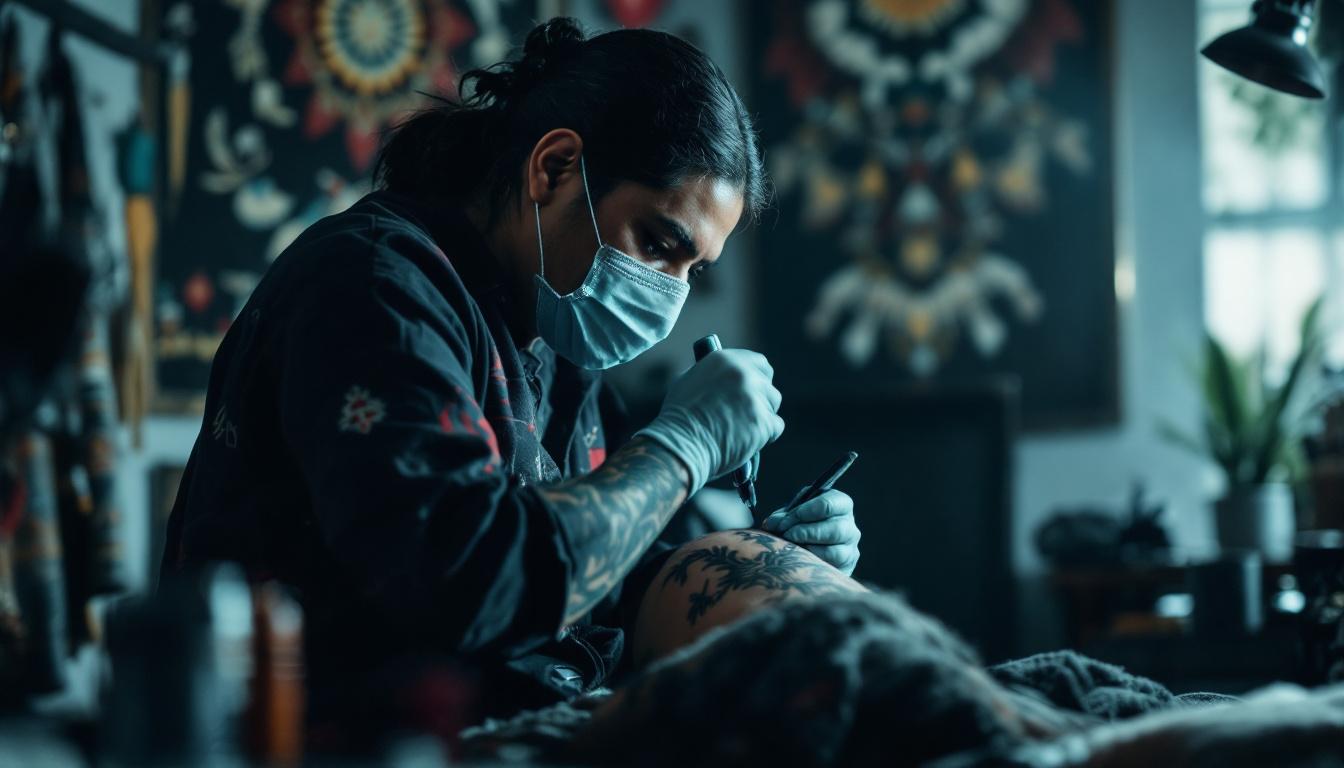
Among Native American, Alaska Native, and Native Hawaiian communities, there’s a real return to traditional tattooing. It’s reclamation. Communities are picking the hand methods back up, the same practices that once defined their identity and spiritual life (Think Before You Ink). The work is slow and close. A careful hand, a deliberate design. That intimacy is the point.
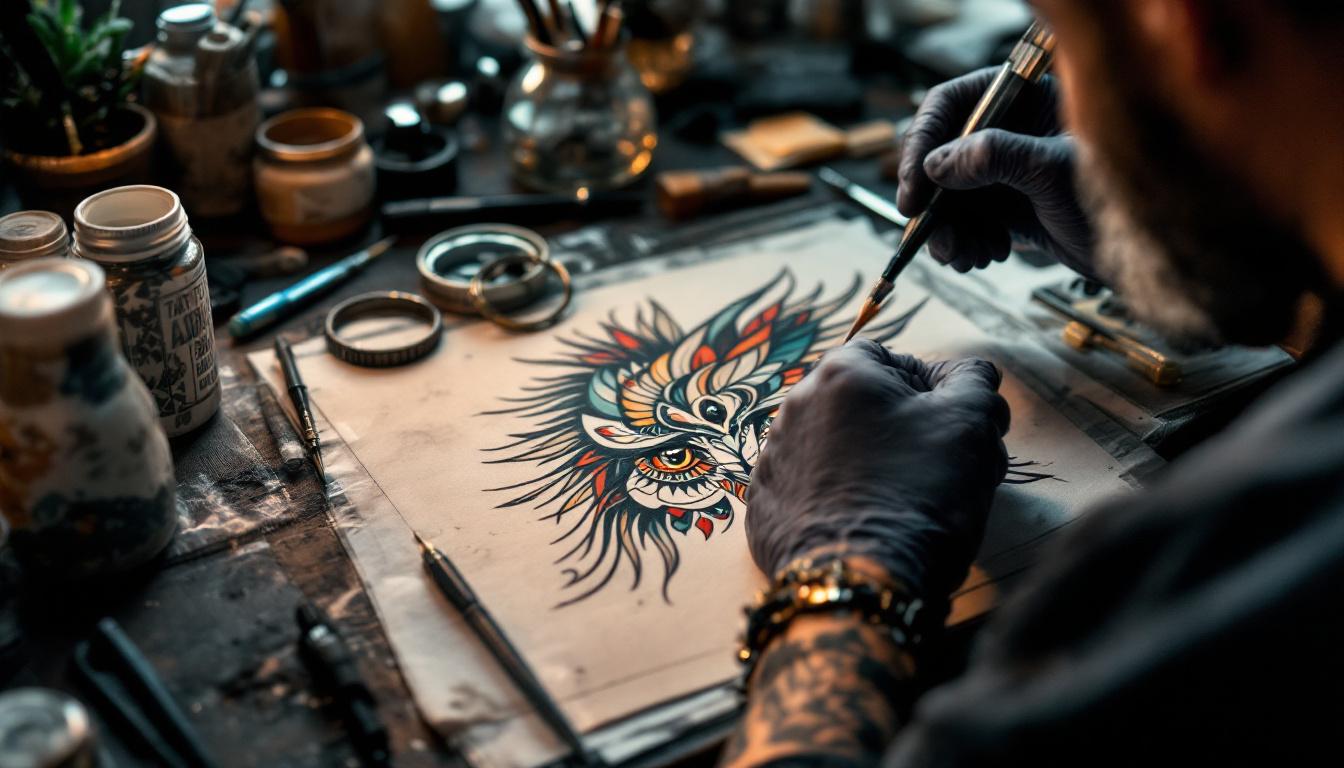
None of the old designs were random. Patterns and motifs were chosen to act as protective marks or signals of goodwill. The ink was treated as sacred, close to a wearable prayer, meant to keep bad forces away and honor the spirit world. Today that meaning sits alongside contemporary technique, and you get artists who respect the history while making something new.
In big cities and small towns, artists who care about culturally grounded work are folding these symbols and methods into their designs. They handle it with respect. The old marks still land, even now.
What the symbols meant
Every line in Native American tattooing could carry a story. For a lot of Indigenous cultures the ink went past looks. A tattoo could mean spiritual protection. It could mark a milestone. When the Ancestral Pueblo people got tattooed, the marks signaled a connection to community and stood as clear markers of adulthood and social standing (ScienceDirect study).
Designs changed by tribe and by lineage. Some favored geometric shapes that echoed patterns found in nature. Others leaned on animal imagery that tied the wearer to the natural world. And a lot of it was personal. A design might hold a battle, a spiritual encounter, or a legend handed down by the fire.
These symbols worked as conversation. They bridged generations. An elder could read a mark and pass on what it meant, and a younger person could see where they stood in a line of heritage that stretched way back.
What it did to modern tattooing
Plenty of people getting tattooed today are drawn to Native artists and to techniques that trace back to old traditions. Shops around the country now feature classic designs shaped by Indigenous art. The symbols are bold and they mean something. That’s a nod to a history that puts ancestry and self-expression front and center.
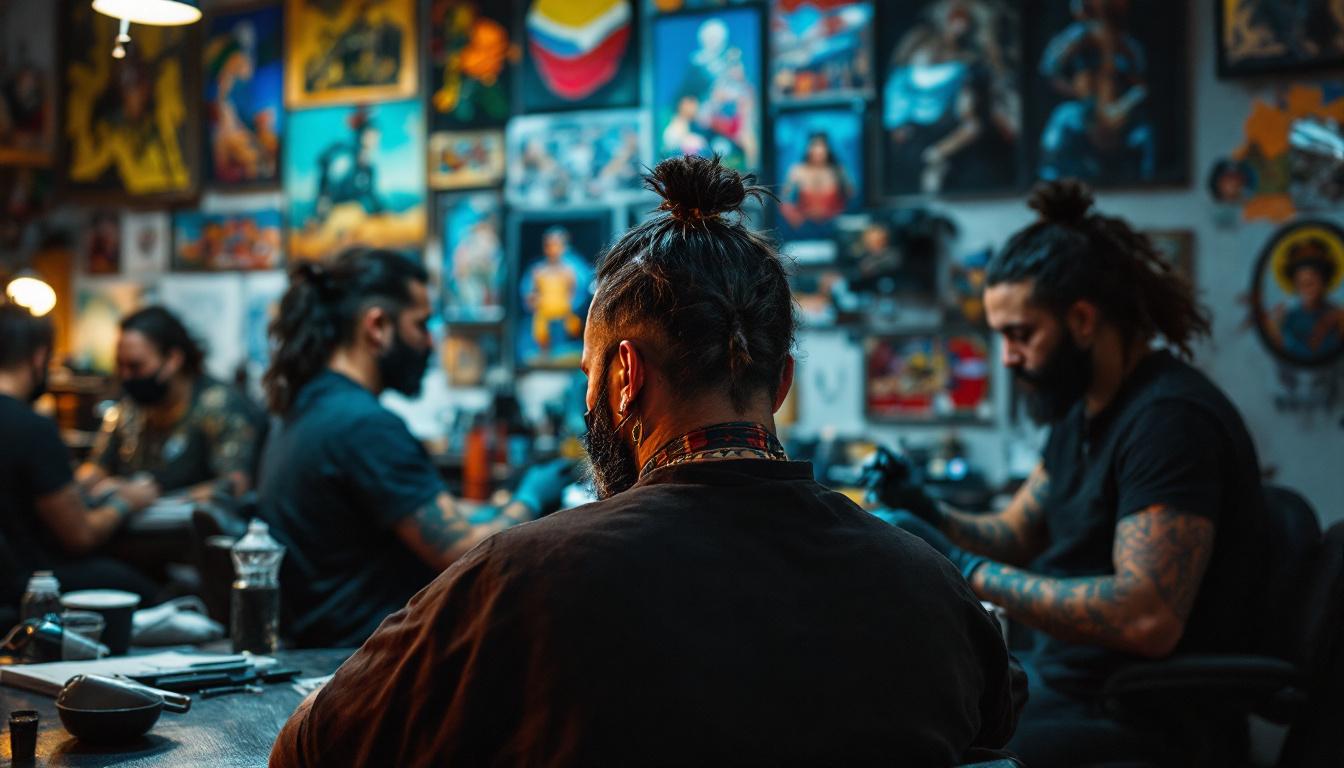
A lot of artists now treat traditional methods as a source they draw from. That choice argues against the idea of a tattoo as a throwaway fashion piece. It’s wearing history on your skin and staying tied to practices that protected and defined communities for centuries. SAPIENS has a good piece on how Indigenous tattooing keeps shaping the current scene (SAPIENS report). The marks are a tribute to the people who came first.
Ink as protection
Early Native American tattooing was about safeguarding the person. Symbols were believed to guard against harmful spirits and bad luck. In a lot of cases the marks acted as amulets, turning away negative energy and marking the wearer as someone carrying spiritual strength.
The work came wrapped in ritual. Special rites and prayers, each design feeding into a larger system of belief. That ceremony is what made the art sacred. Historical accounts describe tattoos working as a shield, not just a finish on the skin (Number Analytics insights).
The idea that a tattoo could function as a spiritual safeguard was taken seriously. Marks went on people as they hit certain milestones. Surviving a hardship. A message of hope. A reminder of how a person was tied to the cosmos and to nature.
Art and identity together
These traditions are declarations of who someone is. They stand against the kind of fleeting, shallow trends that come and go. There’s permanence here. Each tattoo reads like a chapter in a long story of identity, struggle, and survival. They’re personal and they’re political, shaped by a history of colonization and resistance. Native American tattooing carries that resilience and the refusal to let a heritage disappear.
That mix of art and identity hits hard right now, when a lot of people are hunting for real ways to feel connected. The marks anchor a person. They’re a reminder of a living legacy that keeps moving forward, carried by artists who put their whole heart into reclaiming what their ancestors made.
Why this matters going forward
The pull toward older methods runs alongside a real worry about appropriation. There’s a strong push to respect where these symbols come from, so the meaning behind each design doesn’t get flattened or misused. Artists and cultural custodians are working together to protect the practices for the next generation.
That balance, holding cultural integrity while leaving room for new work, is delicate. It’s also worth doing. The modern tattoo scene owes a lot to its Indigenous roots, and the revival shows these traditions can adapt without losing what they are. Each tattoo is a record of survival, belief, and identity. If you want to read further, the Smithsonian piece is a solid place to start.
Running the shop side of the work
If you tattoo for a living, the meaningful part is the ink. The scheduling, the deposits, the client notes, that’s the part that eats your day. Apprentice handles the booking and studio admin so you can keep your focus on the chair. Start a free trial and spend less time on the calendar and more on the work that matters.

Jason Howie
Founder & CEO
Jason Howie is the founder of Apprentice, passionate about empowering tattoo artists and shops with better tools to manage their business and serve their clients.