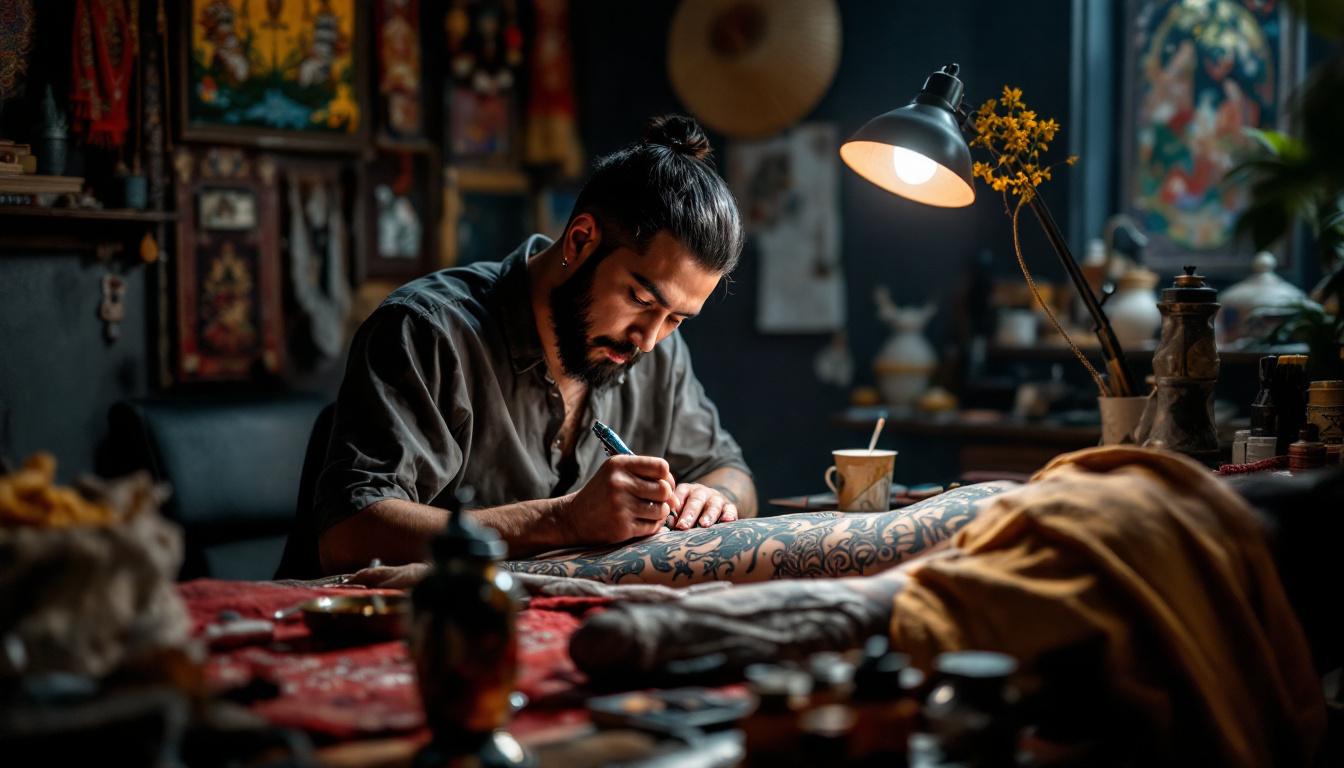
Exploring the Cultural Significance of Southeast Asian Hand-Tapped Tattoos
Dive into a world where art and tradition intersect in extraordinary ways-a realm defined by the rhythmic tap of needles, intricate symbols, and stories passed down through generations. This isn’t a trend or fleeting fad. It’s a rich cultural practice woven into the fabric of indigenous communities across Southeast Asia. For a taste of history and authenticity, consider the ancient art of hand-tapped tattoos, often practiced with techniques that have been refined over centuries. Check out the Smithsonian Institution’s detailed account of hand-tapping for a closer look at this traditional tattoo method on Smithsonian's tattoo storytelling exhibit.
A Glimpse into the Technique and Its Origins
In Southeast Asia, hand-tapped tattooing is more than skin deep. It begins with the traditional craft honed by generations of artists who pass their skills and knowledge from parent to child. This technique involves rhythmic tapping of needles onto the skin, a process that is as much a ritual as it is an art form. Each tap is a story, a link between the past and the present, resonating with the beliefs and aspirations of its wearer.
The method stands in stark contrast to modern machine tattooing. Instead of the loud buzz of an electric needle, the soft, deliberate taps produce a calming rhythm. This subtle approach is deeply embedded in cultural practices, where every design carries meaning. The method reflects respect for heritage and nature-a physical imprint of one's identity, spiritual beliefs, and social commitments.
Such is the case in many Southeast Asian tribes. For instance, the tradition among the Iban and Kayan people, where tattoos serve as a protective emblem imbued with mystical significance, underscores the union between artistic expression and spiritual safeguarding. Many tattoos created in this traditional style are intended to ward off negative energies and secure blessings for the bearer.
Stories Etched in Ink: The Power of Narrative
Hand-tapped tattoos are far more than mere adornments. They serve as a canvas for storytelling, relaying powerful narratives that speak of heritage, struggle, and triumph. As Durga Sipatiti, an Indonesian tattoo master, explains, traditional tattoos are “a vessel for storytelling, preserving and sharing narratives from past generations through intricate designs and symbolic motifs.” This sentiment captures the essence of why these tattoos continue to be so revered in many communities.
Every design is intentional. Whether it’s the story of a warrior’s valor or the coming-of-age rituals of a young girl, the ink becomes an emblem of personal and collective history. Consider the sacred batok in the Kalinga tribe, where hand-tapped tattoos symbolize the transformative journey of girls into womanhood. The intricate designs aren’t just art-they’re a rite of passage and a mark of maturity deeply steeped in ancestral lore.
The traditional tattooing practices among groups like the Pantaron Manobo further highlight how style and storytelling merge. For the Manobo, tattoos served as both a marker of social identity and a visible reminder of the group’s standing within their society. The stories sketched on the skin are as much about individual identity as they are about communal belonging.
The Cultural Revival: Modern Celebrations of an Ancient Art
The revival of hand-tapped tattoos in modern times stands as a tribute to cultural resilience. Regularly, events and expos take place that celebrate these time-honored techniques. One notable example is the Borneo Handtapping Tattoo Weekend, spearheaded by the renowned handtapper Aman Durga Sipatiti. The weekend-long event brought together artists and enthusiasts who cherish the unique aesthetic and spiritual promise of traditional tattooing. This gathering demonstrates how these ancient skills continue to be a relevant expression of cultural identity in a modern world.
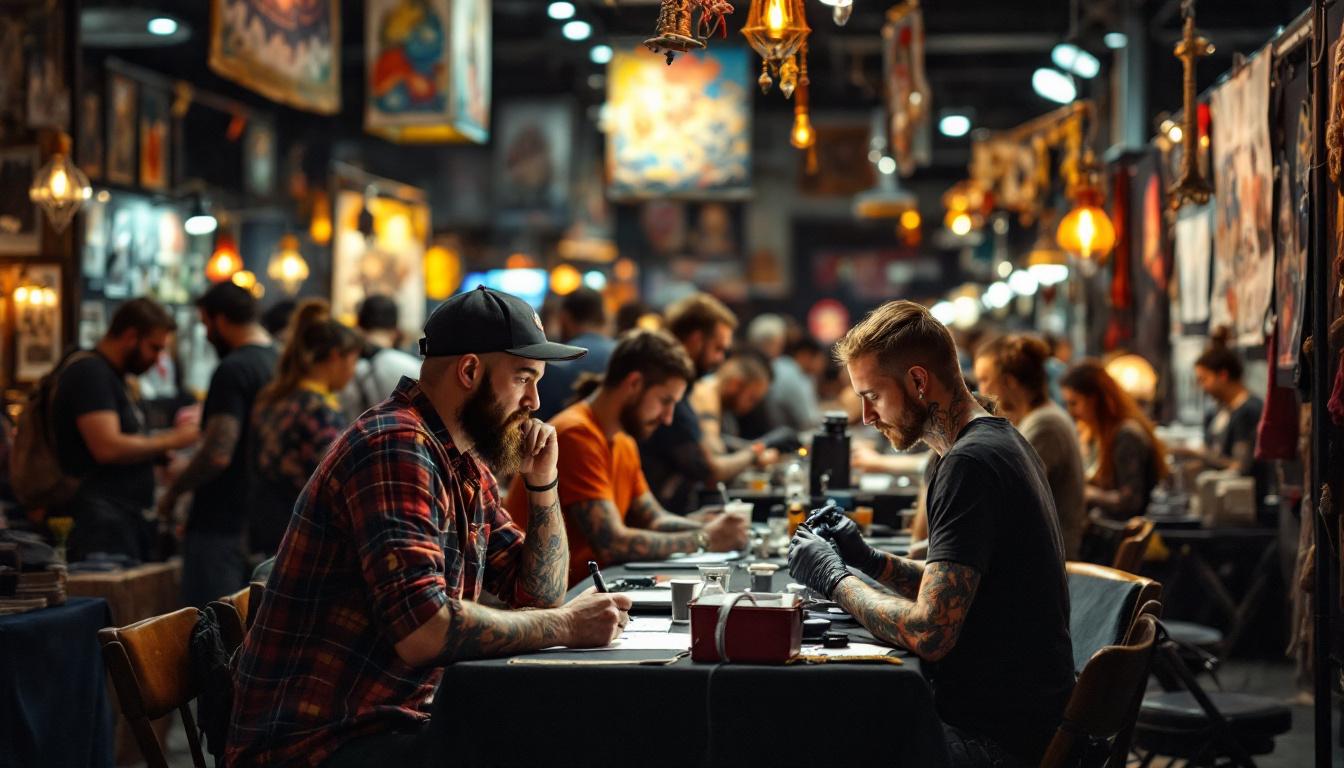
The Kuching International Tattoo Expo 2024 is another testament to this cultural renaissance. Here, traditional hand-tapped tattoos were a major highlight, reinforcing the significance of indigenous art in a global tattoo culture that is often dominated by mechanized machine techniques. This expo not only attracted a wide array of local talent but also drew attention from international audiences, showcasing the artistry and craftsmanship that have been nurtured over generations. For more on these contemporary expressions of traditional art, see the coverage in The Borneo Post.
The modern revival isn’t about reclaiming the past for nostalgia’s sake. It’s about reaffirming a distinct cultural identity in a world dominated by homogenized mass production. Traditional tattooing offers a counterpoint to the fast-paced, machine-driven trends of today. It reminds us of a time when every mark on the body had specific meaning. The resurgence of these practices instills pride among indigenous communities and educates the broader public about the rich cultural heritage behind each design.
From Sacred Rituals to Social Identity
Traditional hand-tapped tattoos serve the dual purpose of marking sacred rites and denoting social status. In several indigenous cultures, these tattoos are seen as powerful symbols that carry deep spiritual and social weight. They honor the past, mark significant life transitions, and assert the wearer’s identity within their community.
For many, the process of tattooing is both a ceremonial rite and a personal affirmation of one’s heritage. Tribal tattoos like those among the Kalinga and Pantaron Manobo are steeped in legend and ritual. For instance, the batok tattoos are believed to act as both a protective shield and a transformative mark, intertwining the physical and spiritual journey of the individual. This duality reiterates how traditional tattoos are far more complex than just visual displays-they’re living testimonies of cultural resilience and personal strength.
The symbolic nature of these tattoos speaks to universal human experiences. Each tap of the needle connects the present to a millennia-old cycle of storytelling, endurance, and transformation. Traditional tattoo masters view their craft as a sacred duty-a way to connect the modern wearer with the wisdom of their ancestors. More on the cultural and spiritual layers of these practices can be read in the discussion shared by tattoo experts over at the INKSMITH Journal.
The Community and Global Impact
Traditional hand-tapped tattoos are weaving their way into broader cultural conversations, becoming symbols of resistance against cultural erasure. In many parts of Southeast Asia, modernity has brought waves of change that risk washing away centuries of cultural practice. There’s a concerted effort among traditional tattoo artists to preserve these ancient methods, not only as a nod to their heritage but as an inspiration to future generations.

This community-driven movement is not solely about preserving art; it is about engaging with a global audience and ensuring that these cultural narratives remain alive. Tattoo festivals and international expos, such as the Kuching International Tattoo Expo, have opened the door for a global perspective to understand and appreciate the deep-rooted significance of hand-tapped tattoos. Such platforms create space for cross-cultural exchanges, where conversation flows as readily as the tap of the needle on skin.
By celebrating traditional forms of tattooing, communities are reclaiming a part of their identity that could easily be overshadowed by a more industrialized and global shorthand for body art. The celebration of these practices transcends into discussions on identity politics, cultural preservation, and the valuable role of indigenous knowledge in fostering a globally inclusive art scene. More insights into how these practices shape social dynamics can be found through studies shared in the Southeast Asian Studies repository.
The Personal and Spiritual Journey
At its core, traditional tattooing is an intimate experience. The tactile process of hand-tapping, the pain, and the subsequent beauty of the design create an unbreakable bond between the individual and their cultural roots. Every line, every dot, is an imprint of a rite of passage-a personal saga etched permanently onto the canvas of the skin.
For many, these tattoos are much more than decorative. They are arms of memory, spiritual talismans, and outward expressions of inner resilience. The spiritual significance is especially pronounced among many indigenous groups. The tattoos act as a physical embodiment of protective charms, intended to guard the bearer in both the physical world and the realms of the metaphysical.
This spiritual and personal attachment mirrors how traditional tattooing reinvents the narrative of modern body art. It’s not about abstraction or commercial appeal; it’s about grounding oneself in a history that is deeply personal and collectively significant. This blending of personal journey and cultural symbolism offers a profound reminder that art can be a bridge between eras, cultures, and generations.
Hand-Tapping: More Than Just a Technique
The art of hand-tapping itself stands as a vibrant alternative to contemporary tattooing methods. Unlike machine tattooing, which is rapid and precise, hand-tapping is reflective and deliberate. This old-school approach requires patience, skill, and an understanding of the human body that goes far beyond simple technique.
Mastering hand-tapped tattooing is often a lifelong journey. Aspiring tattoo artists learn not only the intricacies of needle alignment and rhythmic tapping, but they also inherit a legacy of cultural and spiritual knowledge that has been safeguarded through countless generations. It’s a craft that commands reverence for its deep historical roots and unwavering commitment to artistic integrity.
Events like the Borneo Handtapping Tattoo Weekend, established by Aman Durga Sipatiti, serve as essential hubs where this knowledge is both practiced and passed on. Here, the focus isn’t on speed or commercial polish. Instead, artists and enthusiasts come together to celebrate a method that speaks a language of its own-a language steeped in tradition, storytelling, and honor. For further details on how contemporary events are keeping these techniques alive, the IIAS newsletter provides a captivating overview.
Modern Resonance: A Blend of Past and Present
Despite the prevalence of modern tattoo machines and Western techniques, hand-tapped tattoos remain a potent symbol of cultural identity in Southeast Asia. They tell the story of a community that values its roots but is not afraid to evolve. As global interest in indigenous practices grows, there is a newfound appreciation for the authenticity and depth of traditional tattooing.
The resurgence of interest in hand-tapped tattoos is reflective of a larger societal trend-a desire to reconnect with cultural heritage and rediscover the beauty of slow art. In a world of disposable trends and fleeting digital moments, these tattoos signify permanence, resilience, and continuity. They are a reminder that beauty often lies in the deliberate, painstaking process that has been refined over centuries.
This phenomenon is not limited to local communities alone; it resonates globally. People from diverse backgrounds are increasingly drawn to the story behind each tattoo, the care taken in its creation, and the cultural wisdom it embodies. Traditional tattooing is gradually reshaping global body art, proving that sometimes, the old ways have the power to inspire new ones.
The Enduring Legacy and Future of Traditional Tattoos
The path of traditional hand-tapped tattooing is as rugged and resilient as the cultures it represents. Today, it navigates the intersection of heritage and modernity, offering profound insights into cultural identity, artistic expression, and spiritual transmutation. As modern influences intertwine with age-old techniques, what emerges is a dynamic narrative of survival and revival.

Community events, international expos, and digital storytelling have played crucial roles in safeguarding and propagating these traditions. The dialogue between generations-a dialogue rooted in the legacy of artisanal mastery and spiritual heritage-is vital for ensuring that the art does not fade away. The future of hand-tapped tattooing looks promising because it is not confined by time. It adapts, evolves, and continues to resonate with those seeking meaning beyond the surface.
This enduring legacy is a call to honor the past while embracing the present. Whether it is through formal apprenticeship or the immersive experience of a tattooing weekend, the spirit of traditional Southeast Asian hand-tapped tattoos lies in connection-connection to history, to community, and to self. As the tradition endures in the face of rapid modernization, it stands as a powerful testament to what it means to keep cultural memory alive.
Inked in the Heart of History
Traditional hand-tapped tattoos carry a weight of history that is both inspiring and humbling. Each piece, with its intricate patterns and deliberate execution, challenges modern trends and celebrates a form of art that is both personal and profoundly communal. The stories and symbols etched into skin serve as a constant reminder of the importance of preserving cultural diversity in an ever-changing global landscape.
The conversation around these tattoos continues to evolve. In our fast-paced era, where everything seems disposable, these tattoos insist on permanence-a statement that heritage is not just something to be admired from afar, but to be lived and carried on. They confirm that art can be a living archive that embraces the soul of a community.
For a deep dive into the significance of tattoos across cultures and through history, it is worth reflecting on the words of experts who affirm that “tattoos have held cultural significance throughout human history, and this is particularly true for many indigenous cultures.” Their collective wisdom resonates in every tap of the needle, every flow of inky patterns that defy the transient nature of modern art.
Bridging Generations with Every Tap
The legacy of hand-tapped tattoos is best appreciated as more than just an art form-it is a bridge that connects generations. The process of hand-tapping is inherently communal, requiring not only technical skill but also a deep understanding of tradition, ethics, and the importance of lineage. In many indigenous communities, learning the craft goes hand in hand with learning the stories and meanings behind each design.
This intergenerational exchange insists on the value of patience and respect for traditions that have been passed down through the ages. Tattoo apprentices work side by side with master artists, absorbing each tap and absorbing every tale. It is this living connection that assures people the wisdom of the past will continue to shape the creative expressions of tomorrow.
Ultimately, the act of inking a traditional hand-tapped tattoo is a declaration of identity-a personal and communal badge of honor that is etched in history. The narratives conveyed by these tattoos speak volumes about the resilience of cultural practices and the ongoing fight against dilution by modern, impersonal trends. The modern revival of these tattoos is a reminder that cultural heritage, much like the stories behind every design, is timeless.
The Final Mark: A Testament to Enduring Culture
The journey through the world of Southeast Asian hand-tapped tattoos is like tracing the roots of an ancient tree-each branch telling a story and each mark a whisper of the past. As communities continue to safeguard their traditions, the artistry and meaning behind these tattoos remain as vital today as they were centuries ago.
From celebratory events like the Borneo Handtapping Tattoo Weekend to globally recognized expos that honor hand-tapped techniques, the cultural narrative is alive, vibrant, and constantly evolving. The conversations and connections sparked by this art remind everyone that at the heart of every tattoo lies not just ink on skin, but the powerful imprint of history and belonging.
The story of these tattoos is far from finished. Every tap echoes with the wisdom of generations, urging modern society to appreciate the depth that lies beneath surface aesthetics. As much as these tattoos mark a personal journey, they mark a collective movement-a movement that connects the past with the present and offers a glimpse into the future of cultural expression. For a deeper dive into the masterful artistry and cultural narratives, revisiting insights shared by experts like Durga Sipatiti is a great reminder of the ongoing dialogue between tradition and innovation. More about his work and philosophy can be explored in The Borneo Post's interview with the master tattooist.
Take Your Tattoo Studio into the Future with Apprentice
As the tradition of hand-tapped tattoos continues to thrive, it's essential for tattoo studios to honor these cultural practices while embracing modernity. Apprentice offers a unique opportunity to blend the ancient art of tattooing with cutting-edge technology. Enhance your studio's operations and client experience with our comprehensive tools. Streamline your appointment scheduling, collaborate on designs with precision, and manage client interactions with ease. Embrace the future of tattooing and join a community of forward-thinking artists. Start your free trial with Apprentice today and transform the way you manage your tattoo studio.
Jason Howie
Founder & CEO
Jason Howie is the founder of Apprentice, passionate about empowering tattoo artists and shops with better tools to manage their business and serve their clients.