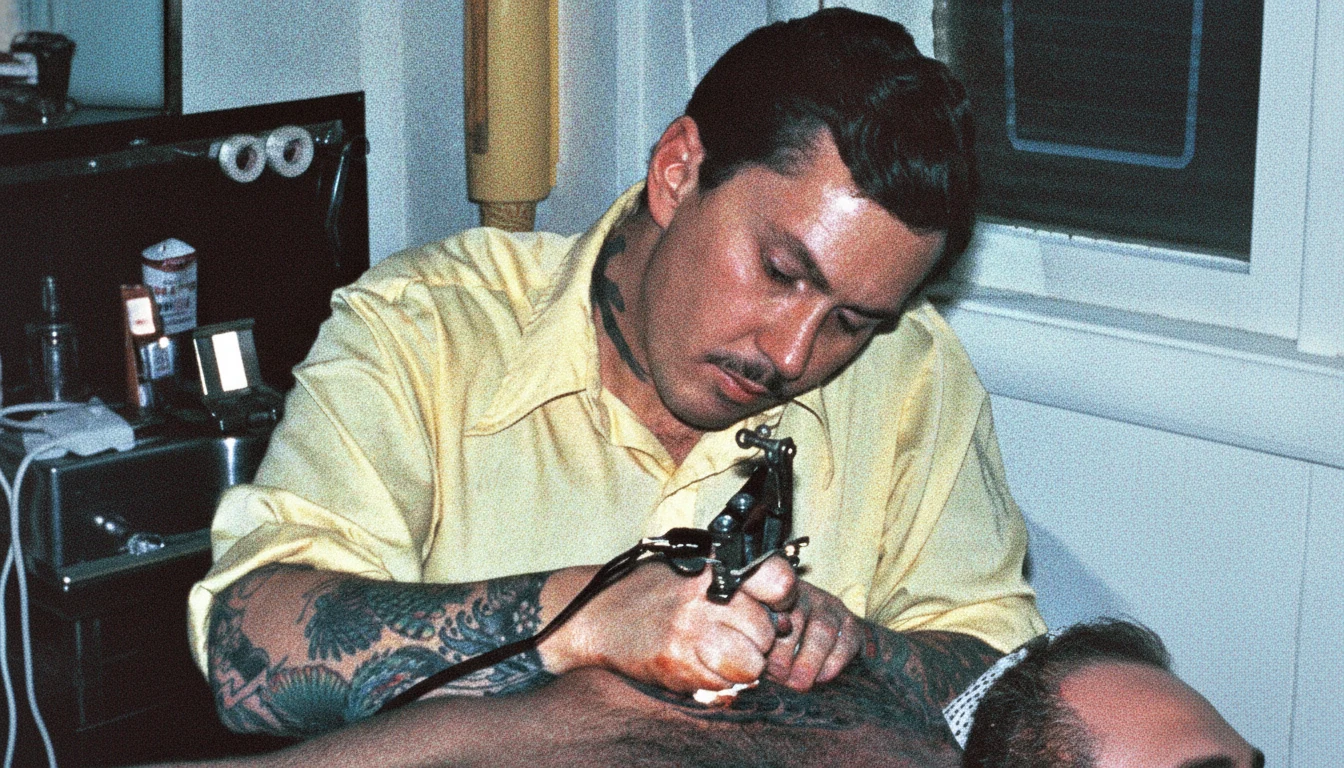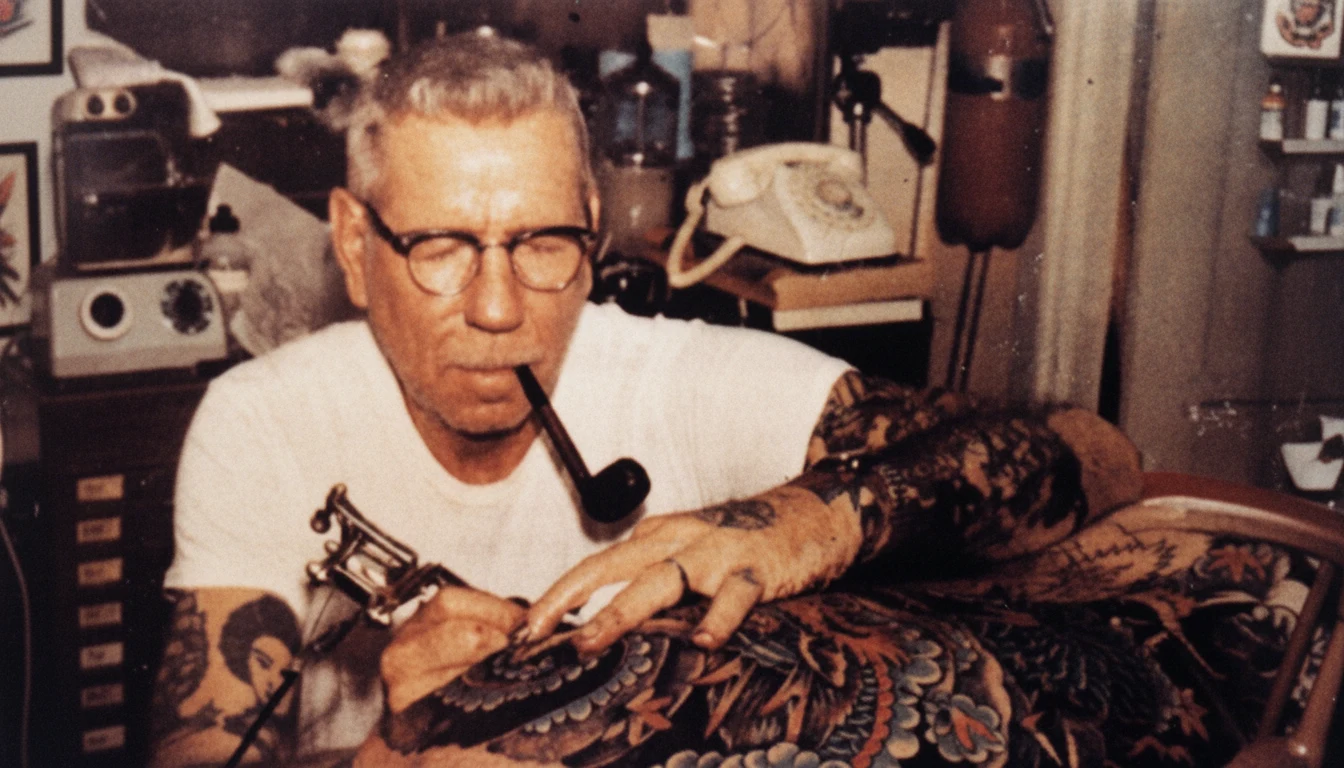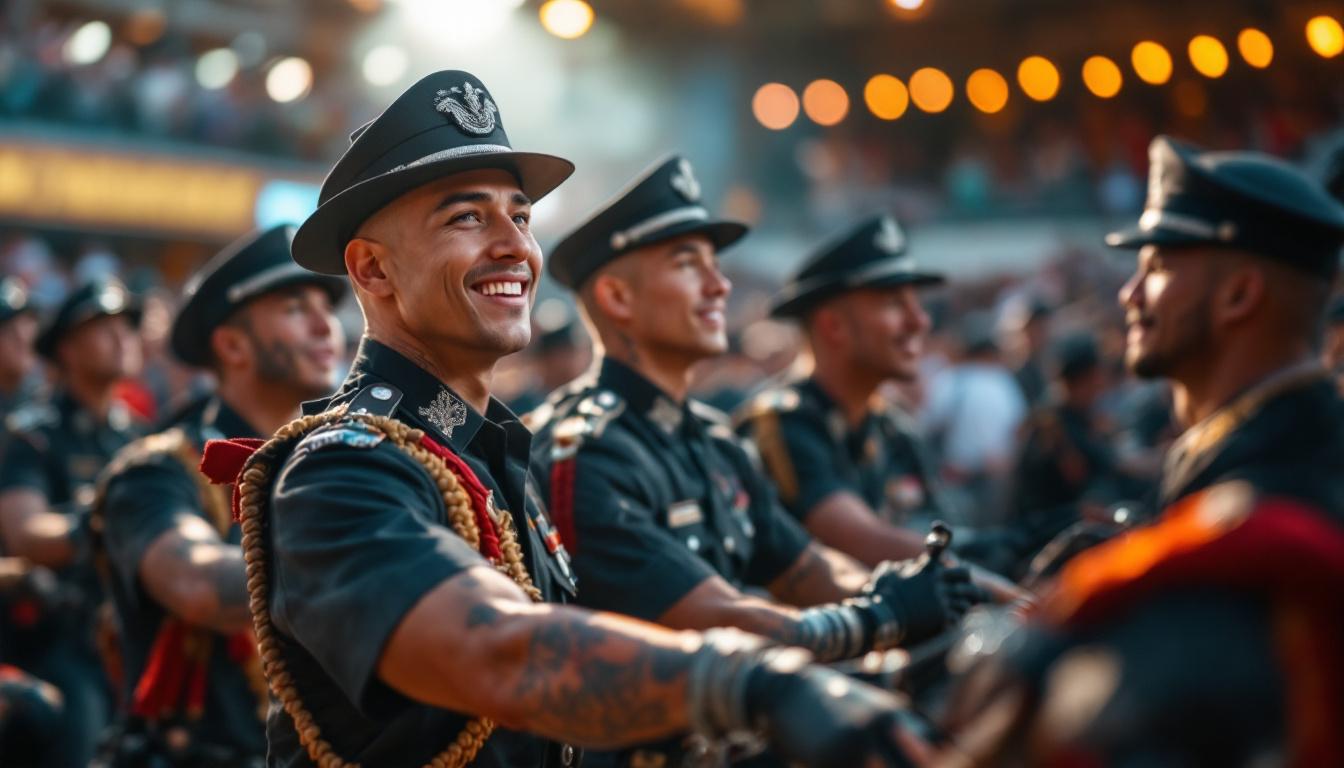
Ask a soldier about the tattoo on their forearm and you’ll rarely get a short answer. The ink usually points back to a person, a unit, or a day that changed them. That’s the thing civilians miss about military tattoos. They’re not decoration that happens to be on a service member. They’re a record.
The tradition is old, and it’s American in a specific way. The U.S. Army traces it to the Navy in the early 1900s, when sailors came home from overseas with body art and the habit spread. A century-old Army piece on the subject lays out why it stuck around. Military life demands you look the same as everyone next to you. A tattoo is one of the few things you get to choose.
Why service members get inked
The Army breaks the reasons into a few buckets, and they hold up.
There’s self-expression, the obvious one. When the haircut, the boots, and the uniform are all regulated, the ink is yours.
There’s pride. Unit patches, occupational symbols, patriotic imagery. Staff Sgt. Spencer Bowers put his loyalty plainly in that Army article: “You always dance with the one that brought you, and the one that brought me is the mighty 10th Mountain.” That’s a tattoo that tells you exactly where someone served before they say a word.
Then there’s memory, which is where it gets heavy.
Memorial tattoos and closure
Memorial pieces got much more common after 9/11. When a friend doesn’t come home, an awful lot of service members carry them on their skin instead. Staff Sgt. James Campbell said it without flinching in the same Army piece: “That’s exactly why it’s there, because I want to remember him, forever.”
Spc. Steven Baker described his ink as “a time capsule that you put on yourself.” That’s a good way to think about most military tattoos. They freeze a moment so you can come back to it.
If you’ve never tattooed a memorial piece, know that the appointment isn’t like a flash session. The person across from you is processing something. Slow down. Let them talk about who it’s for. The story matters more than the linework, and they’ll remember how you handled it.
The deployment tattoo
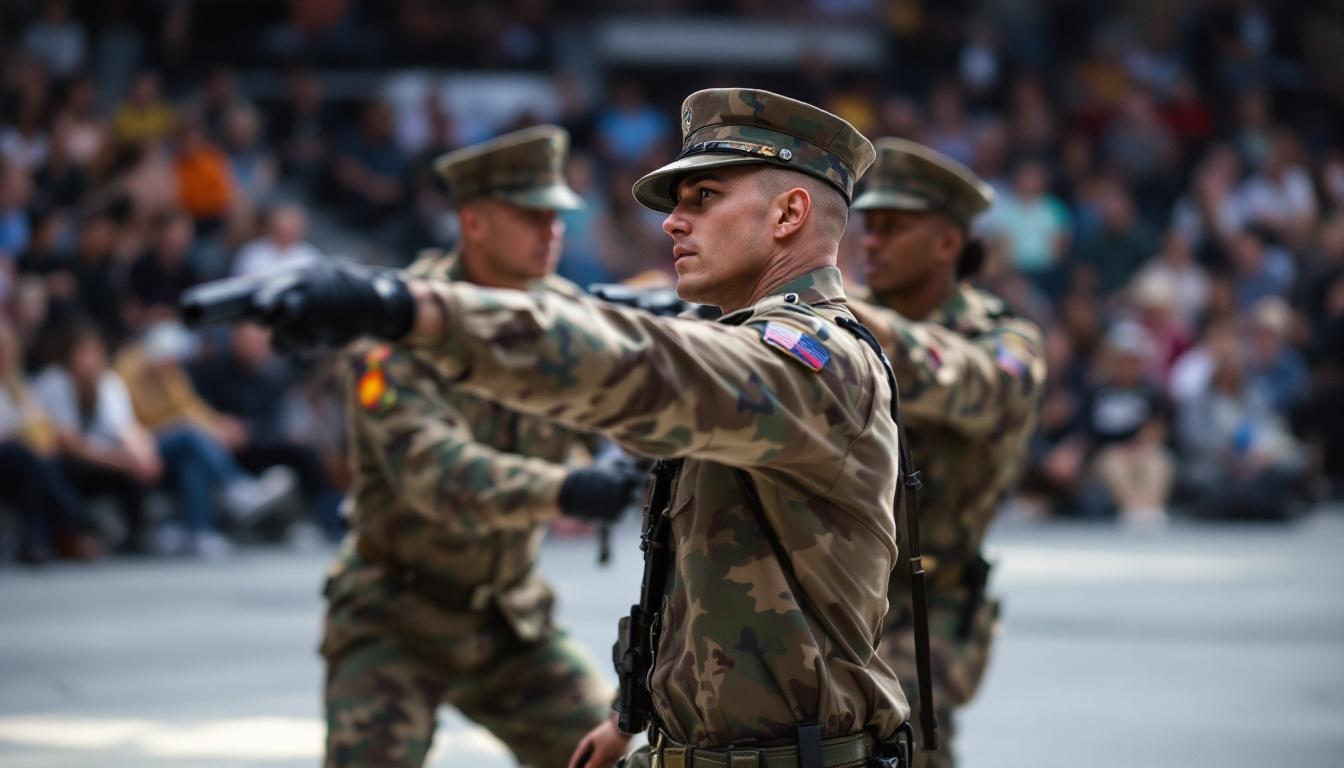
A lot of people get inked right before they ship out. A study published in Military Medicine surveyed service members and found that 57% of them got their tattoos before deployment. Worth a caveat the authors themselves raised: they didn’t find strong evidence that deployment caused the tattoos. People in this population just tend to get inked, and a lot of it happens to land before they leave.
Still, the timing isn’t an accident for everyone. Getting marked before a deployment is a way to set down who you are before things get uncertain. Some people want a piece of home on them. Some want a name. Either way, the appointment carries weight that a walk-in butterfly doesn’t, and a good artist reads that.
Studios are opening on base
The newer development is the studio itself moving onto the installation. The American Tattoo Society opened a shop at Fort Irwin in August 2023, an actual licensed studio on a military base.
That’s a real shift. For decades the tattoo shop was the strip of parlors just outside the gate. Putting one inside says the institution has stopped treating ink as something to tolerate and started treating it as part of the culture. For artists, on-base demand is steady, specific, and built almost entirely on storytelling work. Memorials, unit pieces, deployment dates. If you run a shop near a base, that’s your bread and butter whether the studio is inside the gate or down the road from it.
The acceptance shift
None of this would have happened thirty years ago, when visible ink could stall a career and most of the country still read tattoos as trouble. That’s gone. Tattoos are mainstream now, and the military’s rules have loosened alongside the rest of the country. Veterans and active-duty members wear their pieces openly, and nobody blinks.
The tattoo business grew right along with the attitude. The U.S. tattoo studio and removal market was valued at around $4.5 billion in 2024, driven mostly by younger people who never saw a stigma to begin with. That number includes removal, which tells you something honest: plenty of people change their minds. Military or not, ink is permanent and people aren’t. Guide your clients toward pieces they’ll still stand behind in twenty years, especially the young enlisted ones who walk in wanting something huge on the cheap.
A word on safety
Health questions come with the territory. A 2023 review in the Journal of Public Health Policy looked at the research on tattoos and physical health and concluded the field still needs more study before anyone draws hard lines. That’s not a scare, it’s a reason to keep your station clean and your practices boring. Single-use needles, fresh gloves, a sterilized setup, every time. The studios opening on base hold to the same standards a good civilian shop does, and they should.

What it comes down to
Military tattoos are records of who people served with and who they lost. The designs change, the rules change, the studios move closer to the gate, but the reason underneath stays the same. Somebody wanted to carry a moment on their body so they’d never have to explain why it mattered.
If you tattoo service members, you already know the responsibility. The piece you put on someone’s arm might be the only place a name still lives. Treat the appointment that way.
Running a shop and want the booking, deposits, and consent forms to handle themselves so you can give those appointments your full attention? Start a free trial of Apprentice and spend less time on the calendar and more time at the chair.

Jason Howie
Founder & CEO
Jason Howie is the founder of Apprentice, passionate about empowering tattoo artists and shops with better tools to manage their business and serve their clients.