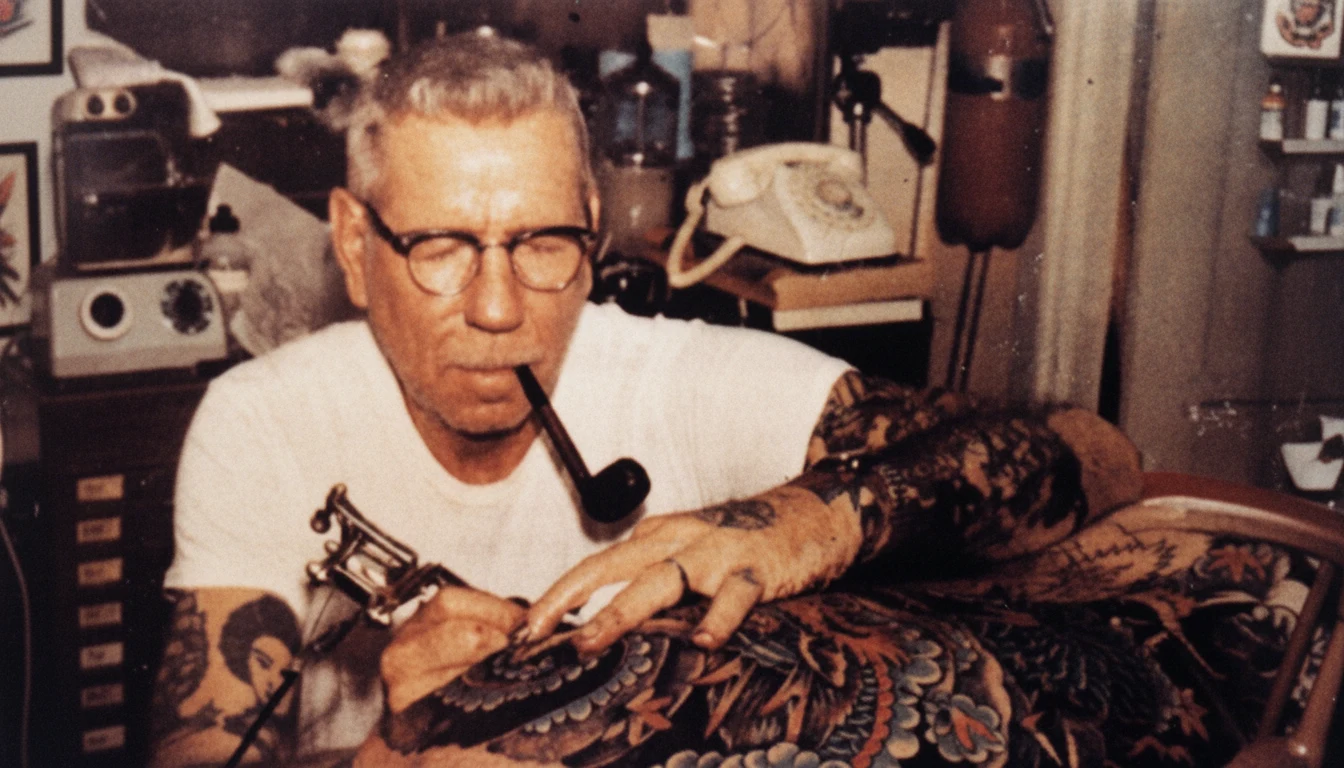
George Burchett: Exploring the Legacy of the King of Tattooists
A Glimpse into a Revolutionary Era
The streets of old London buzzed with the chatter of a new kind of art, and none of it could be more groundbreaking than George Burchett's tattoo legacy. His name resonates through the alleys of tattoo history as he inked legendary faces like King Alfonso XIII of Spain, King Frederik IX of Denmark, and even the renowned "Sailor King" George V of the United Kingdom, leaving his mark both literally and metaphorically. For those curious to dig a little deeper, check out this detailed profile on Tattooed Royalty.
Born into an era when tattoos were seen more as a gimmick than a reputable art form, Burchett turned perceptions on their head. Streets and studios alike began to recognize that beneath the surface of ink and skin was a rich tale of passion, rebellion, and creativity. His work wasn’t merely about drawing images; it was about telling stories, one needle prick at a time.
Even today, his influence is palpable, rippling through the lives of modern tattoo enthusiasts and practitioners. The vibe surrounding his work is palpable, like a secret nod from history that still inspires today.
The Making of a Tattoo Legend
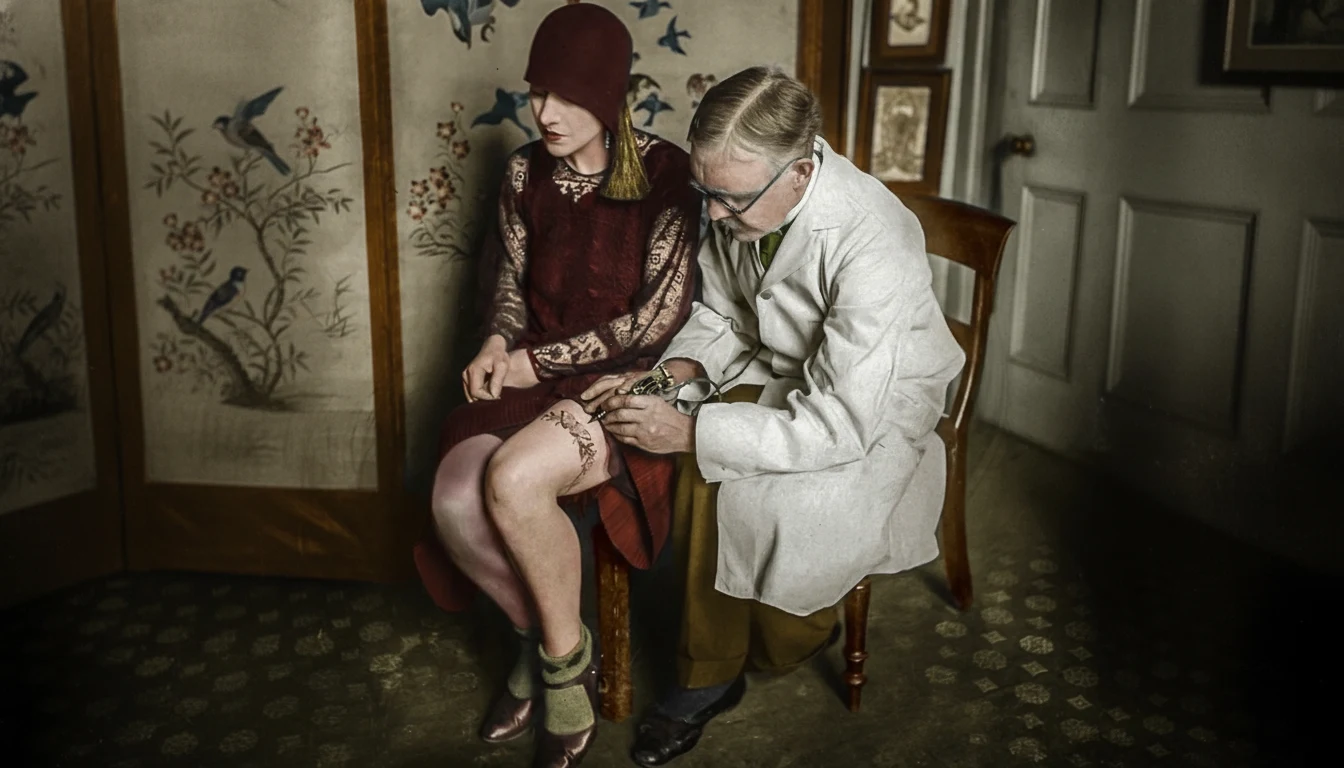
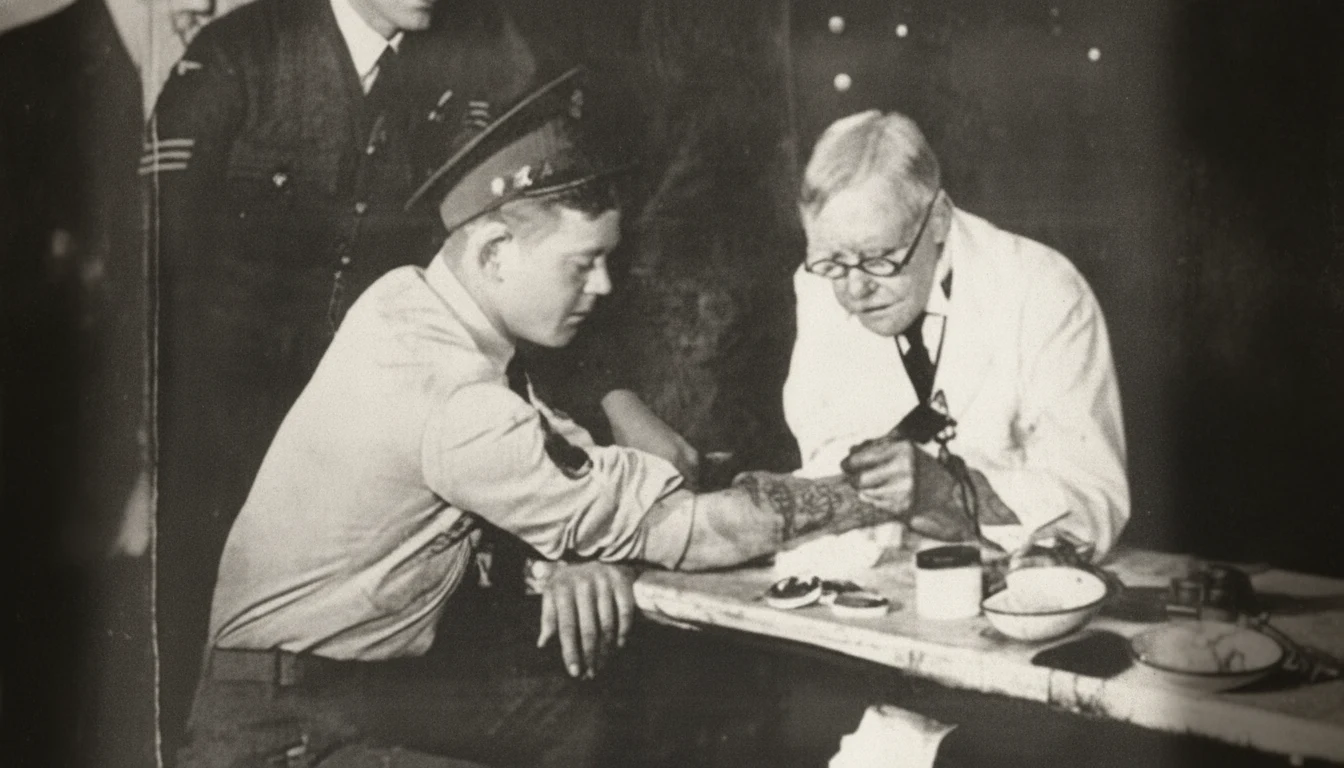
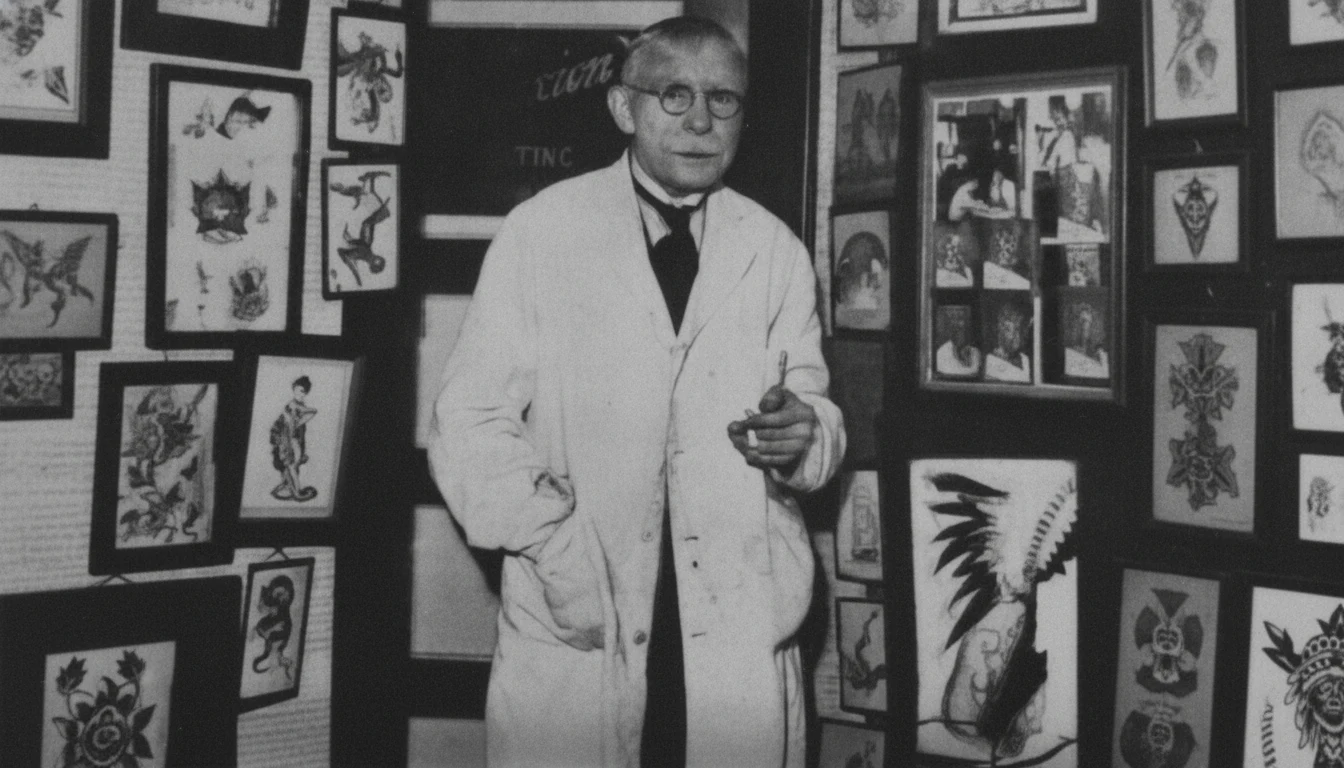
George Burchett didn’t just earn a reputation-he crafted a whole movement that made him one hell of a trendsetter. Working amidst the backdrop of wars and royal courts, his studio on Waterloo Road became a sanctuary for soldiers and civilians alike, a testament to a time when tattoos were a visual diary of one’s journey. Veterans, looking to reminisce or declare allegiance through insignia and portraits, were frequent visitors during World War I. Over time, his designs transformed from transient marks into intricate stories that held deep personal and cultural significance.
This transformation wasn’t just a product of his technical skill. It also emanated from his audacious spirit and relentless hustle that resonated through the tattoo community. As detailed in Jon Reiter’s account, Burchett’s work evolved into an art form that embraced diversity, history, and the raw edge of British culture.
It wasn’t long before the upper echelons of society caught wind of his artistry. When kings and nobles sought him out, it marked a pivotal moment in tattoo history. His journey from a street-level artist to a name recognized among royalty defied expectations and redefined what tattooing could represent.
A Royal Stamp on Inked History
When high society collides with counterculture, sparks fly, and George Burchett was right at that intersection. His clientele wasn’t just a random crowd. It was a well-curated mix of the elite and the everyday. Imagine the audacity required to tattoo royal portraits or military insignias, which were symbols of honor and heritage at the time. His work with kings-like the detailed portraits of King Alfonso XIII, King Frederik IX, and the formidable George V-was groundbreaking. It spoke volumes about the evolving perceptions of tattoos in a society steeped in tradition.
Burchett’s approach was simple: break the molds and let the art flow. His audacity gave voice to the unspoken language of the skin. No longer relegated to being a mark of rebellion or misfortune, tattoos under his needle became a powerful statement of identity and artistry. In many ways, his work forged a bridge between the counterculture and mainstream society, proving that ink could be a medium for both personal stories and historical narratives.
This rich tapestry of experiences is well-documented in notable works and exhibits, such as the recently released Tattoo Catalogue: 2025, which highlights rare items from iconic figures in tattoo history. The catalogue serves as a vibrant snapshot of the past, capturing the essence of a time when tattoos were emerging as a respected art form.
The Evolution of Tattoo Culture
The journey of tattooing from a fringe activity to a respected art form is undeniably linked to pioneers like Burchett. In an era when ink was often associated with sailors, outcasts, or rogue elements, Burchett’s reputation evolved alongside his techniques. His relentless pursuit of perfection brought credibility to tattoo art-a practice that once struggled with legitimacy.

His memoir, aptly titled Memoirs of a Tattooist, has been a beacon for both tattoo aficionados and art historians. The memoir recounts not only the technical evolution of tattoo methods but also the cultural shift that saw tattooing recognized as an art worthy of acknowledgment. Troying the traditional norms, he solidified the idea that tattoos could hold a profound meaning-a visual narrative that went far beyond skin deep.
With decades of hands-on experience, Burchett became, and still remains, a symbol of transformation. His willingness to embrace change and challenge the status quo serves as a reminder that art is not constrained by societal norms. Instead, it transcends them, forging a legacy that inspires future generations to pick up the needle and tell their own stories.
The Ripple Effects in Modern Tattooing
George Burchett’s influence goes far beyond the inked skin of his clients; it permeates the fabric of modern tattoo culture. Today, when discussing vintage tattoo aesthetics or the pioneering days of English tattooing, Burchett’s name never fades. His techniques laid the groundwork for many tattoos found in current-day studios, bridging eras with every line and shade. Even the tools that modern tattoo artists swear by can trace their lineage back to that period. For instance, the story of Barber DTS, which started in the 1930s when Charles Davis-Burchett’s son-began providing tattoo equipment across Great Britain, highlights the intergenerational impact of his work. Learn more about this journey at Barber DTS.
The cultural crossover is hard to ignore. Soldiers, everyday working-class heroes, and even members of the royal family sought out the kind of stories that only a master can ink. All this really brought tattooing to the forefront as a medium where art was not confined to paper or canvas, but rather the human skin-a living, breathing work of art that evolves with time.
Modern studios nod to Burchett’s work, and his style continues to influence designs that mix traditional techniques with modern aesthetics. This enduring legacy brings forth discussions about the artistry, the techniques, and the meaning behind tattoos, inviting experts and enthusiasts alike to explore the transgenerational narrative of ink.
Cultural Connotations and Social Impact
Burchett’s legacy isn’t merely about an artist behind a needle-it’s about reimagining the cultural narrative. His life and work firmly placed tattooing into a broader context, transforming public perceptions and social attitudes. In a time when body art was dismissed as a rebellious fad, his work started conversations about identity, social class, and artistic expression. Being both a rebel and a craftsman, Burchett blurred the line between street culture and high art, creating a remarkable dialogue that resonates even after all these years.
The symbolism engraved in his work reaches far beyond the mere aesthetics of body art. From military insignias that offer a glimpse into a soldier's valor to portraits of royalty that encapsulate the solemnity and grandeur of a bygone era, his tattoos encapsulated the essence of a diverse array of personal and collective identities. This redefinition of tattooing brought honor to a practice that once carried a stigma. It was less about shock value and more about embedding personal histories into the very skin of the wearer.
As the years passed, his influence helped nurture a more accepting and celebratory view of tattoos. His story is a blueprint for transformation-keeping one foot in the gritty realism of everyday life while the other steps into the world of high art. These cultural connections continue to shape public opinion, proving that the power of tattoos is as psychological and sociological as it is aesthetic.
The Artistry That Transcended Time
Burchett's legacy thrived on the beauty he brought to each tattoo session. His designs were a blend of bold lines, careful shading, and a relentless pursuit of perfection. With a needle in hand, he painted more than designs-he painted stories, dreams, and memories. Today’s tattoo artists use his work as both a historical reference and a source of inspiration, melding the old-school techniques with innovative methods that speak to new generations of art enthusiasts.
The nuance in each piece that he crafted solidified the perception of tattooing as an art rather than just skin deep decoration. The evolution of his career, marked by the transition from countercultural notoriety to outright acclaim, paved the way for a more robust dialogue between tradition and modernity. His enduring trail of work serves as a powerful reminder of how one's passion can redefine social boundaries and create a new artistic language that speaks across centuries.
Not everyone's cup of tea might hang on a royal portrait wrapped in ink, but it’s impossible not to tip the hat to the sheer audacity of his choices. His work has a timeless quality, a bridging force that connects narratives from high society to the gritty realities of wartime survival. Whether etched on a soldier's arm or a king’s hand, each tattoo carried a mix of defiance, hope, and raw, unfiltered humanity.
Legacy in the Pages of History
The story of George Burchett has been captured not just through ink on skin, but also in print. His memoir, republished in 2022, is a treasure trove of insights gathered over more than fifty years in the tattoo business. The republishing effort of his memoir jump-started a renewed interest in the golden era of tattooing, reconnecting modern audiences with the passion and grit that defined his era. These accounts serve as both historical documents and well-loved narratives that continue to educate and inspire. Readers and historians alike can explore these reflections in the republished version, which stands as a testament to a life that profoundly influenced tattoo art.
Explorers of tattoo history and aficionados can find detailed accounts of his life in works like "King of Tattooists – The Life and Work of George Burchett." Such meticulous studies preserve the technical and artistic details of his career. His journey, with all its trials and triumphs, mirrors the evolution of tattooing itself-from a practice once relegated to the fringes of society, to a celebrated art form recognized globally.
Burchett didn’t just tattoo bodies; he tattooed history. His name is etched in the annals of tattoo culture as one who refused to let the scribbles of his early days define the future. Instead, he offered a fresh perspective, looking at skin as a canvas where every line could contribute to the broader narrative of human endeavor and resilience.
The Pulse of Modern Tattoo Enthusiasm
Today’s tattoo scene resonates with the echoes of George Burchett's pioneering spirit. The vibrant community of tattoo artists, collectors, and enthusiasts continue to debate, study, and celebrate the transformative power of tattoos. His influence is woven into the very fabric of modern tattooing-the techniques, the styles, the tools, and even the entrepreneurial pathways taken by tattoo supply companies that trace their origins back to his innovative days.
The ethos of pushing boundaries and reclaiming narrative control lives on in every piece of ink that tells a story. In modern parlance, this rebellious yet heartfelt stance is celebrated like the rich, soulful spirit of Philly street art: raw, unapologetic, and brimming with character. The same fervor that marked Burchett’s work now fuels tattoo festivals, art shows, and viral trends that turn body art into mainstream cultural phenomena.
This continued celebration of his legacy is a nod to those who dared to be different and unapologetically unique. It speaks volumes about how an art form, once plagued by misconceptions, has evolved into a language of personal expression and historical storytelling that bridges generations.
A Living Influence Beyond the Needle
What truly sets George Burchett apart isn’t just the illustrious names he inked or the innovative techniques he championed-it’s the enduring influence that stretches far beyond the confines of an artist’s studio. Today, artists look back at his work not just for technical guidance, but as a symbol of perseverance in the face of societal norms. His journey reminds tattoo lovers that every mark bears a story, every line a lesson, and every design a slice of history.
The environment in which Burchett worked was gritty and full of contradictions-a melting pot of warriors, nobility, and everyday folks, each with their own reasons for wearing their stories on their skin. That dynamic energy is still echoed in the modern tattoo culture, where personal biography intertwines with artistic expression. It’s a living tribute to a time when art was raw, dangerous, and profoundly personal.
From the whispered legends in smoky backroom studios to the sprawling galleries showcasing tattoo art today, Burchett's work remains a beacon for innovation and rebellion. His legacy lives on as a rallying cry for artists who believe that the story one carries on their skin can be as influential as any painting in a museum.
The Enduring Spirit of a Tattoo Pioneer
Even after the needle is put down, the memory of George Burchett continues to reverberate within the tattoo community. His work is more than a collection of static images; each tattoo is a living memory, an emblem of resistance, creativity, and the sheer will to redefine what’s possible. The connection between the artist and his subject was built on trust, audacity, and a mutual understanding that beauty sometimes resides in the unexpected. It’s a vibe that modern tattoo studios and enthusiasts echo every time they celebrate not only the art itself but the spirit of its origin.
Burchett was a pioneer who elevated tattooing from a working-class novelty to a respected art form-a transformation that only a visionary with nerves of steel could achieve. This transformation is chronicled in deep dive analyses and historical recounts that connect his meticulous work with the broader evolution of modern body art. It serves as a reminder that the art of tattooing is as much about the stories behind the lines as it is about the lines themselves.
His influence is evident not just in the tattoos that adorn bodies, but in the evolution of tattoo culture worldwide. There remains a certain swagger and raw authenticity in his style that continues to inspire artists today. Tattoo enthusiasts and budding artists often discuss these elements with the same passionate energy that once filled the smoky rooms of his Waterloo Road studio.
The Impact on Industry Standards and Beyond
George Burchett's career also played a pivotal role in defining what it means to be a professional tattoo artist during turbulent times. His finesse and determination led to the establishment of standards that are still revered and built upon today. From his innovative techniques to the way he handled a variety of clientele-ranging from soldiers on the battlefield to the epitome of royalty-his approach demystified and dignified an art that was once looked down upon.

As tattooing entered the modern era, elements of his style evolved into industry practices that influenced how equipment, hygiene, and studio management were approached. His influence even touched the realm of business when his son, Charles Davis, took a passion for tattoo supplies and transformed it into a burgeoning enterprise that remains influential to this day. These ripple effects remind one that true impact is measured not just by the art itself, but by the legacy it leaves behind.
The tattoo industry today proudly carries the mark of its past, with every new artist and every fresh design reflecting a bit of the rebellious spirit Burchett instilled. His story is a celebration of creativity, resilience, and the unwavering belief that true art has no boundaries.
Revisiting the Legacy and Looking Ahead
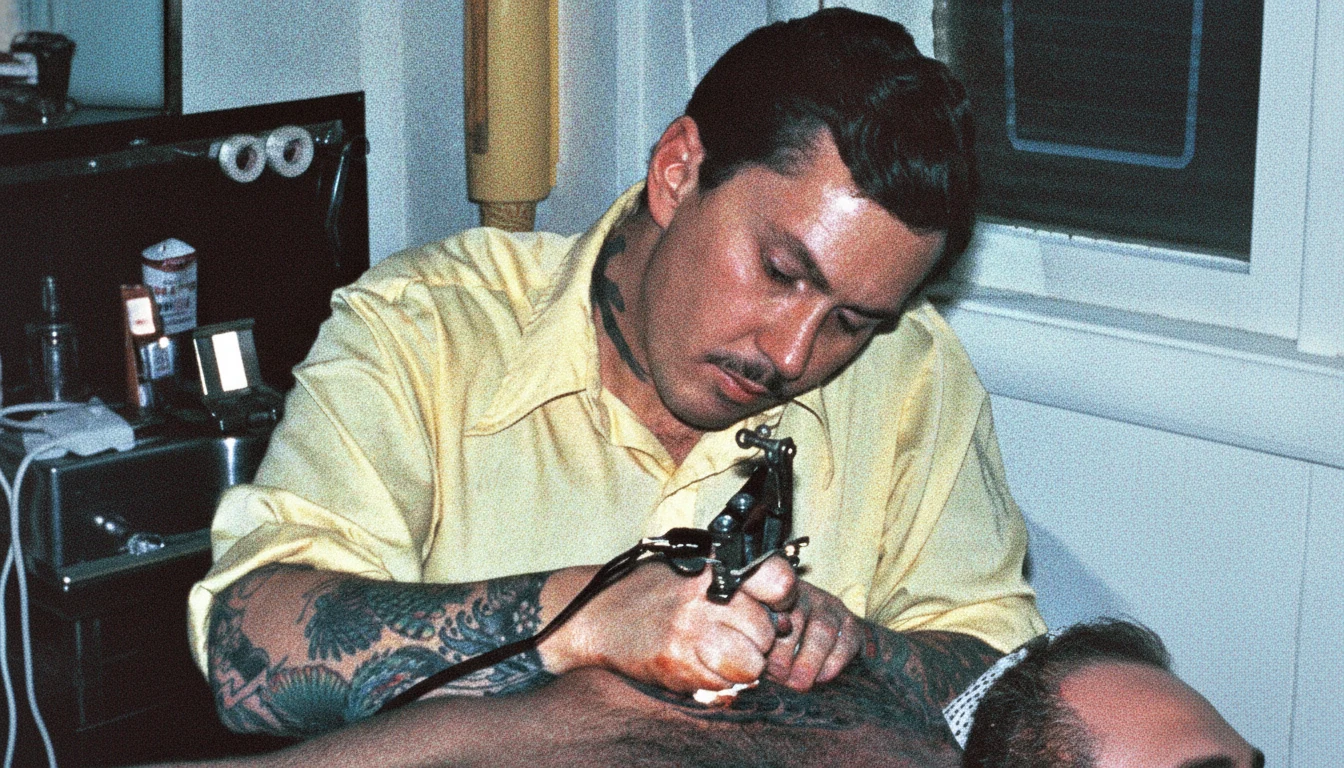
The story of George Burchett is far from confined to the pages of history. His legacy continues to influence modern tattoo conventions, styles, and even the way artistic merit is gauged in a world that’s far more fluid than it was back in the day. Every time a new artist picks up a tattoo machine, there’s a connection-a silent nod-to the legacy of those who defied norms and reshaped public perception of body art.
As the industry evolves and more young artists embrace their unique styles, Burchett’s influence is unmistakable. The modern era of tattooing is not just a blend of technical mastery and bold designs; it's a living archive of stories and traditions passed down through generations. This blend of old and new proves that art, in its most sincere form, is timeless. His imprint on tattoo culture is a celebration of what it means to innovate fearlessly, even when faced with societal odds.
While new digital trends and technologies might redefine aspects of artistry, the spirit that George Burchett encapsulated remains a cornerstone of tattoo culture. Future generations will likely continue to look back at his work not just for inspiration, but as a symbol of how passion, perseverance, and a touch of rebellious daring can transform an entire industry. Every time a tattoo needle vibrates to life, there’s an echo of that raw, unapologetic energy that made him the undisputed King of Tattooists.
Final Thoughts: Ink, Legacy, and the Art of Expression
Steeped in history and charged with a rebellious heart, George Burchett redefined the language of ink. His career was a rollercoaster of challenges and triumphs-a vivid narrative of defiance against societal expectations that remains relevant today. The intersection of high society and street culture in his work wasn’t just a novelty; it was a declaration that art could emerge from the most unexpected places and redefine cultural narratives.
Burchett’s influence lives on in every sketch, every flash design on a magazine, and every tattoo studio that dares to celebrate the craft rigorously. From the elegant strokes that captured royal grandeur to the raw, simple lines echoing military valor, his marks transcended time and space. His legacy is a testament to the unyielding spirit of creativity-a timeless reminder that art is not static, but a living, breathing dialogue between past and present.
The conversation around tattoos continues to evolve, and with it, so does the appreciation for the pioneers who set the stage for modern tattooing. The tale of George Burchett remains a vibrant thread in this tapestry of art, culture, and personal expression. It speaks to the enduring power of a well-etched story-a story that, regardless of trends and time, continues to captivate and inspire.
Embrace the Future of Tattoo Artistry with Apprentice
As the legacy of George Burchett continues to inspire the art of tattooing, it's time to bring your studio into the future with Apprentice. Our innovative platform is crafted to empower artists and studios to manage their craft with the same precision and passion that Burchett brought to his work. With tools that simplify appointment scheduling, enhance design collaboration, and streamline client interactions, Apprentice is the perfect partner for those who value the blend of tradition and innovation. Start your free trial today and experience how Apprentice can transform your tattoo business.
Jason Howie
Founder & CEO
Jason Howie is the founder of Apprentice, passionate about empowering tattoo artists and shops with better tools to manage their business and serve their clients.