Old St. Martin’s Lane doesn’t announce itself. You walk past the cafes and the foot traffic, and then you’re in front of a window with flash sheets taped to the glass. This is one of London’s older pockets of tattoo culture, and the studios here have outlasted a lot of competition that came and went around them.
The wider story is a boom. The UK went from 1,637 tattoo parlours in 2014 to 3,394 in 2024, a 107% jump in ten years, according to SW Londoner’s reporting on the industry. London holds the most studios of any UK city. So the lane isn’t operating in a quiet market. It’s operating in a crowded one, and it’s still standing.
Where the history actually sits
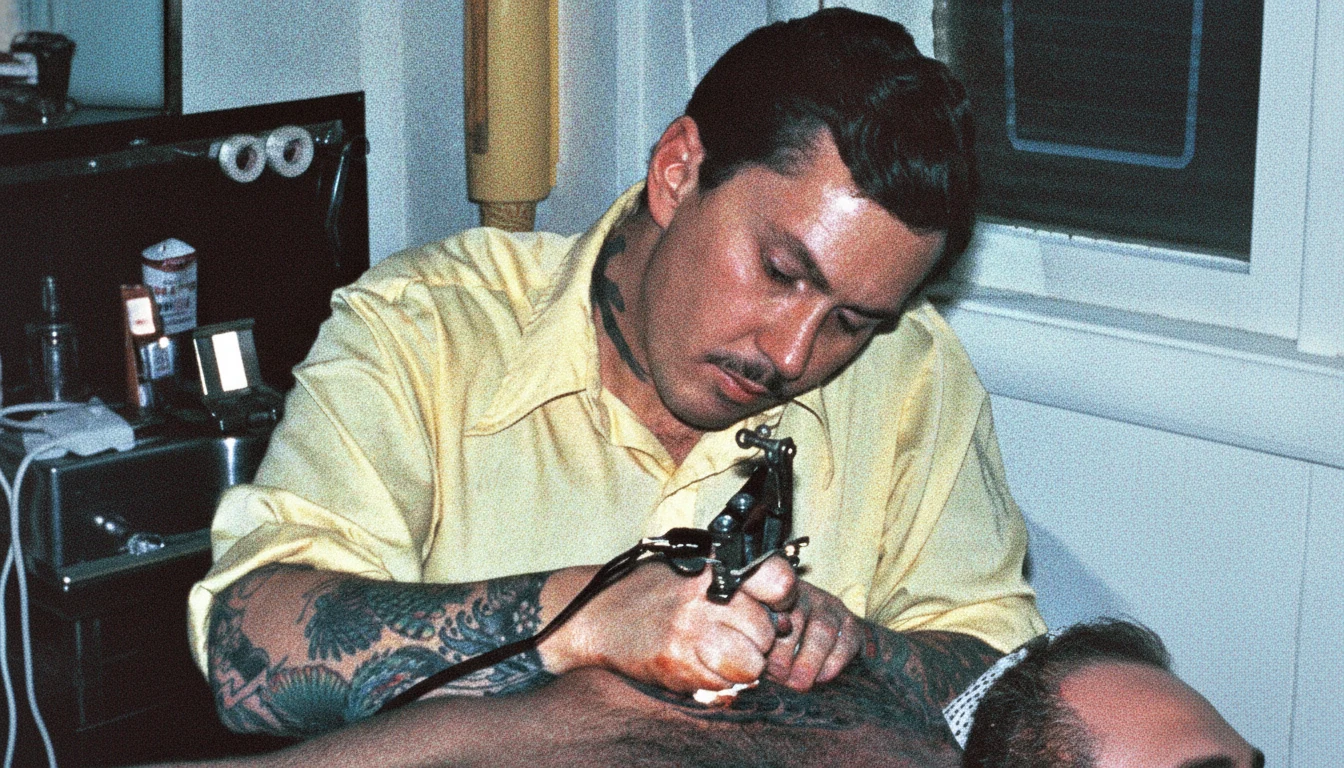
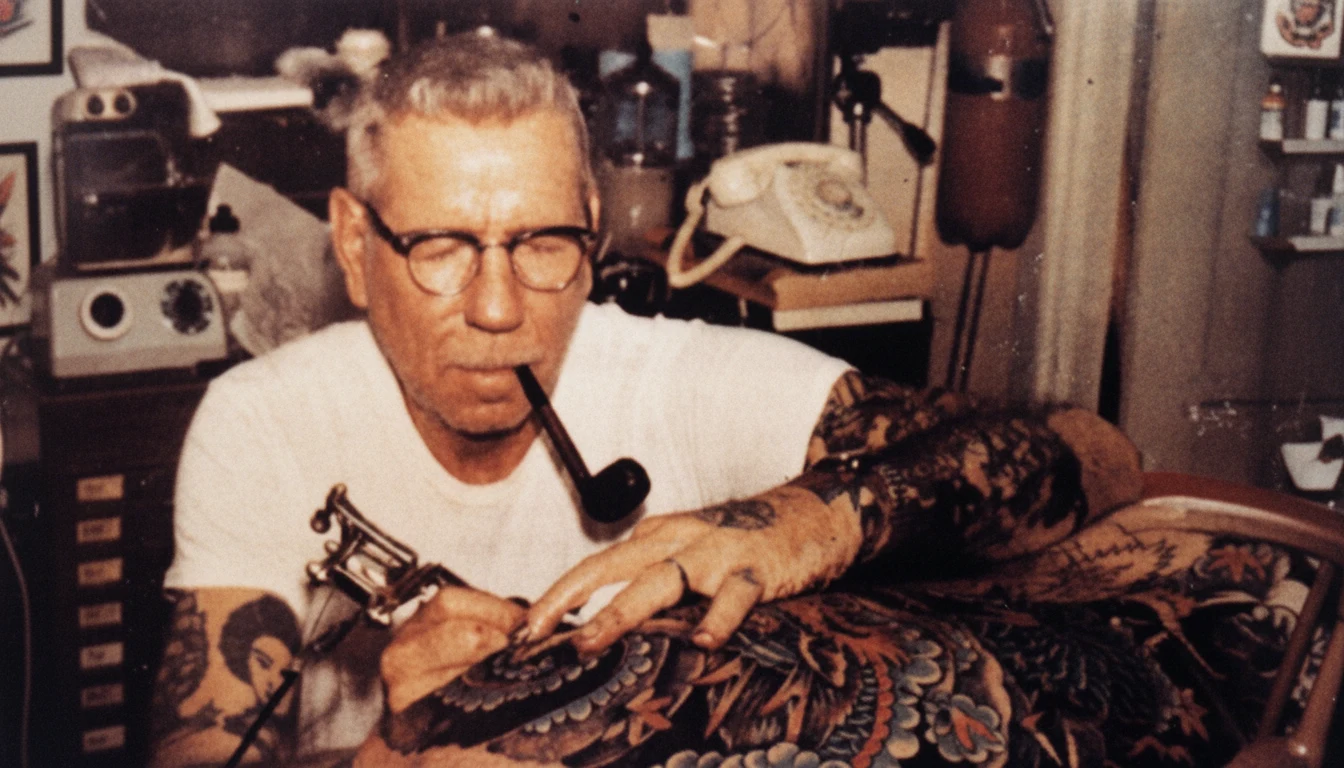
Mid-century London is where a lot of this got interesting. The underground gay scene and artists like Hans Rudolf Inhelder pushed tattooing somewhere it hadn’t been, and that work didn’t stay underground forever. Dr. Matt Lodder, who wrote a book on the tattoo trade, has spent years arguing that tattooing has a longer and more respectable history than most people assume. The studios on this street sit on top of that history whether they talk about it or not.
You can feel it in how they work. The good shops here run traditional methods and modern machines side by side. A purist who wants bold, simple linework and a client who wants fine detail can both walk out happy. These studios chose that range on purpose, staying relevant without throwing out what made them good.
Studios stopped being just studios
A tattoo shop used to be a chair, a needle, and ink. That’s not what these shops are anymore.
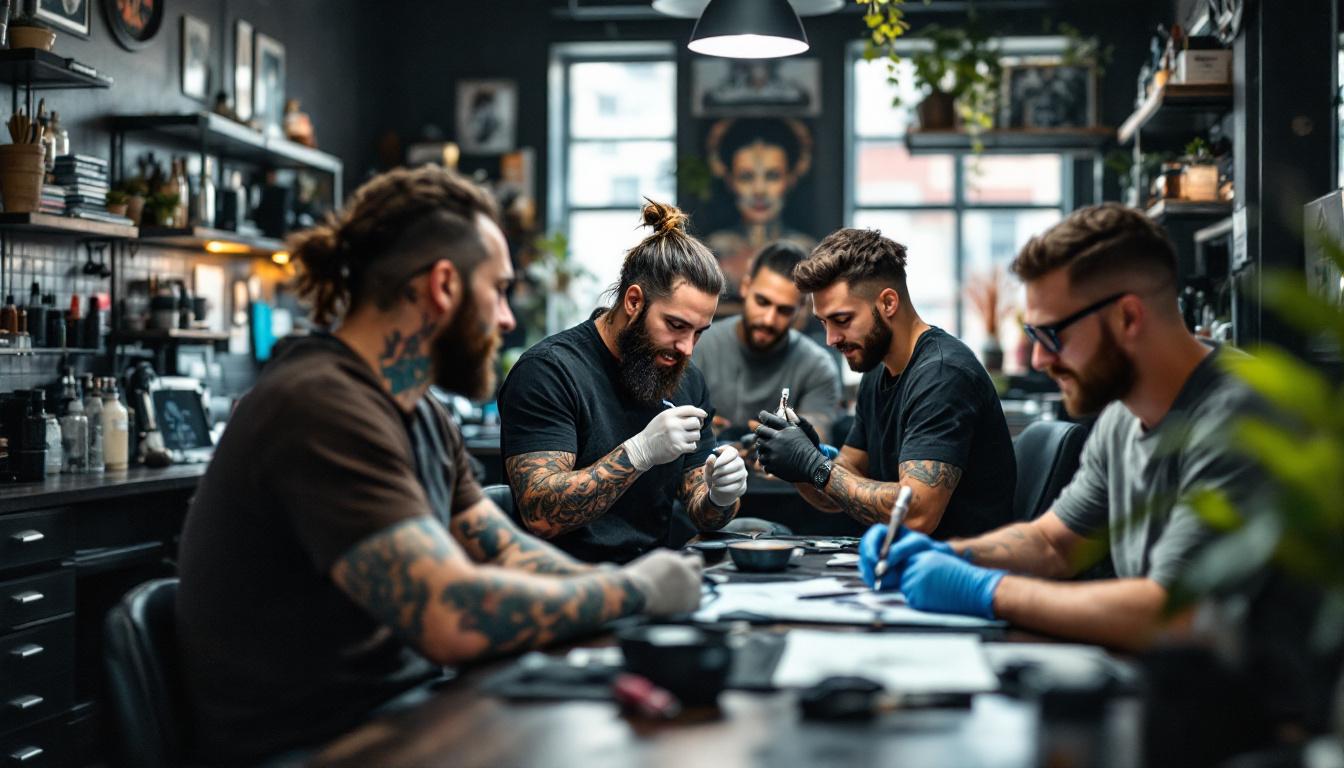
OSCO London reports that shops now fold in piercings, jewellery sales, laser removal, and aftercare under one roof. Jewellery in particular has grown, with higher-end pieces pulling in clients who want a curated look for their ears. Laser removal has become standard too, both for people cleaning up old work and for people prepping a cover-up.
There’s a plain reason for the change. A client who books a piercing today might book a tattoo next month and a touch-up after that. Keeping all of it in one place means you keep the client. Running a shop with that many moving parts gets messy fast, which is part of why studios reach for booking and client management software to keep appointments, aftercare, and follow-ups from falling through the cracks.
The market is a fight
Growth cuts both ways. More shops means more competition, and London is about as packed as it gets. SW Londoner notes that 2024 was the first year in a decade that studio numbers started to fall. Saturation caught up.
John Foster, secretary of the British Tattoo Arts Federation, put it bluntly in that same SW Londoner piece: “Many studios were opened by non-tattooers because they saw, sometimes falsely, that there was huge amounts of money to be made.” His worry is that new artists pile in, fade out quickly, and never build the long-term experience the trade depends on. “Tattoo studios and artists reached saturation point,” he said, “and now it is stalling or falling until it levels out.”
That’s the environment the lane’s studios work in. Price pressure on one side, a flood of inexperienced operators on the other. The ones that last tend to compete on the thing that’s hardest to fake: clean, careful, repeatable work.
What the good shops get right
Talent isn’t scarce here. What’s scarce is consistency, and that’s where the strongest studios separate themselves.
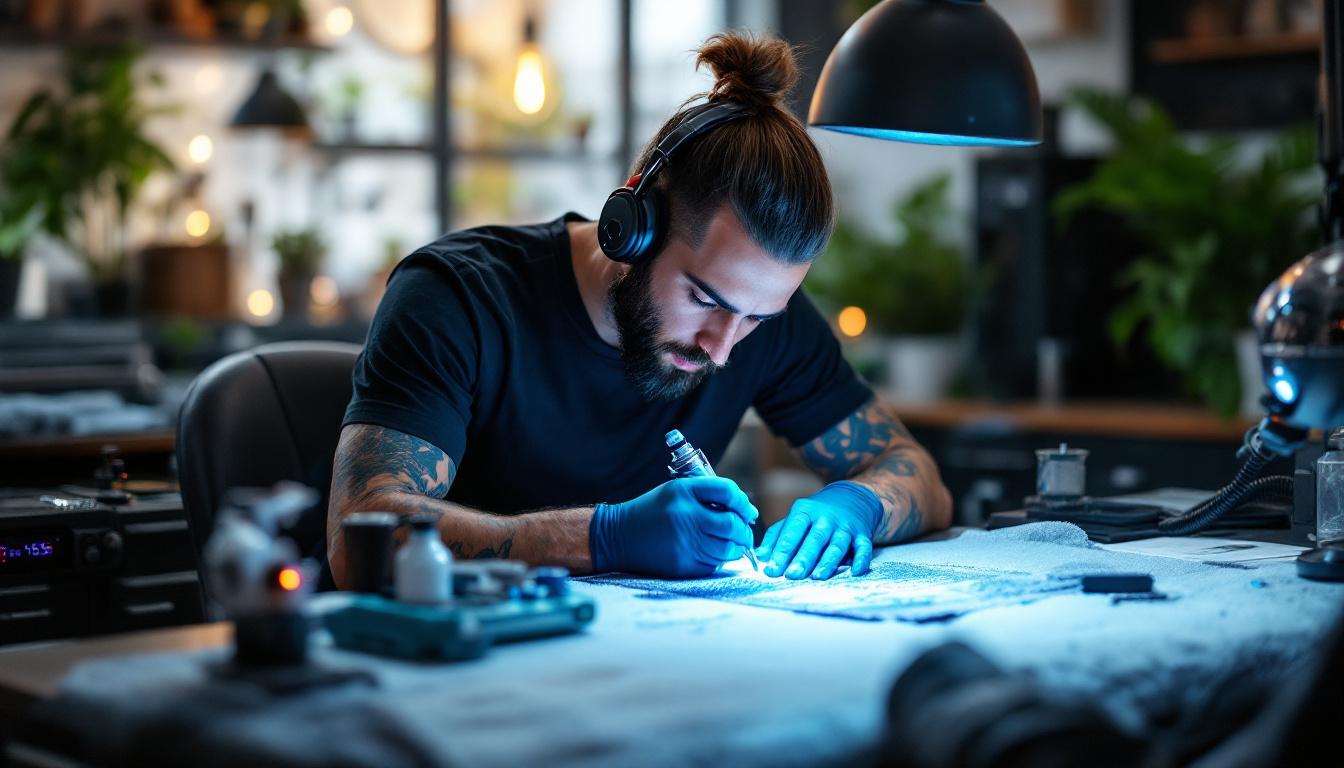
Some of the better-known names, including studios that publish their health standards, lean hard on sterilization and hygiene. That sounds boring until you’re the client. Bloodborne pathogens don’t care how good the linework is. A shop that takes cross-contamination seriously is protecting you, and a shop that’s loose about it is gambling with your skin.
Quality here shows up in the line that holds, the shading that ages well, the studio you’d send your friend to without a second thought. Flashy designs sitting on top of the skin fade out of the conversation fast. That reputation takes years to build and one bad infection to lose.
Why people keep coming back
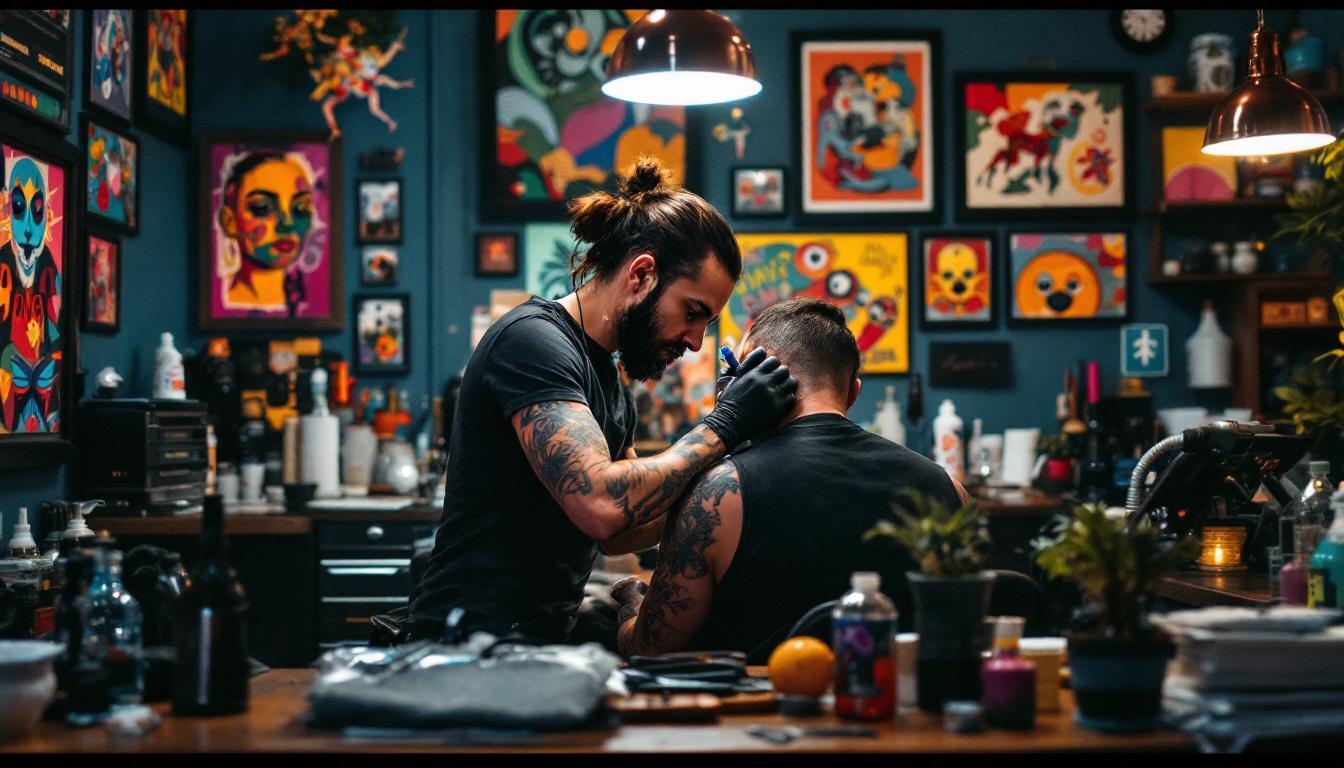
Old St. Martin’s Lane pulls a mix you don’t get everywhere. Locals who’ve been getting tattooed for decades, tourists who looked the street up before they flew in, artists working styles brought over from somewhere else. The needle buzzes, somebody’s laughing two chairs down, and there’s coffee from the place next door. It feels lived in.
The shops here also tend to act like a community rather than a row of competitors. Art shows, meetups, the occasional event. That keeps the culture alive in a way a purely transactional shop never could. Trends move, but the street holds onto what makes tattooing worth doing in the first place: it’s personal, and it lasts.
If you run a studio and you’re trying to hold your ground in a market this crowded, the work has to come first, but the operations behind it matter more than people admit. Apprentice handles the scheduling, client records, and aftercare reminders so you can spend your time on the chair instead of the calendar. Start a free trial and see if it takes some weight off.

Jason Howie
Founder & CEO
Jason Howie is the founder of Apprentice, passionate about empowering tattoo artists and shops with better tools to manage their business and serve their clients.