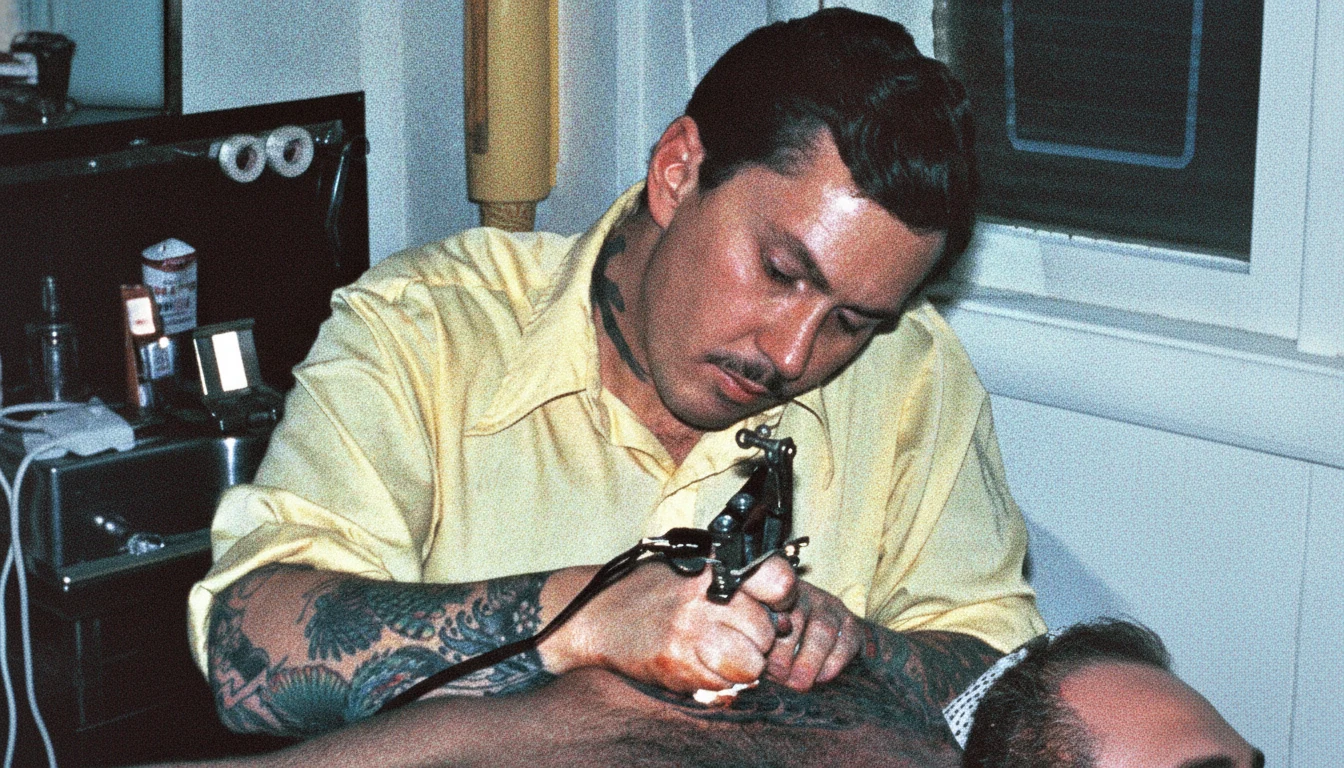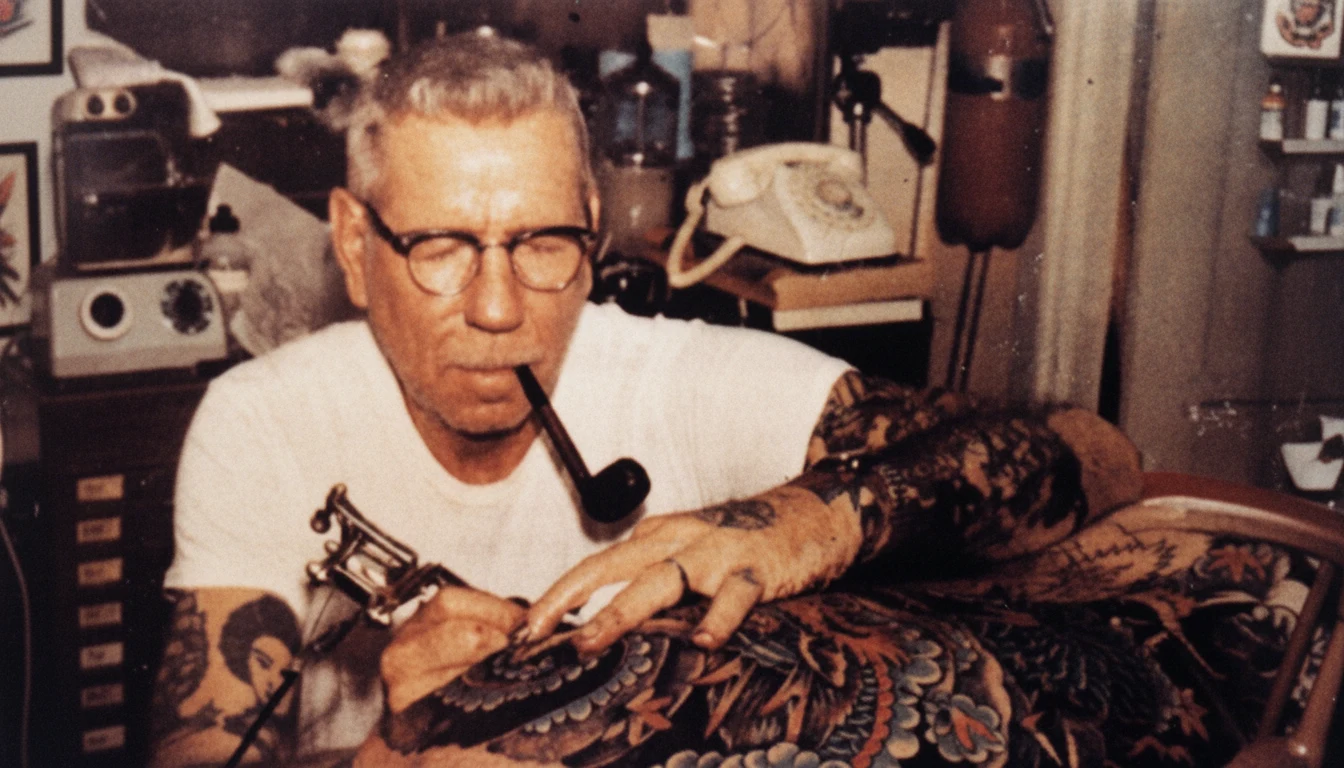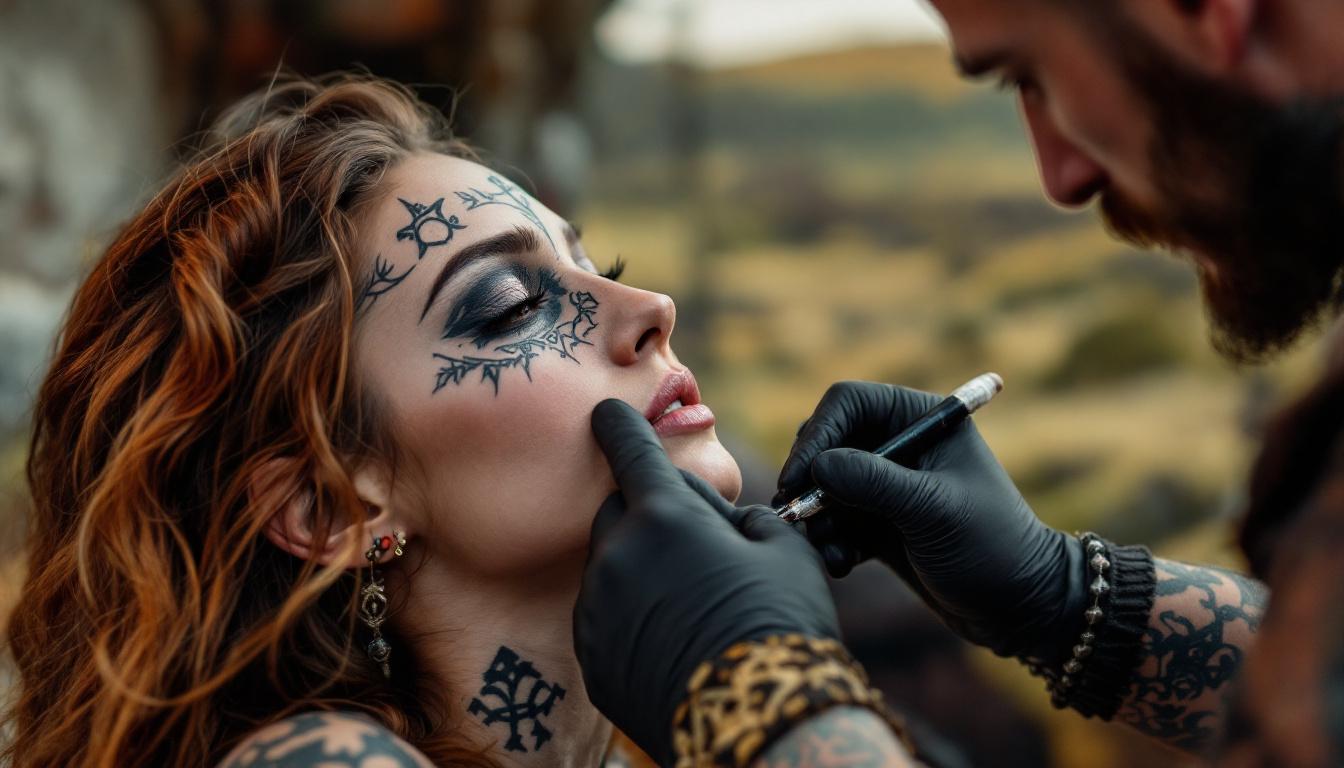
People have been putting permanent marks on their skin for thousands of years. Long before tattooing was a style choice, it was a record. A mark told you who someone was, where they belonged, and what they had survived.
The Picts get pulled into this conversation a lot. The name itself comes from the Latin Picti, meaning “painted people,” which is how Roman writers described the tribes north of their frontier in what’s now Scotland. Whether those marks were true tattoos or temporary paint is still argued over, because skin doesn’t survive in the ground and no Pictish body has come down to us with ink intact. That uncertainty is honest, and it’s more interesting than pretending we know more than we do.
What we can say is that across a lot of ancient cultures, skin marking carried real weight. It marked a rite of passage. It signaled rank. It honored a lineage or a loss. These were deliberate choices, not decoration you forgot about by next season.
We’re only now able to read some of this ink
For a long time, ancient tattoos were nearly invisible to us. The pigment faded, the skin darkened, and whatever was drawn got lost.
That’s changing. Researchers used laser-stimulated fluorescence to pull intricate tattoo designs off Peruvian mummies that the naked eye couldn’t make out (Phys.org). The fine lines and patterns that show up under that technique suggest these weren’t crude marks. They were careful work, made by people who cared how the result looked.
That matters for how we think about the Picts and everyone like them. Absence of evidence isn’t evidence the art was simple. It often just means we didn’t have the tools to see it yet.

Tattoos tell us things written records don’t
Here’s the argument worth making. Ancient tattoos aren’t a footnote to history. Sometimes they’re the only record of an ordinary person’s life that survives at all.
Anne Austin, an archaeologist at the University of Missouri–St. Louis, has pointed out that tattoos can reveal “details about societies that aren’t found elsewhere” (National Geographic). Written histories were made by the powerful and the literate. A tattoo was made on a real body, often a body whose name was never recorded. The ink is the testimony.
Some of those marks were reserved for warriors. Some were tied to spiritual practice. Some seem to have been grieving, a way to carry the dead on living skin. The throughline is that the mark meant something specific to the person wearing it and to the people around them. It was a language. You had to be inside the culture to read it.
The same impulse runs through tattooing now
People still do this. Walk into any shop and you’ll hear the stories before you see the stencils. A date. A name. A piece for someone who’s gone.
There’s good reason to think the act of getting tattooed carries weight beyond the image. Researchers have written about the deeply personal and sometimes healing dimension of the experience. That tracks with what the ancient evidence shows. The reasons people give today, marking a change, surviving something, honoring a person, are old reasons wearing new clothes.
Tattoos also sit inside larger patterns of behavior, and the research here is honest about being correlational rather than causal. Some studies have found associations between having tattoos and certain risk-taking behaviors, including lower uptake of flu and COVID-19 vaccination (PMC) and other health behaviors tracked in epidemiological work (Annals of Epidemiology). Correlation isn’t the same as the ink causing anything. It’s a reminder that body art has always been tangled up with who people are and the choices they make, not separate from it.
Old symbols, modern hands
Plenty of artists working today pull from ancient motifs on purpose. Tribal patterns, knotwork, the kind of swirling abstract lines you’d associate with the Picts. The forms get reused, reinterpreted, made personal again.
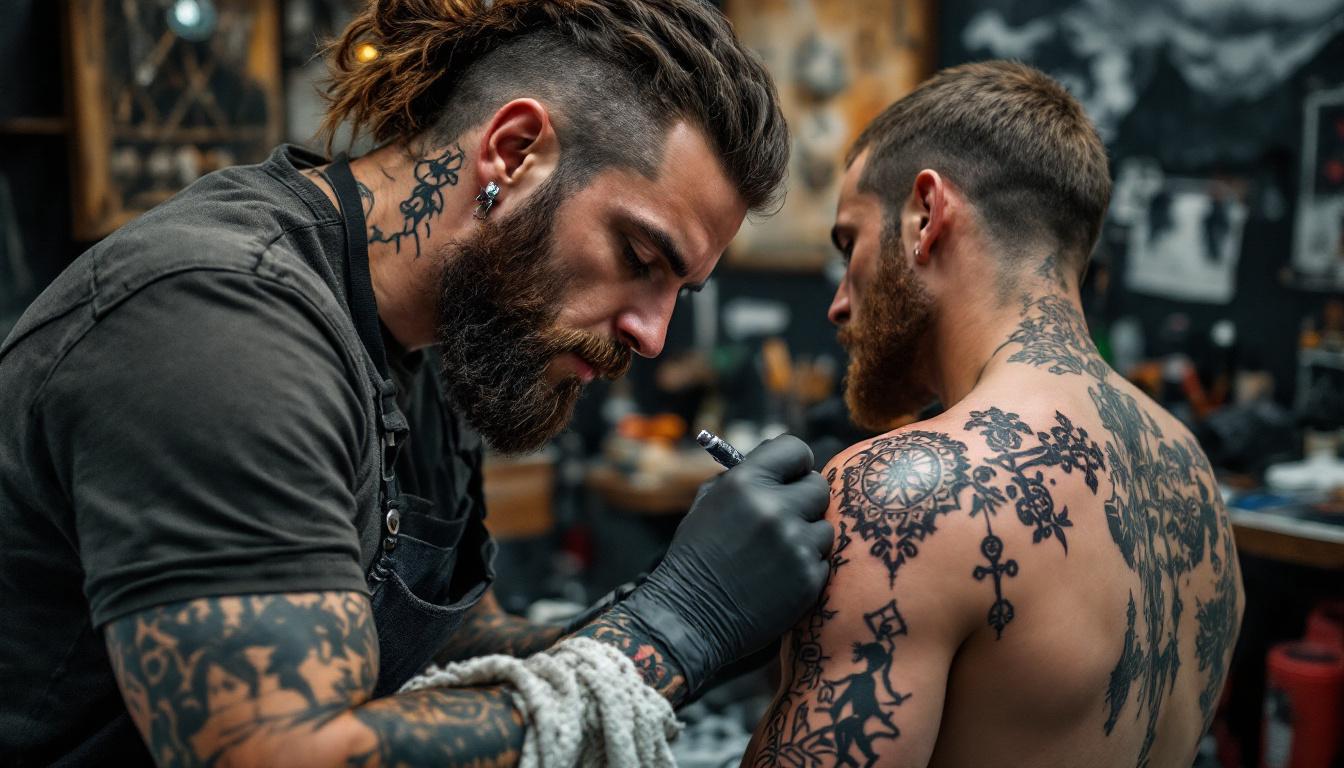
That continuity is the real point. A design carved into someone two thousand years ago and a piece going on this afternoon are doing the same job. They put an inner story on the outside of the body, where it can be seen and remembered. The tools changed completely. The reason barely changed at all.
If you tattoo for a living, you’re part of that long line. The records you keep, the meaning you help a client get right, the care you put into the work, that’s the modern version of what those ancient artists were doing. Apprentice handles the studio side of it, the booking, the client records, the portfolio work, so you can stay focused on the part that’s mattered for thousands of years. Start your free trial when you’re ready.

Jason Howie
Founder & CEO
Jason Howie is the founder of Apprentice, passionate about empowering tattoo artists and shops with better tools to manage their business and serve their clients.