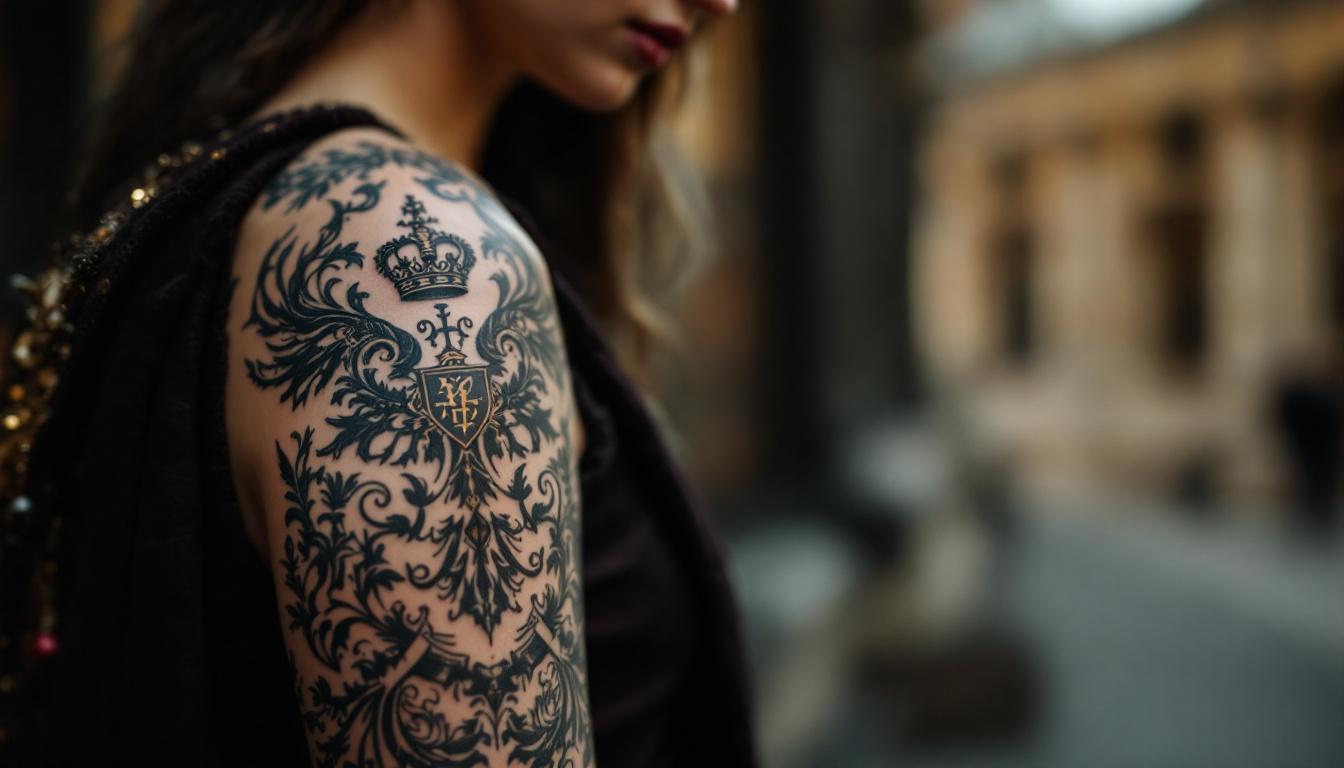
Royal Family Tattoos in Europe: A Regal Tradition Uncovered
The clamor over royal tattoos isn’t just a modern quirk; it’s a story laced with history, art, and, surprisingly, a bit of royal mischief. A royal tattoo might sound like something pulled straight from a regal fairytale, but when you peel the layers off Europe’s tattoo scene, you find an unexpected twist of culture and tradition. In a city like London or Berlin, where ancient history meets contemporary flair, tattoos are more than skin deep-they’re a vivid statement of self-expression. An exploration of these inked marks reveals insights not only about art and aesthetics but also an undercurrent of royal influence that has grown steadily over the years. Check out detailed insights on the rising demand and artistry on Ken Research.
The European Art of Ink: More Than Skin Deep
Tattoos in Europe aren’t just about making a mark-they reflect a deeper cultural shift. Historically tagged as a fringe art, tattooing in Europe has morphed into a celebrated form of craftsmanship. Artisans now create designs that reach beyond tradition and instead deliver personal symbols laden with meaning. It's no surprise that cities like London, Berlin, and Paris have become hotbeds for tattoo enthusiasts, each boasting a rich artistic culture where even the nobility can't help but notice a striking piece of self-expression. Detailed numbers from a recent market analysis show that the European tattoo market was valued at USD 0.58 billion, underscoring the significance of this art form in the continent's cultural fabric (Ken Research).
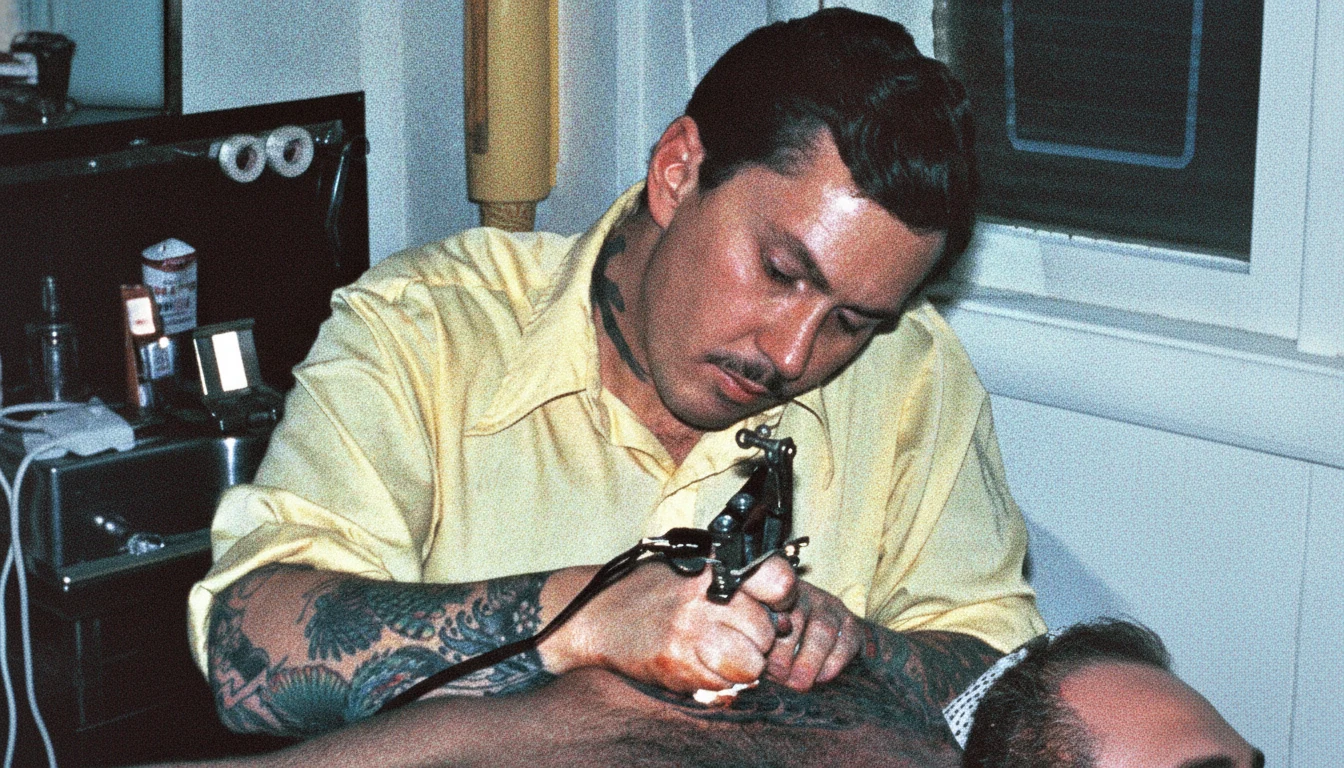
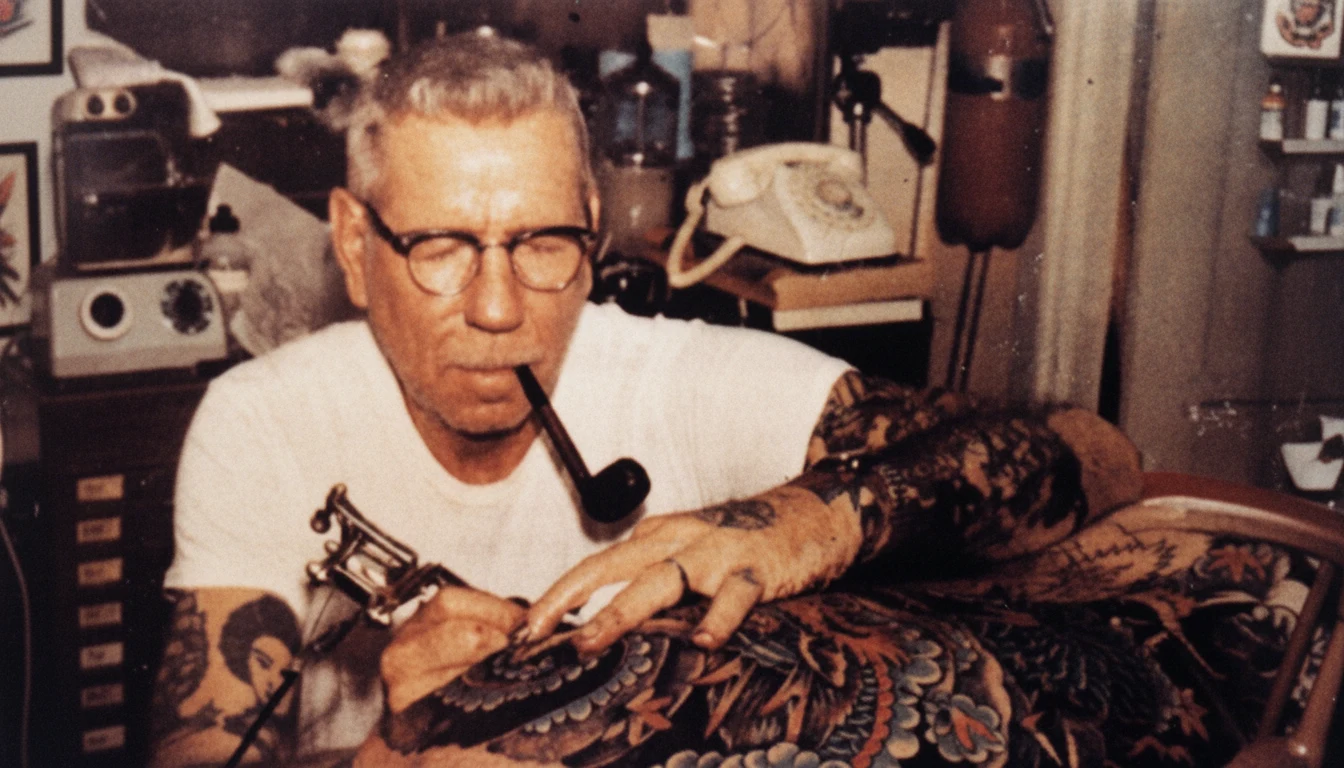
More than just a trend, tattoo culture in Europe is a vibrant intermingling of the past and the present. Some of the earliest tattoos – predominantly naval themes and religious symbols - were a direct nod to personal stories and sea-bound adventures dating back to the 19th century (Revista Pesquisa Fapesp). This historical context provides a fitting backdrop to the modern reinterpretations seen among royals and high society alike.
Royal Ink: A Glimpse into Regal Trends
The fascination with tattoos in royal circles has quietly surged, muting the conventional idea that aristocracy sticks to prim and proper norms. Recent headlines have spilled the tea on the subtle ink sightings among royals. For instance, Princess Eugenie was recently spotted with a small circular tattoo tucked behind her ear-a bold move seen during the Queen’s Platinum Jubilee celebrations in June 2022 (AOL). Such incidents are not mere accidents but rather part of a broader movement where traditional commands are giving way to fresh avenues of personal expression.

Contrary to the old stereotype of royal restraint, today's royals embrace the allure of custom-designed tattoos. This modern twist speaks volumes about the ongoing cultural changes and the willingness to break away from established norms. The transformation is not only visible in the types of tattoos chosen but also in the increased openness to symbolism that marries personal milestones with regal history. This shift is emblematic, illustrating how modern tastes are challenging staid traditions, and earning their rightful place in contemporary high society.
Regulation and Excellence: The EU Tattoo Scene
A New Standard for Safety
The boom in artistic expression through tattooing comes hand-in-hand with a regulated approach to ensure safety and health. In the European Union, tattoo artists are now required to use specific inks that meet stringent safety guidelines laid out in the REACH Regulation, effective since January 2022 (Ken Research). This mandate assures newly inked skin meets high health standards while artists continue to innovate and express their craft.
These guidelines aren’t just bureaucratic red tape-they’re a reflection of the growing professionalism in the tattoo industry. They demonstrate a commitment to high-quality production and consumer safety. Regulations might seem like a hassle, but they have paved the way for a renaissance in tattoo artistry, marking a significant turning point for both the clientele and the crafters.
Meeting the Demand: A Billion-Dollar Market
The numbers behind the needle paint an impressive picture. A recent global market projection states that tattoo services are expected to see an enormous increase in revenue, with calculations showing a surge to a $3.59 billion market by the end of 2025-a whopping 66.98% increase in just a year (BookedIn). Europe itself commands a solid 30% share of this explosive growth, making it a key battleground for tattoo artists and enthusiasts alike.
This financial upswing isn’t just a sign of popularity; it represents a seismic shift in how society views tattoos. The transformation from a niche subculture to mainstream fashion is both unprecedented and inevitable. The rise of high-income earners opting for custom-designed tattoos reinforces the belief that today’s ink is as much about individual artistry as it is about social status.
The Allure of the Inked Noble
A royal tattoo isn’t simply decorative; it’s steeped in symbolism. Some tattoos carry religious implications, while others honor personal milestones or even pay homage to military or naval history. Between 1821 and 1920, tattoos were most commonly found on the arms, featuring themes from naval adventures to declarations of love (Revista Pesquisa Fapesp). These traditions have morphed but remain clearly visible today, even in the highest echelons of society.
Tattoos in royal circles carry a double dose of symbolism. They are understood as both personal emblems and overt nudges to a storied lineage. A discreet circle behind the ear or a subtle crest can mark allegiance, commemorate historical events, or signal a break from expected royal decorum. Unlike some other fashion statements that often come with a price tag of superficial elegance, a tattoo resonates on a deeper, almost ancestral level.
A Royal Encounter: When Ink Meets the Crown
Not all stories of royal tattoos remain within the quiet corridors of high art. At the Sandringham Flower Show in July 2025, Queen Camilla encountered a superfan whose tattoos were a cheeky tribute to the monarchy. The meeting became a media sensation, partly because it was revealed that even her own security guard sported a tattoo of the royal cypher (The Irish News). This unexpected meeting of minds, or rather ink, underscored that royal tattoos and royal admiration are not mutually exclusive.
Such encounters humanize the otherwise distant formality of royalty. In a way, they reveal a longing for connection-a bridging of societal gaps through the universal language of art. The incident signals a warm welcome into the cultural fold for those who dare to brand themselves in honor of their heritage, emblematic of the merging of the old with the new.
The Tattoo Renaissance: Bridging Tradition and Modernity
The modern tattoo scene is a melting pot of traditions that have been passed down through generations and newly minted ideas that challenge the status quo. The journey of tattoo art captures a spectrum ranging from the gritty and raw to the elegantly refined. High-profile figures such as royals have a stake in this narrative, giving the art form a legitimacy that was once elusive.
This transition from underground culture to mainstream adoption is a story of reinvention and revival. It is evident in how high-income individuals are increasingly leading the charge by opting for custom designs that blend heritage with contemporary aesthetics (Ken Research). Every stroke of the needle today is more than just tattoo ink-it is a testament to the vibrant evolution of style across generations.
A Closer Look at Iconic Designs and Symbolism
The Power of Personal Symbols
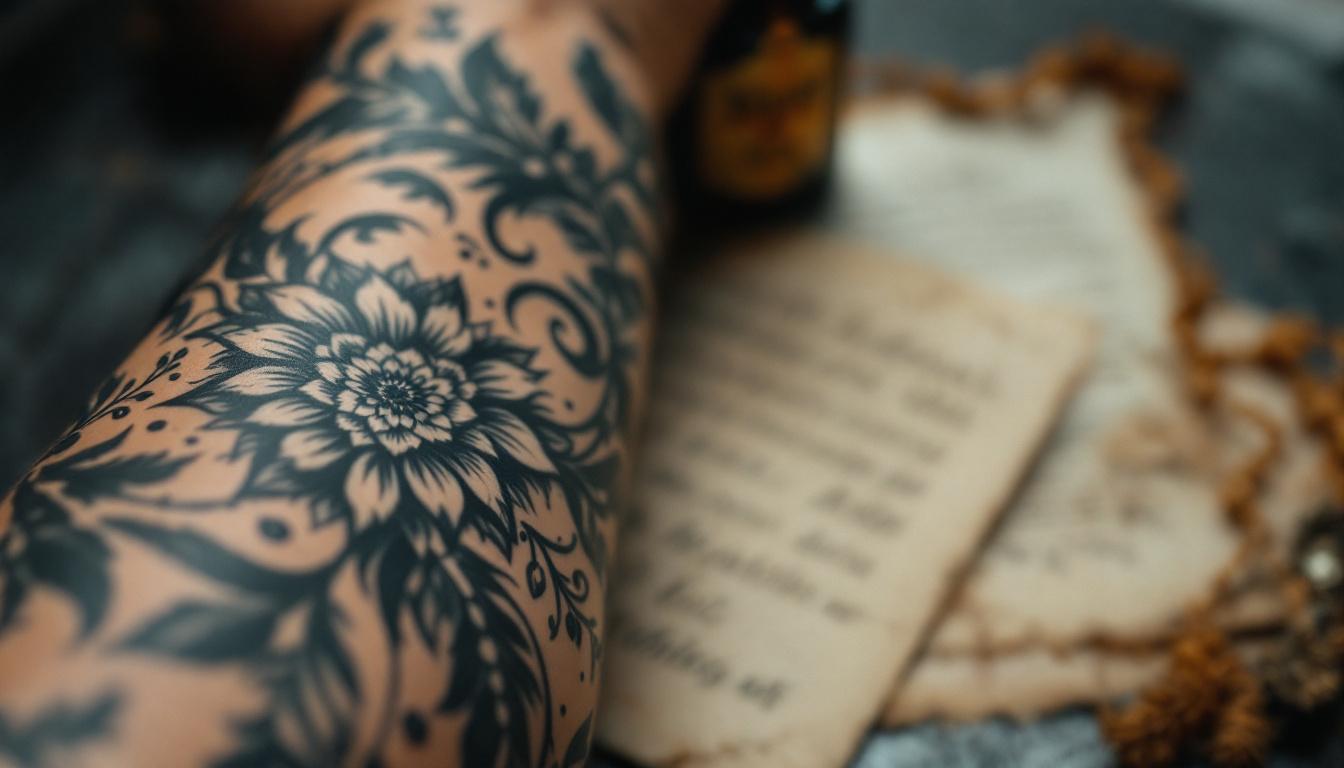
When opting for a tattoo, every design matters, especially when worn by someone with a storied past. Personal symbols, crests, and abstract art have all found their space among royal aficionados. These designs serve as continuous narratives, each line and curve carefully curated to convey a part of the wearer’s identity. Whether in the form of a subtle emblem behind the ear or an expansive back piece, tattoos are a deeply personal form of art that transcends mere decoration.
One of the admirable qualities of tattoo art is its capacity to combine personal history with cultural references. Many individuals choose tattoos that reference historical family crests or even nods to legendary maritime adventures – a trend that finds its roots in the classic tattoo trends of the 19th and early 20th centuries (Revista Pesquisa Fapesp). This blend of nostalgia and modernity offers a level of sophistication, making each piece as unique as the person who wears it.
The Influence of Royalty on Fashion and Art
The realm of royal tattoos isn’t merely reserved for the elite-it influences trends far and wide. When a royal figure chooses to wear a tattoo, it sends a ripple through popular culture, inspiring a generation to embrace body art as part of their identity. The high-society acceptance of tattoos has catalyzed a broader appreciation, dissolving old stigmas and creating spaces for open dialogue about self-expression.
From casual onlookers to dedicated collectors of modern art, the influence is unmistakable. Industry experts note that high-income earners are among the fastest-growing clientele for bespoke tattoo designs, a phenomenon that is reshaping both the art market and the socio-cultural landscape (BookedIn). It’s a bold move that speaks to a culture ready to embrace change without forsaking the legacy of the past.
Meeting the Future: What Lies Ahead for Royal Ink
The future of tattooing among royals and high society looks as promising as ever. More than just a fad, the embrace of tattoos by those in high standing is catalyzing innovations in technique, ink technology, and design. Brands and manufacturers are taking notice, with major moves like Ephemeral’s acquisition of Inkbox Ink Inc. in 2022-a deal worth USD 65 million that underscored the growing acceptance and economic potential of tattoo culture (Ken Research). Such investments are setting the stage for an exciting era where creativity and commerce intersect, fueling an industry that shows no signs of slowing down.
While royal tattoos remain a niche topic for some, the underlying currents of change suggest that we are on the cusp of a revolution in self-expression. Ingenuity is not bound by tradition, and the creative spirit is reshaping norms with every needle stroke. With a market projected to surge significantly, the trend signals not only the transformation of artistic expression but also the reimagining of what it means to wear one's history on their skin.
The Lasting Impression of Ink
At its core, tattooing is more than a fad-it’s a medium for storytelling that bridges time, culture, and personal identity. Whether it’s the discreet royal tattoo that whispers of rebellion or bold statements that echo societal shifts, each piece of ink carries a signature narrative. Royalty, in embracing tattoos, has not only redefined an image of perfection and tradition but has also set the stage for a dialogue that spans generations and classes.

The journey of royal tattoos in Europe is a powerful window into a world where history, art, and modernity converge. Titans of tattoo artistry are breaking down barriers, and those once considered mere rebels are now considered luminaries of aesthetic expression. As this art form evolves, the symbiotic relationship between the regal and the radical continues to inspire not just onlookers, but future generations who see tattoos as a badge of honor, resilience, and transformation.
Ink and Identity: The Enduring Legacy
The legacy of royal tattoos is defined not by a single design but by an ongoing narrative that interweaves tradition with the spirit of individuality. Each tattoo, whether a subtle mark or a bold statement, serves as a living emblem of personal identity and cultural evolution. In an era where high-income earners and influential figures lead the way toward artistic innovation, even those bounds of royalty cannot resist the allure of a well-crafted tattoo.
This era marks a departure from strict conventions, opening the door for a broader acceptance of body art that carries the weight of personal history and societal change. The tapestry of royal tattoos is ever-expanding-reflecting both an homage to bygone eras and a celebration of the modern, untamed spirit. With each new ink session, the tradition of tattooing is enriched, beckoning society to reimagine the intersections of art, identity, and legacy.
Conclusion: A Future Written in Ink
The saga of royal tattoos in Europe is as complex and colorful as the designs themselves. From time-honored symbols on sailors' arms to the discreet marks now sported by royals in high society, the evolution of tattoo culture tells a story of defiance, authenticity, and innovative artistry. This trend is more than skin deep-it’s a vibrant dialogue between tradition and modernity, a revolution where personal and cultural expressions meet.
Embracing tattoos today means stepping into a realm where history is celebrated, but the future is constantly being rewritten. This story, much like the ink itself, is destined to leave an indelible mark on society. With new regulations ensuring safety and quality, and a market that’s growing faster than ever, the world of tattoo art is set to thrive. Royal personalities taking this artform to heart is a powerful reminder that legends and modernity aren’t as far apart as they might seem.
As the ink flows and new chapters are written on skin and in history books alike, there’s no telling what the next stroke of genius will reveal. The future is bright, bold, and beautifully inked-a future where everyone, from high society to everyday enthusiasts, carves out their own unique narrative in true regal style.
Join the Royal Ranks of Tattoo Artistry with Apprentice
As the regal tradition of tattooing continues to flourish across Europe, your studio has the opportunity to be part of this historic and artistic movement. With Apprentice, you can streamline your operations and focus on creating masterpieces that could very well be the next royal trendsetters. Embrace the future of tattoo art with our suite of advanced tools, designed to perfect the client experience and enhance your creative process. Start your free trial today and write your own chapter in the illustrious narrative of tattooing.
Jason Howie
Founder & CEO
Jason Howie is the founder of Apprentice, passionate about empowering tattoo artists and shops with better tools to manage their business and serve their clients.