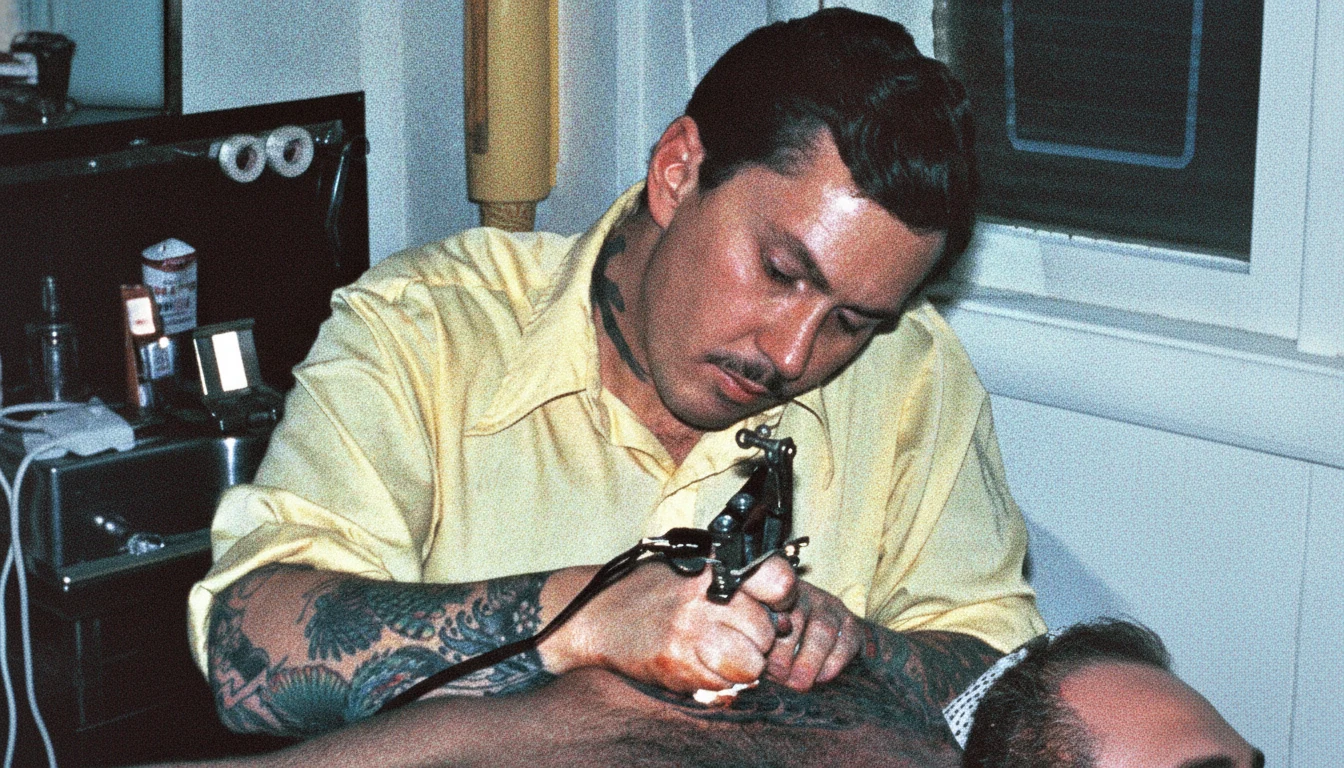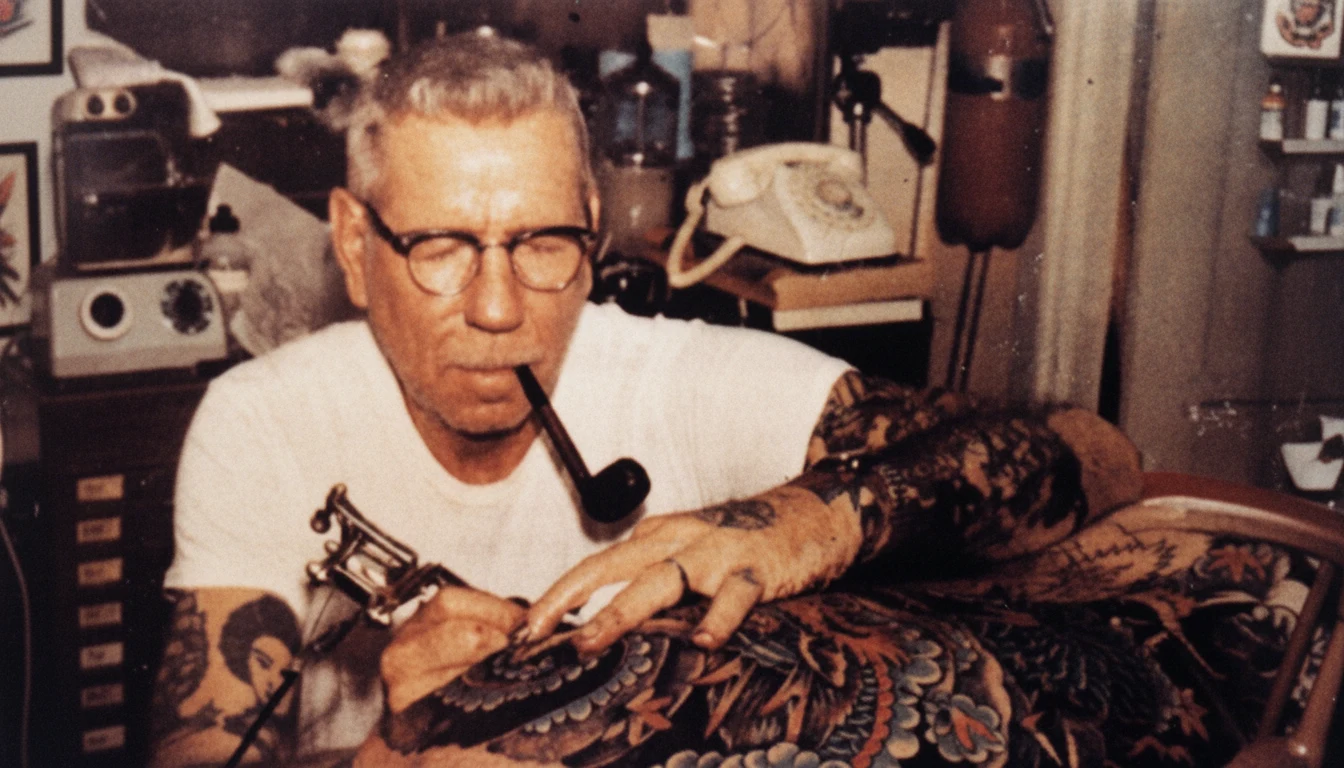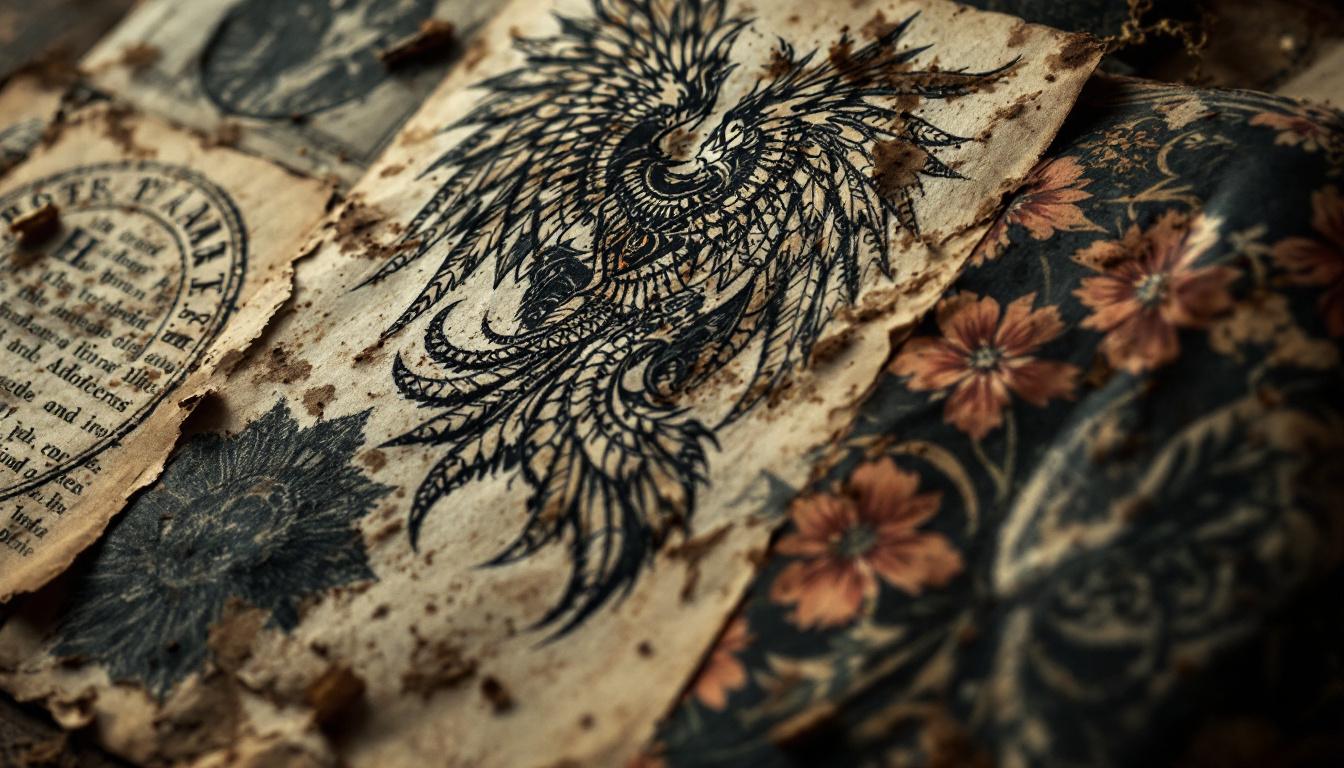
A name. A date. A pair of initials inside a heart. That’s what most convict tattoos actually said. We picture prison ink as a code of crime and rebellion, but the historical record tells a quieter story. Across Britain and Australia, the people getting tattooed in and around the prison system were marking who they loved and where they’d been. If you want to see the raw material, the Digital Panopticon’s study of convict tattoos catalogs the ink in detail.
Researchers Zoe Alker and Robert Shoemaker pulled together 75,688 descriptions of tattoos on 58,002 convicts in Britain and Australia, spanning 1793 to 1925. That’s the dataset behind a lot of what we now know. It’s a big enough sample to argue with, and the picture it paints isn’t the one most people expect.
The tattoos weren’t mostly about crime
Start with what was actually inked. In that dataset, 56% of all tattoo descriptions were written names and initials. The single most common mark was the humble dot, which shows up in almost a third of descriptions. Names, initials, dots. Not skulls, not gang signs.
That detail matters because it cuts against the whole “criminal anthropology” framing the Victorians loved. They wanted tattoos to be a symptom, a visible sign of a deviant type. The records say otherwise. People were recording sweethearts, mothers, lost children, old trades. The same blend of identity and survival ran through the American prison tattoo culture that grew out of this era.
Tattoo historian Matt Lodder, at the University of Essex, has made this point for years: convict tattoos tended toward the sentimental, memorials and keepsakes, more than badges of a criminal brotherhood. Read the descriptions one by one and it’s hard to argue with him.
How common was it, really
Numbers vary by source and period, and the honest answer is that the rate climbed over the century. The Cambridge study of nineteenth-century British convicts found 42.6% of convicts in the Metropolitan Police register were tattooed between 1881 and 1925. Among transported convicts sent to Tasmania, roughly a quarter carried tattoos.
The trend line is the interesting part. Tattooing rose from about 10% of people born in the 1810s to nearly half of those born in the 1880s. So when we talk about “prison tattoos” in 1900, we’re talking about a practice that was already going mainstream, not a fringe criminal habit.
Where the old framing came from
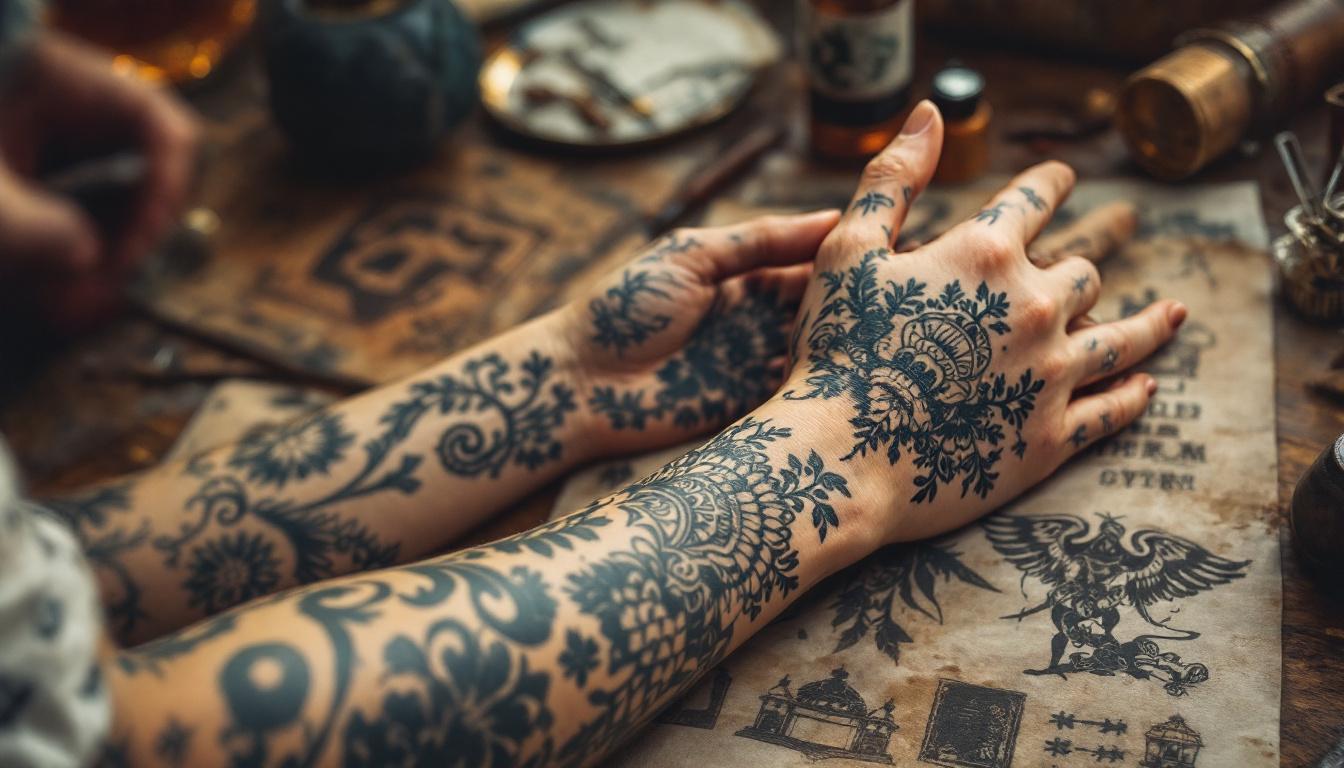
The Victorians built a whole theory around this. Criminologists treated body art as evidence of a born criminal type, scoring and cataloging it the way they catalogued skull shapes. It was bad science dressed up as anthropology, and it shaped how prisons recorded inmates for decades.
The irony is that those same record-keeping habits left us the data we use to disprove the theory. Every dismissive entry a clerk made about a convict’s “vulgar” tattoo is now a line in a database that shows ordinary grief and love. The men and women being studied were saying something simple about their lives. The people studying them just weren’t listening.
Old ink, new tools
The records are getting a second look. A 2024 paper introduced the Tattoo Template Reconstruction Network, or TattTRN, a deep-learning system for matching tattoo images. On real tattoo databases it gets the correct match into the top 20 candidates with up to 99% accuracy. That’s a retrieval tool for law enforcement, so read the 99% carefully: it means the right answer is usually somewhere in the first 20 results, not that the machine names your tattoo on the first try.
Still, applied to historical archives, that kind of matching could connect scattered records, trace how a stencil or motif spread between ports, and turn loose descriptions into something you can actually search. It won’t change what the tattoos meant. It might change how much of the archive we can read.

Why this still matters to artists
Here’s the throughline. The reasons people got tattooed in 1900 are the reasons people get tattooed today. A name. A loss. A trade they were proud of. A reminder of someone gone. Strip away the prison setting and you’ve got a Tuesday afternoon in any shop.
That’s worth keeping in mind when a client sits in your chair with a request that seems small or sentimental. The convict with his mother’s initials on his forearm and the client with a date on her wrist are doing the same thing: writing the parts of their life they don’t want to forget. For more on how this practice moved from the margins into everyday culture, this piece on early prison tattoo culture is a good read, as is Cambridge’s overview of why tattoos carry the meaning they do.
The history doesn’t make tattooing more respectable. It was always respectable to the people wearing it. The records just took a couple of centuries to admit it.
If you run a shop and care about the stories your clients bring in, you also have to track the boring parts that keep the lights on, bookings, deposits, consent forms, follow-ups. Apprentice handles that side so you can stay focused on the work. You can try it free and see if it fits how you run your studio.

Jason Howie
Founder & CEO
Jason Howie is the founder of Apprentice, passionate about empowering tattoo artists and shops with better tools to manage their business and serve their clients.