Tattoo History 10 min read

How Polynesian Tattooing Shaped American Ink Culture

Discover how Polynesian influence shapes U.S.

Jason Howie
Jason Howie

Founder & CEO

Polynesian Influence on U.S. Tattooing: A Cultural Evolution

Polynesian Influence on U.S. Tattooing: A Cultural Evolution

The hum of a tattoo needle, the flash of ink on skin, and the rich stories each design tells have a way of catching the eye. In Philly, where culture meets creative spirit, the deep roots of Polynesian tattoo traditions have seeped into American ink culture in ways that are as subtle as they are fierce. With a nod to traditions that span centuries, tattoos in the U.S. are evolving, influenced by Polynesian art and history in surprising directions. Explore how these ancient motifs blend with modern ink, fostering both artistic expression and cultural identity. Check out some tattoo statistics that set the stage for our journey.

A Legacy Etched in Time

Tattoos aren’t just marks on the skin; they are stories woven into flesh, offering a window into traditions as old as time. Polynesian tattooing is one of those age-old arts that has been handed down through generations, dating back over 2000 years in the region according to experts from Central Washington University PULSE Magazine.

The vibrant designs and ancestral patterns are more than mere decorations. They are badges of honor that signal heritage, membership, and even maturity. When these motifs found their way over to the U.S., they blended with other tattooing forms, turning each piece into a meeting ground of history and modern style.

While about 30% of Americans sport at least one tattoo, this statistic underscores not only the popularity of ink but also the appetite for symbolism and identity that many wear on their bodies, as revealed by research on tattoo industry statistics.

The Traditional Meets the Modern

An American Spin on Traditional Art

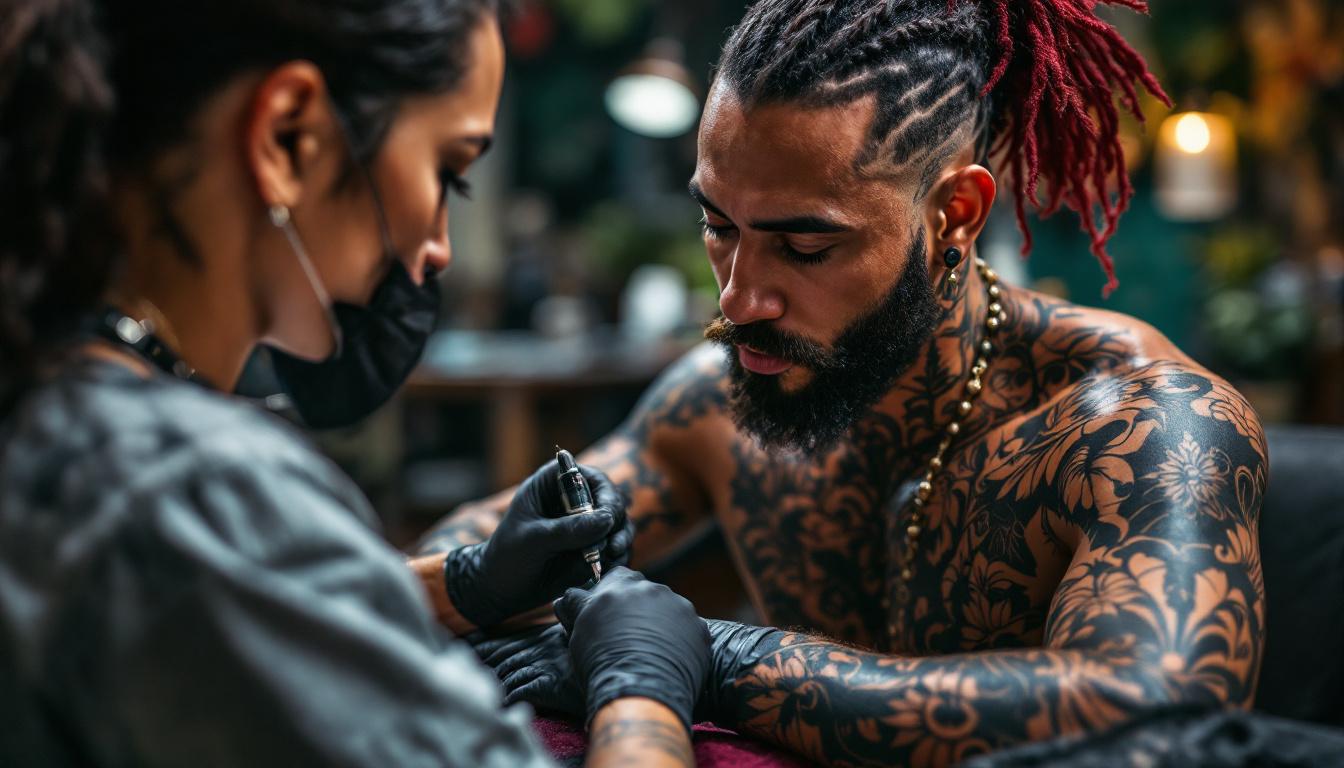
In the melting pot of U.S. tattoo culture, the infusion of Polynesian styles has sparked an intriguing dialogue between the old and the new. From tribal motifs to more intricate patterns, modern tattoo artists channel centuries of tradition into contemporary designs. The blending of styles has given rise to tattoos that serve as both art and narrative, with traditional Polynesian symbols standing shoulder-to-shoulder with modern trends.

Section Image

American tattoo evolution does not happen overnight. It’s been an incremental journey, one that parallels the industry’s steady growth of 8% annually over the last five years, according to insights from WIFI Talents. The meeting of traditions fuels this evolution, ensuring that while the ink might be applied using modern machines, the story remains rooted in an ancient past.

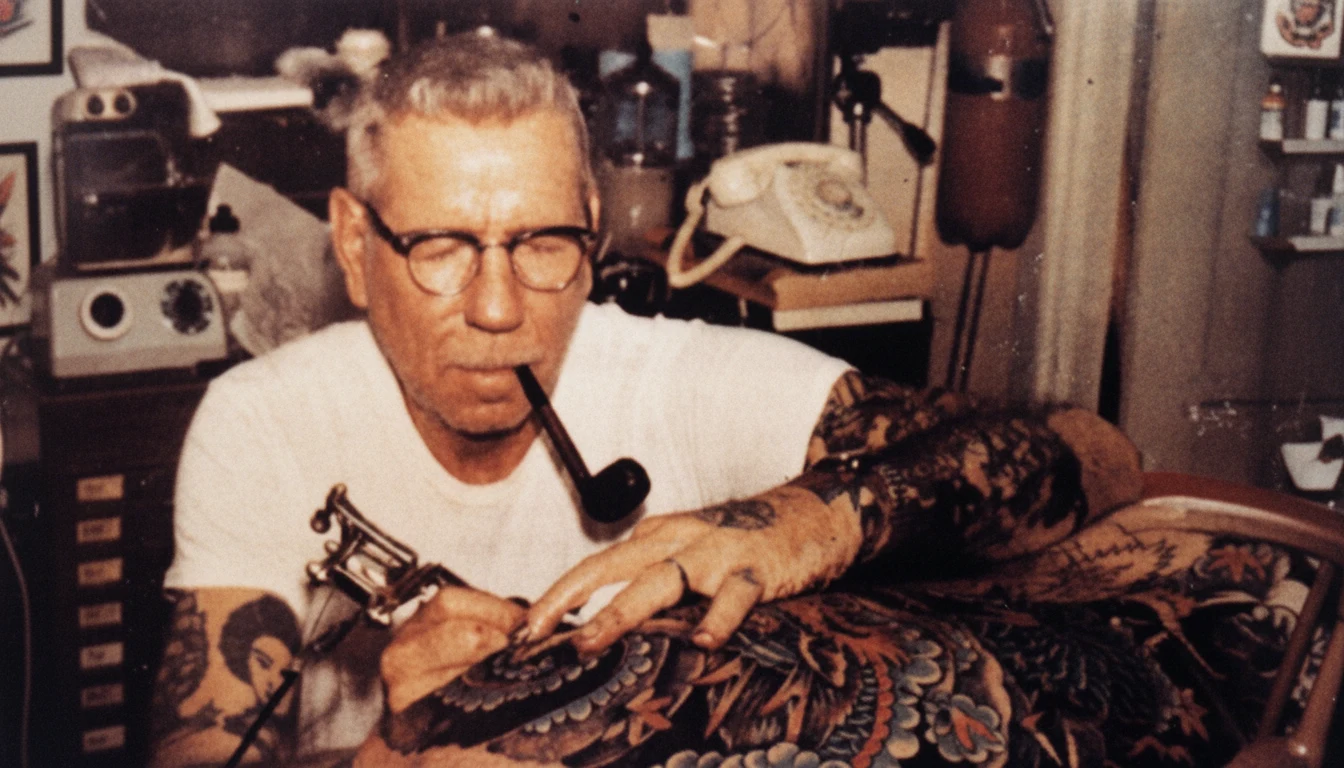
Iconic figures like Sailor Jerry, often hailed as the godfather of American traditional tattooing according to insights from Honolulu Civil Beat, have shown how bold imagery can influence personal expression. His work often hints at the adventurous spirit that is now shared by those who incorporate Polynesian elements into their personal style.

Cultural Narratives Behind the Ink

Stories Carved on Skin

Every design has a story, and in Polynesian tradition, each tattoo carries a meaning that may be tied to social status, ancestry, or individual achievements. In many Polynesian cultures, tattoos are rites of passage-marking the journey from youth to adulthood or celebrating significant life milestones. When these narratives slide into American tattoo parlance, they foster a powerful blend of storytelling and self-expression.

This cultural cross-pollination is not superficial. It invites tattoo enthusiasts to appreciate traditions beyond aesthetics. It places cultural importance on each piece crafted. The soft undercurrent of an ancient epic is there alongside the bold lines of modern art, making each tattoo a layered narrative of struggles, triumphs, and heritage.

The integration of these stories with modern design means that often, a single tattoo becomes a tapestry of global art traditions. In a land where around 36% of adults with tattoos express some regret over them, the idea of embedding deep cultural tales provides an avenue to reconnect with the art’s original purpose: a celebration of one’s identity and history, not just a trend.

Modern Challenges and Cultural Preservation

The expansion of the tattoo industry, valued at roughly $1.7 billion in 2022, has opened space for artists to innovate and reinterpret time-honored designs, even as challenges remain. There is an ongoing dialogue about respecting the roots and not stripping the art of its cultural significance. Tattoos that borrow Polynesian themes face the delicate task of honoring traditions while celebrating new forms of self-expression.

It’s not unusual to see tattoo studios in the U.S. taking extra steps to educate clients about the meaning behind these symbols. Artists and cultural experts often collaborate, ensuring that what is inked on the skin is both aesthetically appealing and culturally respectful. Such dialogues help preserve the heritage while allowing for the evolution of artistic expression.

Professionals in the industry emphasize that respectful sourcing and proper attribution are essential when drawing from Polynesian art. In doing so, they keep the spirit of the tradition alive, reminding us that tattooing is not simply about decoration, but about storytelling across generations.

Impact on the Broader Tattoo Scene

Bridging Continents and Cultures

One can’t talk about the U.S. tattoo scene without acknowledging the global influences it harbors. Influences from Polynesian traditions have added unique dimensions to a culture that already thrives on diversity and personal expression. This intermingling of styles has made tattoos not just body art, but a form of international dialogue.

The cultural crossroads created here is nothing short of remarkable. From the streets of urban centers to the studios tucked away in quieter neighborhoods, the art form has matured into a medium that speaks to personal history as well as communal legacies. Just think about the striking designs that invoke tribal narratives alongside modern symbols of rebellion and creativity.

By integrating Polynesian ink practices, the tattoo culture in the U.S. has become a mosaic of global artistry. It's a space where the rituals of the past merge with contemporary visions, challenging what it means to wear one's heritage proudly.

Contemporary Influences & Celebrity Endorsements

Modern tattoo culture has seen its share of celebrities and influencers embracing bold, culturally-rich designs, further amplifying the appeal of Polynesian motifs. Television and social media have played significant roles in highlighting the beauty and depth inherent in these tattoos. This wave of influence is paired with memorable stories, like that of the Māori journalist honored for his traditional face markings on a major New Zealand network-an inspirational blend of tradition meeting modern media, as reported by National Geographic.

These high-profile endorsements, intentional or accidental, spread awareness of Polynesian cultural mastery. They also reinforce the notion that tattoos can serve as a proud symbol of belonging and identity, not merely an aesthetic trend.*

Even as debates swirl over cultural appropriation and misinterpretation, what stands out is the undeniable impact that Polynesian art has on the broader tattoo industry. There’s a balance being struck-a careful dance between modern appeal and respecting ancestral traditions, each tattoo becoming a dialogue about cultural preservation and modern identity.

The Future of Tattoo Culture in the U.S.

Innovation Rooted in Tradition

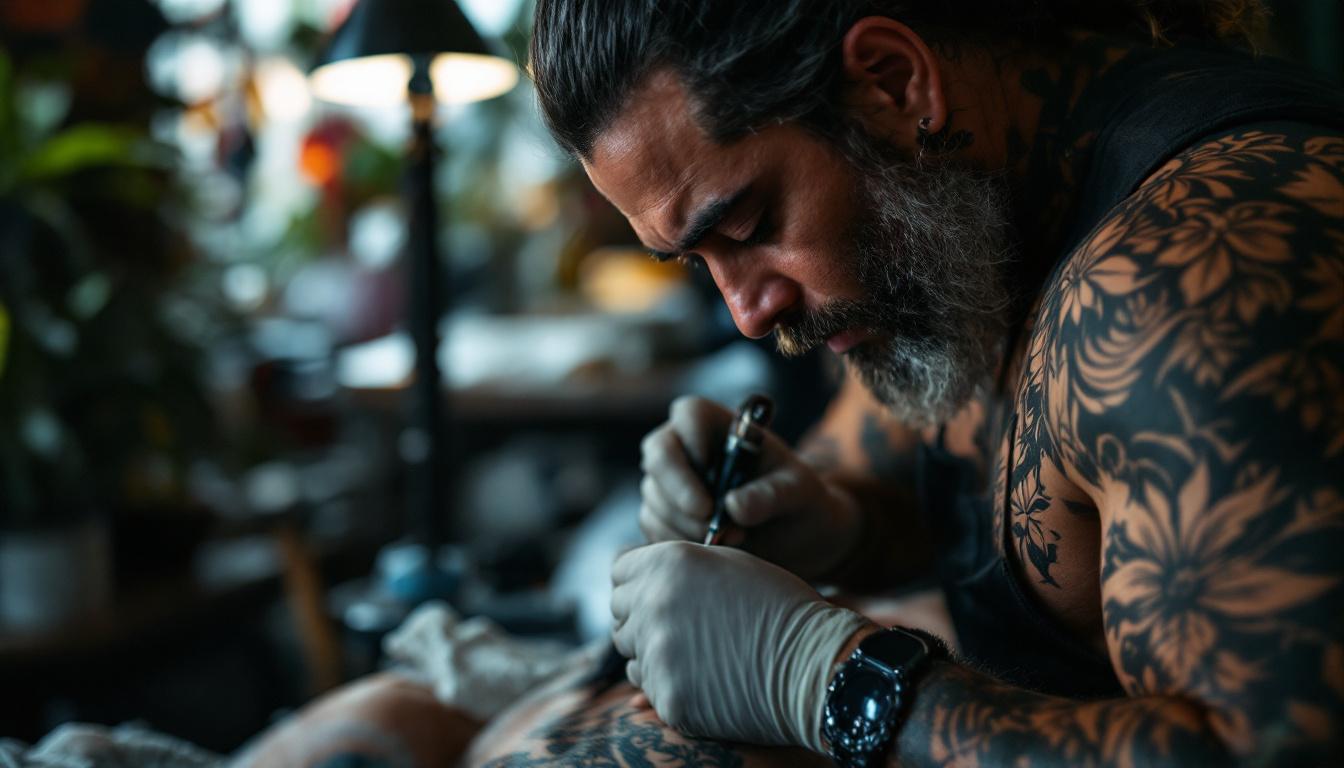
Peering into the future, the U.S. tattoo culture appears poised to continue its impressive evolution. The blend of traditional Polynesian designs with modern tattoo therapy techniques hints at a future where ink is more than skin deep. The artistry involved is expected to deepen as new generations embrace culturally significant symbols, integrating them into their personal narratives.

Section Image

As trends continue to shift and the industry grows-fueled by a steady 8% annual increase-the passion for tattoos as meaningful art only intensifies. The conversation around the melding of different cultural influences will likely shape how narratives are told through ink in the years ahead. Tattoo conventions, art galleries, and even digital platforms dedicated to body art showcase this ongoing dialogue, ensuring that tradition fuels modern creativity.

This moment in time represents more than just an artistic fad. It’s a period where cultural identity meets individual expression with a purpose. The journey of tattoos in America, inspired by practices that are centuries old, underscores a universal truth: art, in whatever form, is a profound connection to who we are and where we come from.

The Role of Education and Respect

Maintaining a balance between innovation and tradition requires rethinking how tattoo culture is taught and understood. Many studios in the U.S. are now embracing educational initiatives that outline the history and significance of the designs they replicate. Workshops, seminars, and collaborations with cultural custodians ensure that artists approach freehand designs with both creativity and respect.

The conversation is not solely about creating striking visuals; it’s about bridging cultures in a way that honors shared histories. By studying original Polynesian tattoo methods and the meanings behind those ancient symbols, both tattoo artists and enthusiasts open a window to understand the careful thought and rich traditions that inspired these designs. This commitment to respect keeps the integrity of the art alive even as it evolves with new influences.

It’s a dance between the reverence for old ways and the excitement of contemporary art. The educational push helps prevent the misappropriation of these deep-rooted traditions, ensuring that each tattoo serves as a tribute rather than a casual trend.

A Lasting Impression

From the bustling streets of urban centers to the quiet corners of local tattoo parlors, one thing is clear: tattoos in the U.S. are more than skin deep. They represent a fusion of heritage and modern creativity, much like the timeless designs that originated in Polynesia and continue to inspire today’s ink culture.

The evolution of tattooing in America is a living testament to the impact that global traditions have on modern art. With bold imagery, passionate stories, and painstaking dedication to preserving cultural narratives, the legacy of Polynesian tattooing leaves a mark not only on the skin but also on the cultural landscape of today’s society. Dive deeper into this evolving art culture by checking out some detailed industry insights and witness the blending of ancient tales with modern creativity.

The future of tattoo art is bright-and it carries the echo of traditions that have withstood the test of time. As artists continue to push boundaries, each tattoo becomes a personal manifesto, an emblem of identity, and a living piece of art that will be cherished for generations to come. Walk into a tattoo parlor anywhere in the U.S., and you might just find that the ink tells a story of resilience, culture, and timeless artistry. That’s the real evolution-honoring the past while inkening the future.

Embrace the Future of Tattoo Artistry with Apprentice

As you honor the past and ink the future, let Apprentice transform your tattoo studio into a hub of innovation and efficiency. Our platform is designed to complement the artistic journey, offering tools that simplify appointment scheduling, enhance design collaboration, and create unforgettable client experiences. Join the ranks of top artists who are already experiencing the benefits of Apprentice. Start your free trial today and witness your studio's evolution alongside the cultural heritage of tattooing.

Jason Howie

Jason Howie

Founder & CEO

Jason Howie is the founder of Apprentice, passionate about empowering tattoo artists and shops with better tools to manage their business and serve their clients.
Related Articles