Tattoo History 12 min read

Samoan Tatau: Where Tattooing Got Its Name

Discover the rich origins of the Samoan Tatau, exploring its cultural significance and traditions.

Jason Howie
Jason Howie

Founder & CEO

Unveiling the Samoan Tatau Origins: A Journey Through Tradition and Culture

Unveiling the Samoan Tatau Origins: A Journey Through Tradition and Culture

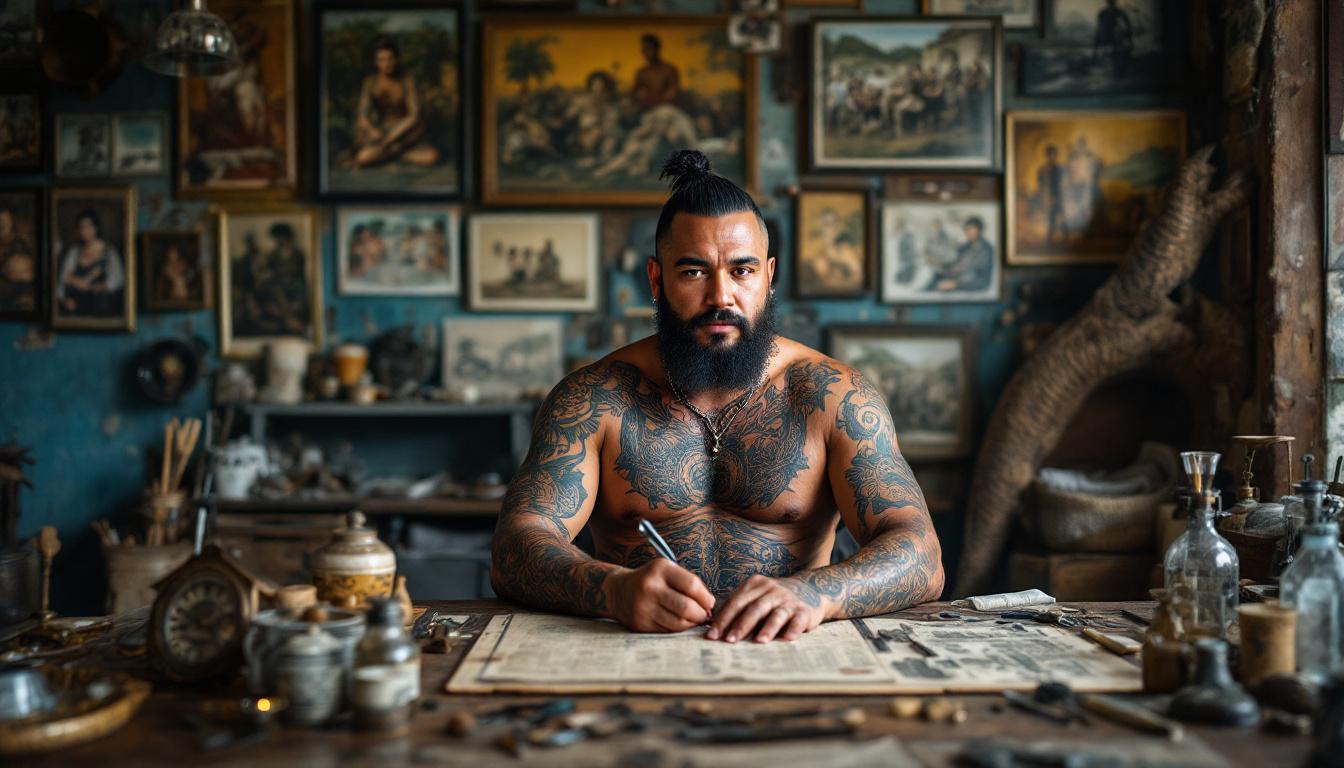
Stepping right into a story rooted in ancient tradition, the Samoan tatau has been rocking the Pacific vibes for more than 3,000 years. This isn’t just a splash of ink on skin-it's a living etching of history. A close look reveals its development from intricate marks signifying social status to badges of cultural pride.

A deep dive into this art form shows how tatau goes hand in hand with identity, community, and even a bit of island rebellion. The culture behind these tattoos has resiliently withstood time, changes, and even modern controversies. Riding the wave of modern discussions about cultural ownership and representation, this ancient practice still holds its ground as a symbol of collective heritage. Check out more on the timelessness of these traditions from RNZ.

The Roots of Tattooing in Samoa

Tracing back to around 1500 BC, Samoan tatau started as a symbolic language for first Polynesian ancestors, marking significant shifts in their society. These early designs, etched into the skin, weren't just decorative; they were laden with meaning and spoke of honor, strength, and belonging. The artistry was passed down through generations, adapting each era's stylistic language while keeping the ancient narratives alive.

Early research highlights that these motifs reflect ancestral values and spiritual beliefs that helped shape the cultural framework of Polynesia. It's crazy to think that a practice founded in such early history still buzzes with relevance today, serving as a reminder of each group’s connection to time-honored traditions. The rich legacy invites not only historians but also artists and cultural enthusiasts to appreciate the depth behind every line and curve in a tatau.

From sacred rituals to everyday celebrations, the tatau was a rite of passage and a badge of honor. These body markings communicated social status, career positions, and even tribal affiliation-each design was a story of its own.

Cultural Pride and Shared Pacific Heritage

Pushing past mere aesthetics, tatau is a mirror of community strength. In recent discussions, experts like Dr. Sonny Natanielu have been vocal about how these tattoos symbolize a shared cultural heritage across the Pacific. “It was ours as an extended family of the Pacific,” he says, reminding everyone that these designs echo the interconnectedness of the region’s people. This sentiment broadcasts the idea that cultural traditions aren’t boxed in; they flow between islands, blending and evolving naturally. Read more about these insights on Pacific Media Network.

The fascinating part? Tatau isn't just an art form exclusive to Samoa. Its influence stretches over the expansive Pacific, where many islands have their own spin on it. However, that doesn’t mean the Samoan variety doesn't hold a special kind of swagger, carrying a prestige that many Pacific communities deeply admire. With every swirl and dot, the tatau speaks to a shared identity that has united Pacific communities long before modern borders did.

The exchange of cultural symbols-within the vast Pacific family-highlights a mutual respect and kinship that transcends geographic divides. As debates in modern society continue to discuss cultural appropriation, there’s a compelling argument to be made about the inclusive nature of tatau's heritage. The idea isn’t about owning it, but rather nurturing it collectively.

The Evolution of Tatau Through Centuries

The evolution of tatau is as intricate as its designs. Early patterns have morphed over thousands of years, picking up new influences while staying true to their roots. The art form has transformed from simple markings to complex narratives no less impressive than the traditional tales told around smoky island bonfires.

Section Image

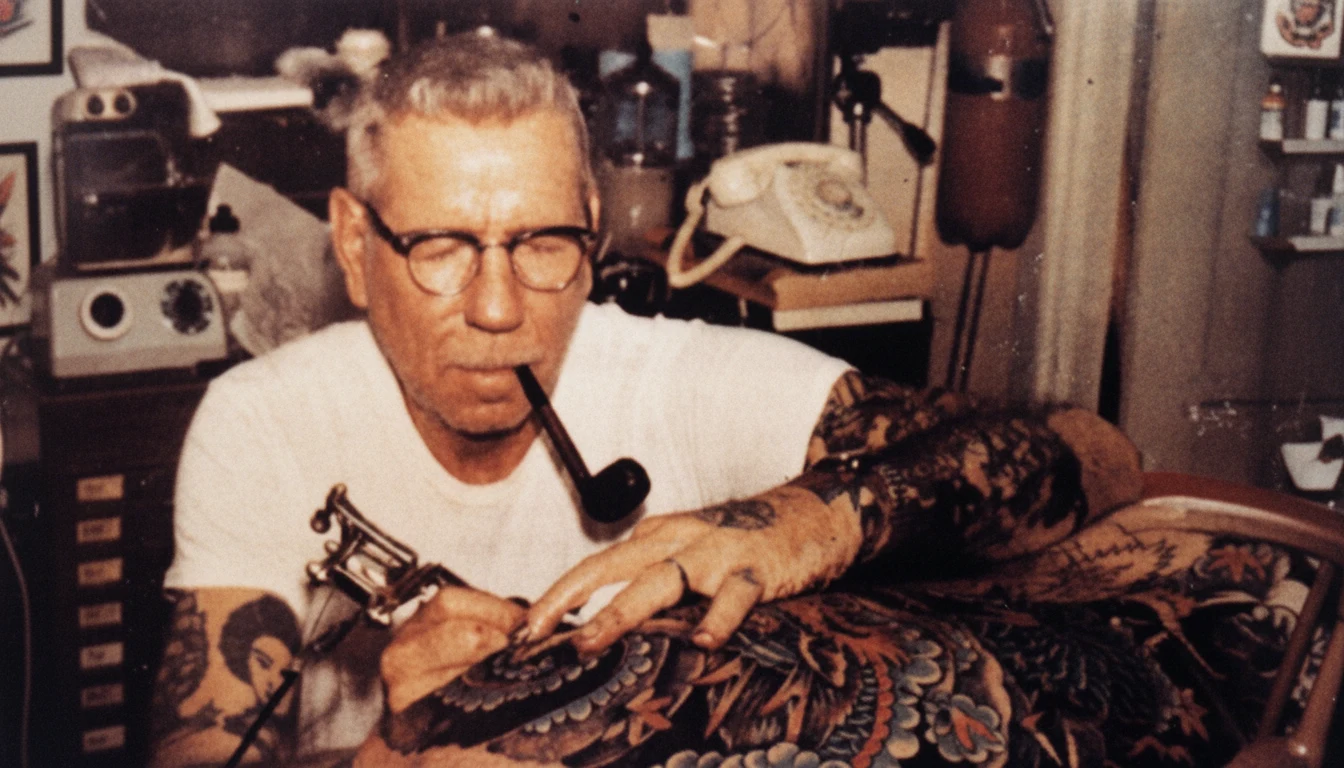
Historical texts and robust studies, like those found in the book Tatau: A History of Sāmoan Tattooing by Sean Mallon and Sébastien Galliot, map out a timeline where every swirl tells a story of resilience, cultural pride, and belonging. This work takes you on a journey through time, offering a fresh perspective on how social dynamics and identity politics have helped shape the art form into what it represents today. It isn't just ink-it's history in motion.

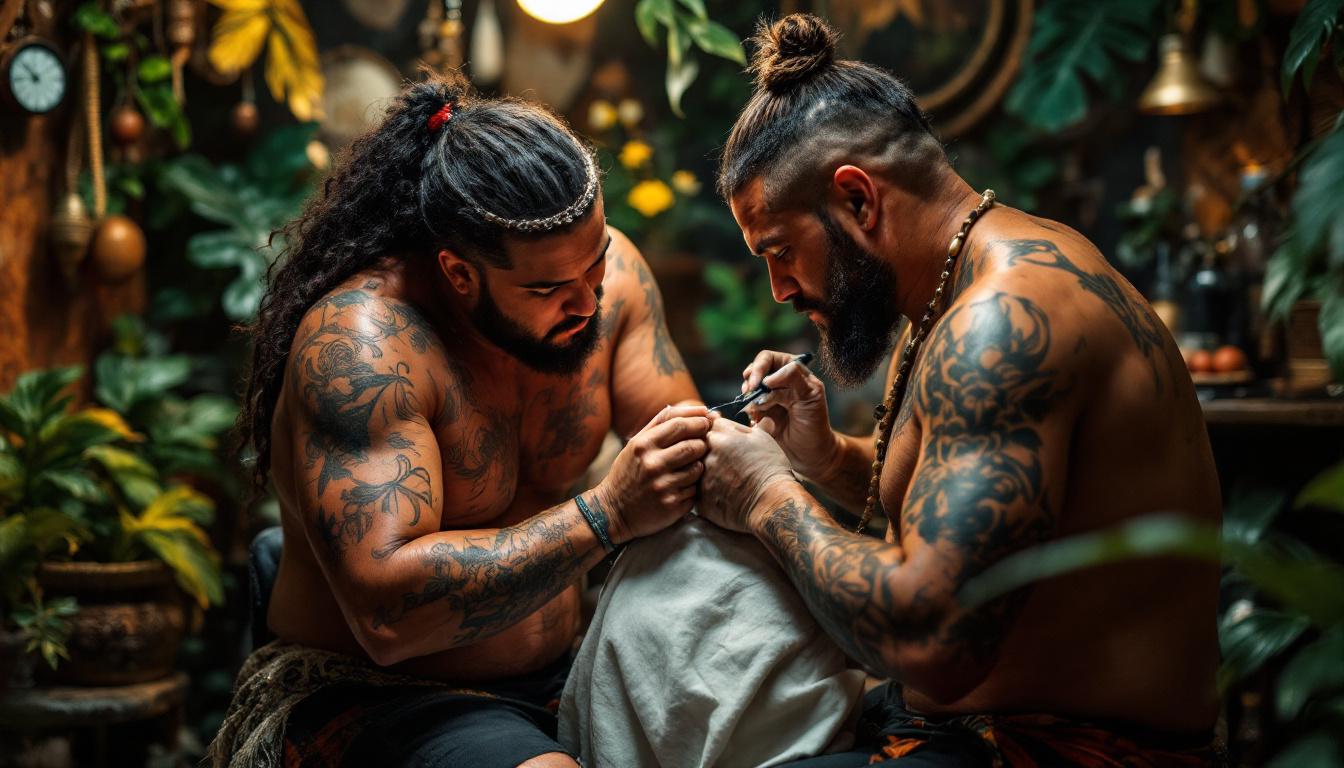
Modern practitioners of tatau often blend tradition with innovation, creating art that respects ancient techniques while resonating with today’s audiences. Each new design acts as a conversation between the past and the present, transforming personal experiences into a cultural dialogue. This continuous reinterpretation has kept tatau alive and integral to everyday life.

Tatau Amidst Modern Controversies

As the world modernizes, ancient practices like tatau inevitably face new challenges. A recent controversy in 2024 brought discussions on cultural ownership to the forefront when two women of Samoan and Tongan heritage sported tatu designs incorporating Tongan motifs. This modern twist sparked a whirlwind of debate and reflection over what constitutes the boundaries of cultural symbols.

The debate points to an interesting yet delicate balance: preserving tradition while embracing the fluidity of modern cultural expression. It’s a clear signal that traditions evolve, and so do the meanings attached to them. With each discussion, communities across the Pacific find fresh ways to negotiate identity, belonging, and rights over cultural heritage. For a detailed account, check out more from Pacific Media Network.

These discussions have a way of stirring up a mix of nostalgia and progressive thought. It reminds everyone that even age-old customs might find themselves in the crossfire of modern values. While some might see this as cultural dilution, many argue that it only strengthens the narrative by highlighting the practice's evolution over time. The dialogue, though at times heated, is a sign of vitality in an otherwise static cultural landscape.

Generational Bridges and the Modern Samoan Community

In New Zealand, which is home to a massive population of over 180,000 Samoans according to the 2018 census (RNZ), tatau vibrantly acts as a bridge between generations. The youths, rich with cultural pride, are drawing inspiration from their elders while forging their own interpretations of these timeless designs.

Section Image

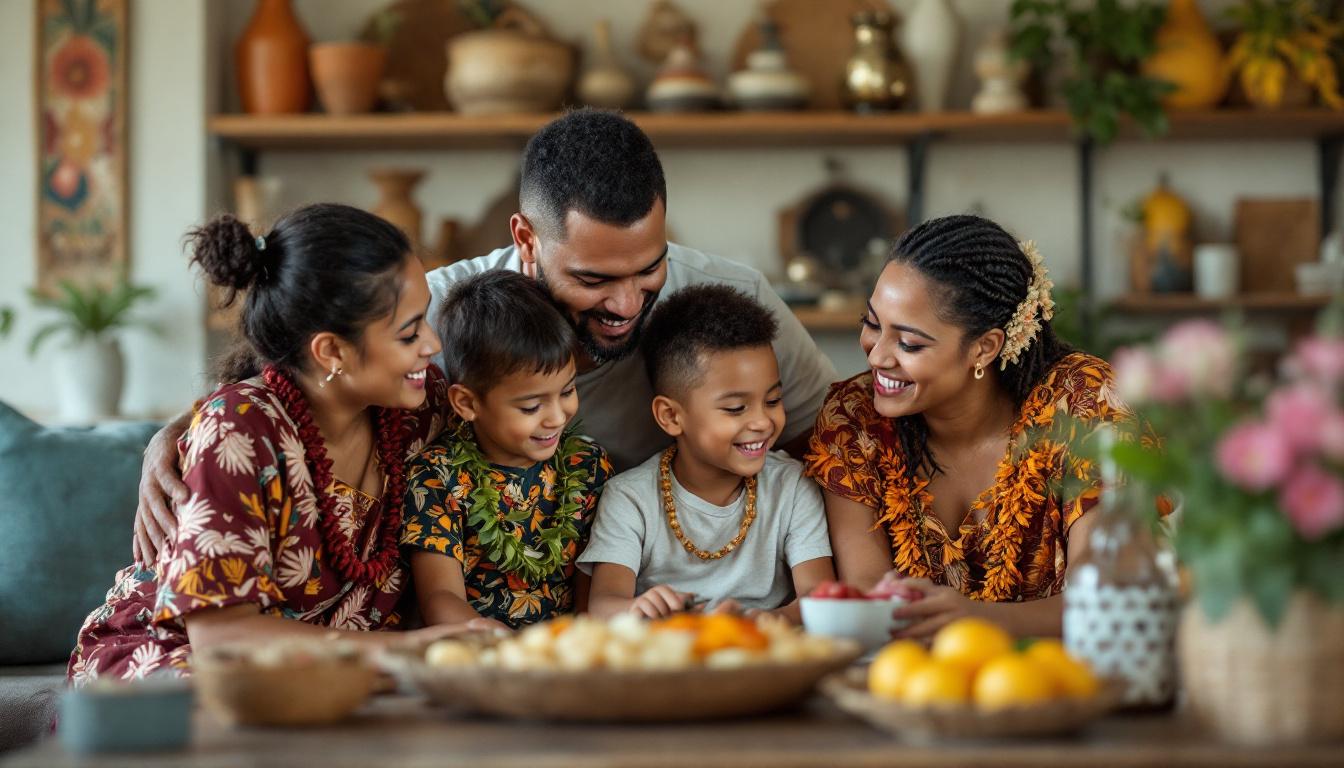
The blend of tradition and modernity is palpable. Family gatherings become a forum where stories and meanings behind each tattoo are passed down. These sessions not only reiterate the deep historical significance of tatau but also create a communal space where modern concerns and historical pride intersect.

This vibrant dialogue between old and new is essential for keeping the tradition alive. As the younger generation takes on the responsibility of celebrating and innovating these symbols, they also face the challenge of balancing authenticity with contemporary expressions of identity.

Tatau: A Living Archive of Polynesian Storytelling

Every tattoo is a living archive, capturing stories and legends that span centuries. These designs articulate tales of tribal victories, spiritual beliefs, and the eternal quest for self-identity. They are more than body art; they are conversation starters about heritage and lineage.

The motifs used often hold a deeper meaning. For instance, specific shapes and patterns can denote familial lines or commemorate significant achievements. Each line tells a story, creating a rich tapestry woven with historical memories and communal values. The artistry underscores a collective oral tradition passed down from ancestors who wielded these tattoos as markers of identity.

This intricate storytelling through skin art continues to captivate not only cultural insiders but also art aficionados and historians alike. The continuous reinterpretation of these ancient designs is explored in projects like the “Tatau: Marks of Polynesia” exhibition at the Utah Museum of Fine Arts, which showcased over 150 photographs and narratives that shed light on this cultural phenomenon. More details can be uncovered by visiting the exhibition’s page on UMFA.

Cross-Cultural Reflections and Global Perceptions

The global art scene has shown increasing interest in tatau. Audiences worldwide appreciate not only its aesthetic appeal but also the rich backstory behind the designs. Exhibitions featuring tatau have drawn diverse crowds, all eager to connect with an art form that boldly defies time and trend.

While some view tattooing through a purely stylistic lens, the Samoan tatau carries a legacy of pride, struggle, and identity that resonates powerfully on a global scale. The art has started influencing modern tattoo culture outside the Pacific, where environmental and cultural contexts often intersect with the designs in unexpected ways.

At the heart of this global admiration is a respect for authenticity. The authenticity of tatau is preserved through a balanced blend of tradition and reinterpretation. Although the designs are embraced globally, the local communities in Samoa continue to ensure that the historical integrity and cultural nuances remain respected and intact.

The Role of Tatau in Modern Social Movements

Modern social movements have found a surprising ally in the traditional practice of tatau. Its role in shaping identity makes it a beacon for discussions on personal freedom, cultural rights, and social representation. In communities where modernity collides with age-old traditions, tatau has emerged as a symbol of resilience. It invites dialogue on who gets to define cultural heritage and who has the right to practice it-with pride and responsibility.

This approach resonates deeply among younger generations, who often see their body art not just as decoration, but as an emblem of resistance and self-expression. While debates over cultural ownership continue to stir opinions, the underlying message remains clear: tatau is a joint heritage that calls for respect, understanding, and inclusivity.

The movement isn’t about exclusion-it’s about celebrating shared history and acknowledging the ever-evolving nature of tradition. The pace of cultural change often shocks the uninitiated, but for those ensconced in the art, it’s a natural evolution that encapsulates personal narratives and broader communal identities.

Bridging Past and Present in Contemporary Art

The continued interest in tatau has led to a fresh wave of artistic experimentation. Today’s tattoo artists frequently refer back to traditional motifs as a basis for creative reinterpretations, integrating modern art techniques with historical symbolism. The fusion of ancient themes with contemporary design not only honors tradition but also paves the way for a new narrative-a blend of the time-honored and the modern.

A number of contemporary artists have become iconic for channeling the spirit of tatau through their work. Their authentic pieces capture the essence of cultural pride while resonating with global audiences who marvel at the interplay of history and modern artistry. These trends have bolstered the notion that art can be a living testament to historical resilience and creative expression.

This artistic synergy ensures that tatau remains relevant, adapting to the changing landscapes of identity, belonging, and self-expression. It sets a powerful example for future generations: traditions are not static, but evolving canvases that reflect the dynamic pulse of society.

Legacy and Future Paths for Samoan Tatau

The legacy of Samoan tatau is far from being a relic of the past. It lives on in ceremonies, family traditions, and the creative expressions of those who see the world through the lens of Pacific heritage. As communities negotiate the nuances of cultural appropriation and pride, the future of tatau appears vibrant and inclusive.

The conversation about cultural rights and the ownership of artistic symbols remains essential, especially in an era marked by rapid social change. The controversy over tattoo designs mixing motifs reminds everyone of the fine line between cultural evolution and misinterpretation. Rather than stifling creativity, these discussions foster a space where tradition can be honored while opening doors to new interpretations.

Institutions, community groups, and cultural custodians continue to advocate for policies that protect the sanctity of traditional tatau while allowing gracious adaptation. With forward-thinking efforts and respects for the past, the journey of tatau is set to be a compelling saga of tradition and transformation. This duality is what fuels the ongoing reverence of tatau beyond the Pacific shores.

Conclusion: Embracing the Spirit of Tatau

The Samoan tatau is more than skin deep-it is a vivid tapestry woven from history, cultural kinship, and the unyielding spirit of community. Its evolution through centuries, embracing both ancient roots and modern reinterpretations, illustrates the power of tradition to adapt and remain relevant. The journey through tatau is a journey through time, a narrative that continues to unfold with each new generation embarking on its own story of identity and belonging.

The compelling nature of tatau ensures that debates on cultural ownership, the reinterpretation of heritage, and the global influence of ancient art will remain vibrant. It’s a story of pride, resilience, and shared humanity-one that calls for reflection on how communities honor their past while boldly stepping into the future.

As conversations about tradition and modernity grow louder, the Samoan tatau stands as a reminder that art is not confined to the annals of history. It lives on in each mark, each design, and each narrative, urging everyone to celebrate the rich, interwoven fabric of cultural identity. Dive deeper into the legacy and ongoing evolution of this ancient heritage by exploring the detailed accounts and historical insights available from experts like Sean Mallon on RNZ.

In every stroke and every intricate design, the tatau reminds us that while traditions may evolve, their core messages remain timeless-tales of courage, a connection to ancestry, and the ever-present call to unite as one extended family. With each new generation, the legacy of tatau is not just revived but reimagined, blazing new trails while honoring the rich history that gave it life.

Join the Evolution with Apprentice

As the Samoan tatau continues to inspire and evolve, so does the art of tattooing in the modern world. Apprentice is at the forefront of this evolution, providing tattoo studios with the tools they need to honor tradition while embracing the future. By integrating our platform, artists can focus on creating meaningful designs that contribute to the storied tapestry of tatau. Embrace the synergy of culture and innovation—Start your Free Trial with Apprentice today and transform the way your studio connects with the ancient art of tattooing.

Jason Howie

Jason Howie

Founder & CEO

Jason Howie is the founder of Apprentice, passionate about empowering tattoo artists and shops with better tools to manage their business and serve their clients.
Related Articles