Tattoo History 13 min read

Borneo's Dayak Tattoos: Sacred Marks and What They Mean

Discover the rich Borneo Dayak tattoo traditions and their cultural significance.

Jason Howie
Jason Howie

Founder & CEO

Exploring Borneo Dayak Tattoo Traditions: A Cultural Journey

Exploring Borneo Dayak Tattoo Traditions: A Cultural Journey

Walking through the lively streets of Borneo or chilling at a local hangout quickly makes it obvious that the Dayak people's tattoos are not just skin art-they pulse with stories, history, and pride. Over centuries, these intricate designs have become the badges of honor for countless warriors, storytellers, and cultural keepers. Check out the insightful commentary by a master tattooist who calls these tattoos the epitome of cultural memory.

Tracing the Roots of Dayak Tattoo Culture

The origins of Dayak tattoos run deep, reaching back to times when the inked skin told stories of survival, bravery, and belonging. The art form is more than just decoration-it’s an archive of life lessons passed down through generations. Rituals, rites of passage, and personal achievements were all marked by the careful etching of each design. Each line and swirl isn’t random but packed with just as much meaning as a time-worn fable.

Historical records and archaeological studies have noted that these tattoos often symbolize personal and communal identity with motifs like snakes, birds, and plants signifying bravery and other powerful traits. Such symbols were integral, as they allowed the bearer to visibly convey social status and individual achievements to the community.

With over 470 distinct sub-tribes calling Borneo home, each with its own traditions, the diversity within the Dayak tattoos mirrors the island’s rich cultural mosaic. No two designs are exactly alike. Instead, they reflect the nuances of different experiences and philosophies that have evolved over centuries.

The Cultural Significance Beyond Ink

The Tattoo as a Storyteller

Dayak tattoos aren’t merely static images; they are living narratives. Every design is carefully curated to preserve family lore, core values, and ancient wisdom. The Dayak people of Borneo have used tattoos as a form of visual storytelling, where each symbol and pattern is a verse of a much larger saga.

The use of tattoos for storytelling goes beyond aesthetics. These markings serve as personal and communal records, capturing significant milestones from coming-of-age rituals to battles fought and legends remembered. They act as wearable history-a permanent inked manuscript that connects the present with the past.

In many communities, an individual with elaborate tattoos is one who has earned the right to be a community custodian of history and tradition, a responsibility as heavy as it is honorable.

Identity, Status, and Personal Achievement

The Dayak tattoos serve a dual purpose in emphasizing social identity and individual accomplishment. Tattoos in these communities are not applied haphazardly; they are meticulously planned to represent one's status within the tribe. They reflect accomplishments such as bravery in battle, which was often signified by intricate designs that evolved with time.

A study from the Universitas Komputer Indonesia makes it clear that these tattoos hold values that go deep into a person's social fabric. The designs are more than skin deep, offering a visual ledger of one’s rise in communal respect and honor.

This means that for many, getting a tattoo was a rite of passage, marking the transition from one stage of life to another. It’s a badge of honor that speaks volumes about personal resilience and the intricate connection between the individual and the community at large.

Reviving Tradition in the Face of Modernization

While globalization and modern culture can sometimes dilute ancient practices, there is a determined movement among Indonesian tattooists to revive the traditional hand-tapping tattoo technique. This ancient method is not only unique in its application but also acts as a bridge connecting the present generation to their formidable ancestors. Artists who use this technique are preserving a dying art form, ensuring that the soul of their people continues to beat in every dotted line and sweeping curve.

This renaissance isn’t just about nostalgia; it’s a deliberate push to keep traditions alive amid rapid change. The revival of these techniques has gained attention worldwide, as enthusiasts and experts recognize the essential role that physical heritage plays in community identity. The resurgence speaks to a larger trend seen throughout traditional arts-a desire to reconnect with origins and preserve the unique methods passed down through ages.

Articles in publications like Digital Journal highlight these efforts, noting that the traditional method of hand-tapping not only retains historical authenticity but also demonstrates immense skill and dedication from the artists involved.

The Process and Technique Behind the Ink

An Intricate Art Form

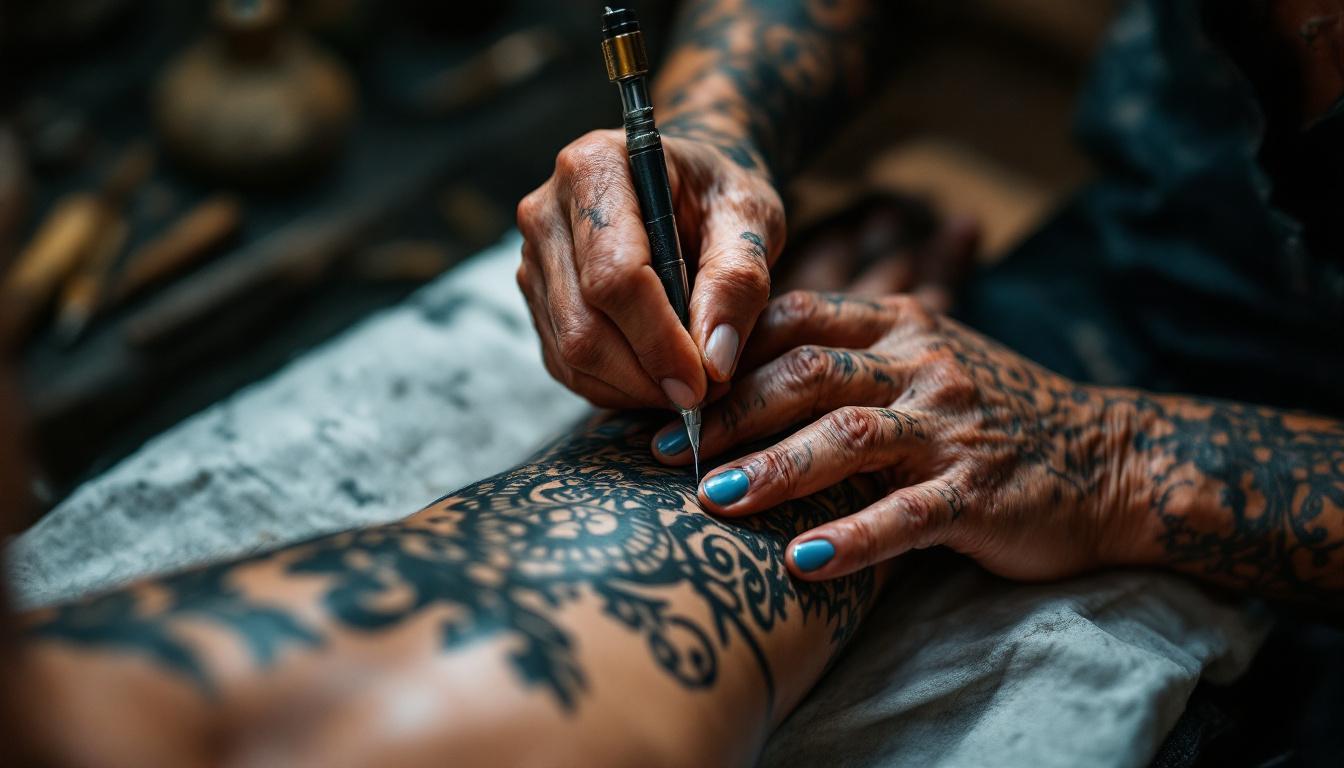
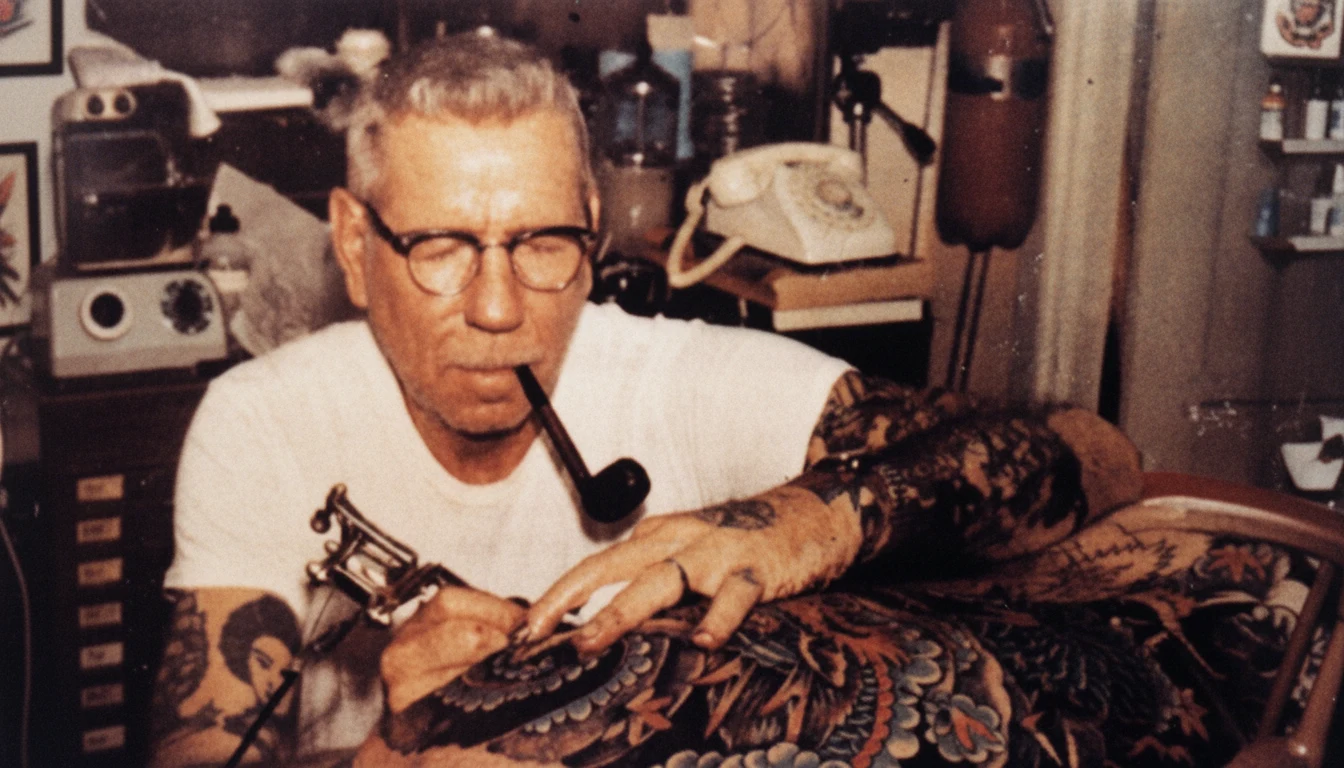
The hand-tapping style of tattooing, revived by modern Indonesian tattooists, is remarkably different from the conventional machines we’re used to in urban settings. This traditional method involves using a bundle of sharpened sticks or bamboo, tapped rhythmically against the skin. This technique requires a level of precision and artistry that modern mechanical methods struggle to capture.

Section Image

Each tap seals a part of history into the skin, making the tattooing process both a physical and spiritual journey for the bearer. The rhythmic tapping is not only therapeutic but also a form of meditation, ensuring that every dart of ink aligns perfectly with the symbolic patterns envisioned by the artist.

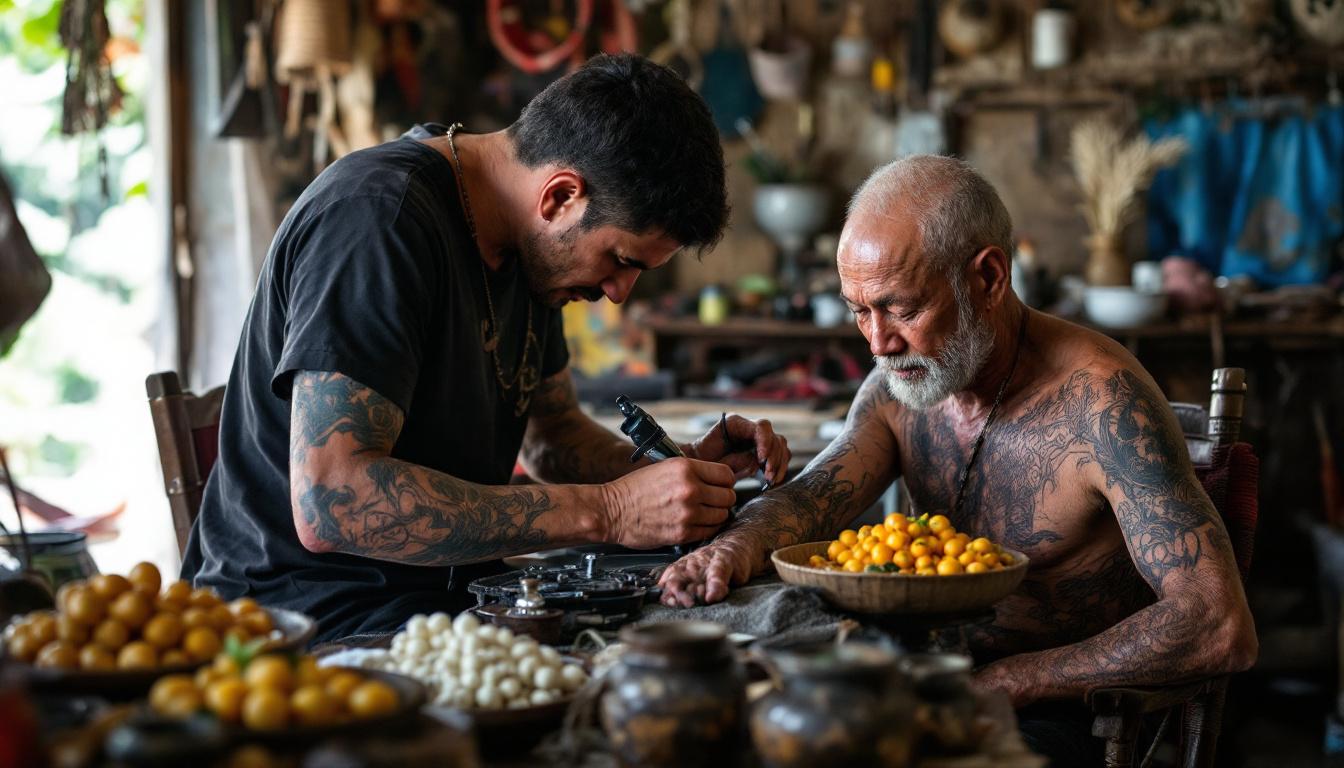
The process feels almost ritualistic. The repeated, measured strikes forge a deep connection between the artist and the client, imbuing each piece of art with an unparalleled authenticity. It’s a soulful interaction that goes beyond the biology of skin and ink, embedding an individual’s story through a shared, almost sacred, experience.

Symbolism in Every Stroke

Each tattoo design among the Dayak people is laden with symbolism. Common motifs include snakes representing rejuvenation, birds embodying freedom, and plants that stand for both beauty and growth. These images are not chosen at random; they are carefully selected based on their symbolic resonance with the wearer’s life narrative.

The symbolism is integral to understanding Dayak tattoos, transcending beyond mere decorative art. It transforms skin into a canvas where stories are told without uttering a single word.

One striking quote from an experienced tattoo artist sums it up perfectly: "Our tattoos are like the clothes of our soul" -a vivid reminder that every mark is laden with profound meaning and intimate association to the wearer's inner world.

Cultural Challenges and Future Prospects

Modern influences present both a challenge and an opportunity for the Dayak tattoo traditions. On one hand, urbanization and the industrial pace of contemporary life risk diluting the intimate connection between a tattoo’s design and its cultural meaning. There is a palpable tension between maintaining traditional methods and adapting to modern artistic trends.

On the other hand, this very tension has sparked a revival among a new generation who wish to reclaim and celebrate their heritage. Young tattoo artists are increasingly taking pride in their indigenous techniques, blending them with modern aesthetics to appeal to a broader audience.

The balance between tradition and modernity continues to shape the evolution of tattoo art in Borneo. As noted in a report by the Sarawak Tribune, efforts are underway to ensure that the authentic cultural practices remain intact even as the world quickly changes around them.

Intergenerational Wisdom and Community Bonds

The power of Dayak tattoos lies in their capacity to connect generations. In every carefully crafted design is a story of ancestors, their trials, and the enduring hope of passing on their legacy. The rich tapestry of cultural symbols finds its way into the hearts and memories of the community, bridging past and future in one continuous narrative. Stories of valor, wisdom, and endurance are immortalized on the skin, serving as everyday reminders of communal resilience.

Section Image

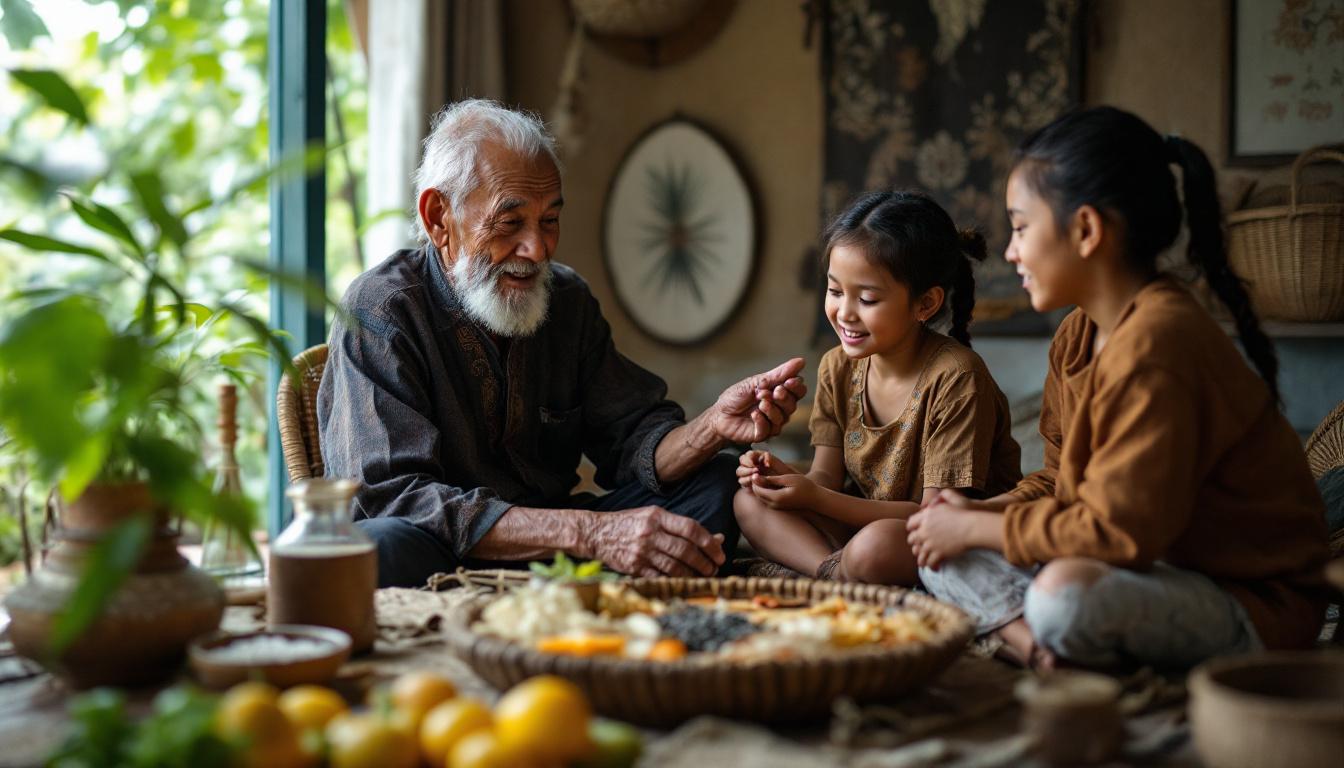
This intergenerational bond is vital to preserving not just the art form but also the spirit of the culture it represents. The act of tattooing becomes a deeply communal event, where elders share their insights and young ones learn about the struggles and triumphs of those who came before them.

Cultural continuity in Borneo is maintained through traditions where every tattoo is more than an artistic declaration-it is a badge of who the bearer is and where they come from. The process reinforces community connections, ensuring that each new generation grows up with a healthy respect for their heritage and the legacies left behind by their ancestors.

Keeping the Passion Alive

Passion for preserving Dayak tattoo traditions is evident among both seasoned tattooists and fresh talents in the field. There’s a palpable energy surrounding these cultural practices-a movement that refuses to let go of the intrinsic value of rhythmic tapping and symbolic ink. While modern tattooing may offer speed and convenience, it seldom replicates the soulful connection embedded in the traditional approach.

The debate between modern machine work and authentic hand-tapping is sometimes a heated one. Yet, the growing community of traditionalists believes that the manual technique captures the essence and spirit of Borneo in a way that modern methods simply cannot. It’s about more than just technique-it’s about connection to ancestry, to nature, and to the core values that define a community's identity.

The renewed interest in these traditions has led to workshops and cultural gatherings where aspiring artists and enthusiasts come together to learn about and engage with the practice. Such events not only nurture technical skills but also deepen the appreciation for what the tattoos truly represent. It’s the kind of cultural celebration that serves as a reminder: sometimes, the old ways are the best ways.

The Broader Impact on Artistic Heritage

Beyond the borders of Borneo, the traditional Dayak tattoos have captured global interest. More than just a trend, they are slowly but surely influencing tattoo art around the world. Artists globally are incorporating elements of traditional Dayak motifs into their work as a nod to the rich, time-honored practices of the Dayak people.

The spread of these designs has sparked conversations about cultural appropriation versus cultural appreciation. However, authentic voices from Borneo consistently emphasize that their tattoo traditions are more than just a set of symbols; they are a living, breathing record of identity and history. As cultural discussions evolve, the importance of context and respectful representation remains a top priority.

This global interest reinforces the narrative that art, in any form, can act as a potent bridge between cultures. By studying and celebrating these age-old practices, people everywhere can gain a deeper understanding of the diverse ways communities express their identities and preserve their stories.

Stepping into the Future with Tapped Traditions

The future of Dayak tattoo traditions is an exciting yet delicate balance-a blend of innovation and impeccable respect for the past. As modern tattooing techniques evolve, the fundamental principles that underpin traditional practice continue to be revered and taught to upcoming generations. This delicate balance is crucial for the survival of a practice that encapsulates both the aesthetic and functional aspects of cultural identity.

The narrative woven by each tattoo is a homage to centuries-old customs, revisited and reinvented to suit a contemporary audience. It’s a reminder that while technology and modern art techniques are here to stay, there remains an enduring value in methods that demand time, patience, and reverence for tradition. As society pushes forward, the allure of these ancient practices continues to captivate many, urging communities to keep the flame of their heritage burning brightly.

The journey toward preserving these traditions is ongoing and layered with challenges, but it is also fueled by an unyielding passion for cultural expression. A respected community voice once remarked, "Our tattoos are like the clothes of our soul," a truth that resonates now more than ever in the coexistence of the past and the present.

Embracing the Legacy One Ink Stroke at a Time

The swagger of the Dayak tattoo is far from being a mere trend-it’s a testament to the resilience and artistic prowess of a people rooted in rich heritage. Each mark laid down by a skilled hand is a nod to progenitors who faced hardships with unmatched courage. The legacy of the art form, steeped in tradition and wrapped in symbolism, continues to empower those who wear it like a badge of honor.

Communities remain fiercely protective of their roots, understanding that every tattoo is a bridge, linking today to a storied past. The determination to preserve these engravings transcends simple aesthetics-it's about keeping alive a dialogue that has spanned generations of storytellers, craftsmen, and warriors.

As the conversation around cultural preservation intensifies globally, the Dayak people have a robust platform from which to project their centuries-old wisdom. The undeniable connection to nature, community, and spirituality encapsulated in each tattoo reminds onlookers that history can be alive, tangible, and beautifully rendered on the human skin.

Conclusion: A Living, Inked Narrative

The rich tapestry of Dayak tattoo traditions in Borneo is a living narrative, interwoven with threads of courage, heritage, and cultural identity. While the modern world offers convenience, nothing compares to the raw authenticity, sound, and soul of the hand-tapping method. Every swath of ink, every repeated tap, is a step on the well-worn road of ancestral memory and communal strength.

The journey through these traditions is as layered as the tattoos themselves-each mark is a declaration, a memory, and a promise to never let the past fade into oblivion. The vibrant movement to revive and respect these traditions ensures that the Dayak tattoo continues to evolve while staying true to its roots. In embracing both the ancient and the contemporary, these tattoos serve as a powerful reminder of what it means to belong to a community that values history, personal achievement, and the enduring spirit of its people.

This cultural journey is an open invitation to those who appreciate the nexus of art and tradition-a call to honor what has been etched into skin and history, and to carry forward a legacy that is as alive as the rhythm of a tapping tattoo needle. With each stroke, the legacy of the Dayak people sings a timeless tune-a tune that will echo across generations.

Take Your Tattoo Studio Into the Future with Apprentice

As you honor the traditions of the Dayak tattoo heritage, let Apprentice help you manage the future of your tattoo studio. Our platform is designed to complement the artistry and cultural significance of your work by simplifying the operational aspects. With Apprentice, you can focus on creating meaningful tattoos while we streamline your appointment scheduling, enhance design collaboration, and manage client interactions with ease. Embrace the perfect blend of tradition and innovation—Start your free trial today and transform the way you connect with clients and honor the legacy of tattoo artistry.

Jason Howie

Jason Howie

Founder & CEO

Jason Howie is the founder of Apprentice, passionate about empowering tattoo artists and shops with better tools to manage their business and serve their clients.
Related Articles