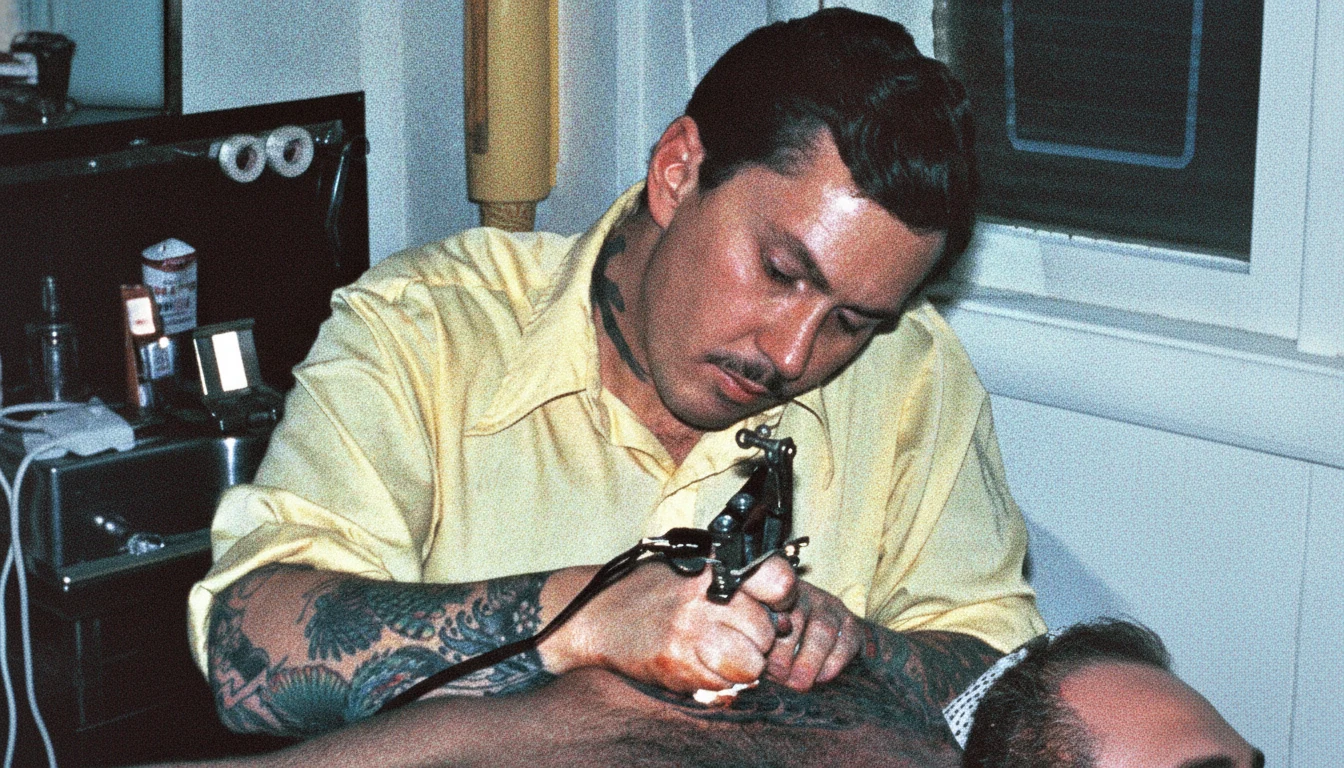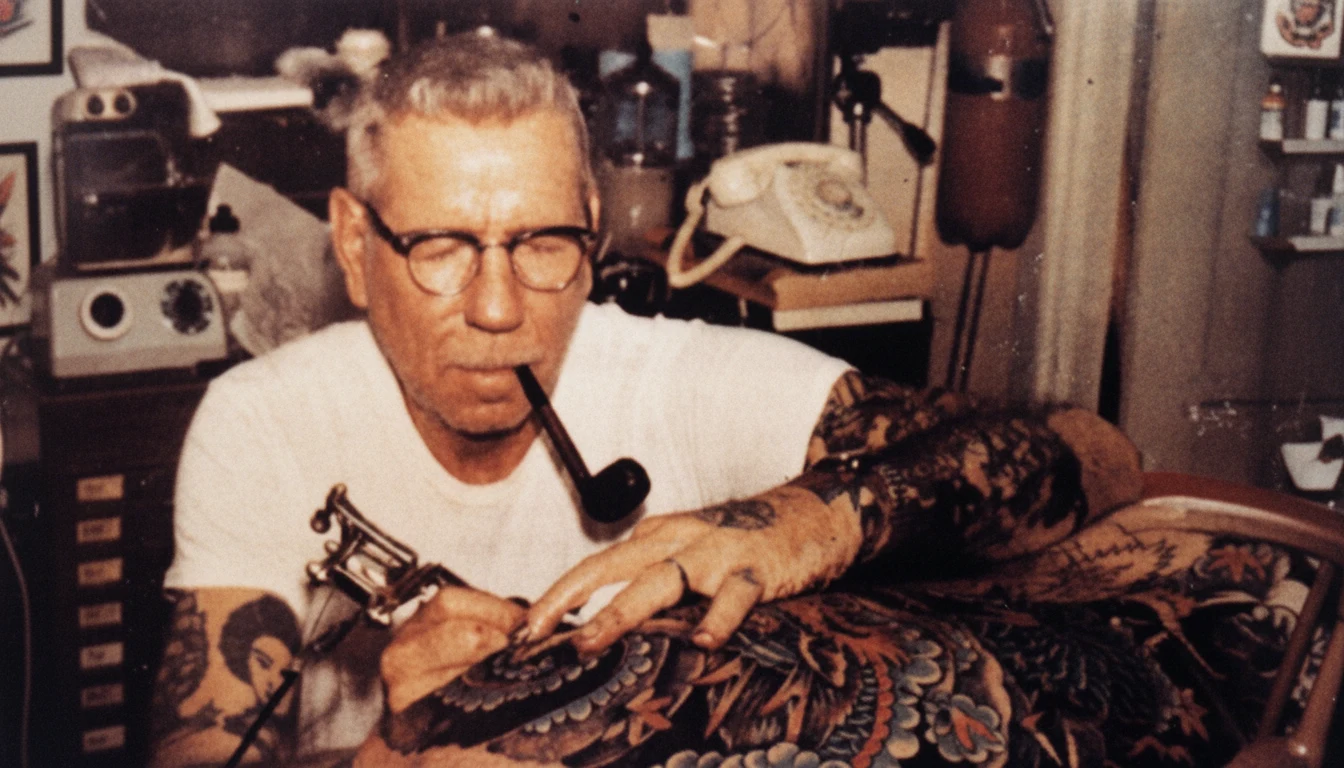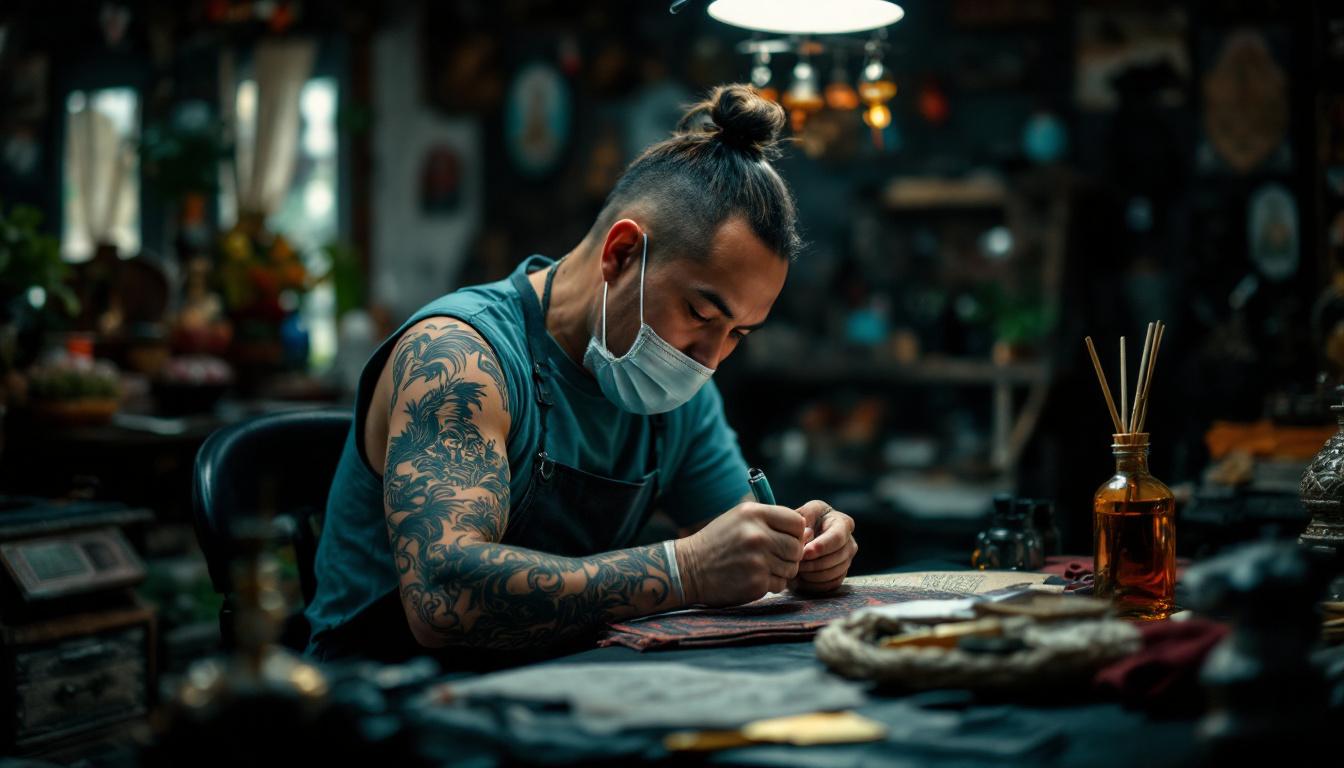
Sak Yant isn’t a tattoo style you pick off a wall. It’s a sacred practice from Thailand and Cambodia, where a master inks geometric patterns and old script into the skin and chants a blessing over it. The blessing is the point. Without it, you’ve just got a nice-looking design.
People in the West mostly met Sak Yant through pop culture, so a lot of the story online is half legend and half marketing. The actual tradition is older and stranger than that. The Bangkok Post has written about how it got turned into a tourist commodity, which tells you how far it’s traveled.
Where it comes from
Sak Yant goes back centuries across Thailand, Cambodia, Laos, and the wider Khmer Empire. The designs use sacred geometry, Pali or Khmer script, and symbols meant to carry protection, fortune, and charisma to the person wearing them. Different regions developed their own scripts. Old Khmer in Cambodia, Khom in central Thailand, Lao Tham in Laos.
Each yantra has a name and a job. The Gao Yord, nine spires. The Haw Taew, five rows. Animal motifs that lend the wearer the qualities of a tiger or a bird. None of it is decorative filler. Every shape is doing something.
The tradition sits inside Thai beliefs about karma, bad luck, and unseen forces. A line of ink is treated as a channel for protection against all of that. You can read more on the Wikipedia entry for yantra tattooing if you want the regional breakdown.
The master is the whole thing
At the center of Sak Yant are the ajarn, the masters. They hold the mantras and the rituals, and that knowledge is what separates a real Sak Yant from a copy. Anyone with a tattoo machine can trace the design. The blessing is what they can’t fake.
Ajarn Noo Kanpai, one of the most famous masters, put it plainly: “Many people can perform the tattoos but they don’t know the mantras required for the blessings and protection.” That’s the line that explains the whole practice. The image on the skin is half of it. The chant during the session is the other half.
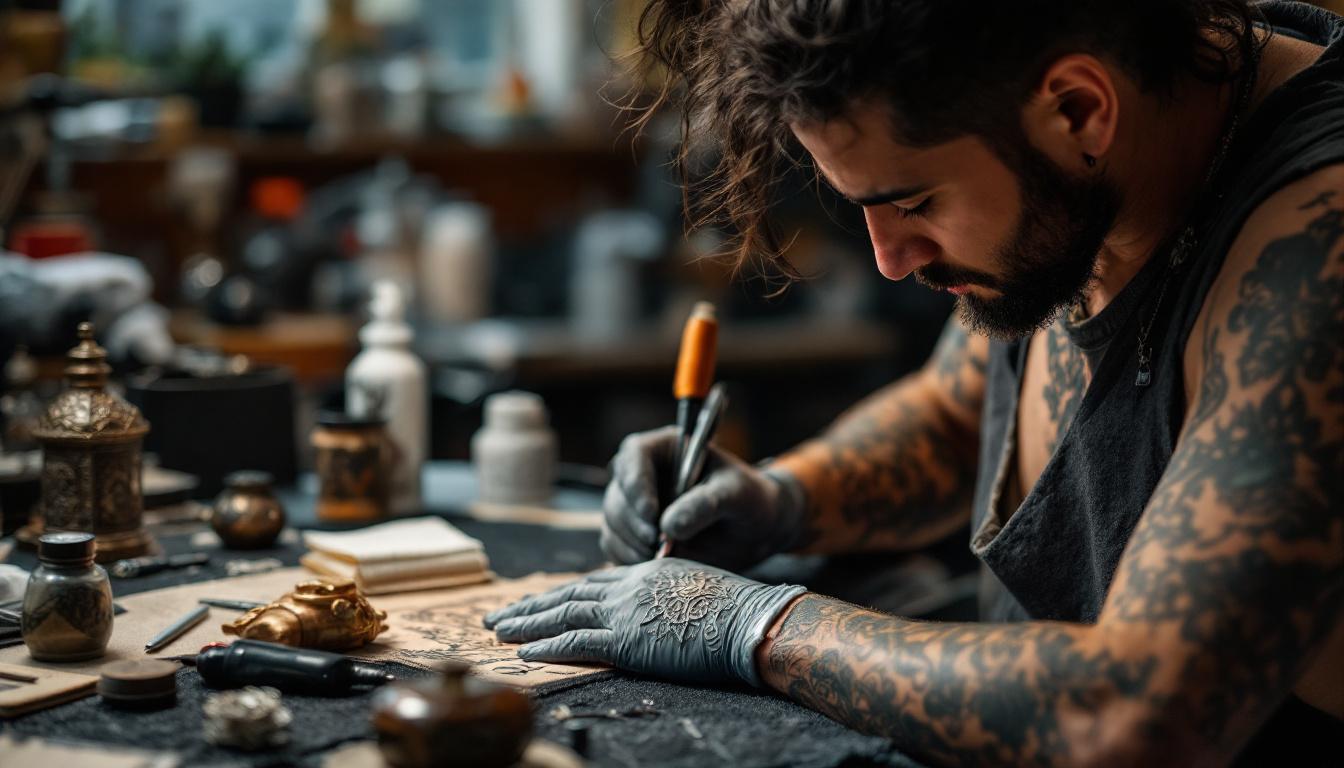
This is why the room feels different. The mantra gets murmured over the buzz of the work. People describe the process as a kind of cleansing, not just a session in a chair. Whether you buy the spiritual side or not, the ritual is real and it’s taken seriously.
How Sak Yant went global
In 2004, Angelina Jolie got a yantra tattoo of a Bengal tiger from Ajarn Noo Kanpai in Thailand, inked in old Khmer script. Suddenly a practice that mostly lived in temples and remote studios was on magazine covers around the world.
That changed the demand. What had been local and personal became something travelers fly in for. Studios in Bangkok now see foreigners who found Sak Yant through a celebrity photo or an Instagram feed. The reach grew fast.
Not everyone thinks that’s good. Pull a sacred ritual out of its context and some of the meaning leaks out. Others argue the attention keeps the tradition alive and funds the masters who still practice it. Both sides have a point, and the debate isn’t settled.
What it costs, and why
Pricing for Sak Yant runs wide. A simple piece from a working ajarn can be cheap by Western standards. A large design from a sought-after master, blessing included, costs far more. The spread tracks the intricacy of the work and the reputation of the person doing it.
That price gap says something. People aren’t only paying for ink and time. They’re paying for the lineage and the blessing behind it. In a culture where the master’s knowledge is the rare part, the master’s fee reflects it.
Purists worry the money cheapens the whole thing, that a sacred rite shouldn’t carry a price list. Others see no problem with masters earning a living from a skill that took decades to build. The Bangkok Post covers that tension well.
What artists can take from it
You don’t have to practice Sak Yant to learn from how it’s treated. A Sak Yant isn’t an impulse buy. The wearer thinks about it, the master prepares for it, and the result carries weight long after the session ends. That’s the opposite of disposable flash, and it’s a useful standard for any meaningful tattoo.
If you run a studio, that respect should show up in how you handle the whole experience, from the first message to the aftercare. The booking, the consult, the records of what each client got and why. Apprentice handles the front-office side so you can spend your attention on the work and the person in the chair. You can start a free trial and set up your studio in an afternoon.
Sak Yant has lasted centuries because the people carrying it forward treat it as more than a picture. The design fades over time. The reason someone got it doesn’t.

Jason Howie
Founder & CEO
Jason Howie is the founder of Apprentice, passionate about empowering tattoo artists and shops with better tools to manage their business and serve their clients.