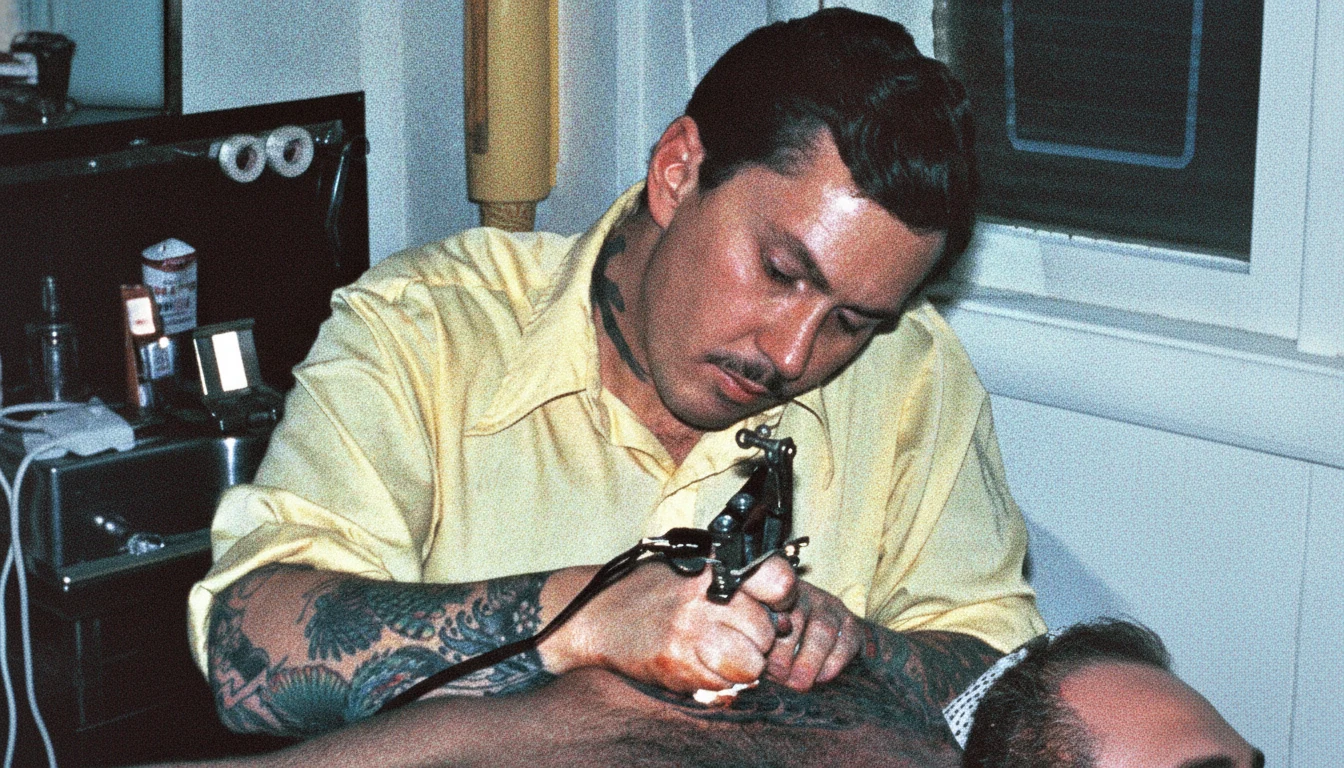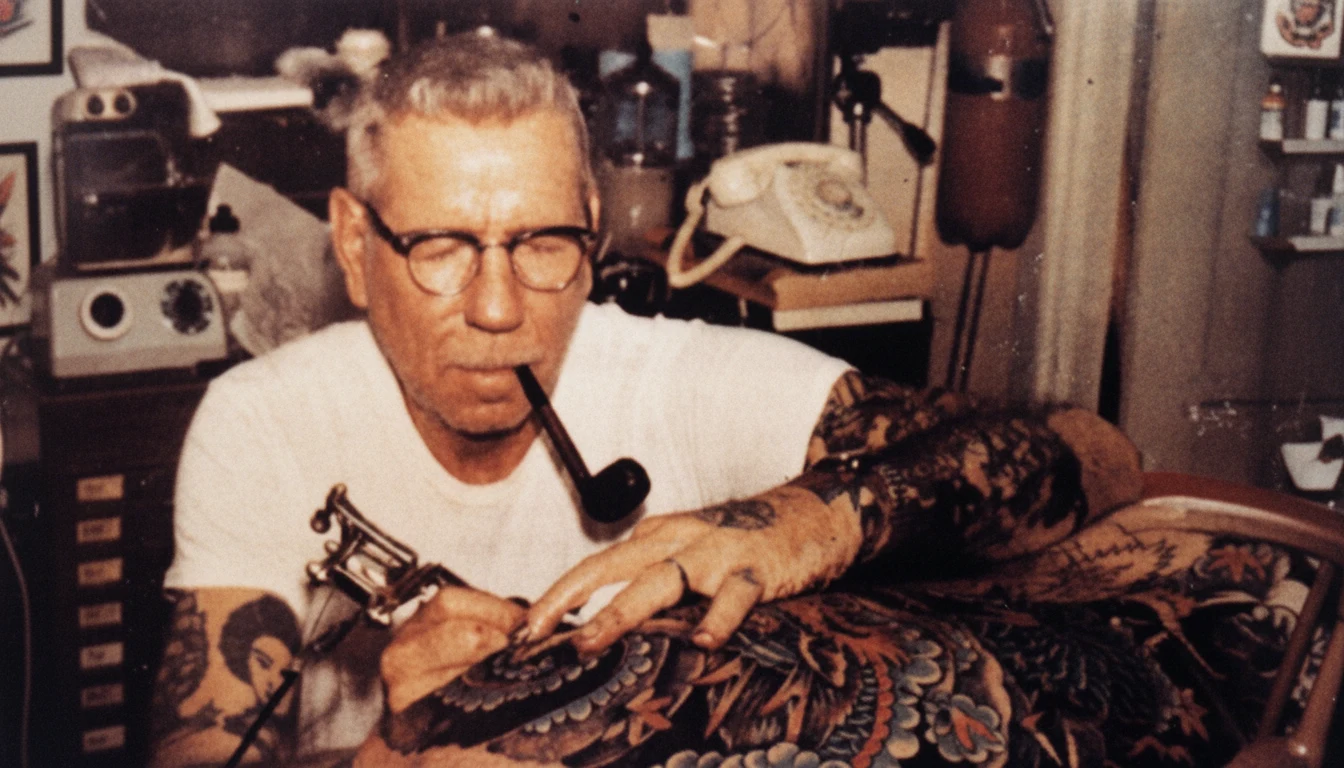
Copenhagen has been a tattoo town for a long time. Sailors came through the harbor, picked up work from local hands, and carried those marks across the North Sea. That’s the short version of how ink took hold in this part of Europe. The longer version is messier and a lot more interesting.
Walk through Vesterbro or Nørrebro today and you’ll pass studios tucked between coffee shops and record stores. Some are bright and clinical. Some look like they haven’t changed the front window in forty years. Both kinds are busy.
How the scene grew up
The parlors here didn’t start as destinations. They started as practical shops near the water, the kind of place a working sailor stopped in once and never thought about as art. That changed slowly. By the time tattooing spread out of the harbor districts and into the rest of the city, it had picked up a local character that stuck.
There’s a point researchers make about tattooing in Scandinavia that’s worth sitting with. One BMC Public Health study describes it as “a cultural group clustering phenomenon that goes beyond genetically oriented behavioral characteristics.” Plain version: people get tattooed because the people around them are tattooed. It spreads through communities, not bloodlines. That fits Copenhagen exactly. A neighborhood gets a good artist, the artist builds a following, and the whole area starts wearing the same kind of work.
So the ink here isn’t only rebellion, though there’s plenty of that too. For a lot of people it’s a thread back to a parent, a neighborhood, a version of the city they grew up in.
Where the craft sits now
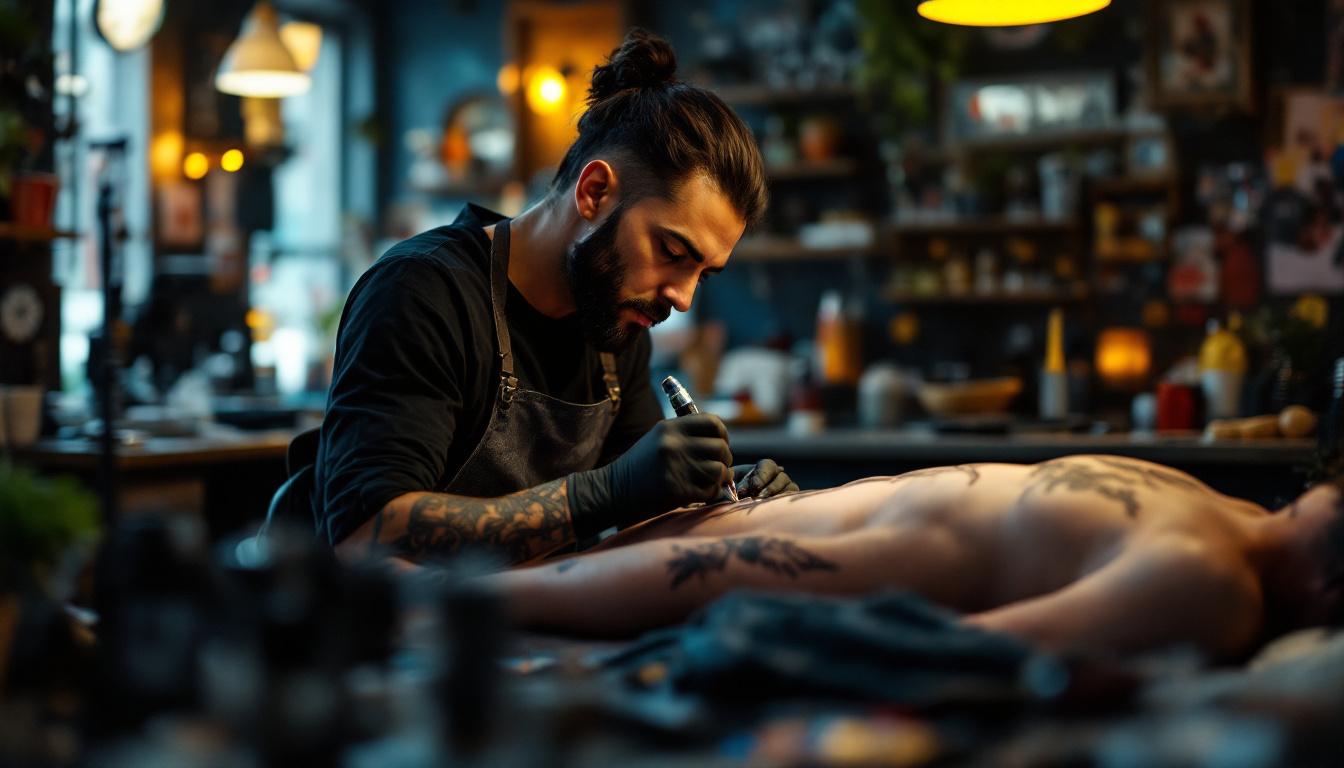
The range of work has widened a lot. You’ll find tiny single-needle pieces and full back panels in the same studio, sometimes from the same artist on the same day. Body art that used to live on the fringe is closer to ordinary now.
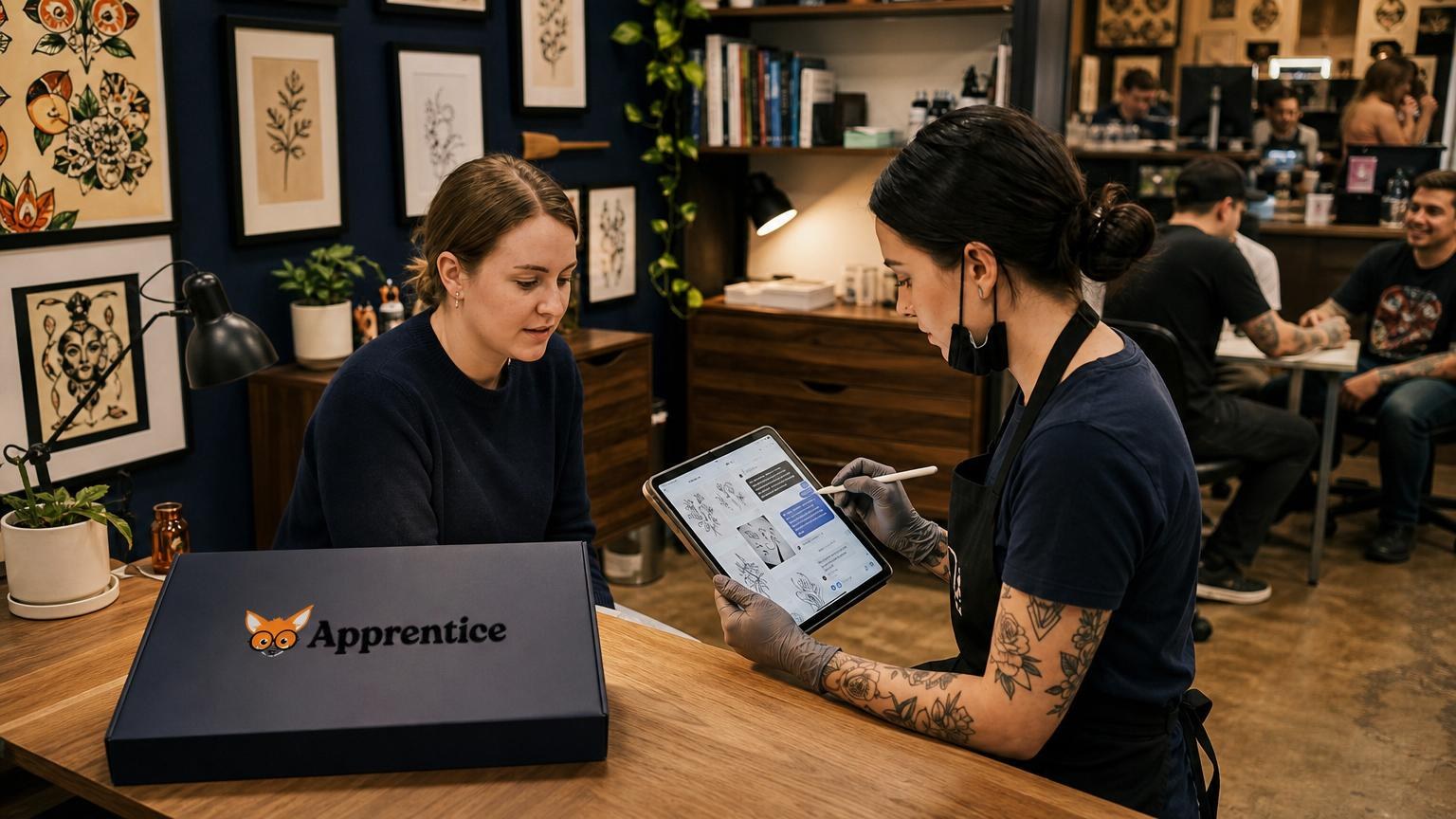
The numbers back that up. Tattoo prevalence in Denmark was estimated at 21 percent in 2021, according to a study in the European Journal of Public Health. One in five adults. That’s a real shift from when a tattoo marked you as a sailor or an outsider, and the parlors have changed shape to match. More of them take consultations, build out custom designs ahead of the session, and treat the whole thing like a project rather than a walk-in transaction.
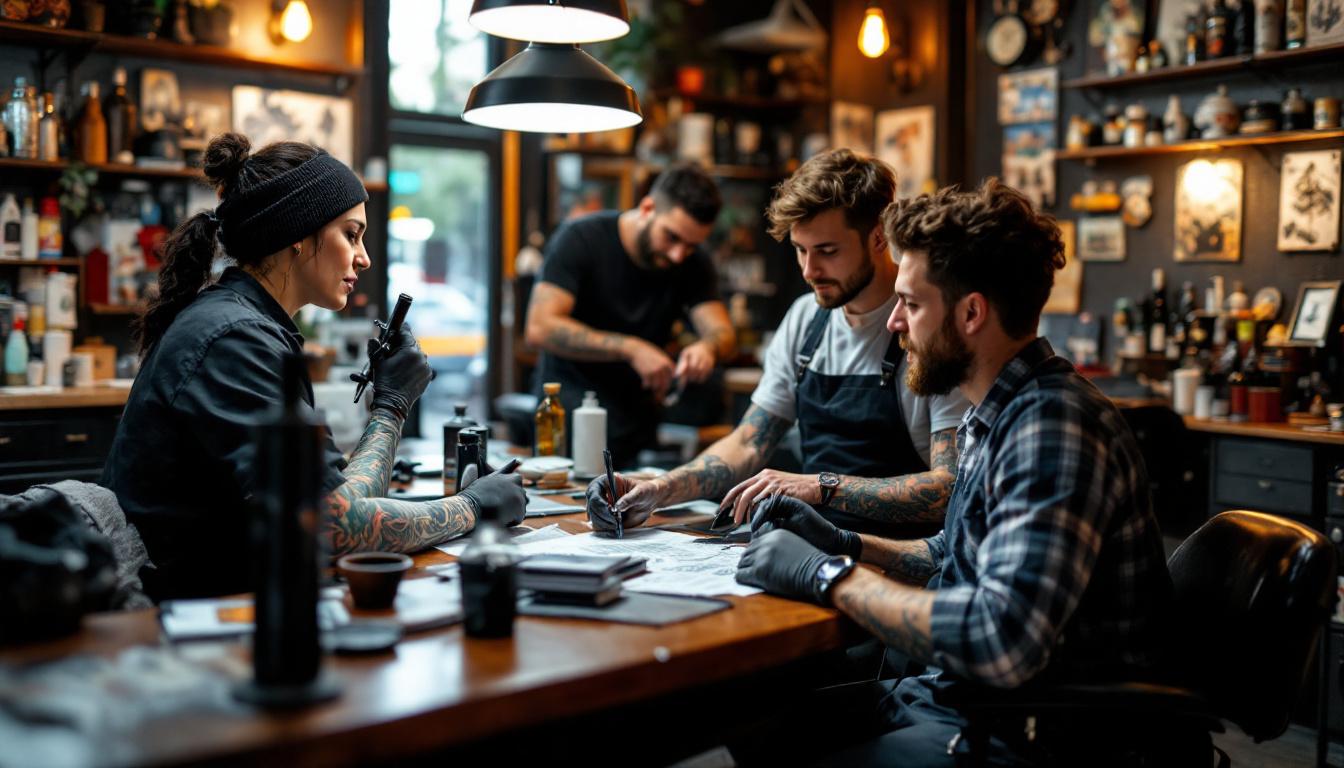
The tools have moved too. Plenty of artists sketch on a tablet now, store reference and past work in a digital archive, and send a client a draft before they ever sit down. None of that replaces the hand on the machine. It just cuts the back-and-forth that used to eat a week of emails.
The safety conversation nobody can skip
There’s a harder thread running underneath all of this. A 2025 study raised possible links between certain tattoo inks and higher rates of lymphoma and skin cancer. That’s not settled science, and it’s not a reason to put the machine down. It is a reason to pay attention to what’s going into the skin.
Good shops in Copenhagen already run tight on this. Clean stations, single-use needles, inks that meet current EU rules. If you’re an artist, the takeaway is simple: know what’s in your bottles, keep your station honest, and be ready when a client asks. The ones who can answer that question calmly are the ones people trust with a piece they’ll wear for life.
Walking the inked streets
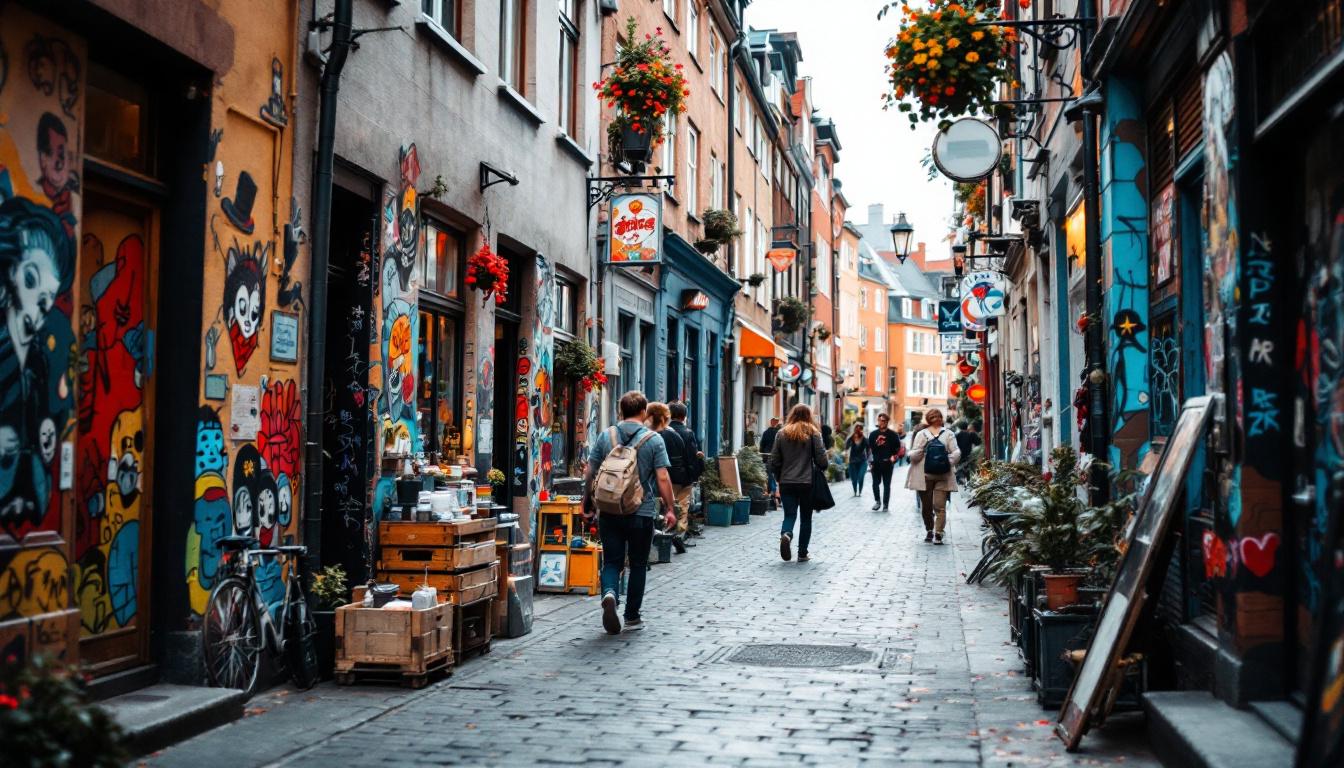
Spend an afternoon on the side streets and the history is right there in the brick. Old facades, hand-painted signs, the occasional studio that doubles as a gallery with the owner’s flash framed on the wall. Some of these spaces have been tattooing in the same room for generations. You can feel it.
What ties the old harbor shops to the tablet-sketching studios down the block is the same thing it always was. Someone wants a mark that means something. Someone else has the skill to put it there and make it last. Everything around that, the technology, the trends, the neighborhood it happens in, is set dressing on a very old exchange.
Copenhagen’s parlors will keep changing. The work will get faster to plan and slower to regret, the safety standards will tighten, and the next wave of artists will make the place their own. The thing under it stays put.
Run the studio, not the chaos
If you run a shop, the part that wears you down usually isn’t the tattooing. It’s the booking, the deposits, the design files scattered across three apps, the client who can’t remember when they’re due in. Apprentice handles that side so you can stay on the machine. Manage appointments, keep designs and client notes in one place, and stop chasing paperwork between sessions. Start a free trial and see how much quieter the front desk gets.

Jason Howie
Founder & CEO
Jason Howie is the founder of Apprentice, passionate about empowering tattoo artists and shops with better tools to manage their business and serve their clients.