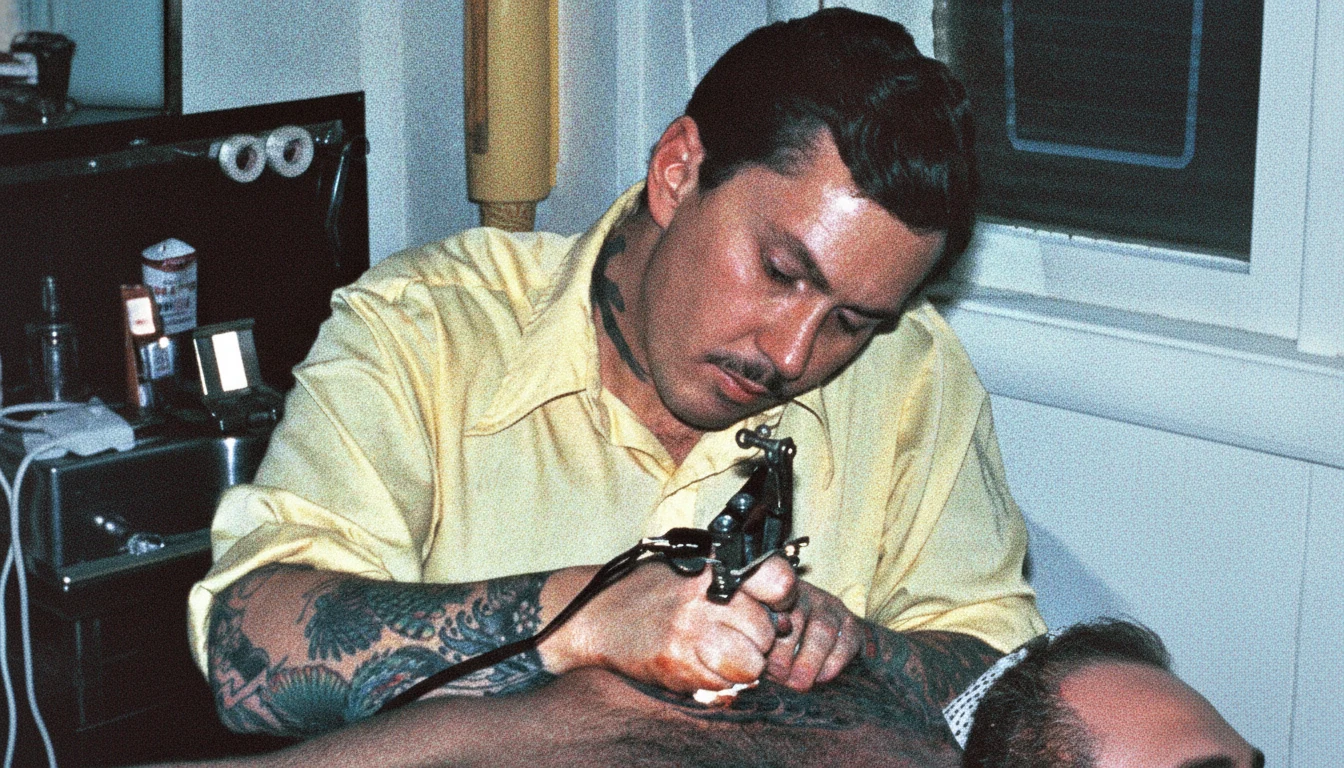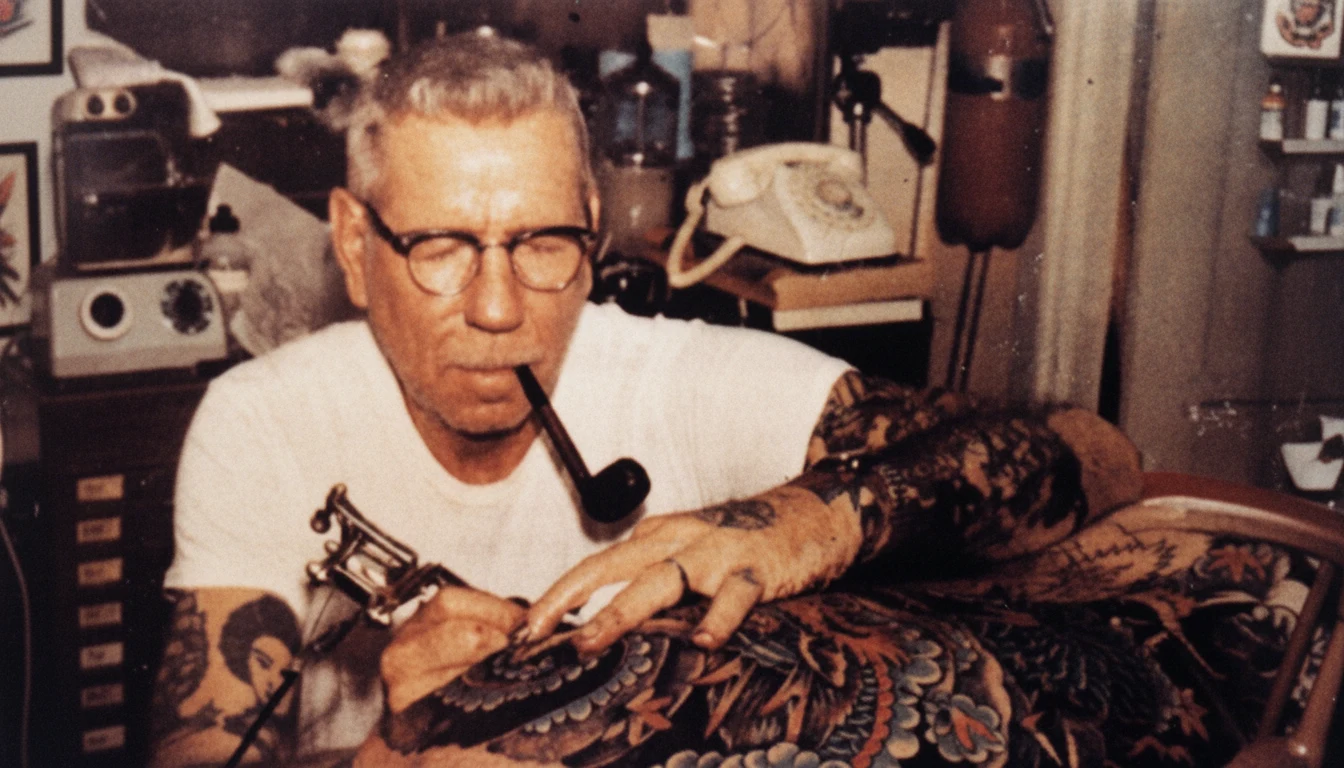
Tattoo Ole has been putting ink on skin since 1884. That makes it the oldest tattoo shop in the world that’s never stopped working, and it still sits in the same spot in Copenhagen’s Nyhavn harbor district. Walk down into the basement and you’re standing where sailors got tattooed before there were cars on the street outside. You can read the shop’s own account of its history if you want the full timeline.
Three generations through the same door
Most shops don’t last a decade. Tattoo Ole has lasted nearly a century and a half, and the way it survived isn’t complicated. People keep coming back, and they bring their families.
Owner Majbritt Petersen put it plainly to The Local: “We’ve tattooed grandparents and then the parents and then the kids when they get old. They want to come back here because it is familiar.” That’s three generations walking down the same basement stairs to sit in the same two rooms. You don’t build that with a marketing budget. You build it by being good and by being there, year after year.
If you want the wider context for how Copenhagen became a tattoo town in the first place, the early European tattoo hubs that grew up around port cities are worth a read. Nyhavn was a sailors’ harbor, and where sailors went, tattoo shops followed.
The 2017 lease fight
In 2017 the shop nearly closed. A lease dispute put the whole thing at risk, and for a place that had survived two world wars, that was a strange way to almost go out.
What happened next told you how much the shop meant to people. Locals and tattoo fans pushed back hard, and the story made the news beyond Denmark. The Copenhagen Post covered the support as it built. A normal small business doesn’t get that kind of defense. A landmark does.
The shop stayed open. But it’s worth sitting with the fact that the thing that almost killed it wasn’t competition or a bad reputation. It was real estate.
The EU ink ban
The next threat came in January 2022, and it came from regulators. New EU rules under REACH restricted thousands of chemicals used in tattoo pigments, and the effect on shops was immediate.
Tattoo Ole had to drop its colored inks and wait for reformulated versions to arrive. Petersen told Euronews: “All the colours have changed, so we have a new black.” Artists across Europe argued the science behind the ban was thin, and a petition called “Save the Pigments” gathered more than 176,000 signatures.
The regulation was about safety. The Commission pointed to cancer and allergy risks from certain ink ingredients. Whether the rules got the balance right is a fair fight, and plenty of working artists think they didn’t. Either way, a 140-year-old shop had to rebuild its color palette from scratch, and it did.
Why a tiny basement still matters
Tattoo Ole isn’t impressive on paper. It’s a basement with two small rooms. There’s no sweeping reception, no wall of polished screens, none of the showroom feel you get from a newer studio.
That’s the point. The cramped size forces every session to be one artist and one person, close together, for as long as the work takes. The old photos on the wall aren’t decoration meant to look vintage. They’re actually old. When you get tattooed there, you’re adding to a record that’s been running since before electricity was common in Danish homes.
A lot of shops chase a polished, sterile look. Tattoo Ole went the other direction by simply never throwing its history out. People travel to sit in that room precisely because nowhere else has that record behind it.
Tattoos and Denmark
Denmark wears its ink openly. Tattoos there aren’t a fringe thing, and they haven’t been for a long time, which is part of why a shop like this could put down roots and stay. The image at the heart of Tattoo Ole’s story is generational acceptance: grandparents, parents, and kids all treating a tattoo as a normal part of life rather than a rebellion against it.
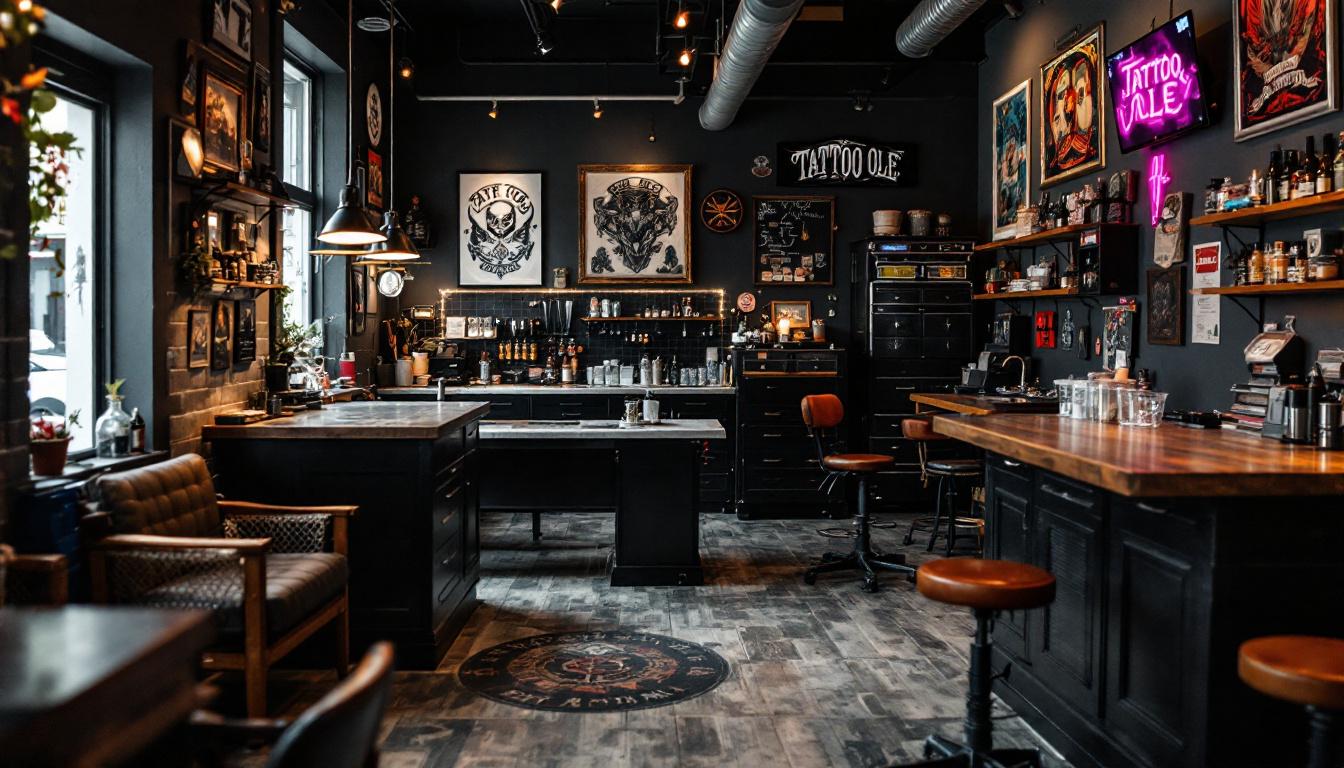
That cultural comfort is the soil a place like this grows in. When a tattoo is something your family has always done, the shop your family always went to becomes a fixture, not a phase.
What a shop like this actually teaches
The lesson of Tattoo Ole isn’t that old is automatically better. Plenty of old shops closed and deserved to. The lesson is narrower than that.
It survived because it kept two things steady: the quality of the work, and the relationship with the people getting it. Everything else changed around it. The inks changed, the rent changed, the neighborhood changed, the laws changed. The shop bent on all of that and held firm on the part that mattered. That’s the whole trick, and it’s harder than it sounds.
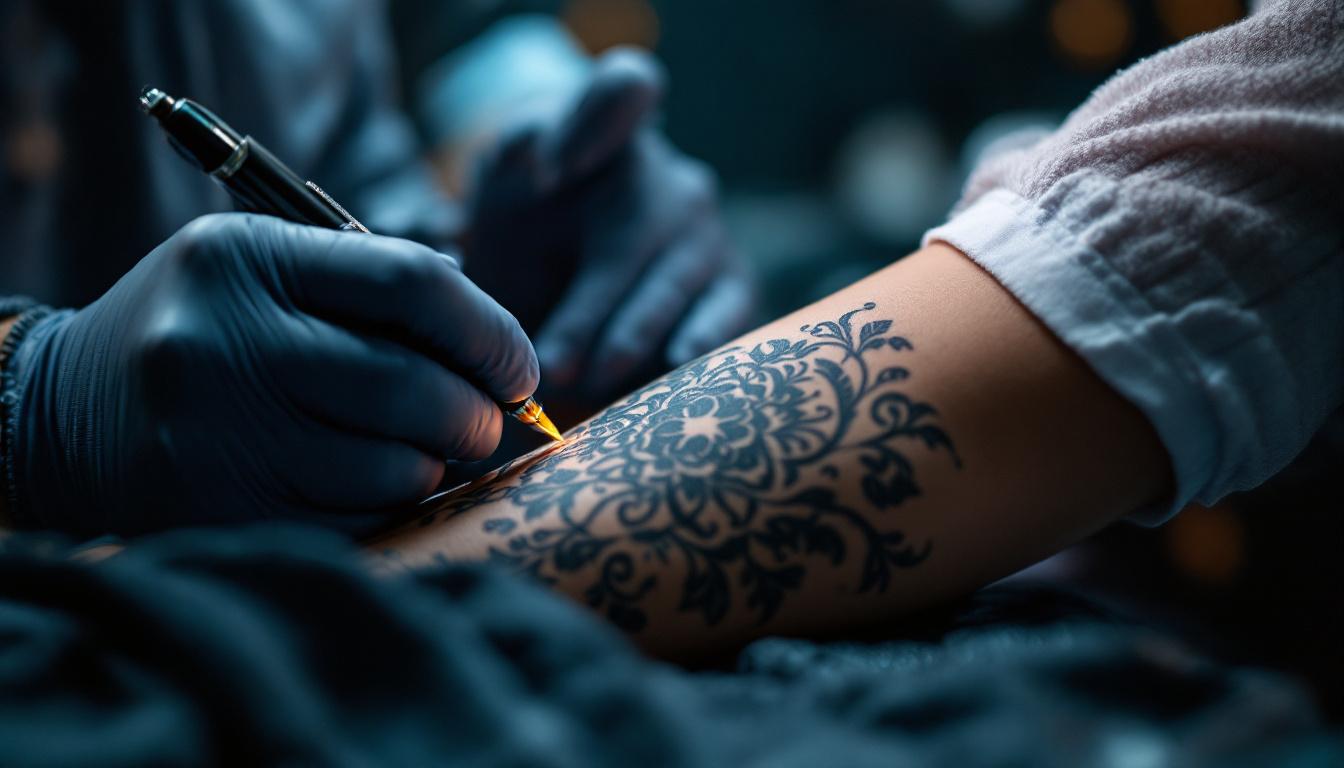
You can see the same idea in any shop that’s been around a while. The tools get better. The bond between an artist and a returning client is what actually keeps the lights on. For the full version of the shop’s own story, Tattoo Ole’s history page lays it out from the inside.
Run your shop like it’ll be here in 50 years
You don’t need a 140-year-old basement to think long-term. You need the part that made the basement last: steady work and clients who come back.
Apprentice handles the running of the shop so you can focus on that. Booking, deposits, keeping client history and designs in one place, and following up so people return for their next piece. The relationships are yours to build. We just keep the schedule from eating your day. Start a free trial and set your shop up to outlast the trends.

Jason Howie
Founder & CEO
Jason Howie is the founder of Apprentice, passionate about empowering tattoo artists and shops with better tools to manage their business and serve their clients.