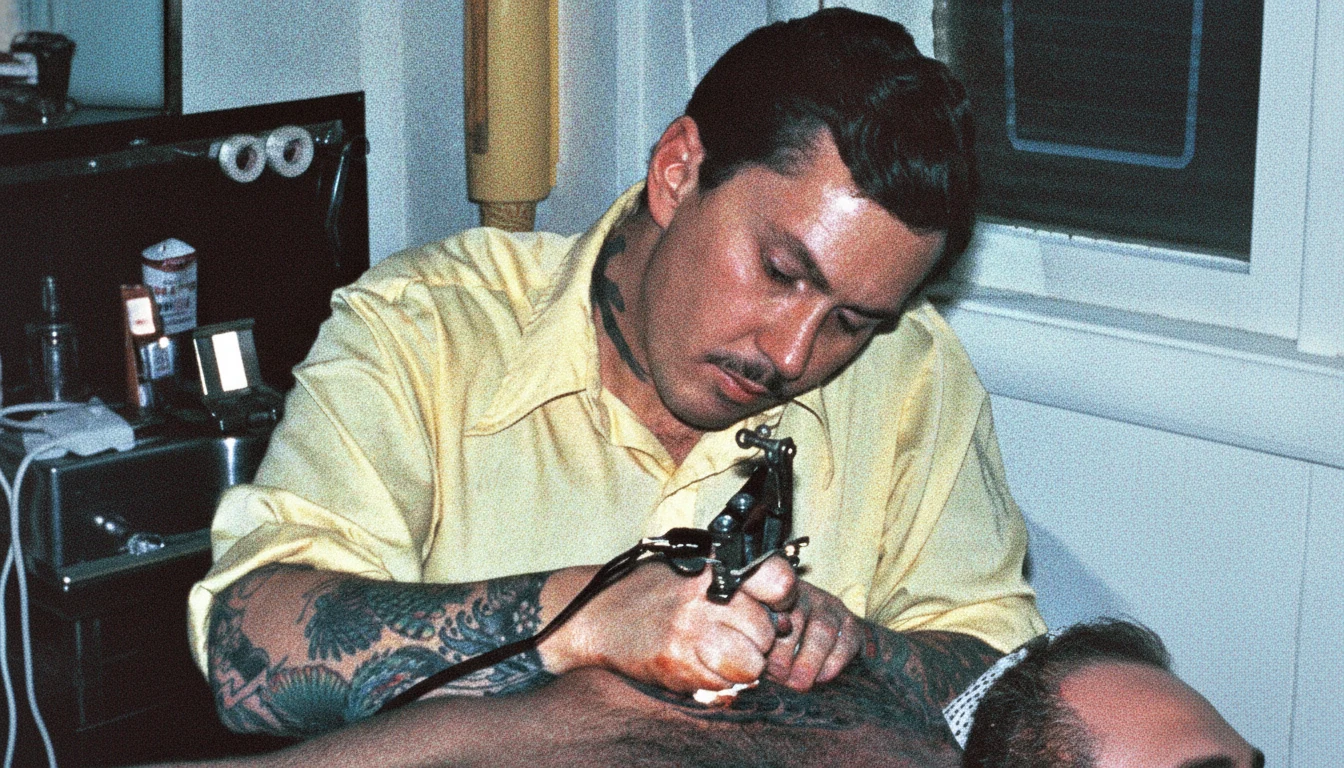
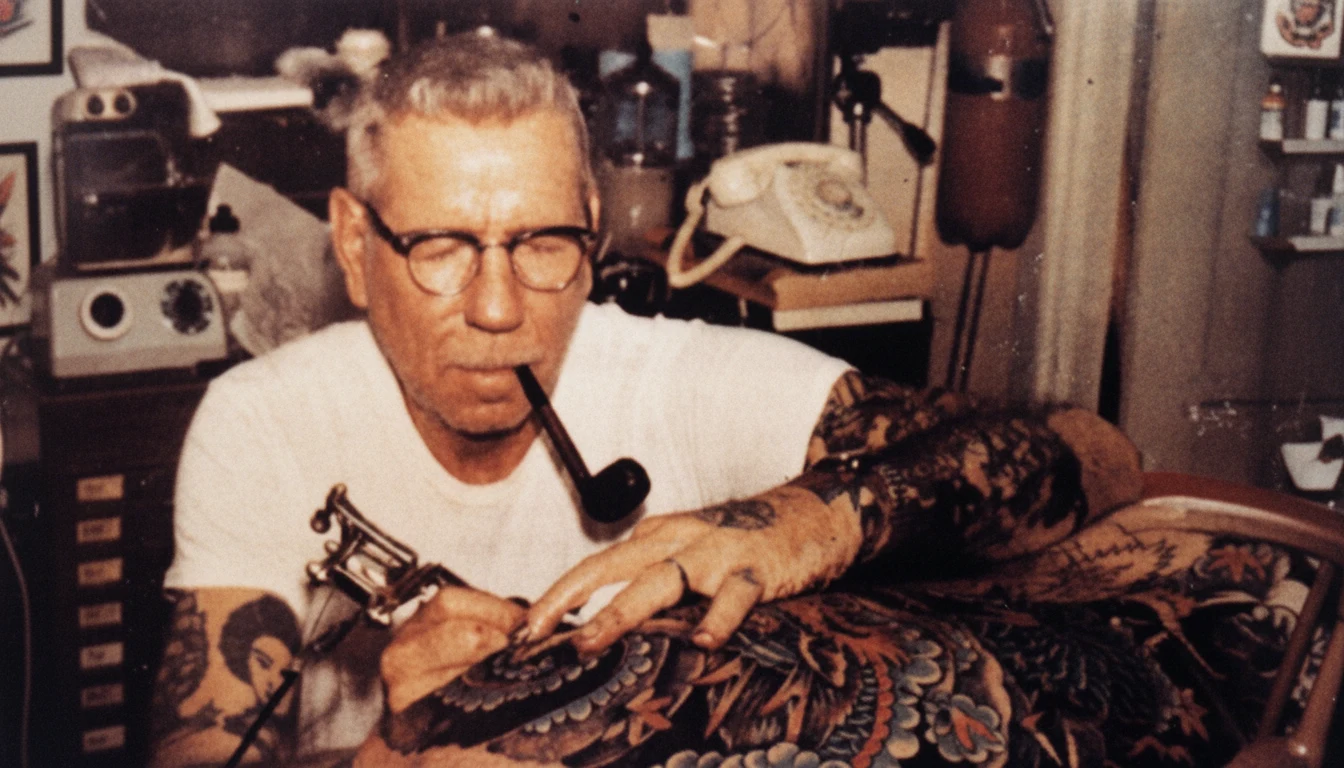
Britain has had tattoos for a long time. Sailors brought them home, the work was crude, and you got it in a back room or off a shipmate. Sutherland Macdonald changed where that work happened. He opened a proper studio on Jermyn Street in London, charged real money, and waited for the gentry to climb the stairs. They did.
That makes him Britain’s first professional tattoo artist, and it’s not a loose claim. Tattoo historian Matt Lodder of the University of Essex put it plainly: “While tattooing was going on, there is no evidence of another professional studio in Britain at the time, working on paying customers” (The Independent). Others tattooed. Macdonald ran a business.
Tattooing before Macdonald made it a trade
In the 19th century, tattoos in Britain mostly came off ships. The British Empire reached around the world and sailors came back marked, often with naval themes, religious symbols, names, and declarations of love. Research by historians Robert Shoemaker and Zoe Alker, cited by Revista Pesquisa Fapesp, found that between 1821 and 1920 most tattoos sat on the arms. That makes sense. The arm is easy to reach, easy to show, and easy to cover when you needed to.
So the work existed. What didn’t exist was a place you’d walk into off a respectable street and pay an artist to do it well.
A studio on Jermyn Street
Jermyn Street was not where you’d expect to find a tattooist. It was tailors and gentlemen’s outfitters, the sort of address that signaled money and taste. Macdonald set up there on purpose. The location told a Victorian client that this was a service for people like them, not a vice they had to hide.
His clients came from the aristocracy, from the stage, from the kind of social circles that printed gossip about themselves. They didn’t come for a rushed flash piece. They came for detailed work and they came back. A tattoo from Macdonald carried the same weight as a commissioned painting, because it was made with the same patience.
The designs
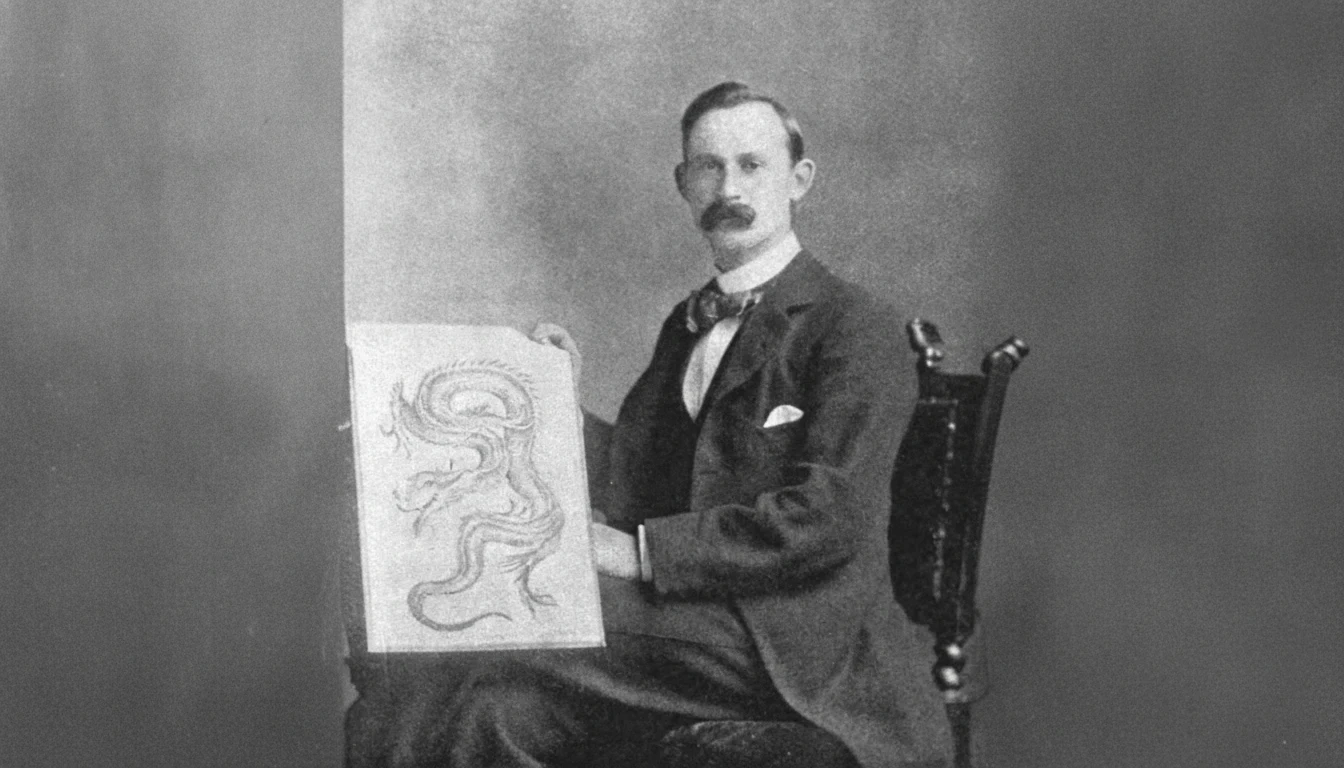
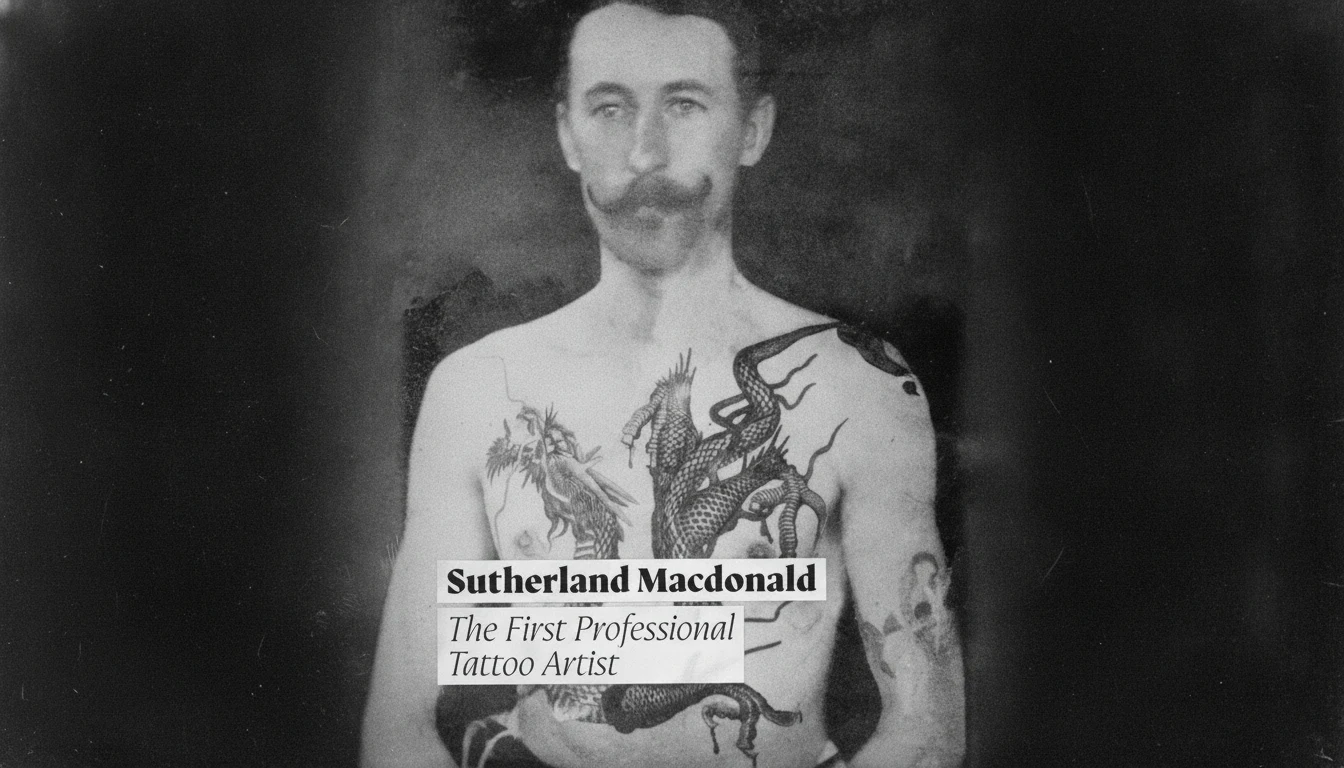
Macdonald copied fine paintings onto skin. He inked Japanese dragons at a time when most of Britain had barely seen Japanese art. He worked in detail that held up close, and he gave each client something specific rather than something off a wall.
The dragon work matters more than it looks. Japan had a deep tattoo tradition, and bringing those motifs into a London studio meant Macdonald was reading from sources almost nobody else in Britain had access to. The tattoo historians at Canvas Tattoo & Art Gallery point to that range as part of why his reputation stuck. He wasn’t repeating a handful of sailor stencils. He was drawing.
When the gentry got inked
Here’s the number that surprises people. In 1898 the Harmsworth monthly pictorial estimated that as many as one in five of the gentry had tattoos (Vivid Ink Tattoos). That’s a magazine’s estimate, not a census, so treat it as a snapshot of how common the practice had become rather than a hard count. Still, even as a guess from the period, it tells you tattoos had moved well past the docks.
That shift is the whole story. A mark that signaled a rough life at sea became something a duke might wear. Macdonald didn’t cause that change single-handed, but his studio was where it happened in public. Royalty and titled clients walked in, sat down, and left with ink. Once the people setting the social rules were getting tattooed, the stigma had nowhere to stand.
Forty years of crowned heads on the stairs
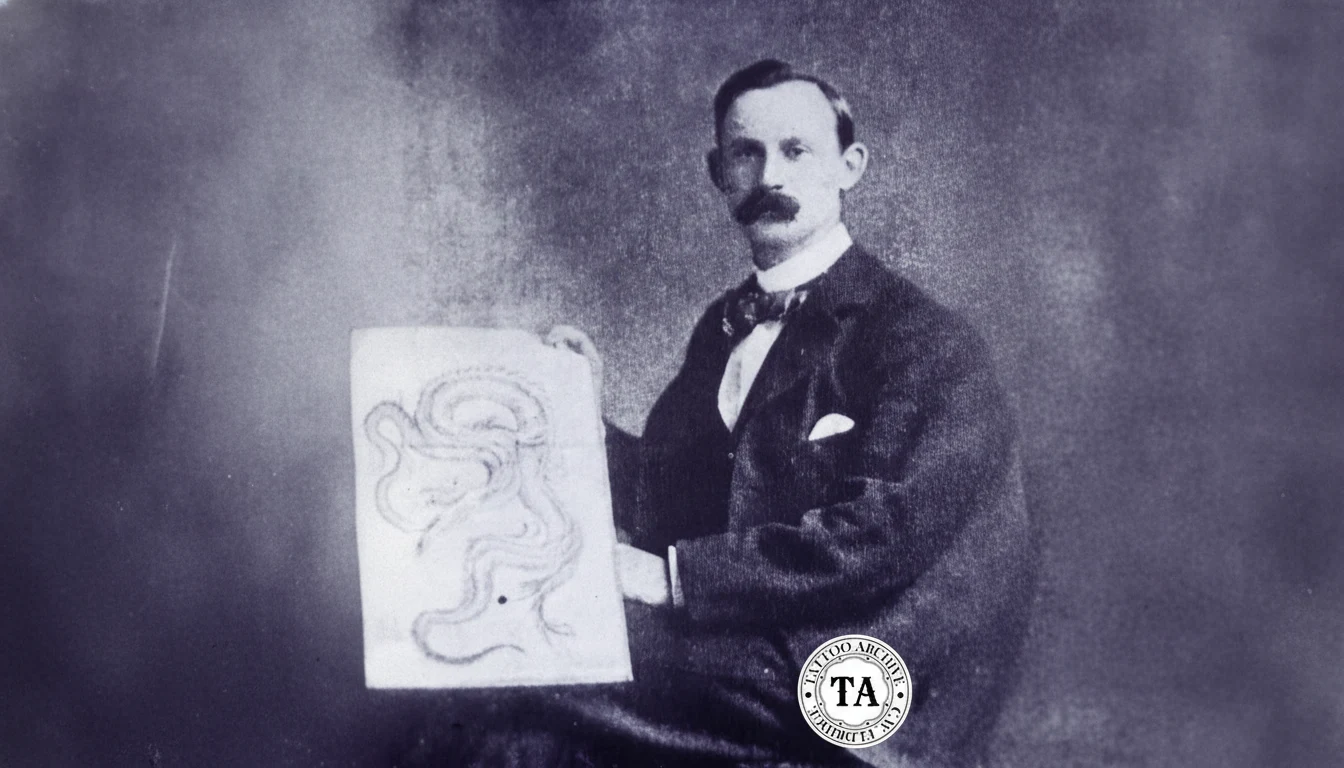
George Burchett, who came up after Macdonald and earned his own fame, wrote about him in his memoirs. The line gets quoted because it’s true: “For nearly forty years crowned heads and famous people climbed the narrow staircase in Jermyn Street to visit Macdonald and to leave bearing some of the most wonderful ornaments ever placed on human skin” (Canvas Tattoo & Art Gallery).
Forty years is the part worth sitting with. This wasn’t a fad that flared and died. Macdonald held a clientele at the top of British society for decades, which only happens when the work is consistently good and the experience is worth the trip up the stairs.
What he left behind
In 2016 the Museum of London ran an exhibition called “Tattoo London” that put Macdonald’s work in front of a modern audience (The Independent). A century after he worked, his pieces hung in a museum.
The thing he proved still holds. A tattoo studio is a real business with real clients who expect to be treated well. The tools have changed, the legal side has changed, but the bar he set is the same one a good shop meets today: do careful work, run a real operation, and give people a reason to climb the stairs.
If you run a studio and that’s the standard you’re after, the back-office part doesn’t have to eat your day. Apprentice handles booking, deposits, design collaboration, and client messages so you can spend your time on the work that put Macdonald in a museum. Start a free trial and keep your shop running while you focus on the art.

Jason Howie
Founder & CEO
Jason Howie is the founder of Apprentice, passionate about empowering tattoo artists and shops with better tools to manage their business and serve their clients.