The oldest tattoo tool ever found in western North America is a bundle of prickly pear cactus spines bound to a handle of lemonade sumac with yucca fiber. It dates to roughly 79 to 130 CE. A grad student found it sitting in a storage box that had been ignored for over 40 years. That’s the thing about American tattoo history. It’s been here the whole time, mostly out of view.
People talk about tattooing in America like it started with sailors, or with reality TV, depending on how old they are. Neither is right. The marks came first, and they meant something long before anyone charged money for them.
Ink was here before the shops
Ancestral Pueblo people in what’s now Utah were tattooing nearly two thousand years ago. We know because of that cactus-spine needle, its tips still dark with pigment, documented in a study published in the Journal of Archaeological Science. Researchers built a replica, tattooed pigskin with it, and matched the wear under a microscope. The damage lined up. It was a tattoo tool, not a guess.
The designs from these early North American societies weren’t decoration in the way we think of it now. A mark could record a milestone, a tribal tie, a place in a ceremony. Geometric shapes, animal motifs, elements pulled from the natural world. Simple-looking, loaded with meaning. People were writing on skin before they had paper to write on.
The 19th century put tattoos on arms
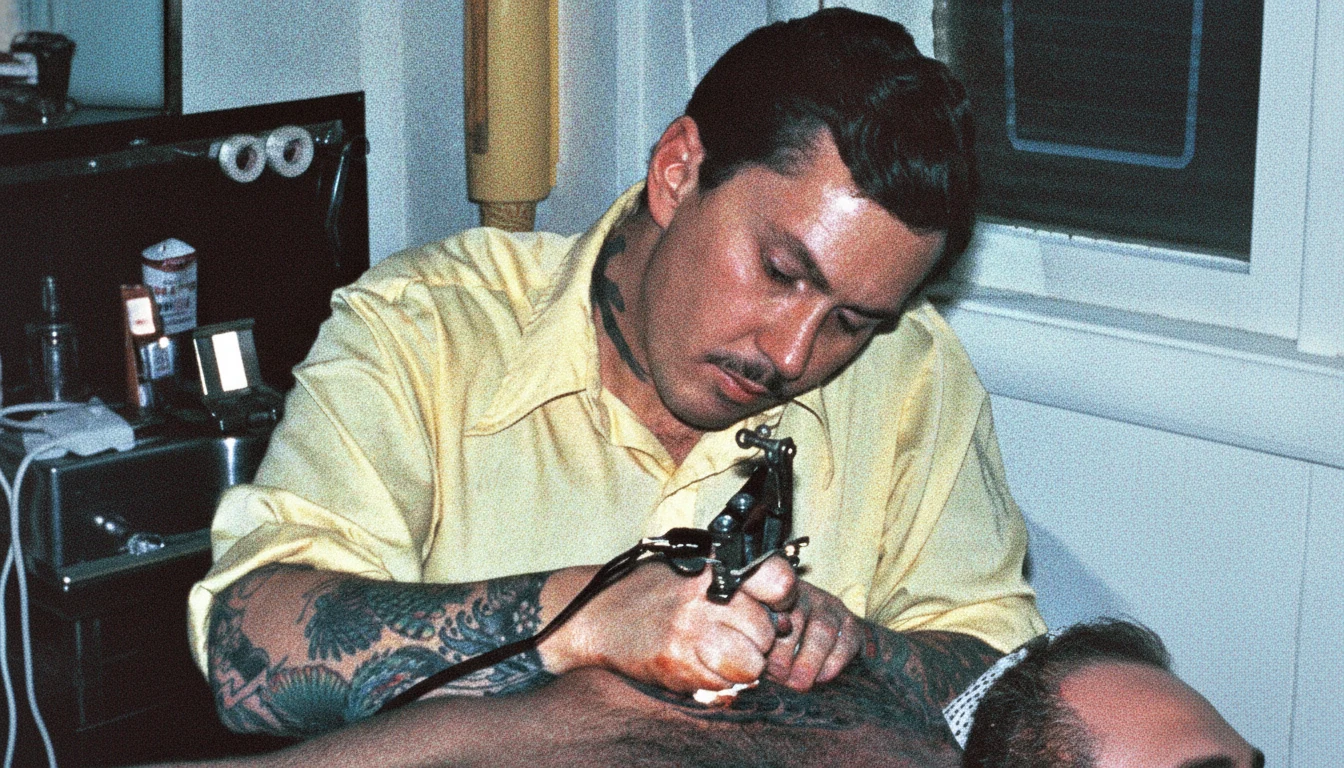
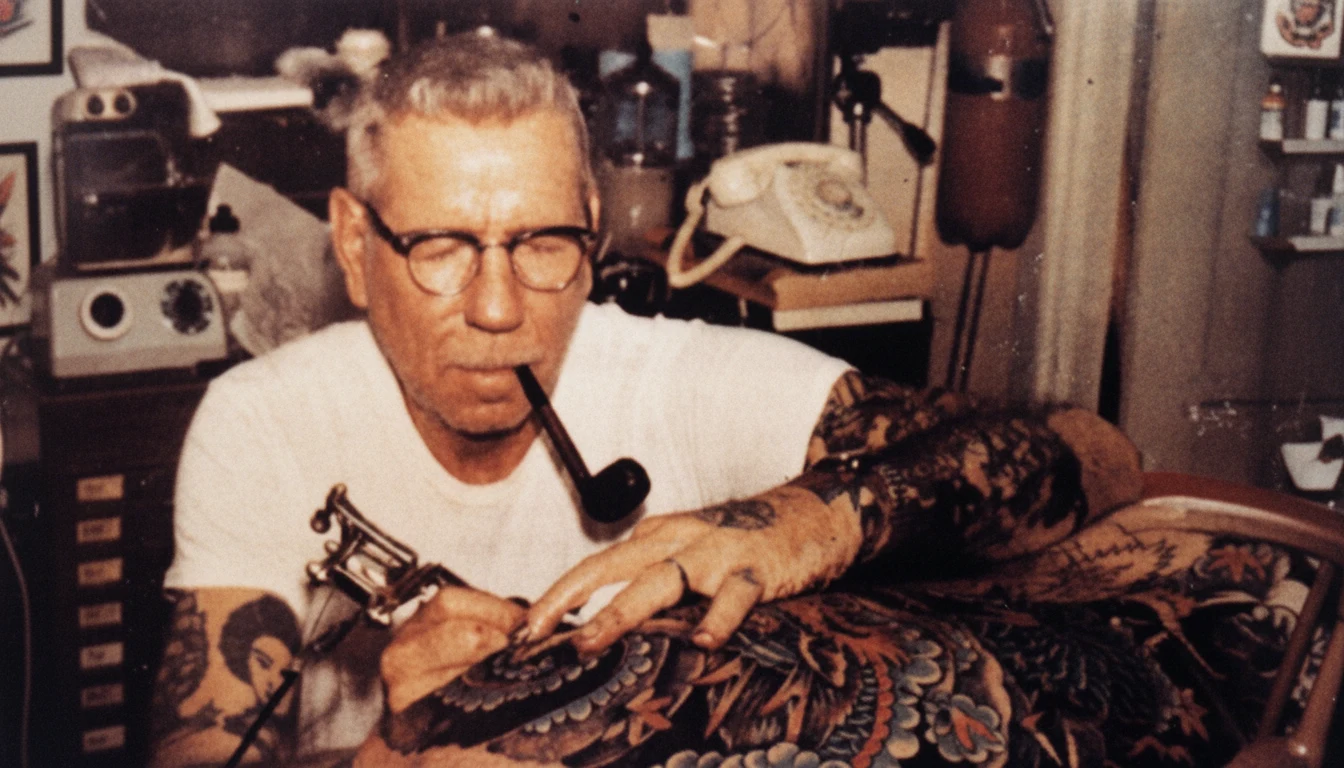
By the 1800s, tattoos in America belonged mostly to sailors and soldiers. A tattoo was a record of where you’d been and what you’d survived. A destination reached. A storm you didn’t drown in. Naval imagery, religious symbols, names and hearts for the people back home.
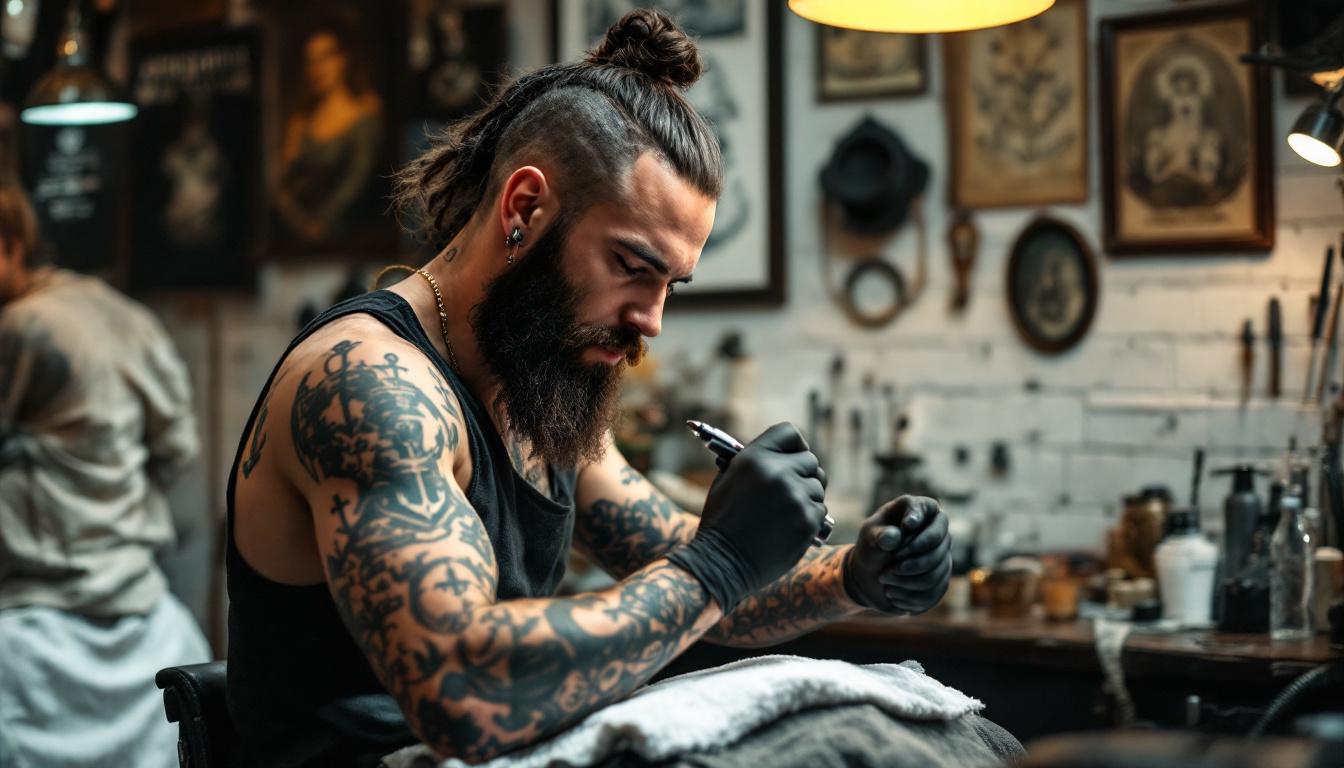
Most of these tattoos went on the arms, where a man could see his own and show it without much trouble. A feature in Revista Pesquisa Fapesp traces a lot of these patterns. Travel was dangerous back then and the ink carried weight to match. These were memories you couldn’t lose at sea or hand over to anyone else.
What anthropologists actually found
Lars Krutak, who has spent his career documenting tattooing across cultures, put it plainly: “Tattooing, like culture, is constantly changing and has been evolving for millennia.” You can read more of his work in the Smithsonian’s piece on tattoos.
His research keeps landing on the same point. Tattoos marked social status. They marked rites of passage, the move from childhood to adulthood. In some cultures they were tied to healing or to keeping bad spirits off. These weren’t random patterns somebody liked the look of. They were chosen, and the choosing followed rules a whole community understood.
Some of that survives in how people pick tattoos today. The symbols changed, the meaning of marking yourself on purpose didn’t.
How it became a real business
Tattooing in America spent a long time on the margins. Sideshows, ports, the backs of barbershops. It’s a multi-billion-dollar industry now, and that didn’t happen because the art got watered down. It happened because the audience got wider.
Today roughly a fifth of American adults have at least one tattoo, and the rate runs much higher among younger people, per tattoo industry figures compiled by Gitnux. What was once a fringe thing is now ordinary. You see it on teachers and nurses and grandparents.
The work spread out too. One shop does old-school American traditional, the next does hyper-detailed realism, the next does fine-line script. That range is part of why the demand held. There’s a version of tattooing for almost anyone who walks in, and a story behind most of the pieces that no algorithm is going to reproduce.
Ancestral roots people still reach for
For a lot of people getting tattooed today, the pull is toward something older than a trend. Early tattooing in America, especially among Indigenous peoples, was wrapped up in spiritual and ritual purpose. Designs offered protection. They channeled something. They marked sacred time.
Patterns stood for a person’s relationship to the land, to their gods, to their community. That dimension hasn’t disappeared. Plenty of working artists treat ink as a line back to the past and pick up methods that echo how it was done centuries ago.
Clients feel it too. People describe a real charge when they choose a design that ties them to where they come from. Knowing the history doesn’t make a tattoo heavier than it needs to be. It just makes the choice mean more.
Then and now, side by side
Early American tattoos were about clear symbols. Motifs straight from nature and faith, made with basic tools. More symbolic than artistic in the modern sense, and that was the point.
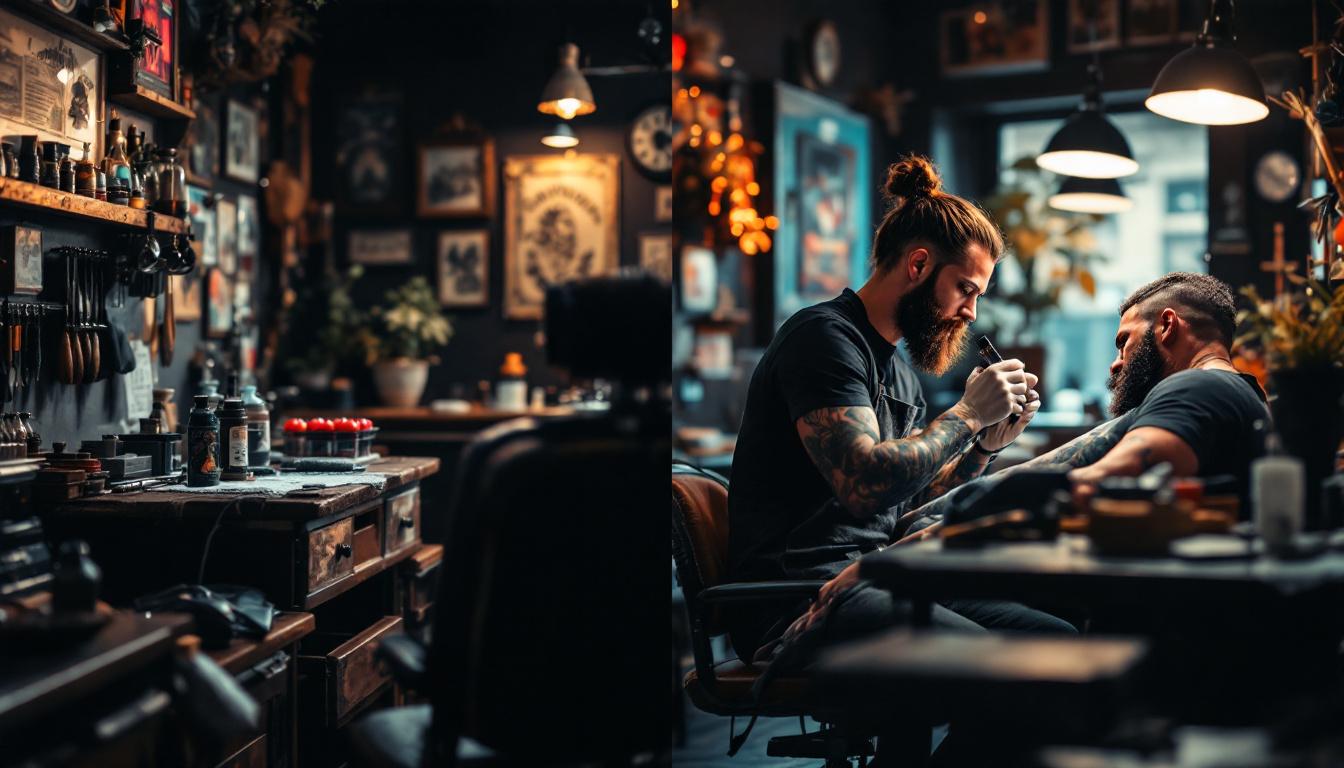
Now the work pulls from everything at once. Artists run old motifs through new technique and come out with pieces that are brighter and more detailed than anything the early needles could manage. Where a tattoo once announced your role or your faith, it’s just as likely now to carry a personal story, a piece of pop culture, or a shape that means nothing to anyone but you. Bold historical designs still shape the modern canvas. The boldness held even as everything around it changed.
The biggest shift is acceptance. Tattooing lived on the edge of respectable society for a long time. It doesn’t anymore, and the craft kept its backbone on the way to the middle.
The line that runs through it
Tattooing in America was never just skin deep. It’s a record of who people are, going back to a cactus-spine needle in a storage box and forward to a packed convention floor. Every era added something. None of them threw out what came before.
You’re carrying that history every time you ink a client. The business side shouldn’t get in the way of the craft. That’s the part Apprentice is built to handle, so booking, reminders, and the day-to-day running of a shop stay out of your light while you work. Start a free trial and keep your focus where it belongs.

Jason Howie
Founder & CEO
Jason Howie is the founder of Apprentice, passionate about empowering tattoo artists and shops with better tools to manage their business and serve their clients.