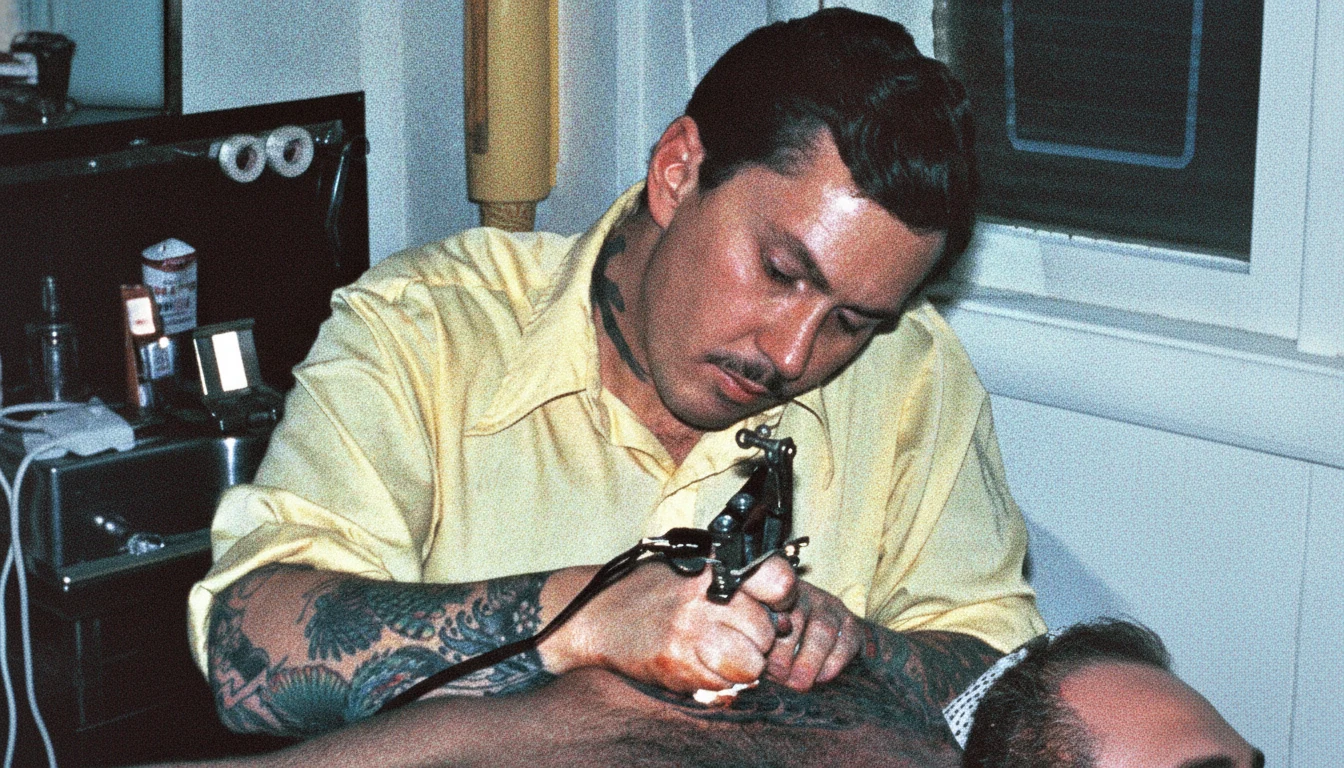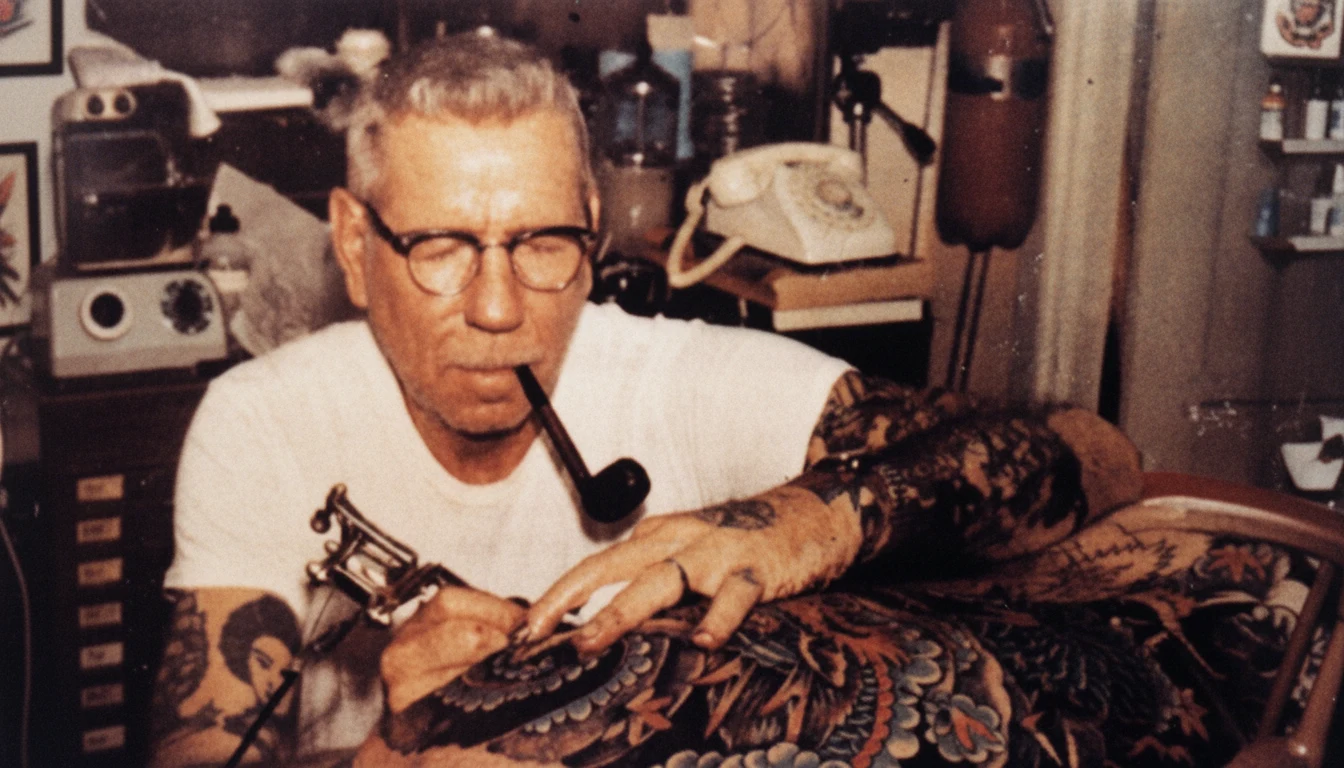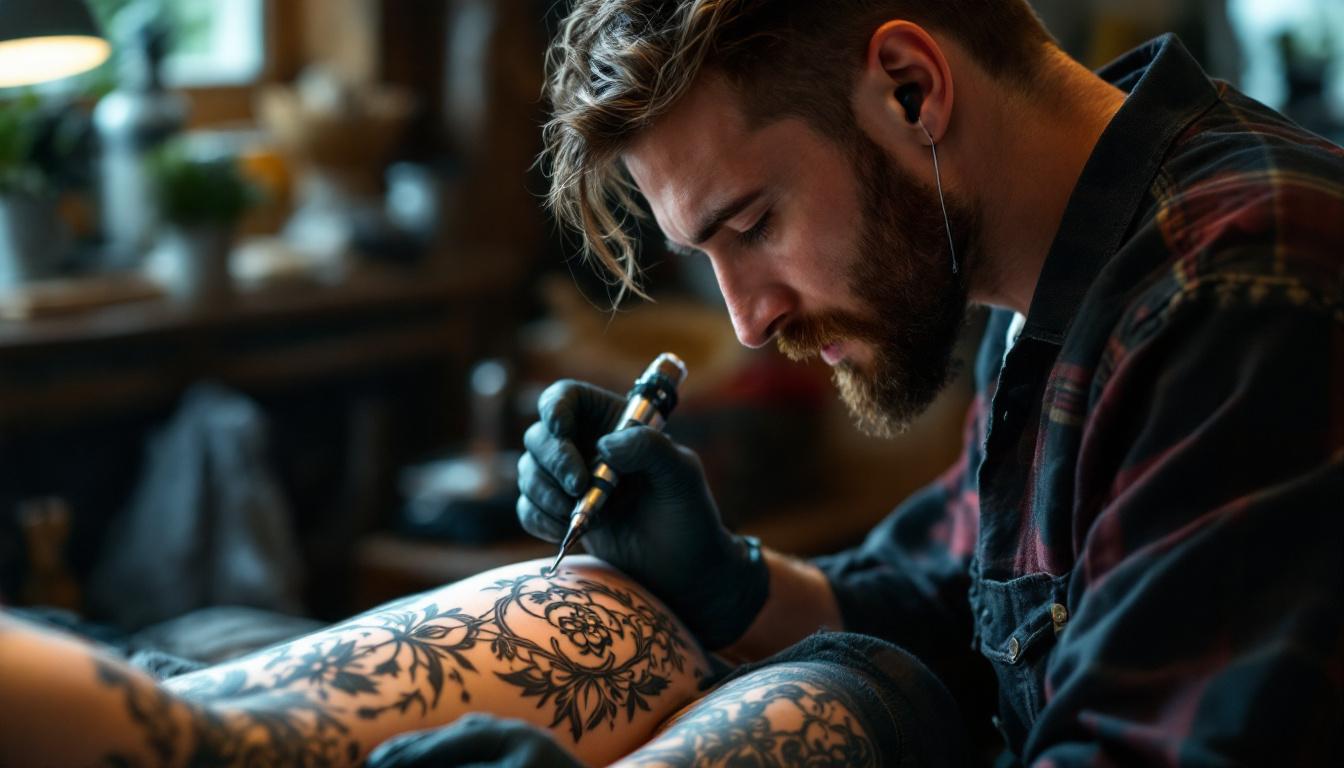
Tattooing in Scandinavia didn’t start with a flash sheet on a shop wall. People here have been marking skin and shields with symbols for a very long time, and that history still shows up in the work coming out of Nordic studios today. The runes, the knotwork, the old Norse imagery. Artists keep going back to it.
This isn’t nostalgia for its own sake. A Viking-era symbol meant something. Status, faith, a story about who you were and what you’d survived. When a modern artist pulls from that well, they’re borrowing a visual language that already carried weight. That’s a different starting point than copying a Pinterest board.
Old symbols, new hands
The Danish-American tattoo artist Colin Dale has spent years arguing that the way forward in Nordic tattooing runs through the past. He works with traditional Nordic motifs and hand-poke technique, and he’s said in interviews that revisiting old imagery keeps the craft alive rather than freezing it. You can read more about his approach in the Danish Museum’s account of Nordic tattoo heritage.
Here’s what artists actually do with this material. They don’t trace it. A raven from Norse myth gets abstracted, simplified, made personal. The charge of the original survives even when the literal shape changes. That’s the hard part of the job, and it’s where the good work lives.
Clients feel it too. A lot of people walking into Nordic shops aren’t chasing a trend. They want a design that connects to something older than they are, then bent toward their own life. The image on the skin matters less than the story sitting behind it. When a client brings in an old Norse symbol, ask what it means to them. The answer shapes the size, the placement, and how literal you keep the imagery.
The ink rules are tightening
Safety in this region is getting more serious, and shop owners should pay attention. The Nordic Enforcement Group put out a report in November 2024 on joint control measures for tattoo inks across the Nordic countries. You can read the Nordic tattoo ink enforcement report directly.
The short version: regulators are coordinating on what goes into the ink, how it’s tested, and what’s allowed to be sold. Some artists grumbled about the extra paperwork and the hygiene updates. Fair enough. But cleaner ink and clearer rules build trust with first-time clients, and that’s worth something at the front desk. Responsible rules and good work have always lived together. Knowing your supply chain is clean is one less thing to worry about when you’re focused on the actual tattoo.
Tighter regulation usually means tighter recordkeeping. If you’re running a shop and trying to keep client records, consent forms, and aftercare instructions in one place instead of a stack of paper, that’s the kind of thing Apprentice handles. That part doesn’t have to be a headache.
Finland and the home-tattoo question
Not all the ink in the Nordics comes out of a licensed studio. Researchers in Finland looked at non-professional and home tattooing, and the practice is common enough to study seriously. You can read the Finnish study on non-professional tattooing for the full picture.
This matters to working artists for a practical reason. People who started with a home job often come into a shop later wanting a cover-up or a fix. Knowing how those tattoos were made, with what, and how they aged makes you better at the consult. Don’t roll your eyes at the stick-and-poke a kid did in their kitchen. Understand it. It tells you something about the skin you’re working on.
There’s a culture point here too. Home tattooing carries a do-it-yourself attitude that runs deep in the region, and it blurs the line between the formal shop and personal experimentation. You don’t have to love it to see it’s part of why this scene stays restless and inventive.
Where the scene is heading
Anthropologist Lars Krutak has spent a career documenting how tattoos hold identity and cultural memory across the world, and that idea fits Scandinavia cleanly. A tattoo here often marks a life event, honors an ancestor, or plants a flag for who someone is becoming. The Viking emblem and the design pulled from a fjord landscape do the same job. They tie a person to a place and a past. A tattoo someone chose at twenty-two will mean something slightly different to them at forty, and the best ones leave room for that.
So Nordic tattooing keeps changing without losing its spine. Artists hold onto hand-poke and traditional motifs while folding in new ink, new tools, and stricter safety standards. Old symbols give the work depth. Modern interpretation keeps it from becoming a museum piece. Shops that respect both ends tend to do the best work, and they tend to build the clients who come back.
If you run a studio and want to spend less time on scheduling, deposits, and client messages so you can spend more on the craft, that’s the reason Apprentice exists. Start your free trial and get the admin out of your way.

Jason Howie
Founder & CEO
Jason Howie is the founder of Apprentice, passionate about empowering tattoo artists and shops with better tools to manage their business and serve their clients.