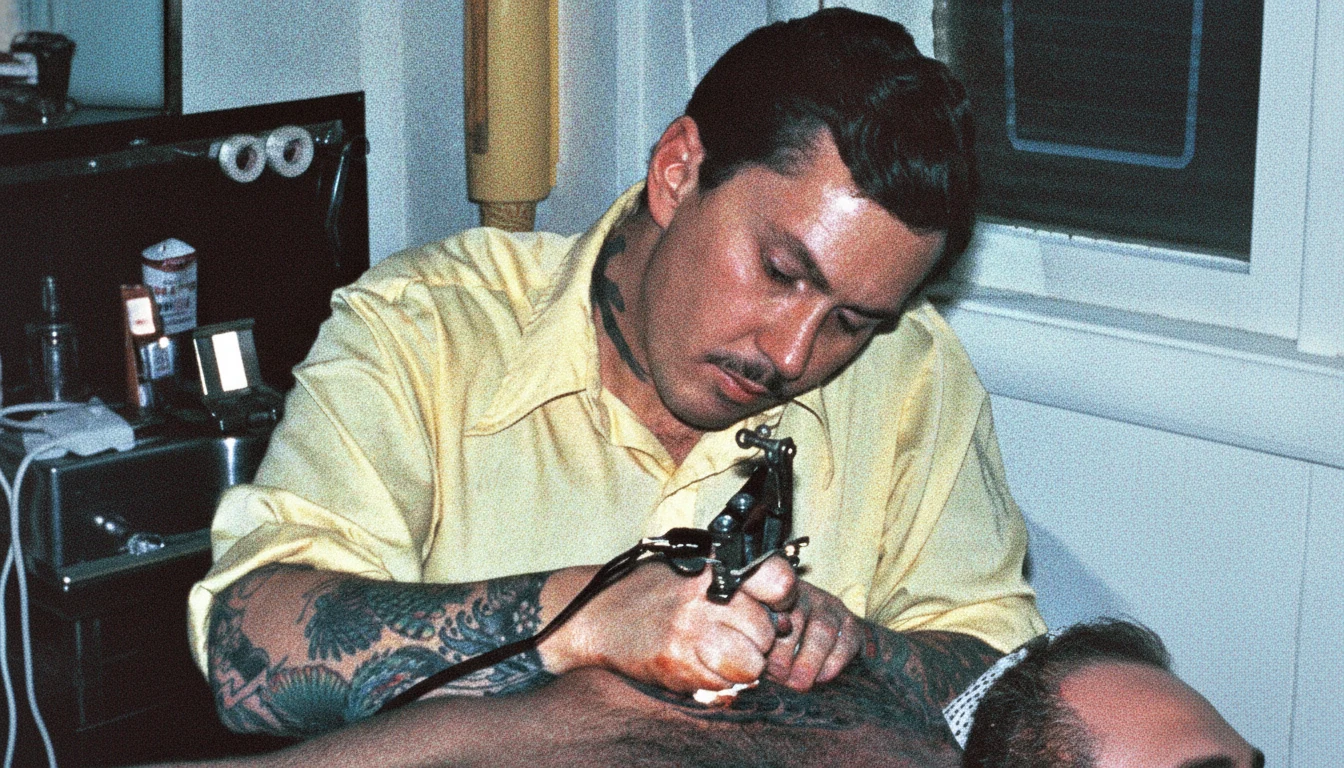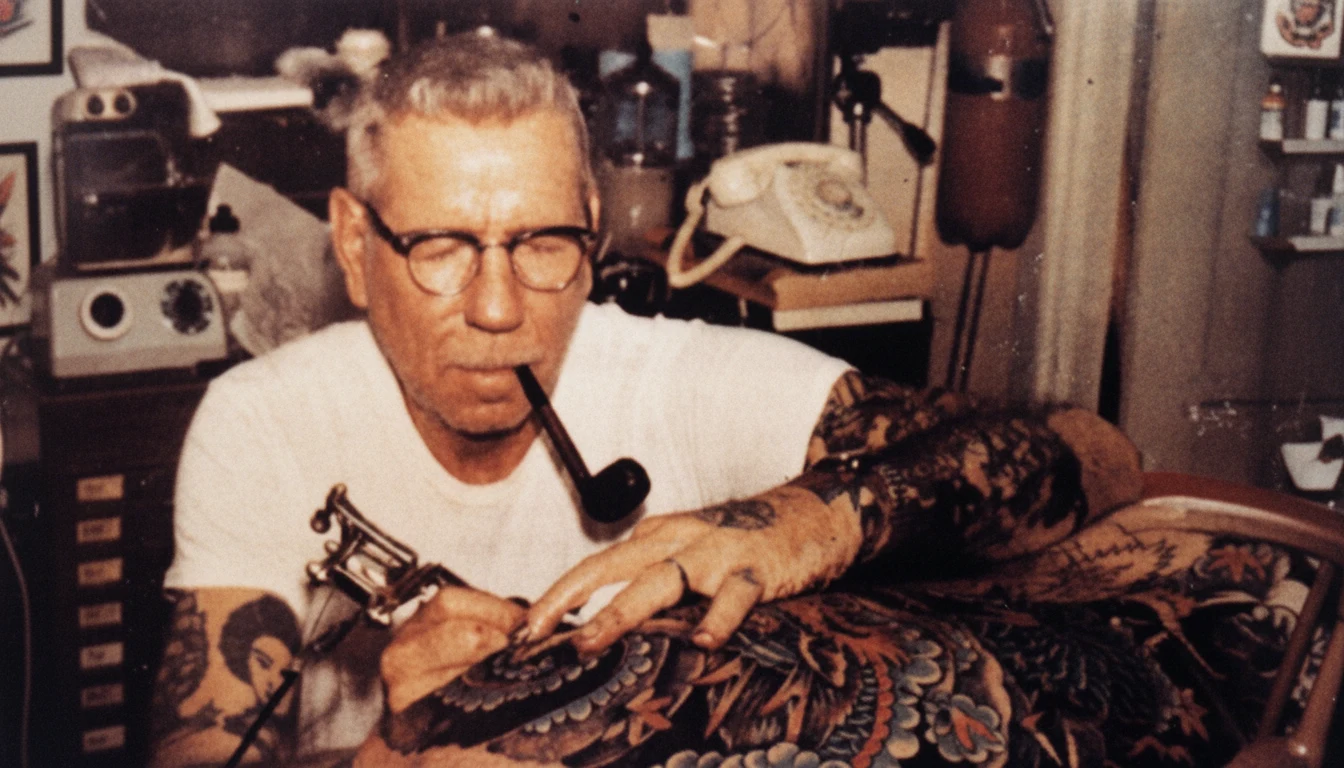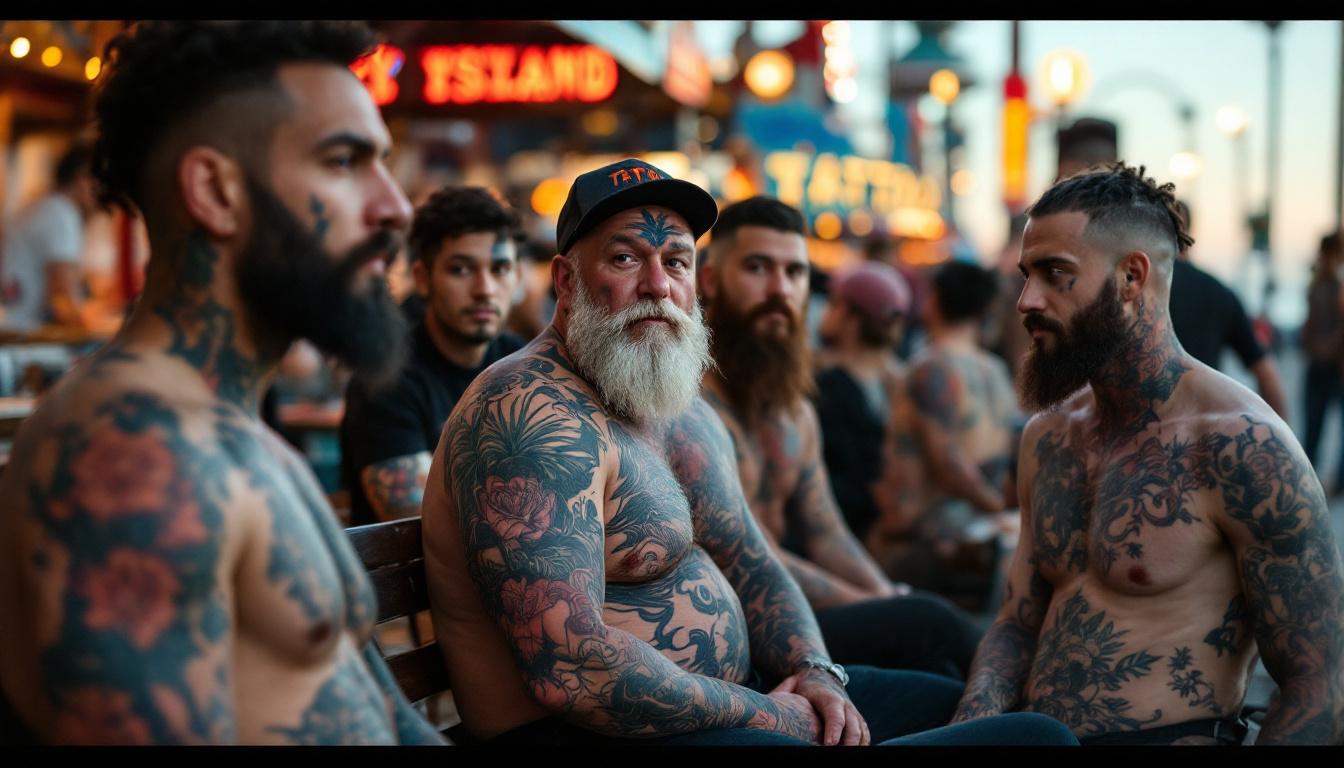
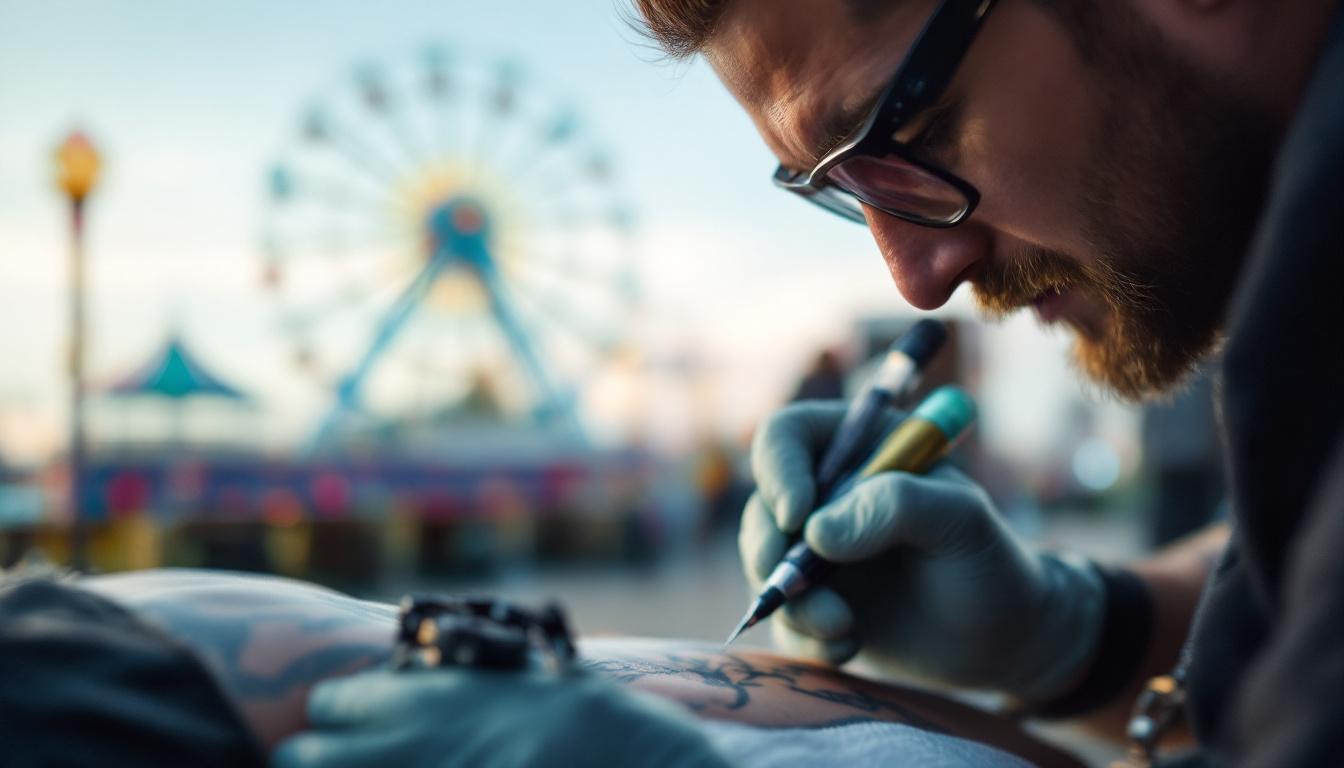
Salt in the air, the rattle of old bikes, and the buzz of a tattoo machine. That’s Coney Island on festival day. The ink here always meant something. People wore stories on their skin and made a statement they couldn’t take back. Back in 2011, the Coney Island Tattoo and Motorcycle Festival put all of that on one boardwalk for a day.
Coney Island has always mixed people who don’t usually share a block. Punk kids, bikers, sideshow performers, families on the beach. Tattooing fit right in. It moved from a fringe thing to a respected craft on this stretch of sand, and you can still read that history in the flash on the walls.
The ban that backfired
In 1961, New York City banned tattooing over hepatitis fears. The ban held until 1997. That’s 36 years of artists working quietly, often out of back rooms, often just across the river in New Jersey.
The ban didn’t kill tattooing. It pushed the craft underground and gave it an edge. When something is outlawed, getting it becomes a small act of defiance, and that’s what happened here. By the time the law lifted in 1997, tattoos had gone from outsider mark to ordinary self-expression. That same ban shaped the New York Bowery, the other pillar of early American tattooing, just across town.
Ink as a way to claim your own body
One thread runs through this whole history. Tattoos gave people, women especially, a way to take ownership of their bodies before the culture said that was allowed. As ArtWorld Confidential puts it, “Tattoos were an early way that women took control of their bodies.”
That’s a real point. For a long time, a woman’s appearance was something other people decided. A tattoo flipped that. You chose the design, you chose the spot, and you kept it. The decision was yours.
The festival: bikes and flash on one boardwalk
The 27th annual Coney Island Tattoo and Motorcycle Festival ran on September 18, 2011, at W. 12th Street and Stillwell Avenue. It pulled in tattoo artists, vintage bike owners, and the usual Coney Island characters, all in one spot.
Dick Zigun, Coney Island’s unofficial mayor, got a fresh Cyclone tattoo and said he was working on covering all four limbs. Jimmy Grillo took the Judge’s Choice Award with his 1948 Harley Davidson Pan Head. Artist Mike Deering inked a Wonder Wheel onto one attendee. And a strongman, Baron Von Geiger, pulled a pickup truck with his ears. That’s the Coney Island mix in one afternoon. Serious tattoo work, chrome, and a little carnival.
The bike crowd and the tattoo crowd were never far apart. Both run on the same idea. Make your own choices, build your own look, answer to nobody. Roaring engines and bold linework belong at the same party.
From rebellion to ordinary
Tattoos didn’t always read as art. A 2006 study in the Journal of the American Academy of Dermatology found about 24% of Americans between 18 and 50 were tattooed, as the Washington Examiner reported. Back then, ink still carried a whiff of the outsider.
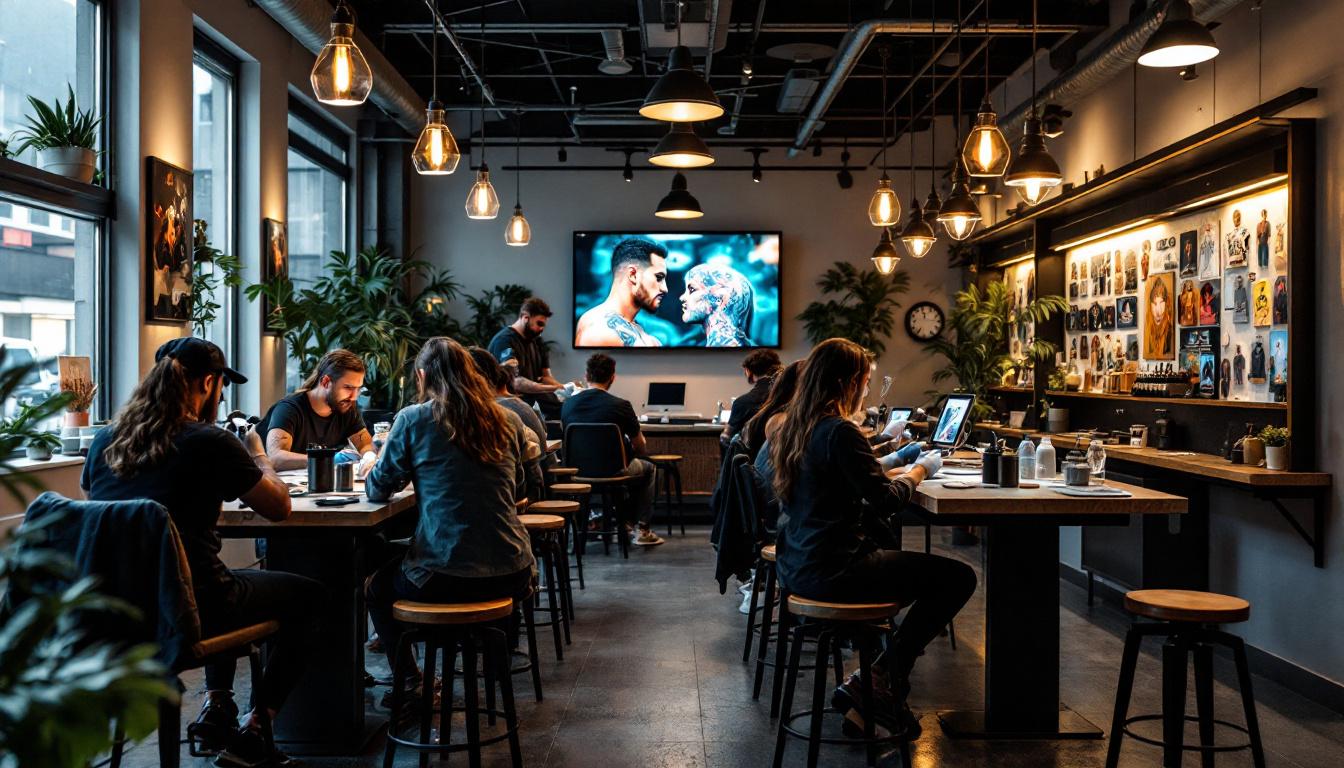
The shift since has been steep. A few things drove it. Cleaner shops and better sterilization made tattoos safer and easier to trust. Celebrities wore theirs openly. And the artistry got better, with neo-traditional, realism, watercolor, and fine-line work pulling in people who’d never have walked into a street shop. Tattooing stopped being a coastal-fringe thing and showed up everywhere.
Every design carries a story
Walk the Coney Island boardwalk and you read it on people’s arms. A tribute to someone gone. A mark from getting through a hard year. A piece of the neighborhood, the Wonder Wheel, the Cyclone, the Q train. None of it is random.
That’s the part of this work that doesn’t change. The styles move and the tools get sharper, but a good tattoo still means something to the person wearing it. Coney Island, with its boardwalk and its festivals and its long memory, is a fitting place for that to play out. The scene reinvents itself every few years and keeps the same heart.
Carrying that spirit into your own shop
The artists who built places like Coney Island spent their energy on the work, not the paperwork. That part hasn’t gotten easier. Booking, deposits, client notes, and chasing no-shows still eat the hours you’d rather spend at the machine.
That’s the gap Apprentice closes. It keeps scheduling, deposits, and client history in one place, plus AI design tools when you want to rough out an idea fast, so the admin stops crowding out the art. Start your free trial and keep your focus where it belongs, on the work.

Jason Howie
Founder & CEO
Jason Howie is the founder of Apprentice, passionate about empowering tattoo artists and shops with better tools to manage their business and serve their clients.