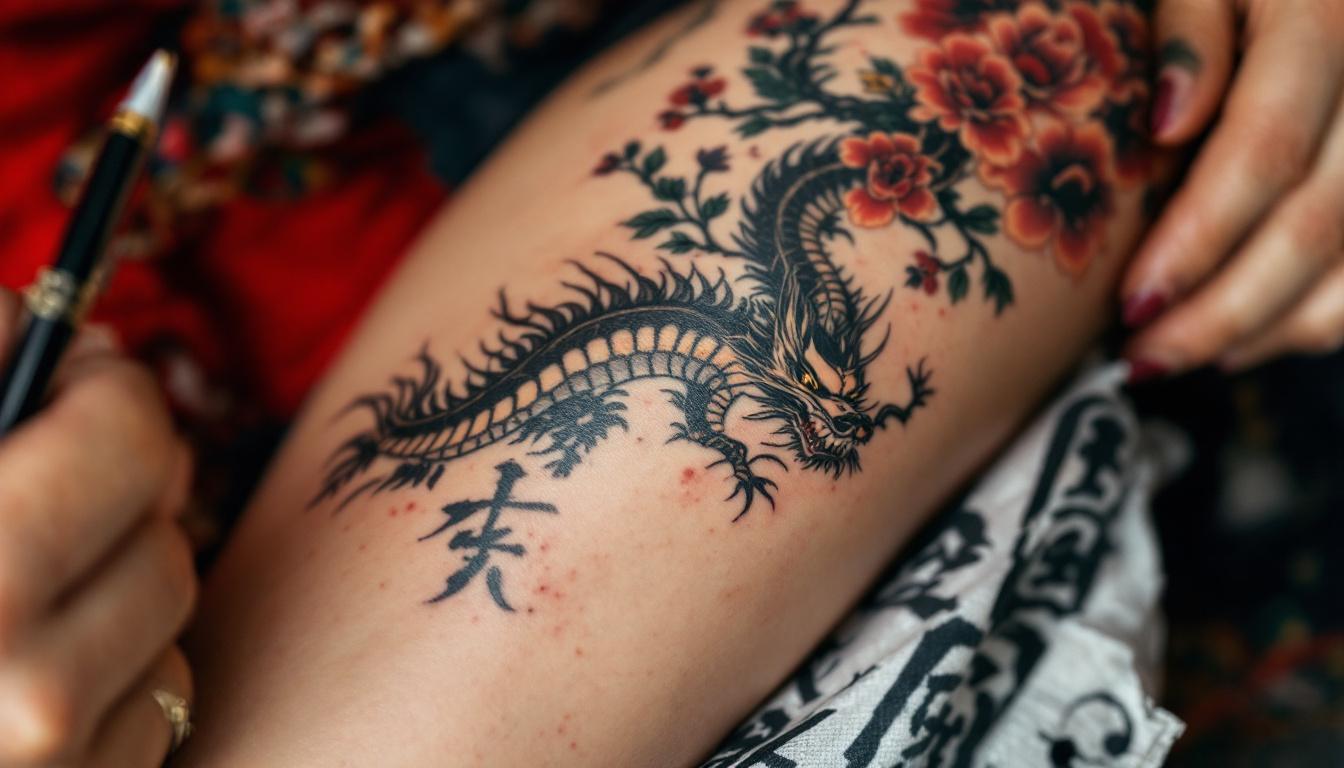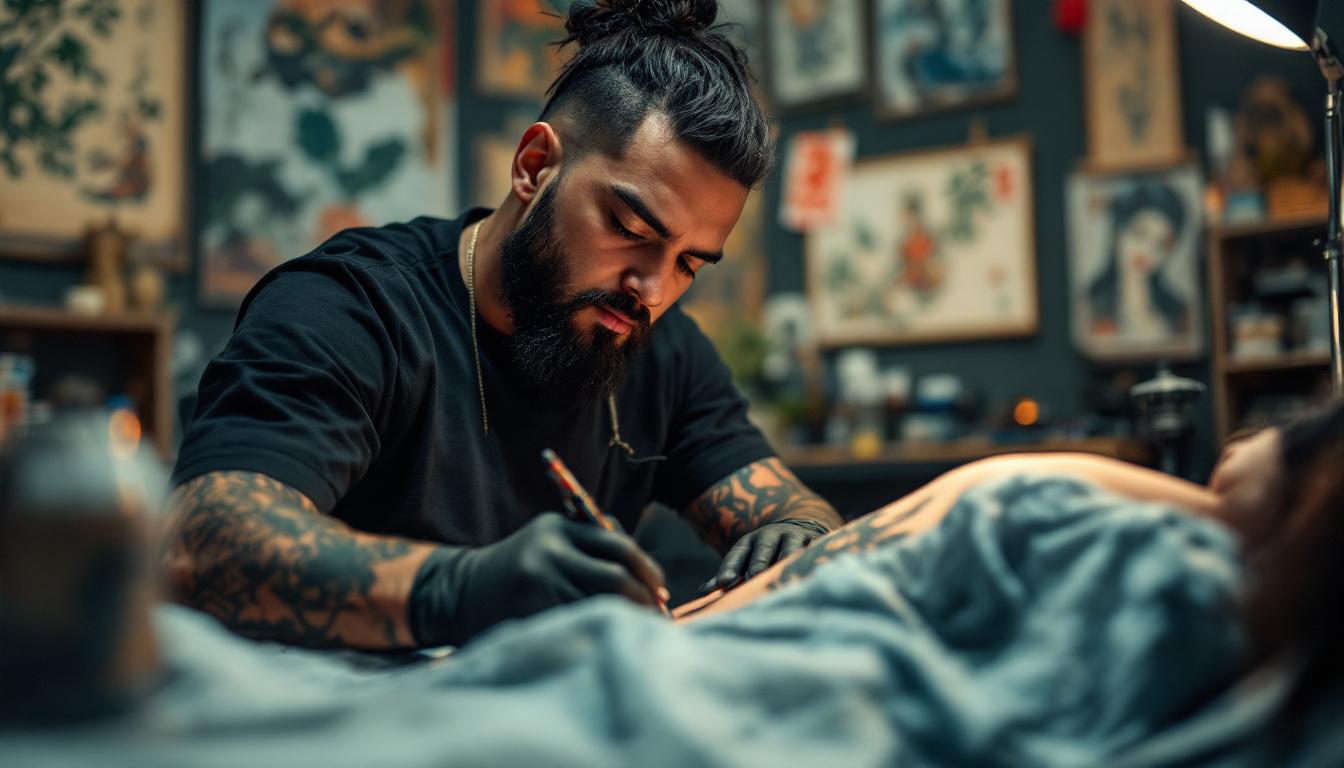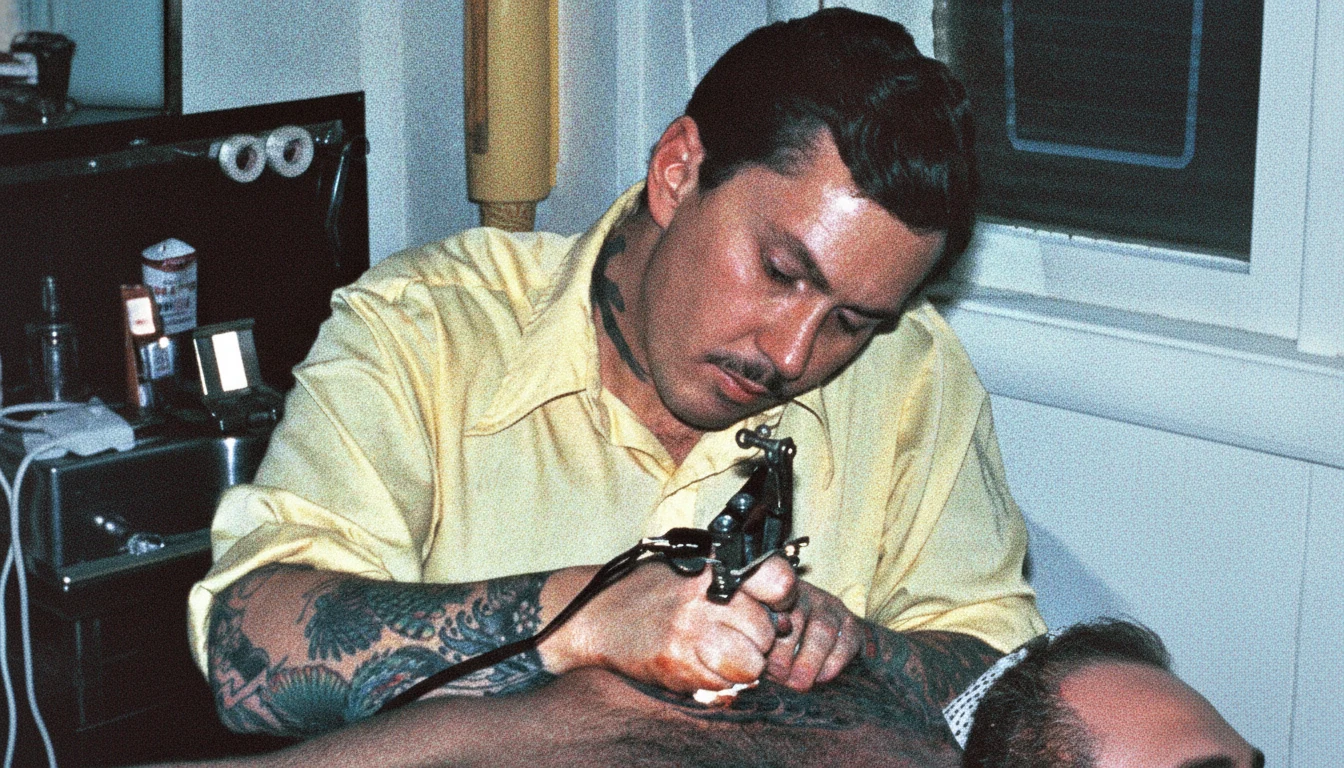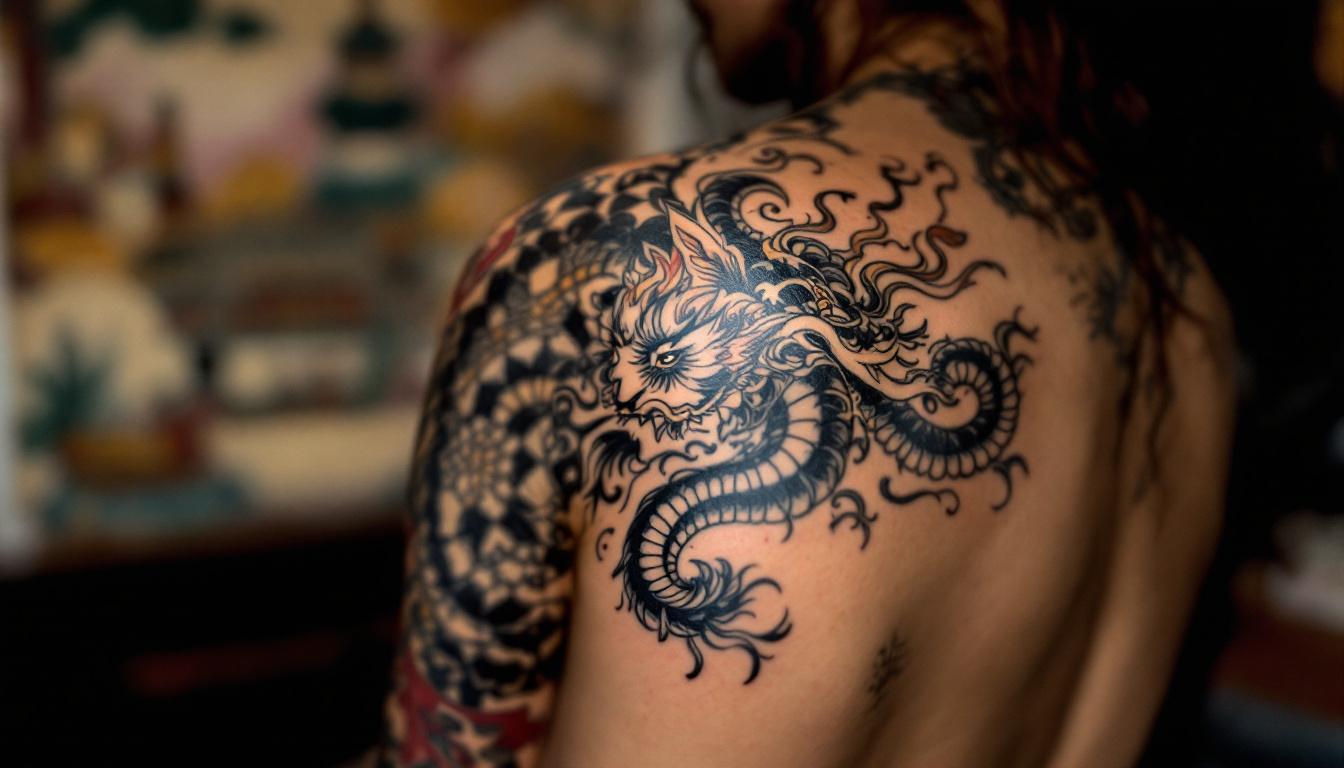
The Rich Tapestry of Chinese Tattoo History: A Journey Through Time
The pulse of a needle, the buzz of a machine, and the ancient whispers of tradition all come together in a story that’s as vibrant as the ink on skin. The world of Chinese tattooing is more than just body art-it’s a blend of heritage, rebellion, celebration, and transformation. From its humble beginnings to its modern-day evolution, the journey of Chinese tattoos is a tale worth exploring. With China’s tattoo market reaching impressive heights-like the Asia-Pacific market estimated at USD 471 million-the conversation is vibrant and ever-changing.
Ancient Roots and Cultural Beliefs
The story kicks off long ago, nestled in ancient beliefs and the philosophies that have defined Chinese society for centuries. Tattoos in ancient China weren't merely decorative; they were laden with symbolism. They served as markers of status, rites of passage, or even as warnings to enemy orphans. While the art form flourished among various communities, there was also a deep-rooted belief in the sanctity of the body.
Confucian values had a say in this affair. The idea that a person should return their body to the earth in an unblemished form played a significant role, as noted by Carrie Wiebe, a professor at Middlebury College, who highlighted that in Confucian culture "you’re supposed to return your body to the ground as your parents gave it, unblemished, no piercings or tattoos" (CKGSB). This belief, simmering under centuries of tradition, has influenced attitudes toward body modification in ways that are still felt today.
The mingling of art and taboo set the stage for what tattoos would eventually become-a symbol of resistance, stylistic expression, and a modern reclamation of identity.
The Rise of Modern Tattoo Culture in China
Fast forward to more recent times, and Chinese tattooing experienced a renaissance of sorts. Shanghai, often crowned as China’s "tattoo mecca," saw its streets light up with color as the number of tattoo parlors skyrocketed from just a handful to roughly 4,500 parlors by 2015. Local trendsetters redeveloped the image of tattoos from marks of deviance into emblems of personal style and cool sophistication.
Local experts and artists, like Beijing’s own Chen Jie, have been quick to point out that the stigma once associated with tattoos-as symbols linked to thugs and gangs-has been replaced by an appreciation for creative expression. "People used to link tattoos with thugs and gangs but now it has become a culture that’s associated with being cool," remarked Chen Jie in a 2023 interview (Asintomatico).
This revival is powered by a collective desire among the young and old alike to embrace individualism. The growing acceptance of tattoo art mirrors rapid social, cultural, and economic changes that have swept across China over the past few decades.
Tattoo Art and Its Socio-Cultural Impact
The Changing Narrative
Tattoos have always been a mirror to society, reflecting attitudes, tensions, and ideals. In Chinese culture, the juxtaposition of reverence for tradition with the allure of modern aesthetics creates a unique narrative. The very act of getting a tattoo can be seen as a silent protest against restrictive traditions, while simultaneously celebrating heritage and unique personal stories.

A study published in 2025 threw light on how tattooing is influenced by both cultural factors and familial ties (Behavior Genetics). It’s interesting to see how family history and environmental contexts continue to shape choices, even when those choices push the boundaries of what was once considered acceptable. Tattoo art thus becomes more than skin deep-it’s a generational conversation where the old meets the new.
The evolution from a taboo to a celebrated art form highlights not just the artistic changes, but also the societal shifts and the widening acceptance of diverse lifestyles in China today.
The Role of Major Urban Centers
Urban centers like Shanghai have been instrumental in propelling the popularity of tattoos. Shanghai's Tattoo Extreme Expo, drawing over 20,000 aficionados since its inception in 2015, stands as a testament to the city’s pivotal role in the modernization of tattoo culture (CKGSB Expo Insights). These events act as cultural melting pots where tradition meets innovation, allowing global influences to merge with local narratives in spectacular, often surprising ways.
Here, both celebrated and underground artists share not only their work, but also their stories and aspirations. Amidst the buzzing trade shows and gallery-like exhibitions, attendees witness the reinvention of an art form that is anything but static. Every pop of color and every intricate design tells a tale, often reflective of the wearer’s life philosophy, struggles, and victories.
It’s in these urban hubs that the old and new fuse, generating an appreciation for tattoo art that transcends mere aesthetics. The transformation of public perception in cities like Shanghai shows an embrace of individuality and a deep-rooted respect for artistic expression.
Government Regulations and the Future of Tattooing
As much as tattoo culture has bloomed, it has also come under close scrutiny. In a significant policy shift, Chinese authorities implemented legislation in June 2023 that banned individuals under 18 from getting tattoos (Think Before You Ink). The move, meant to curb potential exploitations of youth, has sparked a considerable debate.
This legislative crackdown is one facet of the ongoing tug-of-war between traditional values and modern freedoms. While many view the measures as a means to protect young people from making irreversible decisions, others see it as an unnecessary constraint on personal expression. In an environment where every generation reinterprets the ancient convictions about body integrity, such policies inevitably stir tension.
Yet, these dynamics fuel more than just heated debates-they influence how the next chapter of tattoo culture will be penned. Artists and enthusiasts are now challenged to navigate these regulations, finding creative ways to honor tradition while pushing the boundaries of modern artistry.
Health, Safety, and the Risks Involved
The Public Health Perspective
Despite the flourishing art scene, tattooing is not without its challenges. A detailed analysis spanning from 1820 to 2023 uncovered 43 outbreaks of tattoo-related microbial infections affecting a total of 519 individuals (ScienceDirect). Such statistics underscore the importance of regulations around hygiene, sterilization, and informed artist practices.
Public health concerns continue to shape the tattoo landscape. The risks associated with tattooing have driven both artists and regulatory bodies to strictly adhere to safety protocols. As a result, many tattoo parlors now employ sophisticated sterilization techniques, ensuring that the thrill of self-expression doesn’t come at the cost of one’s well-being.
Consumers are becoming increasingly savvy, seeking out studios that prioritize safety and hygiene above all. This vigilance ultimately elevates industry standards and mitigates risks, allowing the art to thrive in a safer environment.
Health Standards and Their Evolution
There’s a palpable shift towards elevated health standards within the tattoo community. Studios now regularly employ state-of-the-art equipment and adhere closely to international best practices. This evolution comes as a revision of numerous safety protocols and health regulations, ensuring that each inking session minimizes risks.
The transformation in the industry isn’t solely focused on artistic value but on ensuring that each piece of art is delivered in a manner that respects both the tradition and the modern requirements of public health. This dual focus is essential in nurturing a sustainable future for tattoo art in China.
In addition, forums and expos often include health workshops and safety demos, educating both newcomers and seasoned enthusiasts about the critical steps necessary to avoid complications during and after the tattooing process.
Revival, Controversies, and the Making of a Movement
The conversation about Chinese tattooing wouldn’t be complete without addressing the controversies. Tattoos have been the subject of much debate, oscillating between being considered an art form and a social marker of rebellion. The cultural significance of these markers has often sparked heated dialogues in public discourse. There’s an inherent tension between a history steeped in tradition and rebellious expressions of individuality.

The changing face of tattoo culture in urban China narrates these conflicts vividly. On one side, traditionalists argue that tattooing is a departure from classical values, while on the other, enthusiasts and artists celebrate the medium as a transformative form of storytelling. These heated arguments are a natural part of any rich cultural evolution, reflecting the complexity of Chinese identity in a rapidly modernizing society.
As these debates continue, the movement only gains more momentum. Tattoo conventions, debates, and art exhibitions provide platforms where differing viewpoints can converge, pushing the discourse forward. These events also highlight the growing acceptance of tattoos as a form of high art, despite occasional legislative or cultural pushback.
Global Influence and Local Innovations
The ripple effects of globalization have not left Chinese tattoo culture untouched. While the art form is deeply local, it has absorbed influences from all corners of the globe. Foreign tattoo styles and techniques have blended with indigenous traditions, leading to a rich, hybrid aesthetic that’s all its own.
International conventions and the rise of social media have helped disseminate ideas and innovations at a breakneck pace. Artists from different backgrounds often share techniques, creating a melting pot of inspirations that defy conventional boundaries. This cross-pollination is visible in the dynamic designs and unconventional motifs that now adorn many urban canvases.
Even as global trends sway local preferences, many Chinese artists remain steadfastly rooted in cultures of their heritage. This balance between embracing global trends and preserving tradition ensures that Chinese tattoos carry a unique signature-a blend of the old and the new that resonates both domestically and internationally.
Looking Ahead: The Future of Tattoo Culture in China
With the landscape continually shifting, the future of Chinese tattoo culture appears as layered and intricate as the designs they create. The juxtaposition of rapid modernization against a backdrop of enduring traditions offers a fascinating preview of what's to come.
Ongoing innovations in techniques, safety protocols, and artistic visions are set to further blur the lines between the past and the present. The legislative measures, like the ban on under-18 tattoos introduced in mid-2023 (Think Before You Ink), illustrate the challenges of balancing a deep-seated historical reverence with the need to embrace contemporary self-expression. Multiple voices, ranging from traditionalists to avant-garde artists, continue to fuel debates on what Chinese tattoos mean in the modern era.
Perhaps the most compelling aspect of the future is the dialog that tattoos inspire-one that connects generations. The art speaks of transformation: old beliefs meeting new realities and art forms reinvented to reflect personal journeys. In a society that values both continuity and innovation, tattoos offer a unique canvas on which life’s stories are inscribed.
A Call to Reflection and Appreciation
The rich history and evolution of tattooing in China remind everyone that art is not static. It’s a living expression of culture and identity. Each mark, whether it sneaks under the skin or boldly spreads across major urban centers like Shanghai, challenges the notions of conformity and celebrates individuality.
While some see tattoos as a mere trend, for many they embody a deeper significance-a connection to cultural heritage and personal expression.
The narrative is still being written, and each tattooed story adds another layer to an already complex tapestry. It’s a blend of ancient wisdom and radical modernity, a true testament to the enduring human spirit in seeking transformation through art.
The Intersection of Art, Identity, and Innovation
The multifaceted world of Chinese tattoos is a playground for experimentation and expression. What once might have been dismissed as a form of rebellion has emerged as a powerful symbol of identity. Modern tattoo artists in China are not only crafting designs-they are reimagining what art means in the context of a society that is steeped in tradition yet driven by relentless progress.
Each tattoo is more than a mere embellishment on the skin; it’s a narrative of transformation, struggle, and, ultimately, acceptance. The dialogue between artist and canvas is, in many ways, a conversation about life itself. Every stroke speaks to the audacity of individuals who dare to reframe what heritage means in a world obsessed with change.
As boundaries continue to dissolve, more adherents to the tattoo culture champion the idea that beauty is not singular but multifaceted. Challenges persist, from legislation that attempts to rein in youthful impulses to public health issues that necessitate a strict code of safety and hygiene. Yet, it is precisely these challenges that stimulate innovation and preserve the art form’s relevance.
Shaping Tomorrow’s Trends
The future of tattoo art in China is bound to be as dynamic as the art itself. Key influencers in the field stand at the crossroads of tradition and modernity, ready to pivot the narrative with every new line etched on the skin. The interplay between regulatory frameworks and the free spirit of contemporary artistry sets the stage for what promises to be an exciting, albeit complex, evolution.
Creative collaborations, cross-cultural engagements, and continuous dialogue between artists and audiences are paving the way for new trends that will not only redefine aesthetics but also reflect social values. The ever-growing market and cultural events, like Shanghai’s Tattoo Extreme Expo, keep the conversation alive and evolving, signaling that the allure of tattoo art in China is here to stay.
In the midst of debates, critiques, and policy changes, one thing is evident: tattoos are more than skin deep. They are a vibrant declaration of the self, continuously reinterpreting heritage for future generations.
Ink as a Social Statement
The act of inking oneself is laden with layers of meaning-personal declarations, memorials of the past, and bold statements of defiance. For many in China, getting a tattoo is more than just embracing an aesthetic trend; it’s an assertion of identity in a society where the old rules constantly clash with the new. This personal expression is a silent yet potent form of commentary on both an individual and a societal level.
Historically, tattoos reflected wearers' encounters with fate, their loyalty to clans, or their personal triumphs or setbacks. Today, while the narratives might differ, the symbolic value remains intact. Tattoos have transformed into markers of experience, courage, and sometimes even a means of reconnecting with a heritage that might have been repressed for generations.
This lifestyle choice has steadily emerged as a social statement-a deliberate act that signals both belonging and rebellion. It challenges the conventional norms associated with Confucian ideas about bodily purity and the sacredness of an unaltered physique, a notion long echoed in traditional Chinese wisdom. Over time, with the increasing number of tattoo parlors and the rapid evolution of the art form, these once rigid boundaries continue to blur.
Celebrating Diversity in Expression
Amid the debates and legislative hurdles, the tattoo community stands as a vibrant testament to the power of self-expression. Every design, whether minimalist in style or flamboyant in execution, carries a narrative that is deeply personal. This renaissance is a celebration of diversity-a coming together of influences that paint a broader picture of what it means to be modern in China.
Within this rich framework, stories are being told in ink that coincide with shifts in societal attitudes, personal breakthroughs, and the longing for a connection that transcends the visual. More than ever, tattoos are seen as a form of art that bridges the gap between individual identity and communal heritage, encouraging a level of empathy and understanding in an ever-fragmenting world.
In embracing these varied expressions, the culture of tattooing in China has managed to carve out a niche that is as fluid as it is profound. It is a dynamic dialogue where each design adds to a larger conversation about society, art, and our unending desire to forge meaning out of the complexities of life.
Reflections on a Storied Past and a Vibrant Future
The journey of Chinese tattooing is a swirl of ancient tradition meeting modern rebellion. It mirrors the complexities of a society that’s trying to balance the weight of history with the unyielding pace of change. From the deep-seated beliefs that once shunned any mark on the body to the current-day embrace of style, the story of tattoos in China is a narrative of transformation.
This multifaceted evolution serves as a reminder that art is a powerful tool for both individual expression and collective identity. While the risks, such as health concerns highlighted by historical outbreaks, prompt rigorous safety standards (ScienceDirect health studies), the passion and innovation within the community ensure that the art form continues to evolve in a vibrant atmosphere.
The proverbial ink is far from dry on this story. As debates continue, legislation is revised, and the community adapts, what remains constant is the undeniable allure of tattoos. They are snippets of history, bursts of rebellion, and declarations of self-all captured in lines, shades, and contours that weave a story as timeless as it is current.
Ink and Identity in a Changing World
Looking back at the evolution from ancient taboos to modern expressions, the transition is nothing short of remarkable. The very foundation of what tattoos represent continues to shift: from symbols of criminality to emblems of art and identity. In every sweep of ink, there is a dialogue-a conversation with history, culture, and a future yet to be written.
Though challenges abound-be it from regulatory bodies or clashing cultural sentiments-the spirit of compromise and the drive for creativity shine through. With each tattoo, China is not just marking a person’s skin, but rather inscribing a chapter in an expansive, ongoing saga of artistic expression and cultural evolution.
As the world watches, the community of artists and enthusiasts in China pushes boundaries and challenges norms, ensuring that the art of tattooing remains as vibrant and ever-changing as the country itself. Their dedication ensures that this ancient art form will continue to be a dynamic and integral part of modern cultural identity.
A Final Word on the Canvas of Time
The journey through Chinese tattoo history is like hitting a well-worn trail sprinkled with fresh graffiti-a blend of tradition and innovation that refuses to be boxed in. Tattoos are more than just marks on skin; they’re milestones on a lifelong journey, snapshots of rebellion, heritage, and the unabashed celebration of individuality. Each design speaks volumes about the time, place, and soul of its wearer.
The interplay of powerful historical narratives, modern artistic practices, and evolving societal norms creates an intricate, living tapestry that defies simple categorization. The discussion surrounding tattoos in China-and indeed around the world-is as old as time and as new as tomorrow’s ink.
As the sun sets over ancient alleyways and rises over sprawling metropolises like Shanghai, the rich tapestry of Chinese tattoo history continues to unfurl. This dynamic art form, with all its controversies, beauty, and cultural significance, paints a vivid picture of China’s past, present, and future. It’s a conversation in progress-one that invites both admiration and critical introspection.
Whether seen as a nod to ancestral customs or a bold leap into modernity, tattoos in China remain a compelling testament to the enduring power of art to challenge, transform, and unite. As the story of ink and identity evolves, it leaves behind an indelible mark on the fabric of cultural history, inviting everyone to partake in its colorful narrative.
Embracing the Future with Ink-Stained Hands
The ongoing story of Chinese tattoo culture is not just about the art that adorns skin; it’s about the identity, the voices, and the relentless spirit of those who dare to wear their stories for the world to see. As the next chapter unfolds, one thing remains clear-this vibrant art form will continue to evolve, innovate, and inspire.
With each new design and every thoughtful line, there's a promise of transformation and a bridge connecting the rich traditions of the past with the dynamic dreams of tomorrow. The evolution of Chinese tattoo culture is a journey that invites reflection on who we are and where we're headed, painted boldly on the human canvas.
As ink meets skin and history meets modernity, the tale of tattoos in China continues to be written with every heartbeat and every needle’s buzz. In this ever-changing landscape, the spirit of the art remains constant: an enduring rebellion, a celebration of individuality, and a timeless testament to the power of human expression. The story is far from over-it's an invitation to keep creating, keep questioning, and most importantly, keep the dialogue alive, ink-stained hands and all.
Write the Next Chapter with Apprentice
As the narrative of Chinese tattoo history continues to unfold, your studio has the opportunity to be a part of this transformative journey. Embrace the future with Apprentice, where our innovative platform empowers you to weave tradition with technology. Start your free trial today and discover how we can help you manage appointments, collaborate on designs, and create unforgettable experiences for your clients. Let's continue the story of tattoo artistry together, one appointment, one design, one client at a time. Start Free Trial
Jason Howie
Founder & CEO
Jason Howie is the founder of Apprentice, passionate about empowering tattoo artists and shops with better tools to manage their business and serve their clients.