You’re staring at a quote from a tattoo artist and thinking, “How is this small piece of art going to cost me that much?” It’s a fair question. But tattoos aren’t just ink on skin. They’re permanent. They’re personal. People want them to be perfect. That expectation shapes every dollar of the price. The cost covers years of training, medical-grade supplies, custom artwork, and a professional environment built to keep you safe. A two-hour session can easily run $300 to $600 depending on the artist and region. And that’s before factoring in design time, consultations, or aftercare. So why are tattoos so expensive? Several key factors affect tattoo pricing, and once you understand them, the number on that quote starts to make a lot more sense. Whether you’re a client trying to understand the bill or an artist learning to price your work fairly, this breakdown covers the real reasons behind the cost.
The Real Cost of Quality and Safety
Every tattoo starts with a promise: this won’t hurt you beyond the needle. Keeping that promise costs real money. The supplies that touch your skin are single-use and medical-grade. The machines need maintenance. The workspace needs constant cleaning. None of that is optional, and none of it is cheap.
Artists don’t cut corners here because the consequences are serious. Infections, allergic reactions, scarring: these aren’t hypothetical risks. They’re what happens when someone skips steps. The price of your tattoo reflects a commitment to doing things right, every single time.
Medical-Grade Supplies and Sterilization
A professional tattoo shop runs through disposable supplies at a staggering rate. Every session requires new needles, new ink caps, new gloves, new barrier film, and new razors. The tubes and grips are either disposable or sterilized in an autoclave, which itself costs thousands to purchase and maintain.
Bloodborne pathogen training is mandatory in most states. Artists pay for certification courses and renewals. Shops pay for proper sharps disposal, biohazard containers, and licensed waste removal services. Operating costs for a tattoo shop include these recurring expenses that most clients never see.
Cross-contamination prevention isn’t a one-time setup. It’s a daily ritual. Surfaces get wiped down with hospital-grade disinfectants between every client. Spray bottles, clip cords, and machines get wrapped in fresh barrier film. That fifteen minutes of cleanup between appointments? It’s unpaid time that protects you.
Premium Inks and Equipment Longevity
Not all tattoo ink is created equal. Professional-grade inks are formulated to be vibrant, stable, and safe for long-term skin contact. Cheap inks fade fast, migrate under the skin, or cause reactions. A quality ink line can cost an artist hundreds of dollars per set, and popular colors run out fast.
Machines are another major investment. A solid coil or pen-style machine runs anywhere from $300 to over $1,000. Most artists own several for different purposes: lining, shading, color packing. A reasonable tool budget for a tattoo shop can run into the thousands annually when you factor in power supplies, foot pedals, and replacement parts.
These tools wear out. Motors lose torque. Contacts corrode. Artists who care about consistency replace and upgrade their equipment regularly. That investment shows up in cleaner lines, smoother shading, and tattoos that age well.
Artist Experience and Technical Mastery
You’re not just paying for time under the needle. You’re paying for every hour that artist spent learning their craft before you sat in their chair. Tattooing is a skill that takes years to develop and a lifetime to refine.
The Value of Years in the Industry
Most tattoo artists complete a formal apprenticeship lasting one to three years. During that time, they earn little or nothing while learning sanitation, machine mechanics, skin theory, and technique. That’s a massive upfront investment of time and lost income.
The Bureau of Labor Statistics doesn’t track tattoo artists as a separate occupation, but it groups them with craft and fine artists, where the median annual wage was $56,260 in May 2024. That number hides a wide range. A new artist might earn far less. A veteran with a packed schedule and strong reputation earns significantly more, and their rates reflect that.
Experience also means speed without sacrificing quality. A senior artist might complete in three hours what takes a newer artist five. You’re paying for efficiency born from thousands of hours of practice. That’s not a markup: it’s earned value.
Specialization in Complex Styles
A photorealistic portrait demands different skills than a traditional eagle. Japanese bodywork requires different knowledge than fine-line botanical pieces. Artists who specialize in complex styles have invested extra years mastering those techniques.
Black-and-grey realism, for example, requires an understanding of light, shadow, and skin tone that goes far beyond basic tattooing. Geometric work demands mathematical precision. Watercolor styles need a painter’s instinct for color blending. These specializations command higher rates because fewer artists can do them well.
And the market reflects this. The global tattoo industry continues to grow steadily, which means demand for highly skilled specialists keeps climbing. Artists who’ve put in the work to master a niche style aren’t overcharging. They’re pricing their rare skill set accurately.
The Design Process Behind the Scenes
The tattoo you see on skin started as an idea in someone’s head. Turning that idea into a clean, tattoo-ready design takes hours of work that happen long before the machine turns on.
Custom Art Creation and Revisions
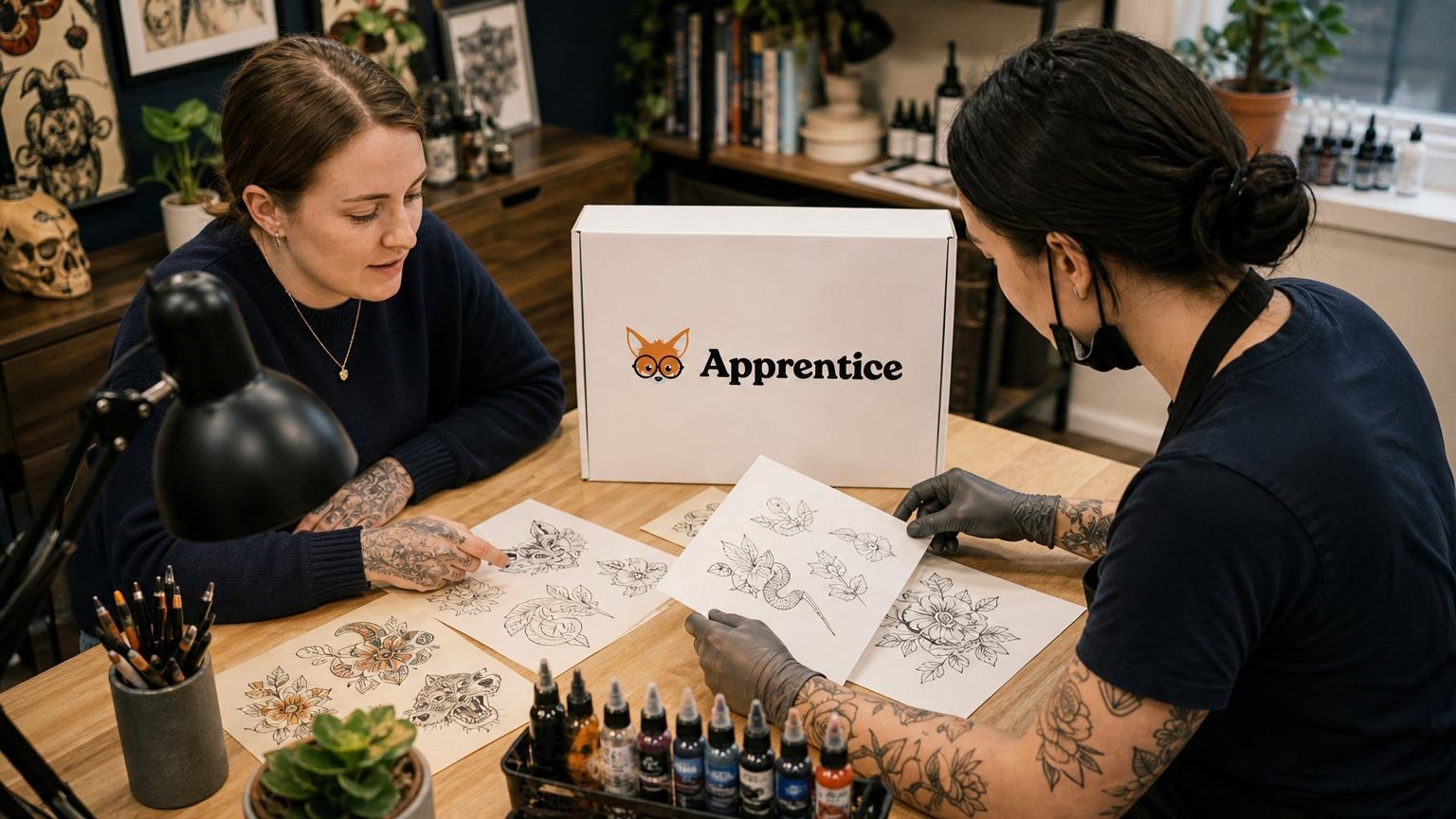
Custom tattoos aren’t pulled off a wall. They’re drawn from scratch based on your references, your body, and your vision. An artist might spend two to six hours designing a single piece. For large-scale work, that number climbs even higher.
Revisions add more time. Most artists include one or two rounds of changes in their pricing, but major redesigns can eat into their schedule. That design time is real labor. It’s skilled labor. And it deserves compensation.
Some clients don’t realize that the drawing is part of the tattoo. They see the session price and assume it covers everything. But a $2,000 tattoo might include several hours of design work on top of the actual tattooing. The art on paper is just as important as the art on skin.
Using Professional Design and Project Tools
Managing multiple custom projects at once is a logistical challenge. Artists juggle reference images, design drafts, revision notes, and client preferences across dozens of active projects. Without a system, things get lost. And lost details mean wasted time.
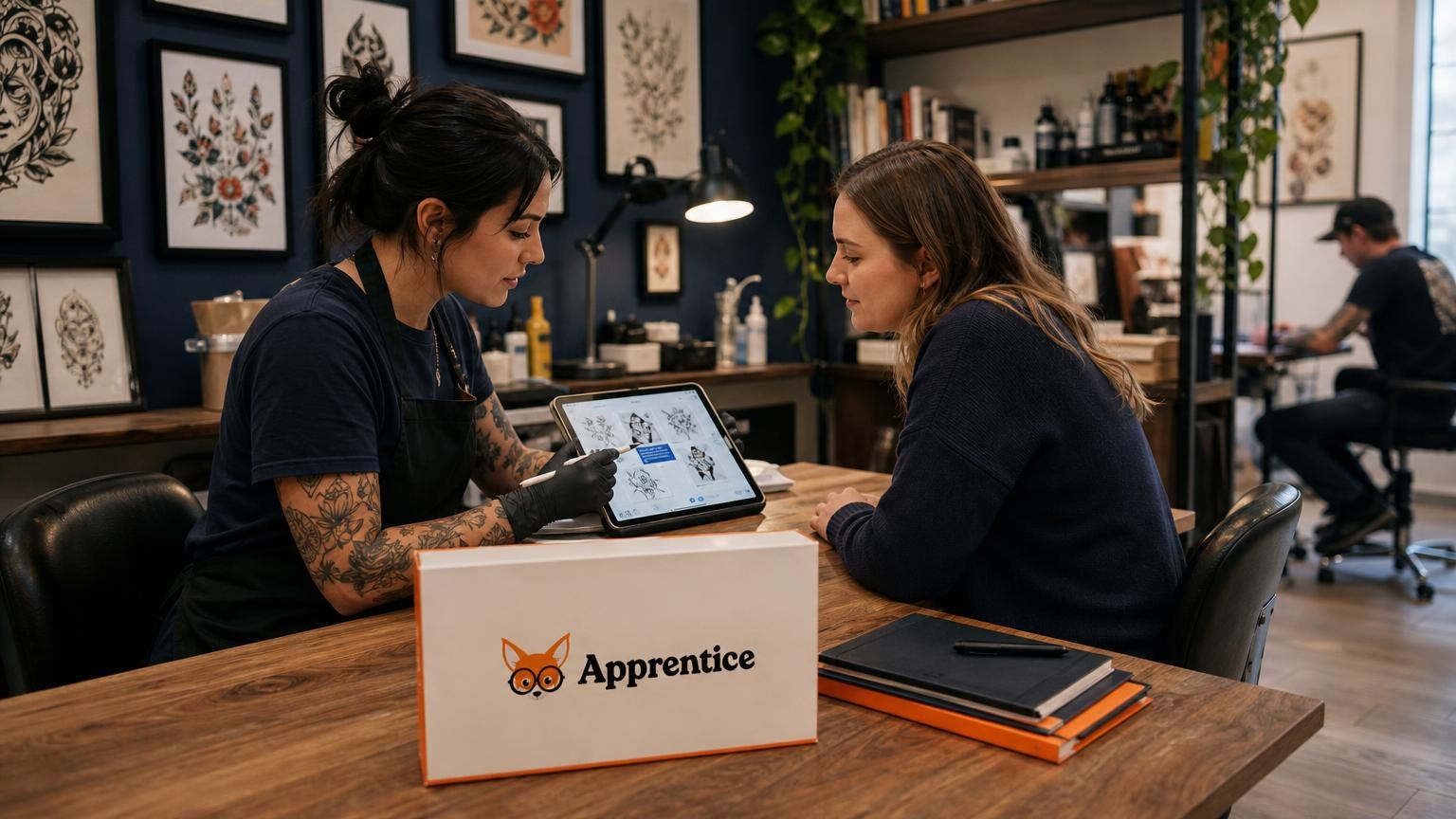
Tools like Apprentice give artists a project hub for each tattoo. References, drafts, and client messages all live in one place, tied to the specific piece. That means no more digging through DMs for that photo your client sent three weeks ago.
This kind of organization doesn’t just save the artist time. It improves your tattoo. When every detail is tracked and accessible, the final design is more accurate to your vision. And accuracy is what you’re paying for.
Shop Overhead and Professional Environment
A tattoo shop isn’t someone’s garage. It’s a licensed business with serious monthly expenses. Rent, utilities, insurance, licensing fees, and business taxes all come out of that hourly rate.
In most cities, commercial rent for a street-level shop runs $2,000 to $8,000 per month or more. Add liability insurance, health department permits, and business licensing. Then there’s furniture, lighting, ventilation systems, and waiting room upkeep. The unsexy stuff that makes a shop feel clean, safe, and professional.
Artists who rent booths typically pay a weekly or monthly fee to the shop, plus a percentage of their earnings. Those who work on commission splits might give 40% to 60% of each tattoo’s price to the shop. Either way, a significant chunk of your payment goes toward keeping the lights on and the doors open.
This overhead is why shop minimums exist. A $50 tattoo that takes 20 minutes still uses the same setup, cleanup, and supplies as a larger piece. The shop still needs to cover its costs for that time slot. Minimums ensure that every appointment is worth opening the station for.
And here’s the honest truth: shops that look cheap usually are cheap. A well-maintained environment with proper ventilation, good lighting, and comfortable stations costs money to run. That cost gets passed to you, and it should. Your health depends on it.
Placement and Size of the Design
Not all tattoos are created equal in terms of difficulty. Where you want it and how big you want it directly affect how long the session takes and how much it costs.
A small wrist tattoo might take 30 minutes. A full sleeve takes 15 to 25 hours across multiple sessions. Tattoo cost varies dramatically by size: a palm-sized piece might run $150 to $400, while a full back piece can exceed $5,000. Our guide to tattoo prices by size breaks these numbers down in detail.
Placement matters too. Ribs, feet, hands, and necks are notoriously difficult areas. The skin is thinner, more sensitive, and harder to work on. Clients move more. Lines are harder to keep clean. Artists charge more for these spots because they require more skill and patience.
Body contour plays a role as well. A design that wraps around a forearm or follows the curve of a shoulder blade needs to be drawn specifically for that body part. Flat flash designs don’t always translate well to curved surfaces. The artist has to adapt the artwork to your anatomy, which takes extra planning and execution time.
Our free tattoo pricing calculator can give you a rough estimate based on size and style. But the real price always depends on the artist’s assessment of complexity, placement difficulty, and time required. Trust their judgment: they’ve done this before.
The Full Client Experience and Support
A great tattoo experience doesn’t start when the needle hits skin. It starts the moment you reach out. And it doesn’t end when you leave the shop. The full client lifecycle, from first message to healed tattoo, is part of what you’re paying for.
Seamless Booking and Communication
Managing bookings through Instagram DMs is a nightmare. Messages get buried. Details get lost. Appointments get double-booked. That chaos costs artists money and costs clients a smooth experience.
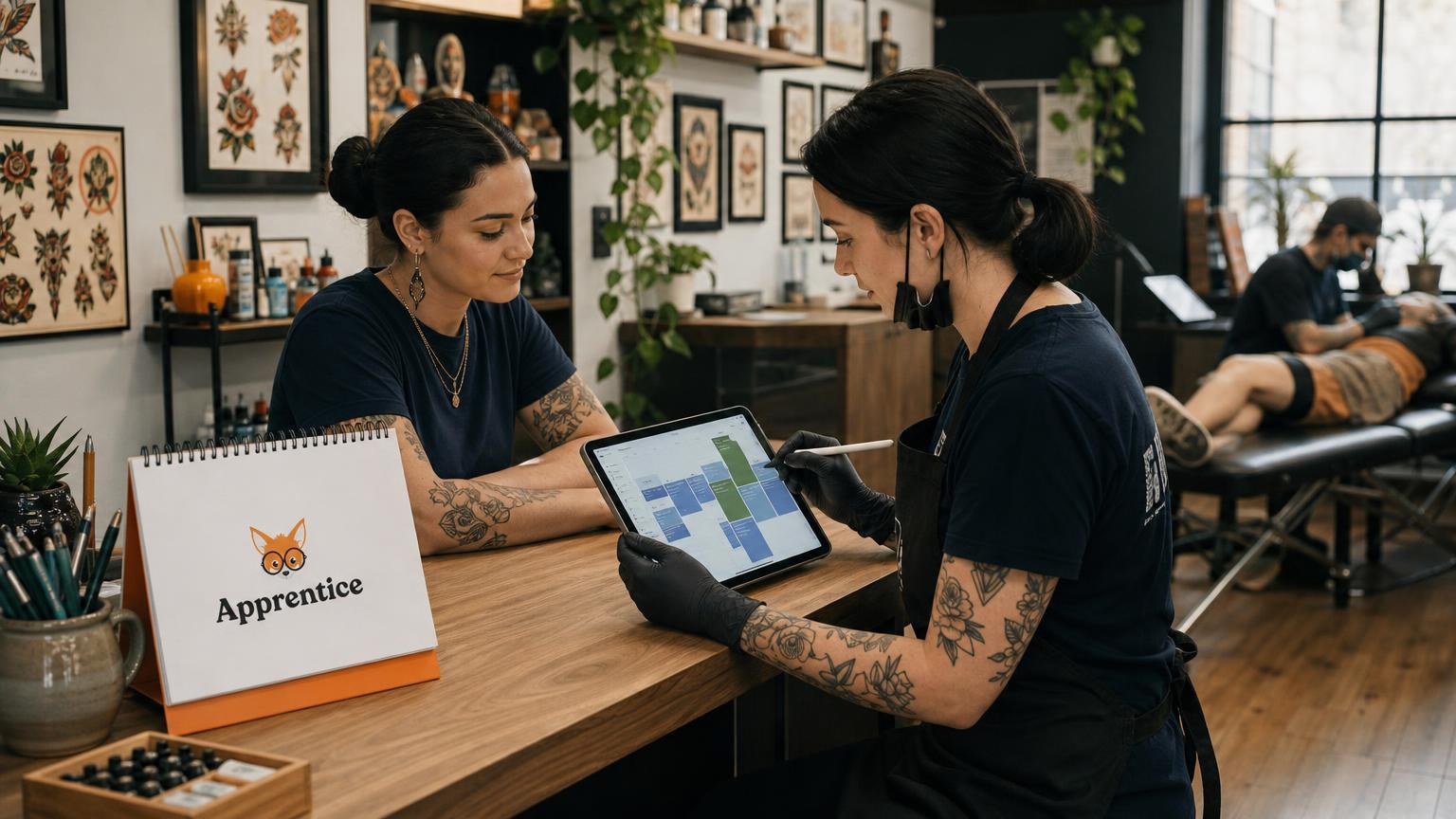
Modern booking tools fix this. Apprentice, for example, lets artists set their availability, share secure booking links, and collect deposits automatically. Clients book within the artist’s rules. No back-and-forth. No confusion. Automated reminders go out before the session, which cuts no-shows dramatically.
This kind of system benefits you as the client too. You get confirmation, clear prep instructions, and a direct line of communication tied to your specific project. It’s a better experience for everyone, and it’s baked into the cost of doing business professionally.
Comprehensive Aftercare and Follow-ups
Your tattoo isn’t finished when you leave the chair. Healing takes two to four weeks, and how you care for it determines how it looks for life. Good artists provide detailed aftercare instructions and make themselves available for questions during the healing process.
Some shops send automated aftercare messages with reminders about washing, moisturizing, and what to avoid. This follow-up care is part of the service. It protects the artist’s work and your investment.
Touch-ups are another consideration. Many artists offer one free touch-up within a certain window. That’s additional chair time, supplies, and setup that they’re absorbing into the original price. It’s a sign of quality and accountability, and it’s factored into what you pay upfront.
How Deposits and Minimums Protect the Artist
Here’s the ugly truth: no-shows are one of the biggest financial drains in tattooing. An artist blocks off three hours for your appointment. They spend time designing your piece. They prep their station. And then you don’t show up. That’s lost income they can’t recover.
Deposits exist to solve this problem. A non-refundable deposit, typically $50 to $200, ensures that clients have skin in the game. It compensates the artist for design time if the client bails. And it dramatically reduces the no-show rate.
Shop minimums serve a similar purpose. If the minimum is $100, that covers the base cost of supplies, setup, cleanup, and the artist’s time. Even a tiny tattoo uses a full set of disposable supplies and takes up a time slot that could’ve gone to a larger piece.
Understanding how artists price their work makes the deposit and minimum structure less mysterious. It’s not greed. It’s survival. Artists who don’t enforce these policies burn out fast, and the good ones leave the industry entirely.
Collecting deposits manually is tedious, which is why more artists are automating the process. Apprentice handles deposit collection at the time of booking, enforcing your rules without you having to chase anyone down. That’s less admin work and more financial security for every appointment on your calendar.
The Bottom Line
Tattoo pricing isn’t arbitrary. Every dollar reflects real costs: supplies, skill, design time, overhead, and the full experience from booking to healed ink. When you understand what goes into a tattoo, the price stops feeling expensive and starts feeling fair.
If you’re an artist struggling to communicate your value, structure helps. Clear pricing, professional booking, and automated deposits show clients you run a real business. And that confidence in your process translates to confidence in your art.
Ready to spend less time chasing payments and more time tattooing? Apprentice lets you get started in five minutes with a free 14-day trial. Set up your booking, collect deposits automatically, and run your shop the way it deserves to be run.
Because this craft deserves professionals who get paid like professionals.

Jason Howie
Founder & CEO
Jason Howie is the founder of Apprentice, passionate about empowering tattoo artists and shops with better tools to manage their business and serve their clients.