Your portfolio is the whole pitch. Photo after photo of your best work, and that’s what sells the next booking. But there’s a question worth asking: what does that photo say when nobody can see it?
That’s what alt text is. A short written description that lives behind the image. A screen reader reads it aloud to a blind visitor. Google reads it to figure out what the picture shows. If the alt text is blank, or just says “tattoo,” both of them come up empty.
Most sites don’t do this well. Only about 26% of websites consistently write alt text for their images (Amra and Elma). For a portfolio-driven business like a tattoo studio, that’s a real gap, and it’s an easy one to close. Alt text is one piece of a bigger picture, so it’s worth reading the full image SEO guide for tattoo artists alongside this.
What good alt text actually says
Keep it short and keep it factual. Most accessibility guidance puts the sweet spot under 125 characters, with room to stretch toward 240 when an image genuinely needs it (Writing Effective Alternative Text for Images). You’re not writing a caption. You’re telling someone what’s in the frame.
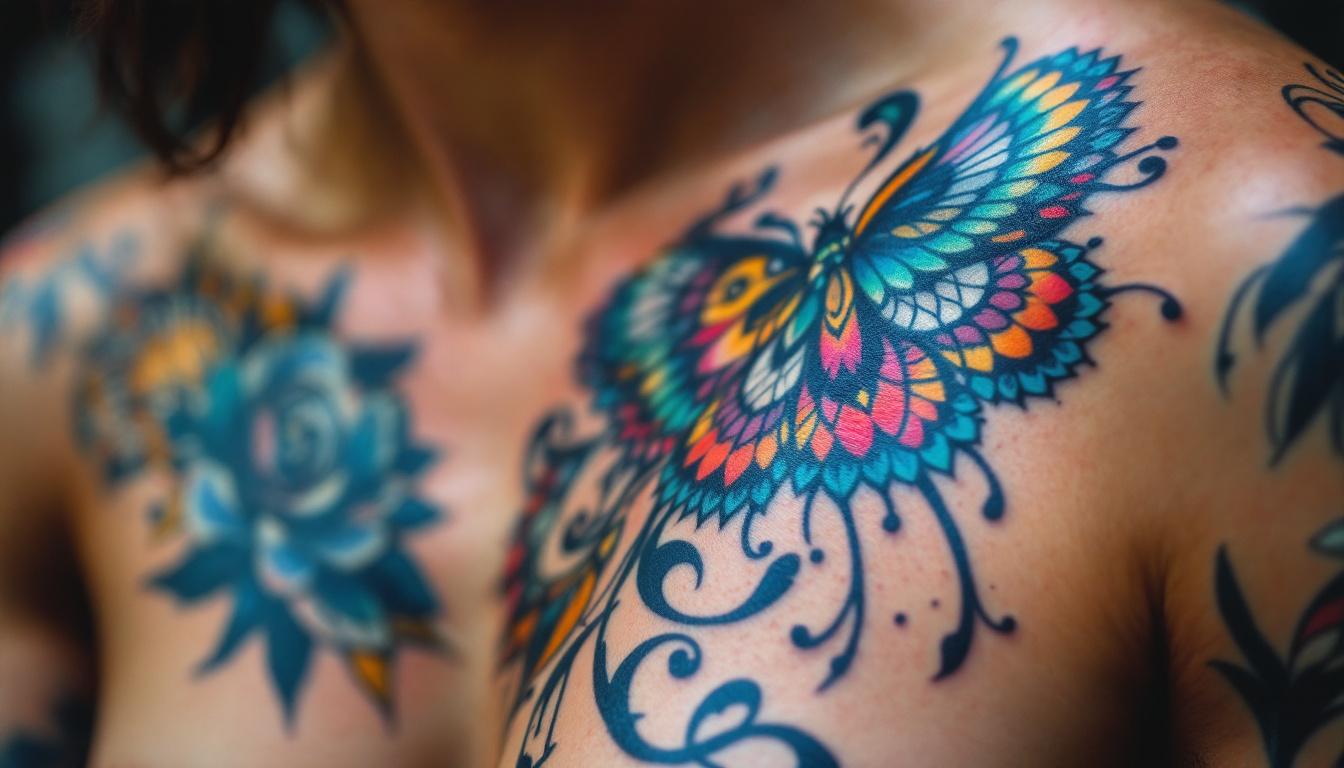
For a tattoo, three things carry most of the weight: the style, where it sits on the body, and whatever makes it stand out. Put those in and you’re most of the way there.
Compare these two:
- Bad:
tattoo - Good:
Black and grey tribal tattoo on the left shoulder with interwoven linework
The second one tells a blind visitor what they’re missing and tells Google what the page is about. The first one tells nobody anything. Every image deserves its own line. Reusing “tattoo” across forty photos is the same as writing nothing.
One caution. Don’t pack it with keywords. Alt text that reads like tattoo tattoo artist best tattoo shop ink gets you flagged, not ranked, and it’s useless to the person it’s supposed to help.
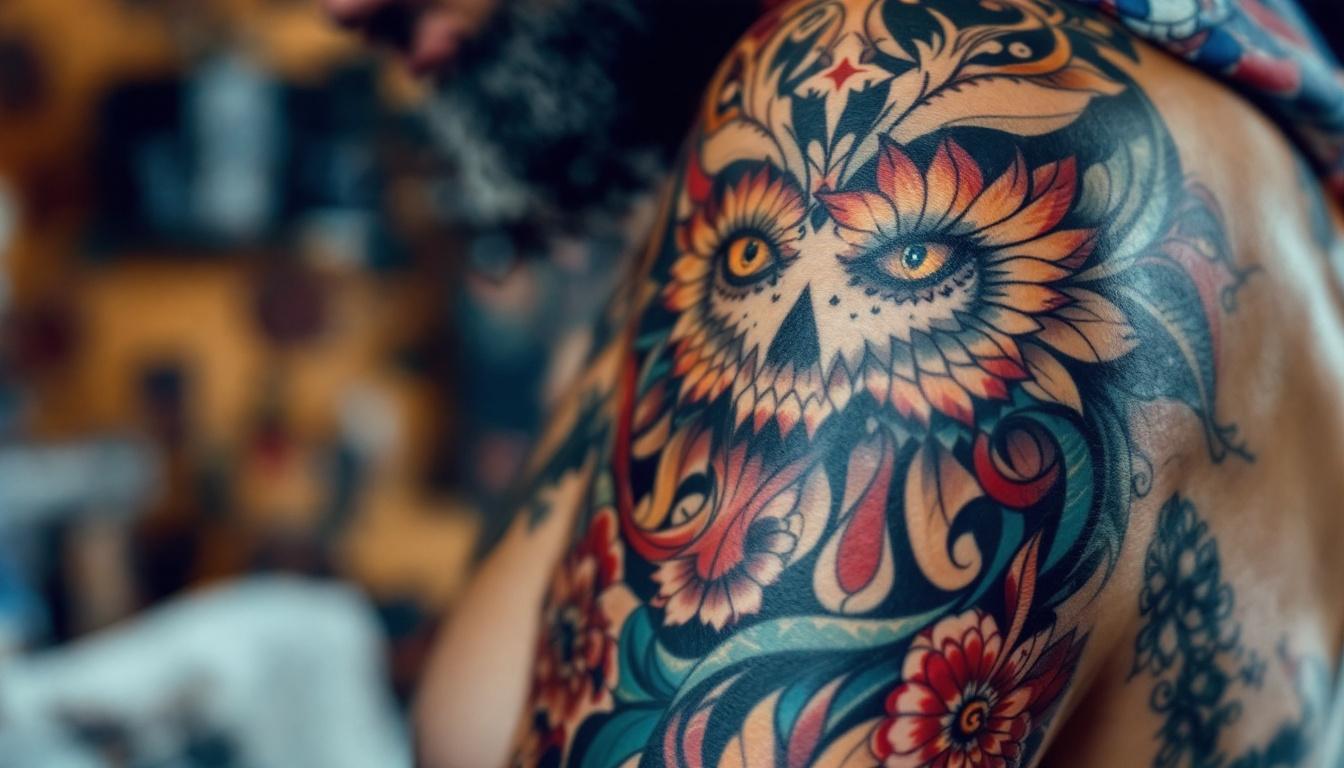
Match the description to the style
Different work calls for different details. A traditional piece lives on its bold outlines and classic motifs, so say that. A watercolor piece is all soft gradients and loose composition, so say that instead. The description should sound like the tattoo looks.
A few that work:
- Neo-traditional:
Neo-traditional rose on the upper arm with heavy black outlines and soft color shading - Minimalist:
Single fine-line abstract shape tattooed on the inner wrist - Watercolor:
Watercolor koi on the forearm with blended blue and orange gradients and no outline
You can hint at meaning when it matters, like noting a design is rooted in a specific cultural tradition. But keep that to a phrase. The job is to describe the image, not retell the story behind it. Save the story for the caption or the post.
AI can draft it, but you finish it
There are tools that generate alt text from an image automatically. They’re getting good. One research system, AltGen, reported a 97.5% drop in accessibility errors when it auto-generated descriptions for EPUB files (AltGen). That was ebooks, not tattoo portfolios, so treat the number as proof the approach works rather than a promise about your site.
Here’s the practical read. An AI tool can give you a fast first draft for forty images, which beats staring at a blank field. But it doesn’t know your work. It might call your blackwork “abstract” or miss that a piece is a coverup. So use it for the draft and then fix it yourself. The artist who did the tattoo writes better alt text than any model, every time.
Don’t forget social
Your website isn’t the only place this matters. Instagram, Facebook, and the rest all have an alt text field, and almost nobody fills it in. One analysis of publishers found only a small handful bothered with it on their social images, and none did it consistently (InternationalBunch). Same idea, lower effort.
The rules don’t change on social. Glance at the photo before you post, note the style and placement, write one clear line. Vibrant geometric sleeve on the forearm with bold black linework works on a feed the same way it works on your site. The platforms hide the field a few taps deep, but it’s there.
A workflow you’ll actually keep up with
The studios that stay on top of this treat it as a habit, not a project. You don’t have to fix every old post tonight. Start here:
- Audit what’s live. Walk through your site and your last few months of posts and spot which images have real descriptions and which have nothing.
- Fix new images going forward. Make writing alt text part of posting a photo, the same as picking the cover shot.
- Backfill the old stuff slowly. A few images a week clears the backlog without it becoming a chore.
If a draft tool helps you move faster, use it, then read every line before it ships. Write down your own short style guide so anybody touching the website describes images the same way. One person owning it keeps things consistent.
This is where having your portfolio in one organized place pays off. When your work and client photos already live together, like they do in Apprentice, adding a clean description to each image is a quick pass instead of a hunt across scattered folders.
Why the small effort is worth it
Two payoffs, and they come from the same work.
Accessibility is the first one. A blind client searching for an artist deserves to know what your portfolio holds. Alt text is how they get there, and writing it is a basic mark of a studio that takes its clients seriously.
Search is the second. Google can’t see a photo. It reads the words around it, and alt text is one of the clearest signals you can hand it. Describe your images well and they’re easier to index, which means more of your work surfaces when someone searches for your style in your city.
Same five minutes per image, two real returns. That’s a good trade.
Want your portfolio, client photos, and bookings in one place so adding good descriptions is part of the flow instead of an afterthought? Start a free trial of Apprentice and keep your studio’s work organized from the day you shoot it.

Jason Howie
Founder & CEO
Jason Howie is the founder of Apprentice, passionate about empowering tattoo artists and shops with better tools to manage their business and serve their clients.