People search for tattoos with their eyes. They type a style, a placement, a city, then scroll the image results until something stops them. If your work isn’t in those results, you don’t exist to them. That’s the whole reason image SEO matters for artists, and it’s most of what this post is about.
Most artists upload a photo straight off their phone, give it whatever filename the camera spat out, and move on. The image looks great. Google has no idea what it is. Fixing that gap is cheap, and it pays off for years.
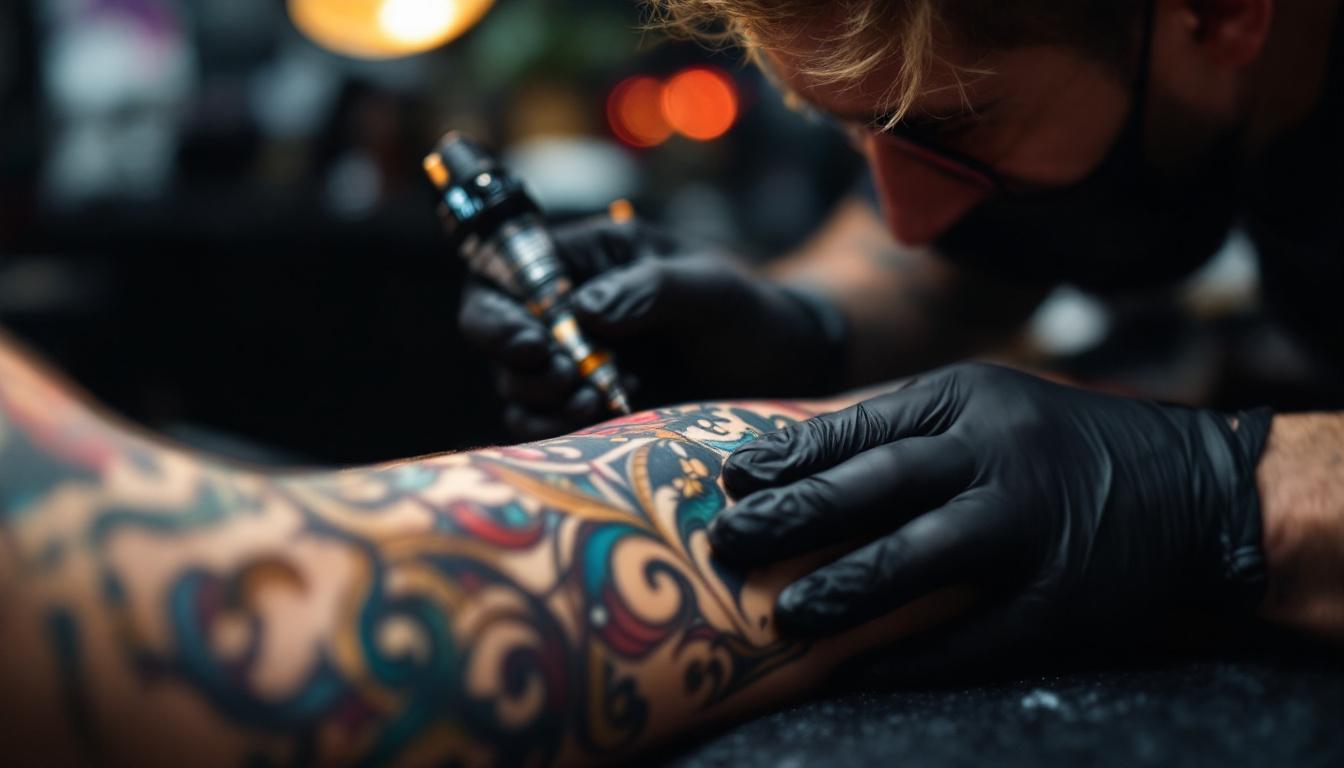
A sharp photo is the first thing a client judges
Before anyone reads a word about you, they look at your photos. Crisp, well-lit, in-focus work reads as “this person knows what they’re doing.” A blurry phone shot under shop lights reads the opposite, even if the tattoo underneath is excellent.
So the photo itself is step one. Good light, a clean background, healed shots when you have them, close enough to see the linework. No SEO trick rescues a bad photo. Get the picture right first, then make Google understand it.
Name the file before you upload it
IMG_4821.jpg tells a search engine nothing. fine-line-floral-forearm-tattoo-austin.jpg tells it the style, the placement, and the city. Rename your files before they ever hit your site, using plain words a client would actually type.
Don’t stuff it. One clear description per file beats ten keywords jammed together with hyphens. If the tattoo is a black-and-grey rose on a shoulder, say that. The filename is a small ranking signal, and it costs you ten seconds.
Pick the right format and keep it light
Format affects how fast your page loads and how clean the photo looks. JPEG handles colorful, photographic tattoo shots well. PNG is for graphics that need transparency, like a logo, not for portfolio photos. WebP gives you smaller files at the same quality and is worth using if your platform supports it.
Page speed is part of SEO, and big image files are usually what slows a portfolio down. Compress before you upload. A 6MB photo straight off the camera can drop to a few hundred KB with no visible loss. Most artists never notice the difference in quality. Their visitors notice the difference in load time.
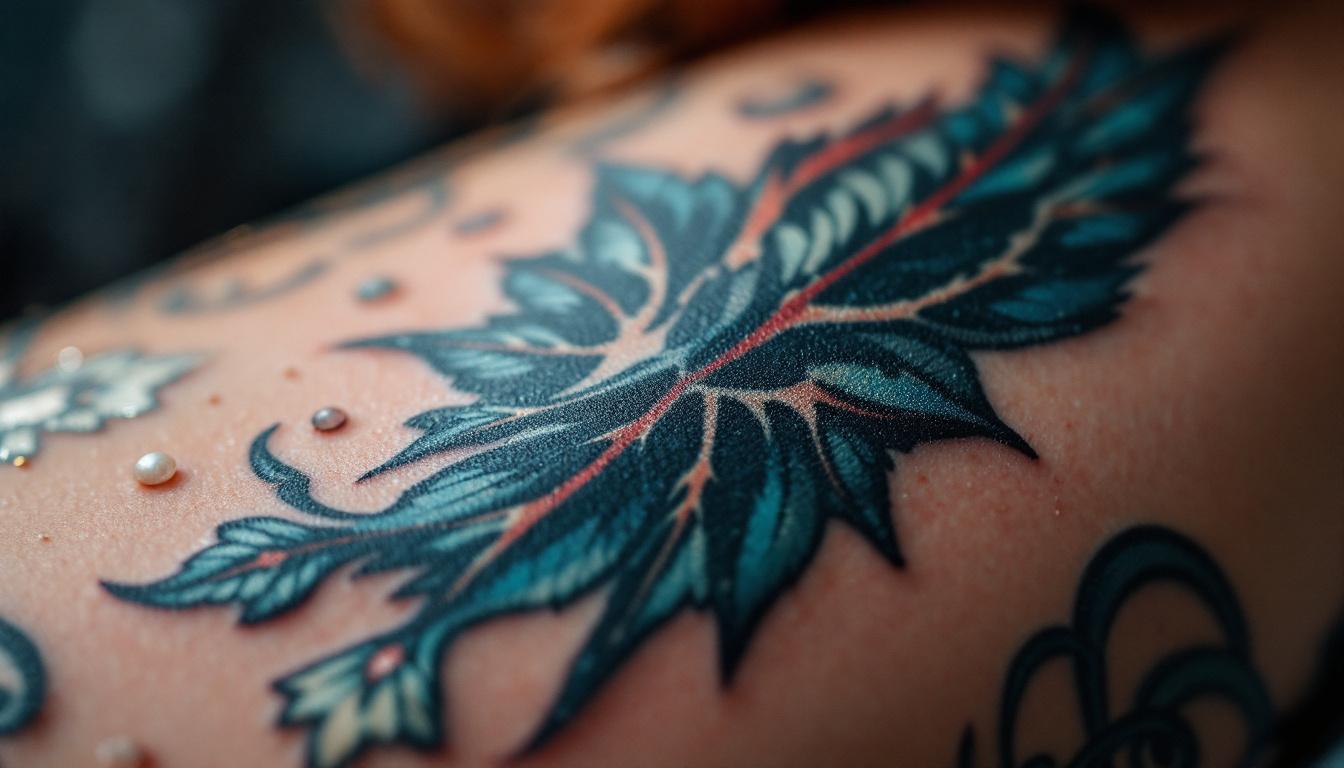
Write alt text like you’re describing it to a friend
Alt text is the line a search engine reads to understand what’s in the photo. It’s also what a screen reader speaks aloud to a visitor who can’t see the image. Both matter. Both want the same thing: a plain description.
If the photo shows a tribal piece on a calf, write “black tribal tattoo wrapping the calf.” Include the style and placement, skip the keyword cramming. Alt text written for robots reads badly to everyone. Write it for a person and the ranking follows.
Want the longer version of this? I wrote a whole piece on writing alt text for tattoo photos that goes deeper than I can here.
Captions do more than you’d think
A caption gives a visitor context the second they land. What the piece is, what inspired it, how long it took. That context keeps people on the page instead of bouncing back to the search results, and time-on-page is something Google watches.
Captions also travel. A photo with a real story attached gets shared and saved more than a bare image. On Instagram and Pinterest especially, the words you put under the work decide whether anyone engages with it.
Local search is where most of your clients are
Nobody flies across the country for a tattoo. They search “tattoo artist near me” or “[your city] fine line tattoo,” and Google leans heavily on location to answer. That works in your favor, because you only compete with the shops around you.
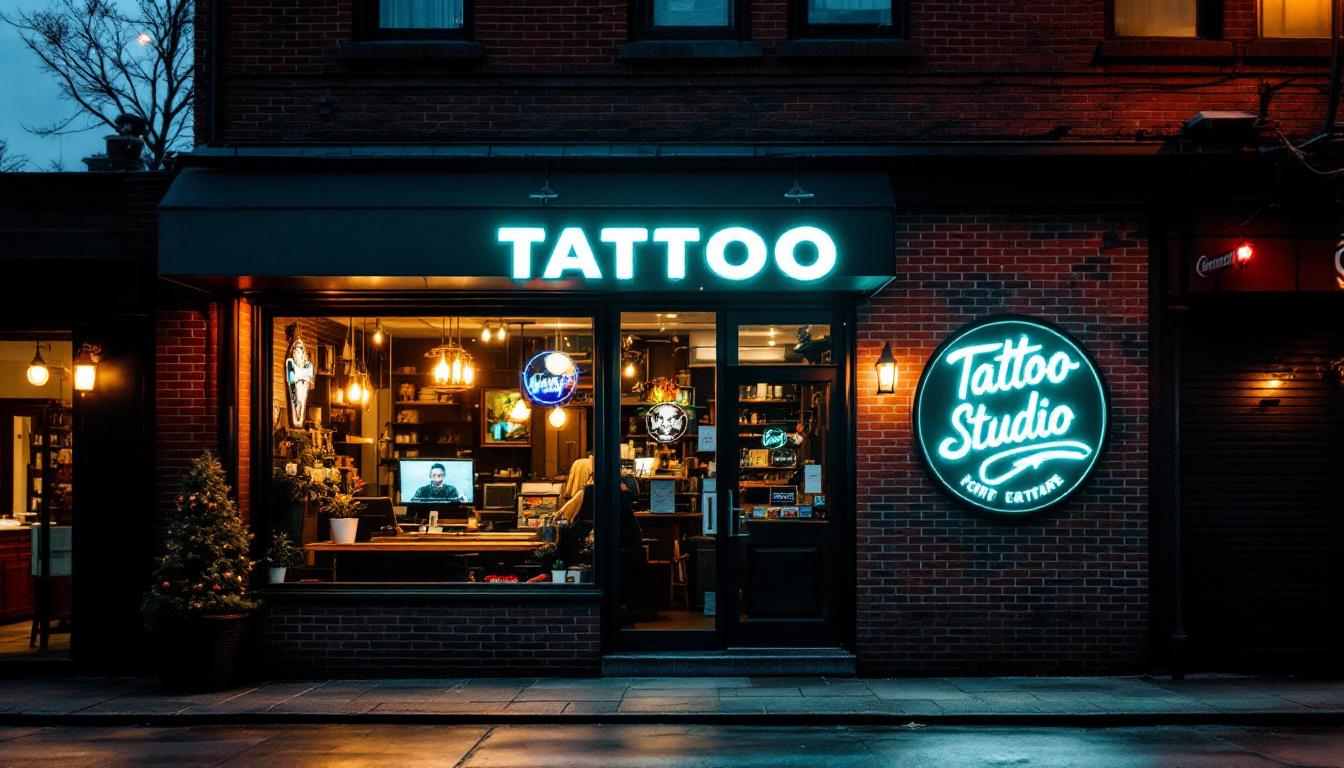
Put your city in your filenames, your alt text, and your captions, the same way I described above. Claim your Google Business Profile and post real photos to it. Those listing photos show up in local results and the map pack, which is exactly where someone ready to book is looking.
Let happy clients build your portfolio
The photos your clients post of healed work are some of the best marketing you have. They’re proof from a real person, not a polished shot you staged yourself. Encourage clients to tag you, then ask permission to repost.
User photos round out your gallery with placement, lighting, and skin tones you might not have shot yourself. Stack that alongside your own images and a prospective client sees the full range of what you do.
Organize and store your images so the work pays off
Keep your images in clear, named folders instead of a pile of camera dumps. When everything’s labeled by style or date, updating your site is quick and search engines crawl it without tripping. A messy library is the reason artists stop updating their portfolio at all.
Turn on lazy loading so images below the fold only load when someone scrolls to them. The page feels faster, which helps both the visitor and your ranking. Most modern site builders do this for you with a setting.
Build a portfolio someone actually wants to browse
A portfolio isn’t a dumping ground for every photo you own. Sort it by style, theme, or placement so a visitor can find the kind of work they came for in a couple of taps. Group your fine line together, your color realism together, your blackwork together.
Show range inside each group. A few angles, a close-up of the linework, a healed shot. That helps someone picture the piece on their own skin, which is the moment they decide to book. Pull your strongest pieces into a featured section up top so the first thing anyone sees is your best.
If you’d rather not wrestle with all of this by hand, a booking platform like Apprentice keeps your portfolio, your gallery, and your client work in one place, organized and ready to share.
Check your work on a phone, then check it again
More people open your portfolio on a phone than a laptop. If your images don’t load fast and look sharp on a small screen, you lose the client deciding between you and the shop down the street. Open your own site on your phone and time it. Be honest about what you find.
Run a quick audit every few months. Recompress anything heavy, fix missing alt text, retire old shots that no longer represent your work. Image SEO isn’t one big project. It’s a small habit that keeps your best work in front of the people searching for it.
Want a single place to manage your portfolio, bookings, and client photos without piecing together five different tools? Start a free trial of Apprentice and see how much easier the back end of your shop can be.

Jason Howie
Founder & CEO
Jason Howie is the founder of Apprentice, passionate about empowering tattoo artists and shops with better tools to manage their business and serve their clients.