The tattoo industry is shifting fast. New styles are popping up every month. Old ones are getting reinvented. And clients are walking in with references that didn’t exist two years ago. The global tattoo market was valued at USD 2.43 billion in 2025, with projections pushing toward nearly $6 billion by 2034. That kind of growth means more clients, more competition, and more pressure to stay current. Whether you’re an artist trying to keep your portfolio fresh or a shop owner watching what’s booking, understanding the latest tattoo trends and what’s gaining popularity right now isn’t optional. It’s how you stay relevant. It’s how you fill your calendar. It’s how you keep doing what you love. This breakdown covers what’s moving the needle in 2025: from styles and ink tech to placement choices, cultural shifts, and the ethics behind the work.
The Evolution of Modern Tattoo Aesthetics
Tattoo aesthetics have always been cyclical. Bold traditional work dominated for decades. Then watercolor had its moment. Now we’re watching two very different movements gain ground at the same time: hyper-detailed micro work and bold, digital-inspired graphic styles. Both reflect a client base that’s more educated about tattoo art than ever before.
People aren’t just picking flash off the wall anymore. They’re curating their bodies like galleries. And they expect artists to execute at a level that matches what they see on Instagram and TikTok. That dual demand for precision and personality is reshaping what gets booked.
Fine Line and Micro-Realism
Fine line work has been climbing for years. But micro-realism is where it’s really exploding. Think tiny portraits, miniature landscapes, and photorealistic animals packed into a two-inch space. The skill ceiling here is absurdly high. Not every artist can pull it off, and clients know that.
Single-needle machines and smaller groupings have made this style more accessible from a technical standpoint. But execution still separates good from great. A micro-realistic piece that looks stunning on day one can blur into a gray smudge in five years if the artist doesn’t understand skin texture, ink saturation, and placement.
If you’re booking a lot of fine line requests, be honest about longevity. Clients respect transparency. Tell them what will hold and what might need a touch-up. That trust builds repeat business.
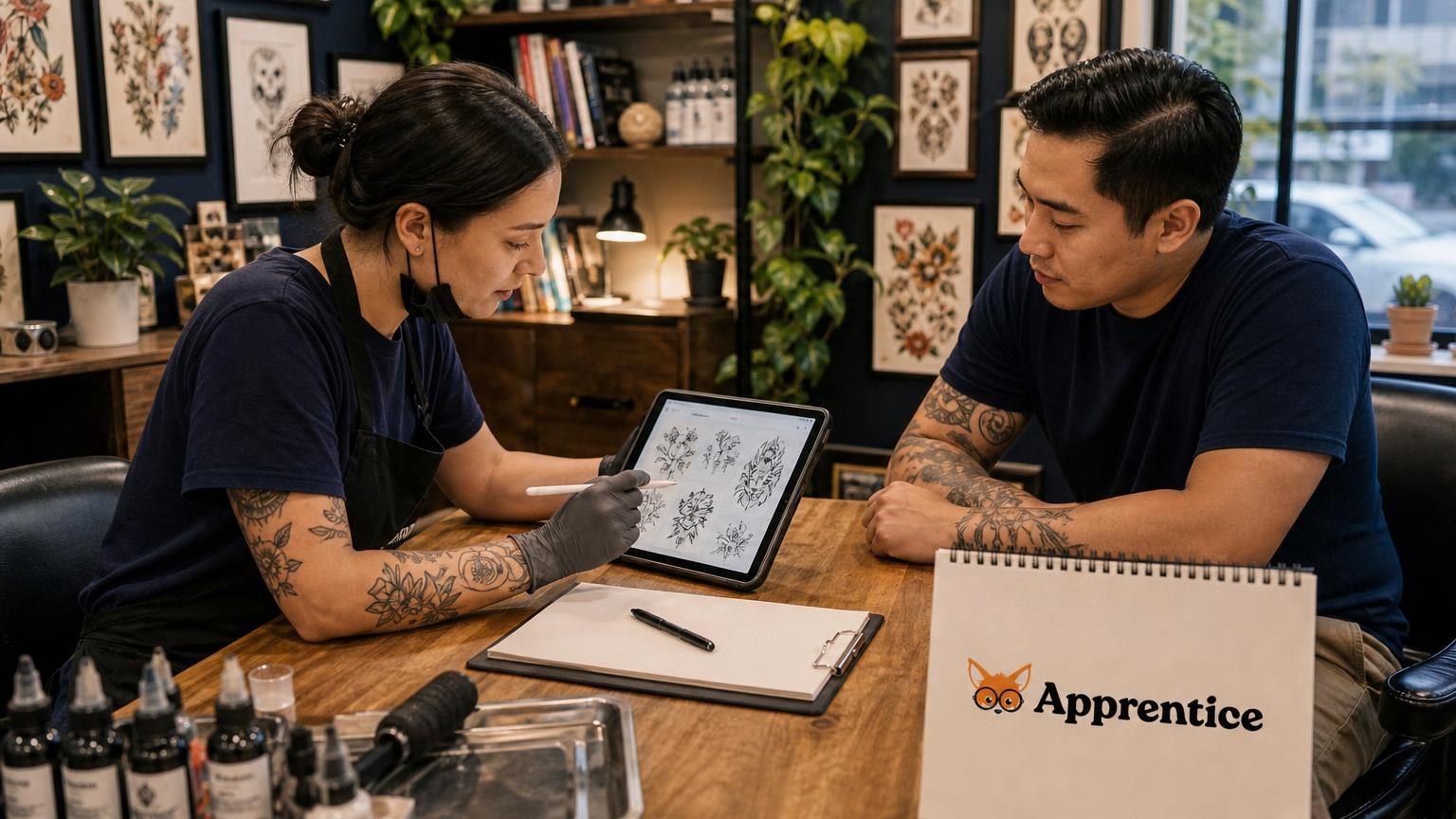
For shops managing a high volume of these detailed consultations, tools like Apprentice can help. You can store client references, design drafts, and notes in one project hub per tattoo. Nothing gets lost between the consult and the chair.
The Resurgence of Tribal and Cyber-Sigilism
Tribal tattoos got a bad rap in the early 2000s. But they’re back, and they look nothing like what your uncle got in 1998. Modern tribal pulls from Polynesian, Maori, and Filipino traditions with far more cultural intentionality. Artists who specialize in this work often study directly under cultural practitioners. That matters.
Cyber-sigilism is the other side of this coin. It blends sharp, symmetrical linework with a digital, almost alien aesthetic. Think circuit-board patterns merged with occult symbols. It’s popular with younger clients who want something that feels futuristic and personal at the same time.
Both styles favor bold black ink and strong contrast. They age well. And they photograph beautifully, which is half the battle for artists building a following online. If you’re not showcasing this kind of work on your portfolio page, you’re leaving bookings on the table.
Innovative Ink Technologies and Colors
The ink itself is changing. We’re past the days when your only real choices were black, gray wash, and a handful of colors that faded unpredictably. New formulations are opening up creative territory that didn’t exist five years ago. And clients are asking for it by name.
UV and Glow-in-the-Dark Tattoos
UV-reactive tattoos have moved from novelty to genuine trend. These inks are invisible or nearly invisible under normal light but glow under blacklight. Festival culture and nightlife scenes have pushed demand hard.
The “smart tattoo” market, which includes UV and biotech-responsive inks, is projected to grow at roughly 12.5% CAGR from 2026 to 2033. That’s not a fad. That’s a market segment with real momentum.
But here’s the reality check. Not all UV inks are created equal. Some formulations have raised questions about long-term skin reactions. Do your homework on suppliers. Use inks that have been tested and have a track record. Your reputation depends on it.
Clients love the idea of a “hidden” tattoo. It appeals to professionals who want ink they can reveal on their own terms. That’s a selling point worth mentioning during consultations.
The Rise of Red Ink and Pastel Palettes
Red ink tattoos, with no black outline, have been trending hard on social media. The look is striking: delicate, almost like a pen sketch in crimson. But red ink is also one of the most common allergens in tattooing. You need to screen clients and patch-test when possible.
Pastel palettes are gaining ground too. Soft pinks, lavenders, and muted greens create a watercolor effect that appeals to clients who want something gentle rather than bold. These colors work best on lighter skin tones, and they require more frequent touch-ups. Be upfront about that.
The U.S. tattoo market alone is estimated to reach USD 1.25 billion by 2032. A growing chunk of that revenue comes from clients willing to pay premium prices for specialized color work. If you can master pastel and red ink techniques, you’re positioning yourself in a high-demand niche.
Placement Trends and Body Mapping
Where people get tattooed is shifting just as much as what they get. The rise of minimalist and fine line work has opened up placements that used to be considered impractical. And the “body as canvas” philosophy is driving more intentional, full-body planning.
Behind-the-Ear and Finger Placements
Behind-the-ear tattoos are everywhere. They’re small, discreet, and heal relatively fast. Perfect for first-timers. Finger tattoos are similarly popular but come with a catch: they fade faster than almost any other placement due to constant friction and thin skin.
Be real with clients about finger tattoos. They’ll need touch-ups. Some artists refuse to do them entirely because the results are unpredictable. That’s a valid stance. But if you do take them on, set expectations clearly and document the conversation.
These small placements often book fast and fill schedule gaps nicely. If you’re using Apprentice, you can set up specific booking categories for quick sessions versus full-day pieces. That keeps your calendar organized and your income steady.
Patchwork Sleeves and Sticker-Style Layouts
The traditional sleeve, one cohesive design from shoulder to wrist, isn’t dead. But patchwork sleeves are gaining serious traction. Clients collect individual pieces over time, placed intentionally but not necessarily connected by background shading or a unifying theme.
Sticker-style layouts lean into this. Each tattoo looks like a sticker placed on the skin: clean borders, standalone imagery, deliberate negative space between pieces. It’s playful. It’s flexible. And it lets clients work with multiple artists without worrying about style clashes.
For artists, patchwork clients are gold. They come back again and again. Each visit is a new piece, a new deposit, a new opportunity. Building a relationship with a patchwork collector can mean years of repeat bookings.
Cultural Shifts Toward Minimalist Expression
Bigger isn’t always better. That’s the message coming through loud and clear from booking trends across the industry. North America alone held a tattoo market size of USD 861.68 million in 2024, and a significant portion of that spending went toward smaller, more intentional pieces.
One industry voice put it well: clients want tattoos that feel intentional, flexible, and well-executed, caring more about how a tattoo is done than how big it is or how viral it might go. That shift changes how we approach consultations, pricing, and portfolio building.
Single-Needle Script and Typography
Script tattoos have always been popular. But single-needle script is a different animal. The lines are impossibly thin. The letterforms are precise. And the margin for error is basically zero.
Clients are requesting custom typography more than ever. Song lyrics, coordinates, dates in Roman numerals, single words in elegant fonts. The appeal is personal meaning delivered in a clean, understated package.
If you’re booking a lot of script work, invest time in your lettering skills. Study calligraphy. Practice on fake skin. A wobbly letter in a single-needle script is painfully obvious. There’s no background shading to hide behind.
Pricing small script work can be tricky. The piece takes 20 minutes but requires significant design time and precision. Don’t undersell yourself. Charge for your skill, not just your time in the chair.
Abstract Organic Shapes and Flow Lines
Abstract tattoos are having a real moment. We’re talking flowing lines that follow the body’s natural contours, organic shapes that look like they grew on the skin, and compositions that prioritize movement over representation.
This style borrows from fine art more than traditional tattoo culture. Think Matisse cutouts, Calder mobiles, and Japanese brush painting. It attracts clients who see their body as a canvas for art, not just a surface for symbols.
The beauty of abstract work is its timelessness. It doesn’t reference a specific pop culture moment or trend. It just looks good. And because it follows the body’s anatomy, it tends to age gracefully.
For artists, this style rewards creativity and an understanding of body mechanics. Where does a line look best as it wraps around a forearm? How does a shape change when someone flexes? These are the questions that separate a good abstract tattoo from a great one.
Sustainability and Ethics in Modern Tattooing
The tattoo industry has an environmental footprint. Single-use plastics, chemical-laden inks, petroleum-based aftercare products: it adds up. And a growing number of clients care about it. They’re asking questions. They want to know what’s in the ink and where the supplies come from.
This isn’t a niche concern anymore. It’s becoming a mainstream expectation, especially among younger clients who align their spending with their values.
Vegan Inks and Eco-Friendly Aftercare
Traditional tattoo inks sometimes contain animal-derived ingredients like bone char, gelatin, or shellac. Vegan inks eliminate these. Several reputable manufacturers now produce high-quality vegan formulations that perform just as well as conventional options.
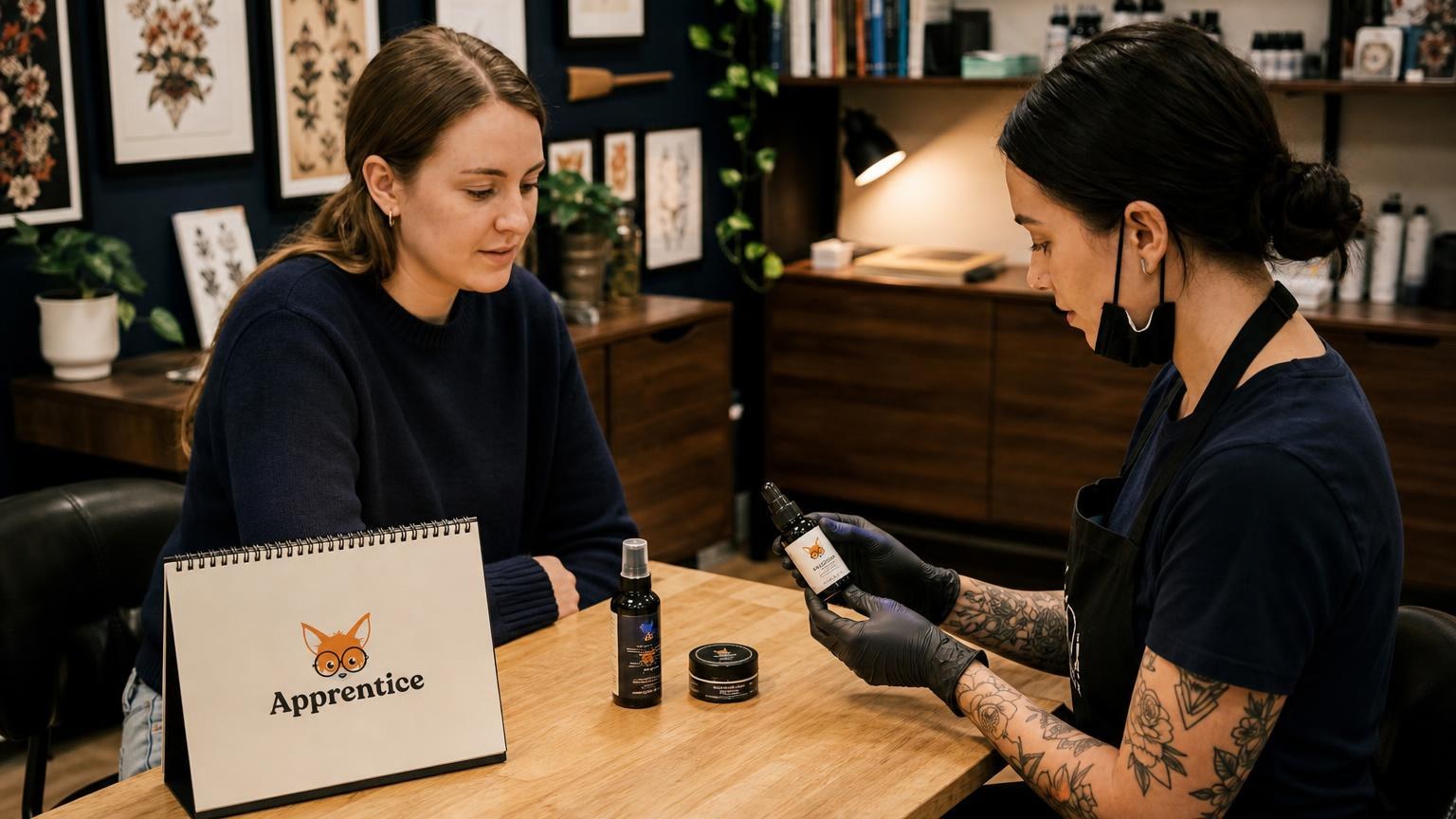
Eco-friendly aftercare is the other piece. Clients are ditching petroleum jelly in favor of plant-based balms and biodegradable bandages. Some shops have switched entirely to sustainable supply chains. It’s a selling point that resonates with a specific (and growing) demographic.
Here’s the business angle: marketing your shop as vegan-friendly or eco-conscious costs almost nothing but attracts clients who are willing to pay more for alignment with their values. Update your booking page. Mention it in your bio. Let people know before they even walk in.
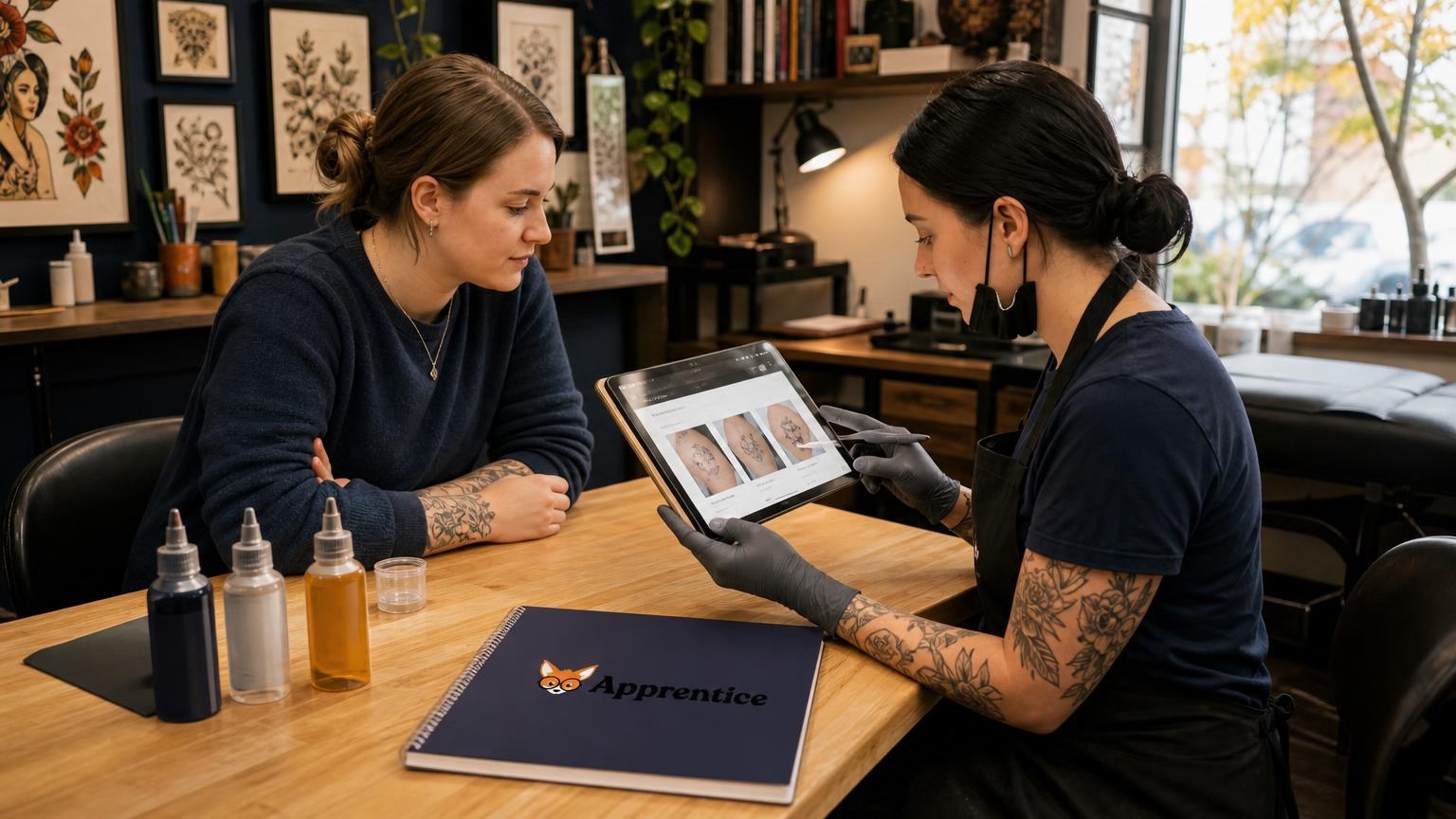
The temporary tattoo segment is expected to account for 56.17% of the global tattoo market share in 2026. Part of that growth comes from clients who want to test designs before committing. Offering temporary previews or placement mockups, something Apprentice’s AI tools can help with, bridges the gap between curiosity and commitment.
Choosing the Right Trend for Your Lifestyle
Trends come and go. Your tattoo doesn’t. That’s the tension every client faces, and it’s your job as an artist to help them find the right balance between what’s popular now and what they’ll still love in 20 years.
Here’s how to think about it:
- Pick a style that matches your pain tolerance and placement preference, not just what looks cool on a screen.
- Consider your professional life. Behind-the-ear and inner wrist placements are easy to conceal. A hand tattoo isn’t.
- Ask your artist about aging. Fine line work and pastels require more maintenance than bold traditional or blackwork.
- Don’t chase virality. A tattoo that’s “trending” on social media might not resonate with you personally in five years.
The best tattoo is one that’s personal, well-executed, and placed with intention. It’s permanent. It’s personal. People want it to be perfect.
If you’re an artist reading this, staying current with trends is part of the job. But so is guiding your clients toward choices they won’t regret. That’s what builds a reputation. That’s what fills your books for years, not months.
And if the admin side of running your business is eating into your creative time, consider giving Apprentice a shot. You can automate bookings, collect deposits, and manage your client pipeline without the headache. Get started free for 14 days and spend more time doing what actually matters: making great tattoos.

Jason Howie
Founder & CEO
Jason Howie is the founder of Apprentice, passionate about empowering tattoo artists and shops with better tools to manage their business and serve their clients.