You remember the client who wanted the half-sleeve finished “after the holidays.” You remember it for about three weeks. Then a fresh wave of consults, deposits, and reschedules buries it, and that half-sleeve never gets booked. Nobody dropped the ball on purpose. The ball just rolled off the desk while you were tattooing.
That’s the real problem a client system solves. Not “managing relationships” in some corporate sense. Just not forgetting the people who already trust you.
The shop runs on memory until it doesn’t
A solo artist with thirty regulars can hold most of it in their head. Names, styles, who’s a bleeder, who needs the numbing cream, who’s good for a same-week reschedule. It works. Right up until you hit a couple hundred clients, or you add a second artist, or you have one busy month where three things slip at once.
A client management system is just the place all of that lives so it’s not living in your head. Contact info, what you’ve already done on them, what they said they wanted next, when they last came in. Boring stuff. The boring stuff is the whole point. When a regular texts “you free this month?” you want to answer from notes, not from a guess.
What it should actually track
Skip the feature lists. Three things matter.
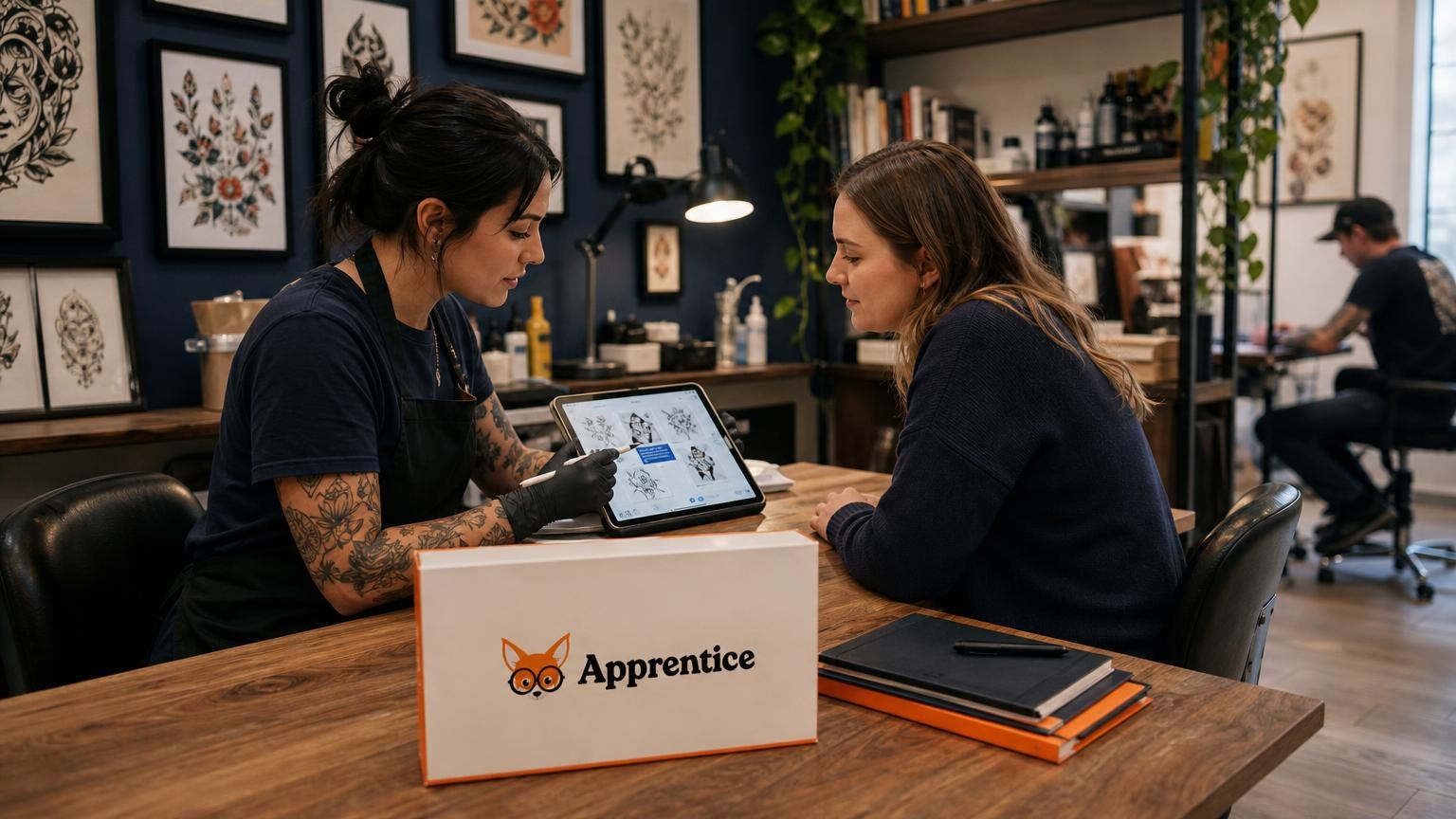
The first is history. Every piece you’ve done on someone, plus the notes you’d want before the next session. Healing quirks, color choices that worked, the design they mentioned wanting once they save up. Pull that up before they sit down and the consult is half done already.
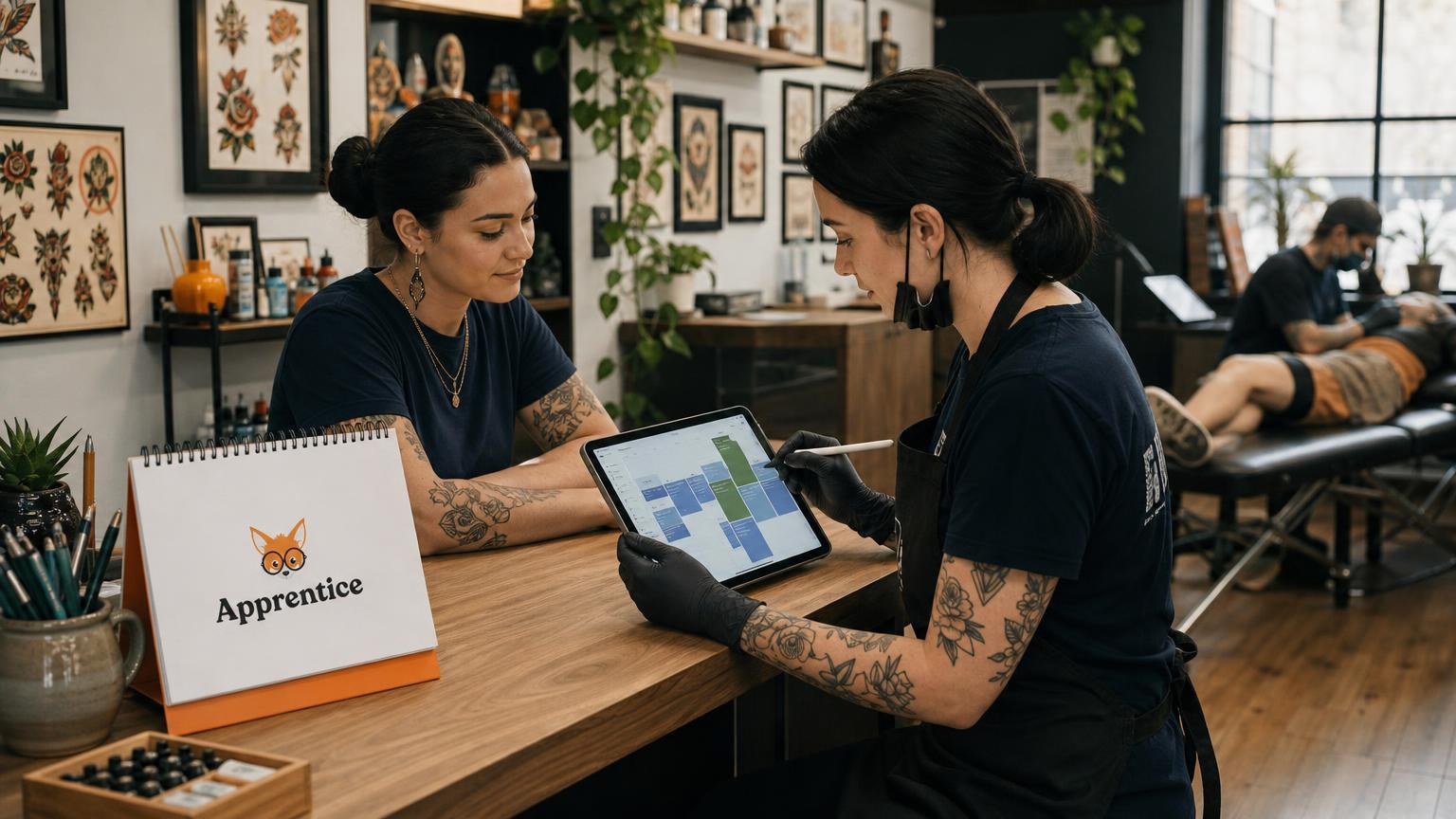
The second is the calendar. Online booking that doesn’t double-book you and sends the reminder so you’re not chasing no-shows the night before. A tattoo appointment is a big chunk of someone’s day and a big chunk of yours. A missed one costs both of you.
The third is the nudge. Most repeat work doesn’t come back on its own. The client meant to book the next session and life happened. A system that flags “this person hasn’t been in since March and wanted a second piece” turns a forgotten lead back into a paying afternoon. That’s the part that quietly pays for itself.

The honest downsides
Setting one up is work. You’ve got to put your existing clients in, learn the thing, and get your routine to bend around it for a week or two before it feels natural. If you’ve got a second artist, they have to use it too, or you’ve just made a fancier sticky note. The cost is real on a tight month.
So weigh it against what slipping clients already cost you. One regular who never rebooked because nobody followed up is more than a month of software. Frame it that way and the math usually isn’t close.
There’s also the data side, and it’s not optional. You’re holding people’s phone numbers, sometimes photos of healed and unhealed skin, sometimes ID for age verification. Pick a system that takes that seriously, and don’t let staff screenshot client info into a group chat. Trust is the entire business. Leaking someone’s info burns it for good.
Where this is going
Two shifts are worth watching. One, more of this lives on your phone now, which matters if you guest spot, travel for conventions, or just don’t sit at a front desk. You should be able to check a client’s history and confirm a booking from the chair.
Two, the line between your booking system and your social presence is thinning. A lot of first contact happens in DMs. The closer your inquiries, your calendar, and your client notes sit to each other, the less falls through the gap between an Instagram message and an actual appointment.
None of this replaces being good at tattooing. It just stops the admin from eating the hours you’d rather spend tattooing, and keeps the people who already love your work from drifting off because you got busy.
Try it on your own client list
Apprentice keeps your bookings, client history, and follow-ups in one place, built for how tattoo shops actually run. Put a week’s worth of clients in and see what you’ve been forgetting. Start your free trial and find out how much repeat work is hiding in your own notes.

Jason Howie
Founder & CEO
Jason Howie is the founder of Apprentice, passionate about empowering tattoo artists and shops with better tools to manage their business and serve their clients.