A tattoo fades for reasons. Sun, friction, cheap ink, a rushed heal. None of it is mysterious, and almost all of it is in your control. Here’s what actually keeps a piece looking the way it did the day you left the chair.
Choose a Reputable Artist
This is the decision that matters most, and it happens before a single needle touches your skin. A good artist packs the ink at the right depth, in clean lines, with color saturation that holds. A bad one leaves you with something that blurs and fades inside a couple of years, no matter how well you take care of it.
Look at healed work, not fresh photos. Fresh tattoos always look great. Ask to see pieces that are a year or more old, and read what past clients actually say. A real portfolio answers most of your questions before you book.
The hygiene side is non-negotiable too. Single-use needles, proper sterilization, gloves. If a shop feels sketchy, it is. Tattoos keep getting more common among younger Americans, per the ZipDo Education Reports, which means more shops, and not all of them hold the same standard.
Opt for High-Quality Ink
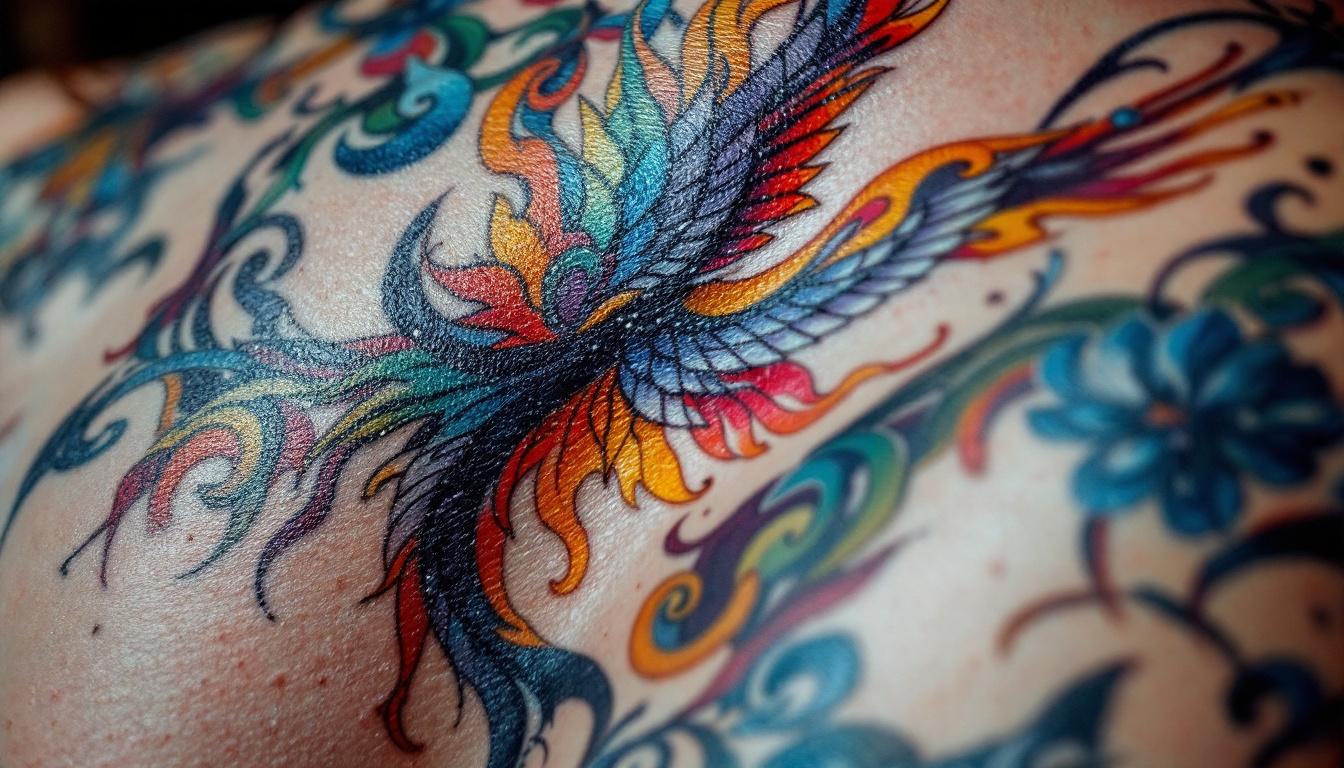
Ink is where cheap shops cut corners, and it’s where you pay for it later. Lower-grade pigments fade faster and wash out, so a bold piece turns muddy in a few years. Good ink is built to stay saturated.
There’s a safety angle too. Some pigments cause reactions, and the chemistry of what’s actually in tattoo ink has gotten real scrutiny, as covered in Chemical & Engineering News. Ask your artist what brands they use. A good one will tell you without hesitating.
Follow Aftercare Instructions
The first two weeks decide a lot. A tattoo is an open wound, and how it heals shows up in how it looks for the rest of its life. Skip the aftercare and you risk infection, heavy scabbing, and patchy spots where the ink lifts out.
Your artist gives you a routine for a reason. Wash it the way they say, use what they recommend, and don’t pick at it. The boring version of aftercare is the one that works.
Keep Skin Moisturized
Dry skin flakes, and flaking pulls ink. Keeping the area moisturized through the heal protects the saturation while it’s setting. Use a fragrance-free lotion or a dedicated tattoo balm, thin layers, not goop.
It doesn’t stop mattering once you’re healed. Skin that stays supple holds color better and longer than skin you let dry out. Moisturized skin ages slower, and so does the tattoo on it.
Avoid Sun Exposure
UV light breaks down tattoo pigment. This is the single biggest reason old tattoos look washed out, and it’s not a maybe. It’s how the molecules behave.
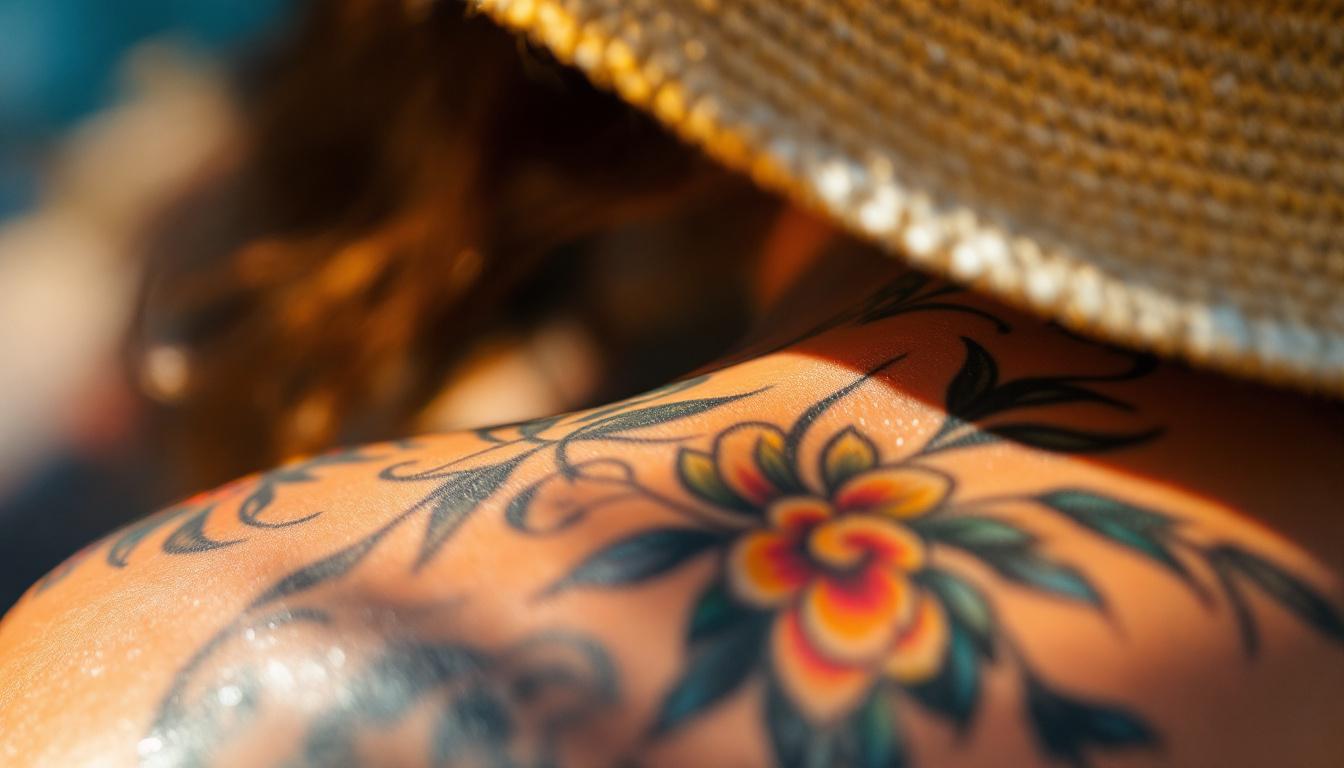
While it’s healing, keep it covered and out of the sun completely. Once it’s healed, sunscreen becomes your habit for life. SPF 30 or higher on any exposed piece, every time you’re outside for a while. Shade and long sleeves do the rest.
Sun protection is a skin health move on its own. Research from groups like the team led by Jennifer Doherty, PhD, at Huntsman Cancer Institute looks at tattoos and skin cancer risk, and watching your skin matters whether you’re inked or not.
Stay Hydrated
Hydrated skin is plump and elastic. Dehydrated skin is thin and dull, and ink under thin, dull skin reads the same way. Drinking enough water won’t make a faded tattoo bright again, but keeping your skin in good shape helps a healthy one stay that way.
It also smooths the heal. Skin that’s working with you settles ink more evenly than skin you’ve left parched.
Limit Friction on Tattoo
Friction quietly wears tattoos down. A waistband over a hip piece, a watch strap on a wrist, a backpack on a healing shoulder. Constant rubbing in one spot lifts ink and softens lines over the years.
While a tattoo heals, this is critical. Loose, soft clothing over the area, and no scrubbing it in the shower. Long term, just notice the spots where something rubs every day, and give them a break when you can.
Consider Placement Carefully
Where a tattoo goes changes how it ages, not just how it looks. Spots with thicker skin and less sun, like the upper arm, back, or thigh, hold detail well. Hands, fingers, and feet are the opposite. Thin skin, constant use, and fast regeneration mean they fade quickest of anywhere on the body.
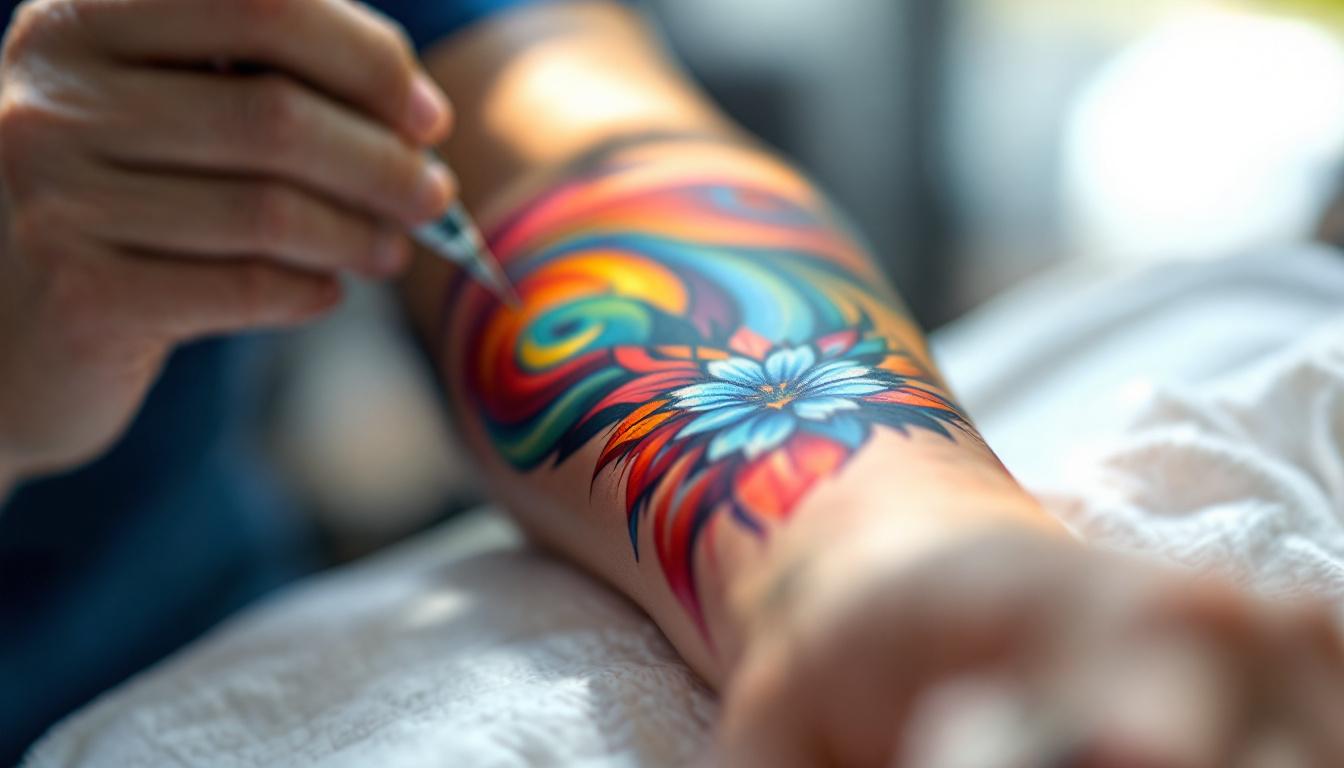
Bodies change too. Skin that stretches or sags over the years pulls a tattoo with it. If you want fine detail to stay readable for decades, put it somewhere stable. That’s a conversation worth having with your artist before you commit, not after.
Get Regular Touch-Ups
No tattoo stays perfect forever, and that’s normal. A touch-up every few years refreshes the spots that have softened and brings back the contrast. Small corrections make an old piece look intentional again.
Color and fine linework need this more than bold blackwork. Stay in touch with your artist, and handle the fading before it’s obvious instead of after.
Maintain a Healthy Lifestyle
Your tattoo lives in your skin, so your skin’s condition is its condition. Decent sleep, real food, and not smoking all show up in how your skin holds ink over time. None of this is a magic trick. It’s the same stuff that keeps your skin healthy in general, and the tattoo comes along for the ride.
Lasting quality comes from two things working together: a skilled artist who did it right, and you taking care of it after. Get both, and a tattoo stays a sharp piece of art for as long as you want it.
Run your studio as carefully as you run your aftercare
The same attention that keeps ink sharp is what keeps a shop running well. Apprentice handles the business side so you can stay focused on the work: booking, deposits, client records, and design collaboration in one place. Start your free trial and spend less time on admin and more time at the table.

Jason Howie
Founder & CEO
Jason Howie is the founder of Apprentice, passionate about empowering tattoo artists and shops with better tools to manage their business and serve their clients.