You’re sitting in a bar the night before your tattoo appointment. A friend slides a beer your way. “One drink won’t hurt, right?” It’s a fair question. And you’re not the first person to wonder whether you can drink before a tattoo. The short answer: don’t do it. The long answer involves your blood, your skin, your artist’s sanity, and the quality of work you’ll carry for life. A tattoo is permanent. It’s personal. People want it to be perfect. That means the hours before your session matter just as much as the session itself. What you put in your body directly affects the outcome on your skin. So let’s talk about why that pre-tattoo drink is a genuinely bad call, what it does to your body during the process, and how to actually prepare so your appointment goes smoothly for everyone involved.
Why Mixing Alcohol and Tattoos is a Bad Idea
Alcohol and tattoos don’t mix. That’s not some uptight rule from a buzzkill shop owner. It’s basic biology. Drinking before your session creates real, measurable problems for your skin, your healing, and your decision-making. Every experienced artist has stories about clients who showed up after a few drinks. Those stories rarely end well.
Blood Thinning and Heavy Bleeding
Alcohol is a vasodilator. That means it opens up your blood vessels and thins your blood. Even a couple of drinks the night before can have this effect. And when your blood is thinner, you bleed more during the tattoo process.
Excess bleeding isn’t just messy. It actively pushes ink out of your skin as the artist tries to deposit it. Your artist is working against your body instead of with it. The result? Patchy lines, faded color, and sections that need touch-ups weeks later. That costs you more money and more time in the chair.
Heavy bleeders are harder to work on, period. The artist has to constantly wipe away blood, which slows the session and makes it harder to see what they’re doing. A tattoo that should take three hours can stretch to four or five. That’s exhausting for both of you.
The blood-thinning effect of alcohol can last well beyond the buzz itself. Even if you feel sober by appointment time, your blood might still be thinner than normal. A general rule: stop drinking at least 24 to 48 hours before your session.
Poor Healing and Ink Rejection
Your body treats a tattoo like a wound. Because it is one. Thousands of tiny needle punctures deposit ink into the dermis layer of your skin. Your immune system kicks in immediately, working to heal the area while locking that ink in place.
Alcohol suppresses your immune response. That means your body is slower to heal and more prone to infection. Open wounds plus a weakened immune system is a combination nobody wants. Swelling, redness, and prolonged scabbing are all more likely if you’ve been drinking.
Ink rejection is the other risk. When your body bleeds excessively and your immune system is compromised, it’s harder for ink to settle properly. You might notice faded patches or uneven saturation once the tattoo heals. That’s not your artist’s fault. That’s the alcohol working against the process.
Impaired Judgment on Design Choices
This one’s less about biology and more about regret. Alcohol lowers inhibitions. That’s literally its job. And lowered inhibitions lead to impulsive decisions about something that will live on your body forever.
Maybe you walk in wanting a small piece and suddenly decide to go full sleeve. Maybe you pick a design you’d never choose sober. Maybe you ignore that gut feeling telling you to wait. These are the tattoos people post about online with the caption “what was I thinking?”
Your artist wants you to be sharp and present. They want you to give clear feedback during the stencil placement. They want you to speak up if something doesn’t look right. Alcohol dulls all of that. A sober client is a better collaborator, and collaboration is what makes great tattoos happen.
How Drinking Affects Your Tattoo Session
Beyond the skin-deep issues, alcohol changes the entire experience of getting tattooed. It makes the session worse for you and significantly harder for your artist.
Increased Sensitivity and Pain
Here’s the irony. Most people drink before a tattoo because they think it’ll dull the pain. It does the opposite. Alcohol dehydrates your skin and makes your nerve endings more reactive. That means you’ll likely feel more pain, not less. Our full guide to how much tattoos hurt by placement explains what actually drives the sting.
Dehydrated skin is also tougher for the needle to work with. It doesn’t accept ink as smoothly. Your artist has to adjust their technique, which can mean more passes over the same area. More passes equals more irritation and more discomfort for you.
A common thread on tattoo forums is people reporting that drinking the day before made their session noticeably more painful. The consensus from both clients and artists is clear: alcohol makes the pain worse, not better. If you’re nervous about pain, check our interactive tattoo pain chart to see what your placement really feels like, and talk to your artist about numbing cream or breaks during the session. Those are real solutions. Booze isn’t.
Difficulty Staying Still for the Artist
A tattoo requires you to hold a position for extended periods. Sometimes hours. That takes focus, patience, and body control. Alcohol undermines all three.
Fidgeting, twitching, and sudden movements are dangerous during a tattoo. One unexpected jerk can turn a clean line into a blown-out mess. Your artist is working with a machine that punctures skin thousands of times per minute. They need you to be a stable canvas.
Drunk or hungover clients also tend to be chatty, restless, and harder to direct. They shift positions without warning. They reach for their phone at the wrong moment. These disruptions break the artist’s concentration and compromise the work. And here’s the reality check nobody talks about: your artist is probably biting their tongue the whole time. They don’t want to be rude. But inside, they’re frustrated. A client who can’t sit still is one of the most stressful parts of the job. Don’t be that client.
The Artist’s Perspective and Shop Rules
This isn’t just about your experience. It’s about the artist’s livelihood and the shop’s reputation. Every tattoo that walks out the door is a portfolio piece. A walking advertisement. Artists take that seriously.
Legal Consent and Digital Paperwork
Every reputable shop requires signed consent before the needle touches skin. That consent form is a legal document. It confirms you’re sober, aware of the risks, and making an informed decision. If you’re visibly intoxicated, that consent is legally questionable.
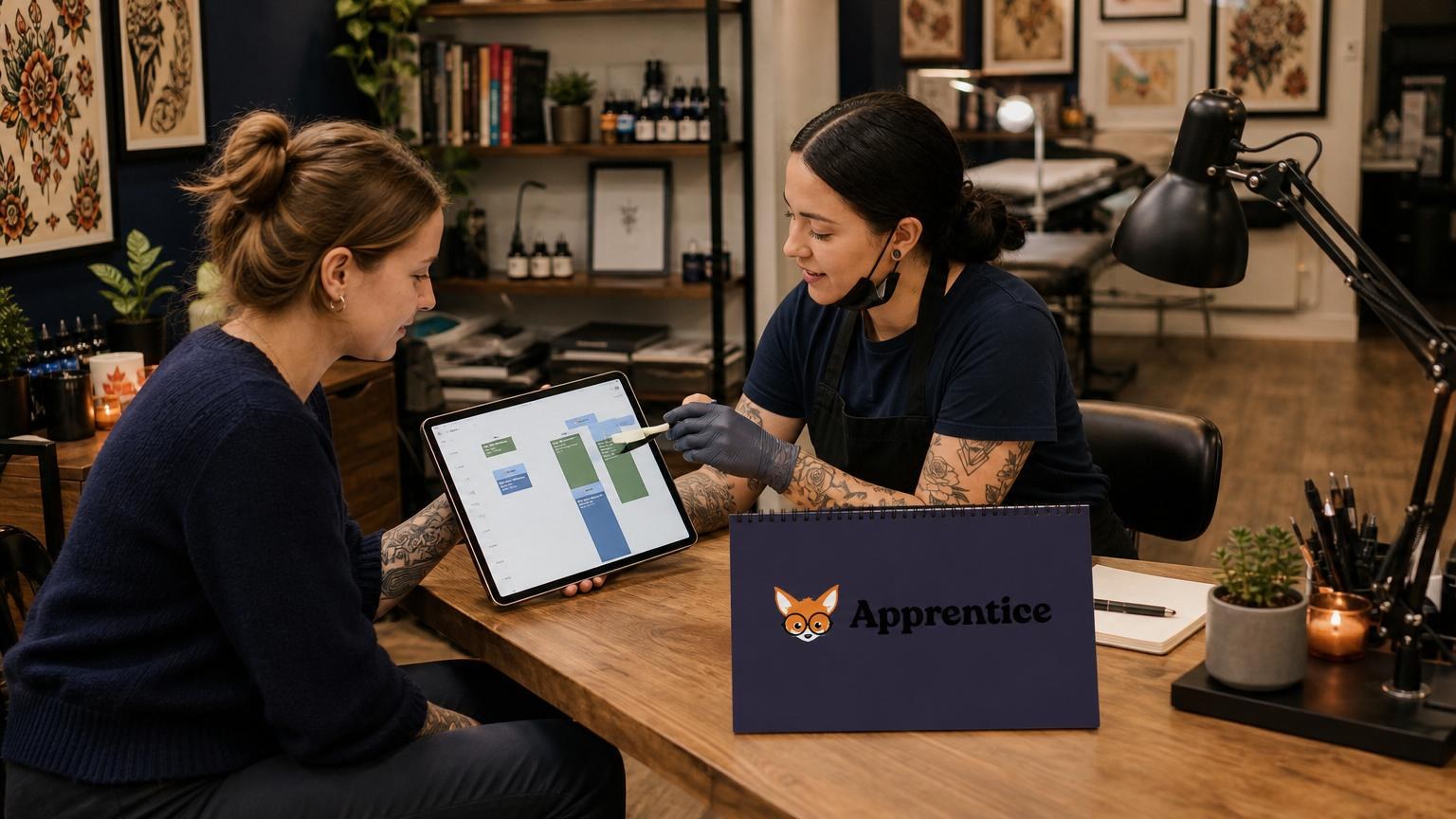
Most shops in 2026 have moved to digital consent forms. Platforms like Apprentice bundle consent, deposits, and prep instructions into a single link clients complete before they arrive. This unified prep flow means the shop knows you’ve read the aftercare rules and agreed to the terms before you walk through the door. But none of that matters if you show up impaired. The paperwork protects both sides, and alcohol makes that protection meaningless.
Shops that skip this step are putting themselves at risk. And clients who lie about their sobriety are putting the artist in a terrible position. Be honest. If you drank the night before, tell your artist. They’d rather reschedule than do subpar work.
Why Artists May Refuse Service
A good artist will turn you away if you’re drunk. Full stop. This isn’t personal. It’s professional.
Tattooing someone under the influence creates liability issues. It produces worse results. And it puts the artist’s reputation on the line. No serious professional wants their name attached to a tattoo done on a bleeding, squirming, impaired client.
Many shops have explicit policies posted at the front desk or on their booking pages. Some will refuse service even if you’ve had just one drink, because the risk isn’t worth it. And honestly? That’s a sign of a good shop. A place that turns away paying customers to protect the quality of their work is a place that cares about the craft.
If you get turned away, you’ll likely lose your deposit too. That’s money gone because of a decision that was entirely avoidable. Respect your artist’s boundaries. They exist for a reason.
Better Ways to Prep for Your Appointment
So you can’t drink. What should you do instead? Plenty. Good prep makes the difference between a smooth session and a rough one. Your body and your artist will both thank you.
Hydration and Healthy Meals
Water is your best friend before a tattoo. Hydrated skin accepts ink better, bleeds less, and heals faster. Start drinking extra water at least two days before your appointment. Not just the morning of.
Eat a solid meal one to two hours before your session. Something with protein, complex carbs, and healthy fats. Think a chicken sandwich, a rice bowl, or eggs and toast. You need sustained energy, not a sugar crash. Getting tattooed on an empty stomach is a fast track to feeling lightheaded or passing out.
Here’s a simple pre-tattoo checklist:
- Drink at least 8 glasses of water the day before
- Eat a filling meal 1 to 2 hours before your appointment
- Get a full night’s sleep (7 to 8 hours minimum)
- Avoid caffeine in excess, as it can also thin your blood slightly
- Skip aspirin and ibuprofen for 24 hours before (they’re blood thinners too)
- Wear comfortable, loose clothing that gives easy access to the tattoo area
These aren’t complicated steps. But they make a real difference in how your session goes and how your tattoo heals.
Reviewing Your Unified Prep Link
If your shop uses a booking platform like Apprentice, you’ll probably receive a prep link before your appointment. This link bundles everything into one place: consent forms, deposit collection, aftercare instructions, and any specific prep your artist wants you to follow.
Read it. Seriously. Don’t just skim and click “agree.” The prep instructions exist because your artist has learned from hundreds of sessions what makes things go right and what makes things go wrong. They might ask you to avoid certain medications. They might remind you not to drink alcohol for 24 hours. They might include notes about moisturizing the area beforehand.
Having all this information in one digital flow means nothing falls through the cracks. You show up prepared, your artist doesn’t have to repeat themselves, and the session starts on time. That’s better for everyone. And from the shop’s side, automating this prep process with tools that handle bookings, deposits, and consent means less time chasing clients and more time doing the actual work.
When is it Safe to Have a Drink After?
You made it through the session. The tattoo looks incredible. Now you want to celebrate. That’s fair. But hold off just a little longer.
Most artists recommend waiting at least 48 to 72 hours after your tattoo before drinking alcohol. Your body is still in active healing mode during that window. Alcohol can increase swelling, slow recovery, and raise infection risk during those critical first days. Some sources suggest waiting even longer for larger or more detailed pieces, since the healing demands are greater.
When you do have that first drink, keep it moderate. A beer or a glass of wine won’t undo your tattoo. But a night of heavy drinking while your skin is still healing? That’s asking for trouble. Your immune system needs to stay focused on repairing the tattooed area. Don’t distract it.
Also keep in mind that alcohol dehydrates you. Healing skin needs moisture. If you’re going to drink, match every alcoholic beverage with a glass of water. And keep up your aftercare routine: washing gently, applying the recommended ointment, and avoiding direct sun on the fresh tattoo.
The bottom line is simple. You’ve invested real money, real time, and real trust in this piece of art. Protecting it for a few extra days isn’t a sacrifice. It’s common sense.
A tattoo is a collaboration between you and your artist. Your job is to show up sober, hydrated, fed, and ready. Their job is to give you something you’ll love for decades. Don’t let a few drinks compromise that partnership. If you’re an artist looking to make sure your clients show up prepared every time, Apprentice can help you automate prep, collect deposits, and send aftercare instructions without the back-and-forth. Get started with a free 14-day trial and see the difference it makes in your shop.

Jason Howie
Founder & CEO
Jason Howie is the founder of Apprentice, passionate about empowering tattoo artists and shops with better tools to manage their business and serve their clients.