The year 2020 changed everything. It changed how we live, how we work, and yes, how we get tattooed. Studios closed their doors. Artists picked up new tools at home. Clients sat with their ideas longer than ever before. And something interesting happened: the tattoo world didn’t slow down. It shifted. The US tattoo industry was estimated to be worth $3 billion that year, proving that demand for ink doesn’t just disappear when the world gets weird. It adapts. Looking back at the tattoo trends of 2020 gives us a real window into how crisis breeds creativity. Some of those trends stuck around. Some faded. All of them tell a story about resilience, adaptation, and the permanent nature of art on skin. This retrospective isn’t about nostalgia. It’s about understanding what happened, why it mattered, and what it means for the artists and shop owners still building their businesses today.
The Cultural Shift and Global Impact on Tattoos
The pandemic didn’t just disrupt the tattoo industry. It cracked it open. Shops that depended on walk-in traffic suddenly had zero foot traffic. Artists who’d never touched a booking link were forced to go digital overnight. And clients, stuck at home with time to think, started wanting tattoos that meant something deeper.
The financial hit was real. Tattoo studios generated $1.35 billion in revenue in 2020, a significant dip from pre-pandemic projections. But the rebound was already baked in. The market size of tattoo artists in the US has grown at a 10.9% CAGR between 2020 and 2025, which tells you the demand never actually died. It just went underground for a while, literally.
The cultural shift was massive. People started treating tattoos less like impulse buys and more like intentional rituals. Lockdowns gave folks months to research artists, refine designs, and save money. When shops reopened, clients showed up with detailed mood boards and clear visions. That changed the artist-client dynamic for good.
The Rise of Home-Based ‘Stick and Poke’ Culture
Here’s the part nobody in the professional world loved: stick and poke blew up in 2020. With studios closed, people grabbed India ink and sewing needles. TikTok and Instagram were flooded with DIY tattoo tutorials. Some of the results were charming. Most were not.
But let’s be honest about what this trend actually represented. It was people craving self-expression during an incredibly isolating time. They wanted to mark the moment on their bodies. They wanted control over something when everything else felt out of control. That impulse is the same one that drives every person through a studio door.
The professional response was mixed. Some artists saw it as disrespectful to the craft. Others recognized an opportunity. A wave of hand-poke artists with real training started offering their services, bridging the gap between the DIY trend and professional quality. That middle ground created a whole new client base: people who discovered tattooing at home and later sought out trained artists for their next piece.
The ugly truth? Some folks got infections. Some got scarring. And that actually reinforced why professional tattooing matters. Bloodborne pathogen training, sterile equipment, and proper technique aren’t just gatekeeping. They’re safety.
Digital Consultations and the Virtual Studio Experience
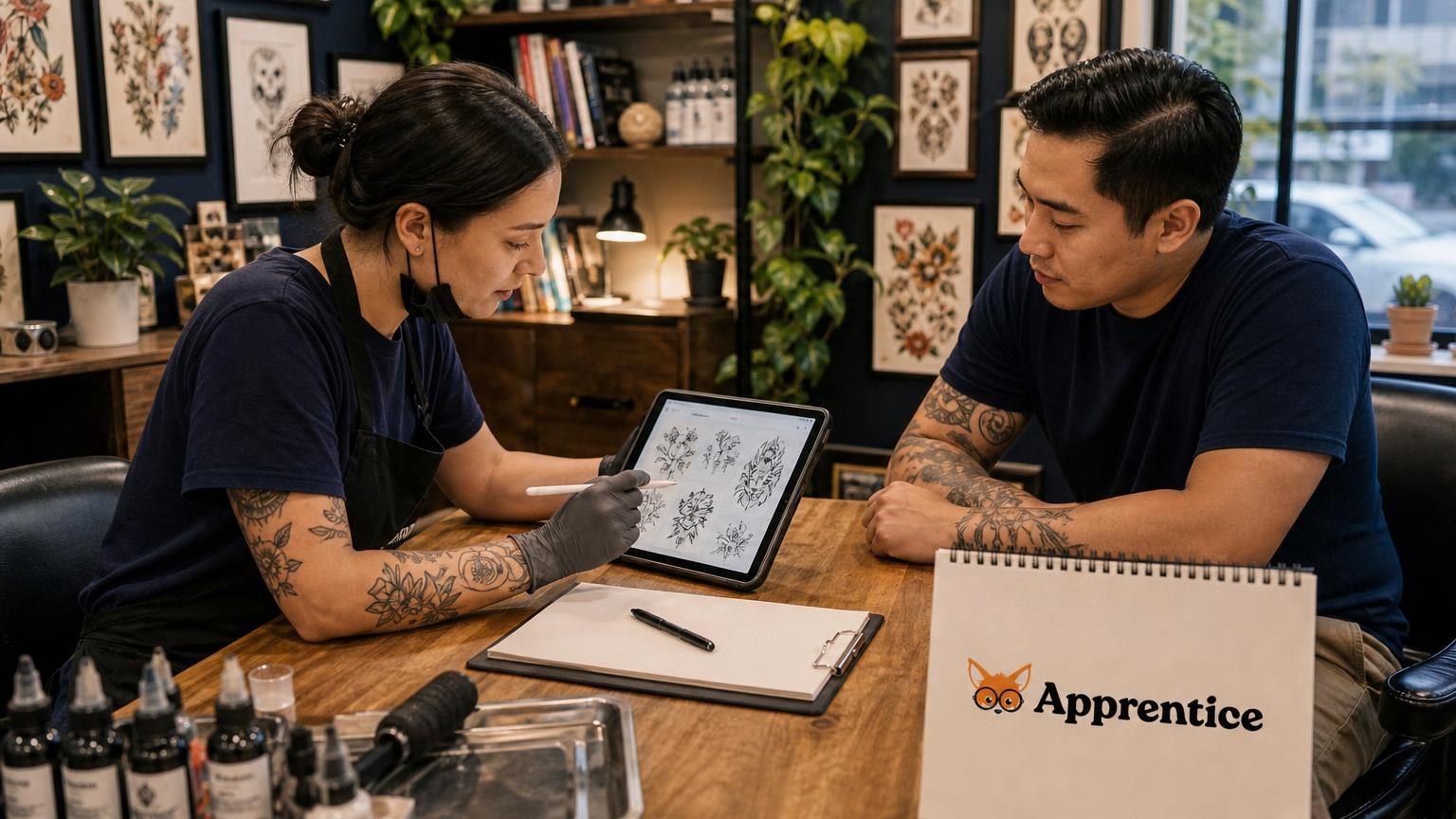
2020 forced artists to build a virtual front door. Video consultations became standard almost overnight. Artists who’d never done a Zoom call in their lives were suddenly presenting design concepts through a screen.
This wasn’t just a workaround. It turned out to be genuinely better for certain parts of the process. Clients could share reference images in real time. Artists could sketch during the call and get instant feedback. The back-and-forth that used to take three in-person visits could happen in one focused video session.
Booking systems became non-negotiable. If you didn’t have an online booking link, you didn’t exist. Platforms like Apprentice helped artists collect deposits upfront and manage consultations without the chaos of DM threads and missed messages. That shift from “DM me to book” to a real booking system was one of 2020’s most lasting changes.
The shops that adapted fastest were the ones that survived. And many of them found that digital tools didn’t replace the in-person experience. They made it better. Clients arrived prepared. Artists had clear direction. No-shows dropped because deposits were already collected. The virtual studio wasn’t a replacement. It was a filter that made the real studio run smoother.
Dominant Aesthetic Styles of the Year
Every year has its look. But 2020’s aesthetic trends were shaped by something more than Instagram algorithms. They were shaped by isolation, introspection, and a hunger for meaning. The styles that dominated weren’t random. They reflected a collective mood.
Fine Line Minimalism and Micro-Realism
Fine line work owned 2020. Thin, delicate lines. Tiny portraits. Miniature landscapes on wrists and ankles. The trend had been building for years, but 2020 pushed it into the mainstream. Industry observers noted that minimalistic tattoos and illustrative black line-work styles would continue to dominate, and they were right.
Micro-realism took fine line work to another level. Artists were creating photorealistic portraits smaller than a credit card. Pet portraits, loved ones’ faces, tiny architectural details: the precision required was staggering. This style demanded high-quality machines, perfect needle groupings, and an incredibly steady hand.
For artists, this trend was a double-edged sword. Clients loved the look but didn’t always understand the limitations. Fine line tattoos age differently than traditional work. They can blur, spread, and lose definition over time. Managing expectations became a huge part of the consultation process. Artists who were upfront about longevity built more trust than those who just said yes to everything.
The business angle mattered too. Fine line pieces are often small. They’re quick. But they command premium prices because of the skill involved. Smart artists priced based on complexity, not just size. That pricing shift helped many artists maintain healthy margins even with shorter session times.
Cyber-Tribalism and Neo-Tribal Revivals
While minimalism ruled one side of the spectrum, something bolder was happening on the other. Neo-tribal designs made a serious comeback in 2020. But these weren’t your uncle’s barbed wire armbands.
The new tribal work pulled from Polynesian, Maori, and Indigenous patterns with more cultural awareness than the 90s version ever had. Artists studied traditional meanings. Clients sought out practitioners with genuine cultural connections to the designs. The conversation around cultural appreciation versus appropriation got louder, and that was a good thing.
Cyber-tribal was the wilder cousin. Think: geometric patterns merged with circuit board aesthetics. Blackwork that looked like alien technology. These designs appealed to a younger demographic drawn to futurism and digital culture. They photographed incredibly well, which made them Instagram gold.
The reality check here is important. Some artists jumped on the tribal revival without doing the homework. Copying sacred patterns without understanding their significance isn’t just disrespectful. It’s bad business. Clients who care about authenticity will call it out. And they should. The artists who thrived in this space were the ones who either had cultural roots in the traditions or collaborated respectfully with those who did.
Vibrant Color Realism and Watercolor Techniques
Color realism had a moment in 2020. Hyper-saturated portraits, nature scenes that looked like photographs, and watercolor splashes that seemed to bleed right off the skin. These pieces were showstoppers on social media and brought a lot of new clients into studios.
Watercolor tattoos specifically attracted people who’d never considered getting tattooed before. The soft edges and painterly quality felt less intimidating than traditional bold-line work. It opened the door for a demographic that saw tattoos as fine art, not rebellion.
But here’s what experienced artists know: color realism is brutally difficult. It requires deep knowledge of color theory, skin undertones, and how pigments heal over time. A piece that looks perfect fresh can shift dramatically in six months. Artists who specialized in this style invested heavily in continuing education and premium pigments.
The aftercare conversation was critical for these pieces. Color work demands strict sun protection and proper healing. Artists who sent automated aftercare instructions through tools like Apprentice saw better healed results and happier clients. That follow-up wasn’t just good service. It was protecting the work.
Popular Placement Trends and Symbolism
Where you put a tattoo matters as much as what you get. 2020 had its own geography of the body, and it told us a lot about what people were feeling.
The Popularity of Ear and Finger Adornments
Ear tattoos exploded in 2020. Behind the ear, along the helix, on the tragus: these tiny placements became the new piercing. They were discreet enough for professional settings but visible enough to feel personal. For many first-timers, an ear tattoo was the perfect entry point. Small commitment. Low pain threshold for most people. High style payoff.
Finger tattoos had a similar appeal but came with a well-known catch: they fade fast. The skin on your fingers regenerates quickly. Friction from daily use wears the ink down. Artists spent a lot of 2020 explaining this to clients who wanted matching couple tattoos on their ring fingers.
The honest conversation went like this: “I’ll do it. It’ll look great for about a year. Then you’ll probably need a touch-up. And another one after that.” The artists who were transparent about this built better relationships than those who just took the money and moved on.
These micro-placements also changed how artists thought about pricing. A finger tattoo takes 15 minutes but requires the same setup, sterilization, and consultation as a larger piece. Shop minimums became more important than ever. If you weren’t charging a minimum that covered your overhead, these small pieces could actually cost you money.
Meaningful Motifs: Nature, Astrology, and Resilience
The subject matter of 2020 tattoos told the emotional story of the year. Nature imagery surged. Trees, mountains, waves, flowers: people wanted to carry the outdoors on their skin when they couldn’t actually go outside. It was grounding. It was hopeful.
Astrology tattoos hit peak popularity. Zodiac signs, constellation maps, planetary symbols: the astrology boom that had been building on social media translated directly into tattoo requests. About 36% of US citizens age 18-29 have at least one tattoo, and a significant chunk of that demographic was deep into astrology culture.
Resilience symbols were everywhere. Semicolons for mental health awareness. Phoenix imagery for rebirth. Dates marking personal losses or milestones from the pandemic. These weren’t trend tattoos. They were memorial tattoos. They were survival tattoos. And they required a different kind of consultation: one with empathy, patience, and genuine listening.
Artists who handled these emotional sessions well earned clients for life. It’s permanent. It’s personal. People want it to be perfect. That truth hit differently in 2020 when the stakes of every interaction felt higher.
Technological Advancements in Ink and Aftercare
2020 wasn’t just about style changes. The tools and materials evolved too. And some of those advancements quietly changed the industry for good.
Advancements in Vegan and Organic Ink Formulations
The push for vegan tattoo ink gained serious momentum in 2020. Traditional inks often contain animal-derived ingredients like bone char, shellac, and glycerin from animal fat. A growing number of clients started asking about what was going into their skin, not just what was going on it.
Manufacturers responded. New vegan and organic ink lines hit the market with improved color saturation and consistency. These weren’t the watered-down alternatives of previous years. They performed on par with traditional inks and gave artists a genuine choice.
For shops, stocking vegan ink became a selling point. It attracted environmentally conscious clients and those with specific ethical concerns. Some studios went fully vegan and built their entire brand around it. The profit margins on tattoo work remained strong: tattoo shops carry an average profit margin of 55% after expenses, and switching to premium vegan inks didn’t significantly change that equation.
The bigger shift was in transparency. Clients wanted ingredient lists. They wanted to know the brand of ink being used. Smart artists added this information to their consultation process and even included it in their booking confirmations. That level of openness built trust before the needle ever touched skin.
The Evolution of Medical-Grade Healing Films
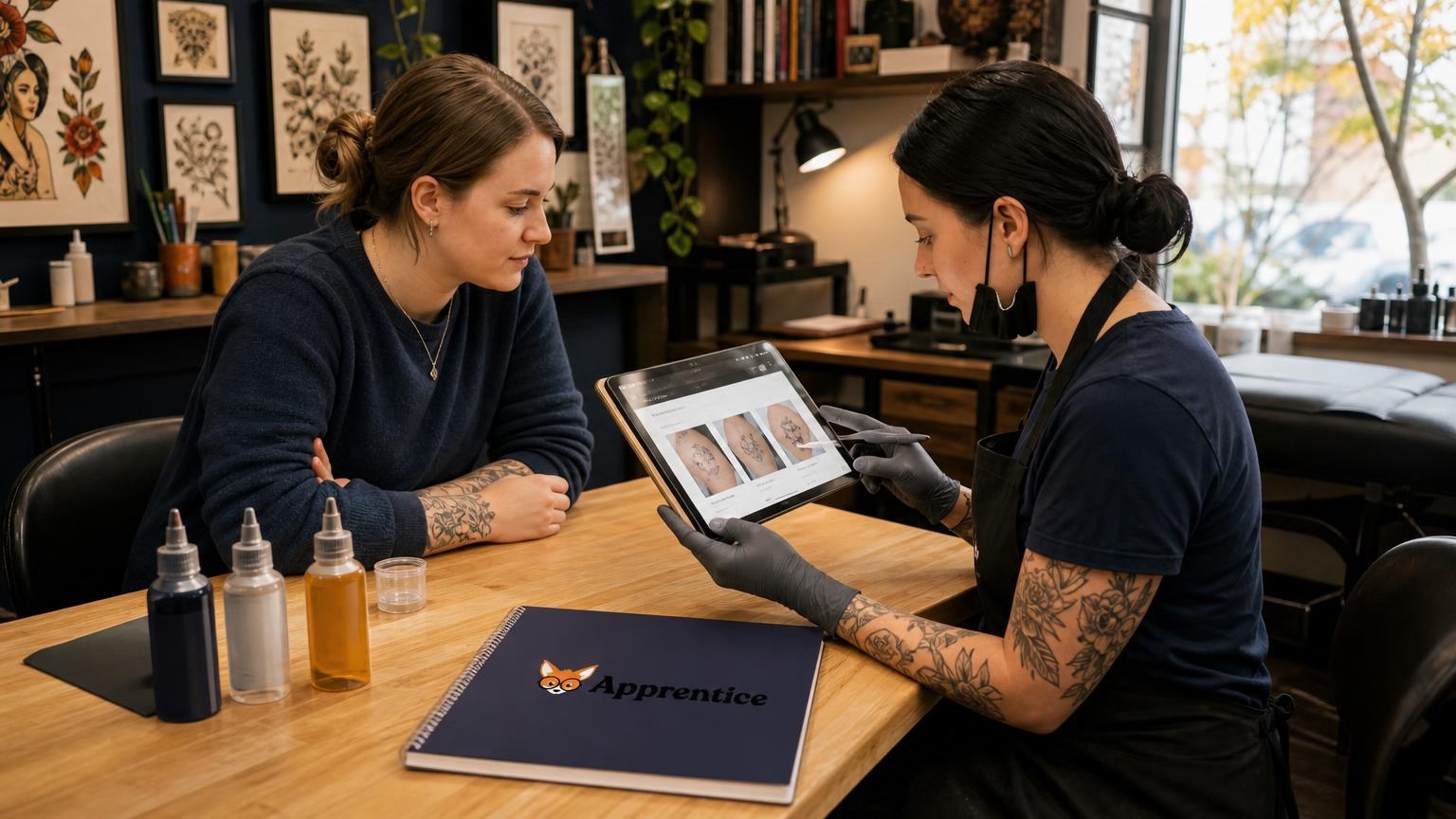
Aftercare technology took a real step forward in 2020. Medical-grade healing films, sometimes called second-skin bandages, became mainstream in professional studios. These transparent adhesive films replaced the old plastic wrap method and dramatically improved healing outcomes.
The science is straightforward. These films create a sealed, breathable environment that keeps bacteria out while letting the tattoo heal in its own plasma. No more waking up stuck to your bedsheets. No more paranoid rewrapping. Clients loved the convenience. Artists loved the results.
The cost was higher than a roll of plastic wrap, obviously. But the reduction in touch-up requests made it worth every penny. A well-healed tattoo means a happy client. A happy client means referrals, repeat business, and five-star reviews.
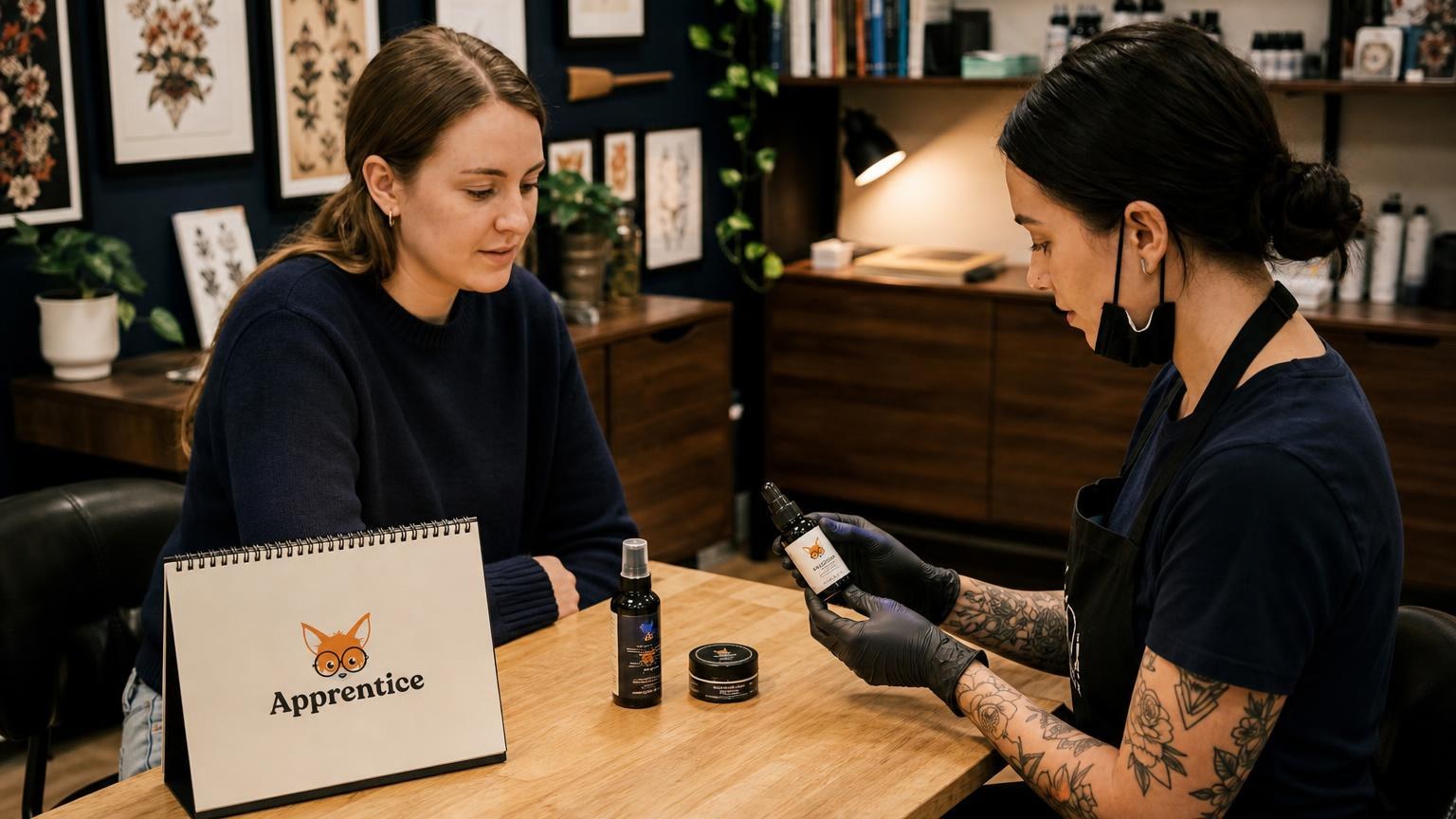
Automated aftercare delivery became a natural companion to these products. When an artist could send detailed healing instructions immediately after an appointment, complete with product recommendations and timeline expectations, the client experience improved dramatically. Tools that automated this follow-up, like Apprentice’s aftercare delivery system, saved artists from fielding dozens of “is this normal?” texts in the days after a session.
The Lasting Legacy of 2020 on Modern Tattooing
2020 was a stress test for the entire tattoo industry. It broke some things. It built others. And looking back at it as a retrospective on that year’s tattoo trends, the patterns are clear.
The digital shift wasn’t temporary. Online booking, deposit collection, virtual consultations, and automated client communication are now baseline expectations. Artists who resisted technology in 2020 have largely come around or fallen behind. The ones who embraced it early gained a real competitive edge.
The aesthetic influence lingers too. Fine line work is still everywhere. Meaningful, personal tattoos remain the dominant request over flash impulse buys. And the cultural conversation around respect, authenticity, and transparency in tattooing has only gotten louder.
The bottom line? 2020 proved that tattooing is resilient because tattoo people are resilient. Artists adapted. Clients waited. And when the doors reopened, the work was better, the processes were tighter, and the connection between artist and client was deeper than ever. That momentum carried straight into the styles that defined 2021 as studios reopened.
If you’re an artist or shop owner still running your business on DMs and paper calendars, 2020’s lesson is clear: the right tools make the craft stronger, not weaker. You can get started with Apprentice free for 14 days and see how much time you get back for the work that actually matters: making great tattoos.

Jason Howie
Founder & CEO
Jason Howie is the founder of Apprentice, passionate about empowering tattoo artists and shops with better tools to manage their business and serve their clients.