Most shops pour everything into the ninety minutes in the chair and treat the rest as background noise. The inquiry that sits unanswered for two days. The client who waits on the couch unsure if they’re even allowed to use the bathroom. The healing instructions rattled off while they’re still buzzing with adrenaline and remember none of it.
That surrounding stuff is the part clients actually remember. It’s what decides whether they book again or quietly find someone else next time.
The tattoo is why they booked you. The experience around it is why they tell their friends.
The inquiry is the first piece of work
Before a client ever sees your needle, they see how you answer a message. A fast, clear reply tells them you run a real operation. A three-day silence tells them the opposite, and they’ve already messaged two other artists by then.
You don’t have to reply in thirty seconds. You do have to reply before they lose interest. Set the expectation out loud: an auto-reply that says “I check messages once a day and I’ll get back to you within 24 hours” beats leaving someone guessing. People forgive a wait they were warned about. They don’t forgive being ignored.
The same goes for the boring questions that scare clients off. What’s your deposit. How does it come off the total. What happens if they need to reschedule. Put the answers where people can find them instead of making them ask. A clean online booking flow that states deposit and reschedule terms up front removes the awkward back-and-forth before it starts.
The consultation is listening, not pitching
A consultation isn’t you explaining what you’ll do. It’s you figuring out what they actually want, including the parts they can’t put into words yet.
Some clients show up with a reference folder and exact placement. Others have a feeling and a body part. Both need you to slow down and ask the second and third question, not just the first. “A rose on the forearm” can mean ten different tattoos. The five minutes you spend pinning that down is the difference between a piece they love and a piece they tolerate.
This is also where you protect the work. If someone wants micro-fine script on the side of a finger, that’s the moment to be honest about how it’ll age, not after it’s healed and blurred. Clients don’t resent an artist who tells them the truth. They resent the one who took the money and let them find out later.
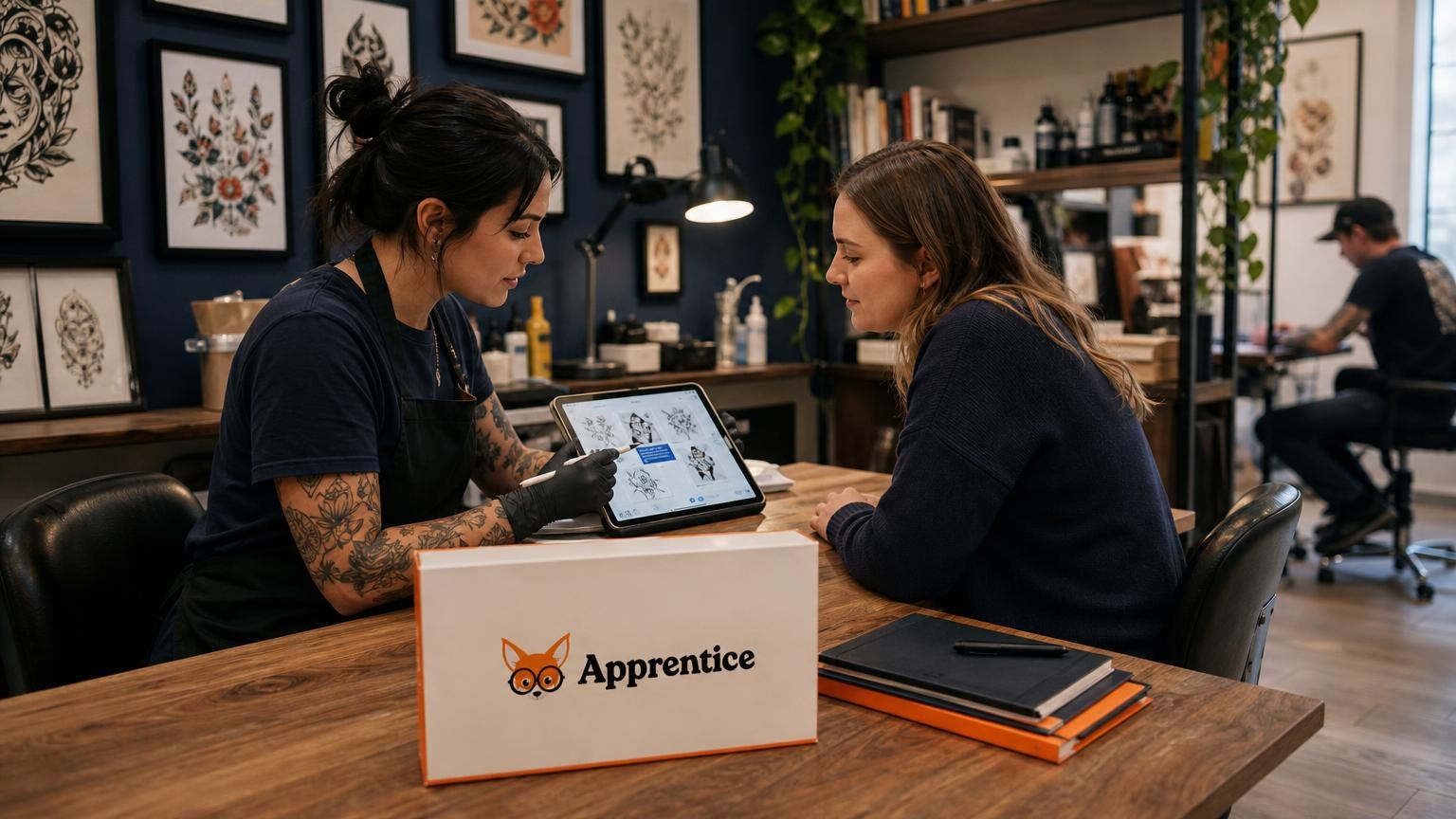
Sharing the design before the appointment helps here too. When a client can review a stencil and references with you ahead of time, the surprises happen on a screen instead of on their skin. Apprentice’s design collaboration tools let you and the client look at the same thing before they sit down, so nobody’s renegotiating placement halfway through the session.
The wait is part of the tattoo
Nobody books a tattoo for the waiting room. But the waiting room is where a chunk of the impression gets formed anyway.
The small things carry more weight than they should. Telling someone where the bathroom is before they have to ask. A glass of water. A straight answer when you’re running twenty minutes behind instead of pretending you’re not. None of this costs anything. All of it tells a nervous first-timer that they’re in good hands.
First-timers especially are reading the room for signs they made the right call. Give them those signs. A calm, organized shop where the artist knows their schedule and isn’t scrambling does more for client confidence than any framed certificate on the wall.
Aftercare is where loyalty is actually won
Here’s the gap almost every shop leaves open. The client walks out wrapped, hyped, and barely listening, and that’s the last they hear from you until they want another tattoo. Maybe.
The healing weeks are when their opinion of you sets. A scabbing, itching tattoo with no guidance feels like a problem. The same tattoo with a check-in text on day three feels like care. Same ink, completely different memory.
Send the aftercare instructions in writing, not just out loud. Follow up once while it’s healing. It takes a minute and it’s the cheapest loyalty you’ll ever buy. This is how a simple follow-up keeps clients coming back long after the session ends. If you want a head start, the aftercare and consent templates save you writing the same thing from scratch every time.
Automating the send is the easy win. Apprentice can fire off aftercare info and a follow-up automatically once the appointment wraps, so the most important advice you give doesn’t get lost in the post-tattoo high.
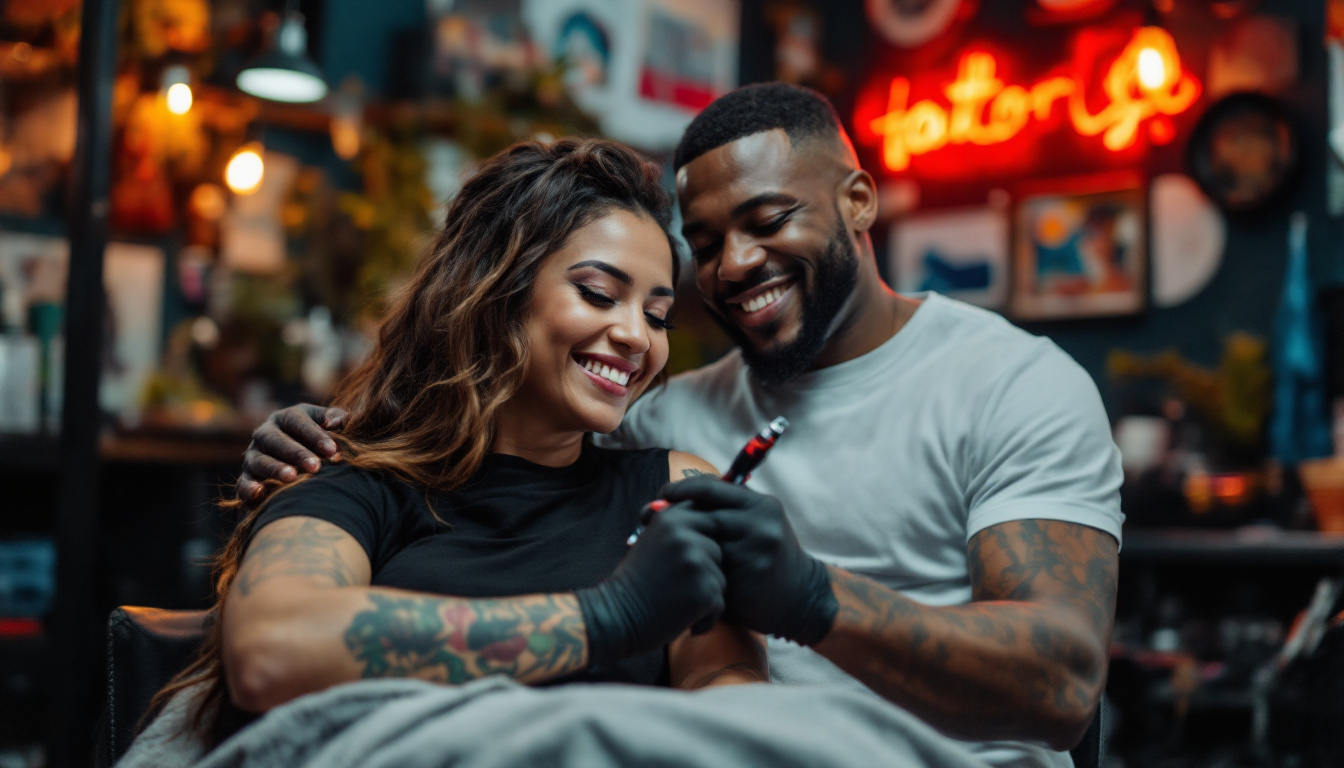
What this looks like when you run a shop
Any one of these is easy on a slow Tuesday. The challenge is doing all of them, every client, while you’re booked solid and also trying to, you know, tattoo.
That’s the real reason client experience falls apart. Not because artists don’t care. Because the admin piles up and the human touches are the first thing to get dropped when you’re behind. The reply that didn’t go out. The aftercare text you meant to send. The reschedule that never got logged and turned into a double-booking.
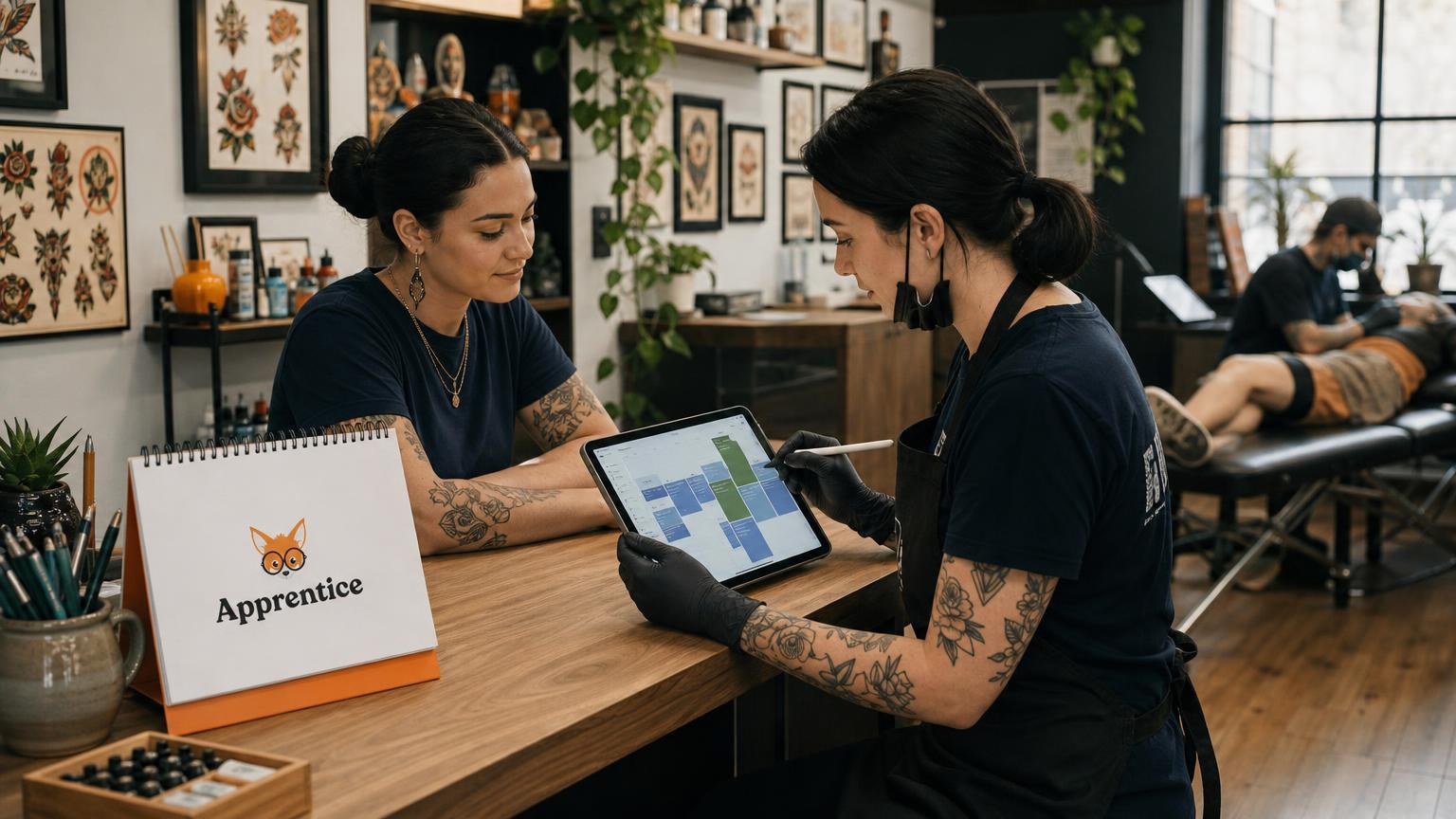
This is the quiet case for getting your booking, deposits, and client notes into one place instead of spread across your DMs, a paper book, and your memory. Not because software makes you care more. Because it handles the repetitive parts so the caring parts still happen when you’re slammed.
Good client experience isn’t a personality trait. It’s a system that keeps working on your worst day.
If you’re tired of bookings and follow-ups living in five different places, start a free 14-day trial of Apprentice and run the whole thing from one spot.
Related reading

Jason Howie
Founder & CEO
Jason Howie is the founder of Apprentice, passionate about empowering tattoo artists and shops with better tools to manage their business and serve their clients.