Your back is the biggest canvas your body offers. It’s also the most expensive one. If you’re wondering how much a back tattoo costs, the short answer is anywhere from $500 to $10,000 or more. The long answer depends on a dozen variables that most people don’t think about until they’re already sitting in the chair.
Back tattoos are a commitment. They’re personal. They’re visible. And they require serious planning, both artistically and financially. Whether you want a small script between your shoulder blades or a full back piece that takes 40 hours, your wallet needs to be as ready as your pain tolerance. This guide breaks down real pricing, the factors that push costs up or down, and the hidden expenses most clients forget about. We’re talking actual numbers, not vague “it depends” answers.
Understanding Back Tattoo Pricing Basics
Pricing a back tattoo isn’t like buying something off a shelf. There’s no universal price tag. Every artist charges differently, every shop has its own overhead, and every design carries its own demands. (For the full picture across every placement, start with our guide to tattoo cost by body part.) But there are two main pricing structures you’ll run into, and understanding them saves you from sticker shock.
Hourly Rates vs. Flat Fees
Most tattoo artists charge by the hour. In 2026, hourly rates for experienced artists range from $150 to $300 per hour, with top-tier specialists pushing $400 or more. A small upper-back piece might take two to four hours. A full back piece? That’s 30 to 80 hours spread across multiple sessions.
Flat fees are more common for smaller, well-defined pieces. An artist might quote you $800 for a medium shoulder tattoo because they know exactly how long it’ll take. But for large-scale work, hourly is the norm. It protects the artist from undercharging on a project that turns out more complex than expected.
Here’s the thing most clients miss: hourly doesn’t just mean needle-on-skin time. It includes setup, stencil placement, breaks, and sometimes design adjustments mid-session. A “three-hour tattoo” might keep you in the shop for four. Ask your artist upfront what their hourly rate covers so there are no surprises.
Shop Minimums and Deposits
Nearly every reputable shop has a minimum charge. This is the baseline price regardless of how small or quick your tattoo is. Minimums typically fall between $80 and $150 in most U.S. cities, though high-demand urban shops can set minimums at $200 or more.
Deposits are separate from the minimum. They’re a non-refundable booking fee, usually $50 to $200, that holds your appointment slot. The deposit gets applied to your final bill. It exists because no-shows cost artists real money. An empty chair for three hours is three hours of lost income.
If you’re an artist reading this, collecting deposits through a tool like Apprentice takes the awkward money conversation out of your DMs. Automated deposit collection means fewer no-shows and more financial security for your schedule. And clients actually prefer it because they know their spot is locked in.
Key Factors That Influence Your Total Cost
Two back tattoos that look similar in size can cost wildly different amounts. The price gap comes down to a handful of factors that compound quickly.
Design Complexity and Detail
A simple black outline of a geometric shape takes far less time than a photorealistic portrait. Complexity is the single biggest cost driver after size. Fine linework, intricate mandalas, and realistic shading all demand more skill and more hours.
Custom illustrations with lots of tiny details, think botanical scenes with individual leaf veins, can double or triple the time compared to bold traditional designs. Your artist needs to account for drawing time too. A complex custom design might require 10 to 20 hours of drawing before the first session even starts. Some artists charge a separate design fee. Others fold it into the hourly rate.
Ask to see your artist’s portfolio for work similar to what you want. That gives you a realistic sense of what the final piece and the final bill will look like.
Artist Experience and Reputation
A newer artist charging $100 per hour and a veteran charging $300 per hour aren’t just separated by price. They’re separated by thousands of hours of practice, a refined technique, and a track record of healed work that still looks great years later.
The tattoo industry generated over $3 billion in revenue in 2024, and that number keeps climbing. More demand means more artists, but it also means the best artists can charge premium rates. Award-winning artists and Instagram-famous tattooers with six-month waitlists set their prices based on demand. You’re paying for their eye, their hand, and their reputation.
That said, price doesn’t always equal quality. Some mid-range artists produce stunning work. Check healed photos, not just fresh ones. Fresh tattoos always look good. Healed tattoos tell the truth.
Color Selection and Shading
Black and grey tattoos are generally less expensive than full-color work. Color requires more passes, more ink changes, and more precision to get saturation right, especially on different skin tones. A full-color back piece can add 20 to 40 percent to your total cost compared to a black and grey version of the same design.
Shading styles matter too. Smooth black and grey realism takes longer than bold whip shading. Watercolor-style tattoos look loose and effortless, but they’re technically demanding and time-intensive. Your artist has to blend colors on skin in real time.
If budget is a concern, discuss a phased approach. Start with the linework and black shading. Add color in later sessions when your finances recover. Many artists are happy to plan a piece in stages.
Estimated Price Ranges by Coverage Size
Size is the most obvious cost factor. Here’s what you can realistically expect to pay in 2026 based on coverage area.
Upper Back and Shoulder Pieces
Upper back tattoos between the shoulder blades or spanning one shoulder typically range from $500 to $2,500. A two-hour session at an average shop runs about $300 to $600, which covers many medium-sized upper back designs.
Small script or minimalist symbols on the upper back might fall near the shop minimum, around $150 to $300. But a detailed shoulder-to-shoulder piece with shading? That’s easily $1,500 to $2,500 and multiple sessions.
Popular upper back styles in 2026 include ornamental patterns, neo-traditional animals, and fine-line floral work. Each has different time demands, so the style you choose shapes the price as much as the size does.
Lower Back Tattoos
Lower back tattoos have made a strong comeback. Small to medium pieces in this area typically cost $300 to $1,500. The lower back is a relatively flat surface, which makes stencil application easier and can speed up the process slightly.
A simple design spanning about six to eight inches might take two to three hours. Larger lower back pieces that extend toward the hips or wrap slightly around the sides push into the $1,000 to $2,000 range. The cost of a $500 tattoo typically covers a piece about 5 by 5 inches, which gives you a useful benchmark for estimating your own design.
Full Back Masterpieces
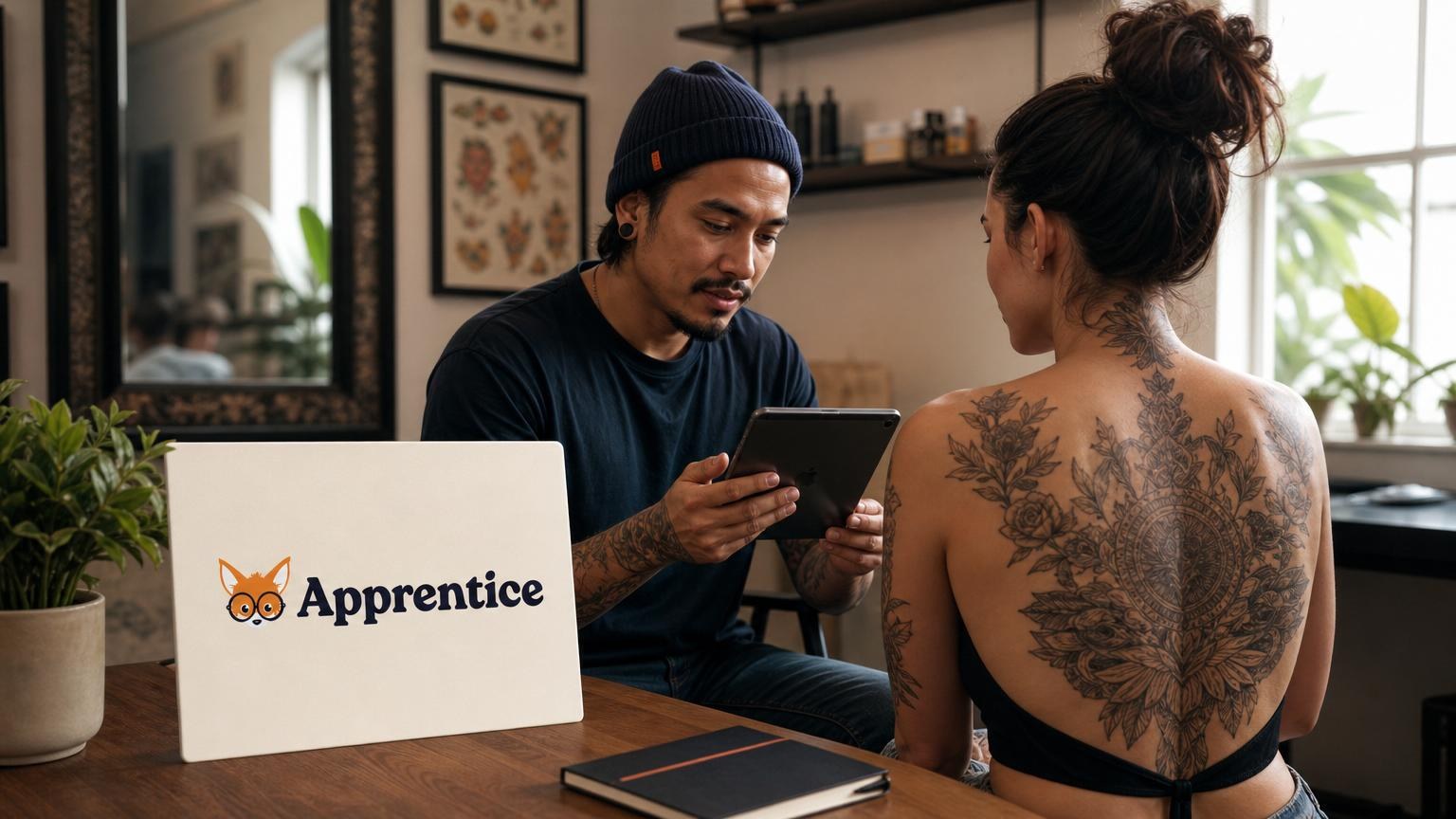
This is where the numbers get serious. A full back tattoo, from shoulders to waistline, is one of the largest commitments in tattooing. Prices range from $2,000 to $10,000 or more depending on complexity, color, and the artist’s rate.
Full back pieces take anywhere from 20 to 80 hours. That’s spread across five to fifteen sessions, sometimes over a year or more. At $200 per hour, a 40-hour piece costs $8,000 before tip. At $300 per hour, you’re looking at $12,000.
These are legacy pieces. Japanese bodysuits, massive realism portraits, or elaborate mythological scenes fall into this category. Budget accordingly and don’t rush the process. Your artist needs adequate healing time between sessions, and your bank account does too.
Flash Designs vs. Custom Back Pieces
Flash tattoos are pre-drawn designs available for anyone to get. Custom pieces are designed specifically for you. The cost difference between them can be significant.
Flash designs are priced lower because the drawing is already done. The artist doesn’t spend hours on consultation and illustration. A flash back piece might save you 20 to 30 percent compared to a custom design of similar size and complexity. Many shops organize flash galleries online so clients can browse and pick a design before they even walk in. Apprentice lets artists manage flash galleries and connect them to bookings, so clients can choose a design and book their session in one step.
Custom work costs more because it’s one of a kind. Your artist spends time on consultations, reference gathering, sketching, and revisions. That creative labor has real value. A custom full-back design might require $500 to $1,500 in design work alone before tattooing begins.
But here’s the honest truth: flash isn’t “lesser” art. Many of the best tattooers create flash pieces that are just as stunning as their custom work. If your budget is tight, a well-chosen flash piece on your back can look incredible. The key is picking an artist whose flash style matches your taste.
Hidden Costs and Long-Term Investment
The sticker price of your tattoo isn’t the whole story. Several costs sneak up on people who don’t plan ahead.
Tipping Your Artist
Tipping is standard in the tattoo industry. The general expectation is 15 to 25 percent, just like at a restaurant. On a $3,000 back piece, that’s $450 to $750 in tips. On a $8,000 full back piece, you’re looking at $1,200 to $2,000 in gratuity alone.
Some clients tip per session instead of calculating a percentage of the total project. That’s perfectly acceptable. A $50 to $100 tip after each sitting shows appreciation and keeps the relationship strong. Because back pieces take multiple sessions, your artist remembers who tips and who doesn’t. It matters.
Aftercare Supplies and Healing
Good aftercare isn’t optional. You’ll need unscented lotion, healing balm, and possibly specialized tattoo aftercare products. Budget $30 to $75 for supplies per session. Over a multi-session back piece, that adds up.
You also need to factor in downtime. Back tattoos make sleeping uncomfortable for a few nights. You can’t hit the gym hard for a week or two. If your job involves heavy physical labor or lots of sweating, you might need a day or two off work after each session. That’s lost income you should account for.
Future Touch-Up Sessions
Most large tattoos need at least one touch-up. Some spots heal lighter than others. Color can fade unevenly, especially on the lower back where clothing rubs constantly. Many artists include one free touch-up within the first year, but not all do. Ask about touch-up policies before you book.
After the initial healing period, you’ll want to protect your investment. Sunscreen on your back tattoo isn’t just a suggestion. UV exposure is the number one killer of tattoo vibrancy. A $10 bottle of SPF 50 saves you hundreds in future touch-up costs.
How to Plan and Book Your Back Tattoo
Planning a back tattoo is a project. Treat it like one. Start by setting a realistic budget based on the price ranges above, or run your own numbers through our free tattoo pricing calculator. If you want a full back piece and your artist charges $250 per hour, plan for $5,000 to $12,000 over the course of a year.
Research artists who specialize in your desired style. Look at healed work, not just fresh photos. Read reviews. Check their booking process. A smooth consultation experience usually signals a professional operation.
Book a consultation before committing. Most artists offer free or low-cost consultations where you discuss placement, size, style, and pricing. Bring reference images. Be honest about your budget. A good artist will tell you what’s realistic for your price range and suggest ways to phase the work if needed.
Here’s a practical checklist for your planning process:
- Set a total budget including tip, aftercare, and potential touch-ups
- Research three to five artists whose portfolios match your vision
- Book consultations and compare pricing structures
- Ask about deposit policies, cancellation fees, and touch-up terms
- Plan your session schedule around healing time, at least three to four weeks between sessions
- Prepare your skin by staying hydrated and avoiding sunburn before appointments
For artists managing a busy schedule of back piece clients, using Apprentice to handle bookings, deposits, and client communication means you spend your energy on the art instead of chasing down appointment confirmations. Automated pre-appointment info keeps clients prepped and ready, which means better sessions for everyone.
One more reality check: back tattoos hurt. The spine, shoulder blades, and lower back near the kidneys are some of the most sensitive areas. If you’ve never been tattooed before, starting with a full back piece is ambitious. Consider getting a smaller tattoo first to gauge your pain tolerance and see how your skin heals.
The cost of a back tattoo is real money. But it’s also a piece of art you carry for life. Cheap tattoos aren’t good, and good tattoos aren’t cheap. That’s been true for decades and it’s still true in 2026. Invest in the right artist, plan your budget honestly, and respect the process. Your back deserves it.
If you’re a tattoo artist looking to spend less time on admin and more time creating pieces like these, Apprentice can help you manage bookings and deposits in minutes. Get started with a free 14-day trial and see the difference it makes in your day-to-day.

Jason Howie
Founder & CEO
Jason Howie is the founder of Apprentice, passionate about empowering tattoo artists and shops with better tools to manage their business and serve their clients.