Getting a tattoo is permanent. It’s personal. And people want it to be perfect. That pressure is exactly why so many first-timers freeze up the moment they sit down to choose a design. The global tattoo industry is projected to reach USD 5.99 billion by 2034, which means more people than ever are walking into shops for the first time. But here’s the honest truth: roughly 24% of tattooed Americans regret at least one tattoo. That number climbs to a staggering 38% for people who got inked before age 21. The good news? Most of that regret is avoidable. It comes down to rushing the decision, picking a trend over a timeless piece, or skipping the research phase entirely. This guide is built to help you slow down and think clearly about your first tattoo: what to get, where to put it, who should do it, and how to take care of it. Whether you’ve been planning this for years or the idea hit you last week, the goal is the same. Pick something you’ll genuinely love forever.
Finding Your Personal Style and Inspiration
Your first tattoo should feel like yours. Not your friend’s. Not something you saw on a celebrity’s Instagram story at 2 a.m. The best first tattoo ideas come from honest self-reflection, not impulse. Start by asking yourself a few blunt questions: What do you keep coming back to? What images, words, or ideas have stuck with you for more than a year? If the answer is “nothing specific,” that’s fine. It just means you need more time collecting ideas before you commit.
Exploring Meaningful Symbols and Sentimental Themes
A lot of people want their first piece to mean something. That’s valid. But meaning doesn’t have to be dramatic or deep. It can be a small nod to a place you love, a pet’s silhouette, or a line from a book that rewired your brain at 16. The key is choosing something that holds weight for you, not something you have to explain to everyone at a party.
Sentimental tattoos age well emotionally. You won’t wake up in five years wondering why you got it. Think about family traditions, cultural heritage, coordinates of a hometown, or a symbol tied to a personal milestone. These designs carry stories. And stories don’t go out of style.
The Difference Between Trends and Timeless Designs
Trends move fast. Tattoo regret lasts a lot longer. Infinity symbols, mustache finger tattoos, and certain script fonts were everywhere a decade ago. Many of those people are now booking laser removal appointments.
Timeless designs tend to share a few traits: strong line work, balanced composition, and a concept that isn’t tied to a specific cultural moment. Traditional American, Japanese, blackwork, and fine-line realism have all proven their staying power across decades. That doesn’t mean you can’t get something modern. Just ask yourself: will this still feel like me in 10 years? If the answer is shaky, keep looking.
Using Pinterest and Social Media for Mood Boards
Social media is a great research tool when you use it with intention. Create a private Pinterest board or save posts on Instagram. Collect 30 to 50 images that catch your eye. After a few weeks, patterns will emerge. You’ll notice you keep saving botanical pieces, or geometric work, or black-and-grey portraits.
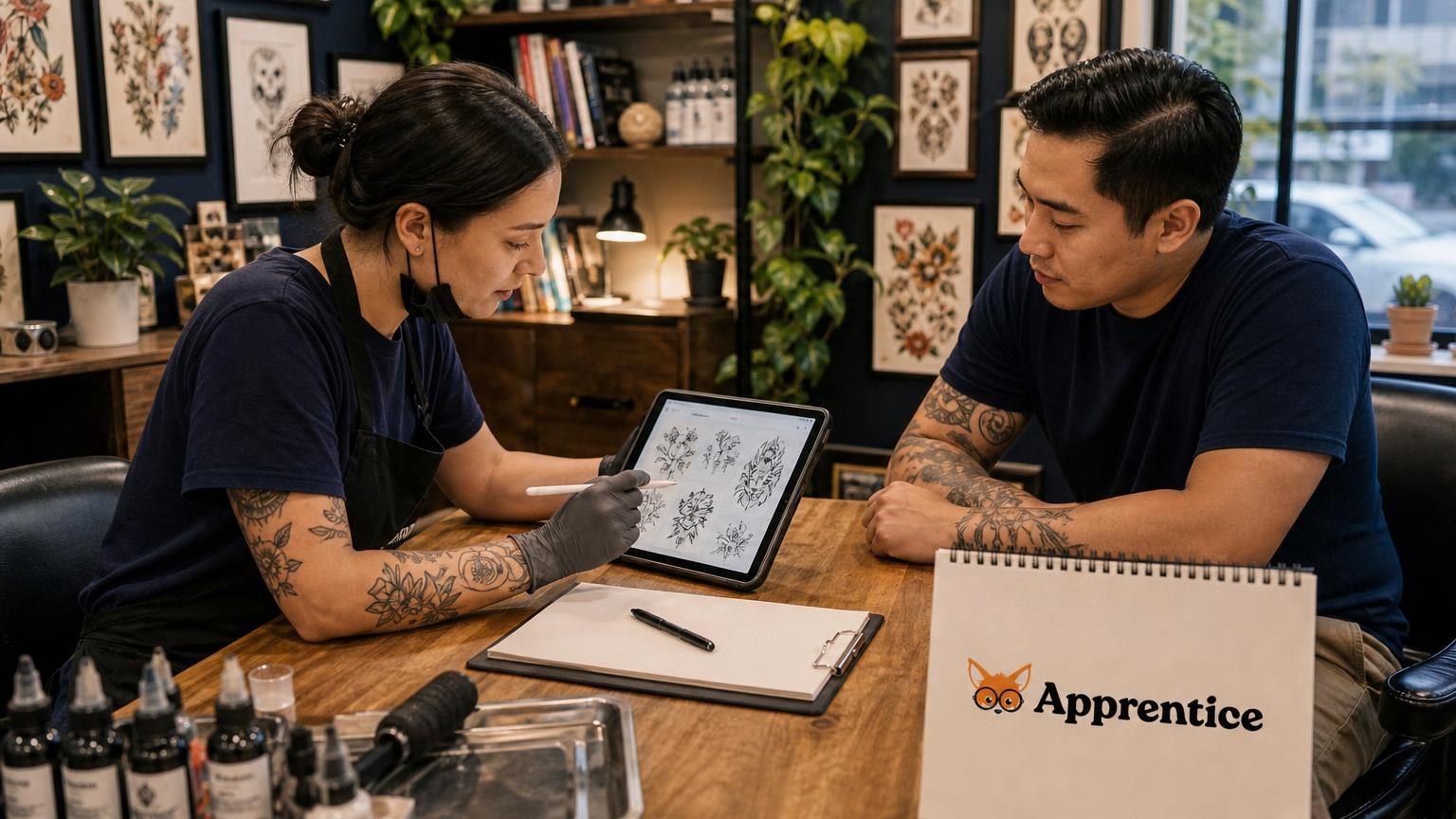
That pattern is your style trying to tell you something. Bring that board to your consultation. Artists love seeing reference images because it gives them a clear direction. But don’t expect a copy. A good artist will use your references to build something original. Platforms like Apprentice even let you share design references and collaborate with your artist directly through a project hub, so nothing gets lost in a messy DM thread.
Choosing the Right Placement and Size
Where you put your tattoo matters just as much as what you get. Placement affects pain, visibility, aging, and how the design reads on your body. If you’re weighing your options, our breakdown of the best placements for your first tattoo digs into why this choice carries so much weight. Don’t pick a spot just because it looks cool on someone else. Their body is different from yours.
Considerations for Pain Tolerance and Sensitivity
Let’s be real: tattoos hurt. Some spots hurt a lot more than others. Ribs, feet, hands, elbows, and the sternum are consistently rated as the most painful areas. Outer arms, thighs, and calves tend to be more manageable for first-timers.
If you have a low pain tolerance, don’t start with a rib piece. There’s no shame in picking a less sensitive spot for your first session. You can always work up to tougher placements later. Your artist will tell you the truth about what to expect, so ask them directly.
Visibility and Professional Impact
Think about your daily life. Do you work in a field where visible tattoos could cause friction? Some industries have loosened up, but others haven’t. Forearm and hand tattoos are visible year-round. Upper arms, backs, and thighs are easy to cover with regular clothing.
And here’s a stat that should give you pause: face tattoos carry the highest regret rate at 44.1%. That’s nearly half of everyone who gets one. For your first piece, a concealable location gives you flexibility without sacrificing self-expression.
How Tattoos Age on Different Parts of the Body
Not all skin ages the same. Areas with a lot of sun exposure, like hands and forearms, will fade faster without proper care. Spots that stretch over time, like the stomach or inner bicep, can distort fine details.
Bold lines and solid fills hold up better over the years than delicate micro-realism. If you want a highly detailed piece, place it somewhere stable: the outer upper arm, calf, or upper back. Your artist should advise you on what will look good now and still hold up in 15 years.
Selecting the Perfect Tattoo Artist
Your artist is the single biggest factor in whether you love your tattoo or regret it. Choosing the wrong person can mean a bad experience, a botched design, or worse: an infection. Do your homework.
Reviewing Portfolios for Technical Consistency
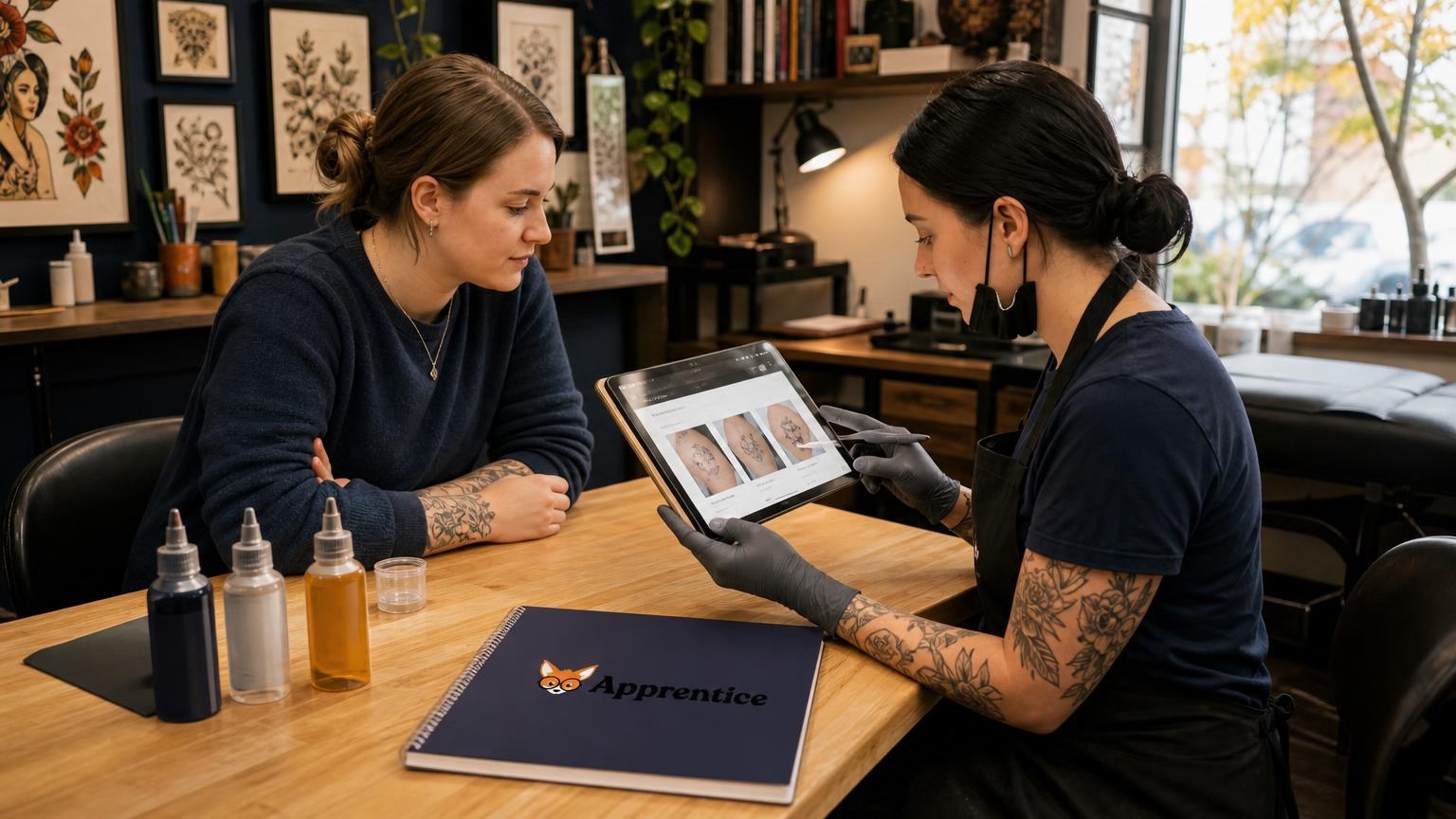
Every artist has a style. Some specialize in traditional, others in realism, and others in fine-line or illustrative work. Look at their portfolio with a critical eye. Are the lines clean and consistent? Do healed photos look as good as fresh ones? Is the shading smooth?
Don’t just scroll their highlights. Look at a broad range of their work. Consistency matters more than one or two standout pieces. If their portfolio doesn’t show the style you want, move on. Hourly rates for reputable artists range from $150 to $300 or more in major cities, so you’re making a real investment. Make sure it’s going to the right person.
The Importance of Studio Hygiene and Safety
This isn’t negotiable. A clean shop uses an autoclave to sterilize reusable equipment. Needles and ink caps are single-use and opened in front of you. The artist wears gloves. Surfaces are covered and wiped down between clients.
If a shop feels dirty, smells off, or the artist can’t answer basic questions about their sterilization process, walk out. Bloodborne pathogen training should be standard for every working artist. Your health is worth more than a good deal on a tattoo.
The Consultation and Customization Process
A consultation is where your idea becomes a real design. It’s also where trust gets built between you and your artist. Don’t skip this step, and don’t treat it like a formality.
Communicating Your Vision to the Artist
Come prepared. Bring your mood board, reference images, and a rough idea of size and placement. But also be open. Tell the artist what the tattoo means to you, not just what it should look like. The emotional context helps them make better creative decisions.
Be specific about what you don’t want, too. If you hate color, say so. If you want to avoid a certain style, speak up early. Clear communication prevents disappointment. Tools like Apprentice can help here: artists can manage the entire project in one place, from reference images to design drafts to appointment scheduling, so the conversation stays organized from start to finish.
Trusting Professional Advice on Scaling and Detail
Here’s where a lot of first-timers push back, and it usually costs them. Your artist might tell you that your tiny wrist piece needs to be bigger to hold detail. Or that a design you love won’t translate well to the body part you chose. Listen to them.
They’ve done this hundreds, maybe thousands of times. They know how ink sits in skin. They know what shrinks, what bleeds, and what fades. A good artist will push back when your idea won’t work, and that’s a sign you picked the right person. Ego has no place in the chair.
Preparing for Your First Session and Aftercare
You’ve picked the design. You’ve booked the appointment. Now it’s time to get your body and mind ready. How you prepare and how you heal both affect the final result.
Pre-Tattoo Health and Hydration Tips
Drink plenty of water in the days leading up to your appointment. Hydrated skin takes ink better. Eat a solid meal before your session so your blood sugar stays stable. Avoid alcohol for at least 24 hours beforehand: it thins your blood and increases bleeding.
Get a good night’s sleep. Wear comfortable clothing that gives easy access to the tattoo area. And show up on time. Artists block out specific windows for each client. Being late throws off the whole day. If your artist uses a booking system like Apprentice, you’ll likely get automated reminders and prep info before your appointment, which makes the whole process smoother for both sides.
Essential Long-Term Healing and Sun Protection
Aftercare isn’t optional. Follow your artist’s specific instructions, but the basics are universal: keep it clean, keep it moisturized, and keep it out of the sun. For the first two weeks, avoid submerging the tattoo in water. No pools, no ocean, no baths.
Once it’s healed, sunscreen becomes your best friend. UV exposure is the number one killer of tattoo vibrancy. Apply SPF 30 or higher whenever the tattoo is exposed. This isn’t a one-time thing. It’s a lifelong habit if you want your ink to stay sharp.
Picking something you’ll love forever isn’t about finding the perfect design on the first try. It’s about doing the work: researching styles, choosing the right artist, picking smart placement, and committing to proper aftercare. Rushing any of those steps is how regret happens. Take your time. Trust the process. And remember, a great tattoo is a collaboration between you and a skilled artist who cares about the craft.
If you’re an artist looking to spend less time chasing bookings and more time creating great work, Apprentice can help you manage clients, collect deposits, and keep your schedule full. Get started with a free 14-day trial and see the difference for yourself.

Jason Howie
Founder & CEO
Jason Howie is the founder of Apprentice, passionate about empowering tattoo artists and shops with better tools to manage their business and serve their clients.