The tattoo world has shifted. What used to be a subculture is now a multi-billion-dollar industry generating $1.6 billion in annual revenue in the U.S. alone. And women are driving a massive portion of that growth. From whisper-thin line work on a collarbone to full-sleeve ornamental pieces, the range of what women are asking for has never been wider. It’s permanent. It’s personal. People want it to be perfect. That demand is pushing artists to sharpen their skills across wildly different styles. Whether you’re an artist trying to stay current or a client doing research before your next session, understanding the spectrum of women’s tattoo trends - from delicate designs to bold, expressive work - matters more than ever. This isn’t about chasing fads. It’s about knowing what’s resonating, why it’s resonating, and how to execute it well. Roughly 46% of Americans now have at least one tattoo, and the demographic skews younger and more female than any previous generation. The conversation around feminine ink has evolved past butterflies and infinity symbols. Let’s talk about where it actually stands right now.
The Evolution of Feminine Tattoo Aesthetics
Go back twenty years. Women’s tattoos mostly fell into a narrow lane: lower back pieces, small stars on wrists, maybe a rose on a shoulder blade. The options weren’t limited because women lacked taste. They were limited because the industry hadn’t caught up. Shops were male-dominated spaces. Flash sheets reflected that.
That started cracking open in the 2010s. Social media, especially Instagram, gave female artists a platform. Clients could suddenly see what was possible beyond the flash wall. Styles like watercolor, fine line, and illustrative work exploded because women were both creating and requesting them.
Now, the aesthetic range is staggering. A woman might walk in wanting a single-needle portrait of her grandmother on Monday. On Tuesday, another client wants a full blackwork sleeve with geometric mandalas. The old binary of “feminine equals small and dainty” is dead. Women’s tattoo trends now reflect the full spectrum of human expression, blending artistry with deeply personal meaning. One industry voice put it well: women’s tattoo choices in 2025 and beyond “emphasize personal statements of strength, beauty, and evolution.”
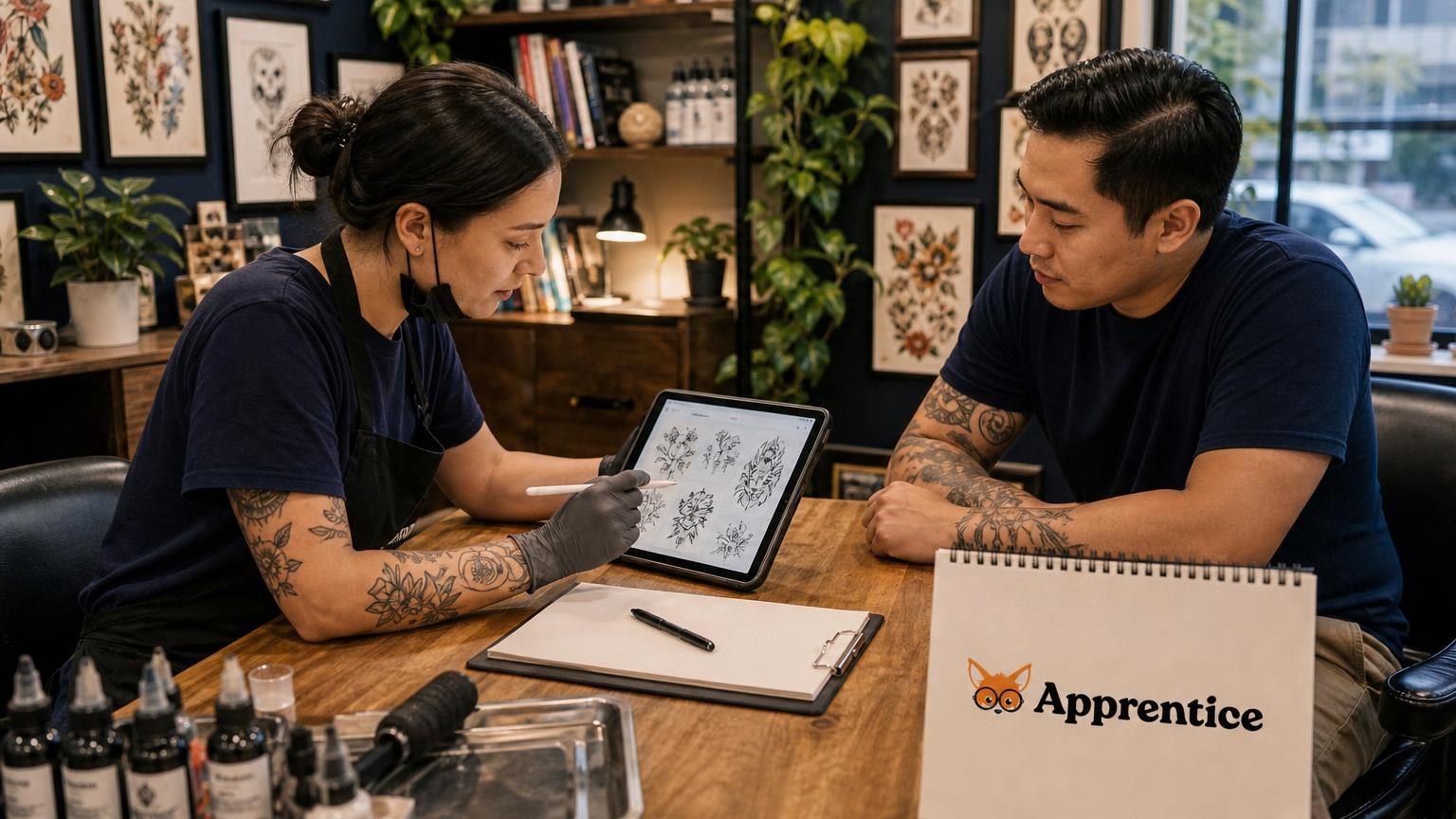
For artists, this means versatility isn’t optional. You need range. And for shop owners, it means your booking system needs to handle wildly different session types, from a 20-minute micro tattoo to a six-hour color piece. Tools like Apprentice can help here, letting you set different session lengths, deposit amounts, and prep instructions per artist or style. That kind of flexibility keeps your day organized when your clientele’s requests are all over the map.
The Rise of Fine Line and Minimalist Art
Fine line work is the backbone of the delicate tattoo movement. It’s not new, but it’s been refined to an almost absurd level of precision. The demand from women, especially millennials and Gen Z who make up 59% of the tattoo clientele, has pushed this style forward fast.
The appeal is obvious. Fine line tattoos are subtle, elegant, and easy to place almost anywhere on the body. They photograph beautifully, which matters in an era where your portfolio lives on a phone screen. But here’s the reality check: fine line work is technically demanding. Thin lines show every wobble. Skin texture, needle depth, and hand speed all matter more when there’s nowhere to hide.
Micro-Realism and Single Needle Details
Micro-realism is having a moment. We’re talking tiny portraits, miniature landscapes, and small-scale animals rendered with photographic detail. Single needle or three-round liner setups are the tools of choice. The results can be breathtaking.
But artists need to be honest with clients about longevity. Micro-realism pieces can blur and soften over time, especially in high-friction areas. A good consultation covers this upfront. Set expectations early. Show healed examples, not just fresh ones. Your credibility depends on honesty, not hype.
Delicate Script and Meaningful Typography
Script tattoos remain one of the most requested styles among women. Names, dates, song lyrics, quotes from loved ones. The emotional weight is enormous. A single word on a wrist can carry more meaning than a full back piece.
Typography choices have gotten more sophisticated. Clients bring custom handwriting samples, calligraphy references, and font mockups. Artists who can letter well, or who use tools that help clean up stencil designs, have a real edge. Apprentice’s AI tools for stencil cleanup can save serious time here, especially when a client’s handwriting sample needs refinement before it hits skin.
Spacing and sizing are critical. Too small, and the letters merge in a few years. Too large, and the delicacy is lost. This is a conversation, not a guessing game. Walk clients through the trade-offs.
Botanical Elements and Soft Floral Sprays
Florals have been a staple of women’s tattoos for decades. What’s changed is the execution. Today’s botanical tattoos lean toward realism or scientific illustration rather than traditional rose designs. Think lavender sprigs with visible pollen, peony blooms with layered petals, or wildflower bunches that look freshly picked.
Soft floral sprays, pieces that flow along the body’s natural curves, are particularly popular for ribs, shoulders, and upper arms. They’re organic in shape and feel. The best ones look like they grew there.
Artists working in this style benefit from studying actual botany. Reference photos from nature, not just other tattoos. That’s how you keep the work fresh and avoid the echo chamber of copying copies.
Bold and Expressive Statement Pieces
Not every woman wants subtle. A growing number of clients are choosing large-scale, high-contrast, visually aggressive work. And they’re doing it unapologetically. Bold tattoo designs for women are no longer an outlier; they’re a category of their own.
This shift reflects something deeper than aesthetics. It’s about ownership. A full sleeve or a chest piece is a declaration. It says something about how a person moves through the world. Artists who can execute bold work with technical precision and emotional intelligence are in high demand.
Neo-Traditional and Vibrant Color Palettes
Neo-traditional is thriving. It takes the heavy outlines and iconic imagery of American traditional and cranks up the detail, shading, and color range. Think jewel tones: deep teals, rich burgundies, burnt oranges. The palette is richer and more complex than old-school work.
Women are gravitating toward neo-traditional pieces that feature animals, mythological figures, and nature scenes. Snakes, moths, foxes, and goddesses are everywhere. The style allows for both beauty and edge, which is exactly why it resonates.
For artists, neo-traditional requires strong fundamentals. Your line work needs to be confident. Your color theory needs to be solid. And your design composition needs to account for how the piece will age. Bold lines hold up. Muddy color choices don’t.
Large-Scale Ornamental and Geometric Work
Ornamental tattoos pull from patterns found in architecture, textiles, and sacred geometry. Think mandalas, dotwork, and intricate lace-like designs that wrap around limbs or cover entire backs. These pieces demand patience from both the artist and the client.
Geometric work requires mathematical precision. Symmetry matters. Spacing matters. A crooked line in a geometric sleeve is impossible to ignore. Artists doing this style often spend as much time on the stencil as on the tattoo itself.
Pricing reflects the time investment. Tattoo artists typically charge around $150 to $250 per hour, and a large ornamental piece can easily run eight to twelve hours across multiple sessions. Collecting deposits upfront is non-negotiable for these projects. It protects your time and your income.
Cyber-Sigilism and Modern Abstract Linework
Cyber-sigilism is one of the most distinctive trends to emerge in recent years. It blends sharp, angular lines with organic flow, creating designs that look like digital glyphs or futuristic tribal markings. The aesthetic is dark, graphic, and unapologetically modern.
This style is especially popular among younger women who want something that feels completely new. It doesn’t reference traditional tattoo history. It references technology, digital art, and sci-fi. Placements tend to be dramatic: down the spine, across the chest, or wrapping around the neck.
For artists, cyber-sigilism requires a strong sense of design composition. These pieces are often custom, built around the client’s body shape. Freehand skills are a major asset here. And because the style is still relatively new, there’s room to innovate and make it your own.
Placement Trends for Maximum Impact
Where a tattoo sits on the body changes everything about how it reads. The same design can feel intimate or confrontational depending on placement. Women are getting more intentional about this choice, and artists should be guiding that conversation.
Placement also affects the tattooing experience. Pain levels, healing time, and visibility all shift based on location. A good consultation covers all of this. Don’t assume your client has done the research. Walk them through it.
Hidden Gems: Behind the Ear and Ribcage
Behind-the-ear tattoos are small, discreet, and incredibly popular. They’re often a first tattoo or a meaningful addition to a collection. Tiny symbols, initials, or micro florals work best here. The space is limited, so design simplicity is key.
Ribcage tattoos are a different beast. They’re hidden under most clothing but can be revealed intentionally. The pain level is real, and the skin moves a lot during breathing, which makes the tattooing process trickier. Floral sprays, script, and ornamental designs are common choices for this area.
Both placements appeal to women who want their tattoos to be personal rather than public. There’s a sense of intimacy to ink that only certain people get to see. Respect that intention during the consultation.
Visible Artistry: Sternum and Forearm Layouts
Sternum tattoos have surged in popularity. They sit between the breasts and often extend upward toward the collarbone or downward toward the stomach. Ornamental, floral, and geometric designs dominate this placement. The symmetry of the body creates a natural frame for the work.
Forearm tattoos are the workhorse of visible ink. They’re easy to show off, relatively easy to tattoo, and offer a flat, forgiving canvas. Women are choosing everything from fine line florals to bold illustrative pieces for this spot.
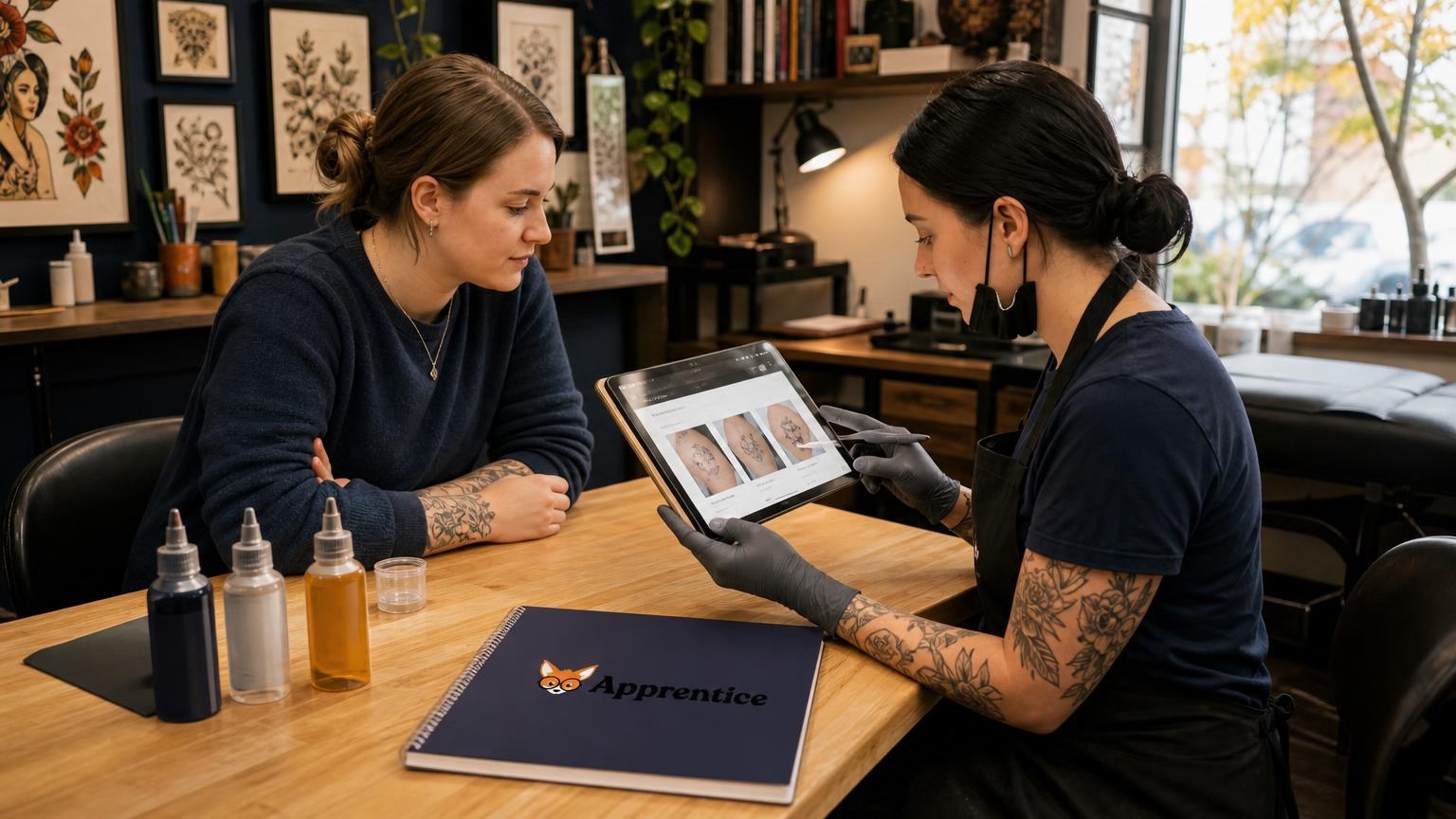
For artists managing a busy book, having a system that lets clients select their preferred placement during the booking process saves consultation time. Apprentice lets you set up intake forms that capture design ideas, placement preferences, and reference images before the client even walks in. That means you’re prepared, not scrambling.
Sustainability and Aftercare in Modern Tattooing
The tattoo industry is starting to reckon with its environmental footprint. Single-use plastics, chemical-laden inks, and disposable supplies add up. A growing number of clients, especially women, are asking about sustainable practices. They want to know what’s in the ink. They want to know where the supplies come from.
Some shops are switching to vegan inks, biodegradable barrier films, and eco-friendly packaging. It’s not just a marketing angle. It’s a genuine shift in values. And it builds trust with clients who care about these things.
Aftercare is the other half of this equation. The tattoo aftercare products market is projected to reach $4.9 billion by 2026, which tells you how seriously people are taking the healing process. Bad aftercare ruins good tattoos. Period.
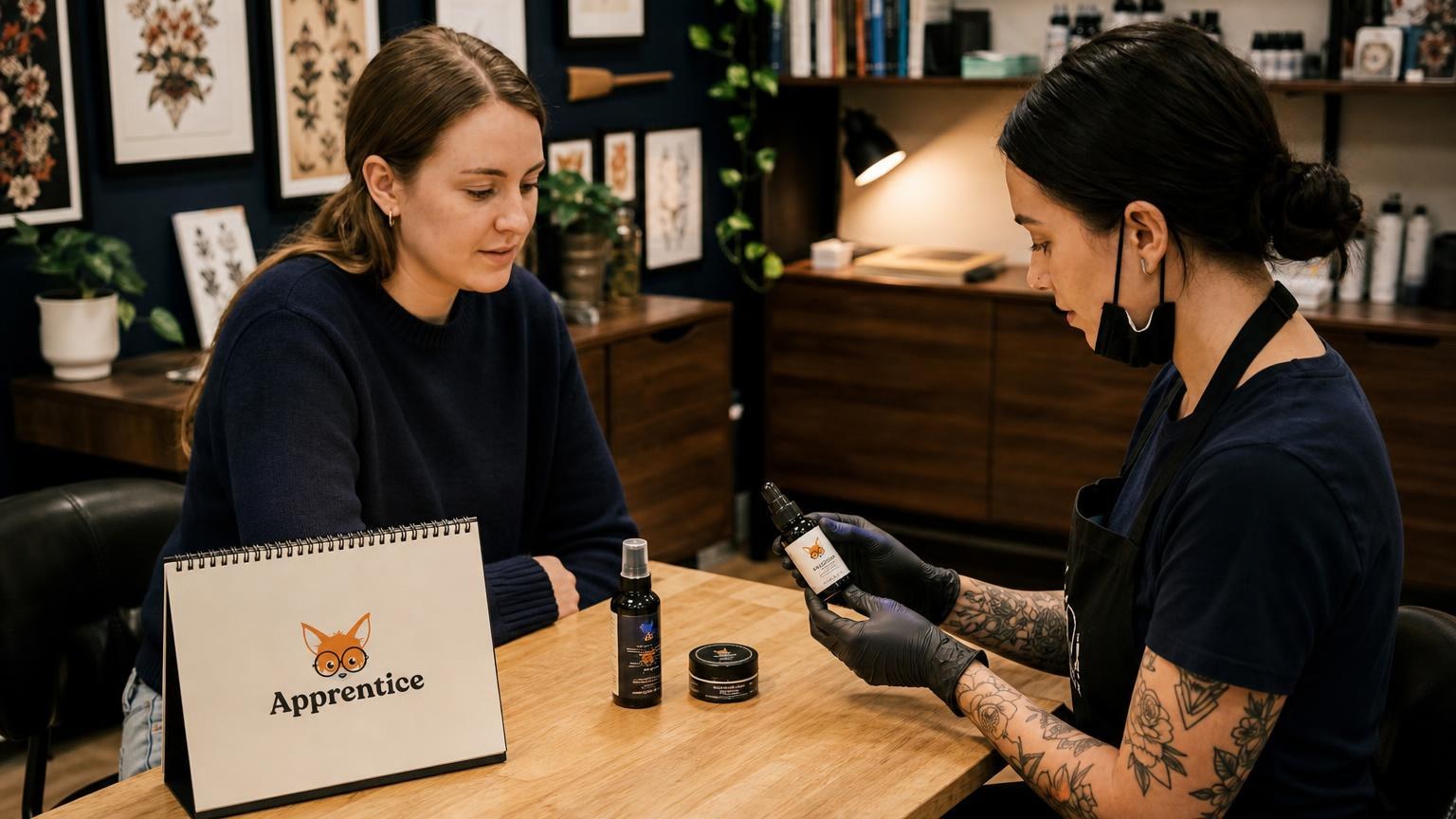
Artists should have a clear, consistent aftercare protocol. Send it digitally after the appointment so clients can reference it later. Automated aftercare messages, sent a few hours post-session and again at key healing milestones, reduce the number of panicked DMs you get at midnight asking if their tattoo is infected. It’s a small thing that makes a big difference in client experience and retention.
Finding Your Personal Style in a Changing Landscape
Trends come and go. What sticks is the work that means something. Whether you’re drawn to a tiny fine-line crescent moon or a full-color neo-traditional thigh piece, the best tattoo is the one that feels like yours. Not your friend’s. Not the one with 50,000 likes. Yours.
For artists, the takeaway is simple: keep learning, keep pushing your range, and keep having honest conversations with your clients. The women walking into your shop are more informed, more intentional, and more diverse in their tastes than ever before. Meet them where they are.
And if admin work is eating into your creative time, fix that. You didn’t get into this craft to chase invoices and manage a calendar. If you want to spend more time tattooing and less time on the business side, get started with a free 14-day trial of Apprentice. It handles bookings, deposits, and client prep so you can focus on what actually matters: the art.
Because that’s the whole point. It’s always been the art.

Jason Howie
Founder & CEO
Jason Howie is the founder of Apprentice, passionate about empowering tattoo artists and shops with better tools to manage their business and serve their clients.